Bookcase Wall Ideas
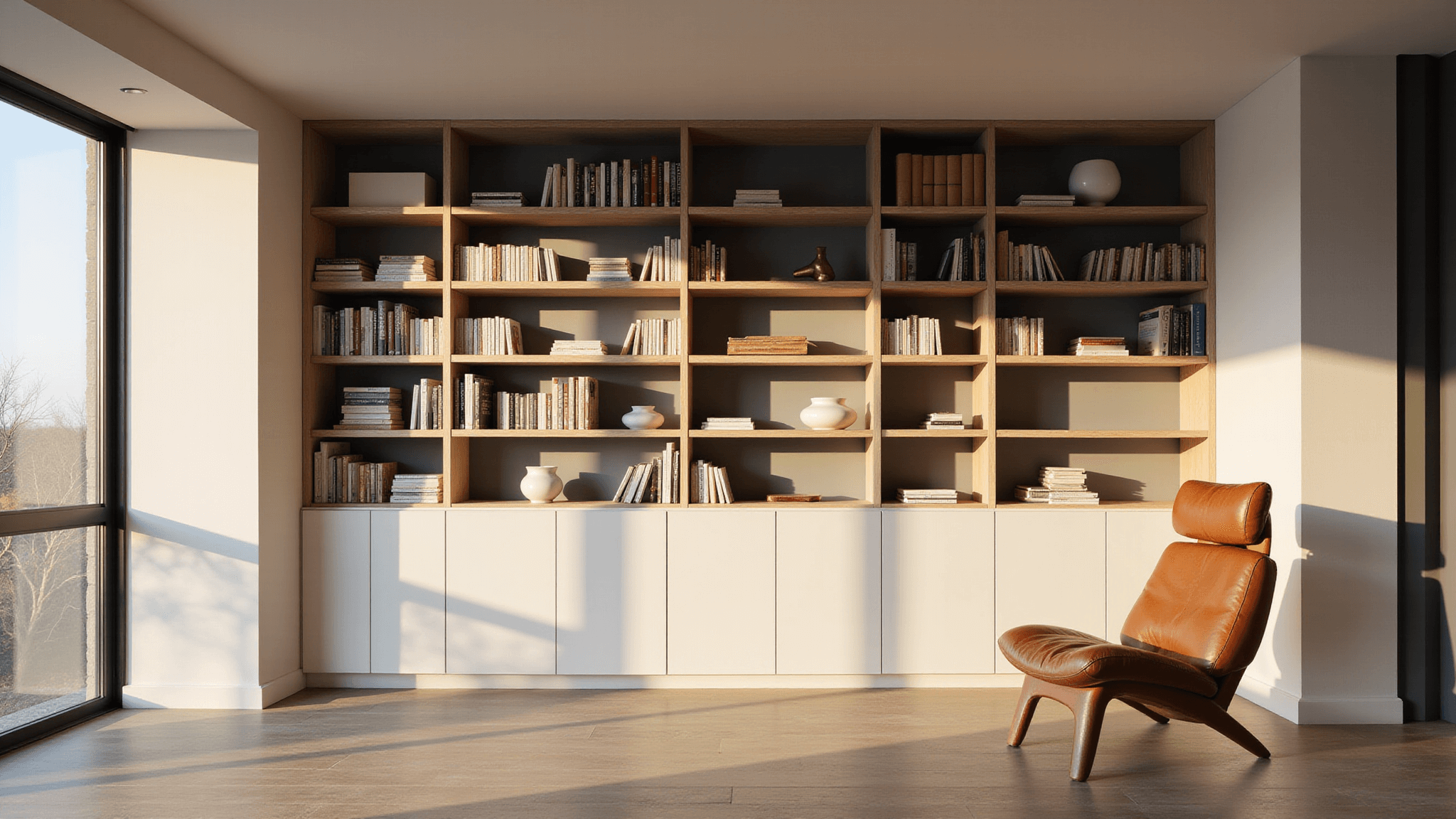
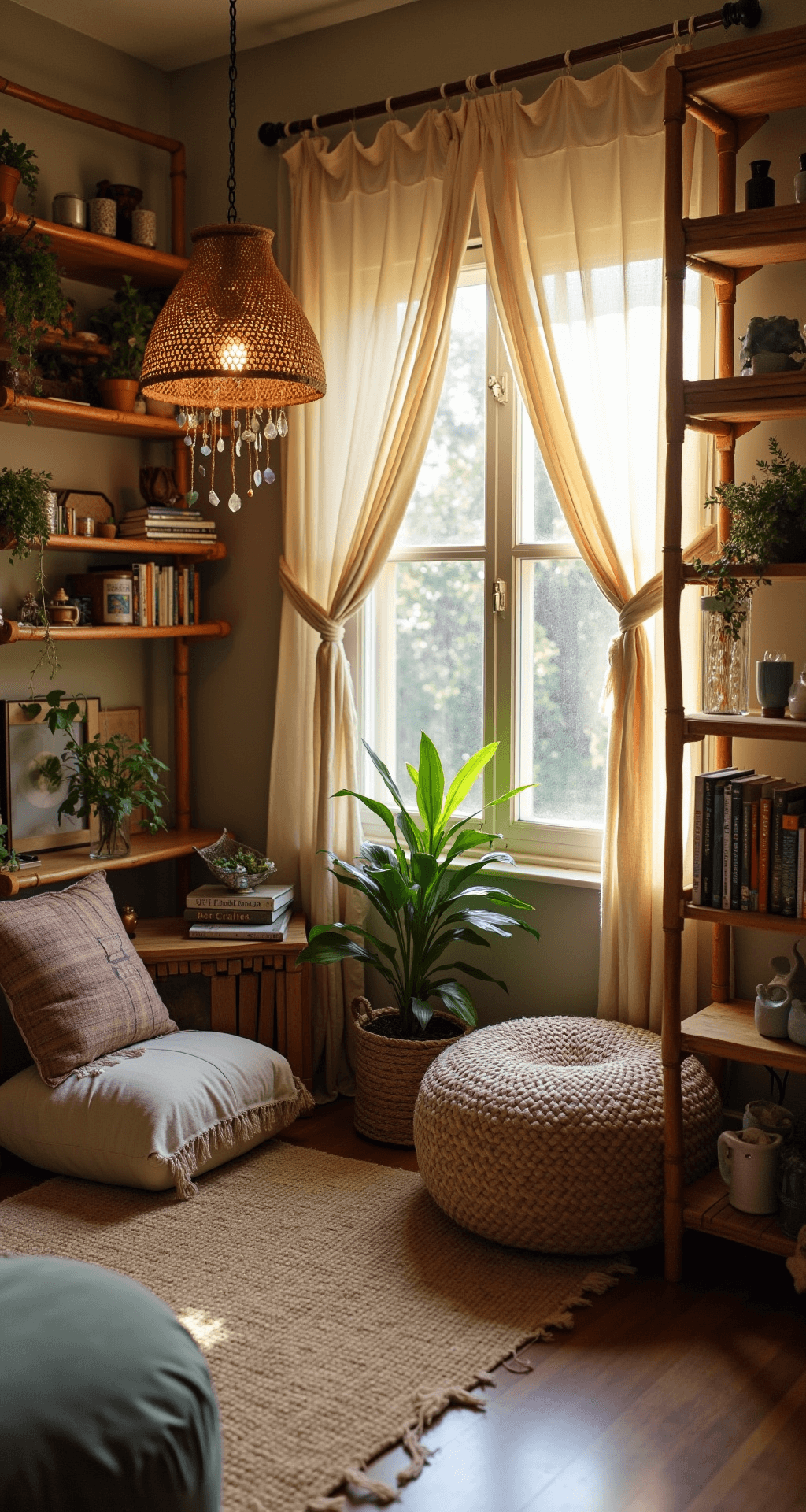
A bookcase wall turns a plain wall into storage and display. It suits a living room, home office, or bedroom, and works with anything from a few shelves to full built-ins.
Beyond books, it holds photos, plants, and objects, so it doubles as display space.
Why a Bookcase Wall
What It Offers
- Maximizes vertical storage
- Gives the room a focal point
- Shows off books and objects you care about
- Works in practically any room – living room, bedroom, home office
Cost Options
Costs range widely depending on whether you build shelves yourself or order custom built-ins.
Typical Costs
- DIY Shelves: $250 – $500
- Mid-Range Modular Units: $500 – $1500
- Custom Built-Ins: $1500 – $4000+
Styles
Match the shelving to the rest of the room:
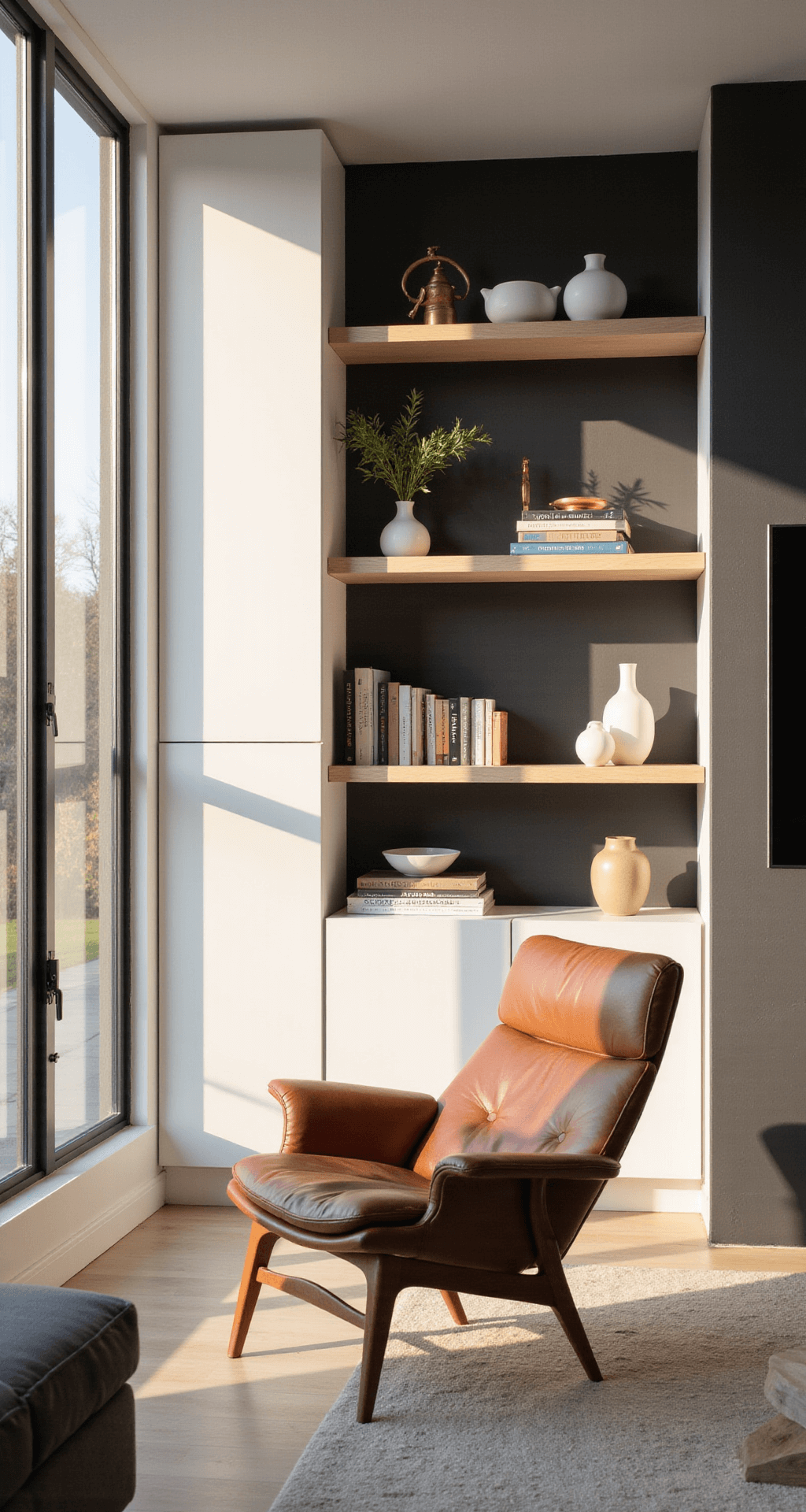
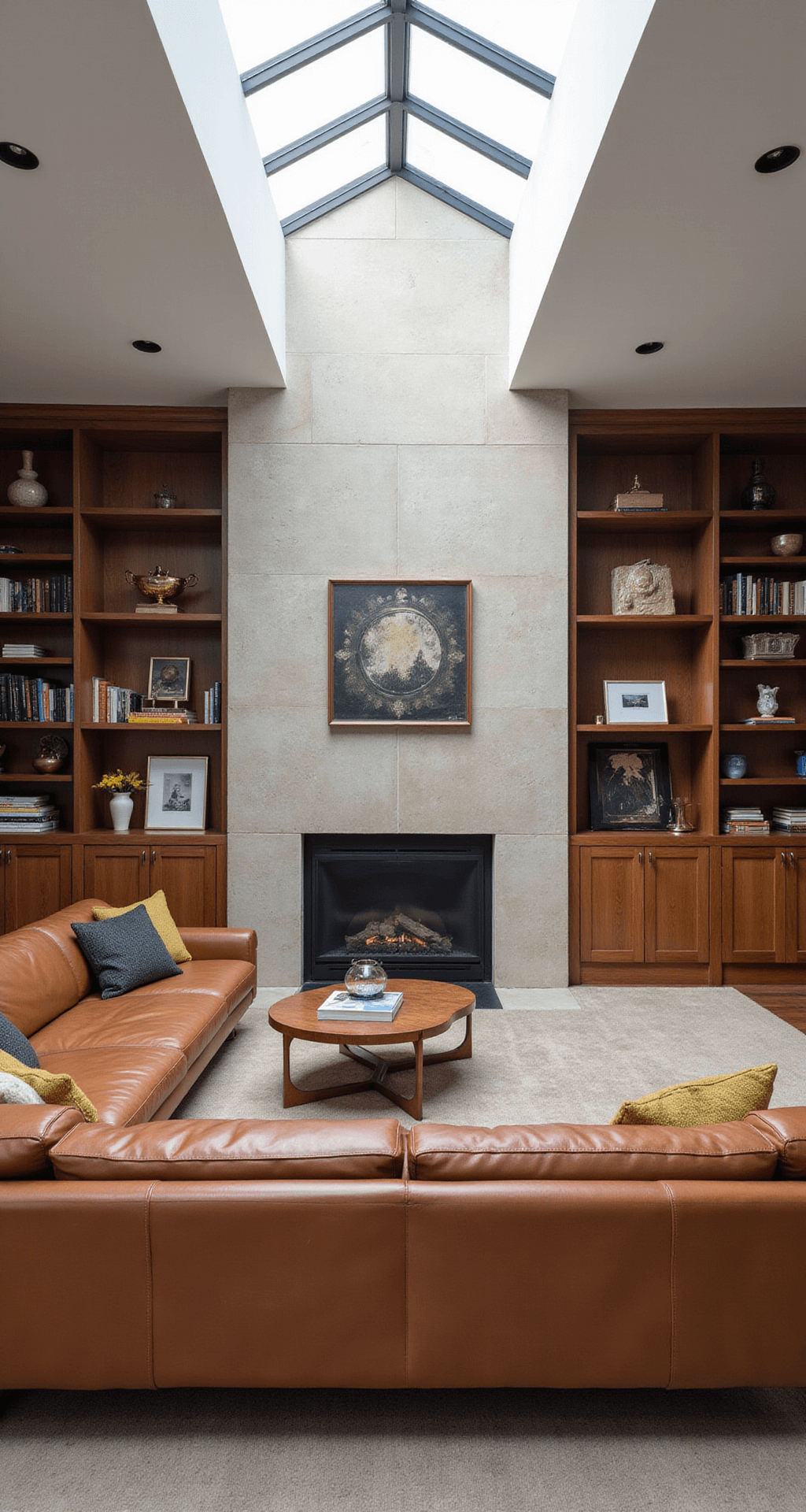
- Modern Minimalist: Clean lines, neutral colors
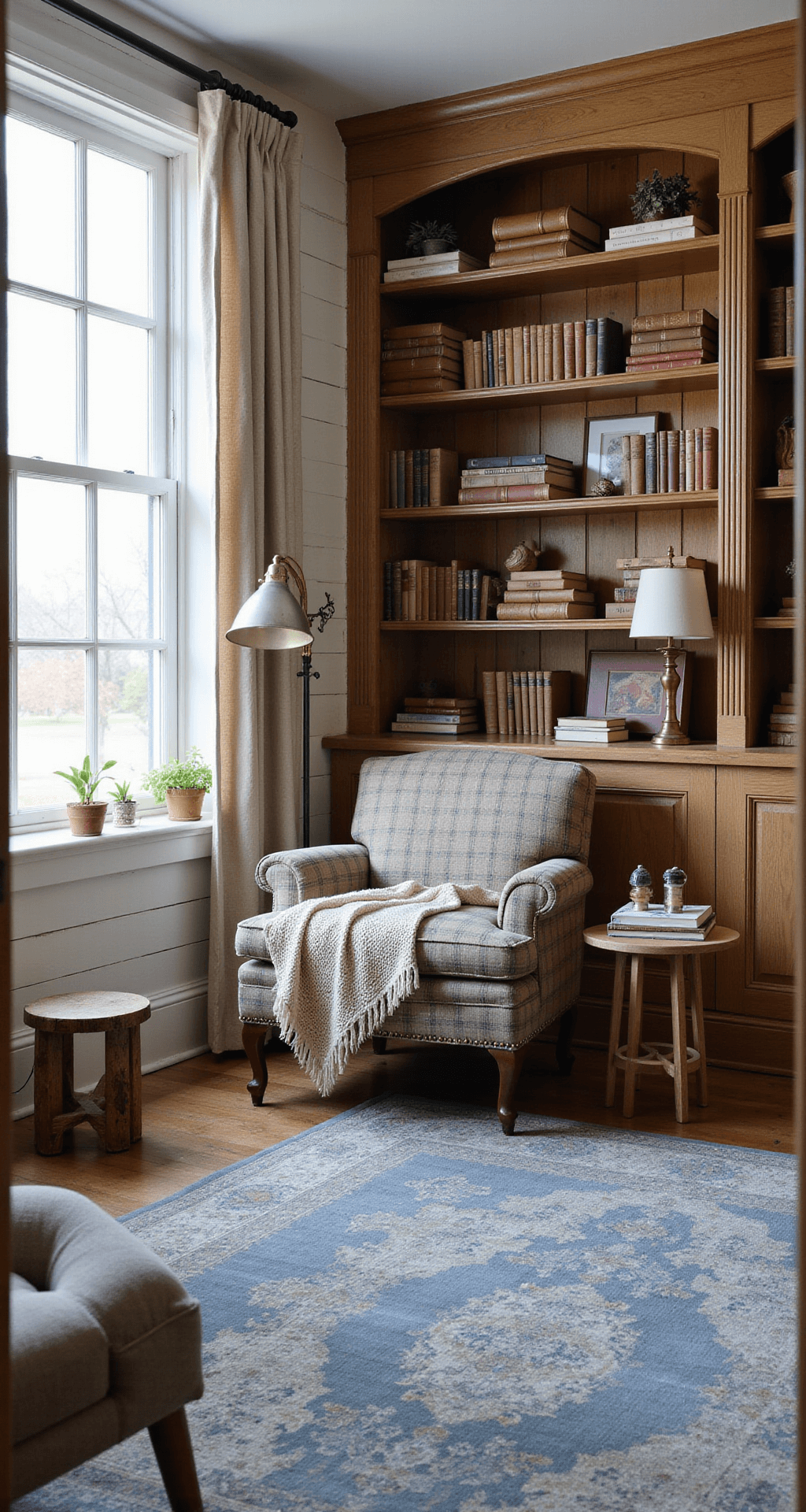
- Farmhouse Chic: Rustic wood, vintage finds
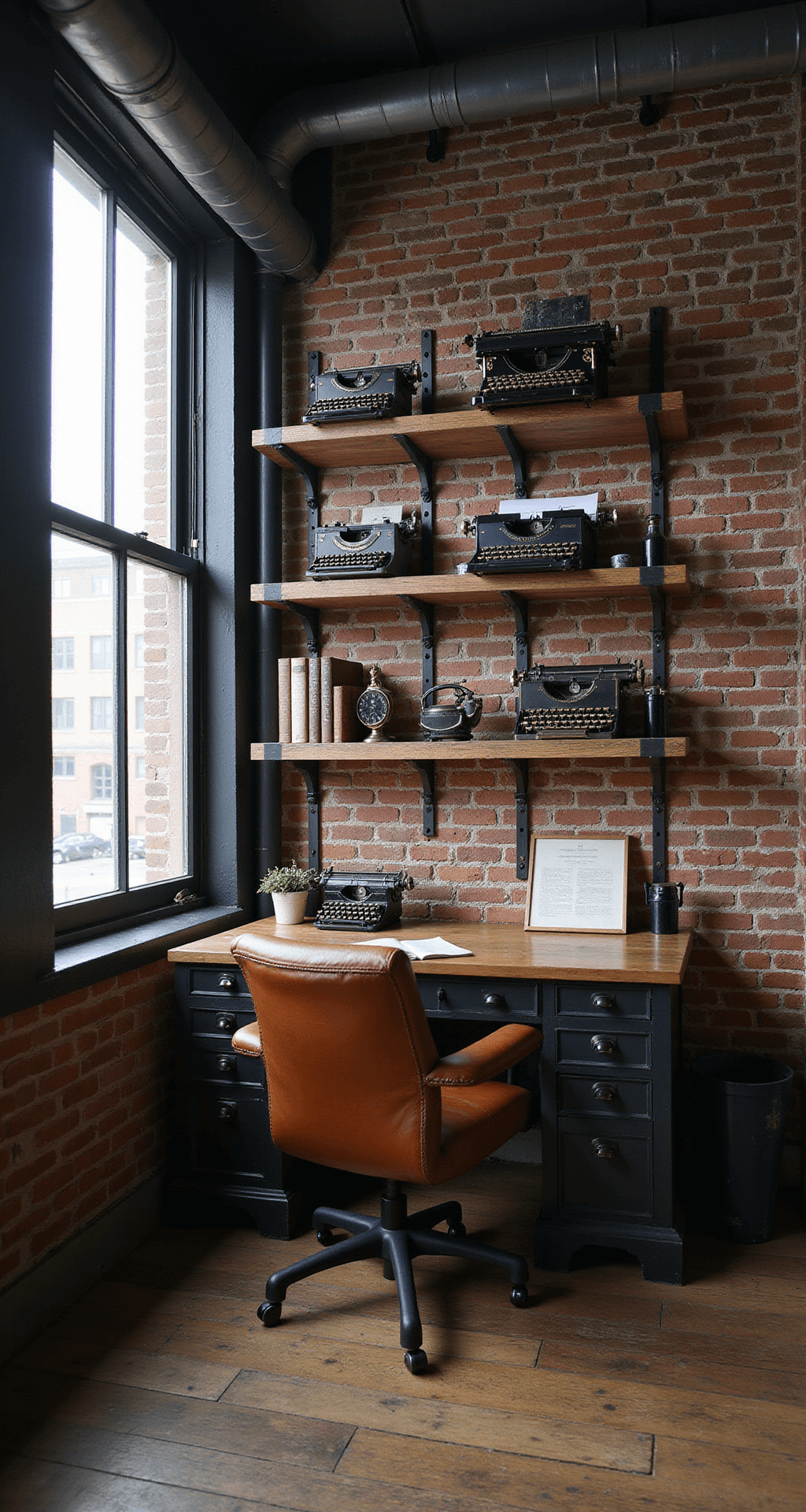
- Industrial Edge: Metal brackets, raw finishes
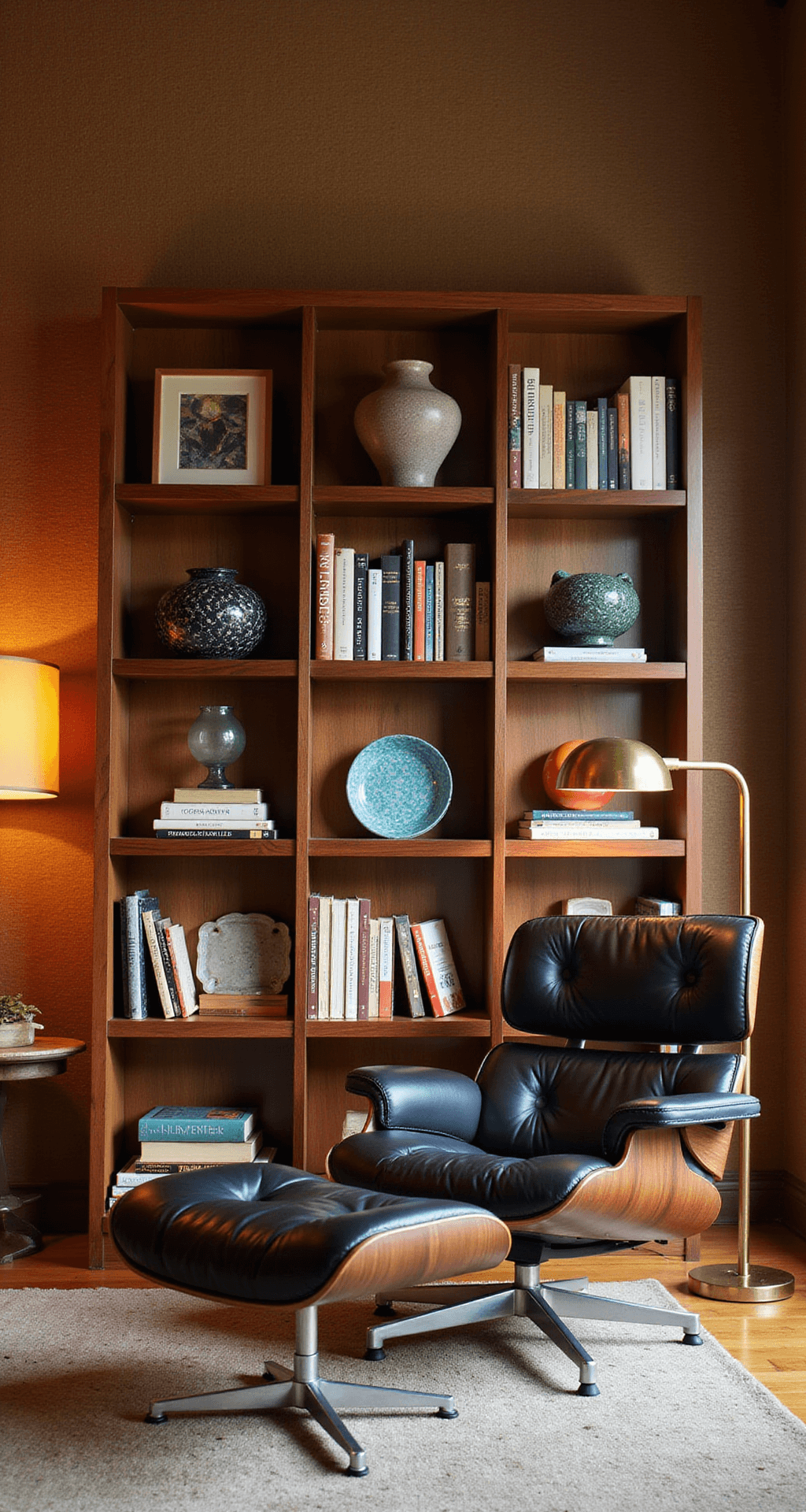
- Mid-Century Cool: Sleek, angled shelving
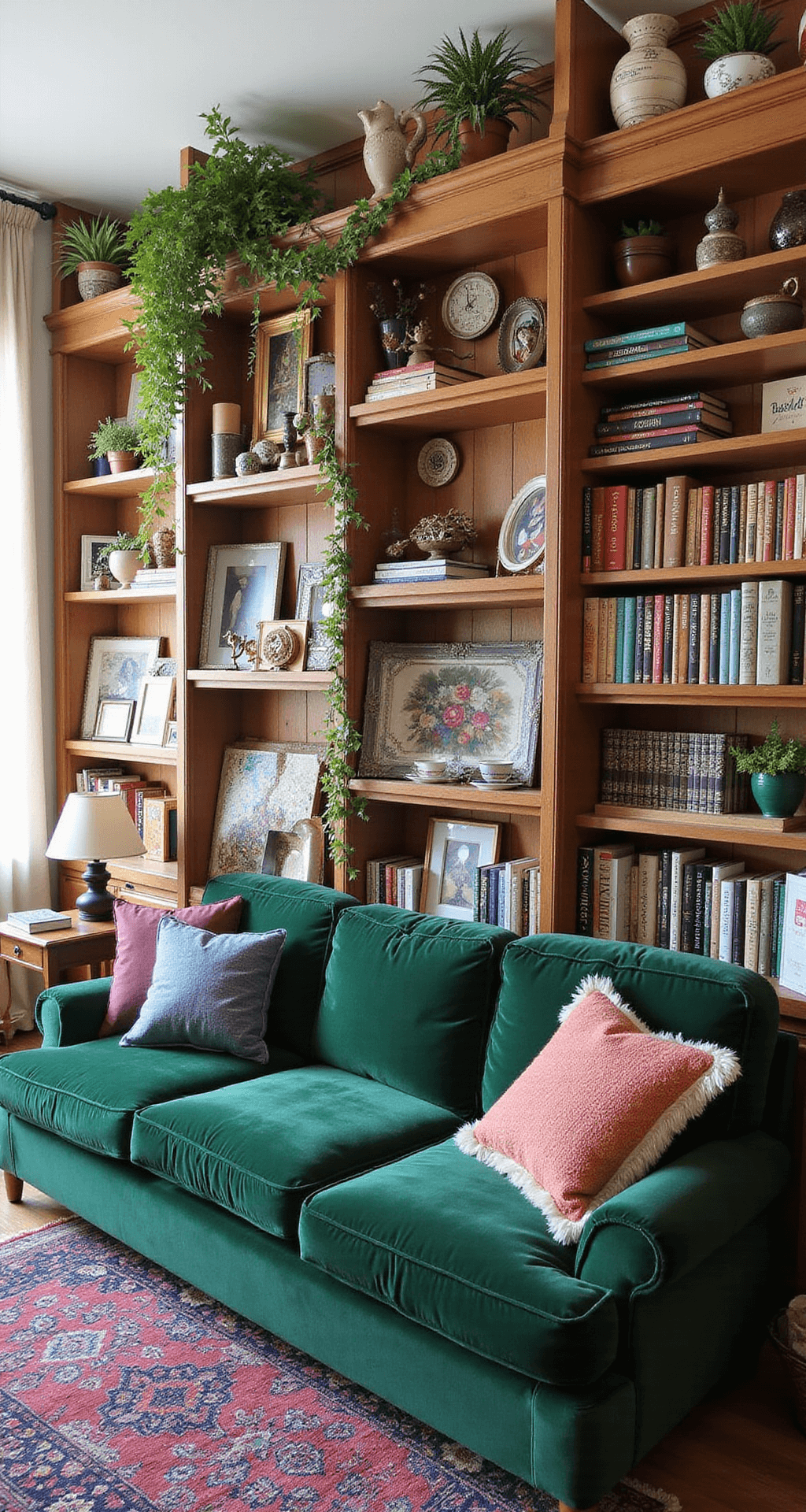
- Eclectic: mix of materials and finds
Styling Tips
The Art of Arrangement
- Vary book placement (some vertical, some horizontal)
- Use decorative objects as bookends
- Create visual interest with height variations
- Group by color or theme for a tidy look
Useful Props
- Potted plants
- Vintage frames
- Unique sculptures
- Decorative boxes
- Interesting bookends
DIY or Hire a Pro? Choosing Your Approach
DIY Difficulty: Intermediate
- Time needed: 3-6 hours
- Tools required: Basic carpentry tools
- Skill level: some basic DIY skills help
When to Hire a Pro:
- Complex built-in designs
- Custom carpentry needed
- Limited time or skills
Save this article
Enter your email and we'll send it straight to your inbox.
Lighting
Lighting the Shelves
- Add LED strip lights under shelves
- Use small spotlights for display pieces
- Place lighting to avoid glare on book spines
- Warm bulbs suit wood shelving
Seasonal Refresh
Swap a few accessories through the year to keep the shelves current:
- Fall: Warm-toned books, small pumpkins
- Winter: Metallic accents, cozy elements
- Spring: Fresh plants, pastel accessories
- Summer: Bright, vibrant decor pieces
Mistakes to Avoid
❌ Don’t:
- Overcrowd shelves
- Ignore visual balance
- Forget about negative space
- Use only one height of objects
✅ Do:
- Layer items front to back
- Mix textures
- Leave some empty space
- Arrange in groups that make sense
Getting Started
Decide on budget and style first, then measure the wall and pick shelves or built-ins to fit. Leave some empty space so it does not look crowded.
This post may contain affiliate links. Please see my disclosure policy for details.
Want to keep this one?
We'll email you the link so you can find it again later.