What Makes a French Cottage Garden Special?
The Magic of Imperfect Beauty
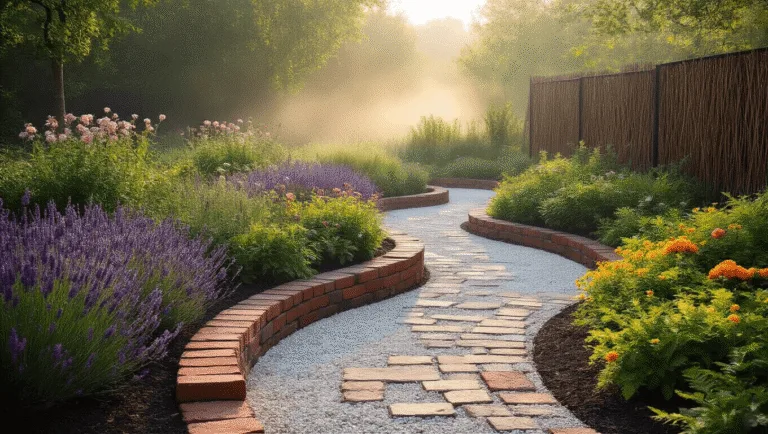
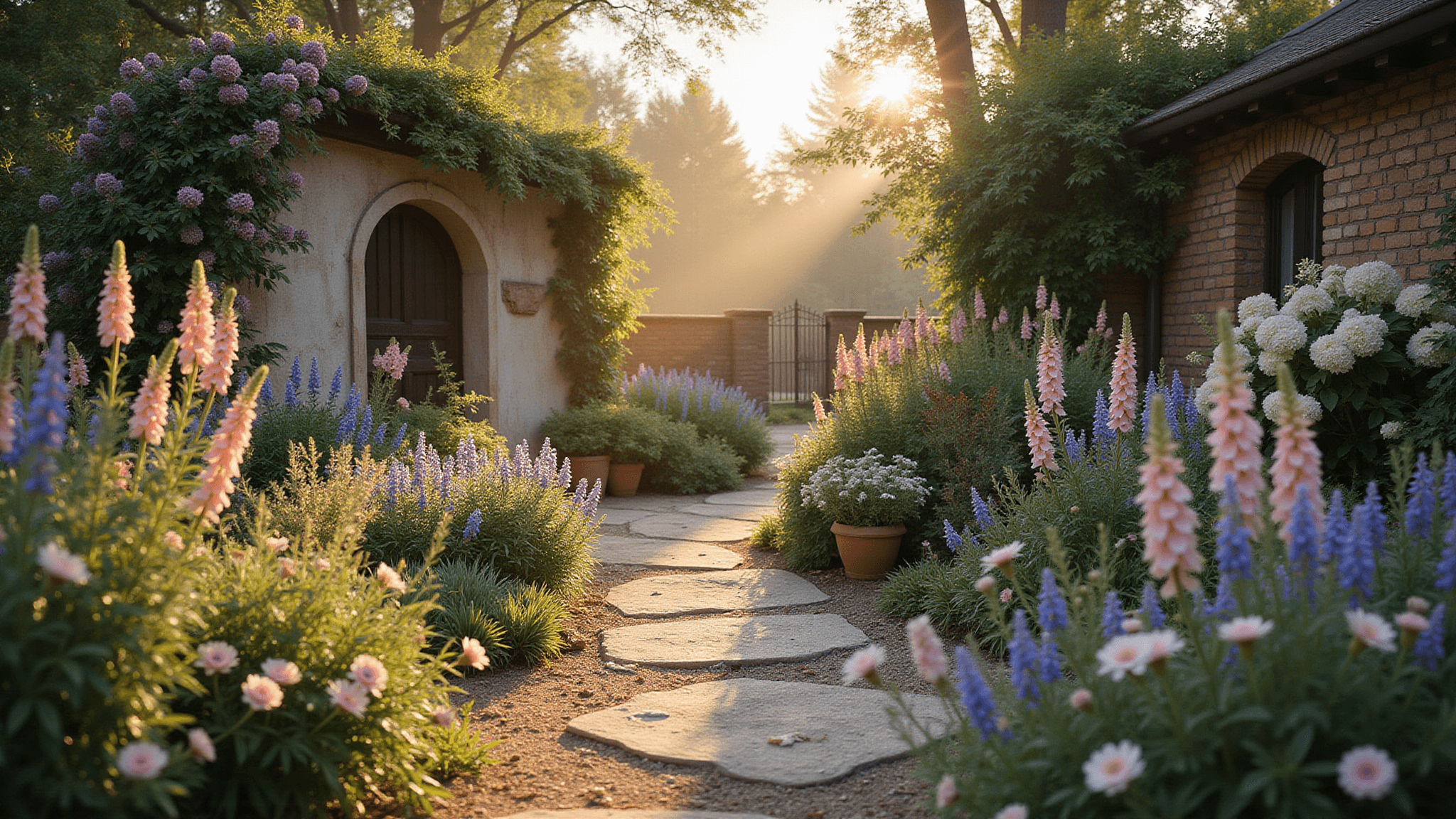
French cottage gardens break every rigid gardening rule. Forget precise lines and military-straight borders. This style celebrates wild, romantic abundance that looks effortlessly beautiful.
Quick Garden Snapshot
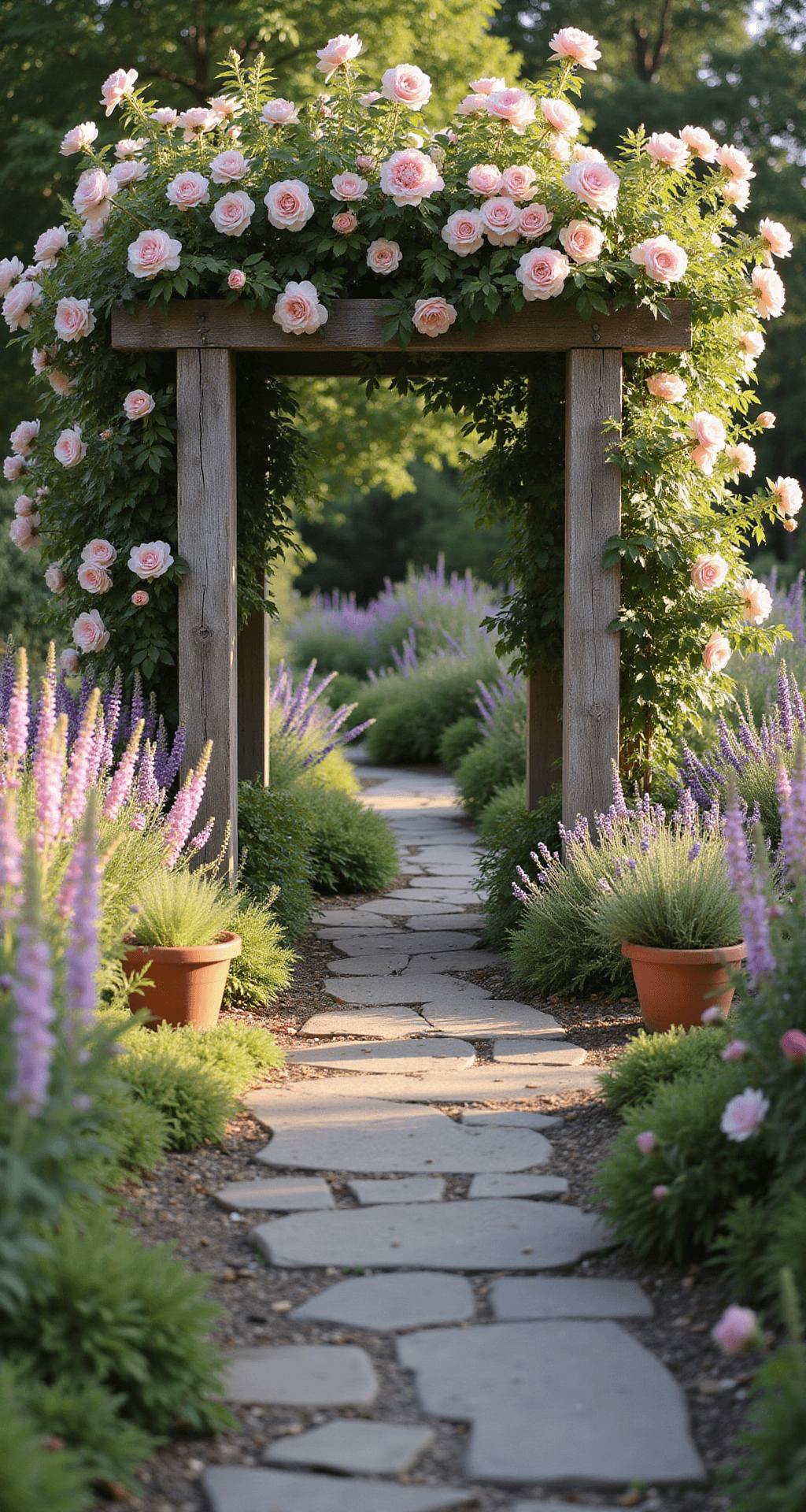
- Style: Rustic, romantic, wonderfully chaotic
- Mood: Soft, dreamy, lived-in elegance
- Color Palette: Pastel dreams with vibrant flower bursts
- Vibe: Your grandmother’s most cherished garden, reimagined
Essential Elements of Your French Cottage Garden
Plant Selection: The Heart of Your Garden
Must-Have Plants:
- Lavender (non-negotiable!)
- Climbing roses
- Peonies
- Foxgloves
- Rosemary and thyme
- Hydrangeas
- Campanula
Pro Tip: Think dense, overlapping, slightly messy plantings. No bare soil should show!
Design Principles
Key Styling Secrets:
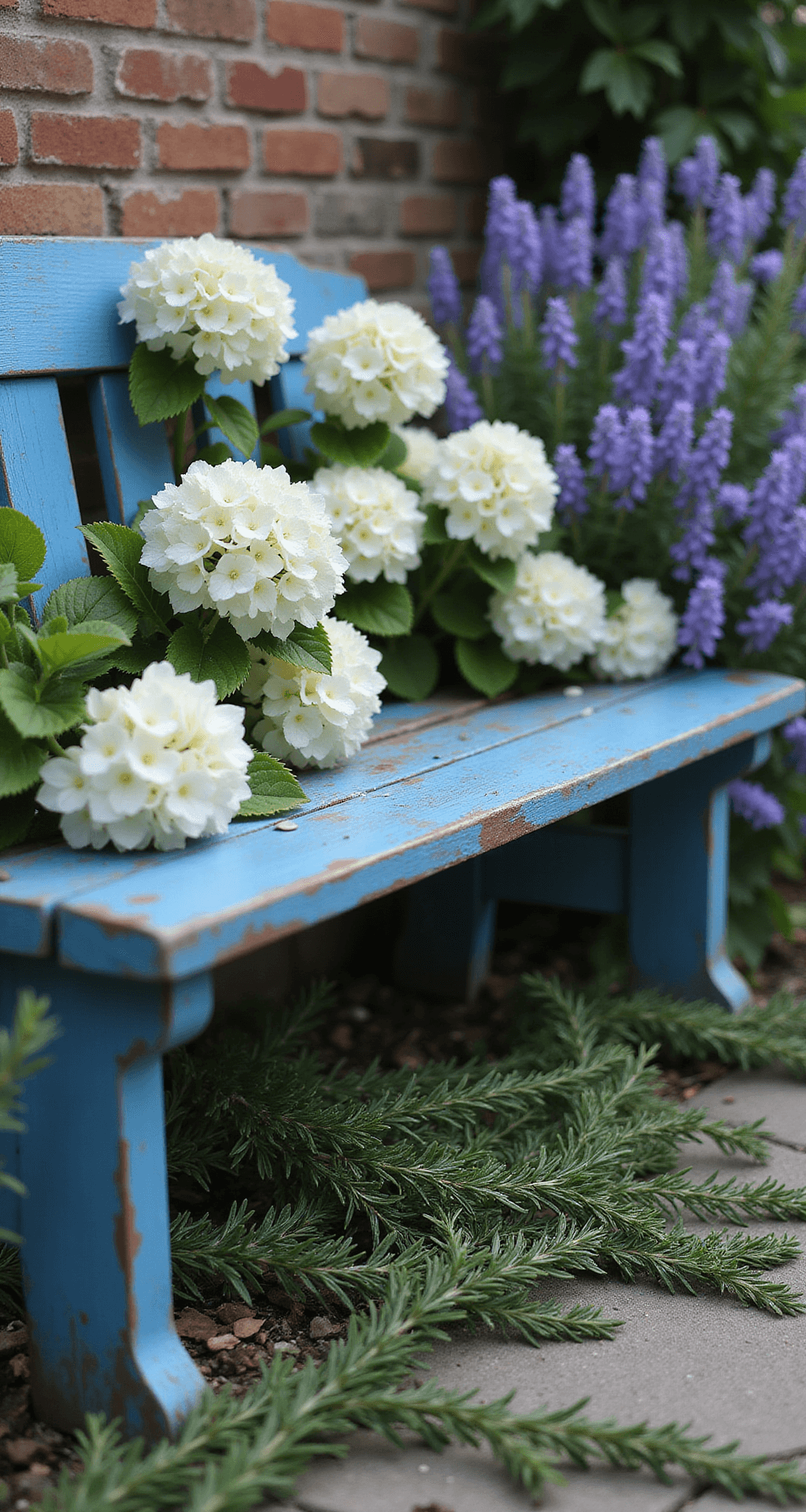
- Embrace gentle disorder
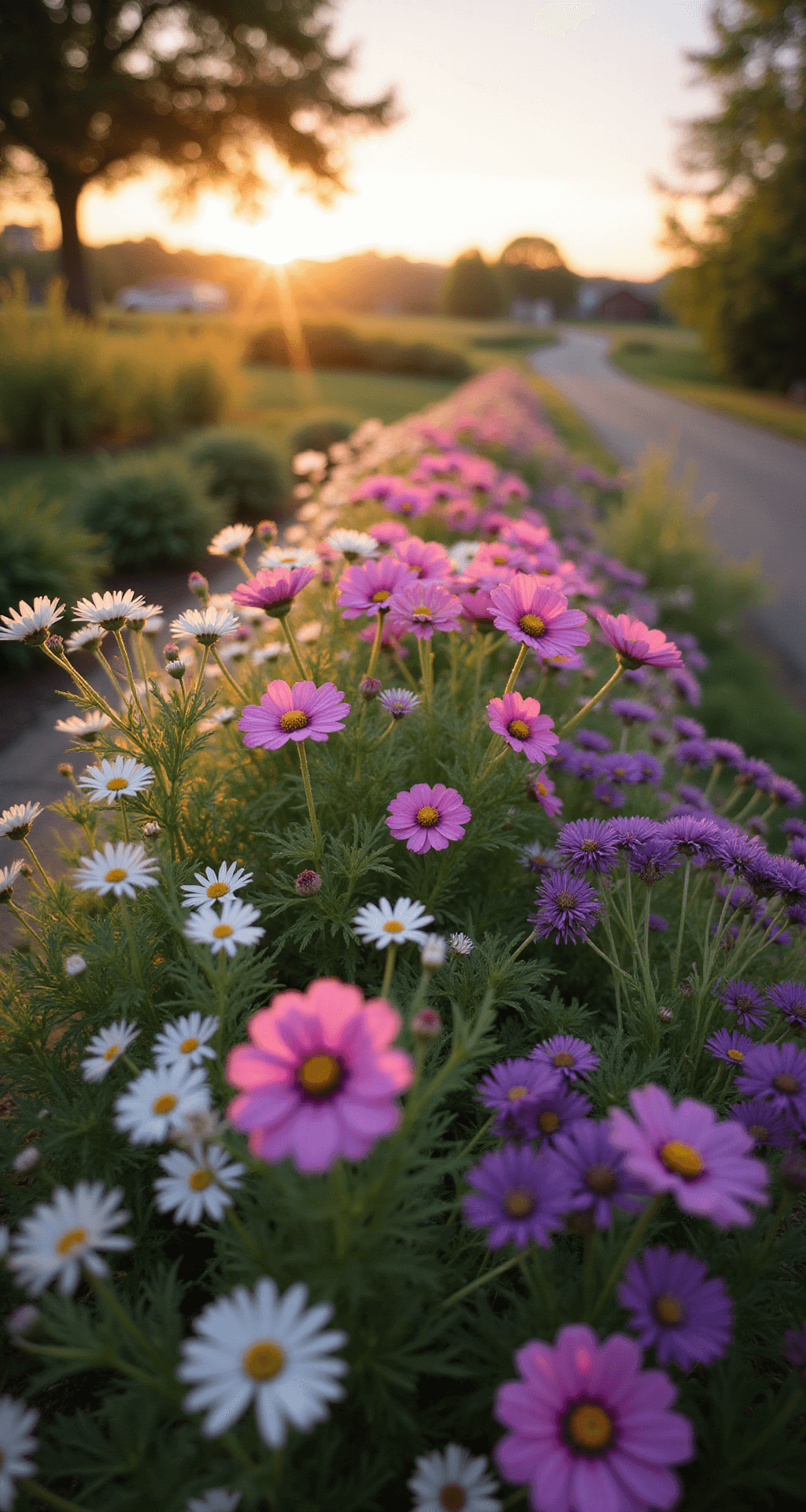
- Layer plants by height
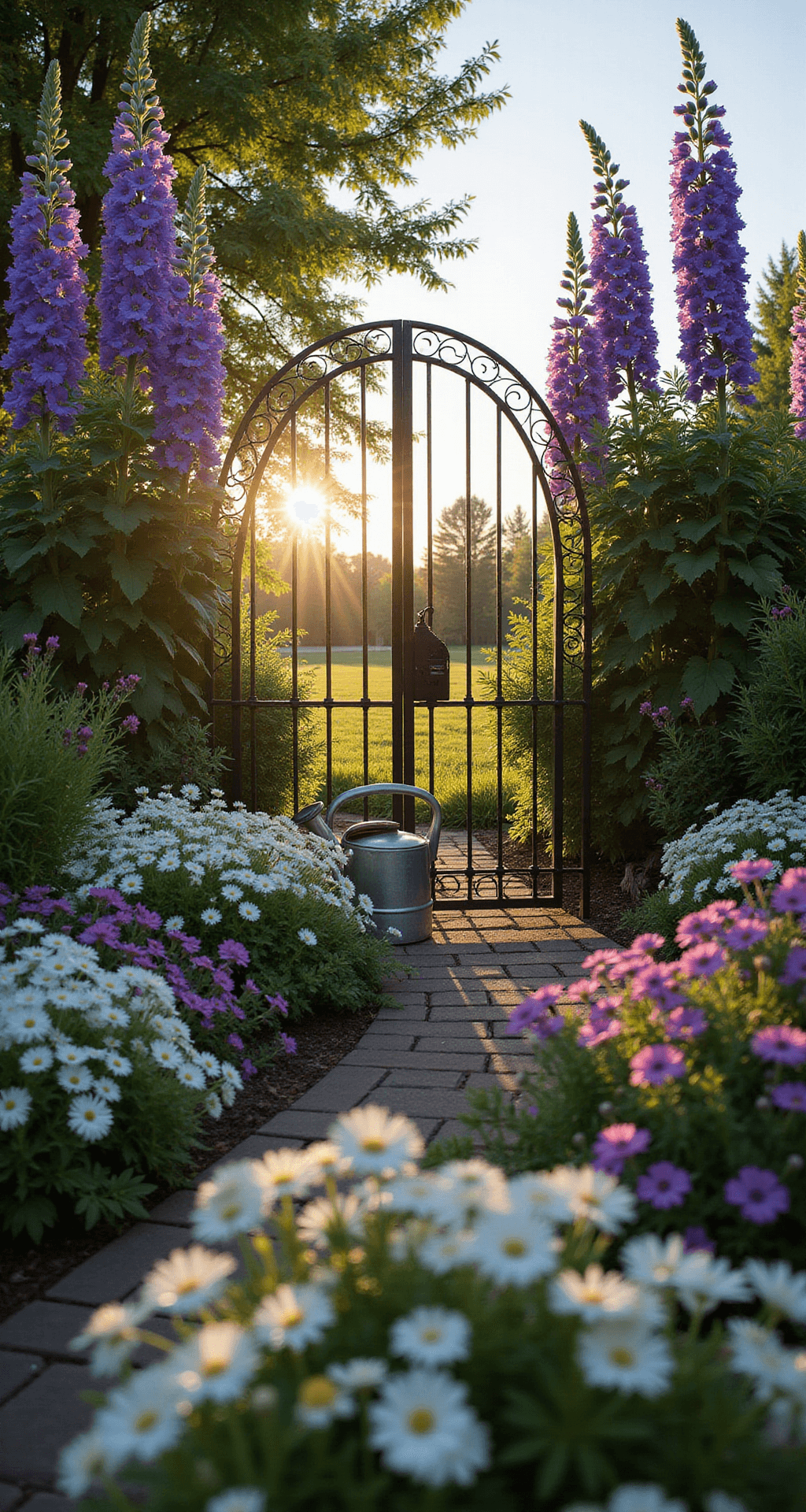
- Create winding paths
- Mix textures and heights
- Use rustic, weathered accessories
Creating Your Garden: Step-by-Step
1. Planning Your Space
Consider:
- Sunlight exposure
- Soil type
- Available space
- Your personal aesthetic
2. Soil Preparation
No-Dig Method Recommended:
- Add organic compost
- Avoid aggressive tilling
- Let nature do most of the work
3. Planting Strategy
Layering Technique:
Save this article
Enter your email and we'll send it straight to your inbox.
- Tall plants in back
- Medium height in middle
- Trailing plants and ground cover in front
- Integrate herbs throughout
Accessorizing Your French Cottage Garden
Must-Have Accessories:
- Rustic wooden benches
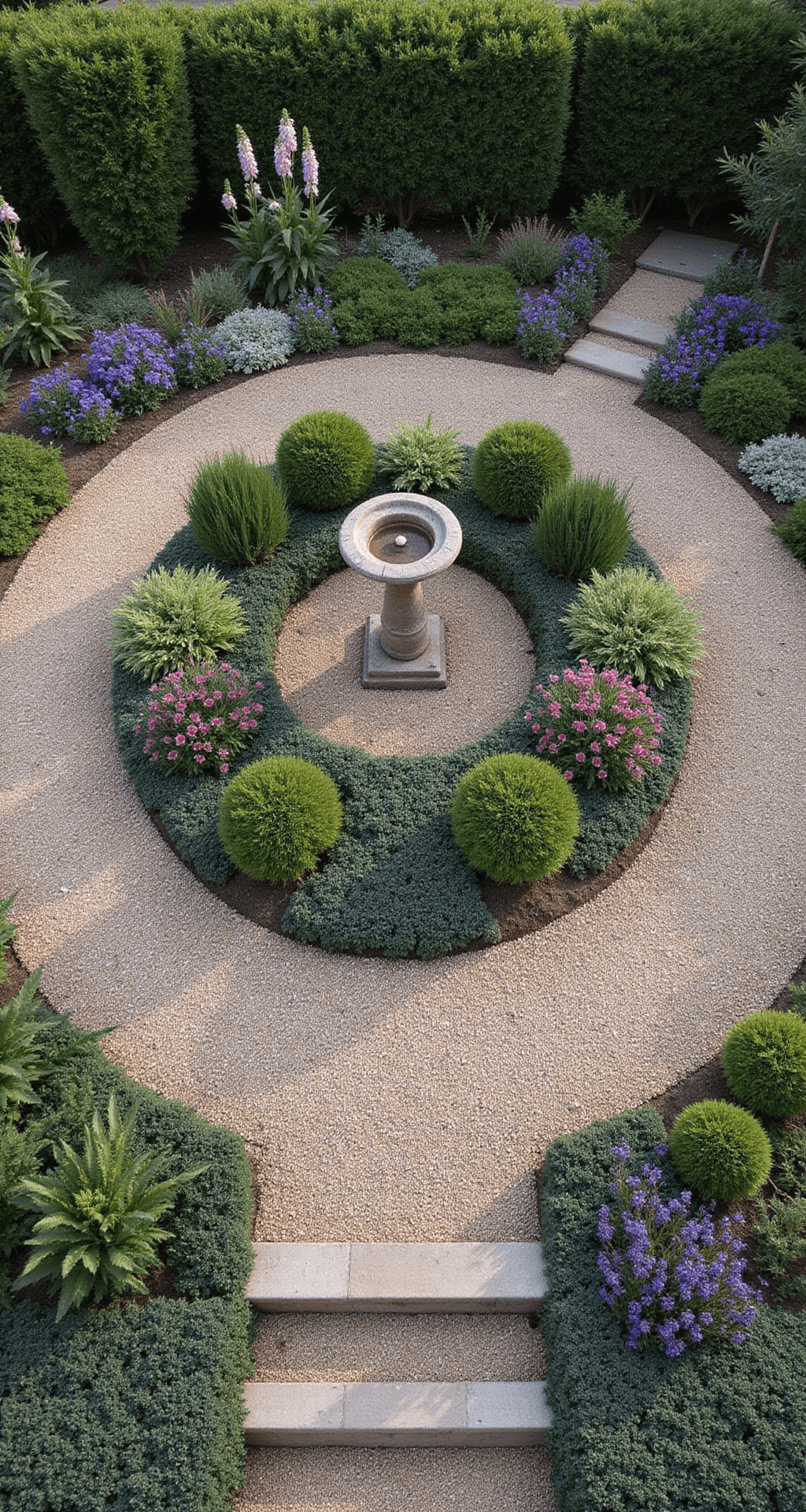
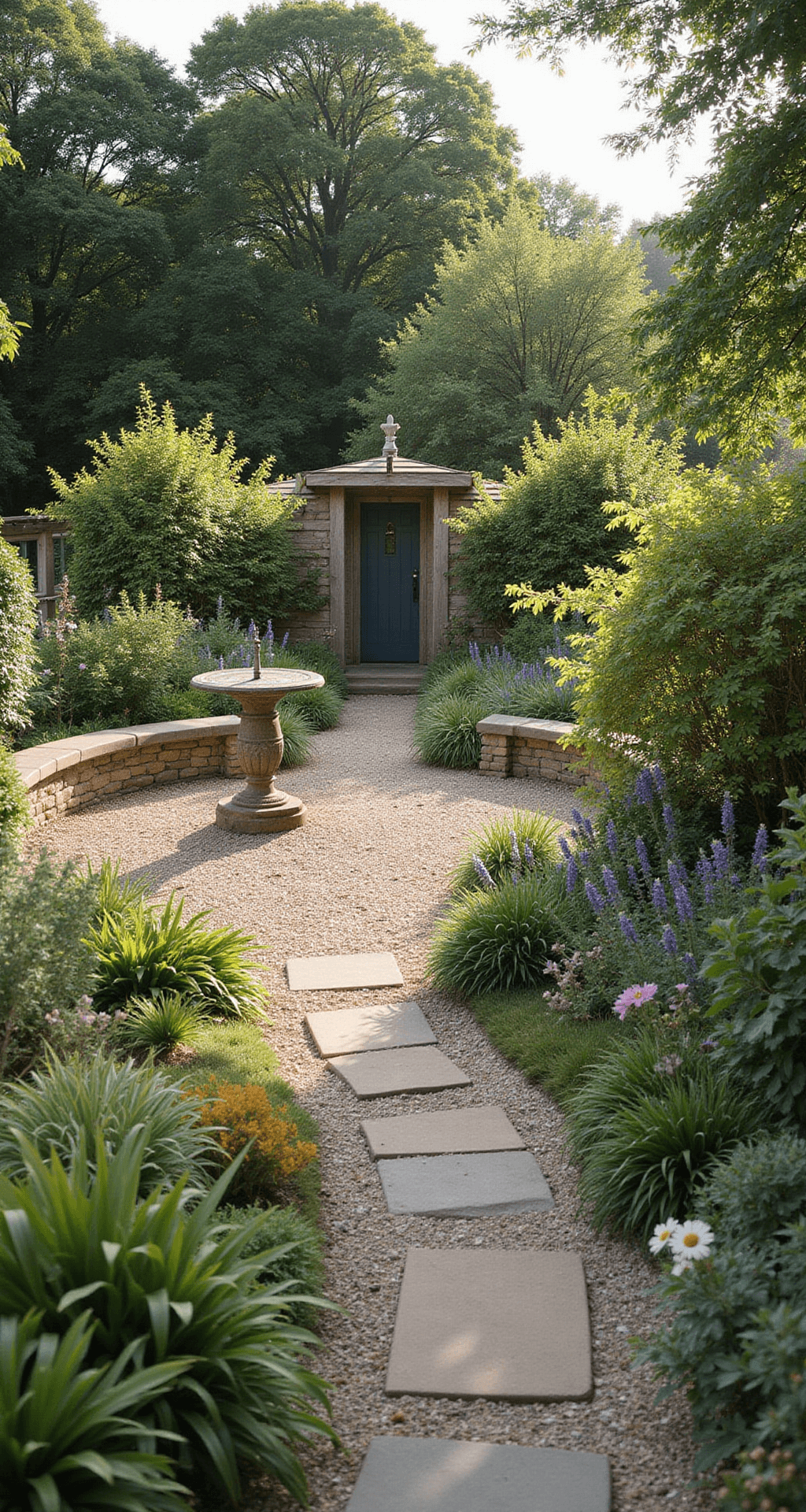
- Stone pathways
- Vintage terra cotta pots
- Iron garden gates
- Weathered statues or birdbaths
Maintenance Tips
Keeping Your Garden Gorgeous:
- Regular but gentle pruning
- Allow some controlled wildness
- Embrace imperfection
- Water deeply, less frequently
- Mulch to retain moisture
Common Mistakes to Avoid
Garden Pitfalls:
- Over-manicuring
- Rigid symmetry
- Sparse plantings
- Ignoring seasonal changes
Budget-Friendly Options
Save Money While Creating Beauty:
- Start with seeds
- Swap plants with neighbors
- Use local, native species
- Collect and propagate your own plants
- Look for end-of-season sales
Seasonal Considerations
Year-Round Garden Love:
- Spring: Bulbs and early bloomers
- Summer: Peak flower explosion
- Fall: Late bloomers and seed heads
- Winter: Evergreens and structural elements
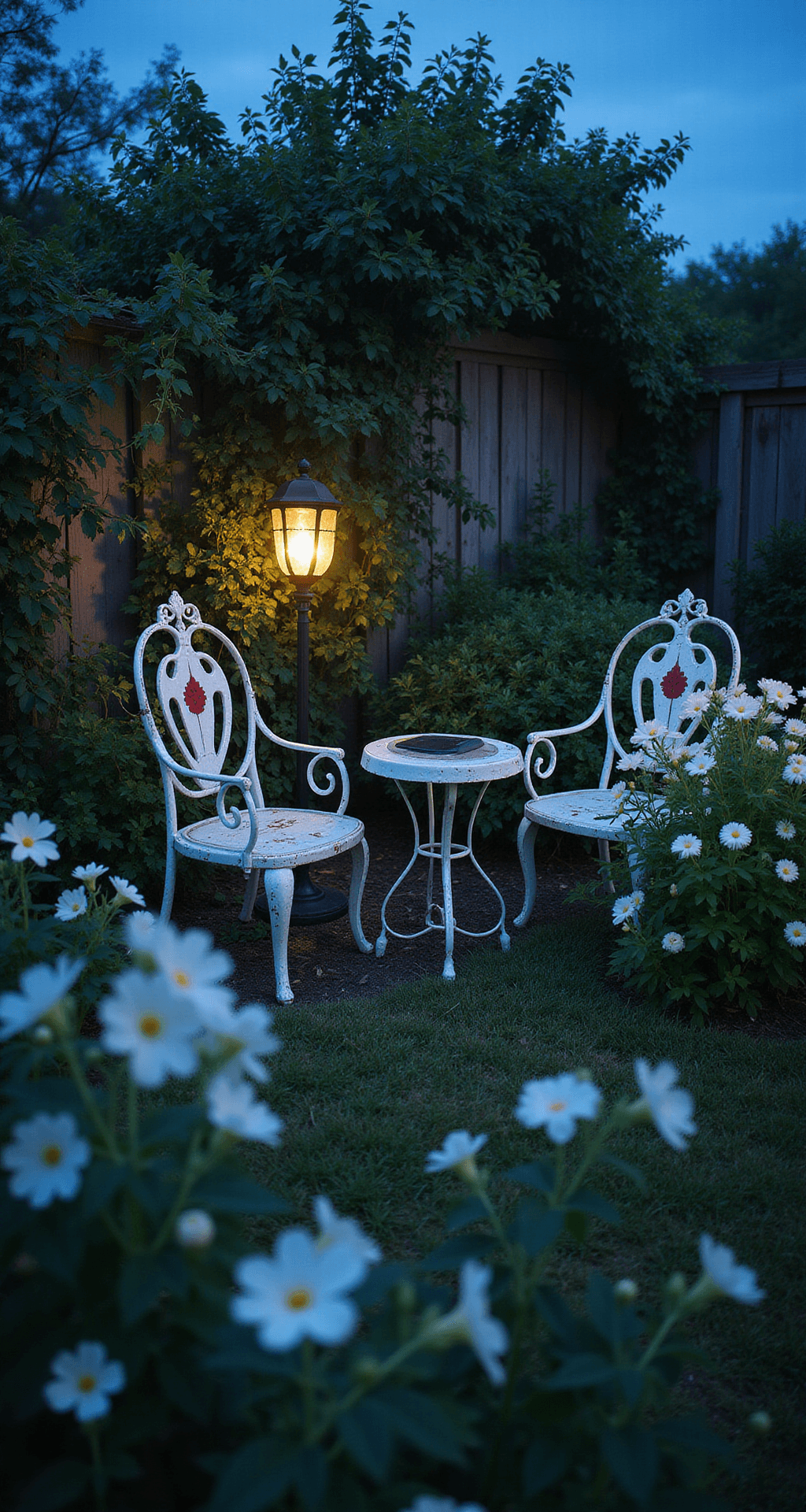
Final Thoughts
A French cottage garden isn’t perfect. It’s a living canvas that tells a story of nature’s beautiful chaos.
Remember: Gardens are conversations between you and the earth. Listen, respond, and watch magic grow.
This post may contain affiliate links. Please see my disclosure policy for details.
Want to keep this one?
We'll email you the link so you can find it again later.