Why Native Plants are Your Front Yard’s Best Friend
Listen up – Florida’s harsh climate isn’t for wimpy plants. We need tough, beautiful survivors that look amazing and practically take care of themselves. I’m talking about plants that laugh in the face of scorching sun and sporadic rain.
Must-Have Native Plants:
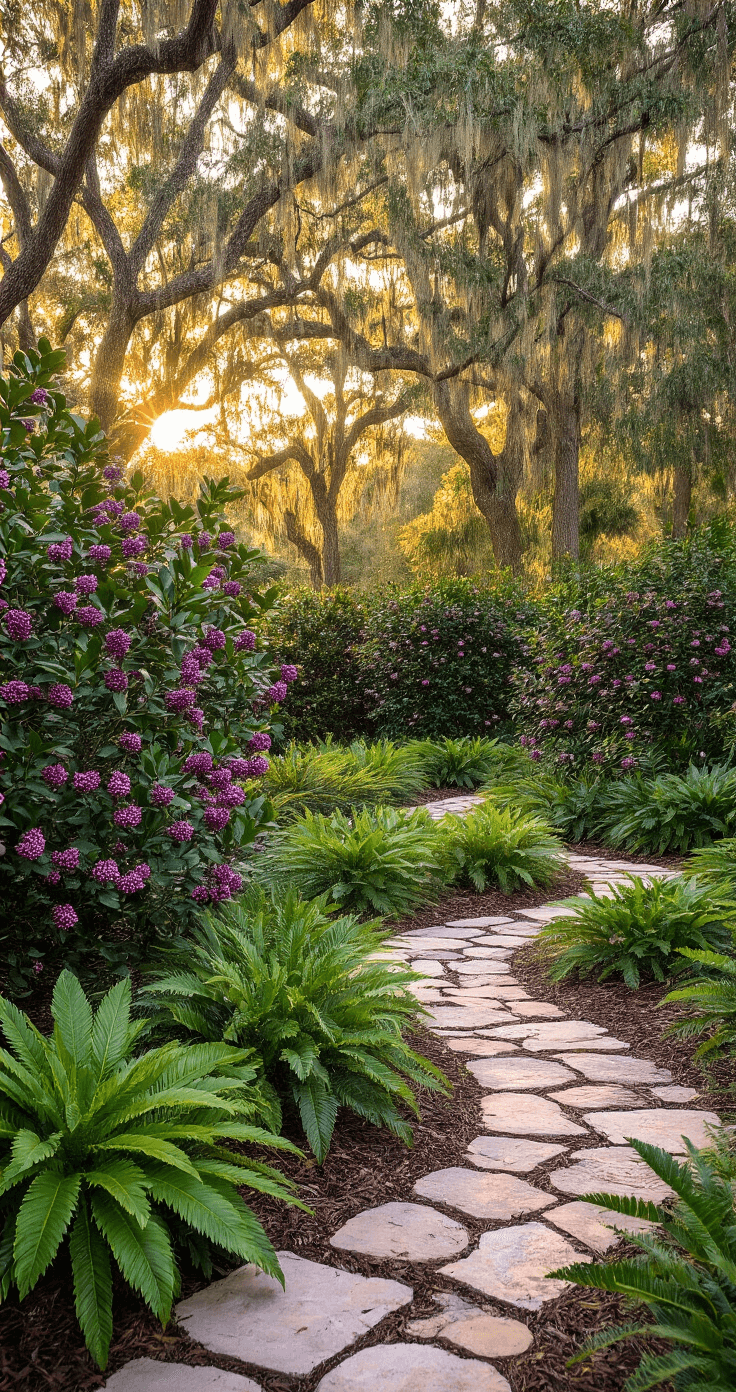
- Beautyberry – Gorgeous purple berries that birds go crazy for
- Muhly grass – Creates magical pink clouds in your landscape
- Coontie – A prehistoric-looking native that’s totally low-maintenance
- Southern magnolia – Classic Florida elegance with minimal effort
🏠 Steal This Look
- Paint Color: Sherwin-Williams Garden Grove SW 6445
- Furniture: weathered teak Adirondack chairs with navy Sunbrella cushions for a shaded seating nook among native plantings
- Lighting: solar-powered pathway lights with hammered bronze finish and warm 2700K LED bulbs
- Materials: crushed shell pathways, reclaimed pine mulch, weathered limestone edging, and natural coquina rock accents
There’s something deeply satisfying about watching your front yard become a living habitat—last spring, my beautyberry hedge attracted so many cardinals that neighbors started stopping their cars to watch.
Tropical Design: Your Front Yard’s Vacation Vibes
Want that resort-style look? Here’s how to nail the tropical aesthetic:
Bold Plant Choices
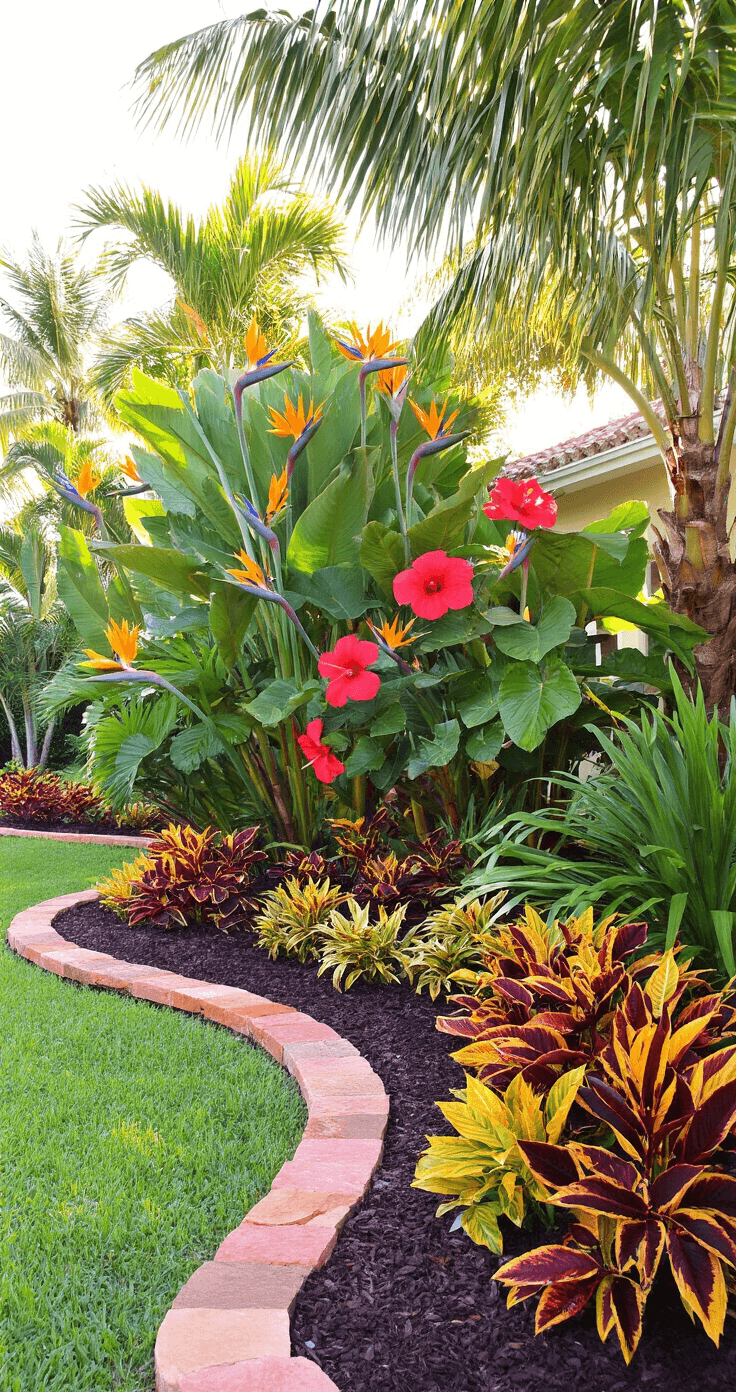
- Hibiscus – Massive, show-stopping flowers
- Bird of paradise – Looks like it flew in from another planet
- Palms – Because… Florida
- Crotons – Crazy colorful leaves that scream “tropical”
🏠 Steal This Look
- Paint Color: Benjamin Moore Calypso Orange 2171-30
- Furniture: weathered teak Adirondack chairs with Sunbrella canvas cushions in coral or turquoise
- Lighting: oversized rattan pendants with Edison bulbs flanking the front entry
- Materials: crushed coral rock pathways, reclaimed teak decking, woven seagrass planters, and hammered copper rain chains
There’s something deeply satisfying about pulling into your driveway and feeling like you’ve arrived at a boutique hotel rather than just another suburban address—this is the section where you commit to that daily escape.
Smart Design Strategies
Layering is Everything
Think of your yard like a living painting:
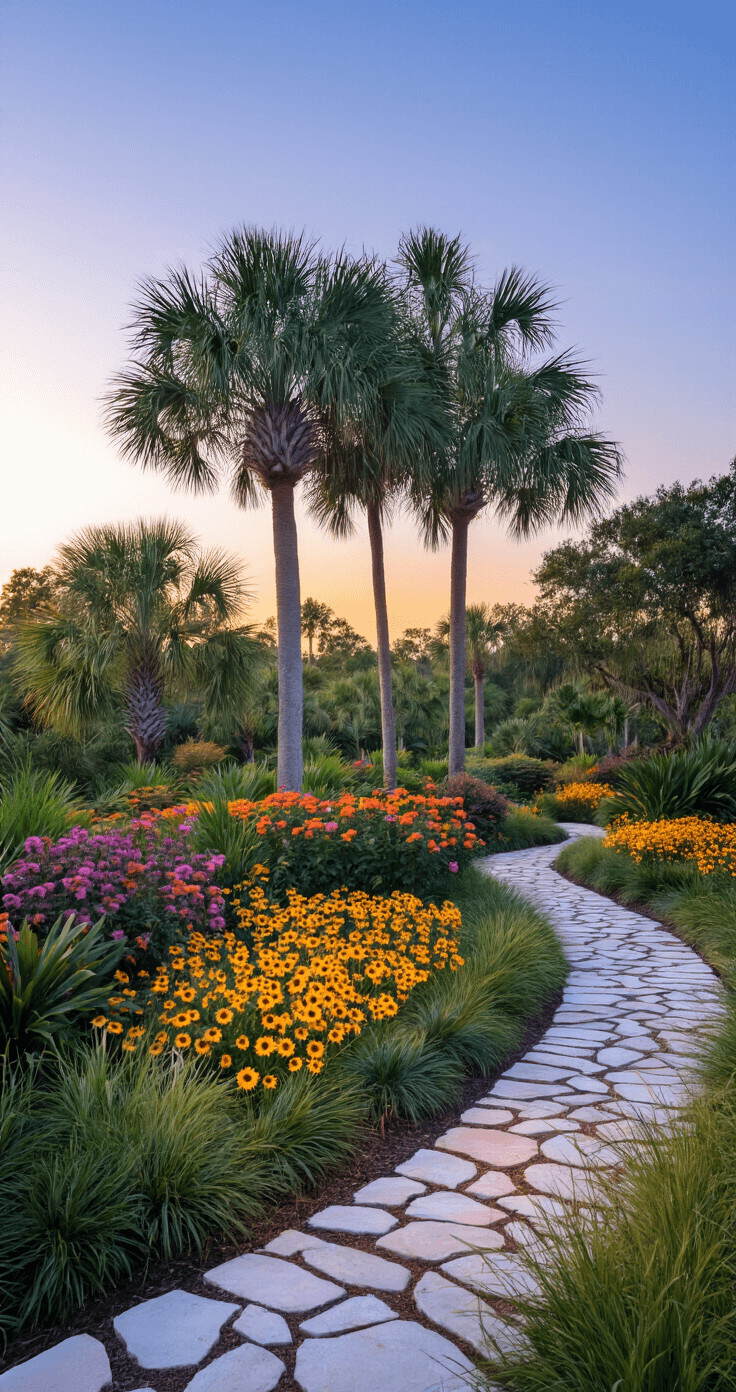
- Back layer: Tall palms or small trees
- Middle layer: Structural shrubs
- Front layer: Colorful, low-growing plants
Water-Wise Approach
- Group plants with similar water needs
- Use drip irrigation systems for efficiency
- Choose drought-tolerant groundcovers
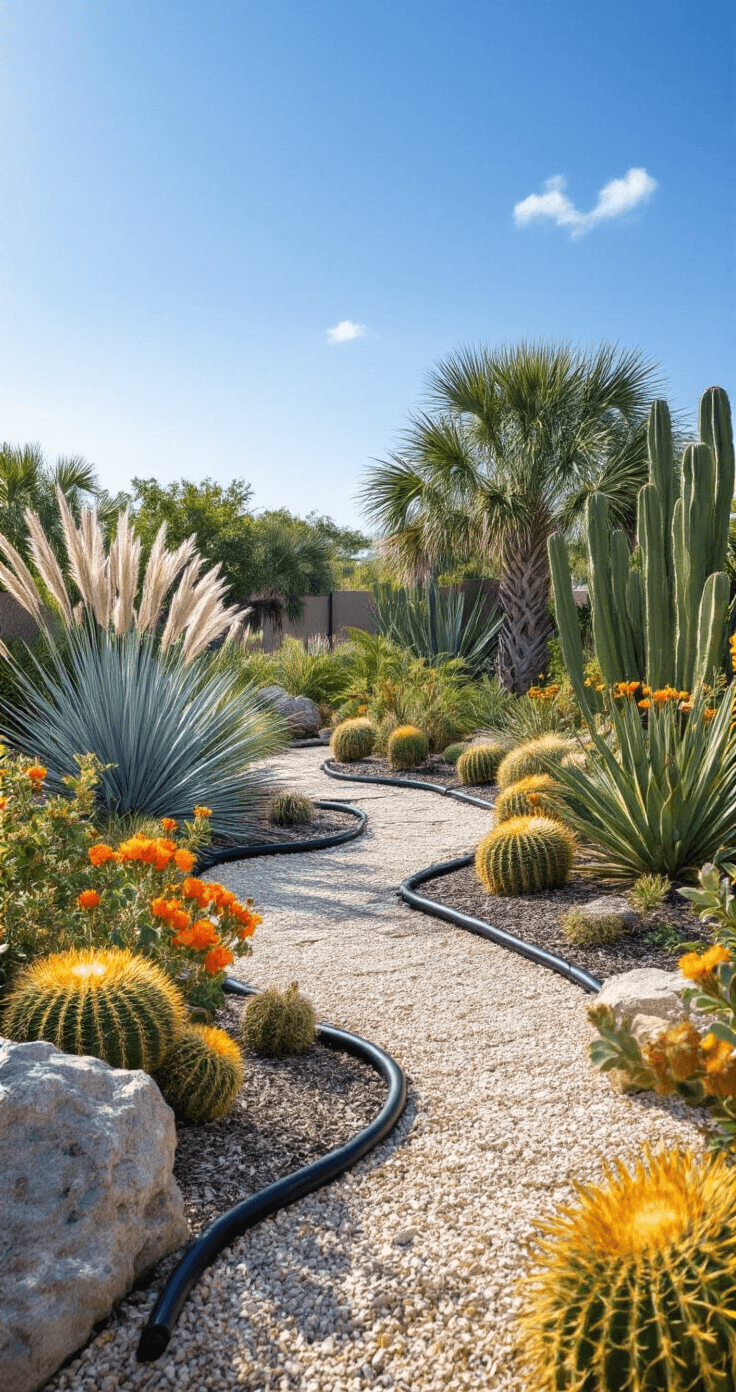
★ Steal This Look
- Paint Color: Farrow & Ball Green Smoke 47
- Furniture: weathered teak Adirondack chairs with Sunbrella canvas cushions in terracotta
- Lighting: Hinkley Dorian coastal brass path lights with frosted seedy glass
- Materials: crushed shell pathways, reclaimed coral stone edging, woven seagrass outdoor rugs, aged galvanized planters
I’ve walked countless Florida neighborhoods where the smartest yards barely register as designed—they simply feel inevitable, as if the palms and coonties decided to grow there themselves, and that’s the magic you’re chasing.
Sustainability Superstars
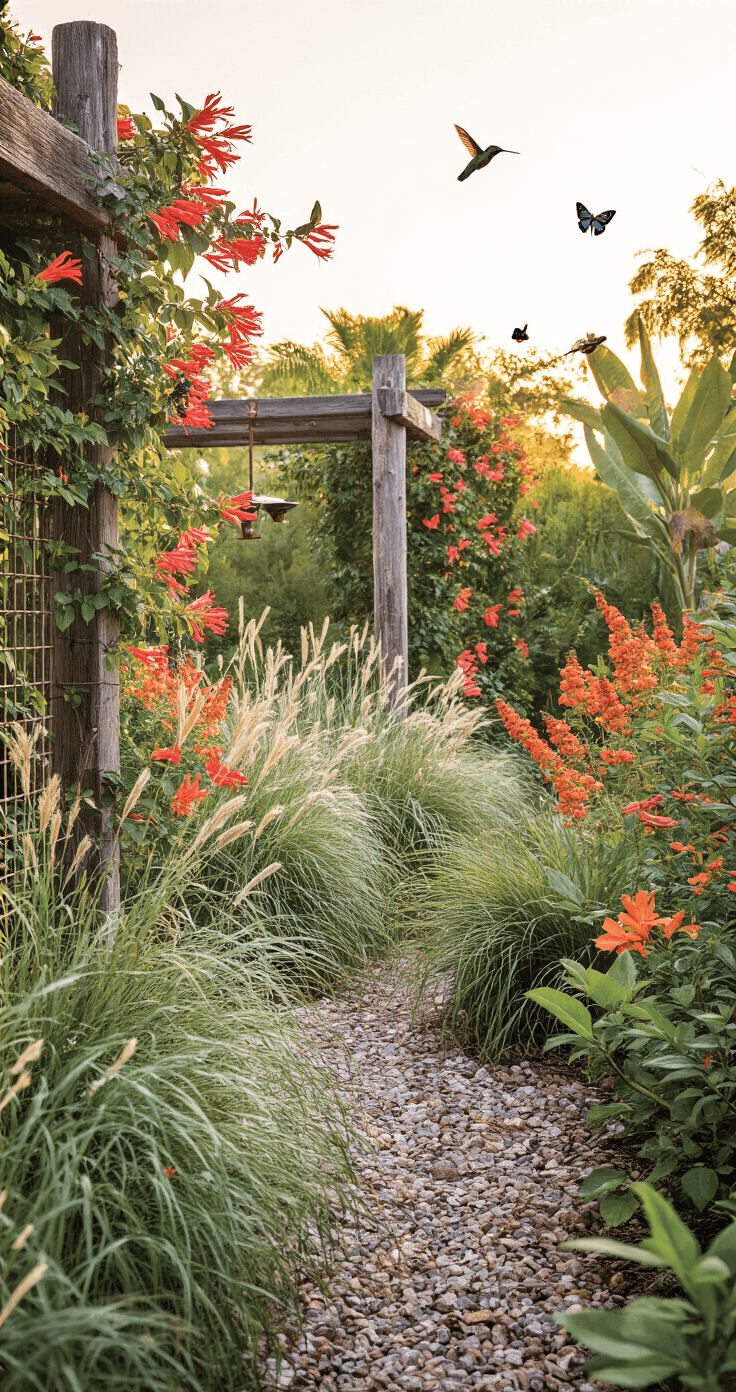
Wildlife-Friendly Choices
- Coral honeysuckle for hummingbirds
- Tropical sage to attract butterflies
- Sea oats for that perfect coastal vibe
Save this article
Enter your email and we'll send it straight to your inbox.
💡 Steal This Look
- Paint Color: Behr Ocean Abyss S-H-790
- Furniture: weathered teak Adirondack chair with wide armrests
- Lighting: solar-powered copper path lights with warm 2700K output
- Materials: recycled glass mulch, reclaimed driftwood borders, native limestone pavers
This is the section where you stop apologizing for your yard looking a little wild—those slightly tousled native plantings signal to neighbors that you’re intentional, not neglectful, and the wildlife show becomes your evening entertainment.
Pro Tips for Killer Curb Appeal
- Reduce lawn grass
- Add natural stone pathways
- Use mulch strategically
- Create soft, curved designs
- Mix textures and heights
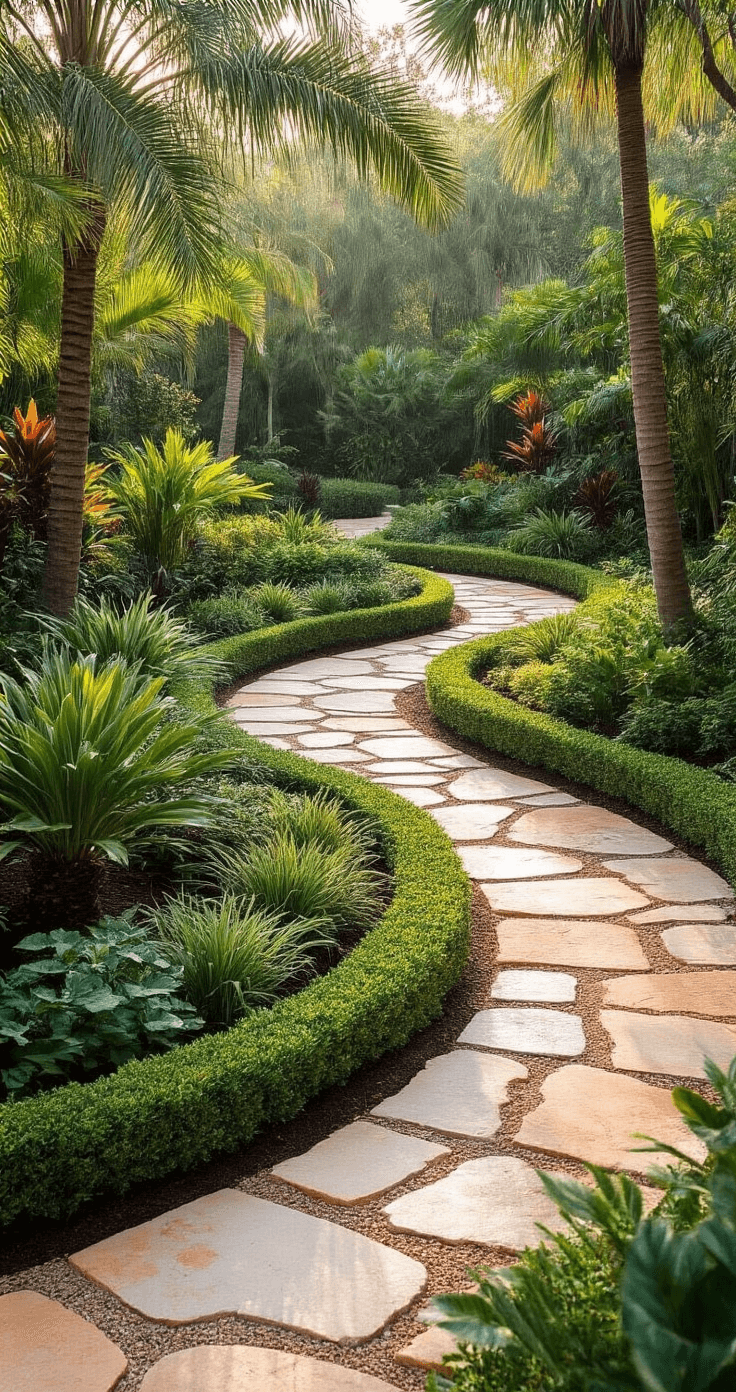
✎ Steal This Look
- Paint Color: use Valspar brand. Match the ACTUAL wall color in the image. Format: Valspar ColorName CODE
- Furniture: weathered teak Adirondack chair with slatted back
- Lighting: hammered copper low-voltage path lights with seeded glass
- Materials: crushed shell mulch, coral stone pavers, coquina rock edging, sea grape wood accents
Your front yard is the handshake your home offers the neighborhood—here in Florida, that means embracing what actually grows here instead of fighting the sun and sand with fussy turf grass.
🛒 Get The Look
What to Avoid
- ❌ Boring, all-green landscapes
- ❌ High-maintenance grass lawns
- ❌ Plants that need constant babying
Budget-Friendly Advice
- Buy smaller plants (they’re cheaper and establish faster)
- Shop local nurseries
- Use native plant sales for discounts
Pro Hack: Take photos of your yard at different times of day to understand sun patterns before planting.
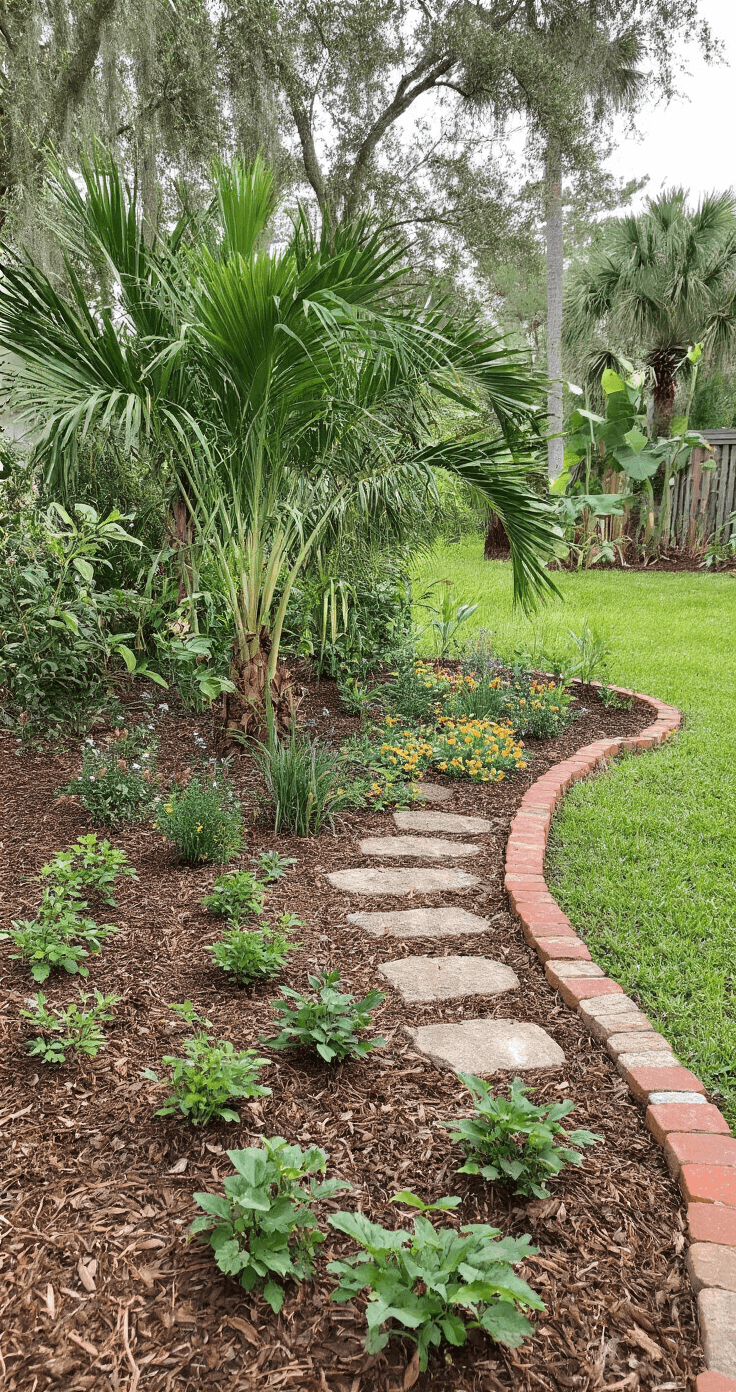
✎ Steal This Look
- Paint Color: Dunn-Edwards Whisper White DEW 340
- Furniture: weathered teak Adirondack chairs with Sunbrella cushions
- Lighting: solar-powered path lights with warm 2700K output
- Materials: crushed shell mulch, reclaimed brick edging, drought-tolerant native grasses
Your front yard is the handshake your home offers the neighborhood—start small, grow patient, and let Florida’s relentless sun and rain do the heavy lifting for you.
Quick Start Guide
- Sketch your yard
- Identify sun/shade zones
- Choose 3-5 native plant types
- Add 1-2 hardscape elements
- Mulch generously
Final Thoughts
Your Florida front yard can be a low-maintenance, jaw-dropping tropical paradise. Native plants, smart design, and a touch of creativity are all you need.
Remember: Work with Florida’s environment, not against it. Your yard will thank you – and so will your water bill!
Ready to create your own slice of Florida paradise? Let’s do this! 🌴☀️
This post may contain affiliate links. Please see my disclosure policy for details.
Want to keep this one?
We'll email you the link so you can find it again later.