Florida vacation tips Interior Design: How I Learned to Stop Worrying and Love Coastal Living
Florida interior design brings coastal calm to your home through natural materials, breezy color palettes, and spaces that flow effortlessly between indoors and out.
You’re staring at your living room wondering why it feels like a cramped hotel lobby instead of the Florida beaches retreat you imagined.
I get it.
When I first moved to Florida, my Midwestern instincts kicked in—heavy drapes, dark furniture, closed-off rooms.
Big mistake.
The Florida sun beat down outside while I sat in a cave of my own making, wondering why everyone else seemed to have figured out this coastal living thing.
🌟 Steal This Look
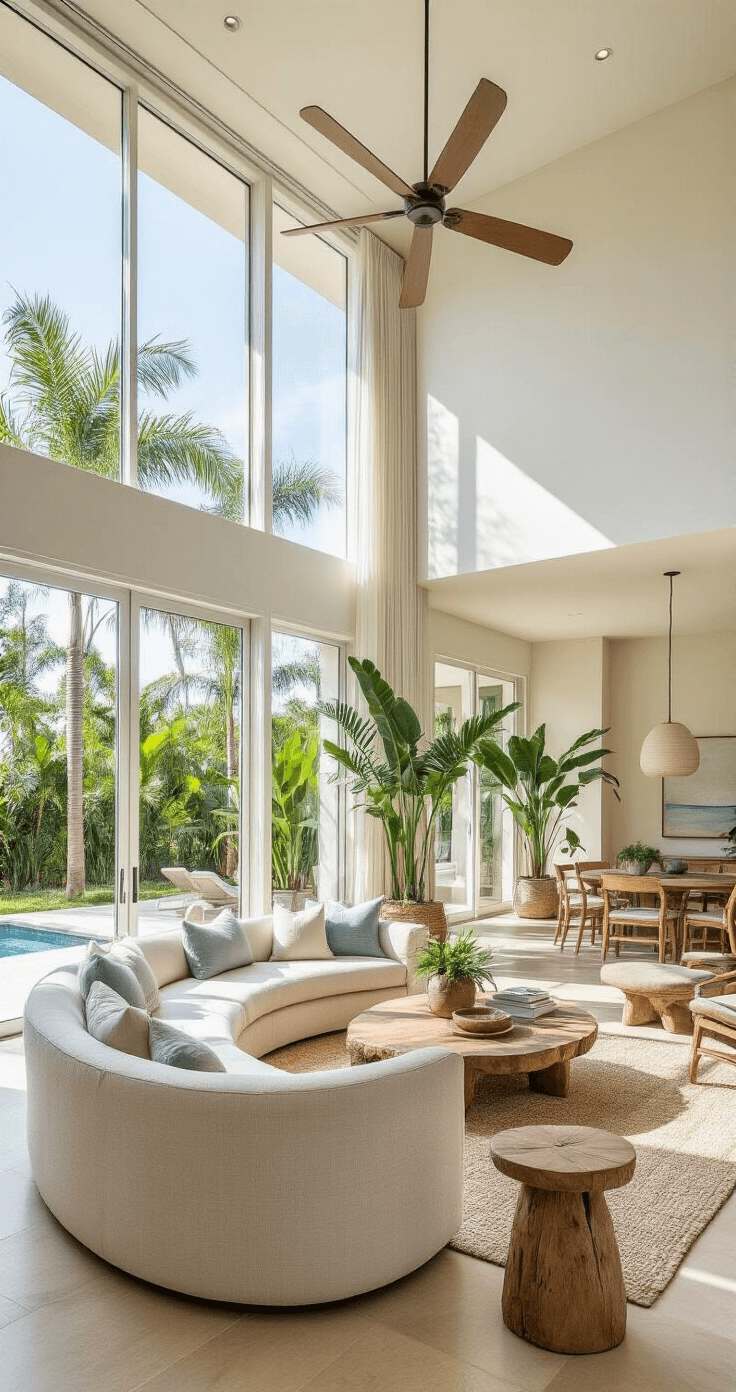
- Paint Color: Sherwin-Williams Sea Salt SW 6204
- Furniture: slipcovered linen sofa in a soft ivory, paired with two rattan armchairs with natural cushions
- Lighting: oversized woven seagrass pendant chandelier
- Materials: bleached oak flooring, jute area rug, driftwood accents, and sheer linen curtains
I learned the hard way that fighting the Florida light only makes you miserable—once I embraced the brightness instead of hiding from it, my living room finally felt like the retreat I moved here for.
What Makes Florida Design Actually Work
Florida homes need to breathe.
I learned this the hard way after spending my first summer in a stuffy, over-decorated space that felt more like a storage unit than a sanctuary.
The real foundation comes down to three non-negotiables:
- Light colors that reflect rather than absorb heat and sunshine
- Natural textures that won’t make you feel like you’re suffocating
- Open layouts that let air and light move freely
Think soft blues that remind you of morning sky, sandy beiges that echo the coastline, and whites so crisp they make you feel cooler just looking at them.
No, this doesn’t mean your home has to look like a bleached-out beach shack.
The magic happens when you layer these neutrals with natural materials like rattan furniture, wicker baskets, jute rugs, and reclaimed wood pieces.
I replaced my heavy oak coffee table with a lighter reclaimed wood coffee table, and suddenly the whole room started making sense.
The space felt ten degrees cooler and twice as inviting.
★ Steal This Look
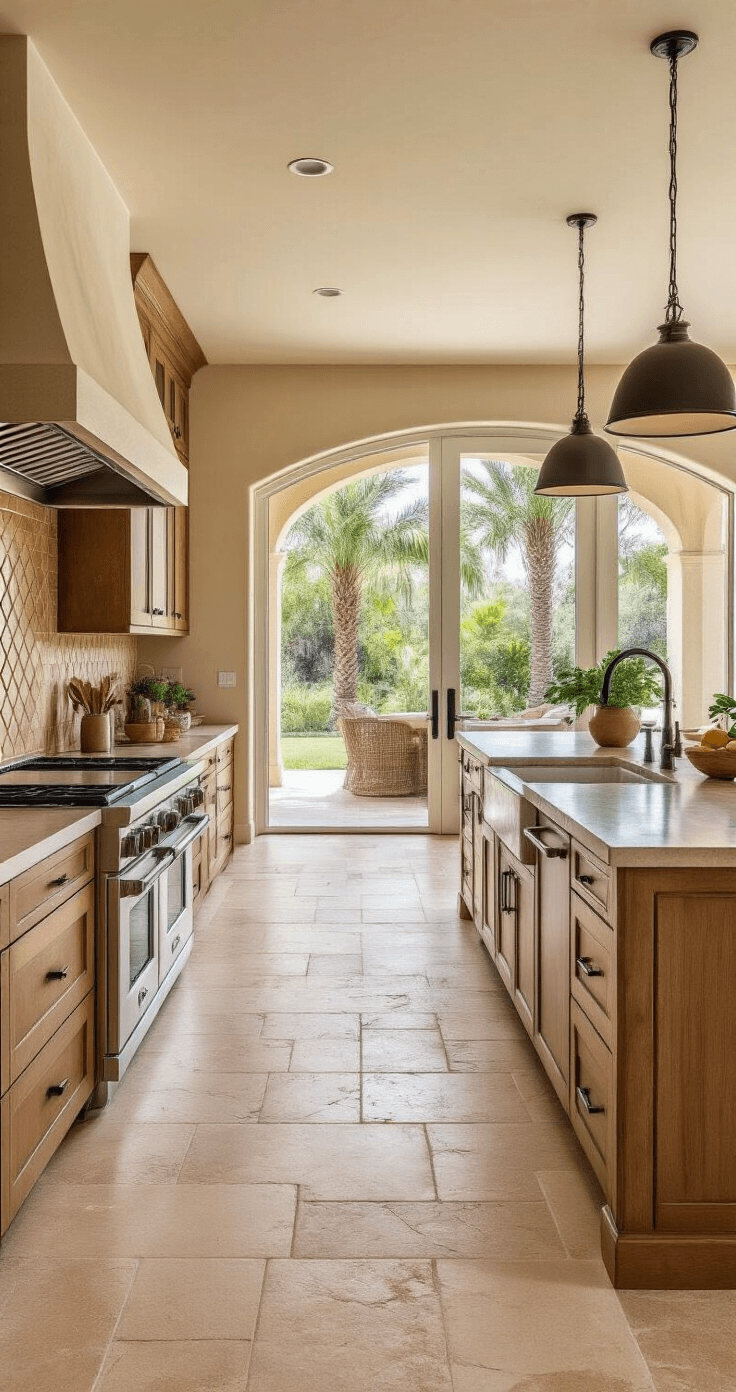
- Paint Color: Benjamin Moore White Dove OC-17
- Furniture: rattan peacock chair with natural cane weaving
- Lighting: woven rattan pendant with open weave pattern
- Materials: unbleached jute, raw rattan, weathered teak, sea grass, limewashed wood
I finally understood Florida design when I swapped my heavy linen curtains for sheer woven shades and felt my living room drop ten degrees without touching the thermostat.
The Stuff Actually Trending Right Now (Not Last Year’s Pinterest Boards)
Forget what you saw in 2022.
Curves are having their moment, and honestly, it’s about time.
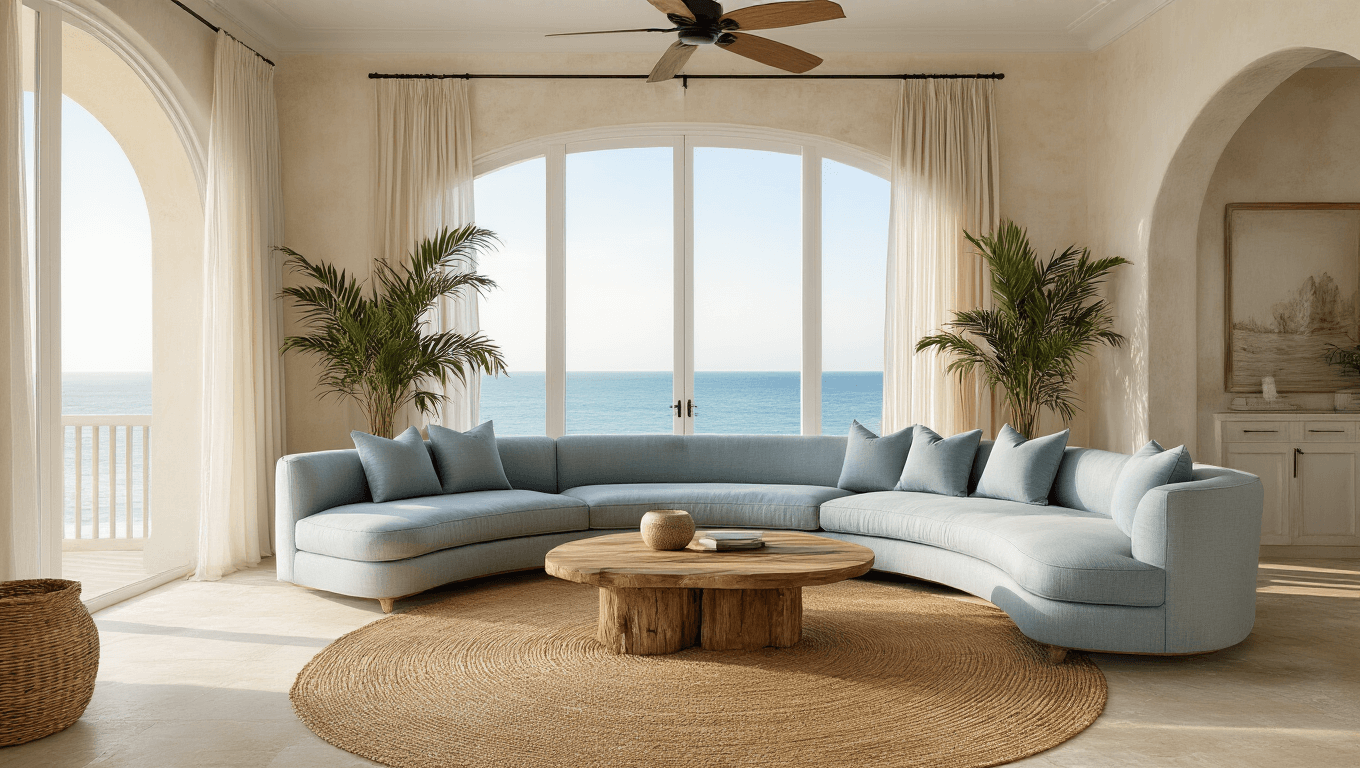
I recently swapped my boxy sectional for a curved sofa, and guests actually want to sit down now instead of perching awkwardly on the edge.
Rounded furniture creates natural conversation areas without making your space feel like a furniture showroom floor plan.
- Curved sofas that wrap around living spaces
- Arched doorways (or faux arches if you’re renting)
- Rounded countertop edges that won’t bruise your hip at 3 AM
Textured walls are replacing the flat, boring expanses we’ve lived with for years.
I tried limewash in my dining room last month.
The subtle texture catches light differently throughout the day, creating depth without overwhelming the minimalist vibe I’m going for.
Other options include wood paneling (the modern kind, not your grandfather’s basement) and woven wallpaper that adds warmth without screaming for attention.
Color Is Getting Warmer and More Grounded
Those icy grays everyone painted everything five years ago?
Done.
We’re layering earthy tones now—soft sage greens, deeper ocean blues, warm terracotta browns—all built on neutral foundations.
Color capping is the technique you need to know about:
Save this article
Enter your email and we'll send it straight to your inbox.
It means using multiple tones from the same color family on walls and ceilings to add subtle depth.
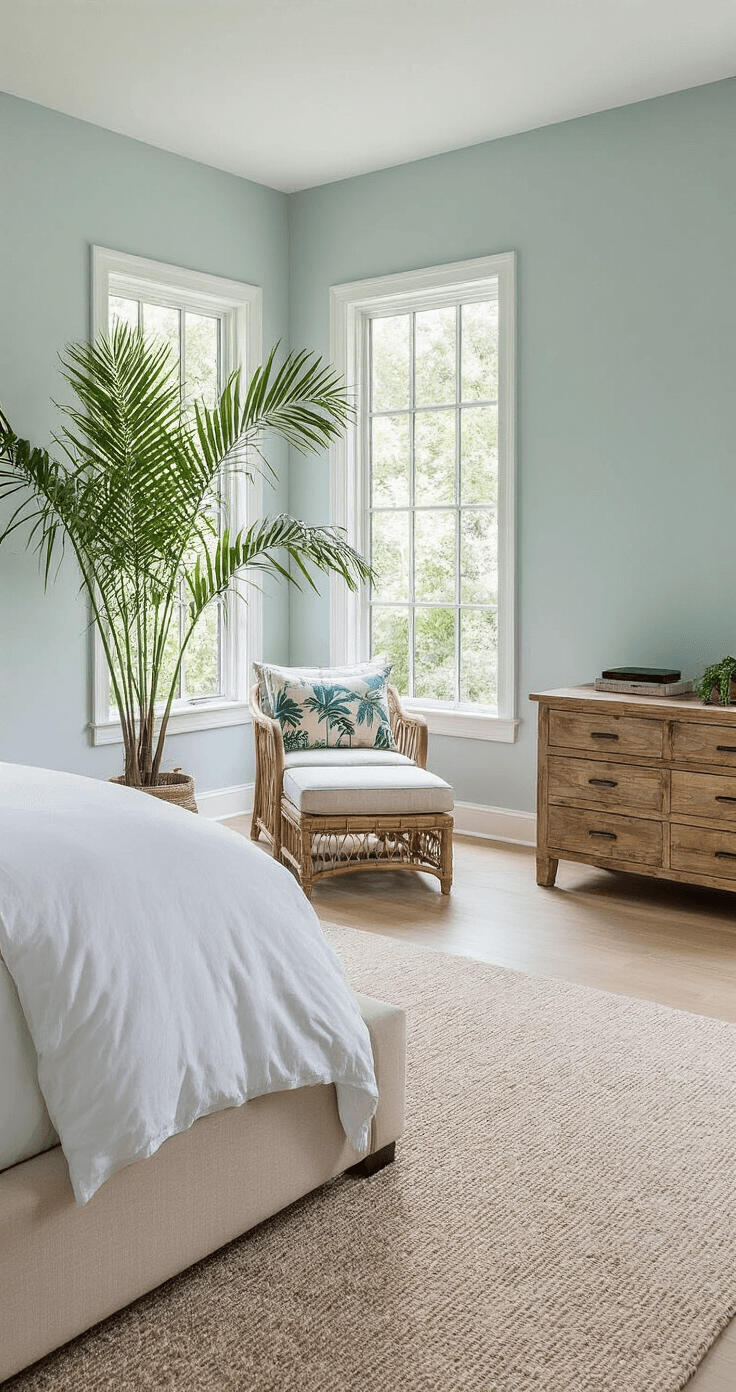
I did this in my bedroom with three shades of blue-gray, and it transformed the space from flat to dimensional without any bold statements.
The effect is calming without being boring.
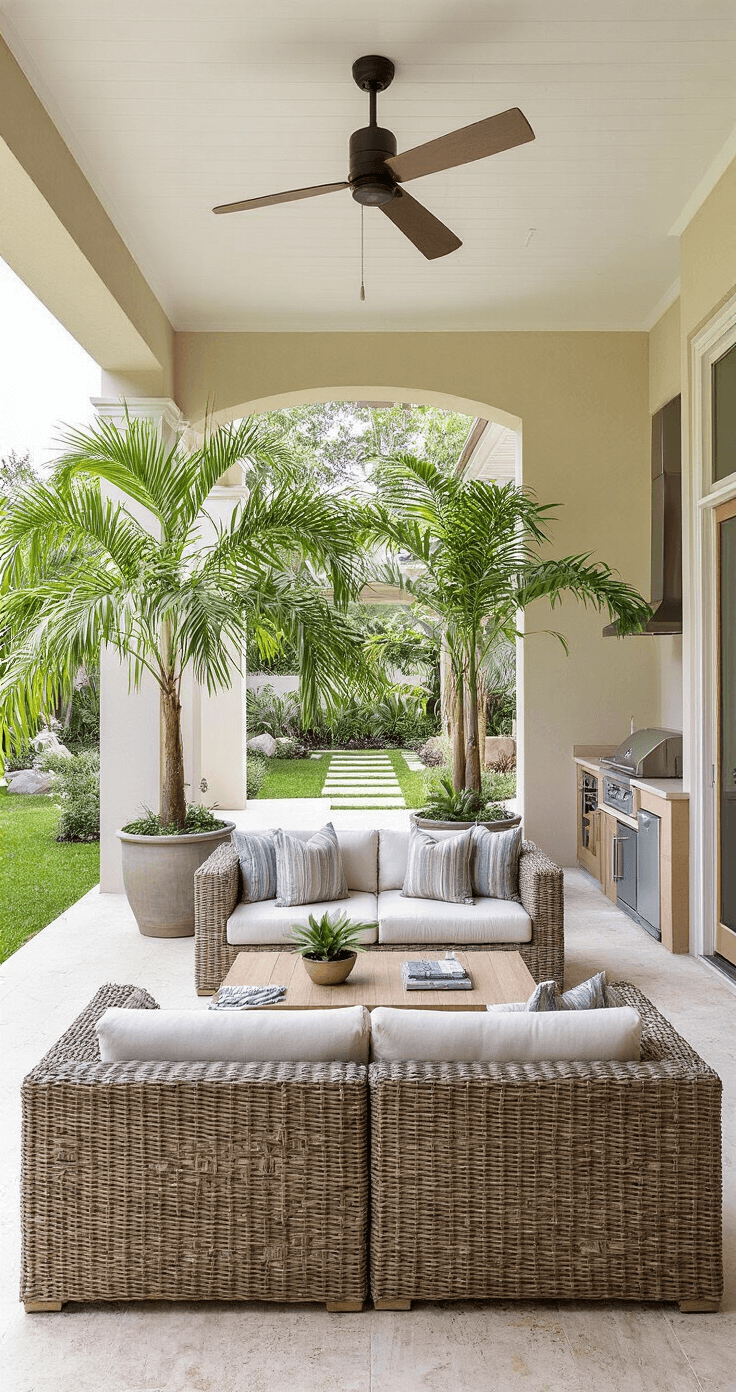
★ Steal This Look
- Paint Color: Farrow & Ball De Nimes No.299
- Furniture: curved three-seat sofa with low profile and continuous back
- Lighting: arched floor lamp with linen drum shade
- Materials: limewash plaster, rounded oak, bouclé fabric, matte black metal
There’s something almost rebellious about choosing softness over structure in a Florida home, where the outside world already throws so much harsh sunlight and sharp angles your way.
🎁 Get The Look
Materials That Actually Make Sense in Florida’s Climate
Natural stone changed everything for me.
I installed travertine tile flooring that flows from my kitchen through my lanai, and it solved the age-old problem of indoor-outdoor transitions looking clunky.
Travertine and limestone offer serious advantages:
- Stays cool underfoot even in brutal summer heat
- Weathers beautifully both inside and outside
- Creates visual continuity that makes spaces feel larger
- Ages gracefully instead of looking worn out
For cabinetry, flat-panel designs in warm wood tones with matte finishes provide that refined, modern look without the cold sterility of high-gloss white.
I refinished my kitchen cabinets from traditional raised panels to simple flat fronts in a honey-toned wood, and the transformation made the space feel both more expensive and more relaxed.
Sustainable Materials Aren’t Just for Tree Huggers Anymore
Look, I wasn’t planning to become an eco-warrior.
But when I discovered that bamboo flooring costs less than hardwood, looks amazing, and regenerates in three years instead of thirty, the choice became obvious.
Other sustainable options that actually look good:
- Cork flooring (surprisingly beautiful and soft underfoot)
- Reclaimed wood for accent walls or furniture
- Recycled glass countertops with unique character
- Low-VOC paints that don’t give you a headache
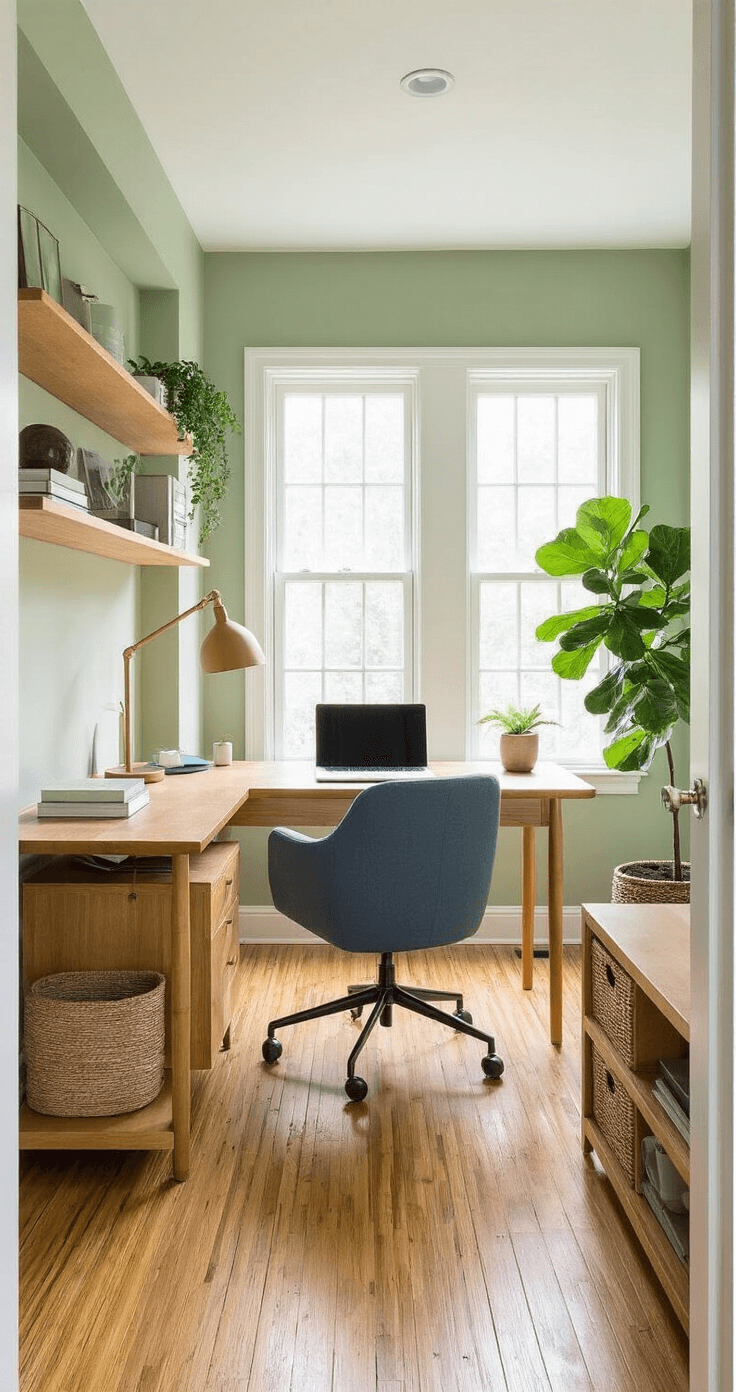
I used bamboo flooring in my home office, and visitors consistently ask about it because it doesn’t look like a compromise—it looks like a choice.
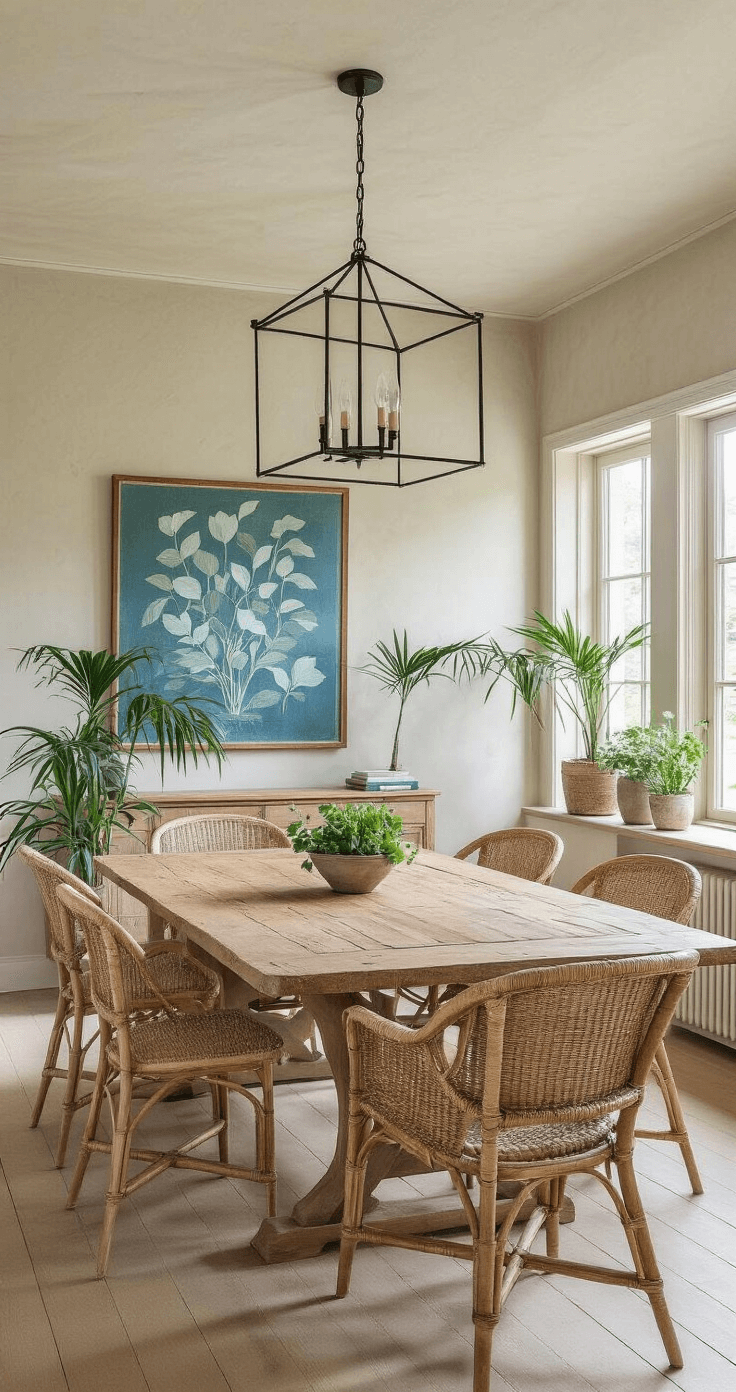
💡 Steal This Look
- Paint Color: use Behr brand. Match the ACTUAL wall color in the image. Format: Behr ColorName CODE
- Furniture: outdoor-indoor transitional seating in weather-resistant wicker or teak with Sunbrella cushions
- Lighting: oversized rattan pendant with natural fiber shade for covered lanai areas
- Materials: honed travertine tile flooring, flat-panel honey-toned wood cabinetry with matte finish, natural limestone accents, woven rattan or abaca textures, unsealed terracotta for outdoor planters
I learned this the hard way after replacing warped engineered hardwood twice—once I committed to materials that actually belong in Florida’s climate, my home finally started working with the environment instead of fighting it.
Book Your Stay in Sarasota
🌟 Steal This Look
- Paint Color: Valspar Seaside Villa 5001-5A
- Furniture: A whitewashed oak console table with woven raffia drawer fronts—serves as an entry anchor that bridges coastal and contemporary without screaming ‘beach house’
- Lighting: Capiz shell pendant with brushed brass hardware—translucent natural texture that casts warm, watery light patterns
- Materials: Unbleached Belgian linen, reclaimed driftwood, hand-thrown ceramic with celadon glaze, and sisal with cotton border
I learned this the hard way in my first Sarasota condo—one pineapple-print accent chair spiraled into a full-blown tiki disaster. Now I keep a ‘coastal edit’ rule: for every natural element I add, I balance it with something clean-lined and modern.
Conclusion
Embracing coastal interior design doesn’t mean your home has to look like a beach-themed gift shop. By focusing on natural materials, calming colors, and thoughtful details, you can create a sophisticated space that feels both relaxing and refined. The key is finding the right balance between coastal charm and modern elegance that reflects your personal style. Florida’s unique coastal aesthetic offers endless inspiration for creating your dream home. Start small with a few key pieces and watch your space transform into a coastal haven.
Find the perfect accommodation for your Sarasota adventure.
\1
This is where most people panic and either go full tiki bar or retreat into boring neutrals.
Neither extreme is the answer.
Start small and strategic:
I was terrified of tropical prints after seeing one too many flamingo-explosion disasters at friends’ houses.
My compromise was starting with
This post may contain affiliate links. Please see my disclosure policy for details.
Want to keep this one?
We'll email you the link so you can find it again later.