Visiting Fort Pickens feels like stepping through a portal into America’s most dramatic military chapters. This isn’t your typical tourist trap with overpriced gift shops and crowds of selfie-stick wielding visitors.
Fort Pickens is a genuine historic pentagonal fortress that sits majestically on Santa Rosa Island, where the emerald waters of the Gulf of Mexico kiss Pensacola Bay. What makes this place special isn’t just its stunning location—it’s the stories these weathered brick walls could tell.

The Fortress That Time Almost Forgot (But Thank God It Didn’t)
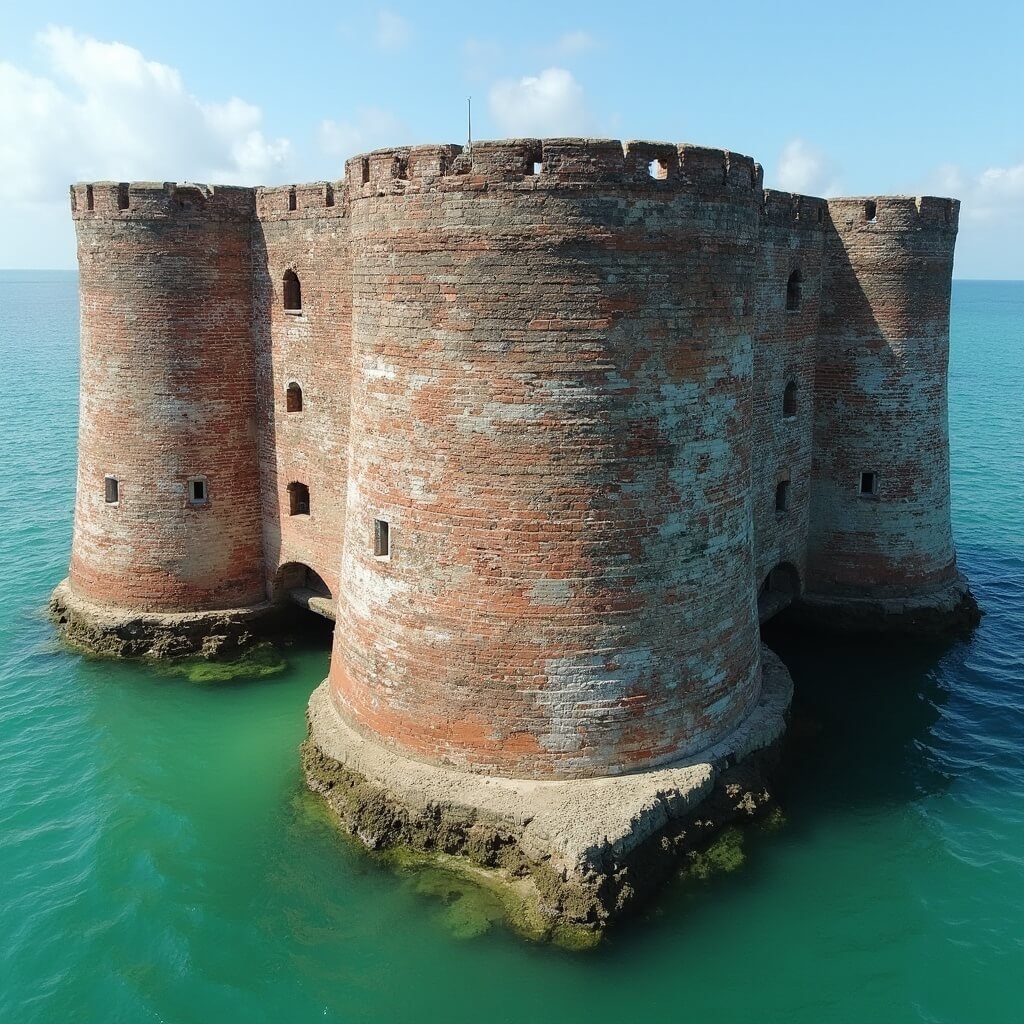
Picture this: over twenty-one million bricks assembled into a pentagon-shaped military fortress. That’s not a typo. Twenty-one million.
Fort Pickens stands as the largest of four military fortifications designed to protect Pensacola in the 1800s. The fortress sits strategically on the western edge of Santa Rosa Island, part of Gulf Islands National Seashore under National Park Service administration.
Named after American Revolutionary War hero Andrew Pickens, this enduring symbol of United States military heritage took decades to complete. Construction finished in 1834, making it nearly 190 years old.
Here’s what gets me every time I visit: this fortress was constructed almost entirely by enslaved people, designed by a French engineer who understood that this location would be absolutely critical for America’s coastal defence.
Key takeaway: Fort Pickens isn’t just big—it’s strategically positioned where geography demanded the strongest defence.
Why This Fort Made History (While Others Fell Apart)
Most people don’t realise Fort Pickens played a starring role in some of America’s most pivotal moments.
The Strategic Military Masterstroke
Fort Pickens wasn’t built for show. After the War of 1812 exposed America’s coastal vulnerabilities, military planners knew Pensacola Bay and its navy yard needed serious protection.
This fortress was designed to:
- Defend against foreign naval attacks
- Control channel approaches
- Prevent enemy forces from using Santa Rosa Island as a staging area
The location was brilliant. Any hostile ships trying to enter Pensacola Bay would face Fort Pickens’ cannons—and there was nowhere to hide.
The Civil War Game-Changer
Here’s where Fort Pickens’ story gets really interesting. While most Southern military installations fell to Confederate forces, Fort Pickens remained firmly in Union hands throughout the entire American Civil War.
Think about that for a moment. This fortress, sitting in the heart of Confederate territory, never surrendered. Confederate forces never occupied it, not even for a day.
Fort Pickens served as a crucial Union stronghold, providing a strategic foothold in Southern waters when the Union desperately needed one.
The Geronimo Connection (Yes, Really)
I remember the first time I learned about this—I couldn’t believe it. Fort Pickens later served as a prison for Apache chief Geronimo, one of the most famous American Indian leaders in history.
The fortress remained active until 1947, serving various military purposes for over a century. You can still see remnants of an 1899 gunpowder explosion that damaged parts of the structure—a reminder that this wasn’t just a monument, but an active military installation where real things happened.
Key takeaway: Fort Pickens didn’t just witness history—it shaped it by remaining unconquered when conquest seemed inevitable.
Getting to Fort Pickens (Without Getting Lost or Broke)
Let’s talk practical details, because getting there matters more than you might think.
Fort Pickens sits at 1400 Fort Pickens Road, Pensacola Beach, FL 32561. The most common route involves driving, though you can also access it by foot or boat if you’re feeling adventurous.
The Route That Actually Works
From I-10 West, here’s your step-by-step:
- Exit 12 onto I-110 South toward Pensacola Beach (6.2 miles)
- Take the ramp for FL-30/E Chase Street (0.6 miles)
- Travel west on U.S. 98 to Gulf Breeze or Pensacola Beach
- Turn right onto FL Highway 399 to Pensacola Beach
- Watch for the Sunpass toll booth at Pensacola Beach entrance
- Turn right onto Fort Pickens Road at the first light
- Drive 3 miles to the park entrance station
The drive through the park area is restricted to 25 mph, but trust me—you’ll want to go slowly anyway. The scenery is spectacular.
What You’ll Actually Pay (And How to Save Money)
Fort Pickens charges entrance fees, and they’re collected when you arrive:
- Single vehicle pass: $25
- Park Annual Pass: $45
- National Parks Pass holders: Free admission
If you’re planning multiple visits or exploring other national parks, that annual pass pays for itself quickly.
The fort is open year-round from sunrise to sunset, with the Fort Pickens Gate specifically operating from 8 a.m. to sunset. No overnight parking is permitted.
For questions, call 850-934-2622 or 850-934-2600.
Key takeaway: Factor in the entrance fee when budgeting, but remember you’re getting access to pristine beaches and incredible history for less than most theme park tickets.
What Awaits Inside (Spoiler: It’s Not What You Expect)
The Fort Pickens Discovery Center: Your Starting Point
Located at the west end of the island, the Discovery Center serves as both visitor centre and history museum. This isn’t some dusty, boring museum with faded displays.
The well-maintained facility sits in a genuinely beautiful setting and offers:
- Indoor exhibits covering natural environment and fort history
- Hands-on exhibits designed for all ages
- Historical and interpretive displays
- Theater presentations
- Maps and park newspapers
- WiFi access
- Gift shop with cold drinks and snacks
- Full wheelchair accessibility
During my last visit, I spent almost an hour in the Discovery Center before even stepping foot in the actual fort. The exhibits provide crucial context that makes exploring the fortress itself much more meaningful.
Where You’ll Stay (If You’re Smart Enough to Camp)
Fort Pickens campground sits directly on Santa Rosa Island, with campsites located within a quarter-mile of some of Florida’s most beautiful beaches. Both tent and RV camping are available.
The campground location is strategic—you’re far enough from Pensacola Beach crowds but close enough to restaurants and nightlife when you want them. Downtown Pensacola is easily accessible, and there are three restaurants within three miles.
The Parking Situation (And Why It’s Actually Good News)
Fort Pickens offers multiple parking lots with beach access along the road, but parking is intentionally limited. This creates less crowded beaches compared to other Pensacola Beach areas.
The entrance fee and limited parking keep casual crowds away, meaning you’ll share this incredible space with people who actually want to be there.
Key takeaway: The Discovery Center transforms your visit from casual sightseeing into genuine historical exploration.
The Architecture That Defied Every Assault
Walking through Fort Pickens reveals engineering brilliance that’s stood the test of nearly two centuries.
Why Pentagon Shape Was Genius
The pentagonal fortress design wasn’t arbitrary—it was strategic perfection. Each angle was calculated to provide maximum defensive coverage while minimising blind spots.
Bastions project from the fort’s corners, allowing cannon fire down into the dry moat at potential attackers. These weren’t just walls—they were carefully engineered killing fields.
The Brick Work That Refuses to Quit
Those twenty-one million bricks weren’t just piled together. The walls and arches were built to withstand both enemy assault and Florida’s brutal weather. Nearly two centuries later, the structure remains almost entirely intact.
Weather-scarred bricks show their age, but they’re still standing strong. The 1899 gunpowder explosion left visible damage, yet the fortress endured.
What You’ll Find Inside
Fort Pickens’ internal features tell stories of military life across different eras:
- Preserved officers’ and prisoners’ quarters showing Civil War era living conditions
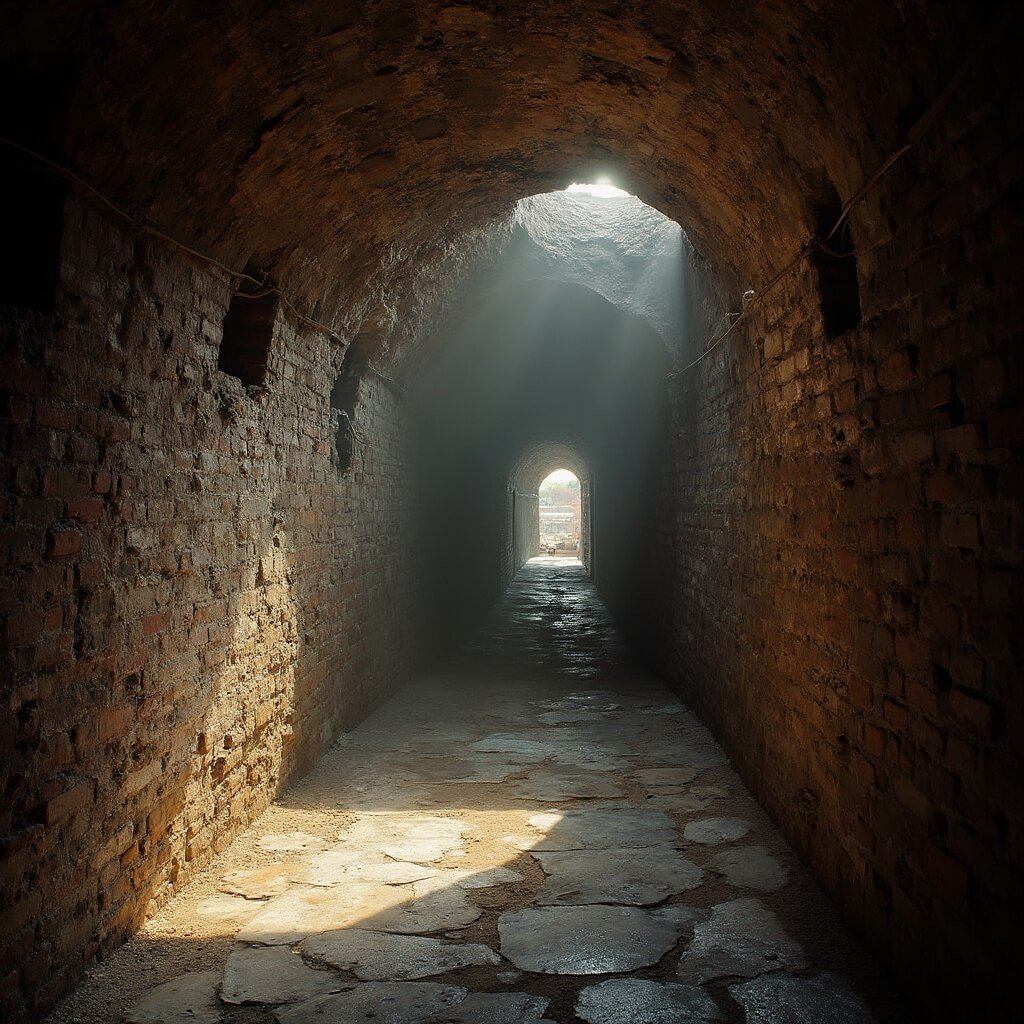
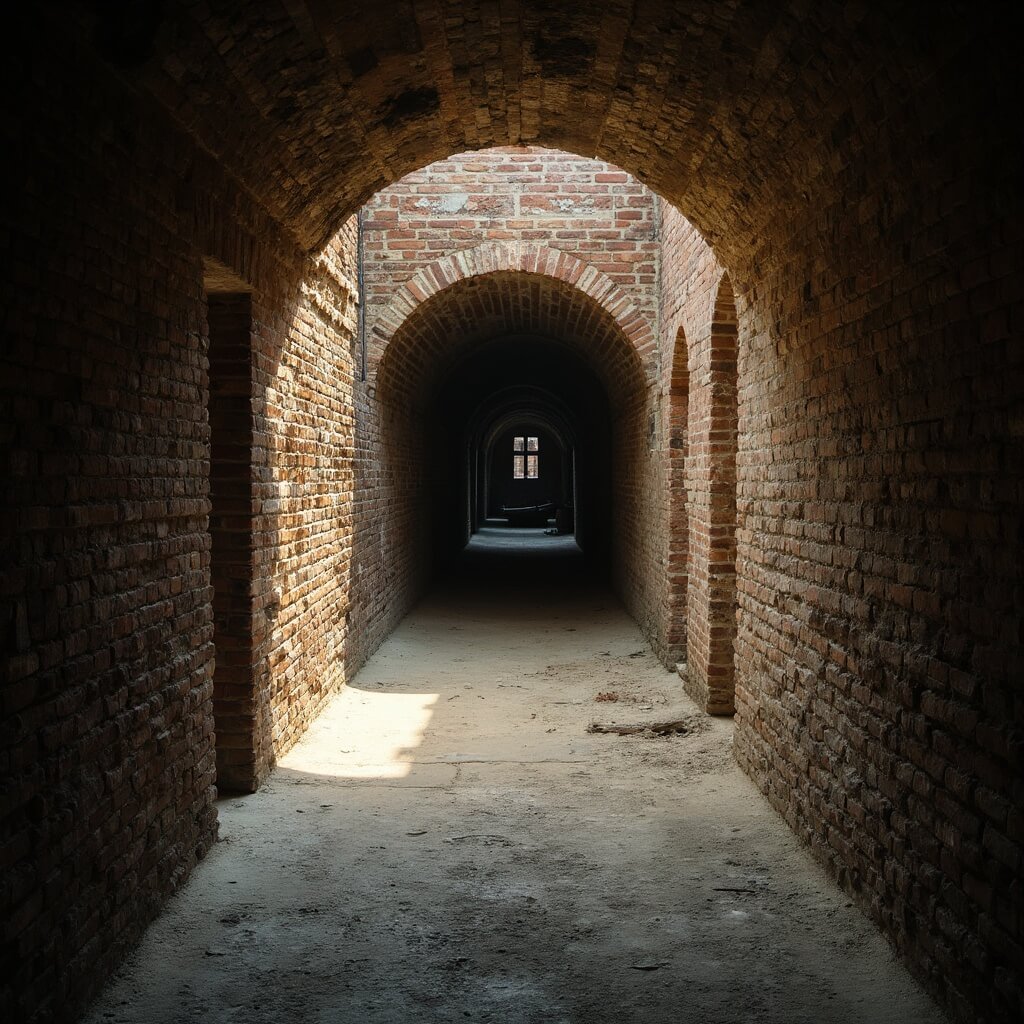
- Low-ceiling, winding tunnels throughout the structure
- Battery Pensacola tunnel built in 1898
- Historic parade ground areas where soldiers drilled
Sunlight filtering through open-air windows creates an atmospheric reminder of the people who lived, worked, and defended America from within these walls.
The nearly intact structure lets you walk through 200 years of military history, experiencing the spaces where critical decisions were made and history was shaped.
With all this incredible architecture and history to explore, you’re probably wondering about the best ways to actually experience Fort Pickens and what activities will make your visit truly memorable.
For more fascinating places, you might also want to explore historic lighthouse tours in St. Augustine or the Fountain of Youth Archaeological Park.
👇Find The Cheapest Flights To Anywhere Here👇
### Guided Tours That Don’t Insult Your Intelligence
I’ve taken countless historic fort tours that felt like being lectured by a history textbook. **Fort Pickens’ ranger-guided walking tours** are different.
These 15-minute tours are led by knowledgeable, efficient guides who understand their audience. They’re entertaining for serious history enthusiasts while remaining accessible to families. The rangers don’t just recite dates—they tell stories about the people who lived and died within these walls.
Walking through nearly 200 years of history with someone who genuinely knows the details transforms brick walls into living narratives. You’ll learn about daily life during the Civil War, military strategies that worked (and failed), and personal stories that never make it into textbooks.
### Self-Guided Exploration for the Independent-Minded
If you prefer exploring at your own pace, Fort Pickens offers excellent self-guided tour options. The structured exploration allows you to investigate this incredible piece of American history independently.
Over four miles of walking tours are available, meaning you can spend anywhere from a few hours to an entire day making discoveries. The **Florida Scenic National Trail** actually has its northern terminus at Fort Pickens—a detail that hiking enthusiasts absolutely love.
Pro tip: bring good walking shoes and prepare for climbing multiple flights of stairs. These aren’t modern, ADA-compliant staircases—they’re historic military installations built for function, not comfort.
### Artillery Experiences That Feel Real
The cannons at Fort Pickens aren’t just museum pieces gathering dust. These weapons are mounted on swivels with 360-degree range, positioned exactly where they defended America’s coastline.
**Cannons overlooking the Gulf** remain visible throughout the fort. During certain visits, you might catch cannon fire demonstrations that bring the fortress’s military purpose into sharp focus. The sound echoes across the water exactly as it did when this fort was America’s shield against invasion.
Save this article
Enter your email and we'll send it straight to your inbox.
### Battery Exploration Beyond the Main Fort
Most visitors focus exclusively on the central fortress, missing **Battery Cooper** and **Battery Worth** scattered throughout the area. Battery 234 offers additional exploration opportunities that many people overlook.
**Battery Pensacola**, constructed in 1898 directly on Fort Pickens’ parade ground, includes tunnels you can walk through. These later additions show how military technology evolved while the original fortress remained strategically vital.
The tunnel through Battery Pensacola offers a completely different experience from the main fort’s architecture—it’s like comparing Civil War-era engineering to Spanish-American War innovations.
**Key takeaway**: Skip the rushed approach and plan for genuine exploration—Fort Pickens rewards visitors who take time to understand what they’re seeing.
## The Natural Side Nobody Talks About (But Should)
### Wildlife That Doesn’t Hide from Humans
Fort Pickens isn’t just about military history—it’s a wildlife viewing paradise. **Osprey sightings** are incredibly common, and these magnificent birds don’t seem particularly bothered by human visitors.
**Pelicans glide** along the coastline throughout the day, often coming close enough for spectacular photos. The variety of coastal birds takes advantage of diverse habitats including beach, dune, and forest areas.
Miles of sandy quartz beaches provide pristine environments where wildlife thrives. Unlike crowded city beaches, Fort Pickens’ limited access means animals behave more naturally.
### Fishing That Actually Produces Results
**Shore fishing** at Fort Pickens consistently outperforms more crowded locations. The limited access and entrance fees keep fishing pressure lower than typical tourist spots.
**Pier fishing options** provide access to deeper waters where larger species feed. The Gulf of Mexico’s emerald coast waters around Fort Pickens support diverse fish populations year-round.
Local anglers consider Fort Pickens one of Pensacola Beach’s best-kept fishing secrets. The combination of Gulf access and bay proximity creates varied fishing opportunities within a small area.
### Beaches That Redefine “Pristine”
**Fort Pickens beaches** deliver what postcards promise but rarely deliver in reality. These aren’t just beautiful—they’re preserved coastal environments that showcase what Florida’s coastline looked like before development.
The magnificent white beaches remain less crowded due to limited parking and entrance fees. You’ll share this spellbinding natural beauty with people who made deliberate choices to be there.
Fertile marshes complement the beach environments, creating ecosystem diversity that supports both wildlife and human recreation. The preserved shoreline feels like stepping back in time to when Florida’s coast was still wild.
**Key takeaway**: Fort Pickens offers genuine natural experiences alongside historical exploration—you’re not choosing between nature and culture.
## Planning Your Visit Like Someone Who Actually Knows What They’re Doing
### Timing That Maximizes Your Experience
Fort Pickens operates year-round from sunrise to sunset, but timing affects your experience dramatically.
**Spring and fall** offer the best weather combinations—comfortable temperatures for extensive walking without summer’s brutal humidity. Wildlife activity peaks during these seasons as migratory species pass through the area.
**Summer visits** provide the warmest water temperatures and longest daylight hours, but prepare for crowds and heat. Early morning arrival helps you secure parking and explore before temperatures become uncomfortable.
**Winter visits** offer solitude and comfortable walking conditions. Wildlife viewing can be excellent as many species concentrate in protected coastal areas during cooler months.
### What to Actually Pack (Beyond the Obvious)
Everyone knows to bring sunscreen and water. Here’s what experienced Fort Pickens visitors pack that makes the difference:
– **Quality walking shoes** with ankle support for historic stairs and uneven surfaces
– **Small flashlight** for exploring darker tunnel areas
– **Binoculars** for wildlife viewing and examining architectural details
– **Camera with extra batteries** because phone batteries drain faster than expected
– **Light jacket** even in summer—Gulf breezes can be surprisingly cool
– **Small backpack** for hands-free exploration
### Time Requirements That Actually Work
Most people underestimate how much time Fort Pickens requires for a meaningful visit. A rushed two-hour visit barely scratches the surface.
**Half-day visits (4-5 hours)** allow thorough fort exploration plus Discovery Center time. This works well for people combining Fort Pickens with other Pensacola Beach activities.
**Full-day visits (6-8 hours)** enable complete exploration including hiking trails, extended wildlife viewing, and relaxation time on the beaches. Serious history enthusiasts and nature lovers prefer this approach.
**Multi-day visits** with camping provide the deepest experience. Sunrise and sunset at Fort Pickens offer completely different perspectives on both the fortress and surrounding natural areas.
### Accessibility Considerations That Matter
The Discovery Center is fully wheelchair accessible and provides excellent orientation for visitors with mobility considerations.
However, much of Fort Pickens presents genuine accessibility challenges. Historic military architecture wasn’t designed with modern accessibility standards, and many areas require climbing stairs or navigating uneven surfaces.
The self-guided tour options work well for visitors who need to modify their exploration based on physical capabilities. Multiple parking areas with beach access mean you can enjoy Fort Pickens’ natural beauty even if the fortress interior isn’t fully accessible.
**Key takeaway**: Plan for more time than you think you need—Fort Pickens rewards visitors who aren’t rushing to the next stop on their itinerary.
## Why This Place Matters More Than Most People Realize
The first time I stood in Fort Pickens’ central courtyard, looking up at walls that witnessed America’s most challenging military moments, something clicked.
This isn’t just another tourist attraction with historical significance. Fort Pickens represents American military engineering, strategic thinking, and determination during periods when our nation’s survival wasn’t guaranteed.
The fortress that never surrendered during the Civil War demonstrates something profound about American resilience. Confederate forces controlled the surrounding territory, yet Union forces held this strategic position throughout the war’s darkest moments.
Every brick in those walls represents human labor, mostly by enslaved people whose stories deserve remembrance alongside the military narratives. The French engineer’s design proved itself across multiple conflicts and changing military technologies.
Fort Pickens connects visitors to American history through direct experience rather than abstract study. Walking through officers’ quarters, climbing defensive positions, and standing where crucial decisions were made creates understanding that no textbook can provide.
The National Park Service’s preservation efforts ensure future generations can experience this connection to America’s military heritage. As development pressures intensify along Florida’s coast, places like Fort Pickens become increasingly precious.
## The Experience You Can’t Get Anywhere Else
Fort Pickens offers something unique in American historic sites: the combination of perfectly preserved military architecture, stunning natural environments, and genuine historical significance.
You won’t find this combination at Colonial Williamsburg’s reconstructions or Gettysburg’s battlefield parks. Fort Pickens provides authentic structures where real events happened, surrounded by environments that remain largely unchanged since the fortress was built.
The strategic location that made Fort Pickens militarily crucial also makes it naturally spectacular. Where else can you explore Civil War-era military engineering while watching dolphins play in emerald Gulf waters?
Standing on ramparts where Union soldiers defended American interests while surrounded by Confederate territory creates perspective on how precarious our nation’s survival once seemed. These walls witnessed moments when America’s future hung in balance.
The tunnel systems, artillery positions, and living quarters tell stories about military life across multiple generations of American servicemen. From Civil War soldiers to Spanish-American War defenders to World War-era personnel, Fort Pickens served America’s military needs for over a century.
As you plan your visit, remember that Fort Pickens on Pensacola Beach isn’t just another historic site—it’s America’s best-preserved example of 19th-century coastal defense that shaped our nation’s military heritage.
For more about the history and military heritage of Fort Pickens, visit the [National Park Service’s page on Fort Pickens](https://www.nps.gov/guis/learn/historyculture/fort-pickens.htm). And if you’re planning a visit, check out the [NPS guide on how to plan your visit to Fort Pickens](https://www.nps.gov/guis/planyourvisit/fort-pickens-area.htm).
For other historic sites to visit, you might also want to [explore the historic lighthouse at St. Augustine Beach](https://caywind.com/visit-the-historic-lighthouse-at-st-augustine-beach/), [discover the Fountain of Youth in St. Augustine](https://caywind.com/visit-the-fountain-of-youth-in-st-augustine/), or [tour Florida’s historic Capitol building in Tallahassee](https://caywind.com/tour-the-capitol-in-tallahassee/). And if you’re interested in more about military history, consider visiting the [Henry B. Plant Museum](https://caywind.com/visit-the-henry-b-plant-museum/).
👇Ready To Book Your Trip?👇
This post may contain affiliate links. Please see my disclosure policy for details.
Want to keep this one?
We'll email you the link so you can find it again later.