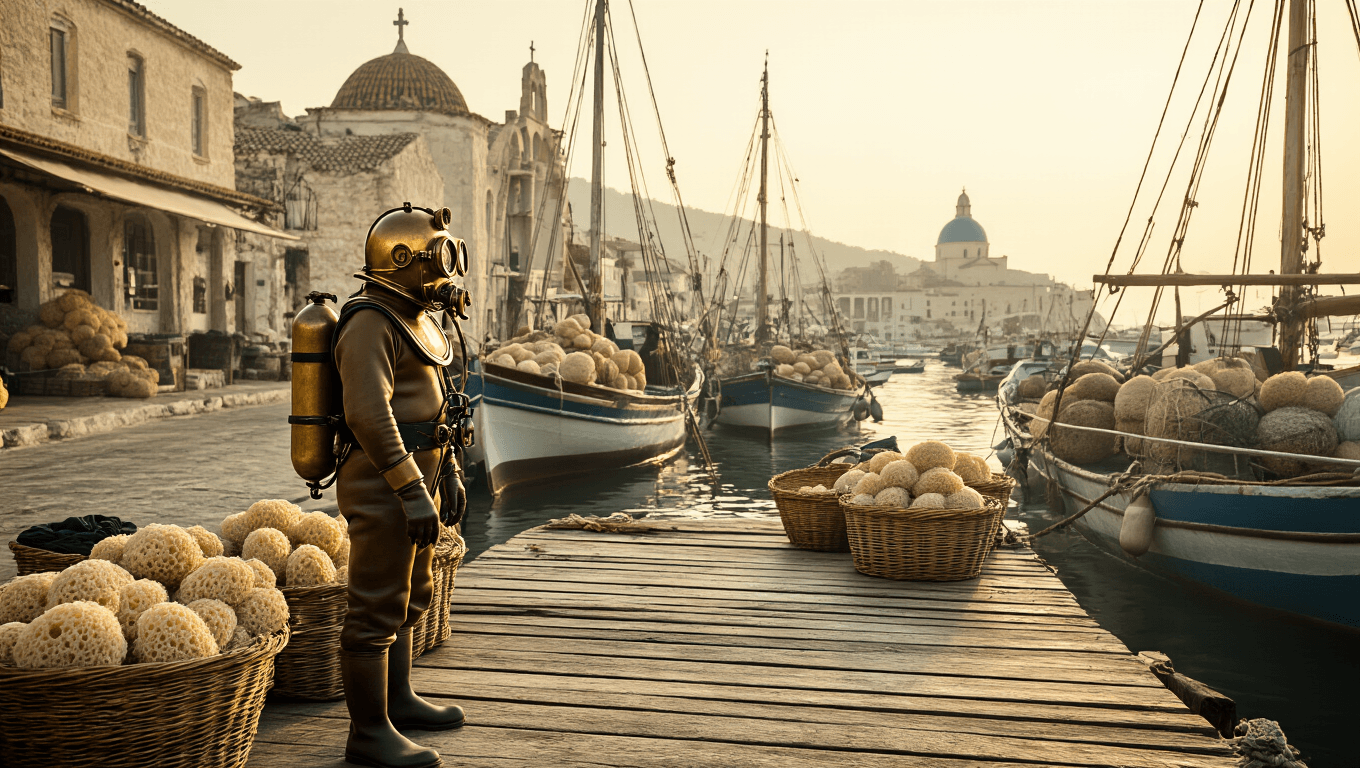
The historic Sponge Docks of Tarpon Springs tell one of America’s most fascinating immigration stories, wrapped in saltwater, Greek tradition, and entrepreneurial spirit.
Have you ever wondered how a small Florida fishing village became the world’s sponge capital? Or why the largest Greek community in America chose to settle along these particular waterways?
I’ve spent countless hours wandering these docks, and every visit reveals another layer of this remarkable story.
The Unlikely Birth of America’s Sponge Empire
Contents
- The Unlikely Birth of America’s Sponge Empire
- One Man’s Vision That Transformed an Entire Industry
- The Great Greek Migration: 500 Families Transform a Town
- When Tarpon Springs Ruled the World’s Oceans
- Why This Matters More Than You Think
- The Great Catastrophe That Almost Destroyed Everything
- The Comeback That Proved Resilience Beats Everything
- How Smart Greeks Built a Tourism Empire on Heritage
- The Architecture That Tells America’s Immigration Story
- The Annual Celebration That Reveals the Community’s Soul
- What Modern Visitors Actually Experience
- Why This Matters for American Heritage
- The Lessons That Apply Beyond Tarpon Springs
- Planning Your Own Deep Dive Into History
Picture this: it’s 1873, and someone discovers natural sponges growing abundantly in the shallow waters off Tarpon Springs. Back then, natural sponges were liquid gold. No synthetic alternatives existed, and demand from New York’s wealthy elite was insatiable.
By the late 19th century, the sponge trade had become Florida’s most lucrative business. That’s saying something for a state already rich in citrus, timber, and fishing.
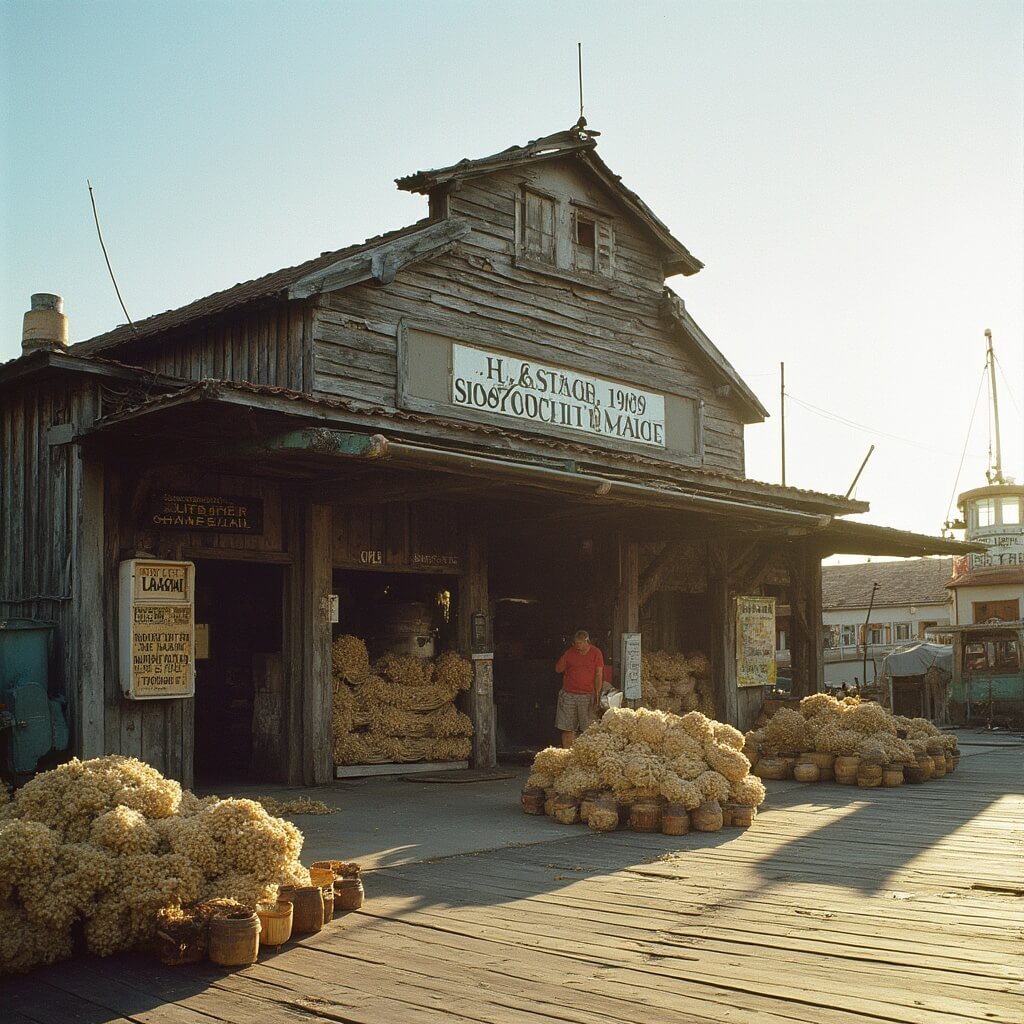
John K. Cheney spotted the opportunity first. In 1889, he built the first sponge warehouse in Tarpon Springs specifically to handle shipments bound for New York markets. Cheney, along with fellow merchant Ernest Meres, established the foundation of what would become an international industry.
But here’s what made this story extraordinary: the early sponge harvesting methods were primitive and limited. Fishermen used hand-held glass-bottomed buckets and long poles to spot and hook sponges from shallow waters. It was slow, dangerous work that barely scratched the surface of the Gulf’s potential.
Everything changed when one Greek immigrant arrived with a revolutionary idea.
One Man’s Vision That Transformed an Entire Industry
John Cocoris stepped off a boat in 1896, carrying little more than expertise from his homeland of Leonidion, Kynourias, Greece. He saw immediately what the local sponge merchants were missing.
Back in Greece, sponge diving wasn’t just a trade—it was an art form passed down through generations. Greek divers had perfected techniques that allowed them to harvest sponges from depths impossible for surface fishing.
Cocoris spent nearly a decade planning what would become one of the most successful immigrant business ventures in American history.
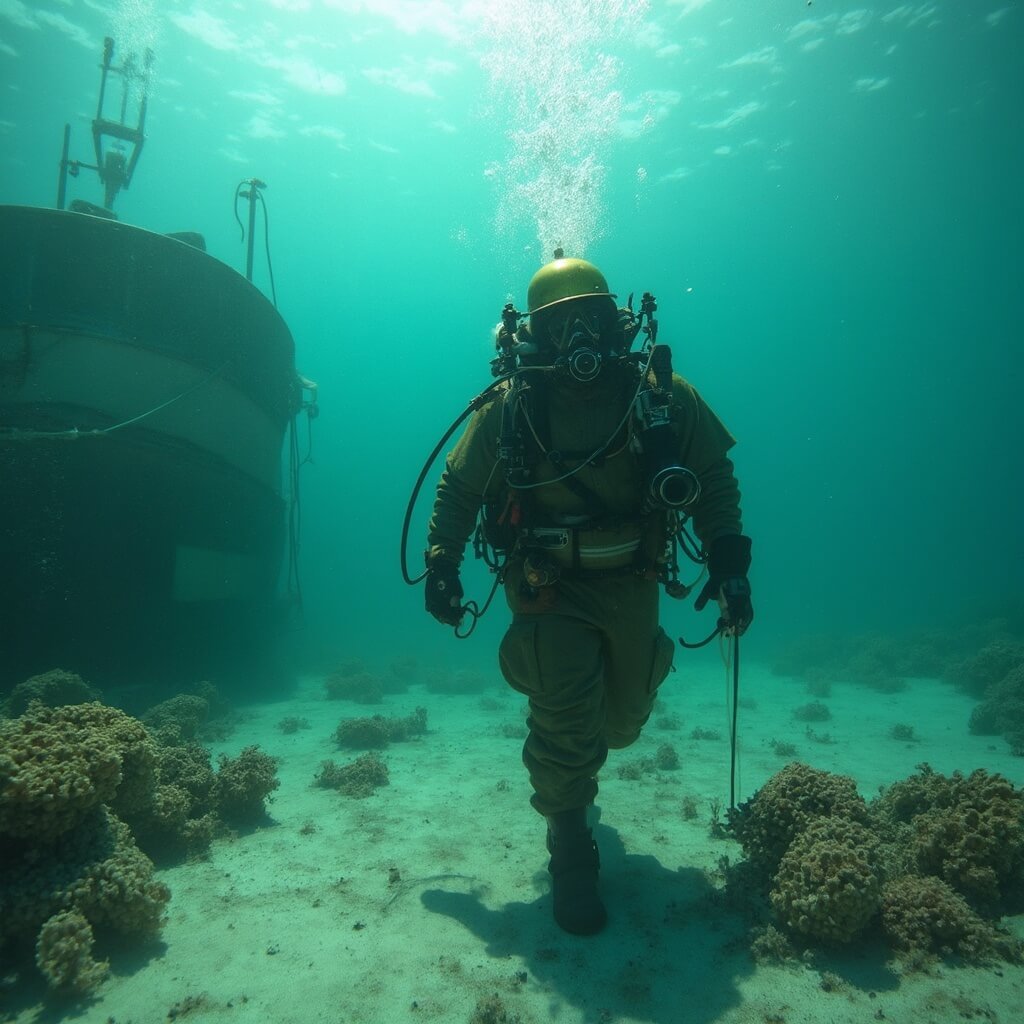
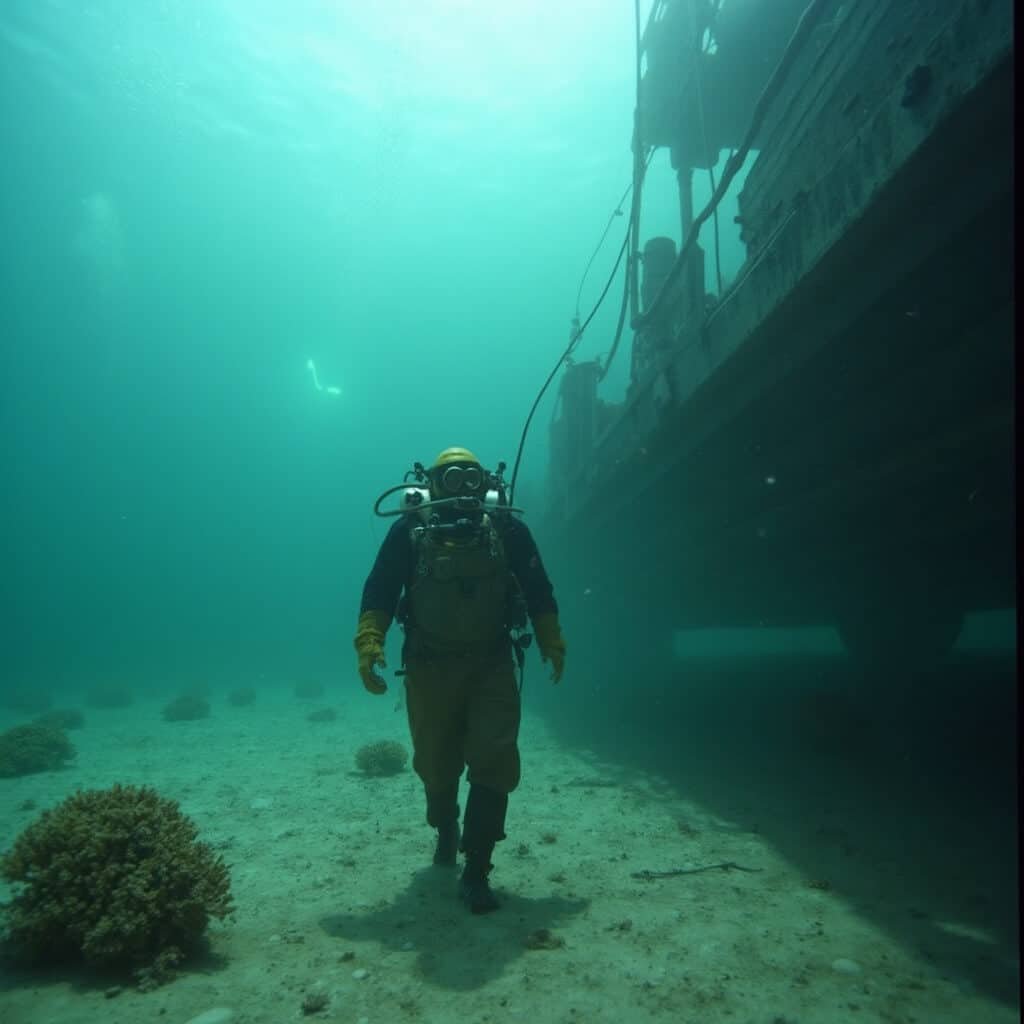
On June 18, 1905, the first mechanized sponge diving boat launched from Tarpon Springs. That date marks the moment when a diver first walked on the Gulf floor using proper diving equipment. Think brass helmets, rubber diving suits, oxygen lines, and diving engines—technology that seemed like science fiction to local fishermen.
The results were immediate and spectacular.
The Great Greek Migration: 500 Families Transform a Town
Word spread through the Greek islands faster than a Mediterranean wildfire. By the end of 1905, more than 500 Greek spongers had arrived in Tarpon Springs.
These weren’t just individual fortune-seekers. Entire families came, bringing their culture, traditions, and most importantly, their expertise. The Greeks introduced:
- Expert divers trained from childhood
- Advanced diving engines and oxygen systems
- Rubber diving suits with distinctive bell-shaped helmets
- Techniques for working at depths up to 150 feet
I remember chatting with an elderly Greek gentleman outside the Sponge Exchange a few years back. His grandfather had been one of those original 500, and he told me stories passed down through four generations. The early success was almost unbelievable—baskets filled with wool-sponges came up every 10 minutes during peak diving seasons.
The efficiency gains were revolutionary. What had taken surface fishermen hours to collect in shallow water, mechanized divers could gather in minutes from the deep Gulf beds.
By the early 20th century, Tarpon Springs had become the world centre of the sponge industry.
When Tarpon Springs Ruled the World’s Oceans
The transformation was breathtaking. Tarpon Springs officially claimed the title Sponge Capital of the World, and it wasn’t just marketing fluff.
The numbers tell the story:
- The largest Greek community in the United States developed around the sponge industry
- The Sponge Exchange was established in 1908 as the central storage and auction site
- Greek families generated significant wealth that transformed the entire community
- Boats from Tarpon Springs supplied sponges to markets across America and Europe
The Sponge Exchange became the beating heart of this maritime empire. Buyers from New York, Chicago, and international markets would travel to this small Florida town to bid on the finest natural sponges money could buy.
Greek families who had arrived with nothing became prosperous business owners. They built homes, established restaurants, opened bakeries, and created the infrastructure of a permanent community.
But here’s what most people don’t know: this wasn’t just an economic success story. The Greeks brought something far more valuable than diving expertise—they brought their entire culture.
Why This Matters More Than You Think
The sponge industry’s impact extended far beyond commerce. Tarpon Springs became the largest Greek community in the United States, and unlike many immigrant communities that eventually assimilated, the Greeks here maintained their distinct identity.
They built churches, maintained their language, preserved their customs, and created what amounts to a Greek village in the heart of Florida.
This cultural preservation happened because the sponge industry provided economic stability that lasted for decades. Families weren’t just surviving—they were thriving.
The success attracted more Greek immigrants, creating a self-reinforcing cycle that strengthened both the industry and the community.
However, like many boom industries, the sponge trade faced challenges that would test the community’s resilience in ways no one could have predicted.
Discover more fun things to do in Tarpon Springs or explore fun things to do in nearby Clearwater.
👇Find The Cheapest Flights To Anywhere Here👇
The Great Catastrophe That Almost Destroyed Everything
Then disaster struck.
In 1938, a red tide (toxic algae bloom) infested the sponge beds, killing thousands of sponges across the Gulf. But that was just the beginning of the industry’s nightmare.
The 1940s brought something worse: a mysterious blight that wiped out the remaining sponges and cost Tarpon Springs its coveted Sponge Capital title.
I’ve spoken with descendants of those original Greek families, and they describe this period as devastating. Imagine building your entire life around an industry that simply vanished overnight. No government bailouts existed. No job retraining programs. Families who had prospered for decades suddenly faced economic ruin.
Many Greeks left Tarpon Springs during this period, seeking opportunities in other parts of Florida or returning to family in larger Greek communities like those in New York or Chicago.
But here’s what reveals the true character of this community: the ones who stayed refused to give up.
They pivoted to fishing, opened restaurants, started small businesses, and waited. They maintained their cultural traditions even when the economic foundation had crumbled. Greek Orthodox celebrations continued. The restaurants kept serving authentic cuisine. The community infrastructure remained intact.
That patience and cultural persistence proved to be the smartest business decision they could have made.
The Comeback That Proved Resilience Beats Everything
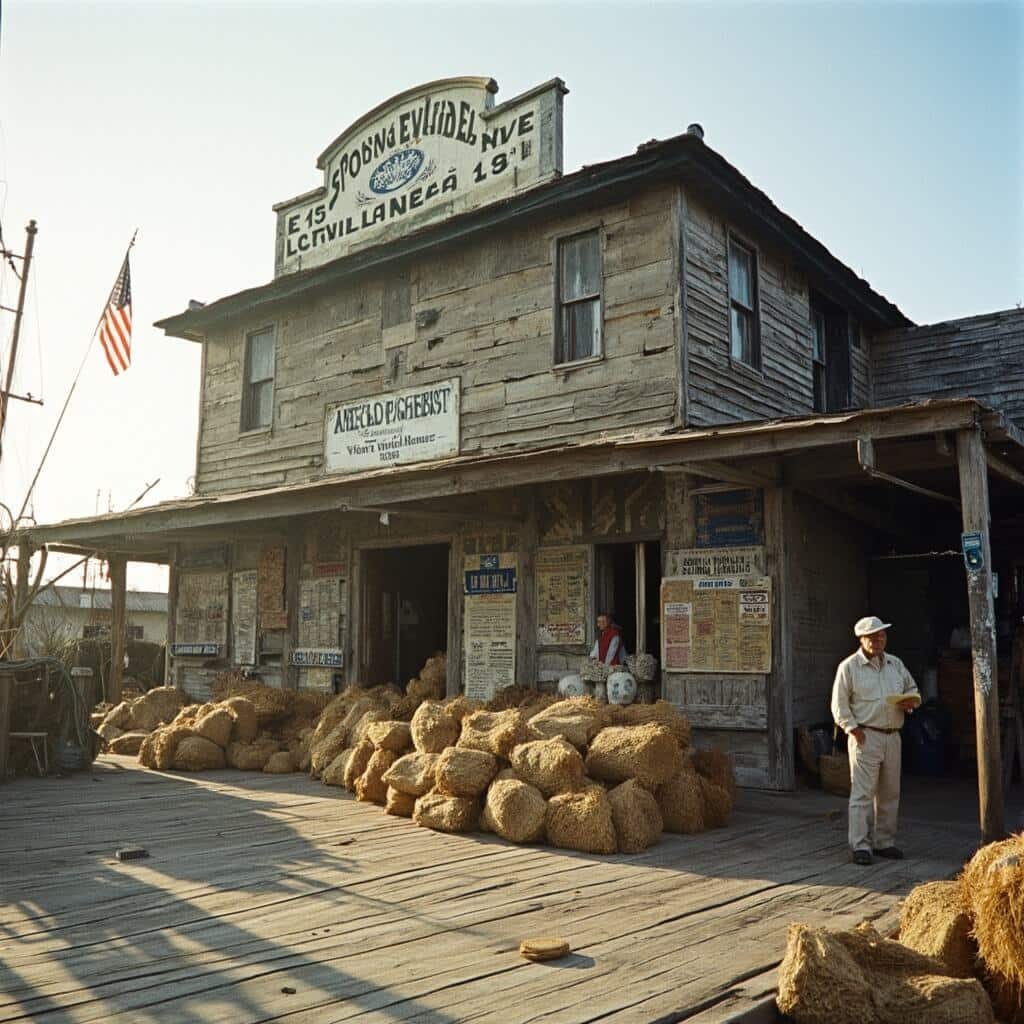
The 1980s brought unexpected news: sponges had returned to the Gulf waters.
Even better, Mediterranean sponge beds were experiencing their own blight problems, which drove international production back to Tarpon Springs.
By the late 1980s, Tarpon Springs had reclaimed its title as the Sponge Capital of the World.
The revival wasn’t as massive as the original boom, but it was steady and sustainable. Professional sponge divers still operate today, and most boats remain owned by people of Greek descent. The industry has found its niche serving specialty markets that value natural sponges for cosmetics, art, and luxury applications.
What’s remarkable is how the community leveraged this revival into something bigger than just sponge diving.
How Smart Greeks Built a Tourism Empire on Heritage
The returning sponge industry gave Tarpon Springs something invaluable: authentic cultural credibility.
Unlike tourist attractions that manufacture artificial experiences, everything here is real. The divers actually dive for sponges. The Greek families actually descend from the original immigrants. The traditions actually connect to centuries-old customs.
Smart business owners realized they could monetize this authenticity.
St. Nicholas Boat Lines started offering sponge diving demonstrations where visitors watch divers in vintage brass helmets work underwater. These tours cost $18 for adults, $17 for seniors, $8 for children 6-12, and free for under 6. Each tour lasts about an hour and provides genuine education about diving techniques.
The Spongeorama and The Sponge Factory offer free movies showing the complete history of sponging, turning education into entertainment that drives retail sales.
Multiple restaurants began featuring traditional Greek cuisine, but here’s the key difference: these weren’t theme restaurants run by non-Greeks trying to capitalize on the culture. These were authentic family establishments serving recipes passed down through generations.
Hellas Restaurant & Bakery still serves flaming saganaki prepared tableside, creating an experience that tourists remember and locals genuinely enjoy.
Historic Sponge Docks History and Cultural Heritage
The Architecture That Tells America’s Immigration Story
Walking through the historic district feels like stepping through a time portal.
The St. Nicholas Greek Orthodox Cathedral was built as a replica of St. Sophia in Constantinople. It features 23 stained glass windows of remarkable beauty and serves as the spiritual center of the community.
But what impressed me most during my last visit wasn’t the grandeur—it was the lived-in authenticity. This isn’t a museum piece. It’s an active congregation where Greek families have worshipped for over a century.
The 1909 Railroad Depot, renovated in 2005, houses the Tarpon Springs Historical Society and visitor center. Original ticket booths, rail switches, and memorabilia remind visitors that this was a working transportation hub, not just a tourist attraction.
The 1883 Safford House represents the pre-Greek settlement period, showing how different architectural eras layered together as the community evolved.
In 1990, these buildings and the surrounding historic homes were officially designated as a National Historic District. Five sponge boats moored at the docks are individually listed on the National Register of Historic Places.
This wasn’t bureaucratic recognition—it was America acknowledging that something genuinely significant happened here.
fun things to do in Tarpon Springs
The Annual Celebration That Reveals the Community’s Soul
Every year on January 6th, Tarpon Springs hosts the Epiphany celebration that showcases Greek Orthodox traditions in their purest form.
A Greek Orthodox priest throws a crucifix into Spring Bayou, and young men dive into the cold water to retrieve it in a competition that connects directly to centuries-old religious customs.
I attended this celebration three years ago, and what struck me wasn’t the spectacle—it was the participation. These weren’t actors performing for tourists. These were community members maintaining traditions that matter to them personally.
The diving competition gets intense. Young Greek men train for months, and retrieving the cross is considered a significant honor within the community. Families gather, traditional music plays, and the entire event feels like a village celebration that happens to welcome visitors rather than a tourist event that includes local participation.
That distinction makes all the difference.
fun things to do in clearwater
What Modern Visitors Actually Experience
Today’s Sponge Docks offer experiences that range from educational to culinary to purely entertaining.
Spongeorama Cruise Lines provides narrated sightseeing cruises through the Anclote River and Gulf that include wildlife viewing (dolphins and seabirds) alongside historical education.
The shopping reflects genuine cultural connections rather than generic souvenir marketing. Unique shops and boutiques line Dodecanese Boulevard, emphasizing natural sponges and authentic Greek merchandise.
Historic walking tours throughout downtown help visitors understand the layered history, while Spring Bayou walking paths feature scavenger hunts identifying Victorian homes from the pre-Greek settlement period.
Multiple specialty markets and bakeries serve the Greek community first, tourists second—which means the quality remains high because locals demand authenticity.
Discover the Cultural Treasures of Tarpon Springs Sponge Docks
Why This Matters for American Heritage
The Tarpon Springs story represents something rare in American immigration history: successful cultural preservation combined with economic integration.
Most immigrant communities faced pressure to assimilate rapidly, often losing their distinct cultural identity within a generation or two. The Greeks of Tarpon Springs managed to maintain their heritage while building prosperity, creating a template that other communities have tried to replicate.
The economic impact extends beyond direct tourism revenue. Local businesses benefit from heritage tourism that brings visitors who stay longer and spend more than typical attractions generate. Property values in the historic district remain stable. The community has economic diversity that protects it from single-industry downturns.
Preservation efforts continue through multiple listings on the National Register of Historic Places, historic district designation, and community commitment to maintaining Greek cultural identity.
But perhaps most importantly, this community proves that heritage tourism can work when it’s built on authenticity rather than manufactured experiences.
The Lessons That Apply Beyond Tarpon Springs
The Sponge Docks demonstrate several principles that other communities could apply:
Cultural preservation requires economic sustainability. The Greeks maintained their traditions because the sponge industry provided prosperity that lasted long enough to establish permanent cultural infrastructure.
Authenticity can’t be manufactured. The tourism success here works because visitors experience real culture, not performed culture.
Community resilience comes from cultural cohesion. When the sponge industry collapsed, the community survived because cultural connections provided non-economic bonds that held people together.
Heritage tourism works best when locals benefit first. The restaurants, shops, and attractions serve the Greek community’s needs, which ensures quality and authenticity that tourists value.
fun things to do in st petersburg
Planning Your Own Deep Dive Into History
If you’re planning a visit, budget at least a full day to appreciate the layers of history and culture. Start with the sponge diving demonstrations to understand the industry foundation. Take time for a proper meal at one of the family Greek restaurants. Walk through the cathedral and historic district. End with a sunset cruise that provides perspective on how the waterways shaped this community’s development.
The Heritage Museum of Tarpon Springs interprets both community history and the marine environment, providing scientific context for the sponge industry’s development.
Most importantly, talk to locals. Many families have stories passed down through four generations, and they’re remarkably willing to share those stories with visitors who show genuine interest.
The historic Sponge Docks of Tarpon Springs offer more than a day trip—they provide insight into how immigration, industry, and cultural preservation can create something uniquely American while maintaining authentic connections to ancient traditions.
visit the historic lighthouse at st augustine beach
👇Ready To Book Your Trip?👇
This post may contain affiliate links. Please see my disclosure policy for details.