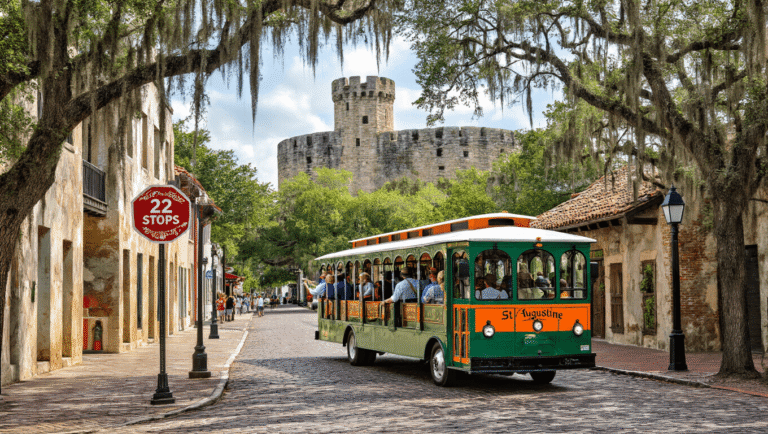
The year is 1885. Picture a dusty, wild Florida frontier where an audacious Spanish entrepreneur named Vicente Martínez Ybor would transform an unremarkable patch of land into a revolutionary multicultural powerhouse that would change American history forever.
Most people don’t realize that Ybor City wasn’t just another immigrant neighborhood – it was a pressure cooker of cultural revolution, where Cuban independence dreams, industrial innovation, and radical social experiments collided in ways that would reshape the entire southern United States.
I’ll never forget walking those historic brick streets for the first time, feeling the ghosts of thousands of immigrants who risked everything to build something extraordinary. Their story isn’t just history – it’s an epic of human resilience.

The Birth of a Visionary Community
Contents
- The Birth of a Visionary Community
- A Multicultural Pressure Cooker
- The Revolutionary Heart of a Neighborhood
- A Community Built on Solidarity
- The Economic Miracle
- The Social Fabric: More Than Just Neighbors
- The Language of Revolution and Resistance
- Economic Transformation: From Tobacco to Cultural Export
- Legacy and Modern Relevance
When Vicente Martínez Ybor arrived in Tampa, he wasn’t just looking to build another cigar factory. He was creating an entire ecosystem of opportunity that would become a beacon for oppressed workers across multiple continents.
Key triggers for Cuban immigration were brutal:
- Spanish colonial oppression in Cuba
- Economic desperation
- The devastating “Reconcentration Decree” that killed over 300,000 civilians
- Constant political instability
Ybor understood something revolutionary: By creating a supportive community, he could transform desperate immigrants into powerful economic actors.
His first masterstroke? Purchasing 40 acres of land northeast of Tampa and immediately beginning construction of what would become the world’s largest cigar factory. But this wasn’t just about tobacco – this was about building a new kind of society.
A Multicultural Pressure Cooker
What made Ybor City truly extraordinary wasn’t just its economic success, but its unprecedented ethnic integration. In an era of extreme racial segregation, this neighborhood became a radical experiment in multicultural collaboration.
Imagine a place where:
- Cuban workers
- Spanish entrepreneurs
- Italian immigrants
- Jewish merchants
- Black Cuban laborers
All worked side-by-side, creating a unique “Latin” culture that was distinctly American yet wholly international.
The Revolutionary Heart of a Neighborhood
Ybor City wasn’t just an economic hub – it was the secret headquarters of the Cuban independence movement. José Martí himself organized the Cuban Revolutionary Party here, transforming this Tampa neighborhood into a geopolitical powerhouse.
Workers would donate “El día pa la patria” – one day’s wages weekly – to fund the Cuban independence struggle. This wasn’t charity. This was a coordinated, transnational liberation movement happening right under the American government’s nose.
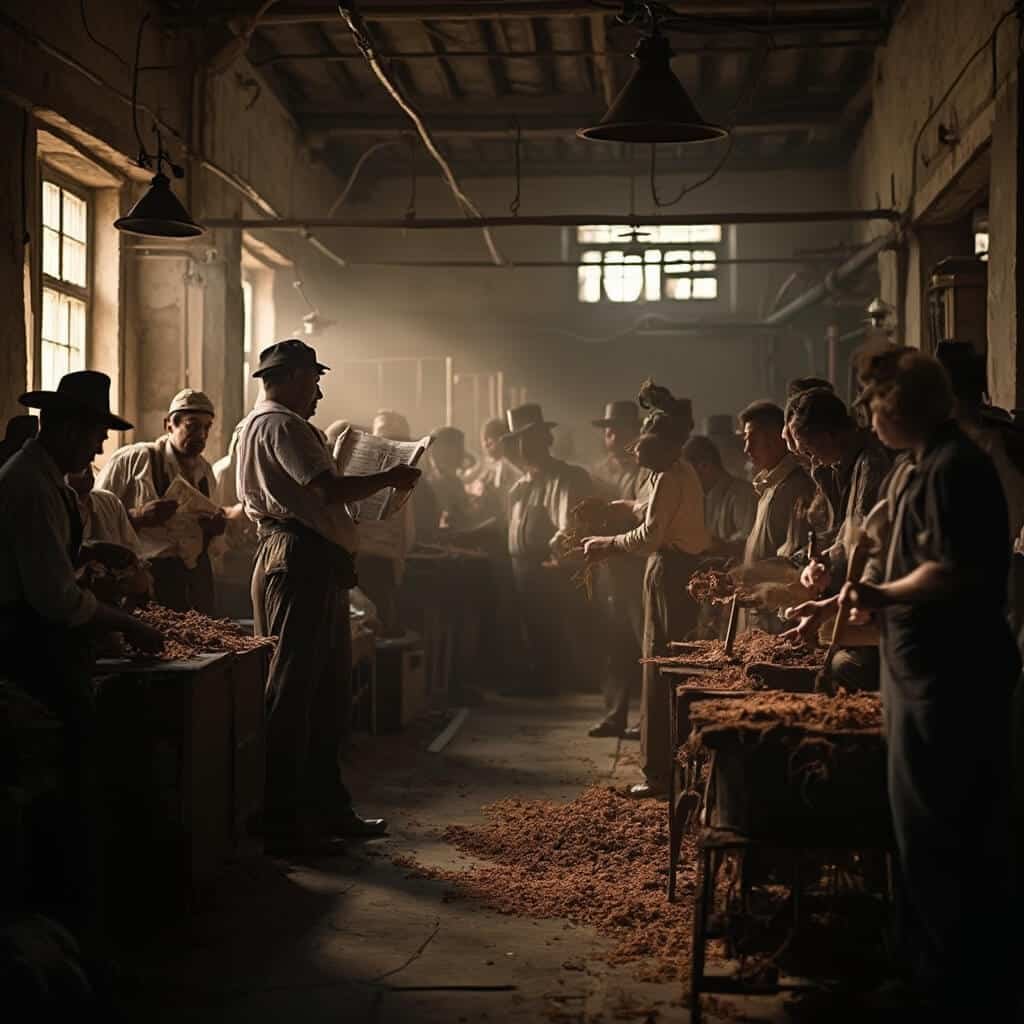
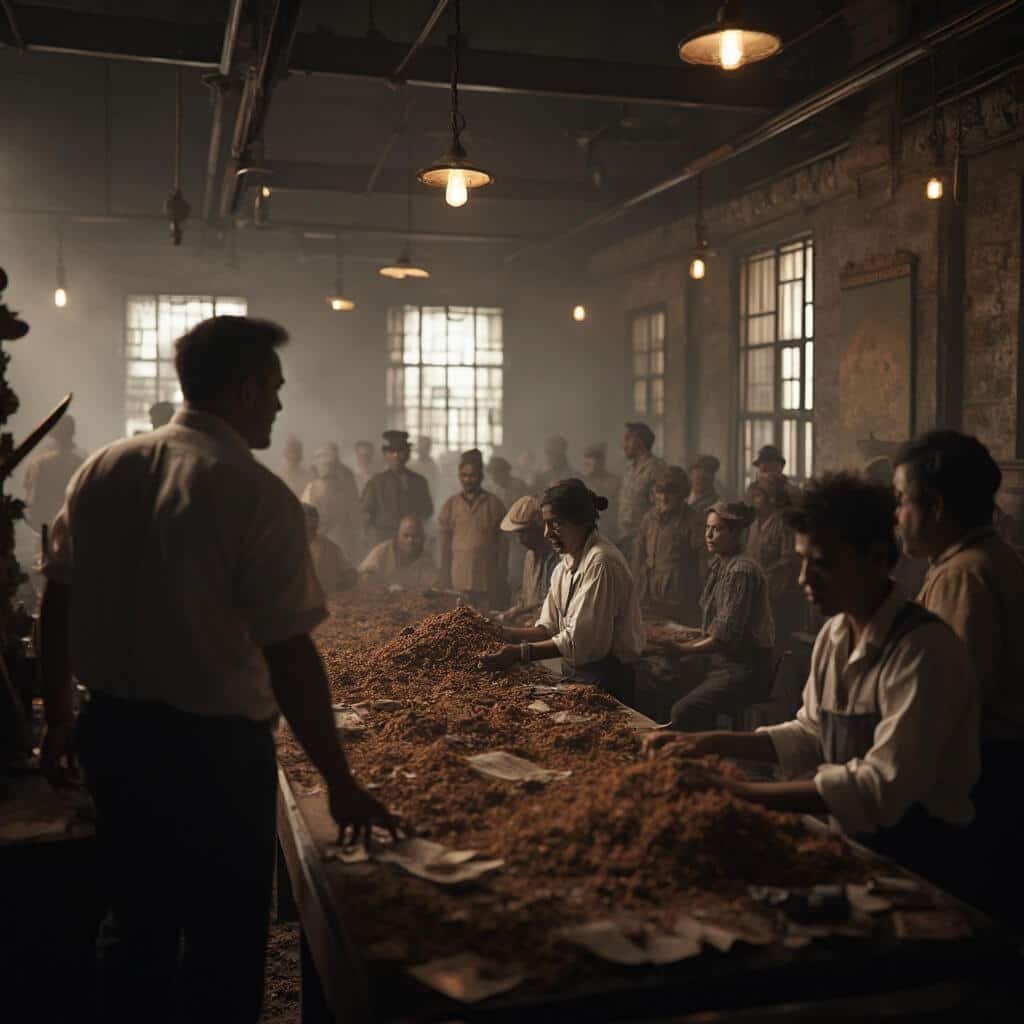
The cigar factories became more than workplaces. They were universities of revolution, where workers would listen to lectores reading political newspapers while hand-rolling cigars, spreading ideas that would eventually topple Spanish colonial rule.
A Community Built on Solidarity
What truly set Ybor City apart was its network of mutual aid societies. These weren’t just social clubs – they were sophisticated support systems that provided:
- Health insurance
- Legal support
- Educational resources
- Cultural preservation
Even under strict racial segregation, Black Cuban workers created La Sociedad de la Unión Martí-Maceo, a powerful mutual aid society that represented resistance against systemic oppression.
The Economic Miracle
By 1900, Ybor City had become the “Cigar Capital of the World” – producing millions of cigars annually and creating an economic ecosystem that lifted thousands out of poverty.
But this wasn’t just about cigars. It was about proving that immigrants could create extraordinary value when given opportunity and community support.
The story of Ybor City is more than history. It’s a blueprint for how diverse communities can transform seemingly impossible challenges into incredible success.
As the population grew and tensions mounted, the neighborhood would face unprecedented challenges – economic shifts, racial conflicts, and massive demographic transformations that would test the very fabric of this remarkable community.
The steamships kept arriving, carrying dreams, tensions, and the unstoppable spirit of people determined to build something entirely new.
Explore More Stories Like This
Read about how Tampa homes reflect this cultural legacy on our Tampa family living room feature, or dive deeper into similar narratives of triumph in our Tampa immigrant success story archive.
👇Find The Cheapest Flights To Anywhere Here👇
The Social Fabric: More Than Just Neighbors
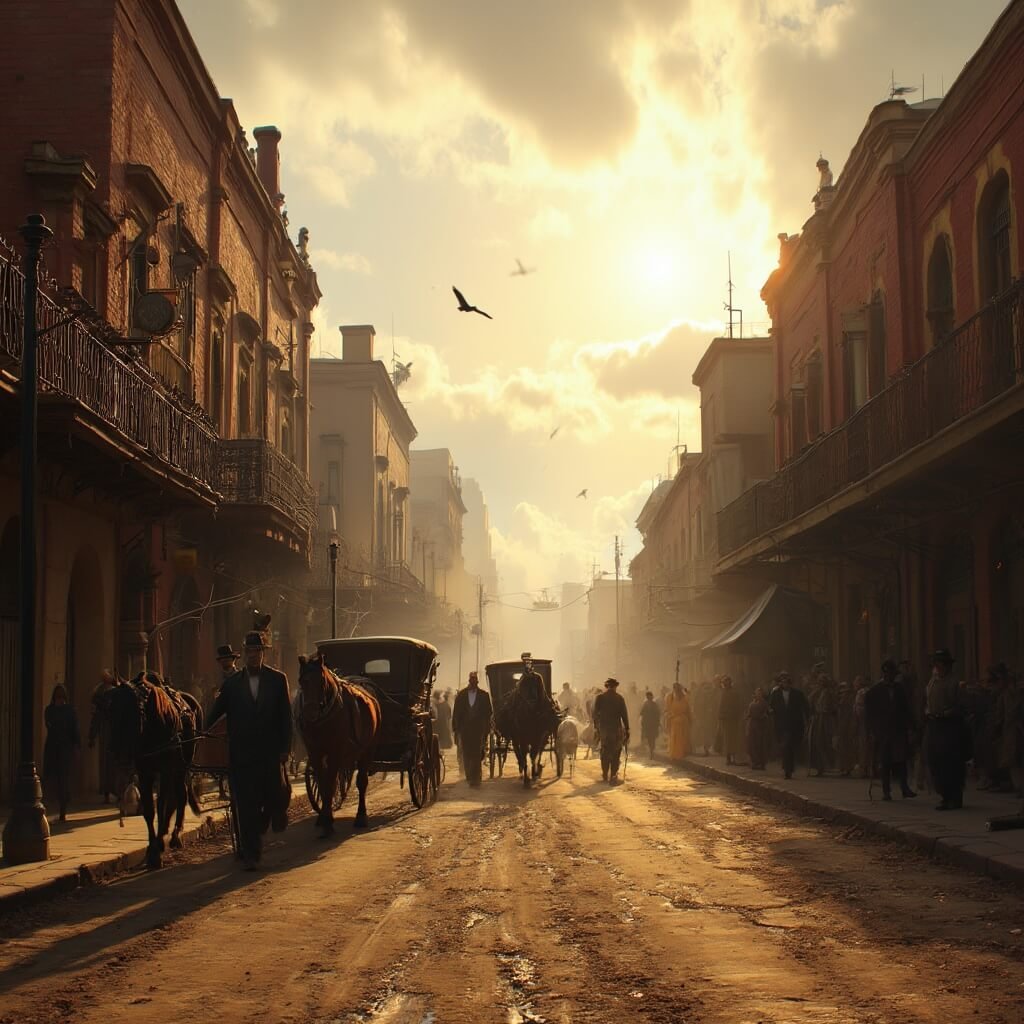
By the early 1900s, Ybor City had transformed from a dusty frontier settlement into a pulsing, multicultural heartbeat of American immigration.
The mutual aid societies weren’t just social clubs – they were sophisticated survival networks that turned immigrant vulnerability into collective strength.
Take El Círculo Cubano, founded in 1902. This wasn’t merely a gathering place. It was a lifeline that provided:
- Medical care for uninsured workers
- Legal representation
- Unemployment support
- Cultural preservation programs
- Language education
- Financial assistance during economic downturns
These organizations understood something profound: Community resilience trumps individual survival.
The Language of Revolution and Resistance
Walk into any cigar factory during this era, and you’d hear something extraordinary – a symphony of languages and revolutionary ideas.
Lectores (professional readers) would stand elevated above workers, reading newspapers in Spanish, discussing global politics while workers hand-rolled cigars. This wasn’t just work. This was a university of resistance.
Imagine a Black Cuban worker simultaneously navigating:
- Racist American segregation laws
- Spanish colonial oppression
- Economic marginalization
- A burning desire for Cuban independence
La Sociedad de la Unión Martí-Maceo became their sanctuary – a place where systemic barriers dissolved into collective empowerment.
Economic Transformation: From Tobacco to Cultural Export
By 1920, Ybor City wasn’t just producing cigars. It was manufacturing an entirely new American cultural identity.
The neighborhood became a living laboratory of immigrant integration, where:
- Cubans learned from Italians
- Italians collaborated with Jews
- Everyone challenged Anglo-American racial hierarchies
- Multilingual publications proliferated
- Revolutionary ideas circulated faster than tobacco shipments
For more historical context, explore How We Got Here: Immigration and Ybor City 1886-1921.
Economic Challenges and Community Resilience
The Great Depression hit Ybor City hard. Mechanized cigar production began replacing hand-rolling techniques.
But instead of collapsing, the community adapted. Artists, entrepreneurs, and cultural preservationists transformed abandoned factories into creative spaces.
By the 1980s, what could have been a forgotten industrial neighborhood became a vibrant historic district, preserving the extraordinary legacy of those revolutionary immigrants.
To explore Florida-inspired interiors that reflect this cultural richness, browse our related design stories:
- Florida Home Décor
- Florida Living Room
- Florida Room Ideas
- Florida Home Aesthetic
- Florida Homes Interior Design
The Human Story Behind the Statistics
Numbers tell part of the story:
- 950 historic buildings preserved
- Over 1,300 structures in the historic district
- Nearly 1,000 buildings designated as historically significant
But the real narrative? It’s about human beings who transformed limitations into opportunities.
Legacy and Modern Relevance
Ybor City represents more than historical nostalgia. It’s a blueprint for how diverse communities can:
- Challenge systemic oppression
- Create economic opportunity
- Preserve cultural identity
- Build solidarity across racial and ethnic lines
Today, walking those brick streets, you can still feel the revolutionary spirit of those early immigrants.
To deepen your understanding of this enduring impact, visit Spanish-Cuban American History is Alive and Well in Tampa.
Their story isn’t just about Tampa. It’s about the radical, transformative power of human connection.
A neighborhood built by outsiders became a crucible of American possibility – proving that true innovation happens when different cultures don’t just coexist, but collaborate.
In the end, Ybor City’s greatest export wasn’t cigars. It was hope.
👇Ready To Book Your Trip?👇
This post may contain affiliate links. Please see my disclosure policy for details.