Living in Florida: What You Need to Know About Year-Round Sunshine and Sweaty Summers
Contents
Living in Florida means swapping snow shovels for hurricane shutters, and I’m here to tell you exactly what that feels like.
Forget those glossy postcards showing endless beach days and palm trees swaying in gentle breezes.
Real Florida living comes with humidity that feels like walking through soup, air conditioning bills that’ll make you weep, and weather patterns that can switch from blazing sunshine to torrential downpour in about fifteen minutes flat.
But here’s the thing—I wouldn’t trade it for anything.

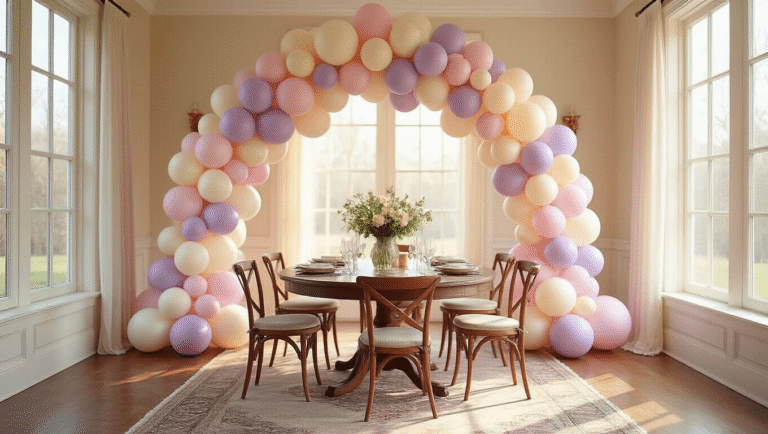
🏠 Steal This Look
- Paint Color: Sherwin-Williams Sea Salt SW 6204 – a soft blue-green that captures Florida’s coastal essence while reflecting natural light to combat humidity
- Furniture: Light-colored wicker or rattan furniture with washable cushions in moisture-wicking fabrics
- Lighting: Ceiling fans with integrated LED lighting and multiple speed settings for constant air circulation
- Materials: Natural materials like bamboo, sealed teak, and performance fabrics that resist humidity and fading
Florida living is about embracing the reality of year-round summer – your home needs to work as hard as your AC unit. Smart design choices make the difference between loving the sunshine state and feeling overwhelmed by it.
Why Everyone’s Asking About Florida’s Climate Before Moving
You’re probably reading this because you’re tired of scraping ice off your windshield at 6 AM or because your bones ache every time November rolls around.
Maybe you’re retiring and refuse to spend another winter trapped indoors.
Or perhaps you’ve got a job opportunity and you’re wondering if you can actually survive in a place where “winter” means wearing a light jacket twice a year.
The climate isn’t just small talk in Florida—it’s the foundation of everything.
It determines when you wake up, what you wear, how much you spend on utilities, and whether you’ll genuinely love or desperately regret your move.
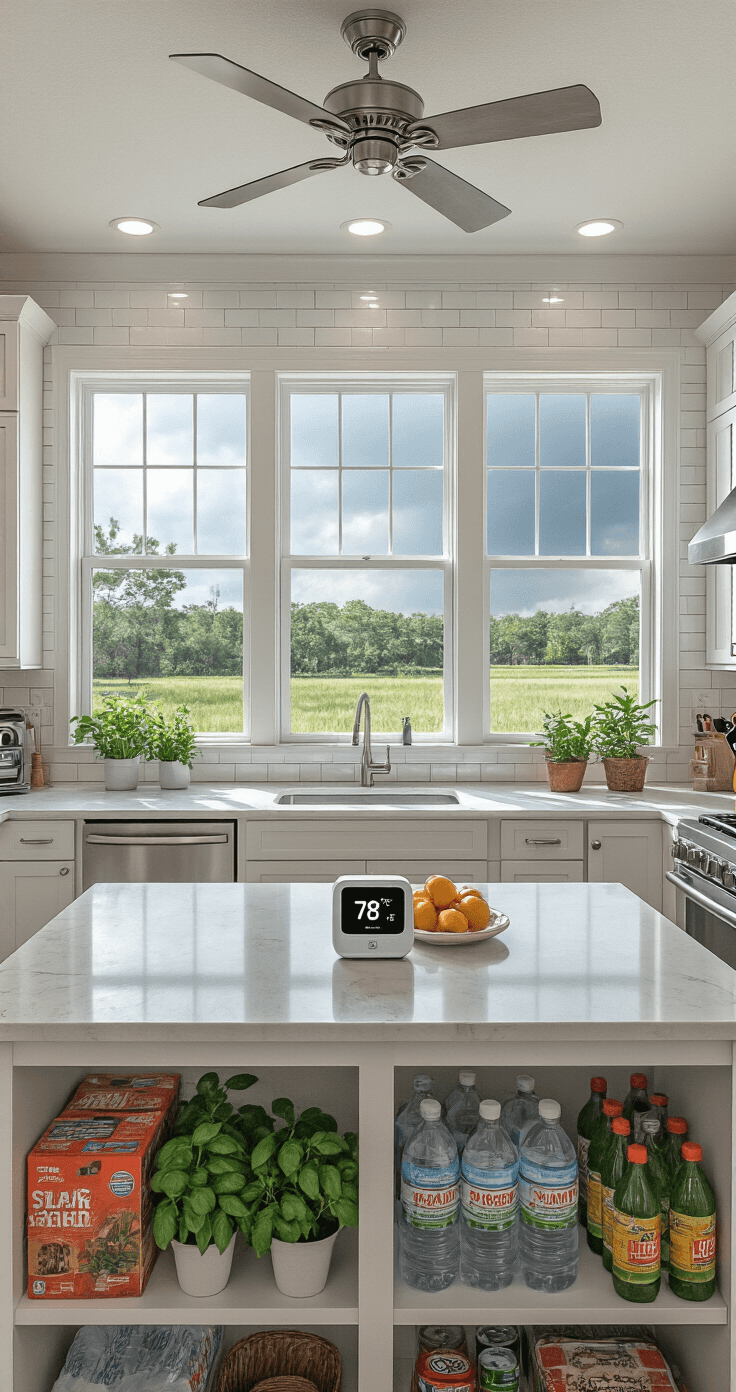
🖼 Steal This Look
- Paint Color: Benjamin Moore White Dove OC-17 – a crisp, clean white that reflects Florida’s abundant natural light and creates the perfect backdrop for coastal living
- Furniture: Light-colored rattan or teak outdoor furniture with weather-resistant cushions in ocean blues and sandy beiges
- Lighting: Ceiling fans with integrated LED lighting and large windows with plantation shutters to maximize natural light while controlling heat
- Materials: Natural linen, bamboo, weathered wood, and stone – materials that breathe and age gracefully in Florida’s humid climate
Moving to Florida means embracing a lifestyle where indoor-outdoor living isn’t just a design trend – it’s a necessity for surviving and thriving in the sunshine state.
The Two Seasons That Actually Matter
Forget spring, summer, fall, and winter.
Florida operates on a completely different calendar, and once you understand this, everything else makes sense.
The Glorious Dry Season (October Through April)
This is when Florida earns every bit of its Sunshine State nickname.
October arrives like a gift from the weather gods, bringing lower humidity and temperatures that finally dip below “surface of the sun” levels.
What dry season actually feels like:
- Morning temperatures in January hover around 41°F up north and a comfortable 65°F down in Key West
- Daytime highs range from 62°F in Tallahassee to a gorgeous 77°F in Miami during winter months
- Humidity drops enough that you can actually style your hair without it immediately rebelling
- Rain becomes a rare visitor instead of a daily guest
- You’ll finally understand why snowbirds flock here in droves
I remember my first Florida winter, constantly checking the weather app because I couldn’t believe it was really staying this perfect.
My friends back in Minnesota were dealing with negative temperatures while I was debating whether I needed a light sweater for my evening walk.
This is prime time for outdoor activities, and you’ll want a quality beach umbrella and a comfortable folding chair to make the most of it.
The absolute best months: March and April in South Florida, April and May up north.
These months deliver maximum sunshine with minimal sweat.
The Brutal Wet Season (May Through September)
Here’s where I need to be brutally honest with you.
Florida summers aren’t for the faint of heart.
May arrives and suddenly the air feels like it’s gained fifty pounds.
You step outside and immediately start sweating in places you didn’t know could sweat.
What wet season really means:
- Temperatures soar from 90°F in the Keys to 95°F in northern regions
- Heat index regularly hits 103°F to 110°F—and that’s not an exaggeration
- Afternoon thunderstorms become as predictable as clockwork, usually rolling in around 3 PM
- Monthly rainfall exceeds 150mm from June through September
- Hurricane season runs through late October, bringing its own special anxiety
- August claims the title of hottest month with an average of 83°F
The humidity is the real villain here.
It’s not the temperature that’ll get you—it’s walking outside and feeling like you’ve been wrapped in a hot, wet blanket.
Your glasses fog up instantly when you leave air-conditioned spaces.
That five-minute walk to your car becomes a cardio workout.
Investing in a powerful portable fan for power outages during hurricane season isn’t optional—it’s survival.
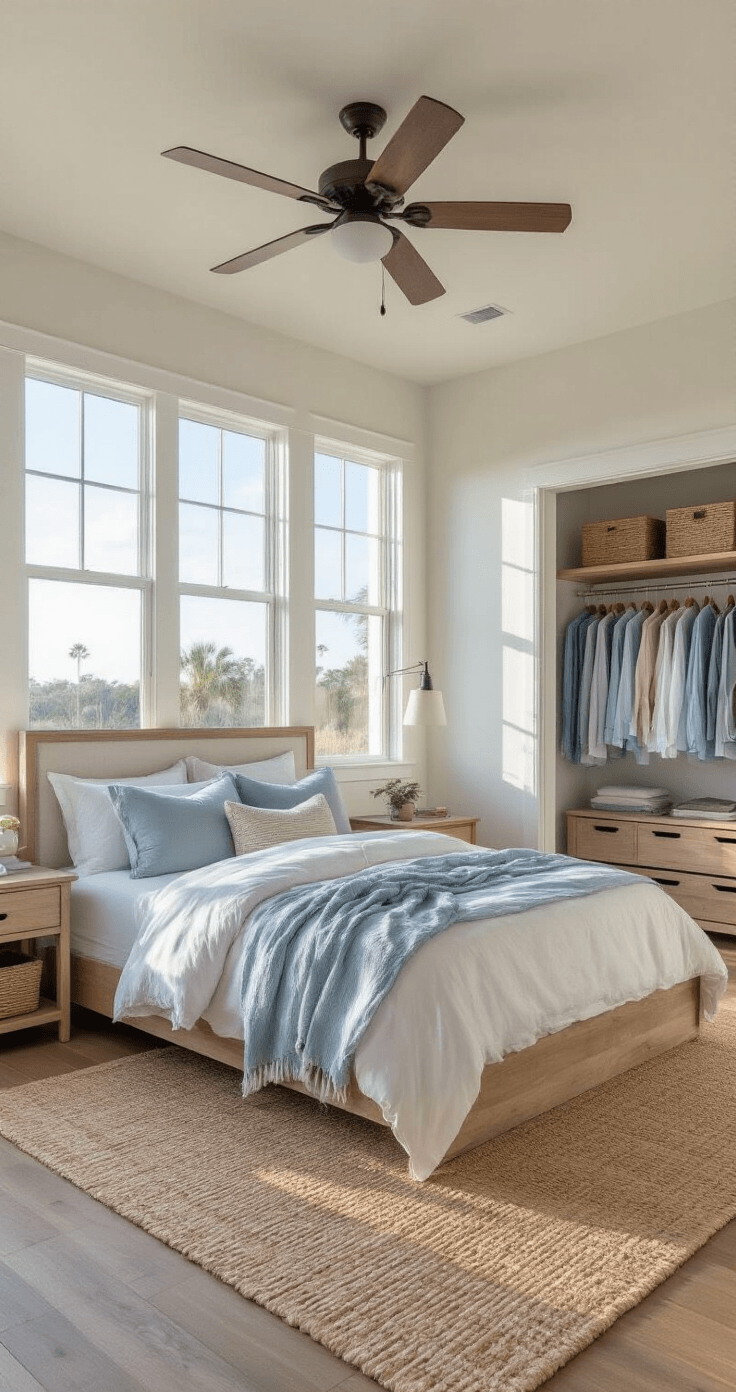
🌟 Steal This Look
- Paint Color: Farrow & Ball Pavilion Blue No. 252
- Furniture: Natural rattan dining set with weathered teak table for seamless indoor-outdoor entertaining
- Lighting: Oversized woven pendant lights in natural fibers to celebrate year-round outdoor living
- Materials: Bleached wood, natural linen, coral stone accents, and hurricane-resistant outdoor fabrics
Living in Florida means embracing a lifestyle where your patio becomes your primary living room for most of the year. Your decor should celebrate this indoor-outdoor fluidity rather than fight against it.
How Location Completely Changes Your Florida Experience
Florida stretches nearly 450 miles from north to south, and that distance creates wildly different climate experiences.
Northern Florida: The “Almost Normal” Climate Zone
Tallahassee and Jacksonville actually experience something resembling traditional seasons.
Winter nights can legitimately feel cold, especially by Florida standards.
When January temperatures dip to those 41°F lows, residents actually break out real winter coats—not just decorative ones.
You might even see frost occasionally, which southern Floridians think is a myth.
Central Florida: The Transition Zone
Orlando and Tampa sit in this weird middle ground.
Warm enough to avoid real winter, but not quite tropical enough to match Miami’s consistency.
Theme park tourists often underestimate the summer heat here, which is absolutely unforgiving.
South Florida: True Tropical Living
Miami and the Keys operate on a different planet.
Key West’s January low of 65°F means “winter” is mostly theoretical.
Miami’s winter high of 77°F is what most Americans consider perfect summer weather.
The closer you get to the Keys, the more stable and tropical everything becomes.
But you’ll also deal with more intense hurricane vulnerability and higher humidity year-round.
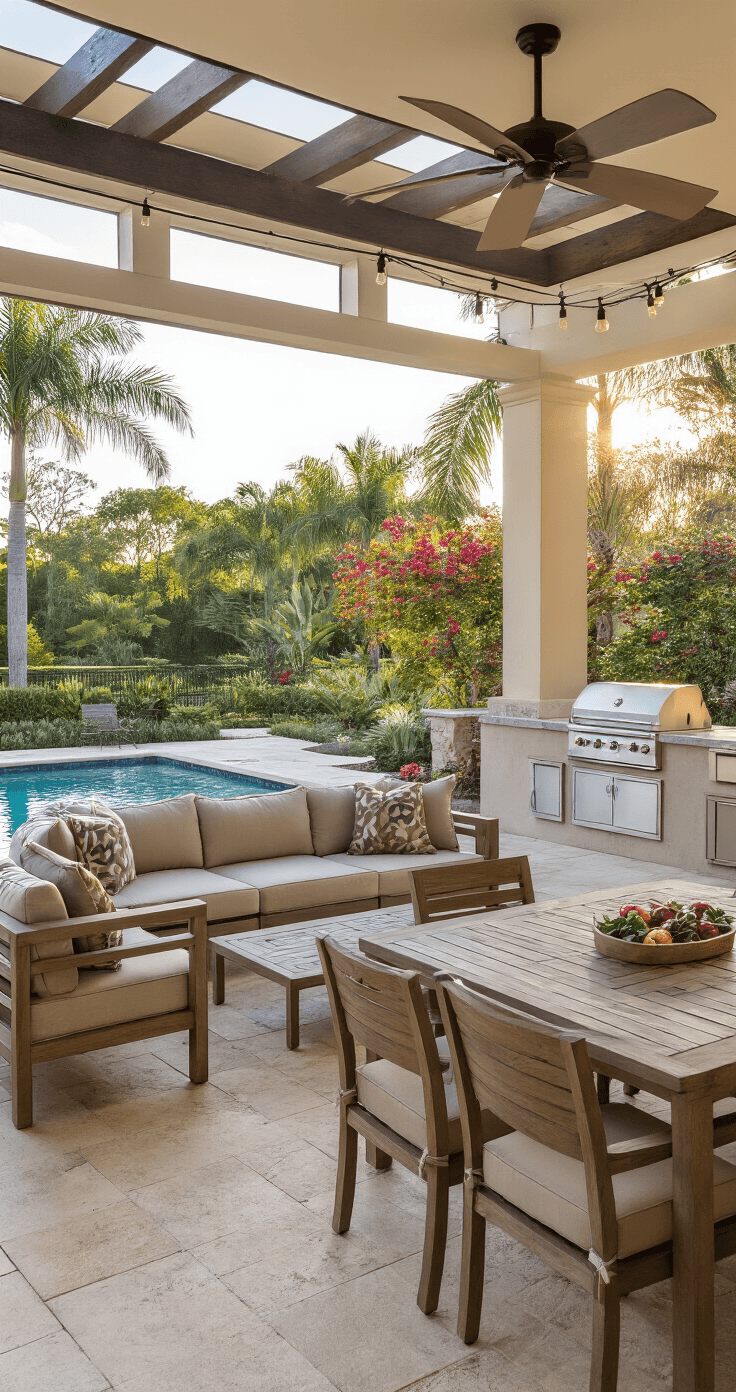
🖼 Steal This Look
- Paint Color: Behr Ocean Abyss S470-7 for accent walls to capture Florida’s deep coastal waters, with Behr White Dove S050-1 for main walls to reflect the bright sunshine
- Furniture: Natural rattan dining chairs and a weathered teak dining table to handle Florida’s humidity while maintaining coastal elegance
- Lighting: Coastal-inspired pendant lights with rope or driftwood details over dining areas to complement the varied Florida lighting conditions
- Materials: Natural jute rugs, linen curtains for sun protection, and coral stone or travertine accents that reflect Florida’s geological diversity
Living in Florida means embracing the fact that your Tallahassee home needs actual winter blankets while your Miami cousin hasn’t owned a sweater in years. Design for your specific Florida microclimate, not the state’s reputation.
The Real Cost of Paradise Weather
Nobody talks enough about what this climate actually costs you in cold, hard cash.
Your Electric Bill Will Shock You
Air conditioning runs nearly year-round in most of Florida.
During summer months, it’s not uncommon to see electric bills ranging from $250 to $400+ for average-sized homes.
I learned this the hard way my first summer when I kept the thermostat at a comfortable 72°F.
My $380 electric bill taught me that 78°F is the new comfortable.
Smart thermostats aren’t a luxury here—they’re financial necessity.
Consider getting a programmable smart thermostat before your first summer hits.
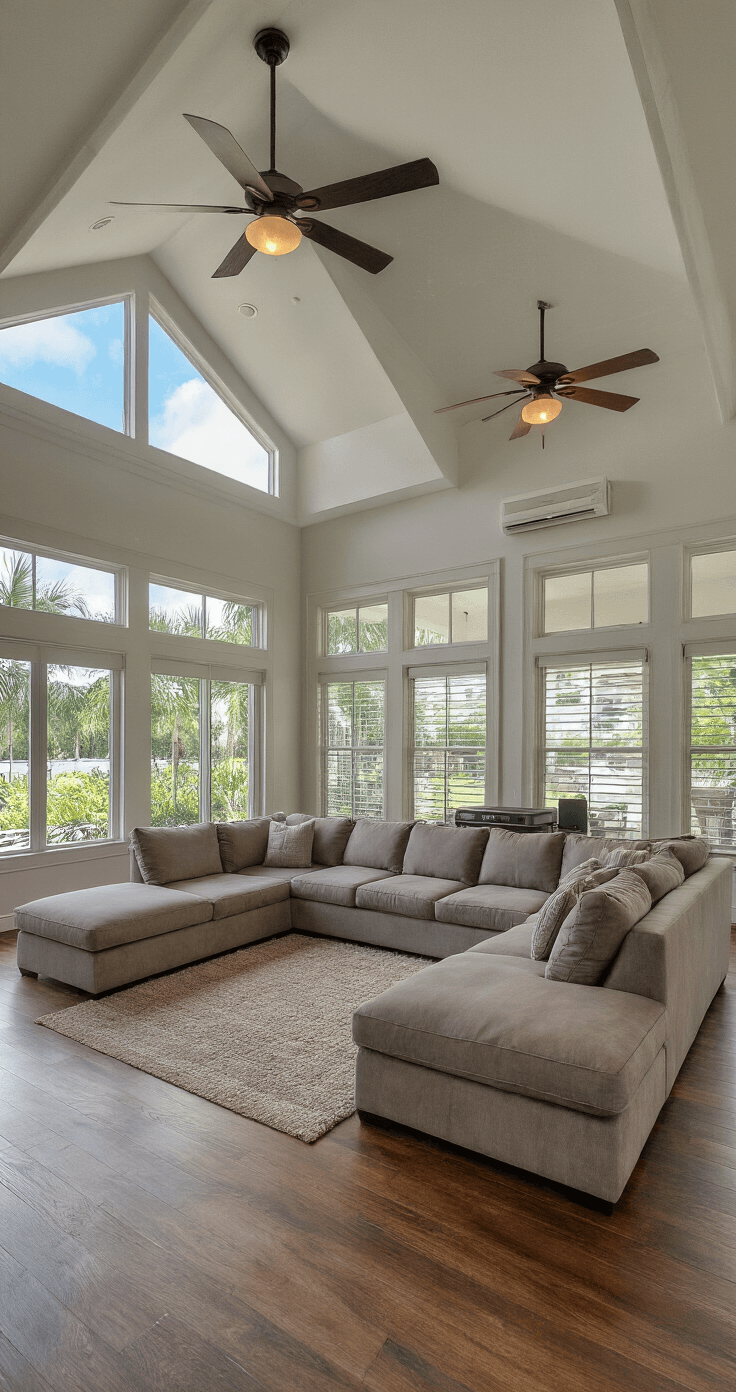
✎ Steal This Look
- Paint Color: Valspar Coastal Villa 5011-2A – a light, airy neutral that reflects heat while maintaining the relaxed Florida aesthetic
- Furniture: Light-colored rattan or wicker furniture with breathable cushions in performance fabrics
- Lighting: Energy-efficient LED ceiling fans with integrated lighting for maximum air circulation
- Materials: Natural fiber rugs, bamboo blinds, and breathable linen textiles that promote airflow
Living in Florida means your home becomes a strategic battlefield against heat and humidity. Every design choice should work with the climate, not against your wallet.
This post may contain affiliate links. Please see my disclosure policy for details.