How to Build the Perfect Florida Porch That Actually Survives Hurricane Season
Building a Florida porch isn’t like slapping together a deck in Minnesota.
I learned this the hard way when my first attempt at a screened porch turned into a pile of twisted aluminum and shredded screen during a Category 2 hurricane.
The wind didn’t just damage it—it obliterated three years of weekend work in about forty minutes.
You’re probably wondering if building a porch in Florida is worth the headache, the permits, and the engineering requirements that seem designed to make you give up and just sit inside with the AC blasting.
It absolutely is.
But you need to do it right, or Mother Nature will teach you an expensive lesson.
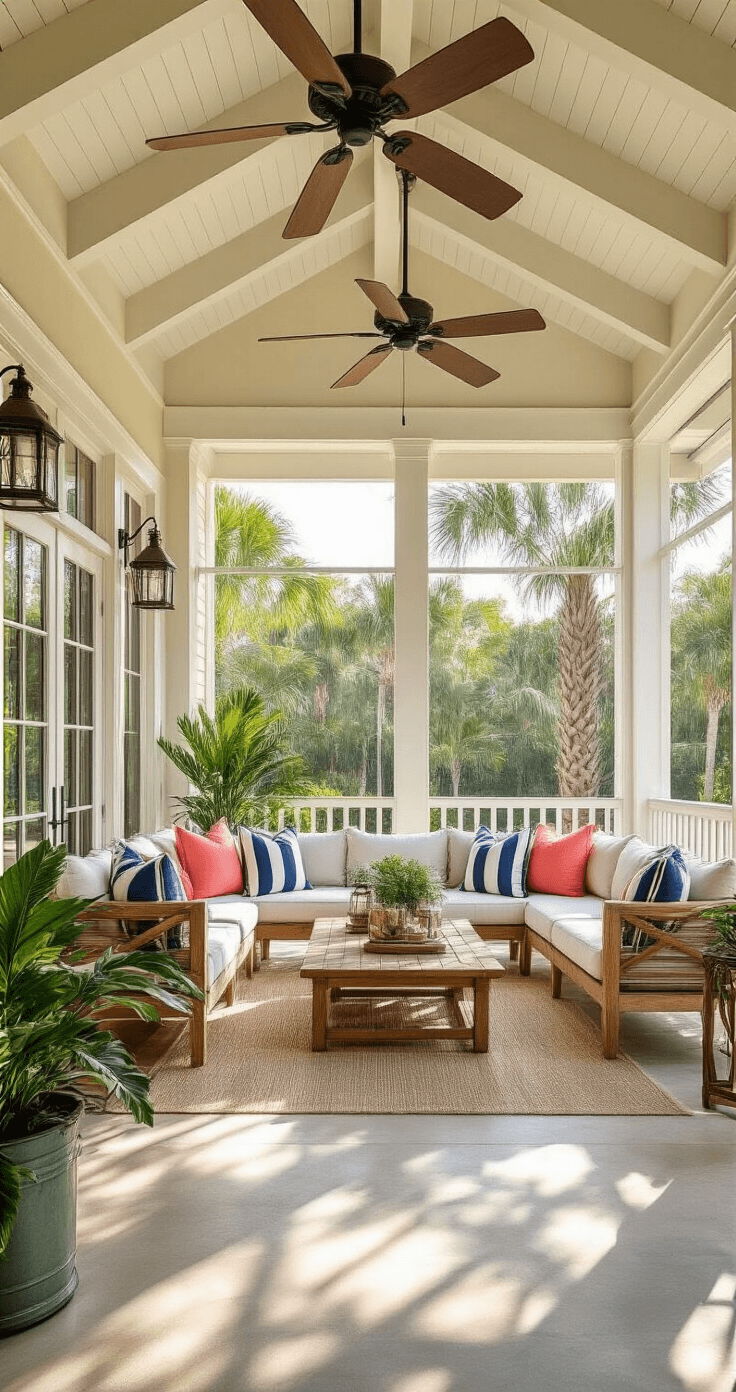
Why Florida Porches Need Different Rules Than Everywhere Else
Florida isn’t playing around with building codes.
The state sits in the bullseye of hurricane alley, deals with torrential rain that would make Noah nervous, and has soil conditions that range from pure sand to limestone that laughs at your concrete drill bits.
Here’s what makes Florida porch construction unique:
- Wind loads that require engineering calculations most other states don’t even think about
- Moisture levels that turn regular lumber into a termite buffet within months
- Ground conditions that shift, settle, and generally refuse to cooperate
- Building inspectors who’ve seen every shortcut and won’t approve anything sketchy
I’ve watched neighbors try to DIY their way around these requirements.
Their porches either failed inspection or failed during the next storm season.
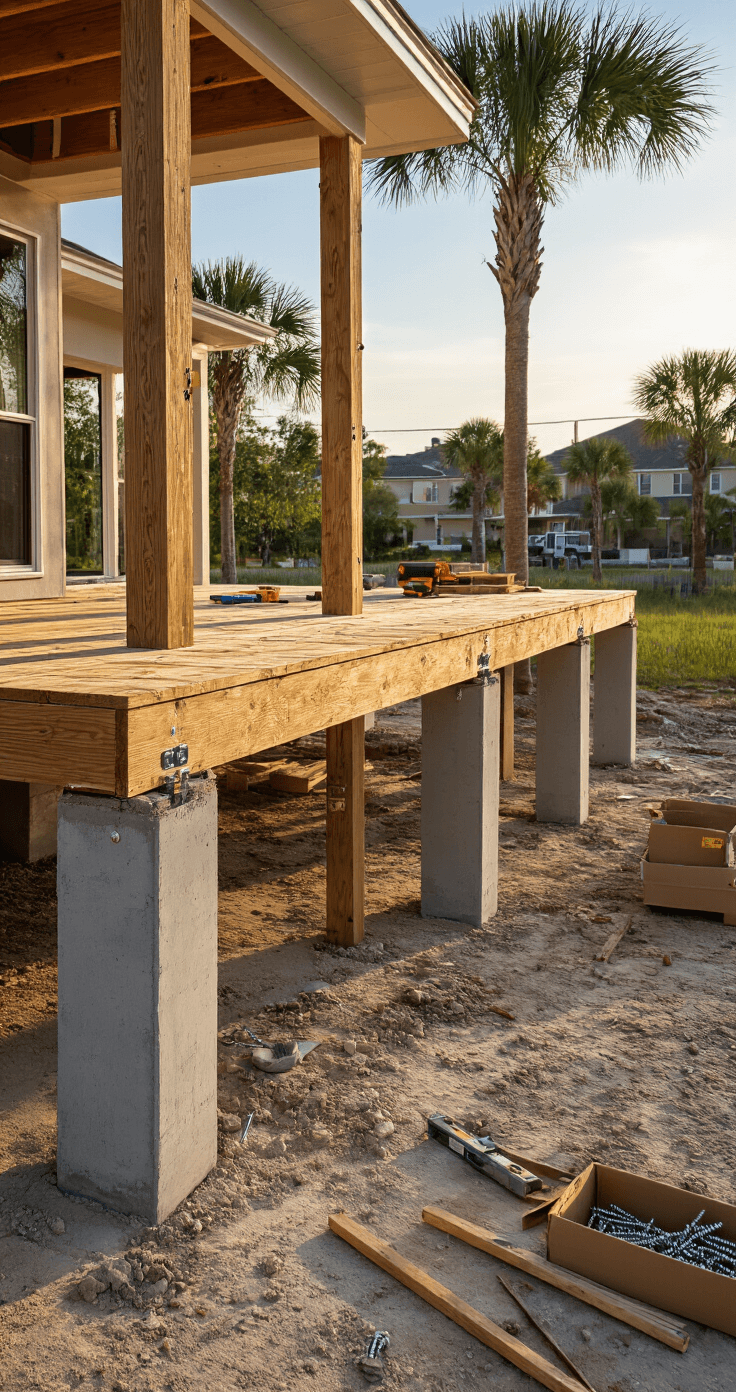
Getting Your Permits Sorted (Yes, You Actually Need Them)
Let me be brutally honest: trying to skip the permit process is stupid.
Florida counties share information, insurance companies investigate claims thoroughly, and trying to sell a house with unpermitted construction is a nightmare I wouldn’t wish on anyone.
What triggers a building permit in Florida:
- Any porch structure with a roof
- Anything that attaches to your main house
- Elevated decks or platforms
- Screened enclosures (these need special permits)
I spent $847 on permits for my current porch project.
That seemed like highway robbery until the inspector caught a foundation issue that would’ve caused serious structural problems down the line.
The permit process typically involves:
- Submitting detailed plans (often requiring a licensed engineer or architect for screened porches)
- Getting plan approval from the building department
- Scheduling foundation inspection before pouring concrete
- Getting framing inspection before closing in walls
- Final inspection before you can actually use the space
The whole process took me six weeks from application to final approval.
Yes, it’s annoying. Yes, it’s necessary.
Plan for it or plan to fail.
Foundation Requirements That Won’t Wash Away
Florida soil is basically beach sand with delusions of grandeur in most coastal areas.
Inland, you might hit limestone or clay, but neither is as stable as you’d hope.
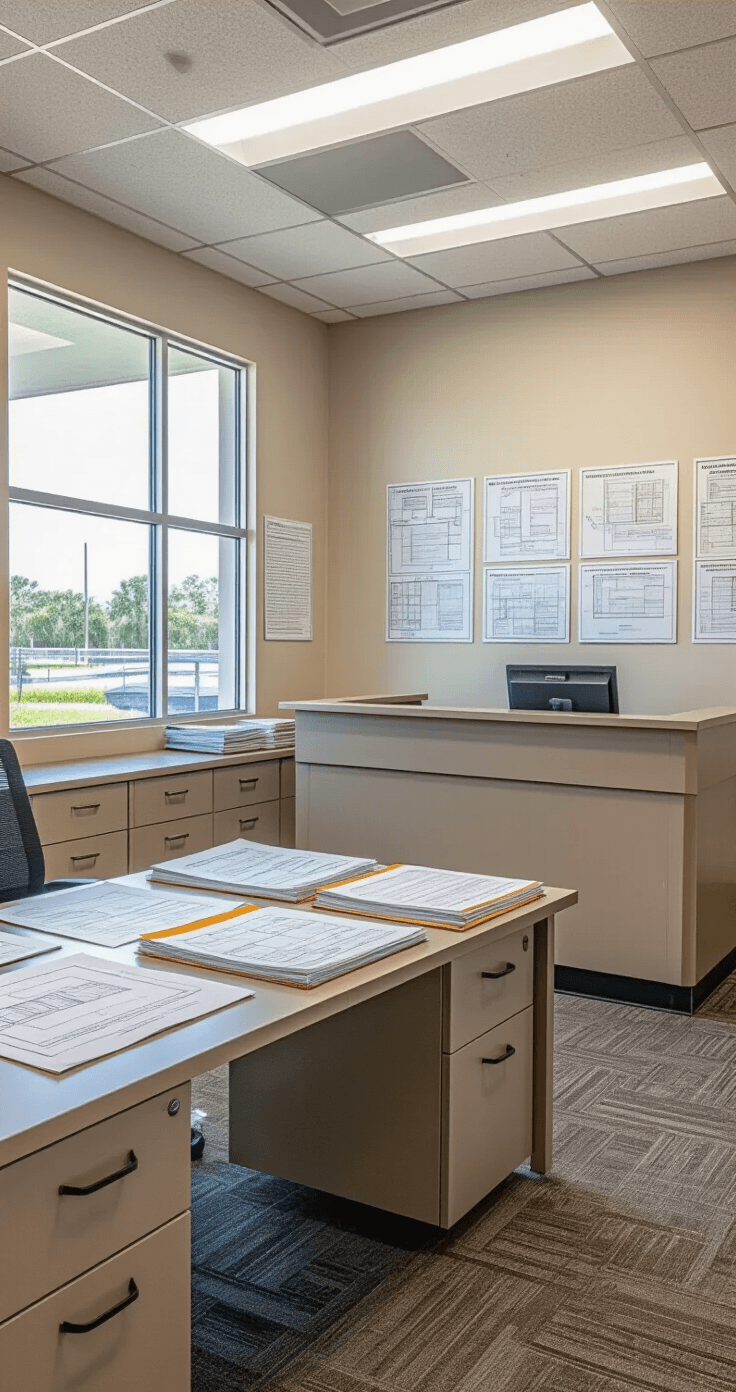
Critical foundation standards:
- Dig footings at least 12 inches below ground level (I went 18 inches after consulting with my inspector)
- Use concrete with proper PSI ratings for your specific soil conditions
- Install hurricane tie-downs for any elevated structure
- Space support posts no more than 8 feet apart maximum
I made the mistake of trying to space my posts at 10 feet on my first porch.
The inspector made me rip it out and start over.
That mistake cost me $1,200 in materials and an entire weekend of explaining to my wife why construction was going backwards.
For my second attempt, I used pressure-treated post anchors that bolt directly into the concrete footings.
These aren’t optional—they’re the difference between your porch and your porch ending up in your neighbor’s yard during a hurricane.
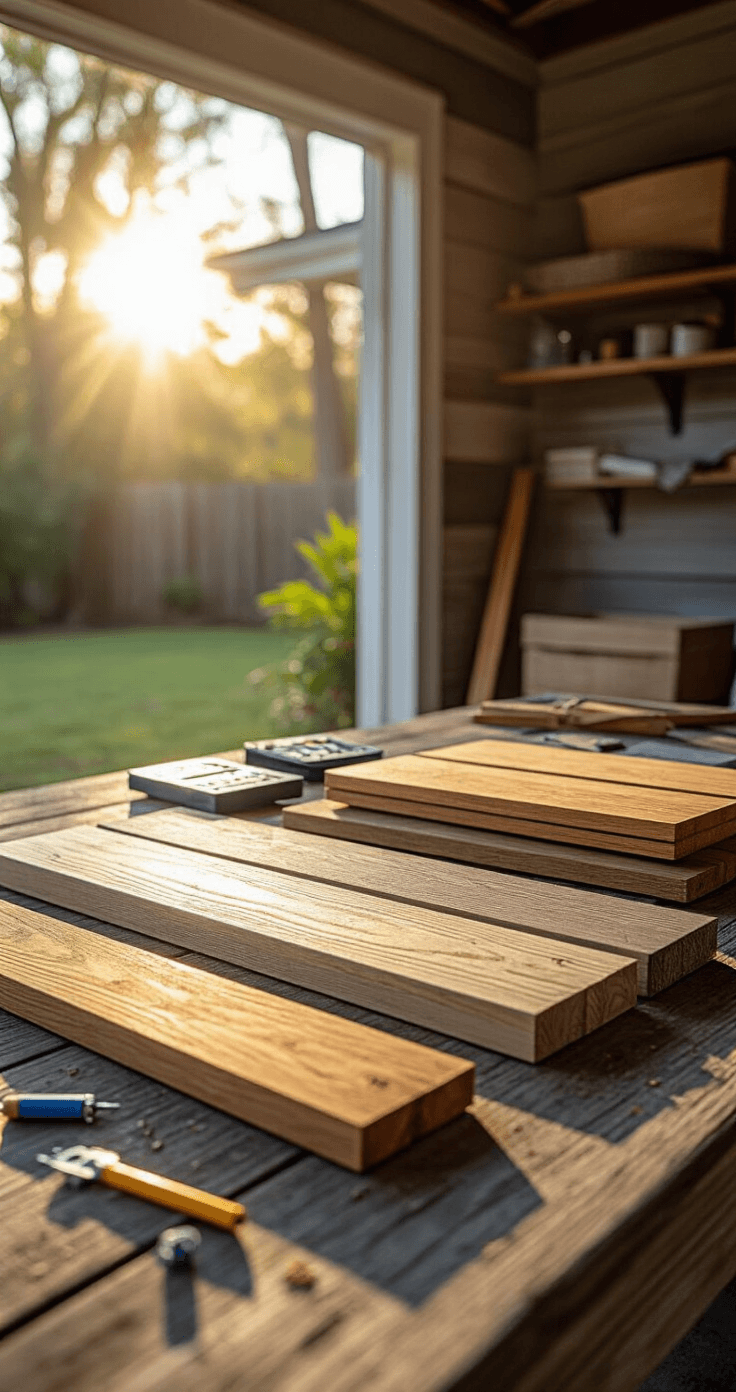
Material Selection: Why Cheap Lumber Is Expensive
Standing in the lumber section of Home Depot, you’ll be tempted to save money on regular pine lumber.
Don’t.
Florida’s combination of heat, humidity, and hungry insects will turn untreated wood into Swiss cheese faster than you think possible.
What you absolutely must use:
- Pressure-treated lumber for any ground-contact applications
- Hot-dipped galvanized or stainless steel hardware (regular screws will rust through in months)
- Composite decking if you don’t want to refinish every two years
- Hurricane-rated fasteners and connectors
I spent an extra $600 using pressure-treated deck boards instead of regular pine.
Five years later, my neighbor has replaced his cheap deck twice while mine still looks nearly new.
The math isn’t complicated.
Hardware requirements that aren’t negotiable:
All metal components must be either hot-dipped galvanized or stainless steel.
I watched regular galvanized screws turn into orange dust within eighteen months on a friend’s porch.
The stainless steel deck screws cost three times more, but they’ll outlast your house.
Structural Standards That Keep You Safe
Florida building codes exist because people died when structures failed during hurricanes.
That sounds dramatic, but it’s true.
Key structural requirements:
- Support posts spaced maximum 8 feet apart (I do 6 feet for extra peace of mind)
- Proper flashing at all connection points where the porch meets your house
- Hurricane straps connecting every joist to the beam
- Diagonal bracing for any elevated structure
The flashing requirement seems minor until you get your first tropical
This post may contain affiliate links. Please see my disclosure policy for details.