Florida Sunroom: Everything You Need to Know About Adding This Bright Living Space to Your Home
Contents
- Florida Sunroom: Everything You Need to Know About Adding This Bright Living Space to Your Home
- What Exactly Is a Florida Sunroom?
- The Building Blocks: How Florida Sunrooms Are Actually Built
- Florida Room vs. Sunroom: Let’s Clear Up the Confusion
- The Money Talk: What Will This Actually Cost You?
- How Long Until You’re Actually Using It?
Florida sunrooms transform how you experience your home, and I’m here to tell you exactly why this might be the upgrade you’ve been dreaming about.
You’re probably wondering if that unused patio could become something more. Maybe you’re tired of bugs ruining your morning coffee outside. Or perhaps you’re craving natural light without the Florida heat melting you into your furniture.
I get it. I’ve watched countless homeowners wrestle with these exact questions, and a Florida sunroom solves them all.
What Exactly Is a Florida Sunroom?
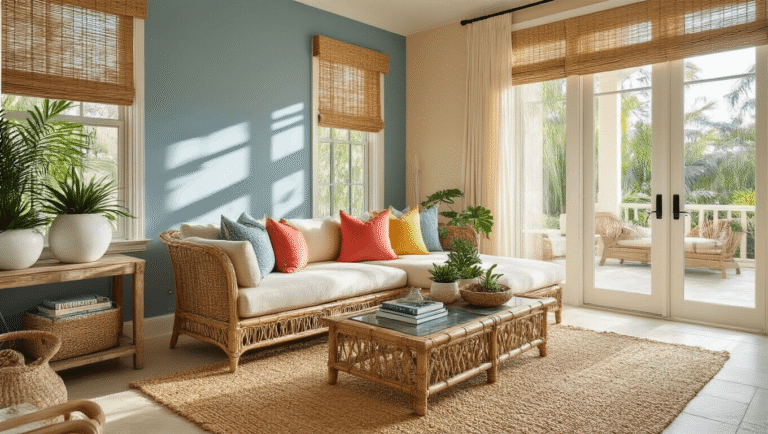
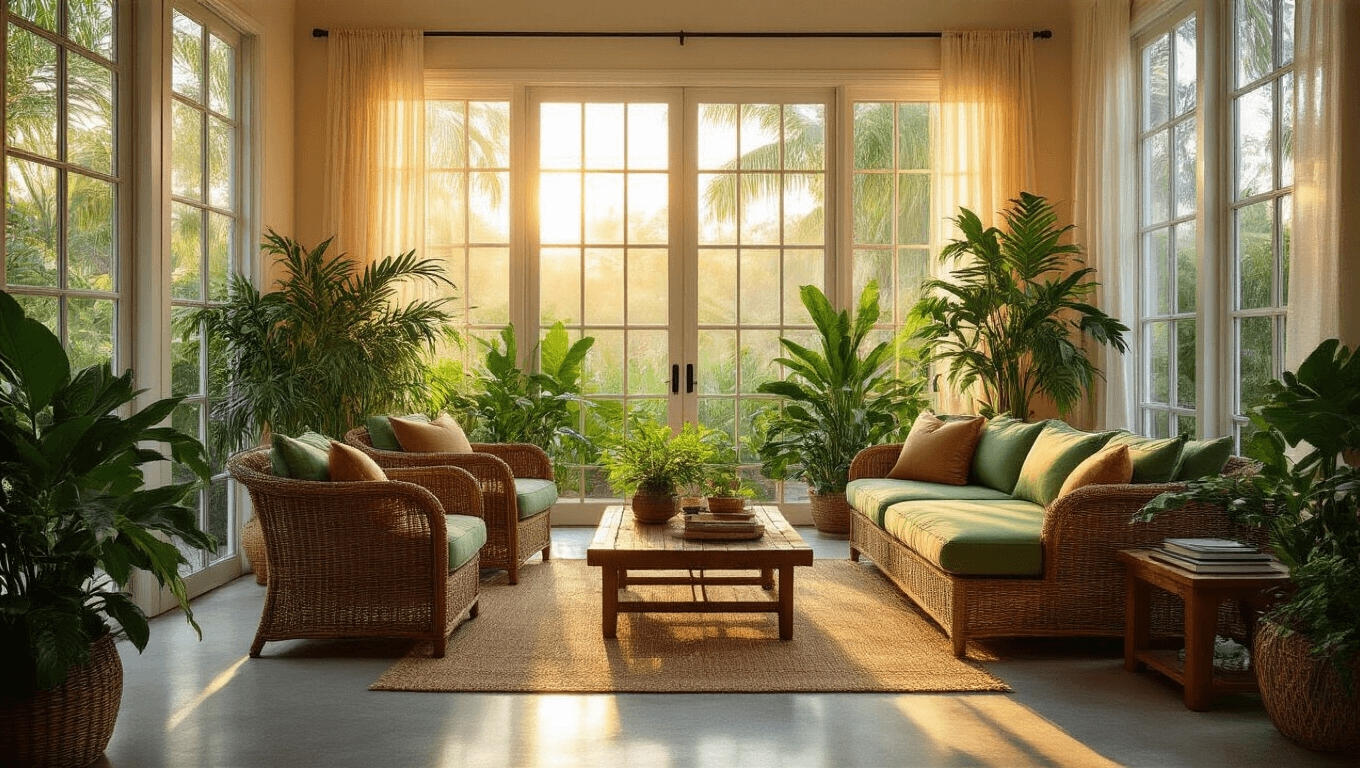
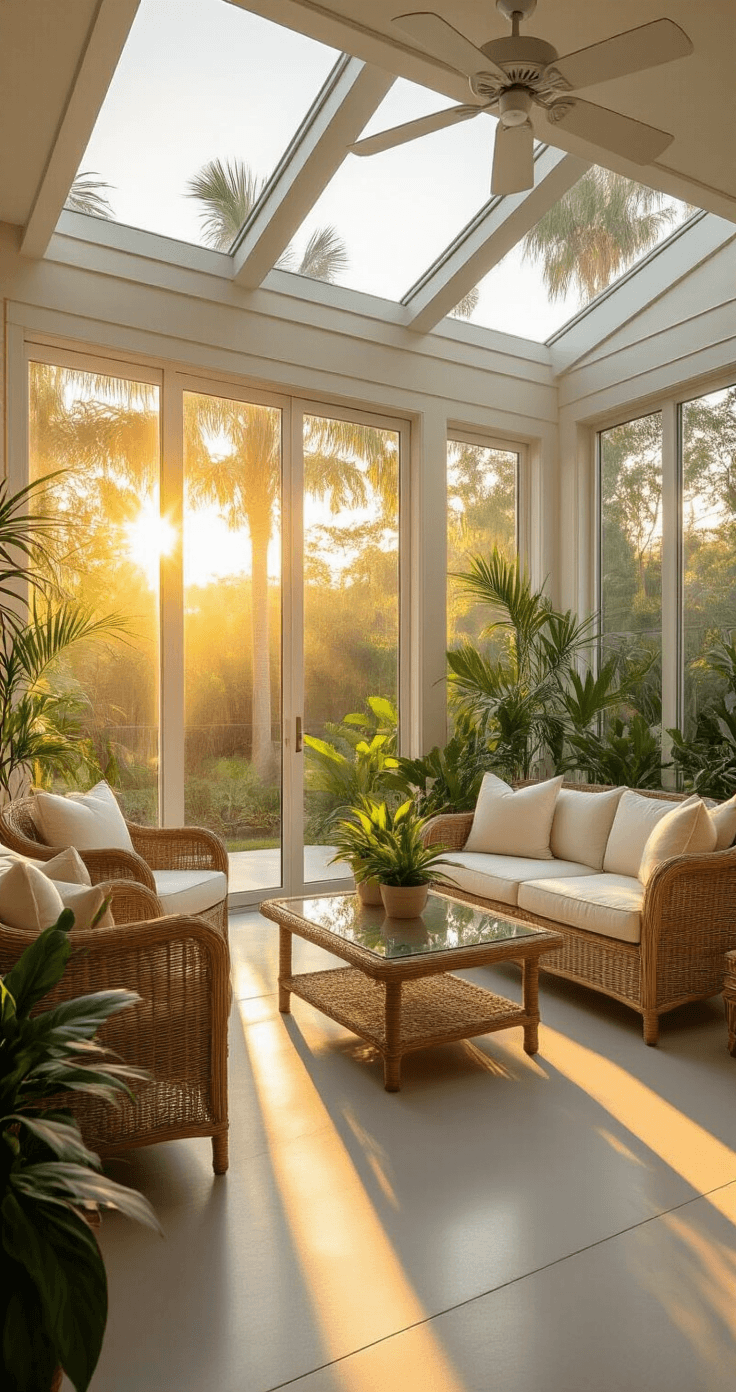
A Florida sunroom is an enclosed outdoor living space that floods your home with natural light and stunning outdoor views while keeping weather, mosquitoes, and humidity exactly where they belong—outside.
Think of it as your home’s sweet spot between indoors and outdoors.
The design is brilliantly simple. You get walls of windows, protected space, and year-round usability without sacrificing the connection to your backyard or garden.
No more choosing between comfort and nature. You get both.
The Building Blocks: How Florida Sunrooms Are Actually Built
Here’s where things get interesting, and I promise to keep this simpler than your average IKEA instruction manual.
Florida sunrooms typically feature:
- Aluminum framing that’s lightweight yet incredibly durable
- Vinyl or aluminum-framed insulated windows (lots of them)
- Foam-insulated wall panels wrapped in aluminum skin
- Expansive window systems designed for maximum airflow
- An aluminum roof with foam-insulated core to keep you comfortable
- Automatic locking systems for security and convenience
The genius lies in the materials. Aluminum doesn’t rot, warp, or demand constant maintenance like wood. The insulated wall panels keep temperature swings manageable without breaking the bank on energy bills.
I’ve seen homeowners skip the research phase and regret it later. Don’t be that person.
Why aluminum framing makes sense:
- Resists Florida’s brutal humidity
- Won’t attract termites (unlike wood)
- Requires minimal upkeep
- Costs significantly less than traditional construction
- Installs faster than stick-built alternatives
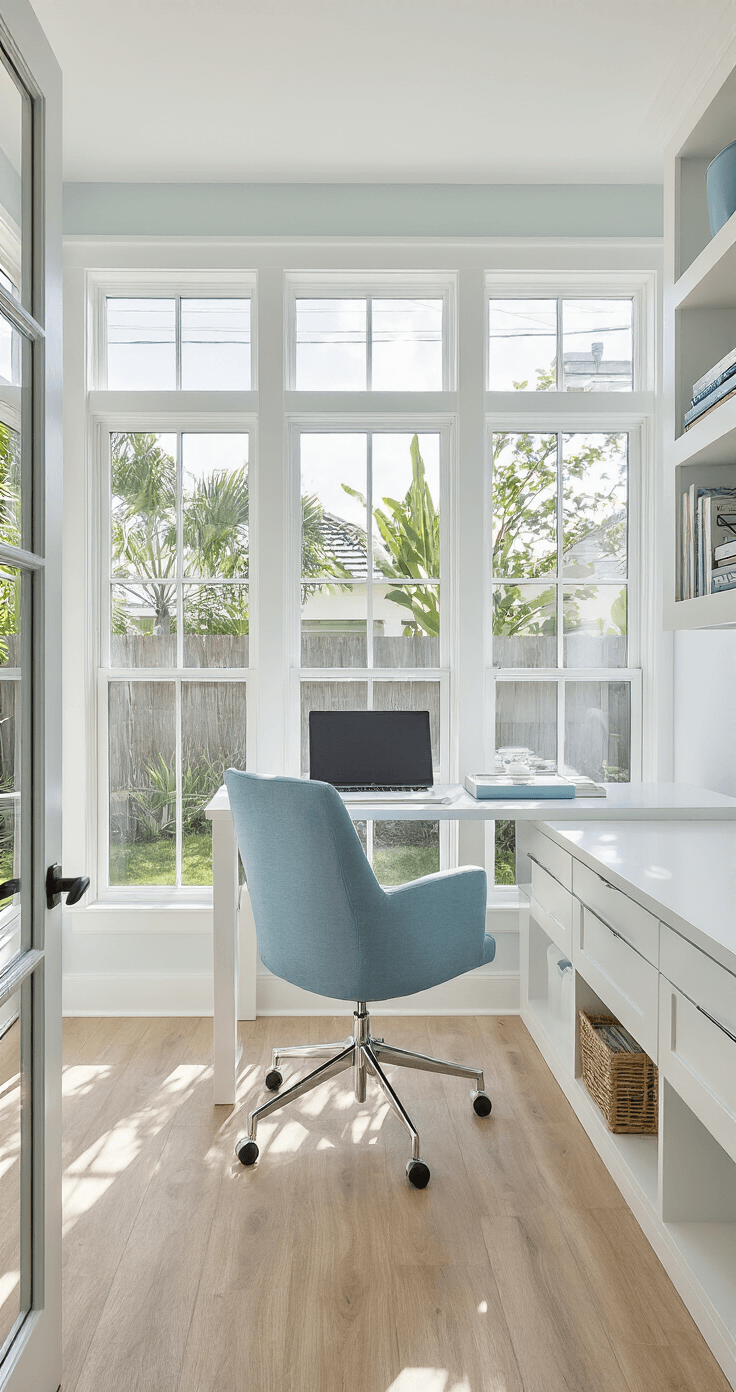
The window systems deserve special attention. They’re not just there to look pretty—they’re engineered for airflow and flexibility.
Florida Room vs. Sunroom: Let’s Clear Up the Confusion
This drives people crazy, and honestly, the confusion is justified.
Some contractors use these terms interchangeably. Others draw hard lines between them. Here’s what actually matters.
Traditional sunrooms are built like an extension of your house:
- Wood framing
- Insulated glass windows
- Drywall construction
- Focus on consistent climate control
- Heavier, more permanent structure
Florida rooms take a different approach:
- Lighter aluminum materials throughout
- Flexible ventilation options
- Easier to customize airflow
- Faster installation process
- More budget-friendly price point
The functional difference? Florida rooms give you more control over ventilation.
Traditional sunrooms prioritize maintaining one steady temperature, which sounds great until you realize Florida weather changes its mind every twenty minutes.
I’ve walked through both types dozens of times. The Florida room design feels more adaptable, more forgiving when nature throws a curveball.
When to choose a Florida room:
- You want serious cost savings
- Installation speed matters
- You prefer flexible ventilation
- Maintenance scares you (or bores you)
- You’re in actual Florida (or similar climates)
When to choose a traditional sunroom:
- Budget isn’t your primary concern
- You want it to match existing home construction perfectly
- Year-round climate control is non-negotiable
- You’re adding significant square footage for resale value
The Money Talk: What Will This Actually Cost You?
Let’s talk numbers, because I’m not going to pretend this is a $500 weekend project.
Florida rooms typically run $10,000 to $30,000.
Custom designs and high-end finishes push beyond that range, but most homeowners land somewhere in that sweet spot.
Traditional sunrooms cost $20,000 to $70,000 or higher.
See the difference? A traditional sunroom can cost double what you’d spend on an aluminum-framed Florida room.
Per square foot, expect $35 to $120 as of 2024.
That’s a wide range, I know. The actual cost depends on:
- Size of your space
- Quality of materials
- Window types and quantity
- Roofing choices
- Foundation requirements
- Electrical and HVAC additions
- Labor costs in your specific area
Budget-friendly moves I’ve seen work:
- Start smaller than your dream size (you can expand later)
- Use vinyl window frames instead of premium options
- Handle interior finishing yourself
- Time construction during contractor slow seasons
- Get multiple quotes (seriously, at least three)
Where people overspend unnecessarily:
- Oversizing beyond their actual needs
- Adding unnecessary climate control systems
- Choosing decorative upgrades before functional basics
- Skipping the planning phase and fixing mistakes later
I’ve watched homeowners blow budgets on fancy details while ignoring proper insulation. Don’t do that.
Get the bones right first. Pretty comes second.

How Long Until You’re Actually Using It?
Time matters almost as much as money.
Aluminum-frame Florida rooms: 1-3 weeks
That’s shockingly fast compared to traditional construction. You could decide to build one and be enjoying your morning coffee in there before the month ends.
Traditional stick-built sunrooms: 1
This post may contain affiliate links. Please see my disclosure policy for details.