Ever wondered what it’s like to paddle down a river surrounded by hundreds of wild monkeys? Welcome to Silver Springs, Florida – a place where tourist adventure meets primate chaos.
I’ve spent countless hours exploring this incredible ecosystem, and trust me, the monkey story here is wilder than you could imagine. Back in the 1930s, a commercial river boat operator named Colonel Tooey had a crazy idea: create a Tarzan-like environment by releasing six rhesus macaques on an island. Little did he know, these monkeys were expert swimmers who would completely transform the landscape.

How an Accidental Monkey Experiment Became a Wildlife Phenomenon
Contents
- How an Accidental Monkey Experiment Became a Wildlife Phenomenon
- The Unexpected Dangers of Monkey Watching
- Your Ultimate Monkey Viewing Guide
- The Complex Ecosystem Drama
- The Monkey Management Maze: Who’s Really in Control?
- The Ecosystem Invasion: More Than Just Monkeys
- Tourism vs. Wildlife Management: The Ongoing Debate
- Health Risks: The Invisible Threat
- The Future of Silver Springs’ Monkey Population
- Your Monkey Encounter Survival Guide
- The Philosophical Monkey Question
- Final Thoughts: A Wild Monkey Legacy
- Book Your Stay in Sarasota
Imagine releasing six monkeys and watching them multiply into hundreds. That’s exactly what happened at Silver Springs. These rhesus macaques didn’t just survive – they thrived.
By the early 1980s, these monkeys had conquered the entire 5,000-acre park. Current estimates suggest around 175 monkeys living in five distinct groups, with population projections indicating they could double in the coming years.
Quick Monkey Facts:
- Native to Asia, not Florida
- Excellent swimmers
- Highly adaptable diet
- Population growing rapidly
The Unexpected Dangers of Monkey Watching
Sounds fun, right? Not so fast. These monkeys aren’t your cute zoo primates. More than 30% carry the Herpes B virus, which can cause fatal brain and spinal cord swelling in humans.
Pro tip: Never, EVER try to feed these monkeys. They might look cute, but they can become aggressive quickly and chase you for extended periods. I’ve heard wild stories from local guides about tourists being cornered by these surprisingly persistent creatures.

Your Ultimate Monkey Viewing Guide
Want to see these wild primates safely? You’ve got options:
Glass-Bottom Boat Rides
- Operated for over 100 years
- Traditional viewing method
- Offers safe, controlled monkey spotting
Kayaking Adventures
- Rentals start at $20/hour
- Clear-bottom kayaks available
- Launch from Ray Wayside Park
- Call (352) 261-5842 for bookings
Pro Recommendation: Stay at least 15-20 feet away. These monkeys might look friendly, but they’re wild animals with unpredictable behaviors.
The Complex Ecosystem Drama
These monkeys aren’t just a tourist attraction – they’re an invasive species that’s dramatically reshaped the local ecosystem. They’ve already pushed out native squirrel monkeys and compete aggressively with other wildlife.
Wildlife management has attempted various population control methods, including sterilizing 20 female monkeys between 1984 and 2012. But here’s the kicker: the removal program was suspended when authorities discovered monkeys were being sold to biomedical researchers.
The local community remains divided. Some love these monkeys, seeing them as a unique attraction. Others view them as a menacing invasive species requiring elimination.
What happens next? The monkey population continues to grow, and officials are running out of straightforward solutions. Complete removal might become the only viable option if population control fails.
As I paddled down the Silver River last summer, watching a troop of macaques leaping between trees and swimming effortlessly, I realized something profound: nature always finds a way to surprise us.
Want to know more about the controversial future of these wild monkeys? The story gets even more intriguing from here.
Looking for more Florida oddities and natural wonders? Check out our guides on the WWII Museum at the Naval Aviation Museum in Pensacola or the ancient mounds at Crystal River Archaeological Park.
👇Find The Cheapest Flights To Anywhere Here👇
The Monkey Management Maze: Who’s Really in Control?
Ever wonder what happens when wildlife management meets an unstoppable monkey population?
The battle between humans and these Silver Springs macaques reads like a bizarre wildlife thriller. Florida’s wildlife officials have tried everything – sterilization, removal programs, even selling monkeys to research facilities. But these primates? They’re winning.
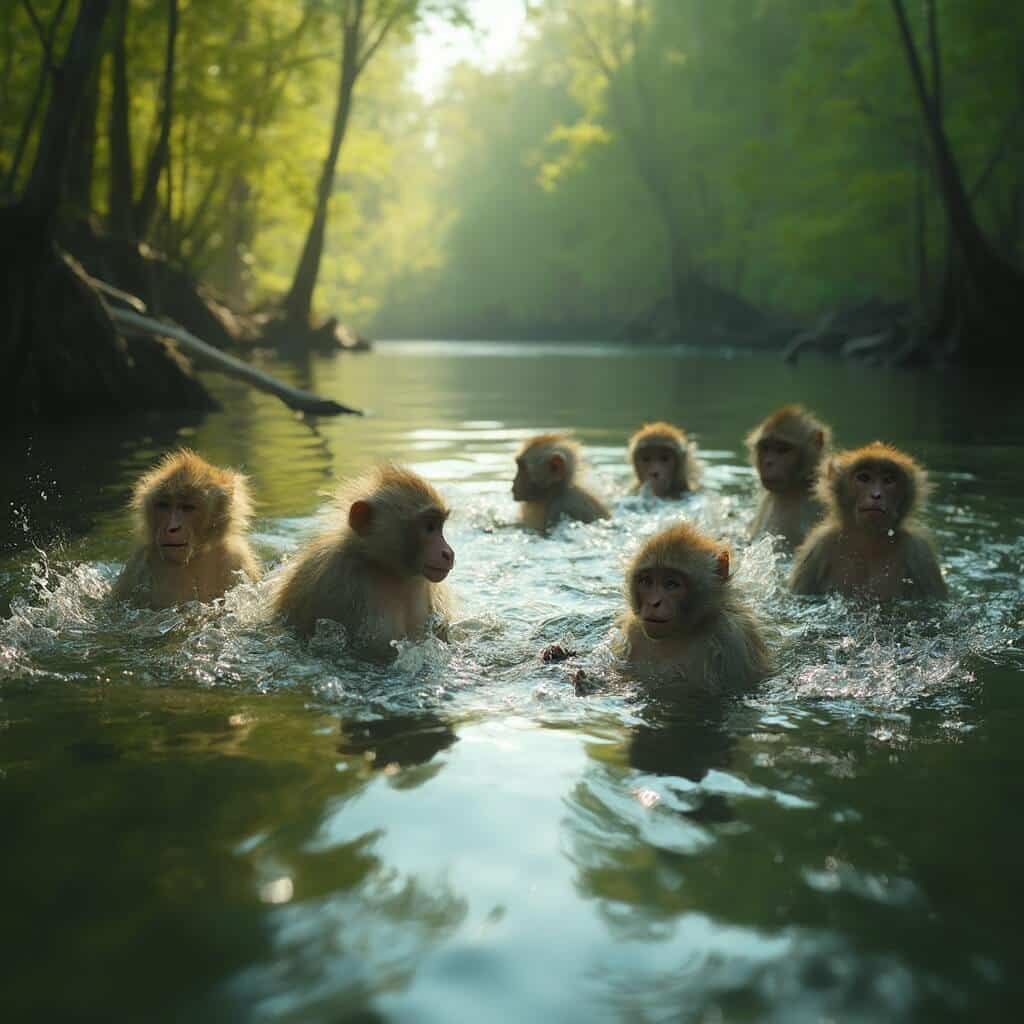
The Sterilization Experiment: A Partial Success Story
Between 1984 and 2012, wildlife managers attempted a strategic population control approach:
- 20 female monkeys sterilized
- Goal: Reduce population growth by 50%
- Result: Partial success, but monkeys kept multiplying
Key Insight: Nature always finds a way to circumvent human intervention.
The Ecosystem Invasion: More Than Just Monkeys
These rhesus macaques aren’t just tourists – they’re full-blown ecosystem disruptors.
When they arrived, they didn’t just integrate. They dominated. Native squirrel monkey populations disappeared entirely. Other wildlife started competing for resources. The delicate balance of Silver Springs’ ecosystem transformed dramatically.
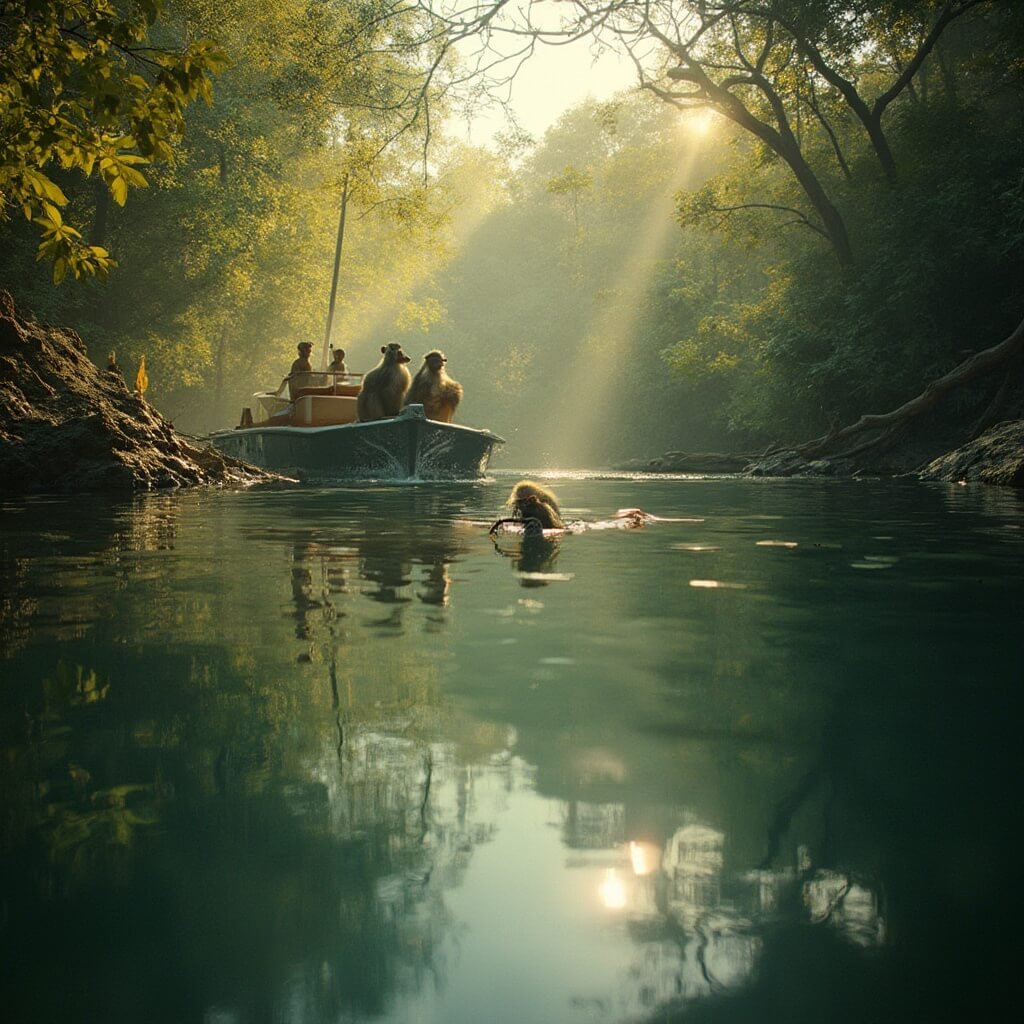
Unexpected Environmental Consequences
- Pushed out native species
- Compete aggressively for food resources
- Altered local wildlife dynamics
Tourism vs. Wildlife Management: The Ongoing Debate
Local perspectives create a fascinating tension:
- Some tourists love the monkey encounters
- Locals remain divided about their presence
- Wildlife managers see them as a complex problem
Pro Tip: Your monkey encounter is someone else’s environmental management nightmare.
Health Risks: The Invisible Threat
Here’s where things get seriously scary. These monkeys aren’t just cute – they’re potentially deadly.
The Herpes B virus carried by these primates represents a genuine public health concern. Transmission can cause fatal brain and spinal cord inflammation. We’re not talking about a minor risk – this is a significant medical threat.
Virus Transmission Risks
- 30%+ of monkeys carry Herpes B virus
- Transmission through bodily fluids
- Potential for severe human health complications
The Future of Silver Springs’ Monkey Population
What’s the endgame? Three potential scenarios emerge:
- Complete Removal: Controversial but potentially necessary
- Controlled Population Management: Continued sterilization
- Adaptive Coexistence: Learning to manage the population strategically
My money’s on a hybrid approach that balances ecological responsibility with public safety.
Your Monkey Encounter Survival Guide
If you’re planning a visit, remember these critical rules:
- Maintain safe distance
- Never feed the monkeys
- Observe from boats or designated viewing areas
- Treat them as wild animals, not cute attractions
Quick Safety Checklist
- ✓ Stay 15-20 feet away
- ✓ No direct eye contact
- ✓ No food or garbage exposure
- ✓ Remain calm if encountered
The Philosophical Monkey Question
Beyond management strategies and population control, a deeper question emerges: Who truly owns this ecosystem?
These monkeys, accidentally introduced decades ago, have transformed from a tourist gimmick into a complex ecological phenomenon. They challenge our understanding of invasive species, environmental management, and human-wildlife interactions.
Final Thoughts: A Wild Monkey Legacy
Silver Springs’ monkey population represents more than just an attraction. It’s a living testament to nature’s adaptability, human unpredictability, and the complex dance between intervention and natural progression.
Want to experience one of Florida’s most unique wildlife mysteries? The wild monkeys of Silver Springs are waiting.
Just remember: They’re watching you, as much as you’re watching them.
Explore More Florida Experiences:
- Explore Big Cypress National Preserve
- Visit the Henry B. Plant Museum
- Explore the Vizcaya Museum & Gardens
- Snorkel the Coral Reef at Bahia Honda
- Tour the Capitol in Tallahassee
👇Ready To Book Your Trip?👇
Book Your Stay in Sarasota
Find the perfect accommodation.
This post may contain affiliate links. Please see my disclosure policy for details.