

Have you ever wondered what secrets lie beneath the earth, waiting to be discovered?
Imagine standing atop a 30-foot mound built entirely from oyster shells, overlooking a landscape that hasn’t changed much in 1,600 years. Welcome to Crystal River Archaeological State Park – a place where history literally rises from the ground.

Why Crystal River Archaeological Park Will Blow Your Mind
Contents
- Why Crystal River Archaeological Park Will Blow Your Mind
- A Time Capsule of Ancient Native American Life
- Trade, Artifacts, and Cultural Connections
- What Makes This Place Different?
- The Hidden Psychology of Mound Building: Why Did They Do It?
- Beyond Construction: A Complex Social Network
- Technology That Would Make Modern Engineers Jealous
- Conservation: Protecting Living History
- Your Invitation to Time Travel
- Final Thought: We Are More Connected Than We Know
I first stumbled upon this incredible site during a road trip through Florida, and let me tell you – nothing prepares you for the sheer magnitude of human achievement hidden in these ancient mounds.
Picture this: A 61-acre wonderland that’s been continuously occupied by Native Americans for nearly two millennia. We’re talking about a site so significant it’s been designated a National Historic Landmark.
The Jaw-Dropping Numbers That’ll Make You Say “Wow”
- 1,600+ years of continuous human occupation
- Estimated 7,500 Native Americans visited annually
- Over 300,000 cubic feet of oyster shells used in construction
- More than 1,200 people buried in these sacred mounds
A Time Capsule of Ancient Native American Life
The Crystal River Archaeological Park isn’t just another historical site. It’s a portal into a sophisticated world most people never knew existed.
The Weedon Island Culture that called this place home were master builders, traders, and community architects. They didn’t just survive – they thrived.
The Crown Jewel: Temple Mound A
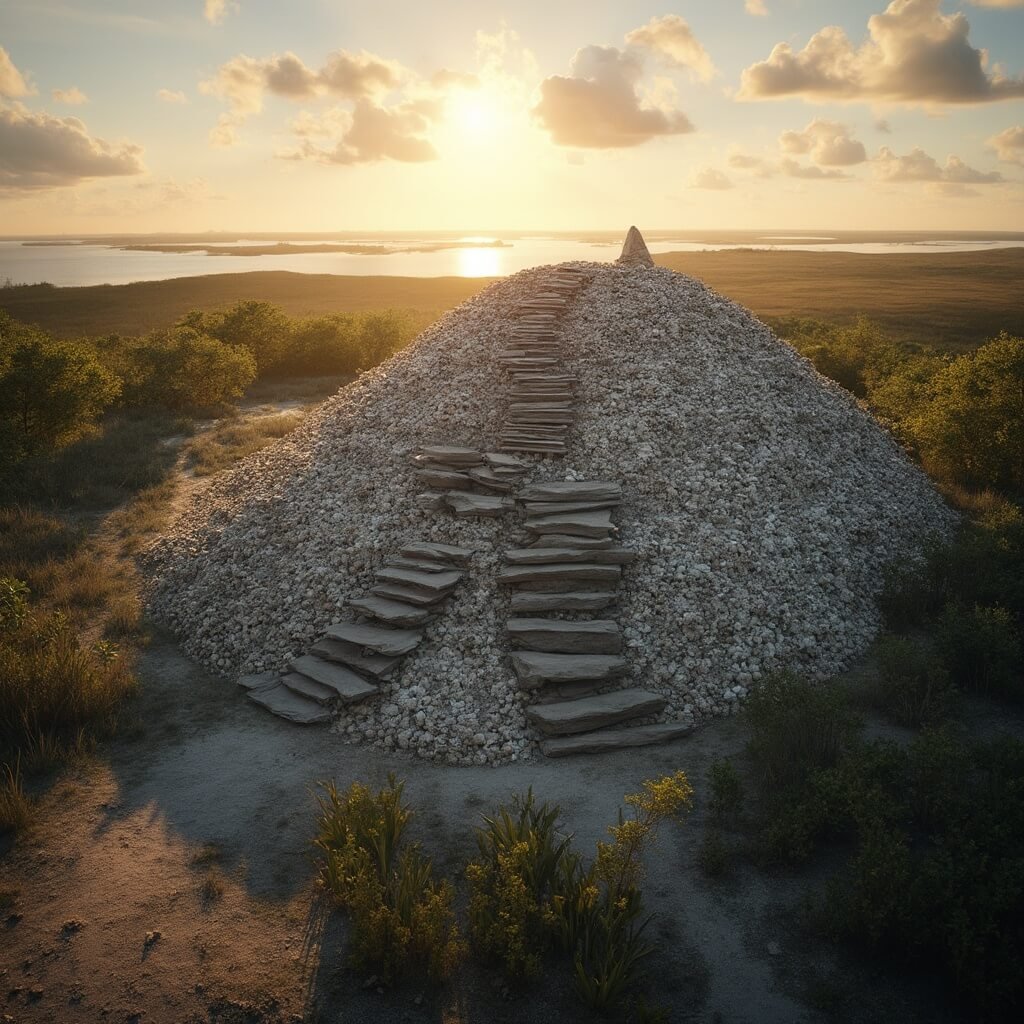
Imagine constructing a massive 30-foot platform using nothing but collected oyster shells. This wasn’t just construction – it was an art form.
Temple Mound A took approximately 20 years to build. Each shell carefully selected, each layer meticulously placed. The result? A monument so impressive it was likely visible from the Gulf of Mexico.
Pro Tip: Climb the “Stairway to Heaven” – wooden stairs leading to the mound’s summit. The panoramic view will make you feel like you’ve traveled back in time.
Trade, Artifacts, and Cultural Connections
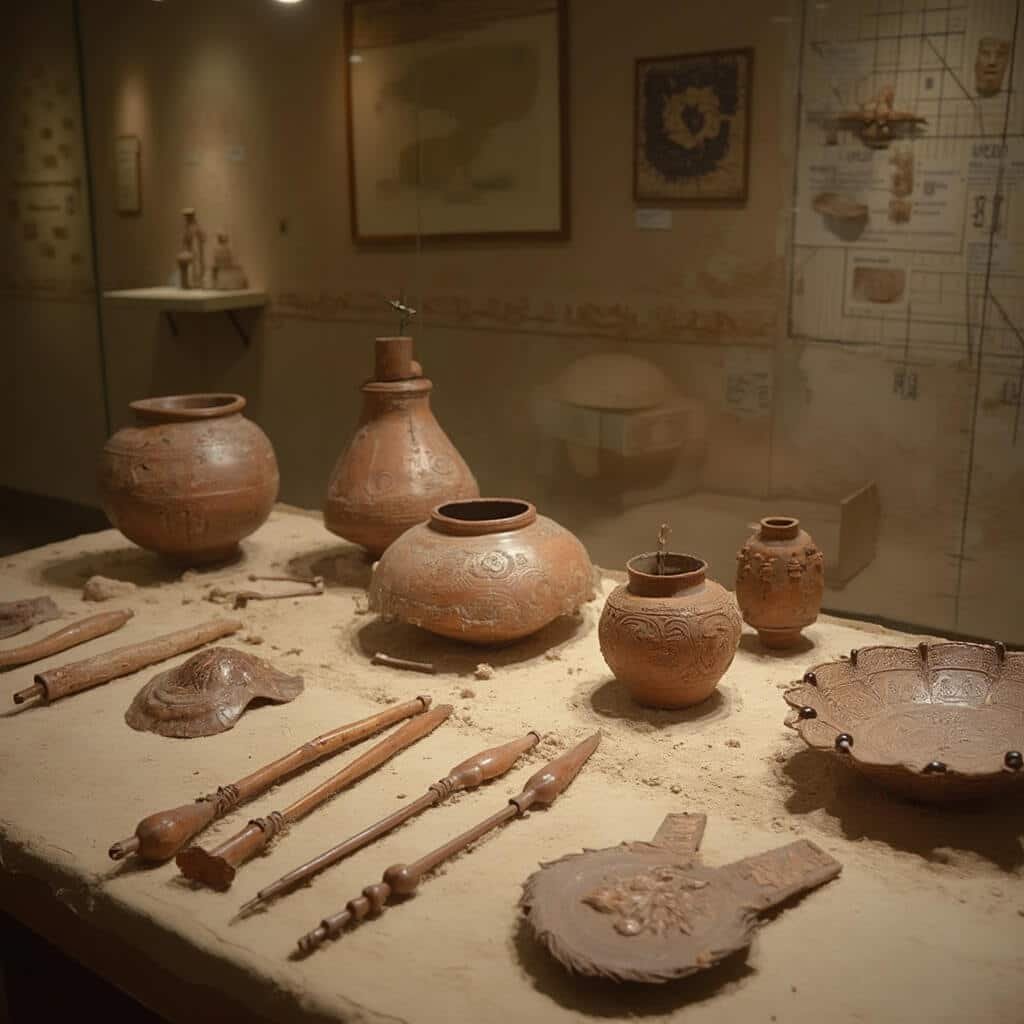
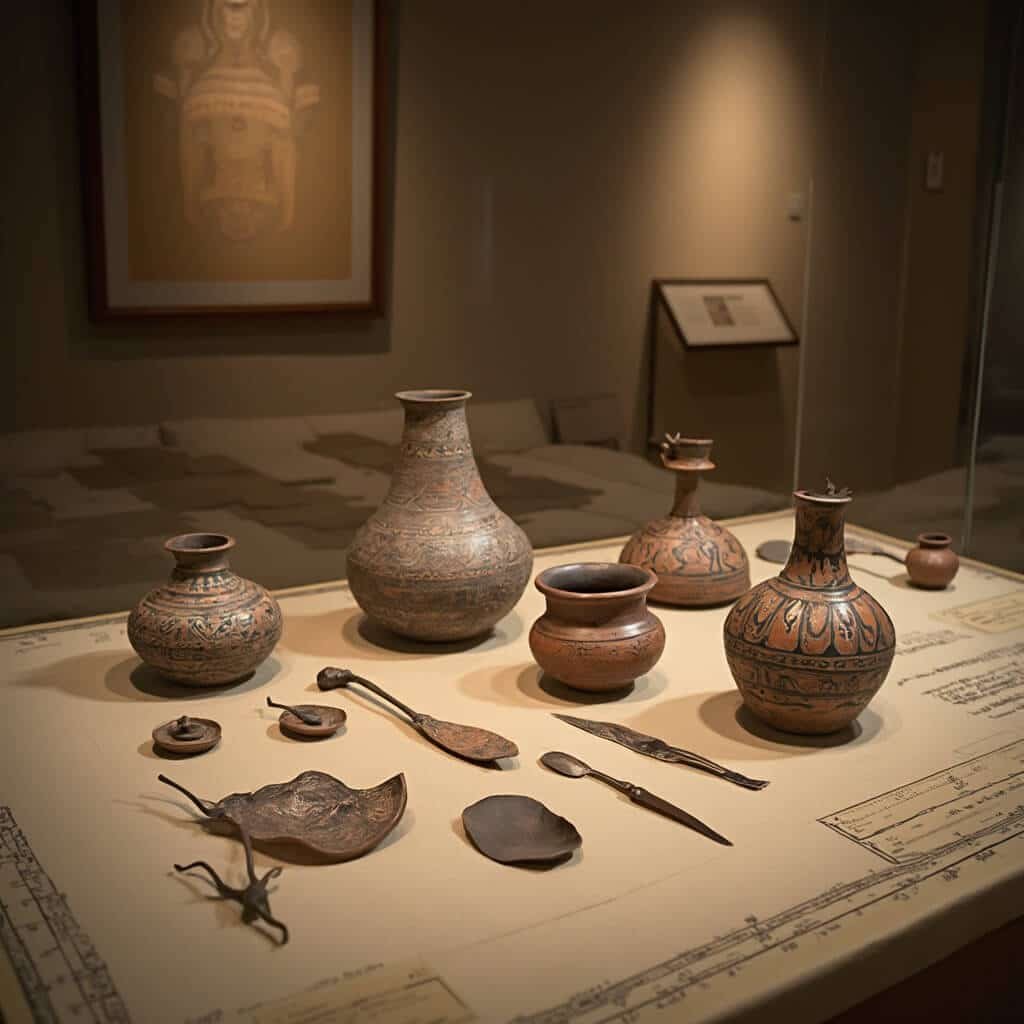
These weren’t isolated people. Archaeological evidence reveals a complex trade network stretching as far as Ohio. Copper ornaments, intricate pottery, and stone tools tell a story of interconnected communities.
Fascinating finds include:
- Copper tools from the Ohio River region
- Pottery with intricate designs
- Stone projectile points showcasing incredible craftsmanship
What Makes This Place Different?
Unlike many archaeological sites, Crystal River isn’t just about looking – it’s about experiencing. The park offers:
- Moon Over the Mounds night tours
- Museum with extensive artifact exhibits
- Three-quarter mile paved trail connecting all six mounds
- Ranger-led discussions bringing history to life
Practical Visitor Intelligence
- Best times to visit: Spring and fall for comfortable temperatures
- Typical visit duration: 45-90 minutes
- Bring: Water, comfortable shoes, and sun protection
The shell mounds stretch 1,300 feet long, 100 feet wide, and 7 feet deep – a testament to generations of continuous human activity. Each shell, each artifact tells a story waiting to be uncovered.
As the afternoon sun casts long shadows across these ancient platforms, you can’t help but feel connected to something bigger than yourself. The whispers of centuries past seem to echo through the landscape, inviting you deeper into the mystery of Florida’s first inhabitants.
The journey into understanding these remarkable people is just beginning…
Ready for more unforgettable Florida adventures? Check out our guide to The Ringling Museum in Sarasota or journey underground at the Florida Caverns in Marianna.
👇Find The Cheapest Flights To Anywhere Here👇
The Hidden Psychology of Mound Building: Why Did They Do It?
You might wonder: What drove these ancient people to invest decades constructing massive shell monuments?
The answer isn’t just about architecture – it’s about human connection.
Power, Prestige, and Community Identity
These mounds weren’t merely structures. They were statements.
Imagine being a tribal leader, orchestrating a multi-generational project visible for miles. Each oyster shell represented:
- Community collaboration
- Spiritual commitment
- Social hierarchy demonstration
- Technological innovation
By building Temple Mound A, these Native Americans were saying: “We are extraordinary. We can transform our environment.”
Beyond Construction: A Complex Social Network
The archaeological evidence reveals something remarkable: These weren’t isolated tribes, but sophisticated networkers.
Shocking Discovery: Artifacts prove they traded with cultures hundreds of miles away.
Copper from Ohio. Pottery styles matching distant regions. Stone tools revealing inter-tribal relationships.
This wasn’t just survival. This was civilization.
The Trading Superhighways of Pre-Columbian Florida
Most people imagine ancient Native Americans as disconnected groups.
Reality Check: They operated complex trade networks rivaling modern economic systems.
Key trade routes connected:
- Gulf Coast communities
- Inland river systems
- Hopewell culture exchange networks
- Multiple linguistic groups
Technology That Would Make Modern Engineers Jealous
Let’s talk engineering.
These weren’t primitive people throwing shells together. They were master architects understanding:
- Structural integrity
- Environmental adaptation
- Long-term construction planning
- Material science (before it was a science!)
Temple Mound A required:
- Precise shell collection
- Strategic layering techniques
- Generational project management
- Advanced geographical understanding
Personal Expedition Revelation
During my visit, a park ranger shared something that blew my mind.
“Each shell you see,” he said, “represents a meal, a moment, a memory. This isn’t just archaeology. This is human story.”
Those words transformed my perspective entirely.
Conservation: Protecting Living History
The Crystal River Archaeological Park isn’t just preserving rocks and shells.
It’s safeguarding human memory.
Preservation Efforts Include:
- Ongoing archaeological research
- Careful site maintenance
- Educational programming
- Native American cultural respect
Your Invitation to Time Travel
Want to experience something truly extraordinary?
This isn’t just another tourist stop. This is a portal to understanding human potential.
What You’ll Discover:
- How communities truly collaborated
- Ancient technological innovations
- Spiritual connection to landscape
- Human adaptability across millennia
Final Thought: We Are More Connected Than We Know
Standing on those ancient mounds, watching the river flow just as it did 1,600 years ago, you realize something profound.
Technology changes. Languages evolve. But human spirit? That remains constant.
Pro Traveler Tip: Bring an open mind. Leave with expanded perspective.
Crystal River Archaeological Park isn’t just a destination. It’s a journey through human potential.
Want to uncover more about Florida’s hidden archaeological gem? Your adventure starts here:
- Explore Historic St. Augustine – America’s Oldest City
- Visit the Ernest Hemingway Home in Key West
- Explore Dry Tortugas National Park
- Tour the Castillo de San Marcos
- Airboat Through the Florida Everglades
👇Ready To Book Your Trip?👇
This post may contain affiliate links. Please see my disclosure policy for details.



[…] Looking for more Florida oddities and natural wonders? Check out our guides on the WWII Museum at the Naval Aviation Museum in Pensacola or the ancient mounds at Crystal River Archaeological Park. […]