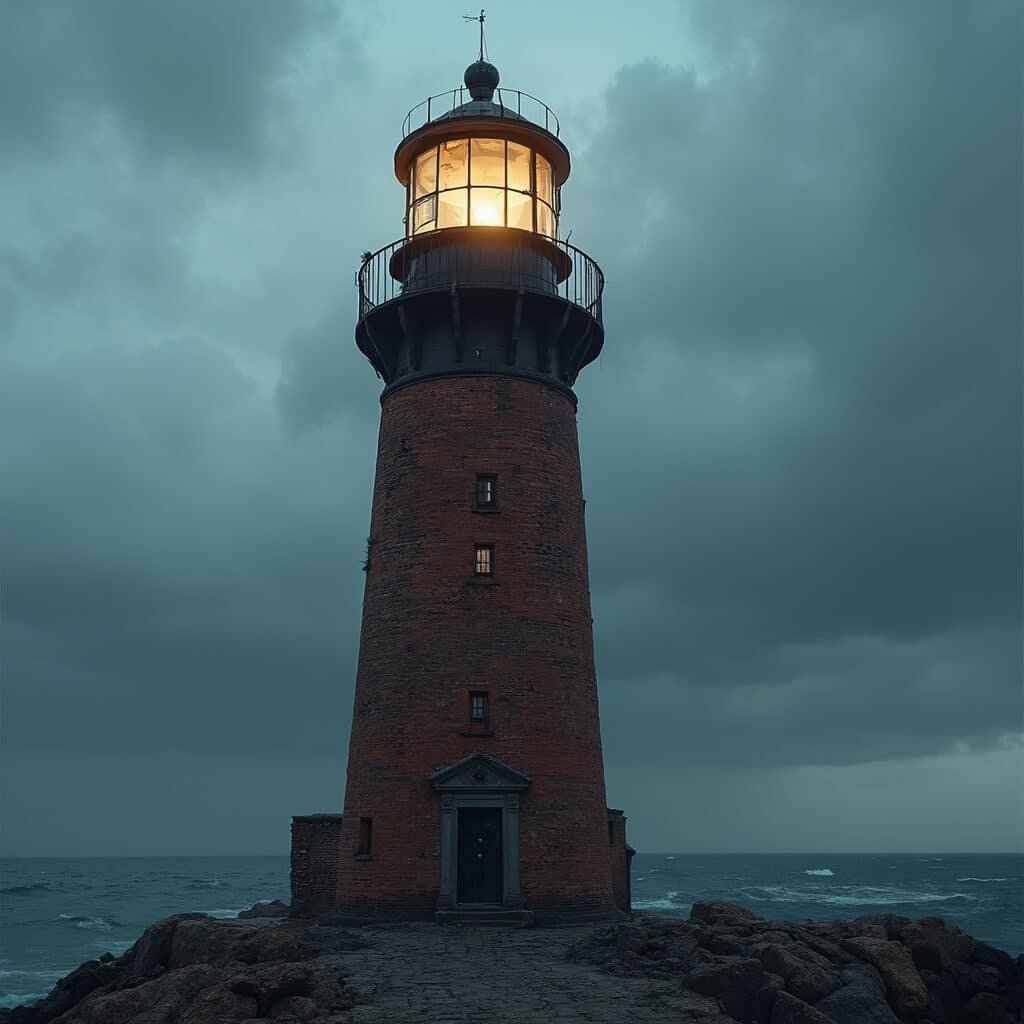
Standing 165 feet tall on Anastasia Island, the St. Augustine Lighthouse isn’t just a landmark – it’s a living, breathing time machine that’s witnessed centuries of maritime drama.
When I first climbed those 219 winding steps, I knew this wasn’t going to be another boring tourist trap. This was history breathing right into my face.

The Lighthouse That Survived Centuries of Chaos
Contents
- The Lighthouse That Survived Centuries of Chaos
- A Tower Built on Determination
- Engineering Marvel of Its Time
- Powering Through Technological Evolution
- More Than Just a Lighthouse
- A Witness to War and Wonder
- The Visitor’s Ultimate Adventure Guide
- Unexpected World War II Drama
- Practical Visitor Survival Guide
- The Lighthouse Legacy: More Than Just a Tower
Let me take you back to the wild Spanish colonial days. Picture this: a wooden watchtower standing guard, protecting settlers from seafaring invaders like Sir Francis Drake. In 1586, Drake wasn’t here for sightseeing – he destroyed the original tower, marking the first chapter of this incredible structure’s resilient story.
Key Historical Highlights:
- 1500s: Spanish build first wooden watchtower
- 1683: Replaced with sturdy coquina tower
- 1871: Current brick lighthouse constructed
- 1874: First illumination of current lighthouse
A Tower Built on Determination
Congress dropped $100,000 (massive money back then) to construct a lighthouse that would withstand beach erosion. The workforce? Incredibly, it included African American residents during the challenging Reconstruction period.
Engineering Marvel of Its Time
This isn’t just a pretty tower. The lighthouse boasts an incredible first-order Fresnel lens imported from Paris – a 12-foot marvel composed of 370 hand-cut prisms arranged in a mesmerizing beehive formation.
Fascinating Lens Facts:
- Imported from France in 1874
- 370 hand-cut prisms
- Arranged in unique beehive pattern
- Visible for miles across the Atlantic
Powering Through Technological Evolution
From burning pig lard and kerosene to electricity in 1936, this lighthouse has seen it all. Today, its beacon flashes every 30 seconds, a rhythmic heartbeat connecting past and present.
More Than Just a Lighthouse
The St. Augustine Lighthouse isn’t merely a navigation aid – it’s a living museum dedicated to preserving maritime heritage. Their mission? “Discover, preserve, present and keep alive the stories of the nation’s oldest port.”
Museum Highlights:
- 360 days open annually
- Maritime archaeology center
- Educational programs
- World War II exhibits
A Witness to War and Wonder
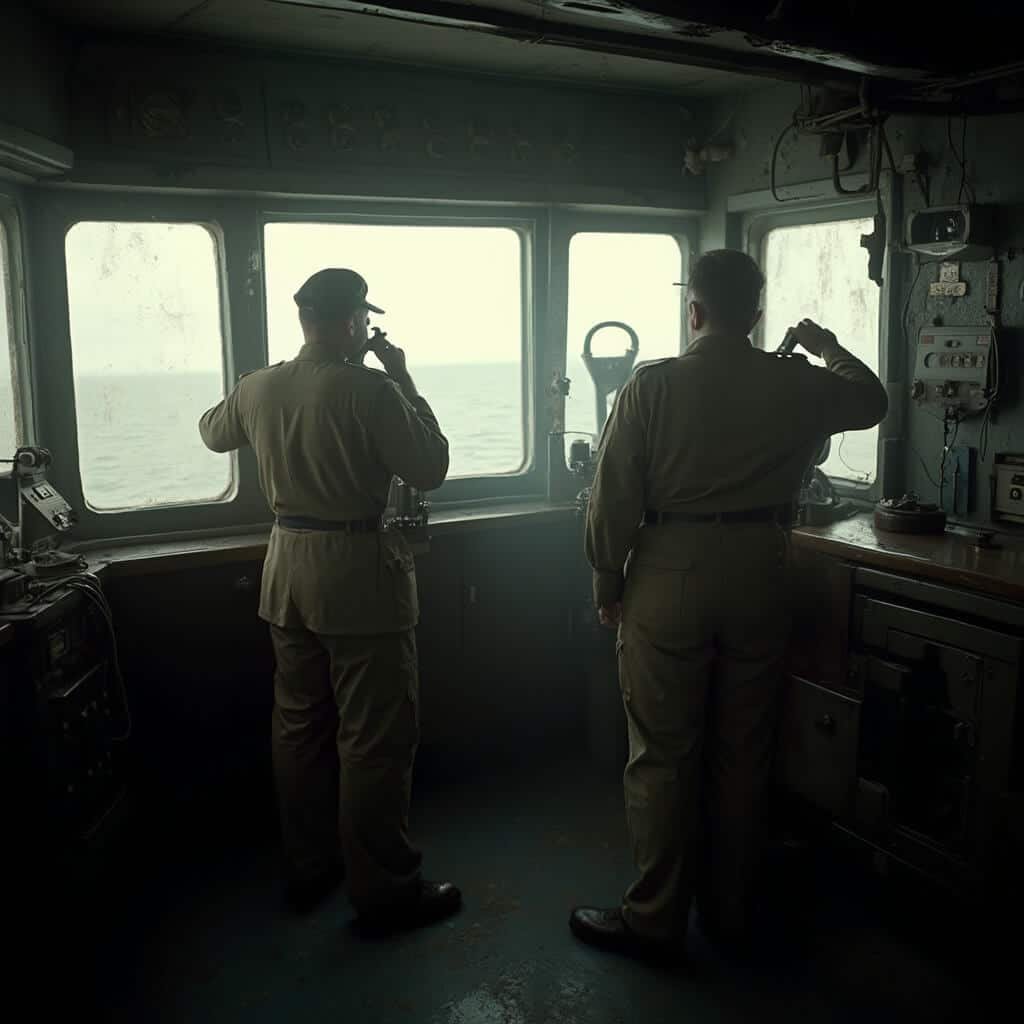
During World War II, this lighthouse was more than a beacon. Coast Guard personnel staffed it 24/7, watching for German U-boats. Imagine the tension, the watchful eyes scanning the horizon, protecting American shores.
The lighthouse has seen Spanish conquistadors, survived Drake’s attack, witnessed war, and continues standing tall – a testament to human resilience and maritime spirit.
As I stood on the observation deck, 219 steps above ground, overlooking Matanzas Bay and the vast Atlantic, I realized this wasn’t just a structure. It was a storyteller, whispering tales of exploration, survival, and human determination.
The salty breeze carried whispers of sailors past, of navigational challenges overcome, of a community that refused to let its history fade.
My climb wasn’t just physical – it was a journey through time, connecting me to generations of maritime pioneers who kept this light burning.
The story of St. Augustine’s lighthouse was just beginning to unfold, promising more maritime mysteries and historical revelations waiting to be discovered.
Want to explore more about this iconic city? Check out our guide to Historic St. Augustine or take a deep dive into colonial defenses at the Castillo de San Marcos.
👇Find The Cheapest Flights To Anywhere Here👇
The Visitor’s Ultimate Adventure Guide
Want to transform from casual tourist to maritime history buff? The St. Augustine Lighthouse delivers an experience that’ll make your Instagram followers seriously jealous.
Climbing the Tower: Not for the Faint of Heart
Those 219 steps aren’t a leisurely stroll.
Each step is a journey through maritime history, challenging your physical endurance while rewarding you with breathtaking panoramic views. Pro tip? Wear comfortable shoes and bring water.
Climb Challenge Breakdown:
- 219 vertical steps
- 360-degree ocean views
- Difficulty: Moderate
- Total climbing time: Approximately 15-20 minutes
- Views: Absolutely priceless
Behind-the-Scenes: Maritime Archaeology Secrets
Here’s where things get seriously fascinating.
The lighthouse isn’t just a pretty structure – it’s a living archaeological research center. Their marine archaeologists are basically underwater detectives, recovering artifacts that tell forgotten maritime stories.
Archaeological Discoveries:
- Shipwreck artifact conservation
- Underwater research programs
- Public viewing of conservation processes
- Active maritime discovery center
Learn more about the lighthouse’s maritime past on the Official Museum Site.
Unexpected World War II Drama
Think lighthouses were just navigation tools? Think again.
During World War II, this beacon became a critical military outpost. Coast Guard personnel transformed the lighthouse into a 24/7 German U-boat surveillance station. Imagine the tension, scanning dark waters for potential enemy submarines.
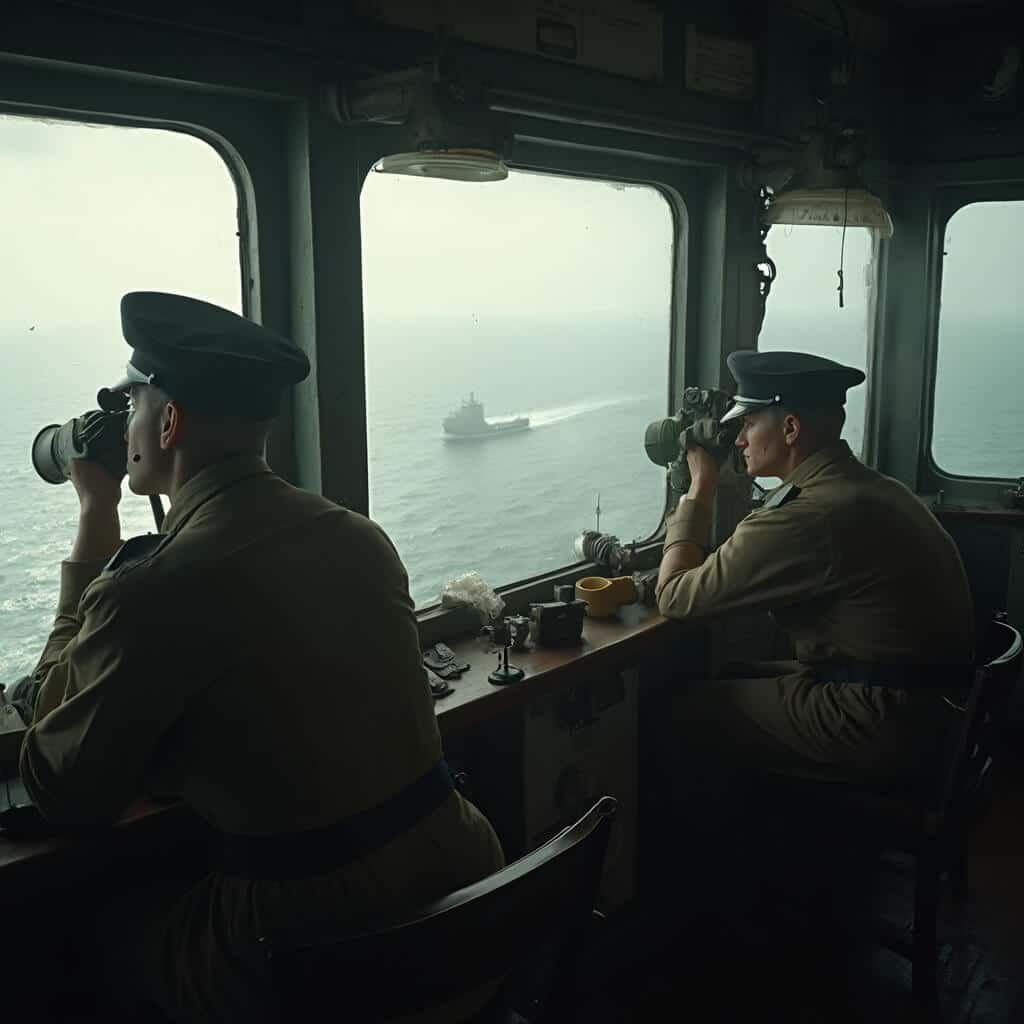
Wartime Lighthouse Facts:
- 24-hour military lookout station
- Critical coastal defense mechanism
- Preserved logbooks and artifacts
- Living historical testimony to wartime resilience
Family-Friendly Maritime Adventure
Worried about keeping kids engaged? This isn’t your typical boring museum.
Interactive exhibits, boat-building demonstrations, and hands-on learning experiences make history come alive. Children can touch artifacts, learn maritime skills, and feel like junior explorers.
Kid-Friendly Features:
- Interactive maritime exhibits
- Live boat-building demonstrations
- Children’s play areas
- Educational programs for all ages
Practical Visitor Survival Guide
Before you pack your bags, let’s talk logistics.
Quick Planning Checklist:
- Admission: Purchase tickets online
- Best Time to Visit: Spring/Fall (mild temperatures)
- Duration: 1-2 hours recommended
- Wear: Comfortable walking shoes
- Bring: Water, camera, sense of adventure
Ticket Insider Tips
- 10% online discount available
- Family memberships offer significant savings
- Free year-round admission for members
The Lighthouse Legacy: More Than Just a Tower
This isn’t just a structure. It’s a living narrative of human resilience, maritime innovation, and historical preservation.
Every brick, every step, every artifact tells a story of exploration, survival, and human determination.
As the sun sets over Matanzas Bay, the lighthouse continues its eternal vigil – a beacon of history, education, and inspiration.
Final Takeaway: The St. Augustine Lighthouse isn’t just a destination. It’s a time-traveling maritime adventure waiting to be experienced.
Ready to illuminate your understanding of maritime history? Your St. Augustine Lighthouse adventure starts now.
Explore More Florida vacation tips Adventures:
- Visit the Henry B. Plant Museum
- Explore Big Cypress National Preserve
- Sarasota guide/”>Tour the Ringling Museum in Sarasota
- Stroll Through Mount Dora’s Historic Downtown
- Walk the Tampa Riverwalk
👇Ready To Book Your Trip?👇
This post may contain affiliate links. Please see my disclosure policy for details.