Gardens With Arbors
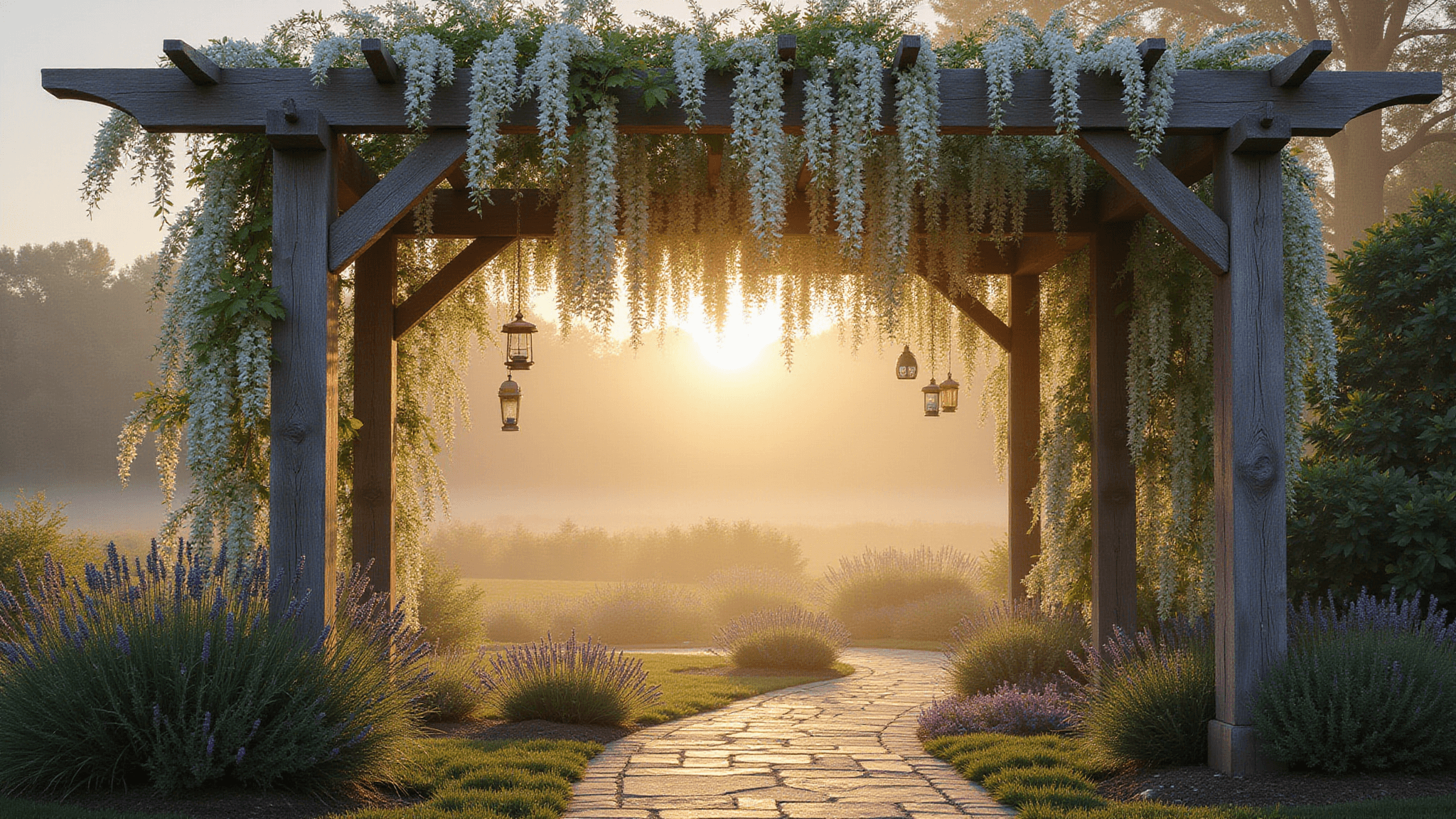
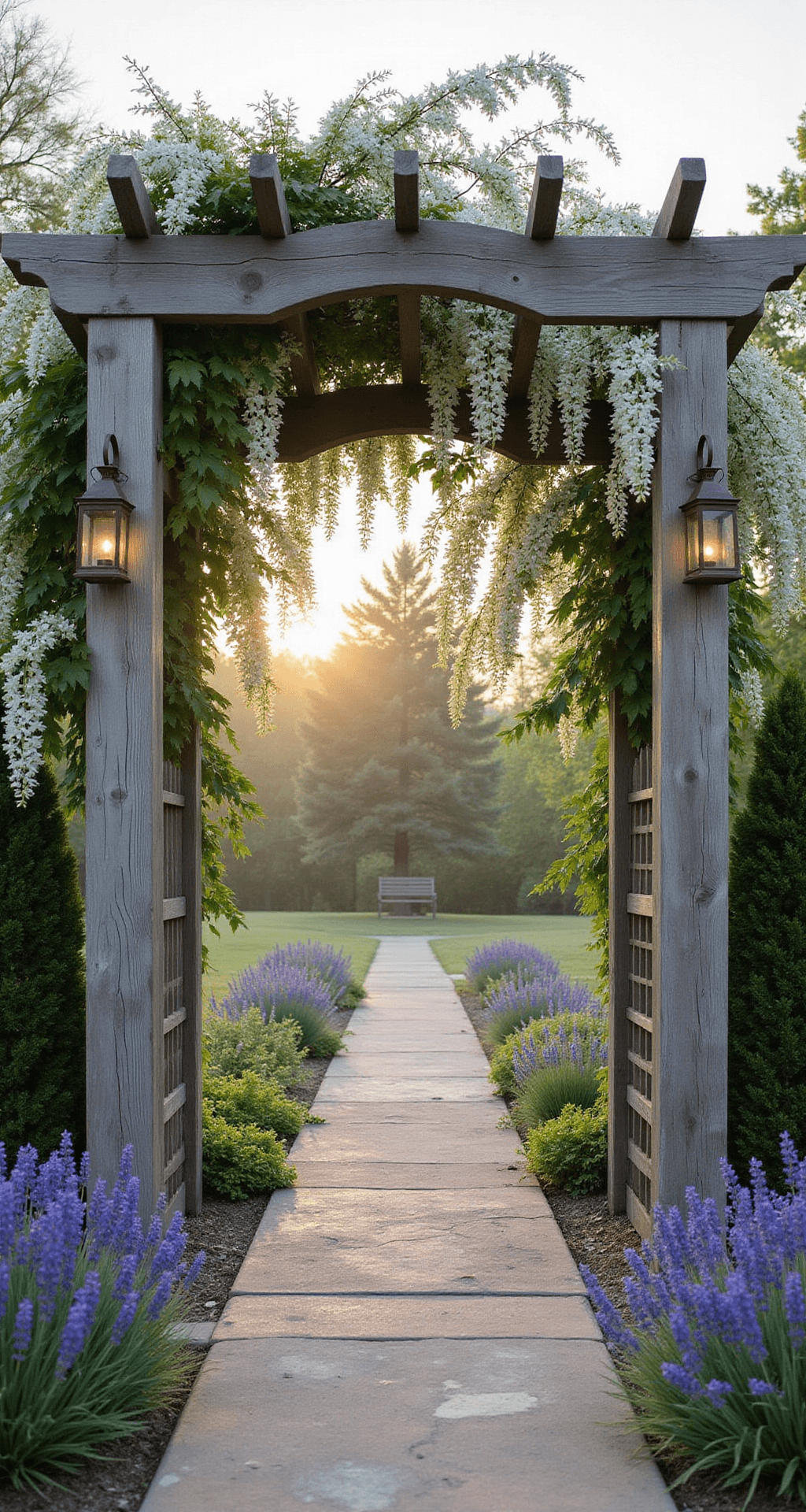
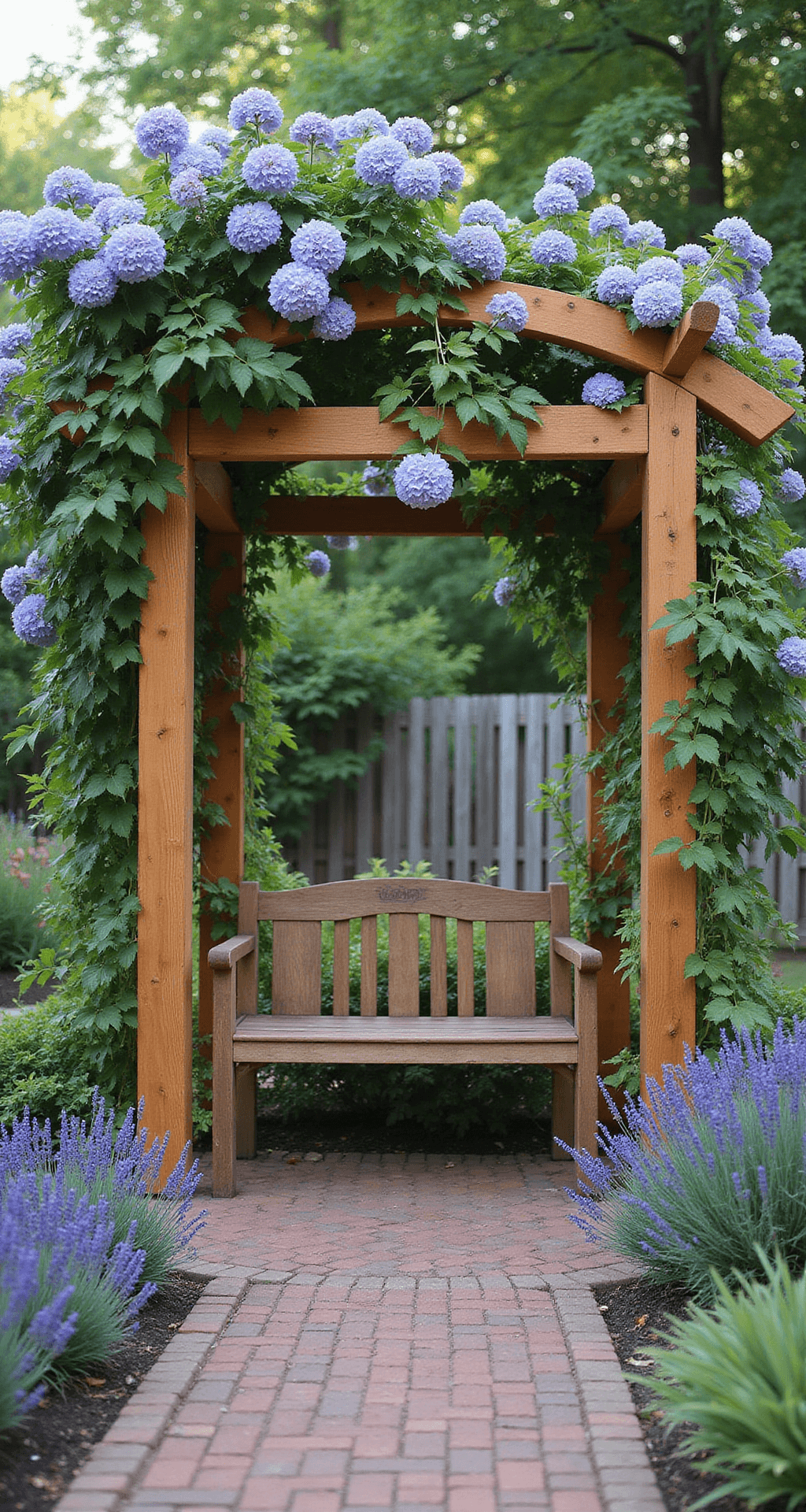
A garden arbor is a freestanding structure that frames a path or seating area and supports climbing plants. It adds height and a clear focal point to a garden.
What Exactly is a Garden Arbor?
A garden arbor does several jobs at once:
- Create clear focal points
- Provide shade and support for climbing plants
- Add value to your property
- Give structure to an open space
Choosing the Perfect Arbor Material
Wooden Arbors
Pros:
- Natural, warm aesthetic
- Blends well with the landscape
- Versatile design options
- Cost-effective
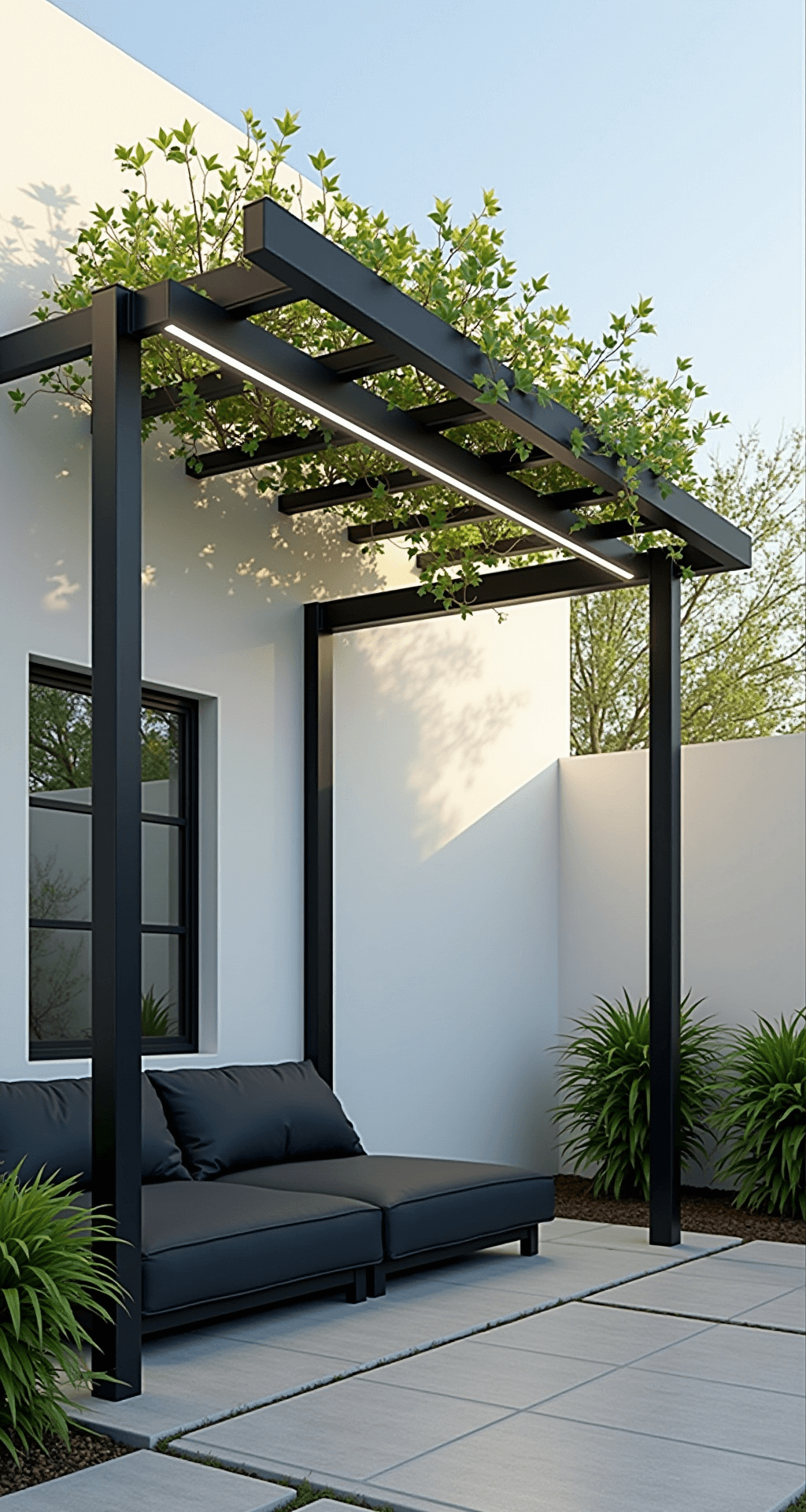
Metal Arbors
Pros:
- Extremely durable
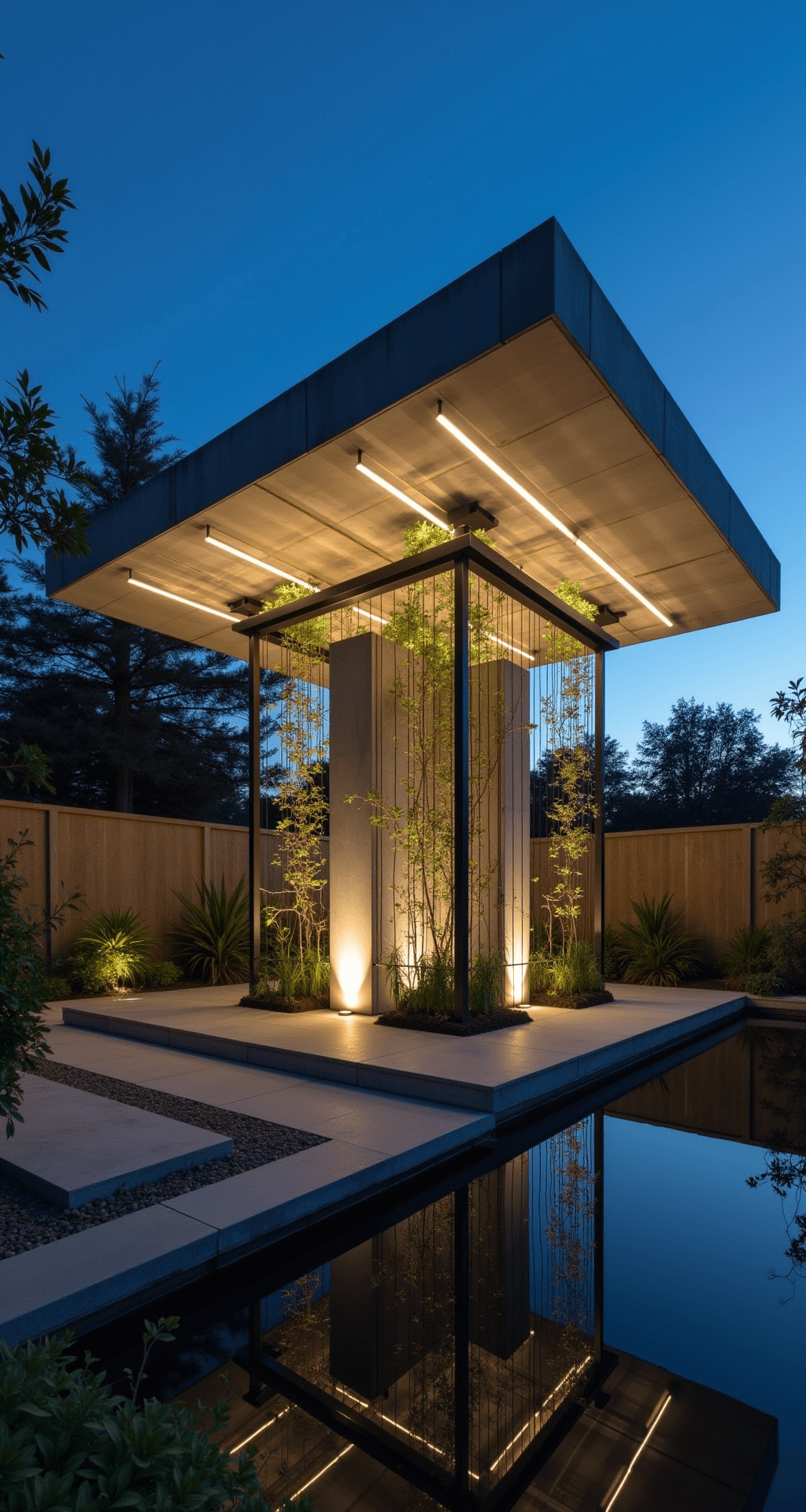
- Sleek contemporary designs
- Rust-resistant options
- Low maintenance
PVC Arbors: The Practical Choice
Pros:
- Weather-resistant
- Lightweight
- Multiple color options
- Minimal upkeep required
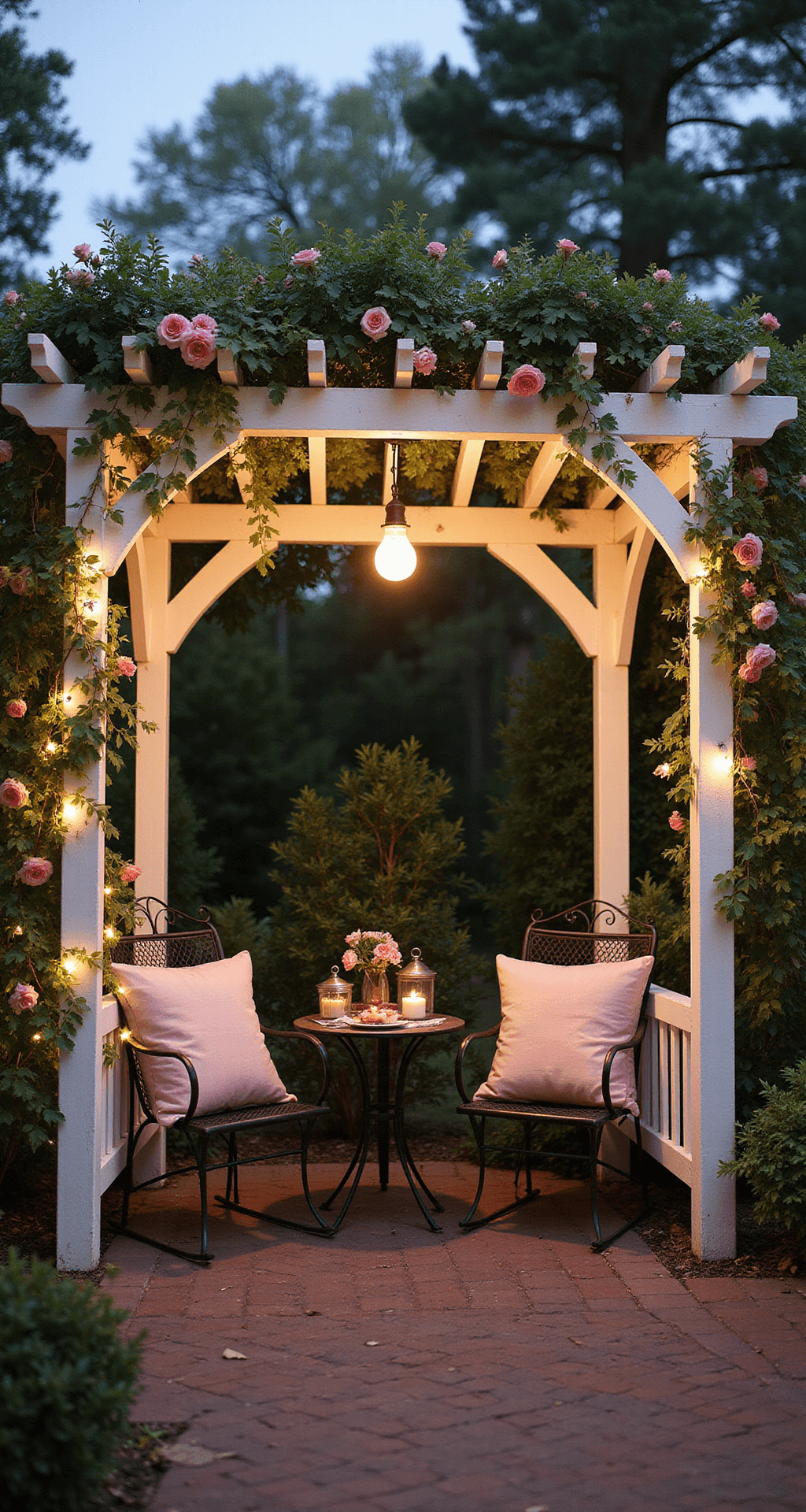
Where to Place an Arbor
Garden Entryways
Place an arbor at an entrance so it frames the view and guides people through the garden.
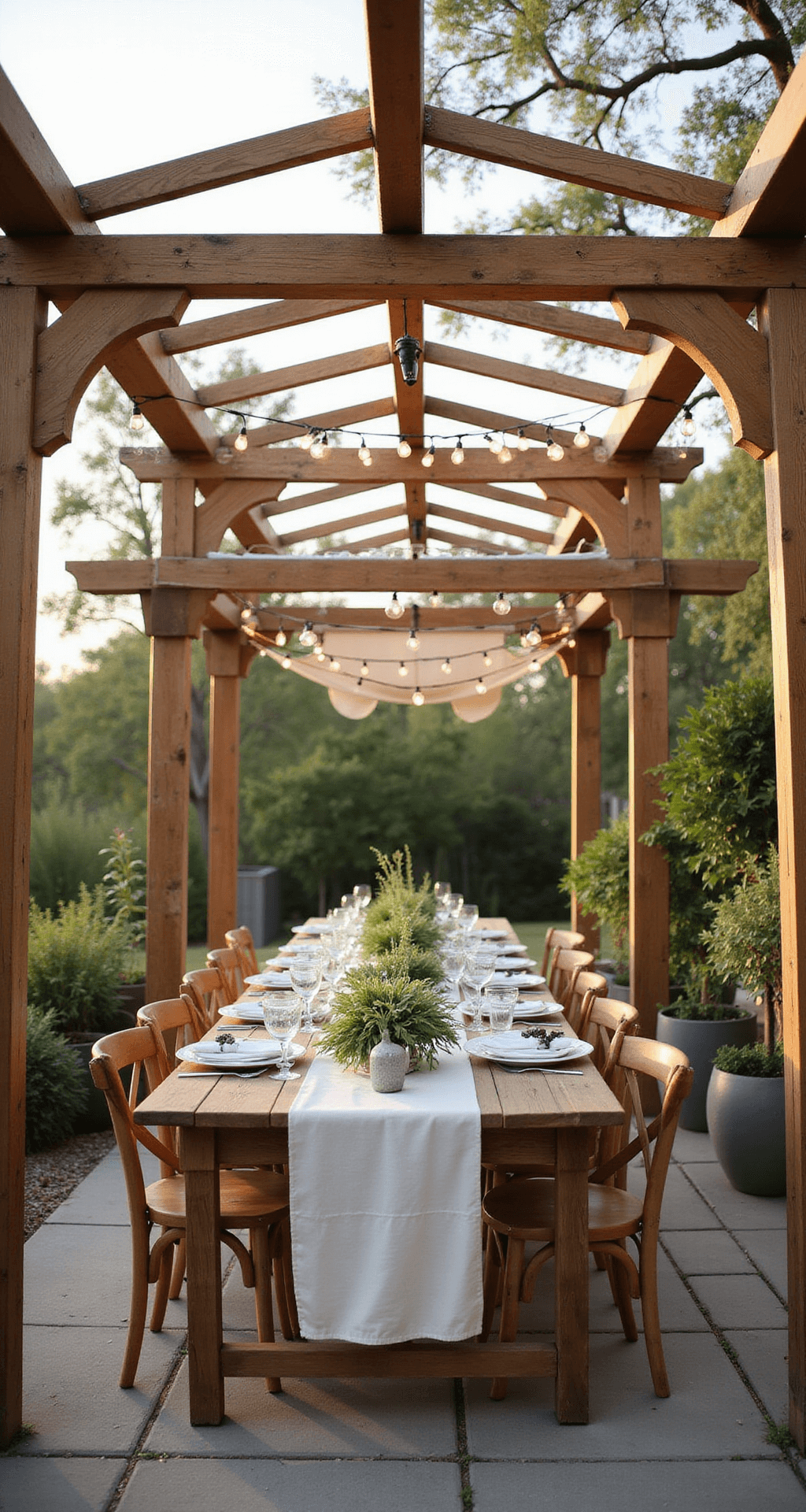
Seating Areas
An arbor over a patio adds:
- Architectural interest
- Partial shade
- Romantic atmosphere
Save this article
Enter your email and we'll send it straight to your inbox.
Privacy Solutions
Use arbors to divide garden zones without closing off the space.
Plant Pairings: Making Your Arbor Come Alive
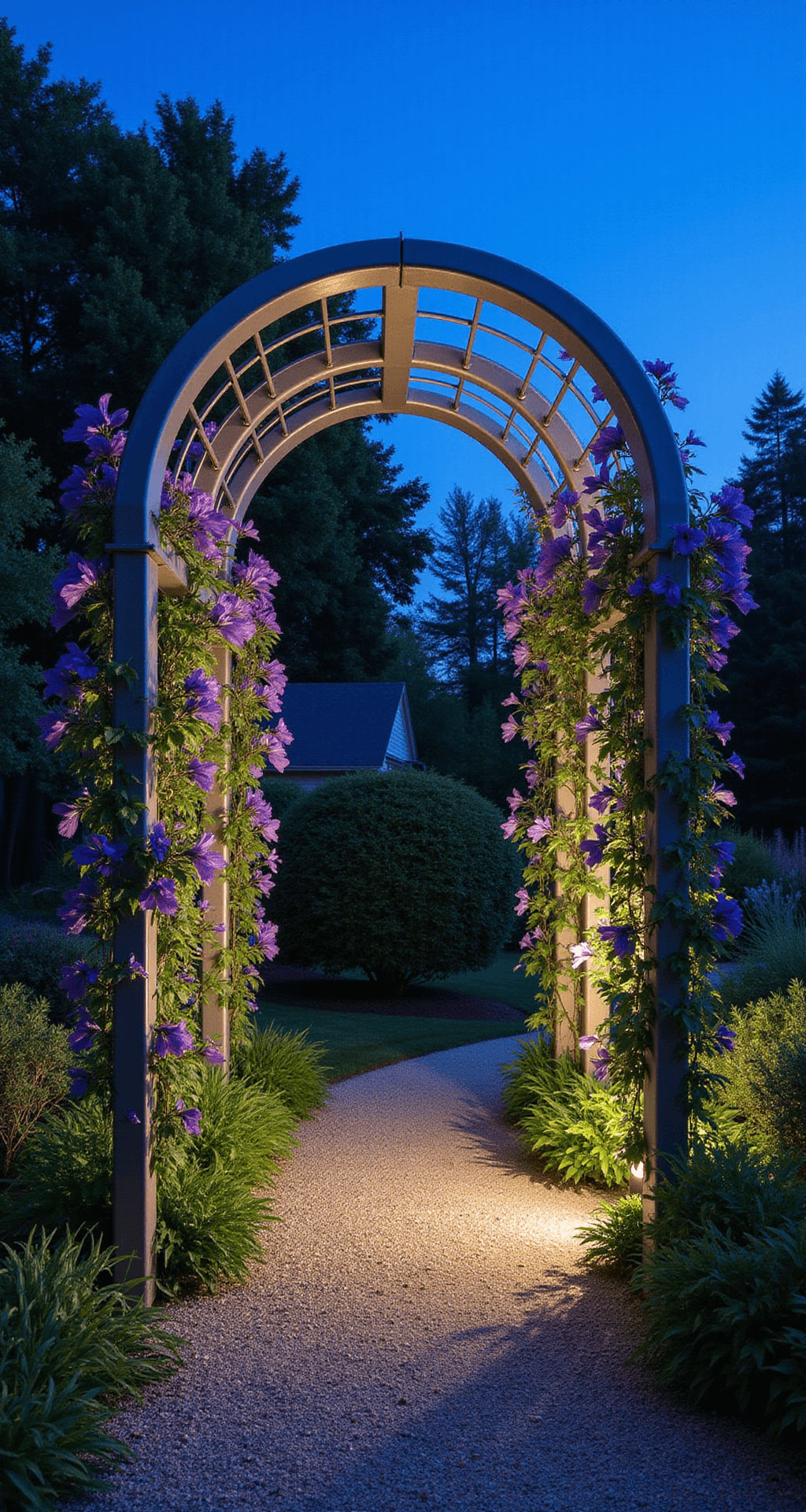
Top Climbing Plants
- Wisteria: Dramatic purple cascades
- Climbing Roses: Classic romance
- Jasmine: Intoxicating fragrance
- Clematis: Vibrant color variations
Pro Tip: Choose plants matching your climate and sunlight conditions.
Modern Arbor Innovations
Lighting Integration
Light an arbor at night with:
- Solar-powered string lights
- Subtle LED pathway illumination
- Soft uplighting for dramatic effects
Artistic Designs
Contemporary arbors also work as sculptural features in the landscape.
Maintenance Matters
Quick Care Tips
- Annual wood sealant application
- Regular plant trimming
- Check structural integrity
- Clean metal surfaces to prevent rust
Budget Considerations
Arbor costs range from $100 to $2,000 depending on:
- Material quality
- Size
- Complexity of design
- Custom vs. pre-fabricated
Getting Started
A garden arbor adds structure, shade, and a place for climbing plants. Match the material to your budget and climate, then pick plants that suit your light.
This post may contain affiliate links. Please see my disclosure policy for details.
Want to keep this one?
We'll email you the link so you can find it again later.