Why Everything You Thought You Knew About Interior Design Doesn’t Apply Here
Here’s what nobody tells you about Florida living: traditional design rules crumble faster than a sandcastle at high tide.
That gorgeous velvet sofa you loved up north? It’ll feel like you’re sitting on a damp towel by August. Those dark, moody walls everyone’s obsessing over on Instagram? They’ll make your space feel like a cave when you’re already hiding from 95-degree heat.
Florida interior design isn’t just about aesthetics—it’s about survival with style. The climate dictates everything, and fighting it is expensive, uncomfortable, and frankly, exhausting.
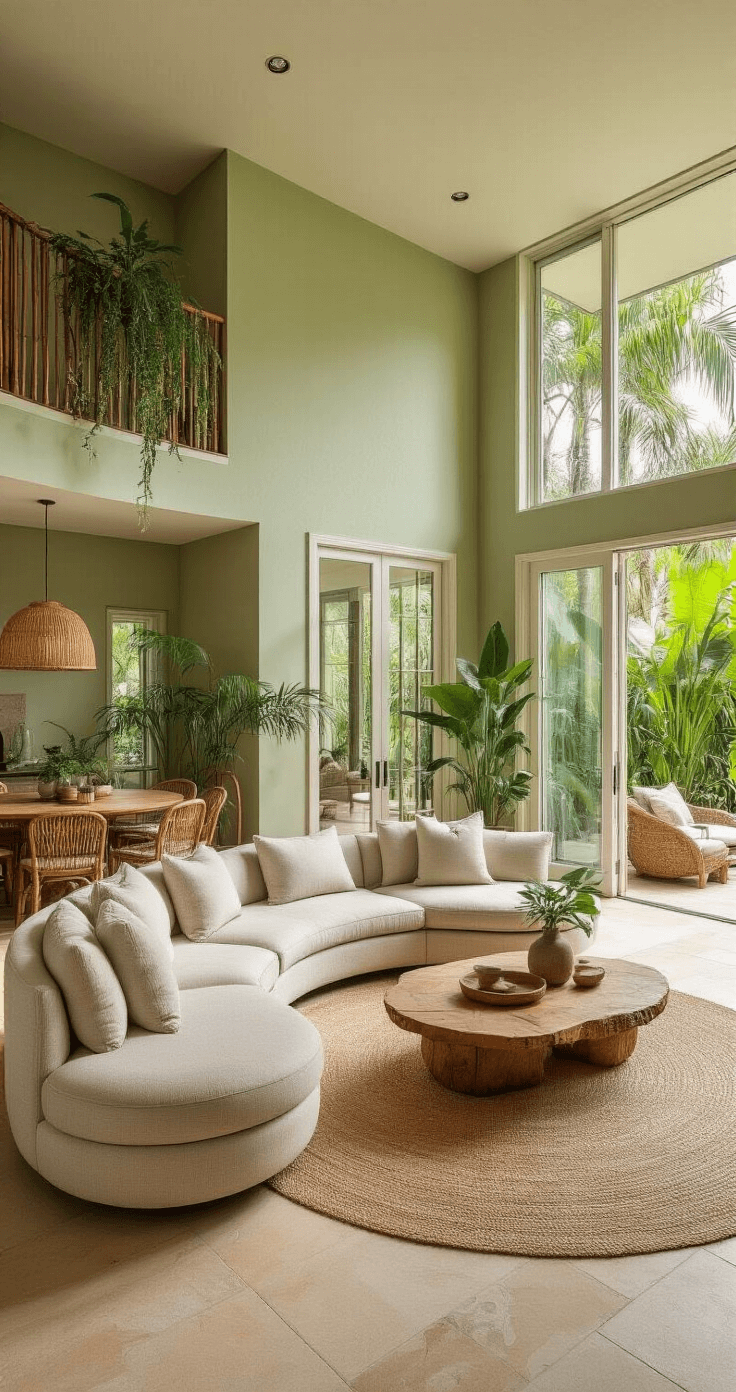
🌟 Steal This Look
- Paint Color: Sherwin-Williams Pure White SW 7005
- Furniture: Performance fabric slipcovered sofa in a light linen or cotton blend with moisture-wicking properties, raised on tapered legs for airflow
- Lighting: Ceiling-mounted rattan or natural fiber flush mount with woven texture to diffuse harsh afternoon sun
- Materials: Seagrass, raffia, unlacquered brass, and outdoor-rated performance fabrics; avoid anything that traps humidity like heavy velvet or untreated wood
This is the room where you finally stop apologizing for prioritizing function over Pinterest perfection—Florida living taught me that true luxury is walking into a space that actually feels good at 4 PM in July.
The Color Revolution That’s Saving Florida Rooms From Looking Like Sad Hotel Lobbies
I’m so done with gray.
The gray-on-gray trend that dominated the last decade? It’s finally dying in Florida, and good riddance.
Walk into any newly designed Florida home in 2025, and you’ll see something completely different:
- Soft sage greens that make you feel like you’re lounging under a palm frond
- Deep ocean blues that change throughout the day as natural light shifts
- Warm terracotta and sandy browns that actually reflect the landscape outside your window
- Sun-bleached coastal hues that look like driftwood after years in the salt air
Pro tip: Test your paint colors at different times of day. Florida light is intense and changes dramatically from morning to late afternoon. What looks perfect at 8 AM might look completely washed out by noon.
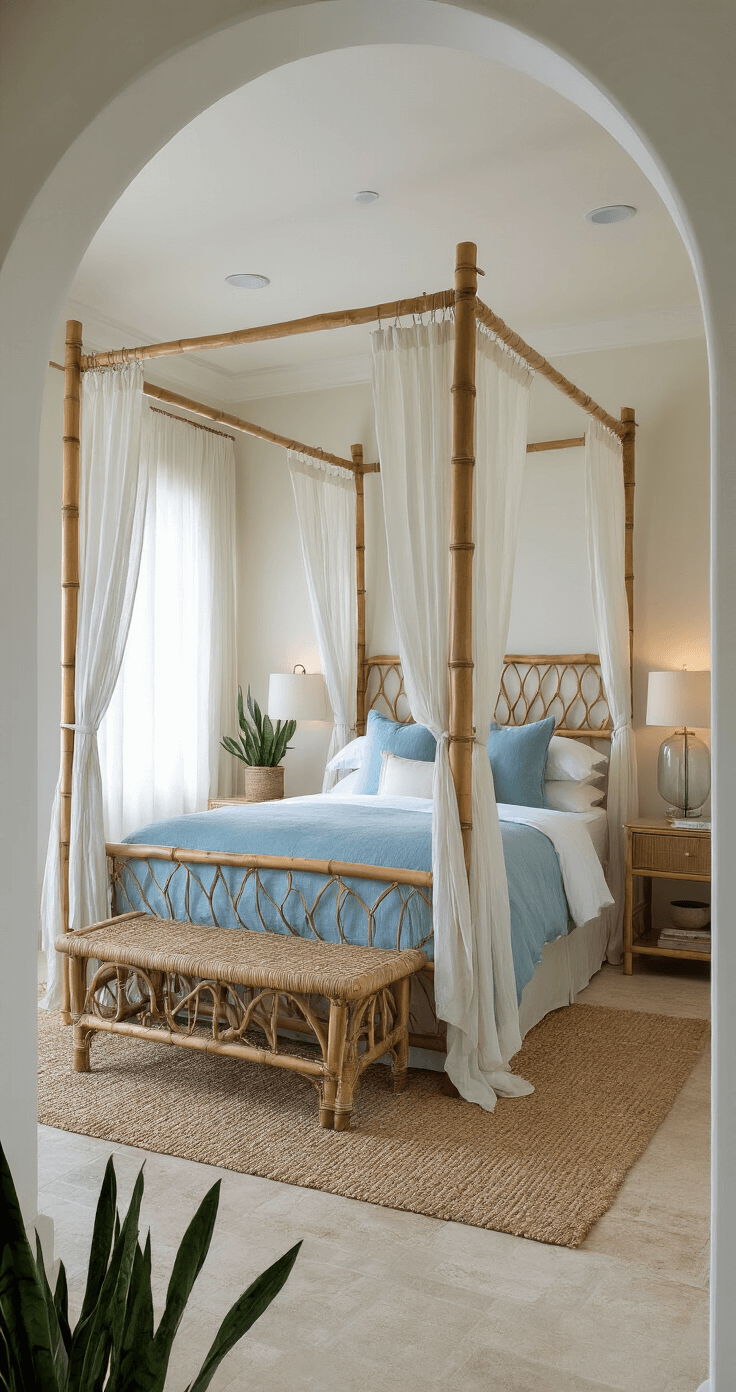
🏠 Steal This Look
- Paint Color: Benjamin Moore Sage Tint 458
- Furniture: low-slung linen sofa in warm sand tone with natural oak legs
- Lighting: oversized rattan pendant with warm brass accents
- Materials: unbleached Belgian linen, terracotta clay, weathered teak, handwoven seagrass
This is the room where you finally stop apologizing for living somewhere beautiful—the colors don’t just tolerate the sunshine, they absolutely drink it in.
Why Your Furniture Should Look Like It Came From Nature (Not IKEA’s Clearance Section)
Sharp corners and rigid lines feel all wrong in Florida. They fight against the organic, flowing vibe that makes tropical living so appealing.
Enter the curve.
I’m talking about:
- Rounded sofas that invite you to curl up rather than perch awkwardly
- Organic coffee tables with natural edges and flowing shapes
- Curved architectural details like arched doorways and rounded alcoves
- Circular mirrors that soften wall space
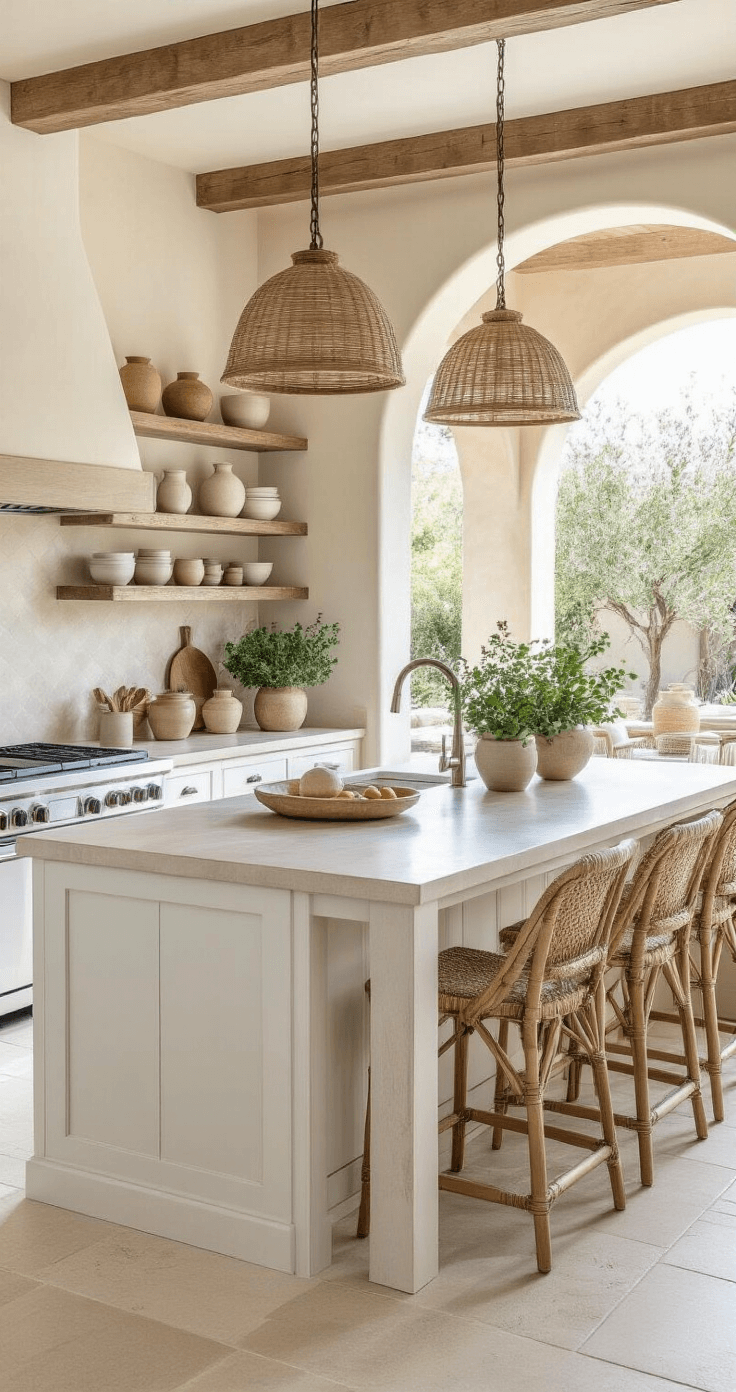
🌟 Steal This Look
- Paint Color: Farrow & Ball De Nimes No.299
- Furniture: a kidney-shaped or freeform coffee table in bleached mango wood or rattan-wrapped base with live edge detail
- Lighting: a sculptural pendant in handwoven abaca rope or curved ceramic with warm amber glow
- Materials: unbleached rattan, raw mango wood, hand-thrown terracotta, slubby Belgian linen, coral stone
This is the room where you finally stop apologizing for wanting comfort over crispness—Florida humidity has a way of softening everything anyway, so your furniture might as well start there.
The Flooring Choice That Makes Everyone Think You Hired a Celebrity Designer
Travertine and limestone are having their moment, and I’m here for it.
I spent years dealing with cold tile that felt clinical and wood floors that warped with humidity. Natural stone changed everything.
Here’s why these materials dominate Florida design right now:
- Natural veining that adds character without being busy
- Earthy tones that work with virtually any color scheme
- Cool underfoot during brutal summer months
- Seamless indoor-outdoor transitions when you use the same material on your patio
Warning: Natural stone needs proper sealing in Florida’s humidity. Skip this step and you’ll have water stains and mildew faster than you can say “hurricane season.”
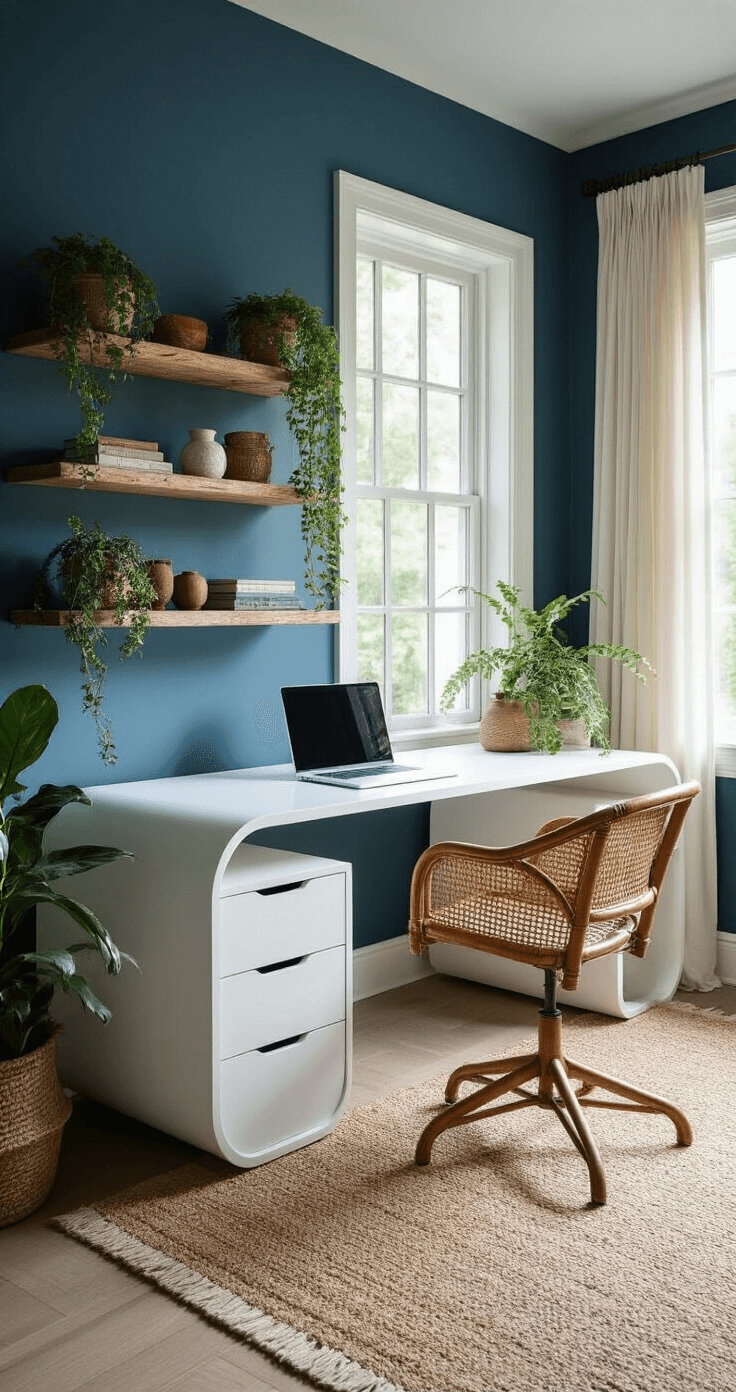
✎ Steal This Look
- Paint Color: Behr Sandstone Cove PPU7-17
- Furniture: travertine-top console table with iron base
- Lighting: wrought iron chandelier with amber glass shades
- Materials: honed travertine, tumbled limestone, raw edge wood accents
I learned the sealing lesson the hard way after my first limestone installation developed dark rings from a single spilled glass of iced tea during a July afternoon.
Lighting Secrets That Make Florida Homes Feel Like Five-Star Resorts
One overhead light fixture is design suicide in Florida. There, I said it.
The problem with relying on a single ceiling light: It creates harsh shadows during the day. It feels cold and institutional at night. It does absolutely nothing for ambiance.
The three-layer approach actually works:
Ambient lighting sets your base mood:
- Recessed ceiling lights on dimmers
- Large pendant fixtures that make statements
- Natural light management through sheers instead of blackout curtains
Task lighting serves specific purposes:
- Reading lamps beside [a cozy accent chair](https://www.amazon.com/s?k=accent+chair&tag=caywind-20)
- Under-cabinet lights in kitchens
- Focused lights above bathroom mirrors
Accent lighting creates drama:
Save this article
Enter your email and we'll send it straight to your inbox.
- Picture lights on artwork
- LED strips behind floating shelves
- Landscape lighting visible through large windows that extends your space visually after dark
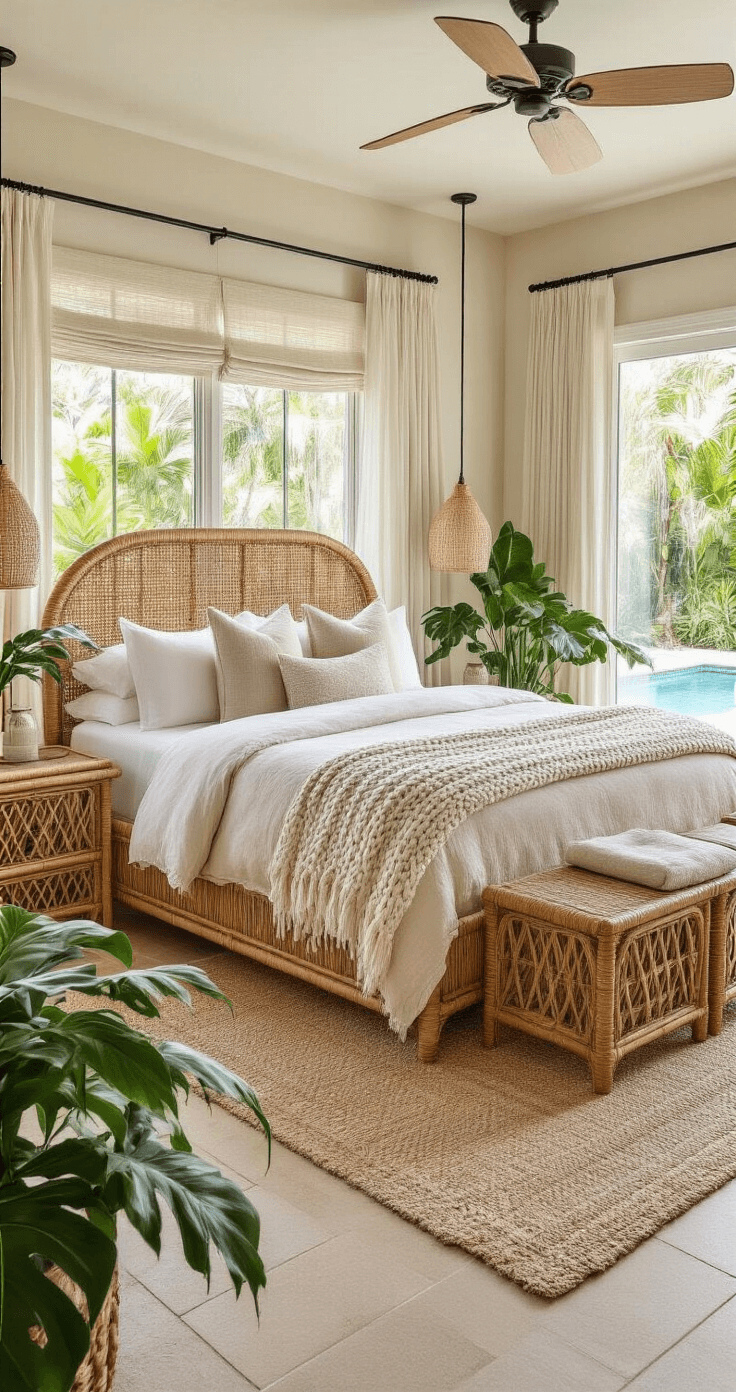
🎨 Steal This Look
- Paint Color: Valspar Swiss Coffee 7002-16
- Furniture: A sculptural rattan or cane accent chair with natural linen upholstery positioned near a window for layered morning light
- Lighting: A large-scale woven seagrass pendant or capiz shell chandelier as the statement ambient piece, paired with ceramic table lamps with linen shades for task layers
- Materials: Natural fibers (seagrass, rattan, abaca), frosted glass, unbleached linen, warm brass or aged bronze metals, sheer Belgian linen curtains
This is the layer that transforms a house you live in into a space that genuinely restores you—when the evening light hits just right, you’ll understand why Florida’s best resorts invest so heavily in their lighting designers.
🛒 Get The Look
How to Trick Your Brain Into Thinking Your Living Room Is Actually a Beachfront Cabana
The indoor-outdoor thing isn’t just a design trend—it’s a lifestyle requirement in Florida.
After installing [bifold glass doors](https://www.amazon.com/s?k=bifold+glass+doors&tag=caywind-20) that completely open one wall of my living room, guests constantly ask if I added square footage. I didn’t. I just removed the barrier between inside and outside.
Here’s how to nail this look:
Consistent flooring: Same material or complementary materials that flow from living room to patio without a jarring transition.
Matching color palettes: If your outdoor cushions are ocean blue, echo that inside with throw pillows or artwork.
Strategic furniture placement: Arrange seating so it naturally faces outdoor views rather than competing with them.
Plant continuity: Large palms outside? Bring smaller versions inside to blur the line.
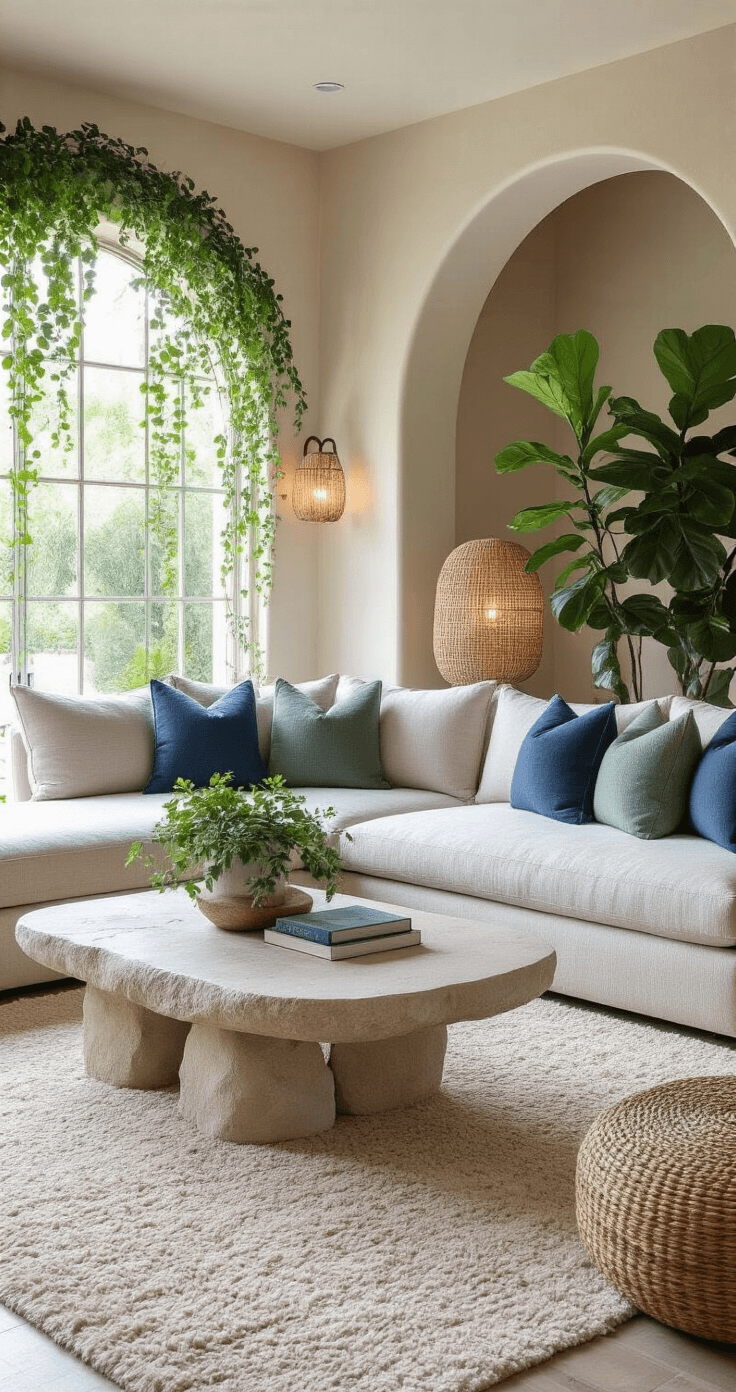
🌟 Steal This Look
- Paint Color: PPG Sandy Shore PPG1097-2
- Furniture: Low-profile teak or weathered gray sectional with deep, sink-in cushions in performance fabric; pair with a reclaimed wood coffee table on casters
- Lighting: Oversized woven rattan pendant or a cluster of three natural fiber pendants at varying heights
- Materials: Unsealed travertine or porcelain plank flooring that extends to patio, raw rattan, bleached oak, outdoor-rated linen, and brushed brass accents
There’s something almost rebellious about walking barefoot from your sofa straight onto warm patio stone without hitting a threshold—it’s the moment you stop performing ‘indoor living’ and just live.
The Materials That Won’t Betray You When Humidity Hits 90%
Florida’s climate is basically a torture test for furniture and finishes. I learned this after watching a beautiful wooden coffee table warp into something resembling a skateboard ramp.
Materials that actually survive:
Bamboo: Naturally moisture-resistant and sustainable. Grows faster than Florida’s afternoon storms roll in. Looks clean and modern without feeling cold.
Rattan and wicker: Made for tropical climates. Adds texture without weight. Doesn’t trap heat like upholstered pieces.
Linen and cotton textiles: Breathable fabrics that don’t feel clammy. Easy to wash when that inevitable humidity-smell develops. Casual enough for beach life, elegant enough for dinner parties.
Recycled glass and stone: Impervious to moisture. Adds sparkle and interest. Works for countertops, accent pieces, and accessories.
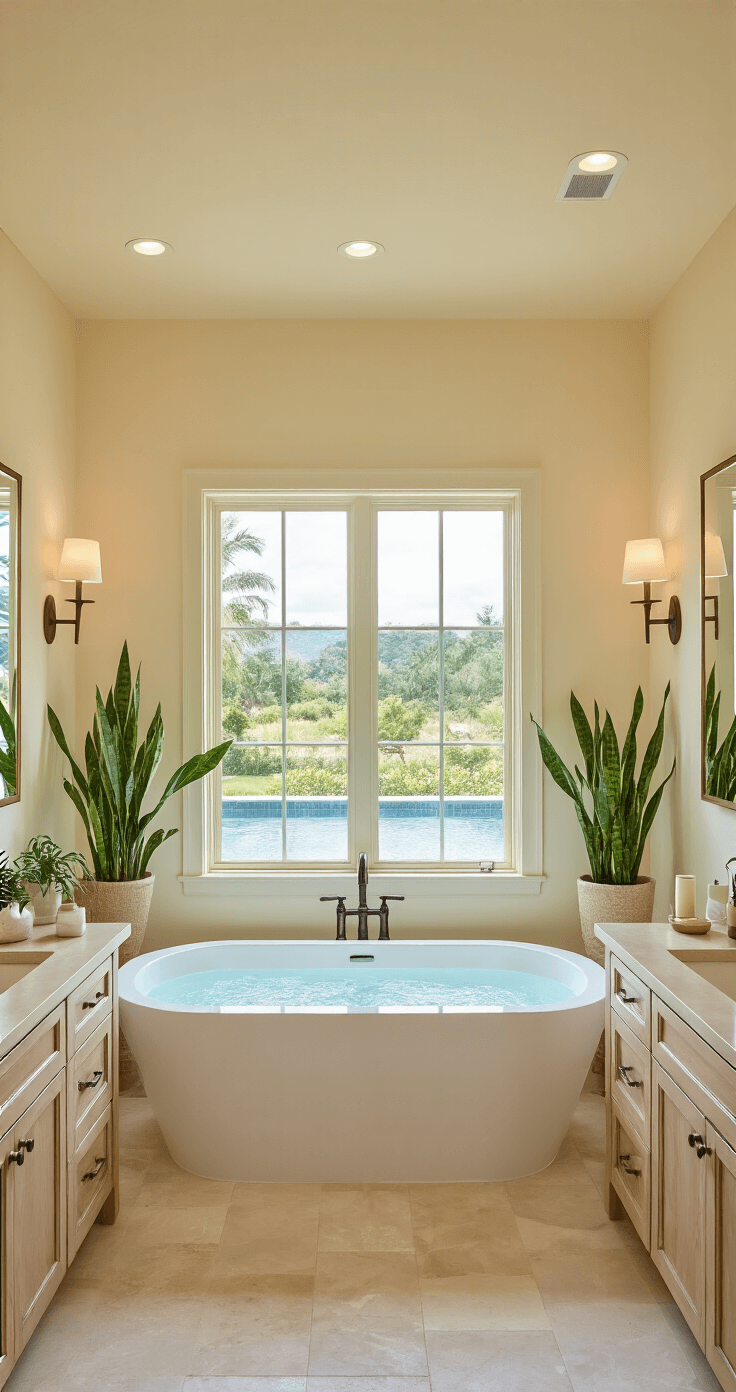
🏠 Steal This Look
- Paint Color: Dunn-Edwards Swiss Coffee DEW 341
- Furniture: bamboo platform bed with slatted headboard, rattan accent chairs with wide weave, stone-top console table with recycled glass base
- Lighting: rattan pendant cluster with natural fiber weave and brass hardware
- Materials: solid bamboo frames, handwoven rattan panels, Belgian linen upholstery, honed travertine surfaces, recycled seaglass accents
I’ve replaced three dressers in five years since moving to Naples, and the bamboo piece I bought in 2019 still sits perfectly square—it’s the first furniture decision I don’t regret.
Why Your Plants Are Actually the Cheapest Designers You’ll Ever Hire
Let’s talk about the elephant in the room—or rather, the Monstera.
Living plants do something no amount of expensive furniture can match: They make spaces feel alive.
I’m not suggesting you turn your home into a botanical garden (though if that’s your vibe, embrace it). But strategic plant placement transforms sterile rooms into spaces with personality and energy.
My go-to plants for Florida interiors:
Monstera deliciosa: Dramatic leaves that make a statement. Thrives in bright indirect light. Grows enthusiastically (sometimes too enthusiastically).
Palms (Areca, Parlor, or Majesty): Instant tropical vibes. Various sizes for different spaces. Natural air purifiers that actually do something.
**
This post may contain affiliate links. Please see my disclosure policy for details.
Want to keep this one?
We'll email you the link so you can find it again later.