Why Florida Takes Pool Safety So Seriously
Here’s the brutal truth: Florida has one of the highest child drowning rates in the country.
The state didn’t just wake up one day and decide to make your life difficult with regulations. Back in 2000, after too many heartbreaking accidents, lawmakers passed the Residential Swimming Pool Safety Act. Every parent’s worst nightmare became the catalyst for change.
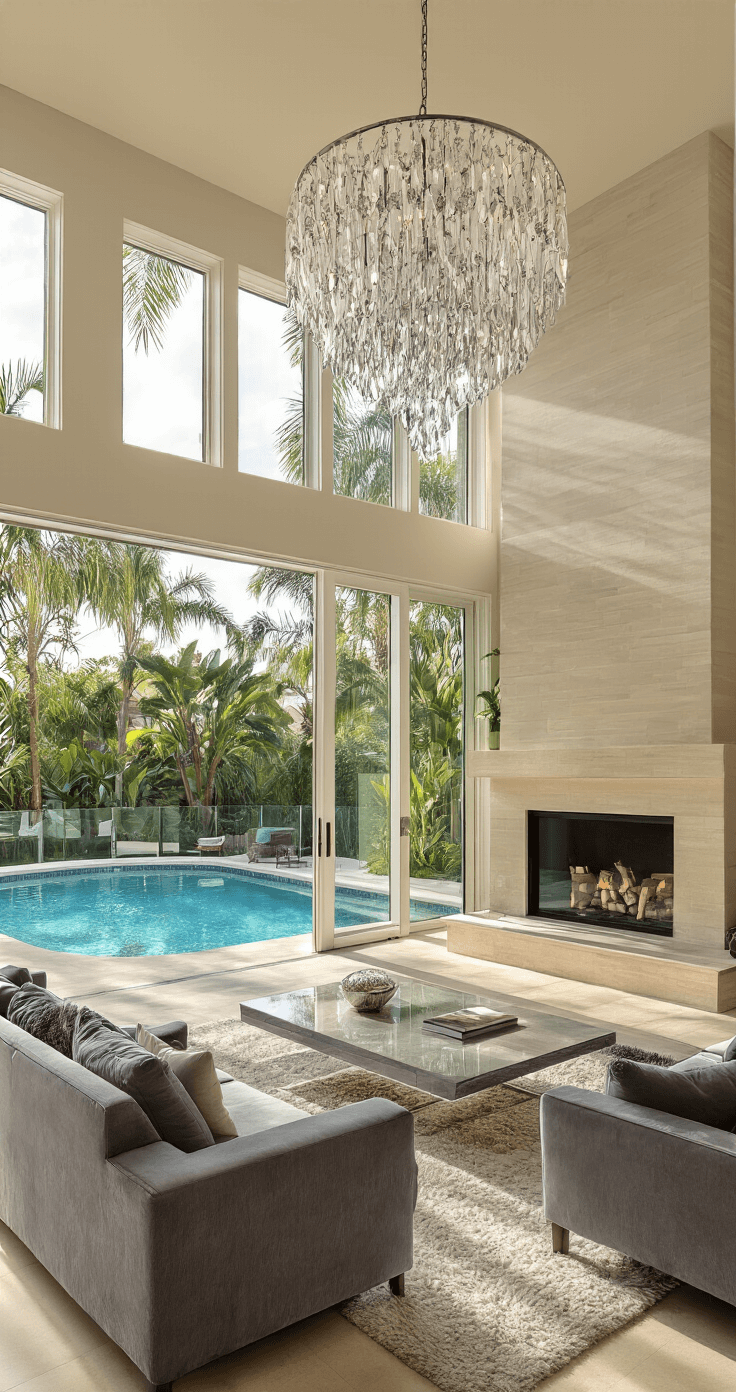
🏠 Steal This Look
- Paint Color: Sherwin-Williams Swimming SW 6764
- Furniture: weather-resistant poolside storage bench with built-in life vest organization and lockable chemical cabinet
- Lighting: motion-sensor LED pool fence post lights with automatic dusk-to-dawn activation
- Materials: powder-coated aluminum fencing with self-closing hinges, non-slip textured concrete pool deck, marine-grade stainless steel hardware
Every Florida pool owner I know carries the weight of that statistic somewhere in their chest—designing for safety isn’t about bureaucracy, it’s about being able to sleep through the night knowing your backyard won’t make tomorrow’s news.
What You’re Actually Required to Install
Florida pool laws mandate that every new residential pool, hot tub, or spa must have at least one approved safety feature before you can legally use it.
Not two months from now. Not when you get around to it. Before anyone takes their first dip.
Your Four Main Options
1. Pool Barrier or Fence (The Most Popular Choice)
I went with a pool safety fence for my own backyard, and here’s what you need to know:
- Minimum height: 4 feet tall (no cheating with 3-foot-11-inch fencing)
- Zero gaps large enough for a child to squeeze through or crawl under
- Self-closing gates that actually work (test them weekly)
- Self-latching mechanisms that engage every single time
The fence can wrap around just your pool or incorporate your existing property fence, as long as it meets every requirement.
Pro tip: Don’t use chain-link with large openings or horizontal rails that kids can climb like a jungle gym.
2. Safety Pool Cover
Not just any tarp thrown over the water. We’re talking about approved safety pool covers that meet ASTM F 1346 standards.
These covers must support weight without collapsing into the water. Think of them as a safety net that could literally save a life, not just keep leaves out.
3. Exit Alarms
Every door and window with direct pool access needs pool exit alarms that scream at 85 decibels minimum. That’s about as loud as a blender running at full speed.
Your neighbors might not love it, but it beats the alternative.
4. Self-Closing Door Devices
The release mechanism must sit at least 54 inches above the floor. That’s higher than most four-year-olds can reach, even standing on their tiptoes.
Pair these with childproof door locks for extra peace of mind.
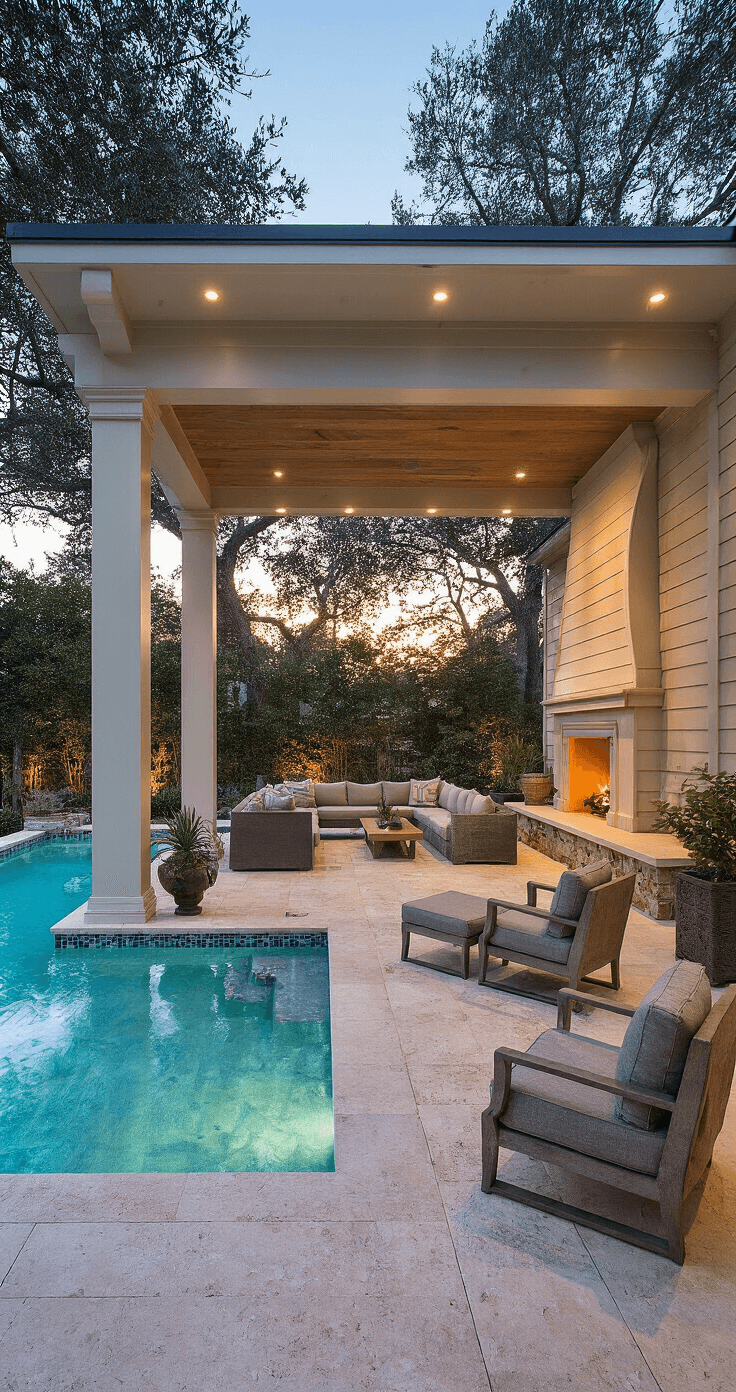
💡 Steal This Look
- Paint Color: Benjamin Moore White Heron OC-57
- Furniture: weather-resistant aluminum poolside storage bench with hydraulic lid for safety equipment
- Lighting: solar-powered LED fence post caps with dusk-to-dawn sensors
- Materials: powder-coated aluminum fencing, marine-grade stainless steel hardware, textured concrete pool deck
I’ve walked dozens of Florida backyards where homeowners initially resented the fence mandate, then admitted it became the architectural backbone that made their pool area feel finished and intentional rather than exposed.
The Mistakes That Cost People Money
Mistake #1: Assuming your regular fence counts
Your beautiful six-foot privacy fence around the property doesn’t automatically qualify unless it specifically surrounds the pool and meets all barrier requirements.
Mistake #2: DIY installations that don’t meet code
I’ve seen homeowners try to save money with creative fence solutions that inspectors reject immediately.
Save this article
Enter your email and we'll send it straight to your inbox.
Mistake #3: Thinking “I’ll add safety features later”
The law requires them before the pool is usable, not eventually.
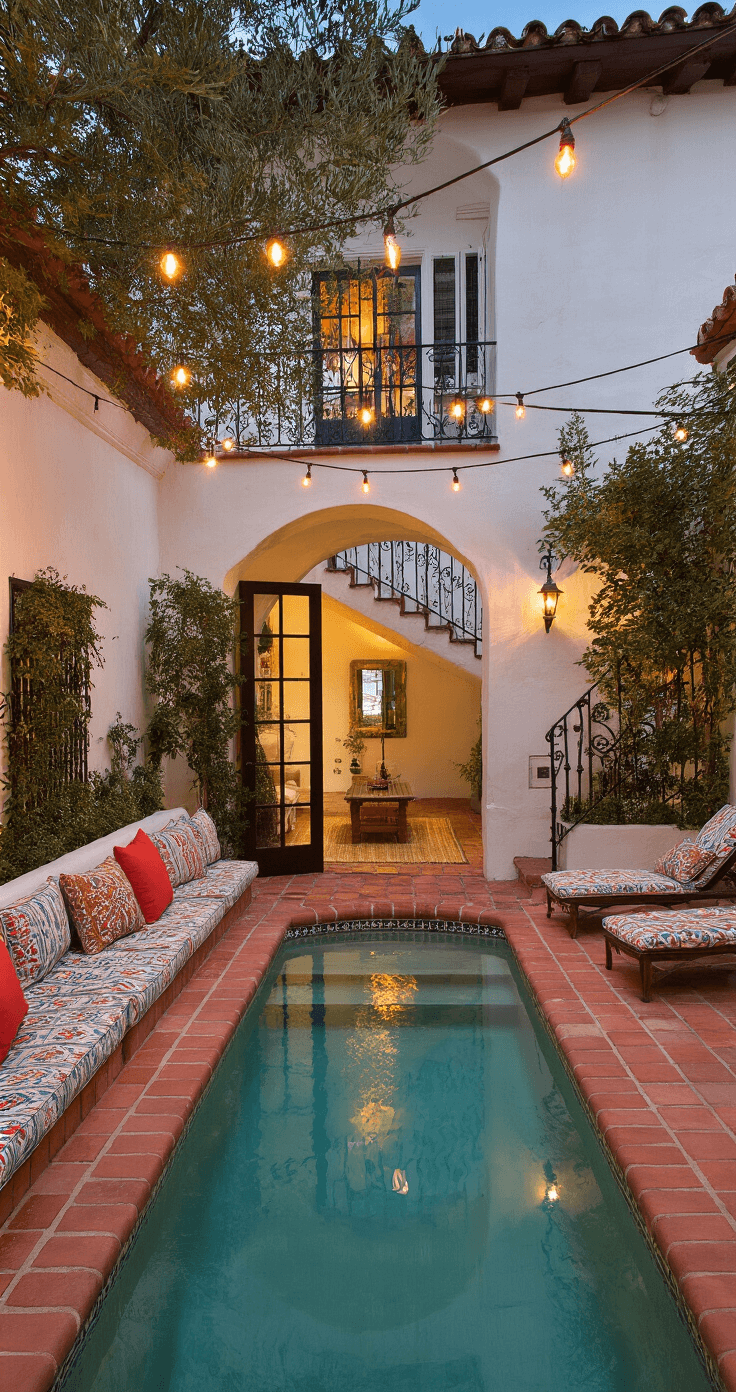
🖼 Steal This Look
- Paint Color: Farrow & Ball Off-Black No. 57
- Furniture: weathered teak storage bench with hidden pool equipment compartment
- Lighting: flush-mount marine-grade bulkhead light in aged brass
- Materials: powder-coated aluminum fencing, coral stone coping, marine-grade stainless steel hardware
I’ve walked too many backyards where homeowners stand defeated beside pools they can’t legally use, weeks into summer, because they trusted a contractor who ‘knew the area’ rather than the actual statute.
What Happens If You Ignore These Rules
Let’s talk consequences because they’re real. Skipping the required safety features equals a second-degree misdemeanor. That means up to $500 in fines.
But here’s the silver lining: Florida gives you a 45-day grace period to fix the violation after receiving notice.
- Install the required safety feature.
- Attend a drowning prevention education program.
- Possibly get the charges dismissed.
Still, why risk it?
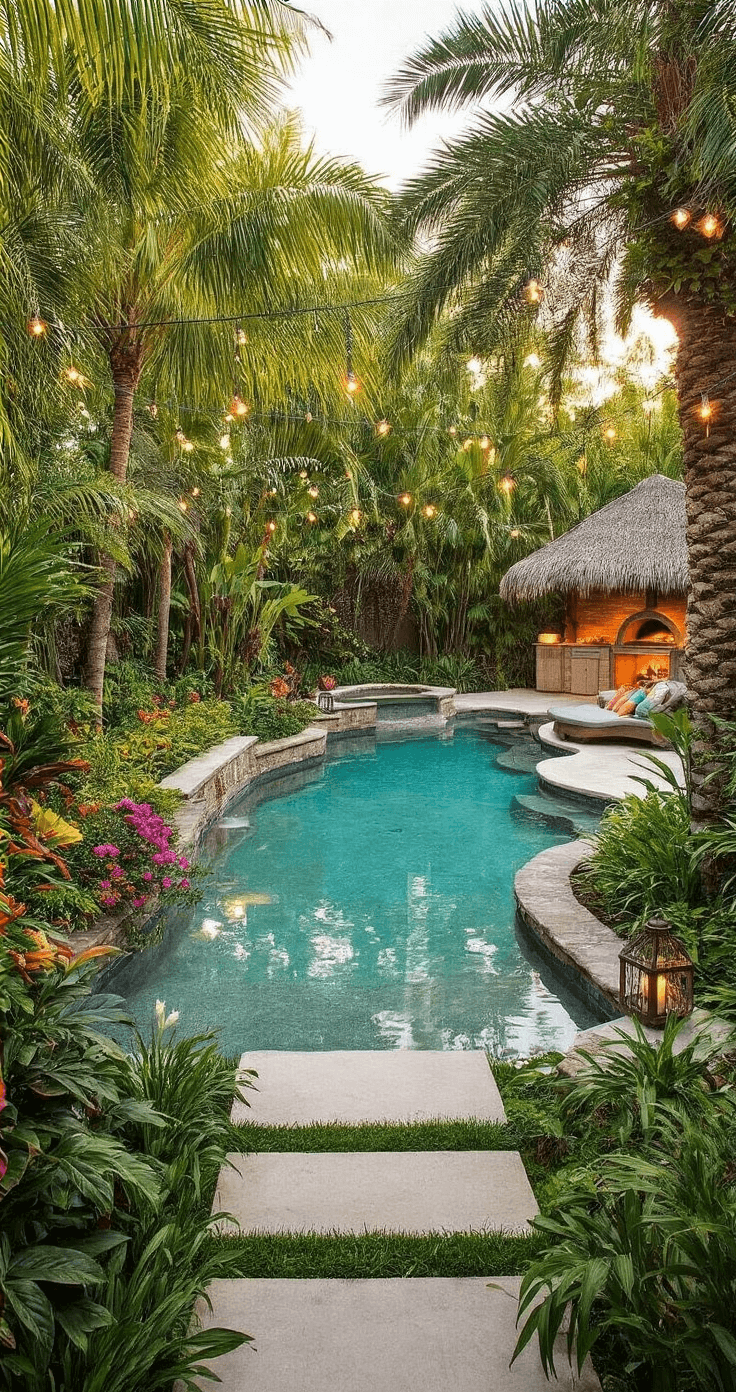
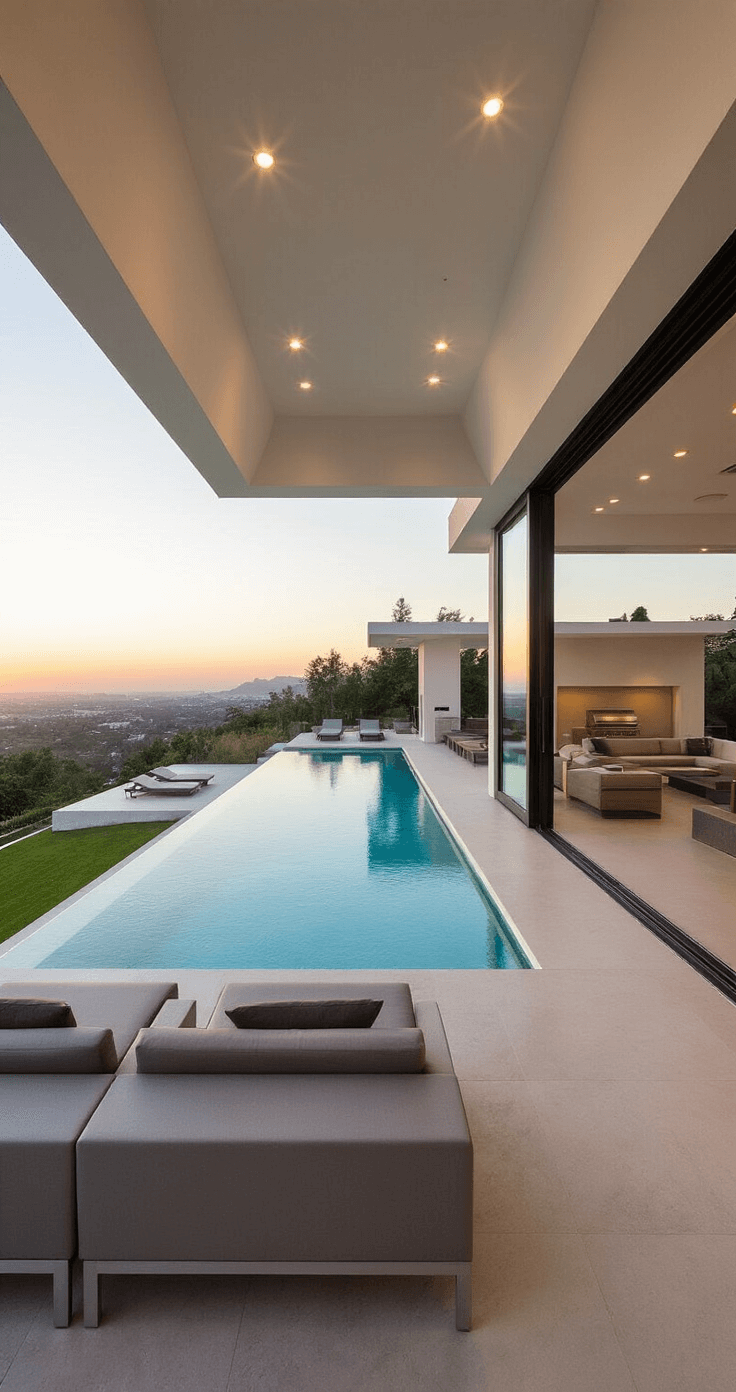
✎ Steal This Look
- Paint Color: Behr Ocean Abyss MQ5-53
- Furniture: weathered teak poolside storage bench with built-in towel hooks
- Lighting: solar-powered LED path lights with motion sensors along pool perimeter
- Materials: non-slip travertine pavers, marine-grade stainless steel hardware, UV-resistant outdoor fabrics
I’ve walked too many Florida backyards where homeowners scrambled to slap together compliant solutions after a violation notice, and the panic-installation always shows—plan these features into your original pool design and you’ll never dread that inspector visit.
Public Pools Have Even Stricter Requirements
If you’re opening a pool to the public—whether at an apartment complex, hotel, or community center—buckle up. Florida Building Code Chapter 454 demands:
- Rescue equipment: 16-foot rescue poles, 18-inch ring buoys, 50-foot throw lines
- Permanent depth markers: At least 4-inch lettering (no tiny fonts that require squinting)
- Safety lines where depths change dramatically
These aren’t suggestions. Inspectors check every single requirement.
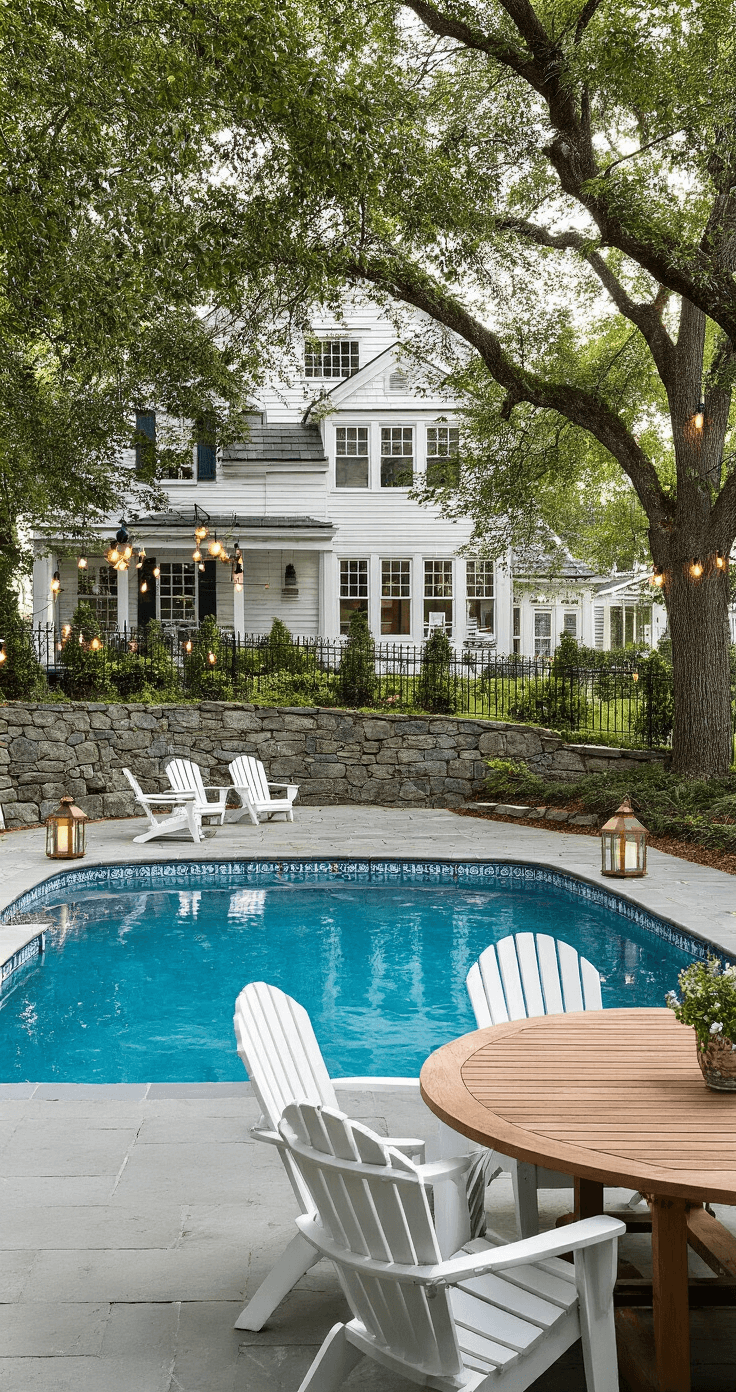
✎ Steal This Look
- Paint Color: Valspar Poolside Blue 5003-10B
- Furniture: weather-resistant aluminum loungers with antimicrobial mesh sling seating, commercial-grade poolside cabanas with retractable canopies
- Lighting: wet-location rated LED bollard lights with 3000K output, IP67 rated for submersion protection
- Materials: powder-coated aluminum frames, non-slip porcelain pavers, marine-grade stainless steel hardware, antimicrobial vinyl strap seating
I’ve walked commercial pool inspections where the smallest detail—a faded depth marker or rusted rescue pole bracket—delayed opening by weeks. The code feels overwhelming until you realize it’s designed to protect both guests and your liability exposure.
My Personal Wake-Up Call
Three years ago, I watched my friend’s toddler slip past everyone at a backyard party and head straight for the pool. We caught him in time, but those three seconds aged me five years.
That day, I stopped viewing Florida pool laws as annoying red tape and started seeing them as the lifesaving measures they actually are.
I installed a pool alarm system even though I already had a fence. Because one layer of protection is good. Two is better. Three lets me sleep at night.
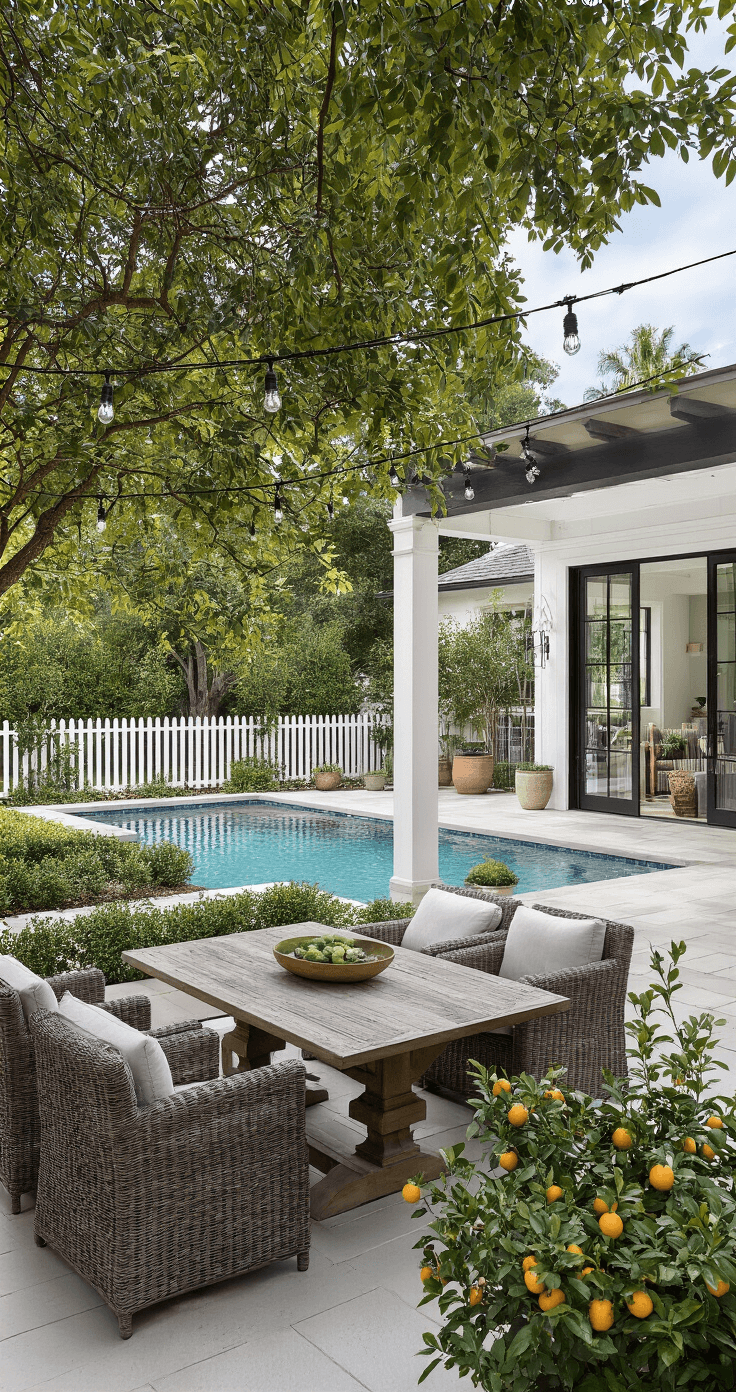
✎ Steal This Look
- Paint Color: PPG Delicate White PPG1001-1
- Furniture: weathered teak poolside storage bench with hidden compartment for safety equipment
- Lighting: low-voltage LED path lighting with motion sensors along pool perimeter
- Materials: textured non-slip porcelain pavers, marine-grade stainless steel hardware, tempered glass pool fencing with minimal black metal posts
This is the room where vigilance meets vulnerability—every Florida pool owner carries that same three-second memory, and designing with intentional protection lets you reclaim the joy of hosting without the undercurrent of anxiety.
The Bottom Line
Florida pool laws exist because pools are simultaneously wonderful and dangerous. Your backyard paradise shouldn’t become someone’s tragedy.
This post may contain affiliate links. Please see my disclosure policy for details.
Want to keep this one?
We'll email you the link so you can find it again later.