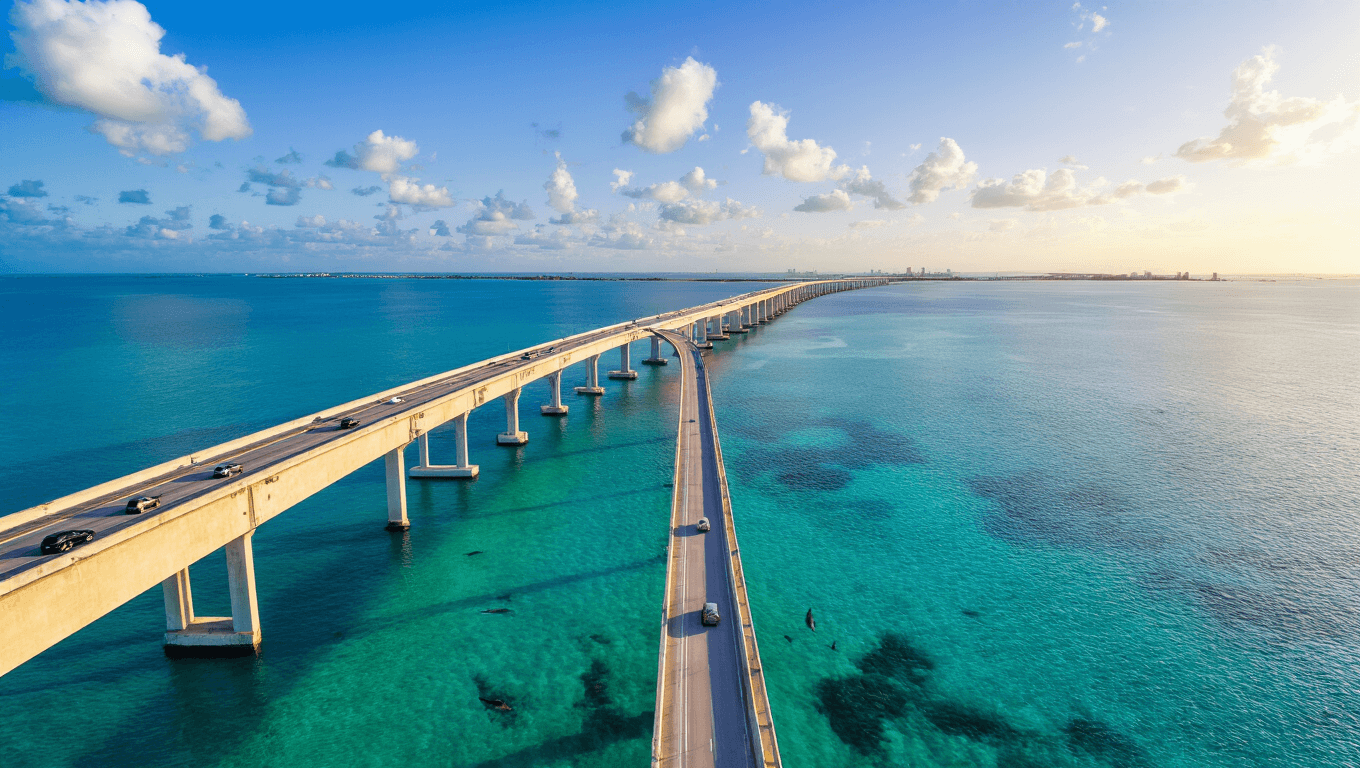
Taking a scenic drive on the Seven Mile Bridge feels like floating above the most stunning aquarium you’ve ever seen.
The water stretches endlessly in every shade of blue imaginable whilst you cruise along what locals call “the highway over paradise.”
But here’s what most tourists miss completely: this isn’t actually seven miles long, and the real magic happens when you get out of your car.
Why This Bridge Isn’t What You Think (And Why That Makes It Better)
The Seven Mile Bridge spans 6.7 miles between Knight’s Key in Marathon and Little Duck Key.
Part of the famous Overseas Highway (US Route 1), it connects the Middle Keys to the Lower Keys in Monroe County, Florida.
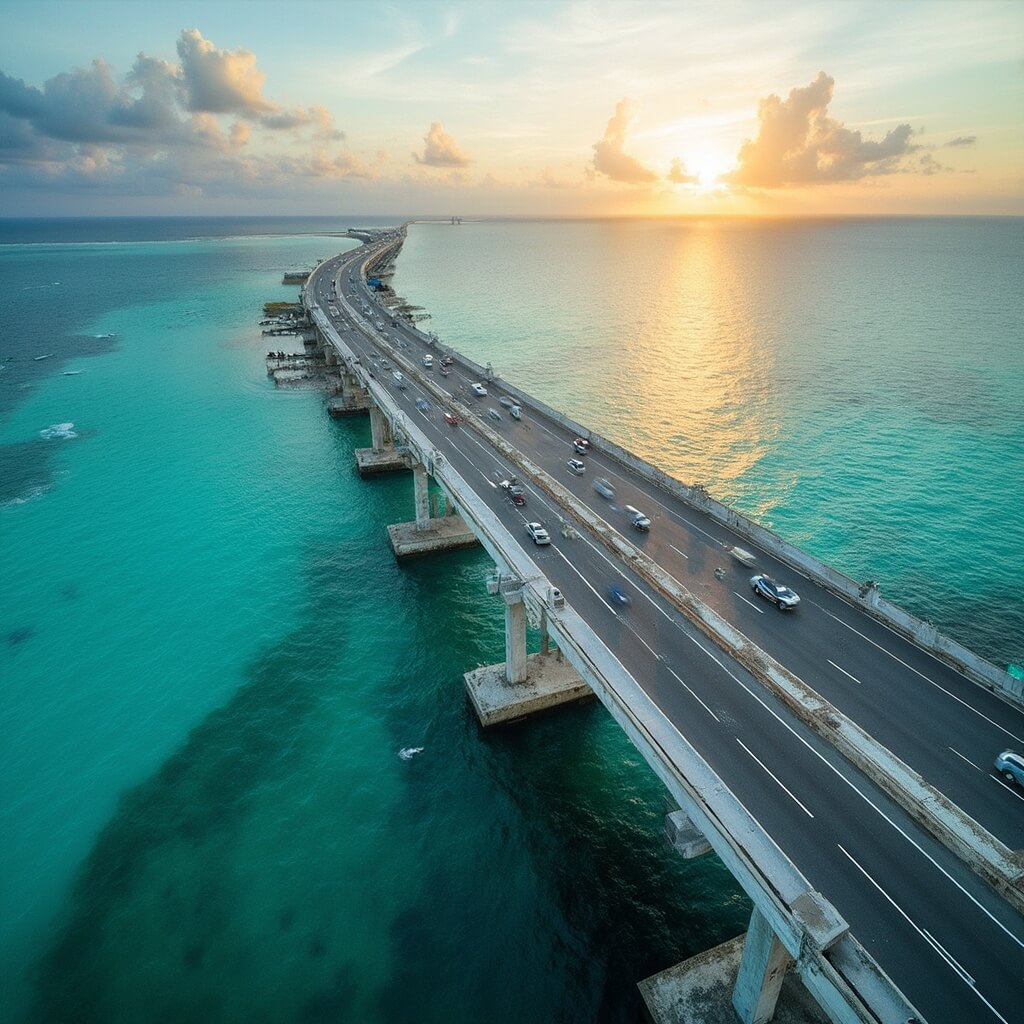
Most people think they’re driving one bridge, but you’re actually experiencing two incredible pieces of engineering history side by side.
The modern bridge opened in 1982 and handles all vehicle traffic today.
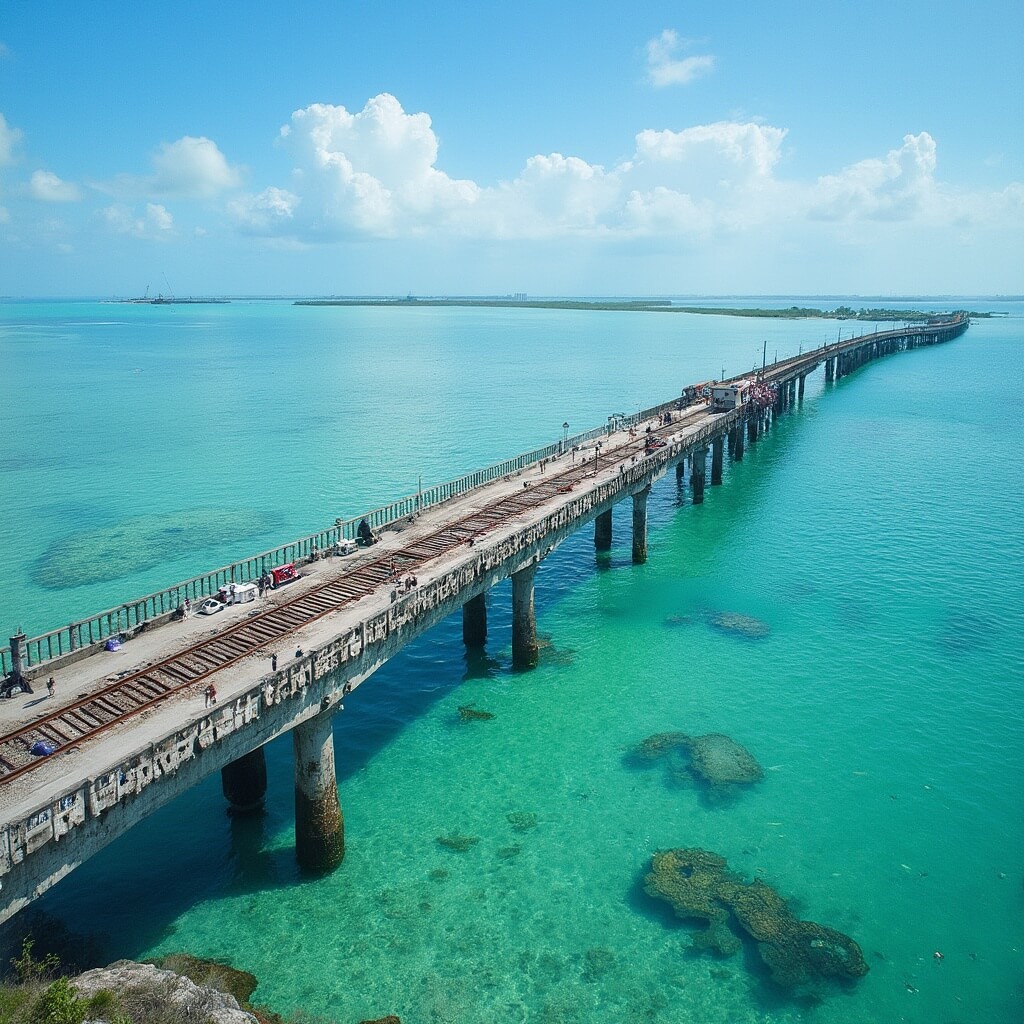
Running parallel is the historic “Old Seven Mile Bridge” – originally part of Henry Flagler’s Florida East Coast Railway from the early 1900s.
Locals called the original structure the “eighth wonder of the world” for good reason.
The bridge serves as your gateway between two worlds:
- The Gulf of Mexico on one side
- The Atlantic Ocean on the other
- Crystal-clear turquoise waters beneath
- Endless blue skies above
The Secret Timing That Transforms Your Seven Mile Bridge Experience
Most visitors show up at random times and wonder why their photos look flat.
I learned this lesson the hard way during my first visit on a cloudy Tuesday afternoon in 2019.
The water looked grey, traffic was heavy, and frankly, I didn’t understand the hype.
Fast forward to my sunrise drive six months later – completely different planet.
Here’s when the Seven Mile Bridge becomes pure magic:
Sunrise (6:30-8:00 AM):
- Vibrant blue ocean views with golden light
- Minimal traffic and crowds
- Prime parking availability at viewing spots
- Perfect conditions for photography
Golden Hour Window (11 AM – 3 PM):
- Intense sun creates the most vivid water colours
- Crystal-clear visibility to the ocean floor
- Multiple shades of blue visible simultaneously
Sunset (6:00-7:30 PM):
- Spectacular colour displays across the sky
- Romantic driving atmosphere
- Most popular photography destination time
The tidal timing matters more than you’d expect. Time your visit with changing tides for the bluest water possible.
Pro tip: Mid-week visits beat weekends every single time. Weekend traffic can turn your peaceful drive into a crawling parking lot.
How to Drive the Modern Seven Mile Bridge Like a Local
The speed limit varies between 35-55 mph depending on the section. Don’t rush this – you’ll miss everything spectacular happening around you.
Lane selection makes a massive difference:
- Westbound lane: Perfect for sunset views
- Eastbound lane: Ideal for sunrise photography
- Both directions offer incredible panoramic ocean views
Wind conditions can surprise you, especially in larger vehicles. Keep both hands on the wheel and expect crosswinds.
The drive takes roughly 10 minutes at normal speed, but smart visitors plan for much longer.
You’ll want to stop, stare, and capture what you’re seeing.
Vehicle recommendations for maximum enjoyment:
- Convertibles: Enhanced sensory experience with sea breeze
- SUVs: Better stability in wind conditions
- Any vehicle: The views are stunning regardless
Watch for marine life while driving – dolphins frequently appear near mile marker 40.
I’ve spotted sea turtles, rays, and even small sharks during clear water days.
Photography hotspots you can’t miss:
- Mile Marker 47.5 (Marathon/Knight’s Key side)
- Mile Marker 45 (scenic pull-offs available)
- Any spot with clear sightlines to the old bridge
The contrast between the modern highway bridge and the historic parallel structure creates incredible photo opportunities.
The Historic Old Seven Mile Bridge Secret Most Tourists Never Discover
Here’s where most people make their biggest mistake: they drive across and leave.
The historic Old Seven Mile Bridge offers a completely different experience that’s actually better than driving.
This 2.2-mile pedestrian and cycling pathway connects Marathon to the historic Pigeon Key.
No cars allowed – just you, incredible 360-degree water views, and the sound of waves.
Access points and what to expect:
- Marathon side entry (limited parking available)
- Flat, easy walking surface
- Round trip distance: 4 miles total
- Time needed: 1-2 hours depending on pace
I walked this bridge on a calm morning in March 2022 and couldn’t believe what I’d been missing.
The perspective from pedestrian level reveals details invisible from a car window.
You can see straight down through crystal-clear water to the ocean floor.
Fish swim beneath your feet whilst seabirds soar overhead.
The walking experience includes:
- Lovely flat pathway with no challenging terrain
- Minimal shade (bring sun protection)
- Pet-friendly for well-behaved dogs
- Family-friendly for all fitness levels
Cycling opportunities:
- Dedicated bike lanes separate from pedestrian traffic
- Flat terrain perfect for casual cyclists
- Bike rentals available in nearby Marathon
The old bridge renovation cost $44 million and shows in every detail. This isn’t a rickety old structure – it’s a beautifully maintained linear park over the ocean.
Why Pigeon Key Changes Everything About Your Seven Mile Bridge Visit
Two miles into the old bridge walk, you’ll reach Pigeon Key – a tiny historic island most people never hear about.
This preserved railroad work camp tells the story of how Flagler’s impossible dream became reality.
Save this article
Enter your email and we'll send it straight to your inbox.
Pigeon Key highlights:
- Historic railroad camp turned tourist attraction
- Visitor centre with fascinating exhibits
- Self-guided tours available ($12 per person)
- Incredible photo opportunities
The island showcases original buildings where railway workers lived during the bridge’s construction.
You’ll understand why people called this project impossible when you see the engineering challenges they faced.
What makes Pigeon Key special:
- Accessible only via the old bridge walk
- Historic interpretation of the Flagler era
- Peaceful island atmosphere
- Educational exhibits about railroad history
The key offers a perfect rest stop during your bridge walk. Bring water and snacks – there are no facilities on the bridge itself.
The Marine Life Show Happening Right Beneath Your Feet
The Seven Mile Bridge sits above some of Florida’s clearest waters. Multiple shades of blue create a natural aquarium effect that changes throughout the day.
Marine wildlife you’re likely to spot:
- Dolphins: Most common near mile markers 40-42
- Sea turtles: Especially during warmer months
- Rays and small sharks: Visible in shallow, clear areas
- Tropical fish: Schools visible from the bridge
- Seabirds: Pelicans, herons, and osprey
The Gulf of Mexico and Atlantic Ocean meet in this area, creating unique water conditions.
On clear days, you can see straight down to the ocean floor from both the driving bridge and walking path.
Best viewing conditions:
- Clear, sunny days for water transparency
- Calm wind conditions for smooth water surface
- Mid-day sun for maximum light penetration
- Low tide periods for clearer visibility
I’ve watched dolphin pods hunt fish while standing on the old bridge. The elevation gives you a perfect viewing angle for marine behaviour you’d never see from ground level.
Now that you understand the basics of timing, driving, and walking options, you’re ready to discover the practical secrets that separate amateur visitors from those who truly experience everything this remarkable bridge offers.
For more on Florida road trips, you might ride the Key West Conch Train or try conch fritters in Key Largo.
👇Find The Cheapest Flights To Anywhere Here👇
The Photography Secrets That Turn Your Seven Mile Bridge Photos From Amateur to Stunning
Most people snap a few quick shots through their car window and wonder why their photos look nothing like the postcards. The difference lies in understanding light, timing, and positioning that most tourists completely ignore.
During my fourth visit to the bridge, I finally cracked the code for capturing the shots that make people stop scrolling.
Equipment that actually matters:
- Smartphone: Perfectly adequate for spectacular shots
- Polarizing filter: Cuts water glare and intensifies colours
- Drone: FAA-compliant flights create incredible aerial perspectives
- Tripod or stabilization: Essential for moving vehicle shots
Prime photography locations ranked by quality:
1. Old Seven Mile Bridge pedestrian section (Grade A+):
- Unlimited time for perfect shot composition
- 360-degree viewing angles without traffic
- Close-up water clarity shots possible
- Zero vehicle vibration or movement
2. Knight’s Key/Marathon side at sunrise (Grade A):
- Golden hour lighting transforms water colours
- Eastern light illuminates the bridge structure
- Minimal traffic for clean shots
3. Little Duck Key side at sunset (Grade A):
- Western light creates dramatic sky colours
- Silhouette opportunities with bridge structure
- Romantic lighting conditions
4. Mile Marker 45 scenic overlooks (Grade B+):
- Safe pull-off areas available
- Side-angle bridge perspectives
- Good for comparative old vs. new bridge shots
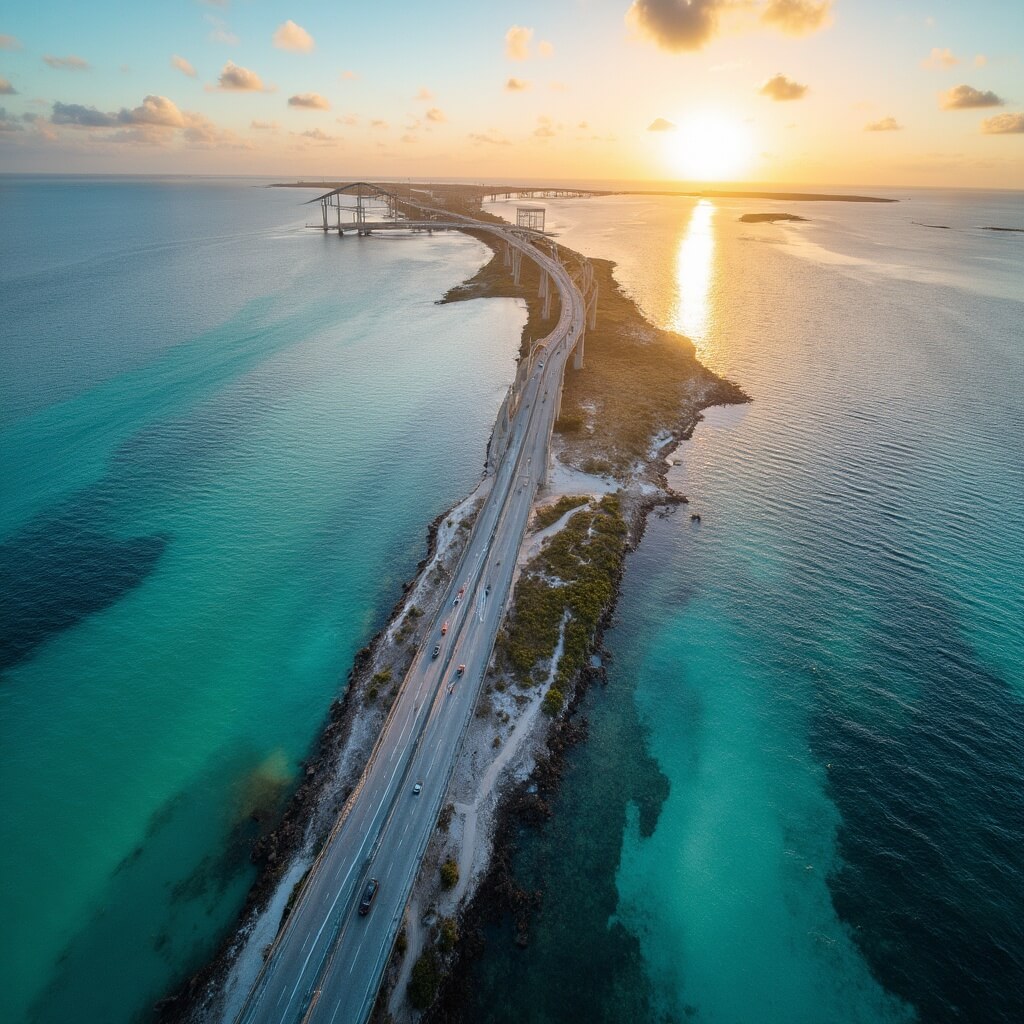
Drone photography game-changers:
- Overhead S-curve visualization of the bridge
- Side-by-side comparison shots of old and new structures
- Surrounding water colour gradients from above
- Marine wildlife spotting from aerial perspective
The FAA requires drone compliance in this area. Check current regulations and respect altitude restrictions.
Pro photographer timing secrets:
- Arrive 30 minutes before optimal light
- Scout locations during mid-day for evening shoots
- Monitor weather apps for clear sky predictions
- Plan multiple angles during single visits
Why Most Visitors Miss the Best Parts (And How to Fix That)
The biggest mistake I see people make is treating the Seven Mile Bridge like a highway checkpoint instead of a destination. They drive across, maybe snap a photo, and head to Key West. This approach misses roughly 80% of what makes this place extraordinary.
Seven Mile Bridge Reviews and Visitor Information
The complete Seven Mile Bridge experience includes:
Phase 1: The Drive (30 minutes total):
- Cross modern bridge slowly with photography stops
- Observe marine life through clear sections
- Stop at designated pull-offs for photos
- Notice engineering details and historical context
Phase 2: The Walk (1-3 hours):
- Park near old bridge Marathon access
- Walk or bike the 2.2-mile historic structure
- Explore Pigeon Key historic site
- Experience 360-degree water views
Phase 3: The Discovery (Additional time):
- Visit nearby Bahia Honda State Park (15 minutes south)
- Explore Marathon city amenities
- Plan return visits for different seasonal conditions
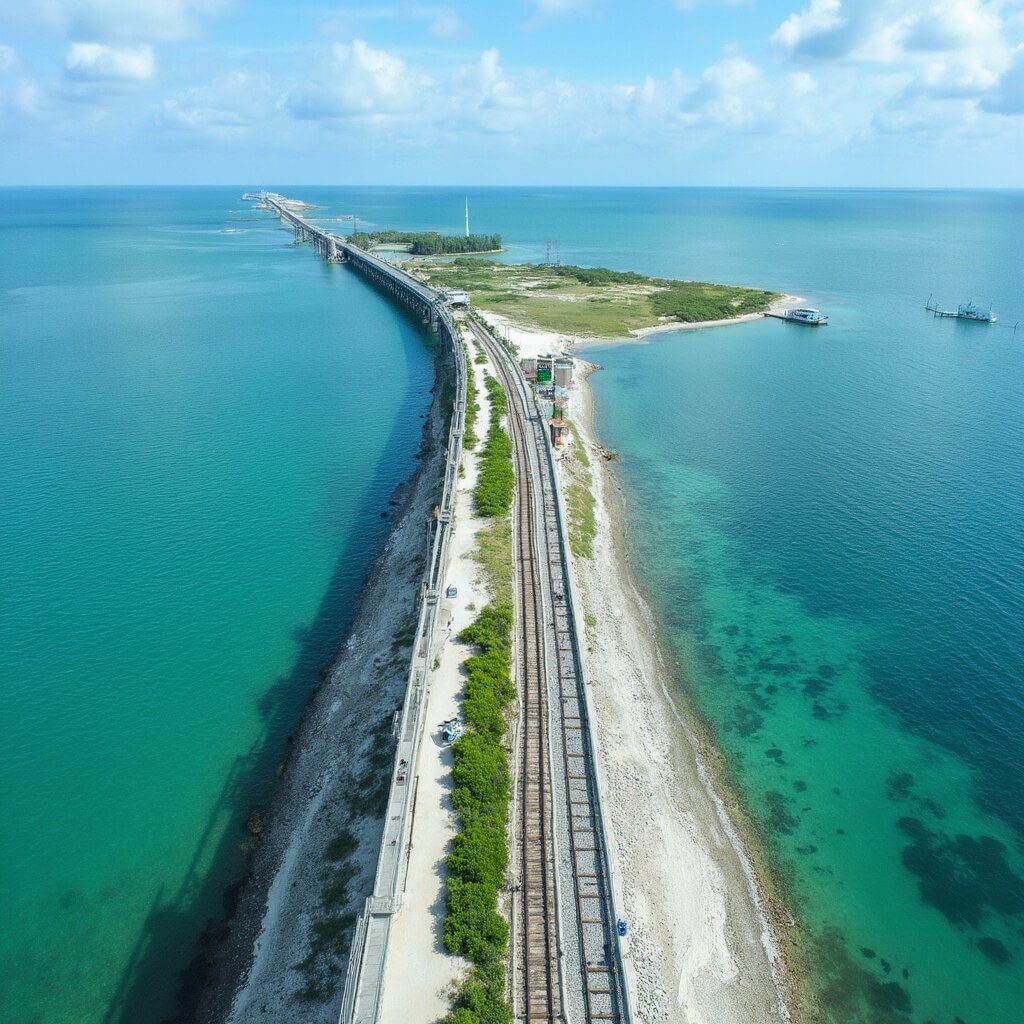
Common visitor feedback patterns:
- First-time visitors: Amazed by driving experience but wish they’d known about walking option
- Return visitors: Focus more time on old bridge and Pigeon Key
- Photography enthusiasts: Plan entire days around optimal lighting
- History buffs: Spend significant time understanding Flagler railway story
The Seasonal Secrets That Completely Transform Your Experience
Living in South Florida taught me that the Seven Mile Bridge presents completely different personalities throughout the year. Each season offers distinct advantages that most guides never mention.
Take a Breathtaking Drive on the Iconic Seven Mile Bridge
Winter months (December-February):
- Clearest water visibility of the year
- Comfortable walking temperatures
- Peak tourism means heavier traffic
- Strongest winds but most stable weather
Spring months (March-May):
- Perfect balance of weather and crowds
- Moderate temperatures for extended walking
- Sea turtle season begins
- Excellent photography conditions
Summer months (June-August):
- Hottest temperatures but longest days
- Hurricane season requires weather monitoring
- Early morning visits become essential
- Intense sun creates vivid water colours
Fall months (September-November):
- Hurricane season continues through November
- Warm water temperatures for marine life
- Fewer crowds as tourism decreases
- Variable weather patterns
Weather considerations that matter:
- Wind speed affects driving comfort and safety
- Tidal timing impacts water clarity and colour
- Cloud cover dramatically changes photography opportunities
- Rain squalls can develop quickly in tropical climate
Hurricane season reality check:
Bridge closures can occur during severe weather events. Monitor weather forecasts during June through November visits.
The Hidden Costs and Budget Realities Nobody Talks About
The Seven Mile Bridge drive itself costs nothing beyond fuel, but the complete experience involves several potential expenses most people don’t anticipate.
Breakdown of potential costs:
Free experiences:
- Driving across the modern bridge
- Basic photography from pull-off areas
- Walking the old bridge pedestrian section
- Self-guided exploration and marine life viewing
Paid experiences:
- Pigeon Key self-guided tour: $12 per person
- Parking fees (limited locations): $5-10 per day
- Bike rentals in Marathon: $25-40 per day
- Professional drone photography permits: Variable
Hidden expenses to consider:
- Fuel costs for multiple trips (perfecting photography timing)
- Food and beverages (no facilities on bridges)
- Sun protection supplies (sunscreen, hats, water)
- Camera equipment or phone accessories
Budget-friendly strategies:
- Visit during off-peak seasons for lower accommodation costs
- Pack your own food and water for extended visits
- Use smartphone cameras instead of professional equipment
- Combine with other Florida Keys attractions for value
Time investment reality:
- Quick drive-through: 30 minutes total
- Photography-focused visit: 2-3 hours
- Complete experience with walking and Pigeon Key: 4-6 hours
- Multiple visits for different conditions: Full day
The Local Knowledge That Changes Everything About Your Visit
After dozens of bridge crossings over five years, I’ve learned insider secrets that no guidebook teaches.
Local traffic patterns:
- Weekday mornings (7-9 AM): Lightest traffic
- Weekend afternoons: Heaviest congestion
- Holiday weekends: Avoid entirely if possible
- Weather-dependent closures: Monitor local news
Parking secrets locals use:
- Arrive before 8 AM for guaranteed parking at Marathon access
- Mid-week parking easier than weekends
- Limited spaces fill quickly during peak season
- Alternative parking in Marathon city with short walk
Marine life behavior patterns:
- Dolphins most active during tidal changes
- Sea turtles surface more frequently in warmer months
- Bird activity peaks during early morning hours
- Fish schools more visible during high tide periods
Weather reading skills:
- Morning calm water indicates good photography day
- Afternoon thunderstorms common during summer months
- Wind direction affects which side of bridge offers better views
- Clear water days often follow windy weather that stirs sediment
Safety considerations locals emphasize:
- Strong winds can affect larger vehicles
- Sun exposure more intense than expected due to water reflection
- Hydration needs increase significantly during walking activities
- Emergency services limited on the bridge itself
Why This Bridge Represents More Than Just a Scenic Drive
Understanding the Seven Mile Bridge means grasping why Henry Flagler’s Florida East Coast Railway represented one of America’s most audacious infrastructure projects. During the early 1900s, connecting the Florida Keys to the mainland seemed physically and financially impossible.
Engineers called Flagler’s vision “Flagler’s Folly” because the technical challenges appeared insurmountable. The original railroad bridge required building across open ocean, through hurricane zones, using early 20th-century technology. Workers lived in camps like Pigeon Key, facing dangerous conditions, tropical diseases, and extreme weather.
When the 1935 Labor Day Hurricane destroyed sections of the original railroad, the infrastructure became the foundation for the modern highway system.
Historical significance layers:
- Engineering marvel: Demonstrating American infrastructure ambition
- Economic impact: Opening tourism development throughout the Florida Keys
- Cultural bridge: Connecting island communities to mainland resources
- Transportation evolution: From railroad to automobile highway system
Modern relevance:
The current bridge system handles thousands of daily crossings, supporting tourism, commerce, and emergency services for the entire Lower Keys region. Hurricane evacuation routes depend on this bridge remaining operational during storm seasons. Economic activity throughout Key West and the Lower Keys relies on reliable transportation access.
Preservation efforts:
The $44 million renovation of the old bridge demonstrates commitment to preserving this engineering heritage while adapting for modern recreational use. Pigeon Key historical preservation educates visitors about the human cost and achievement of the original construction.
The Return Visit Factor That Hooks People Forever
Something about the Seven Mile Bridge creates a magnetic pull that brings people back repeatedly. I’ve met visitors on their tenth trip who still discover new aspects they’d never noticed.
What drives return visits:
- Seasonal variations: Different weather creates completely different experiences
- Photography perfection: Chasing optimal lighting conditions becomes addictive
- Deeper exploration: Initial visits often focus on driving; return visits explore walking and history
- Sharing experiences: Bringing friends and family to share the discovery
Progressive discovery pattern:
- First visit: Focus on driving experience and basic photography
- Second visit: Explore old bridge walking and Pigeon Key
- Third visit: Optimize timing for photography and marine life observation
- Ongoing visits: Seasonal variations and sharing with others
Integration with broader Florida Keys experiences:
The Seven Mile Bridge serves as a gateway experience that often leads visitors to explore the entire Keys region more deeply. Bahia Honda State Park, just 15 minutes south, offers world-class beaches and camping. Key West, another hour south, provides the cultural and historic destination that draws millions annually. Marathon offers fishing, diving, and island community experiences.
Long-term visitor relationships:
Many people build annual traditions around Seven Mile Bridge visits. Some plan photography trips during optimal seasonal conditions. Others use the bridge as a meditation and reflection space. Families create generational memories by introducing children and grandchildren to this remarkable place.
The Seven Mile Bridge transforms from a simple scenic drive into a profound connection point between human engineering achievement and natural beauty that defines the unique character of the Florida Keys. Taking a scenic drive on the Seven Mile Bridge offers an experience that evolves with every visit, revealing new layers of natural beauty, historical significance, and photographic opportunity that make it one of America’s most remarkable scenic drives.
👇Ready To Book Your Trip?👇
This post may contain affiliate links. Please see my disclosure policy for details.
Want to keep this one?
We'll email you the link so you can find it again later.