Planning a Backyard
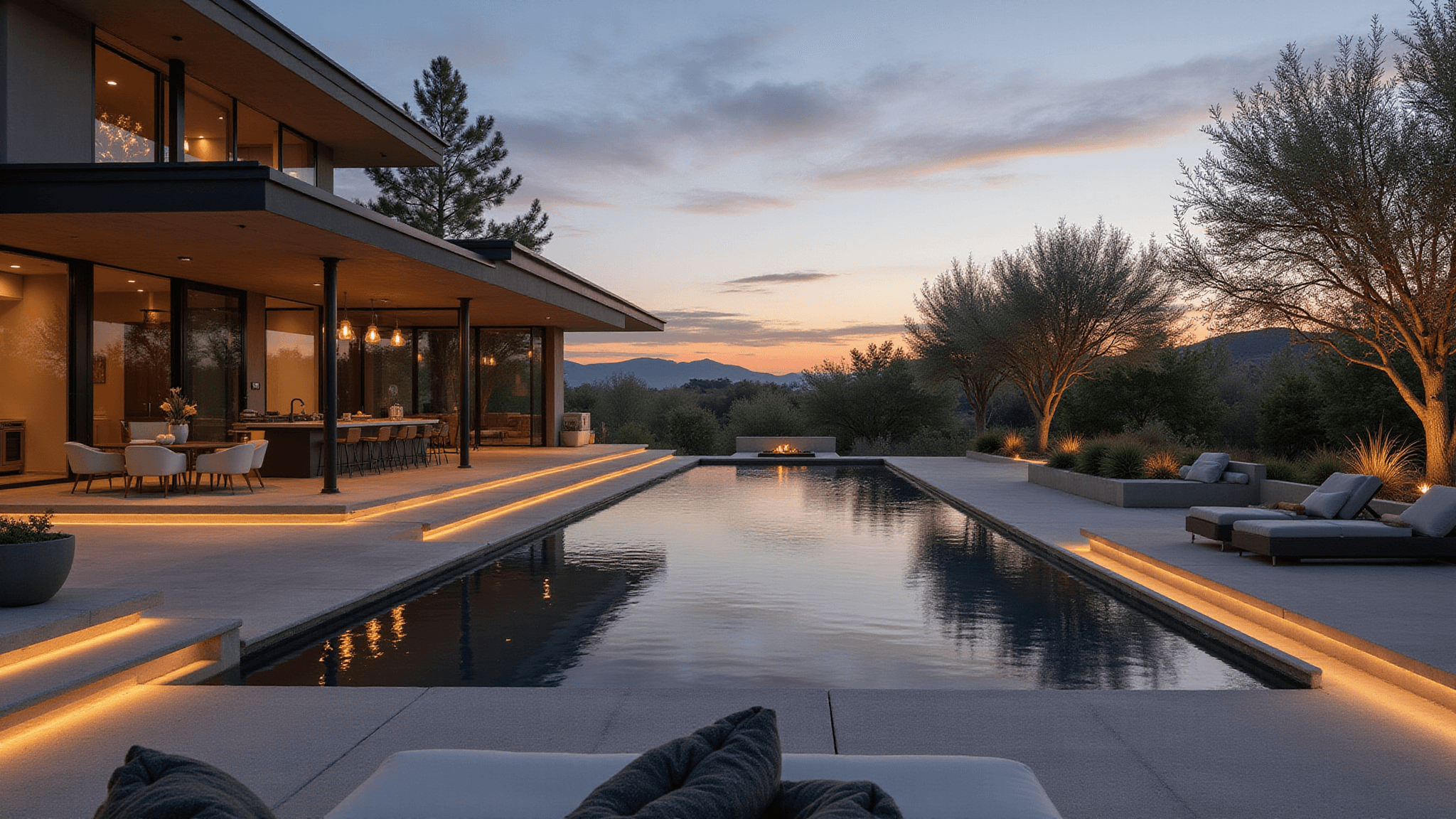
A backyard works best when you split it into zones: one for cooking, one for seating, and one for planting. That keeps the space usable rather than one open lawn.
Why Bother
An unused lawn is wasted space. A few defined areas make the yard easier to use for meals, rest, and entertaining.
Layout
Space Planning
Start by mapping how you want to use the yard, then set zones around that.
Key Zoning Strategies:
- Create distinct activity zones
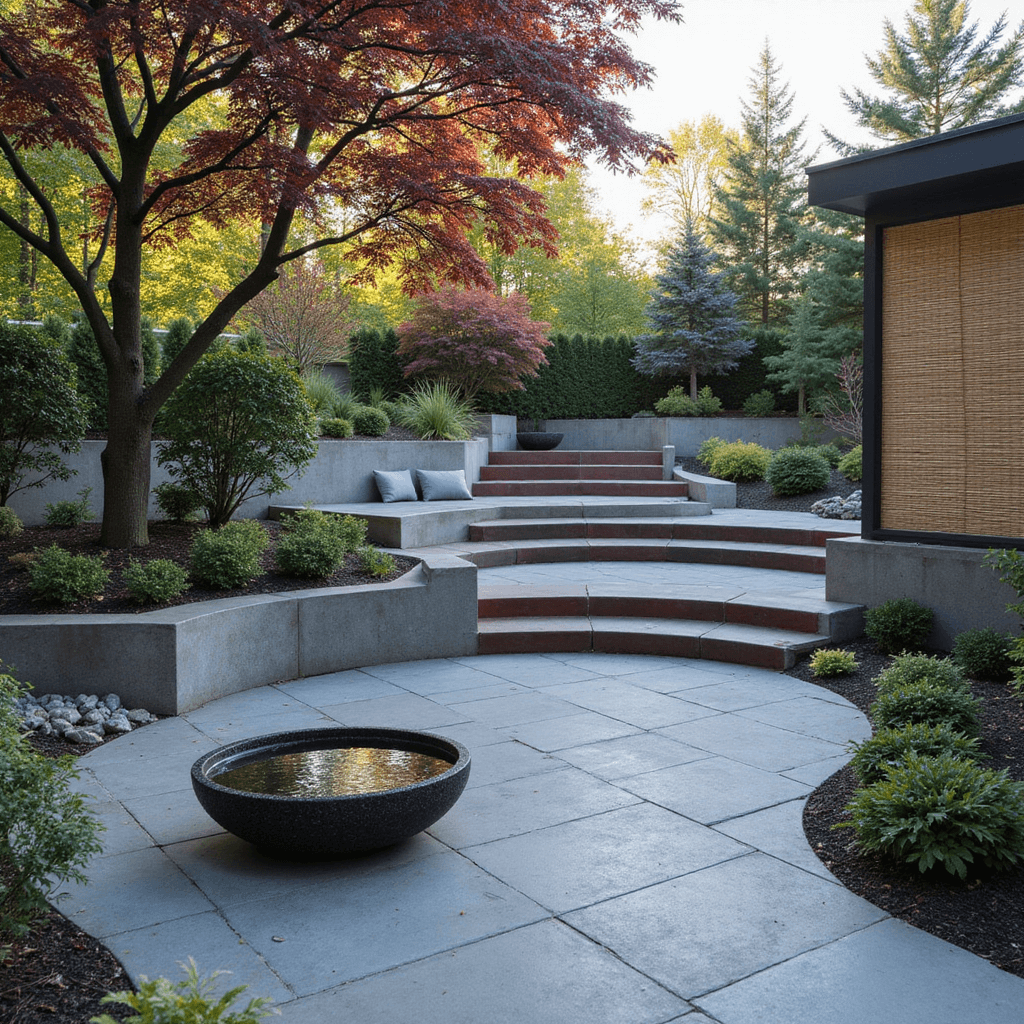
- Use levels and landscape design to define spaces
- Balance use with looks
Key Elements
1. Cooking Area
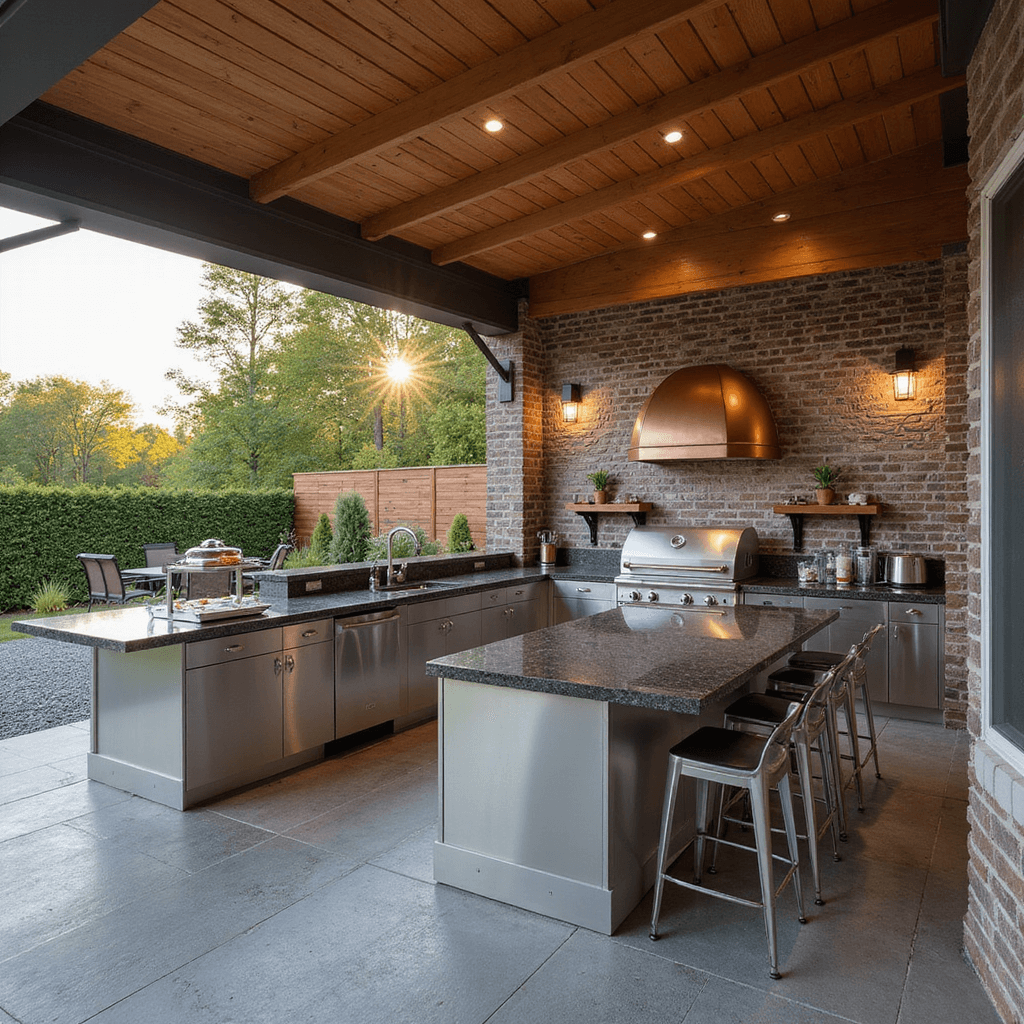
An outdoor cooking area saves trips to the kitchen when you entertain.
Outdoor kitchen basics:
- Built-in grill station
- Prep counter with storage
- Weather-resistant appliances
- Comfortable seating area
2. Seating
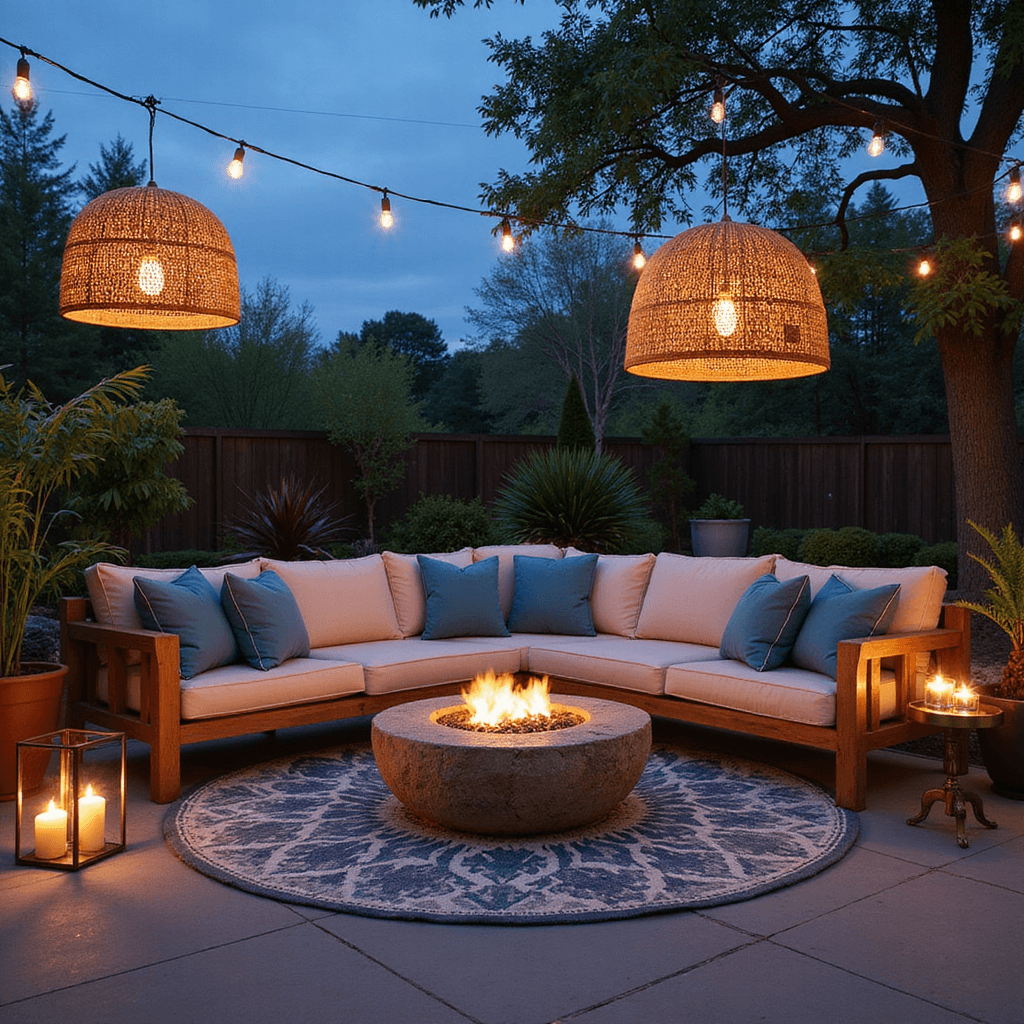
Choosing seating:
- Invest in quality, weather-resistant furniture
- Mix textures and materials
- Create multiple conversation areas
- Add plush outdoor cushions and throws
3. Lighting
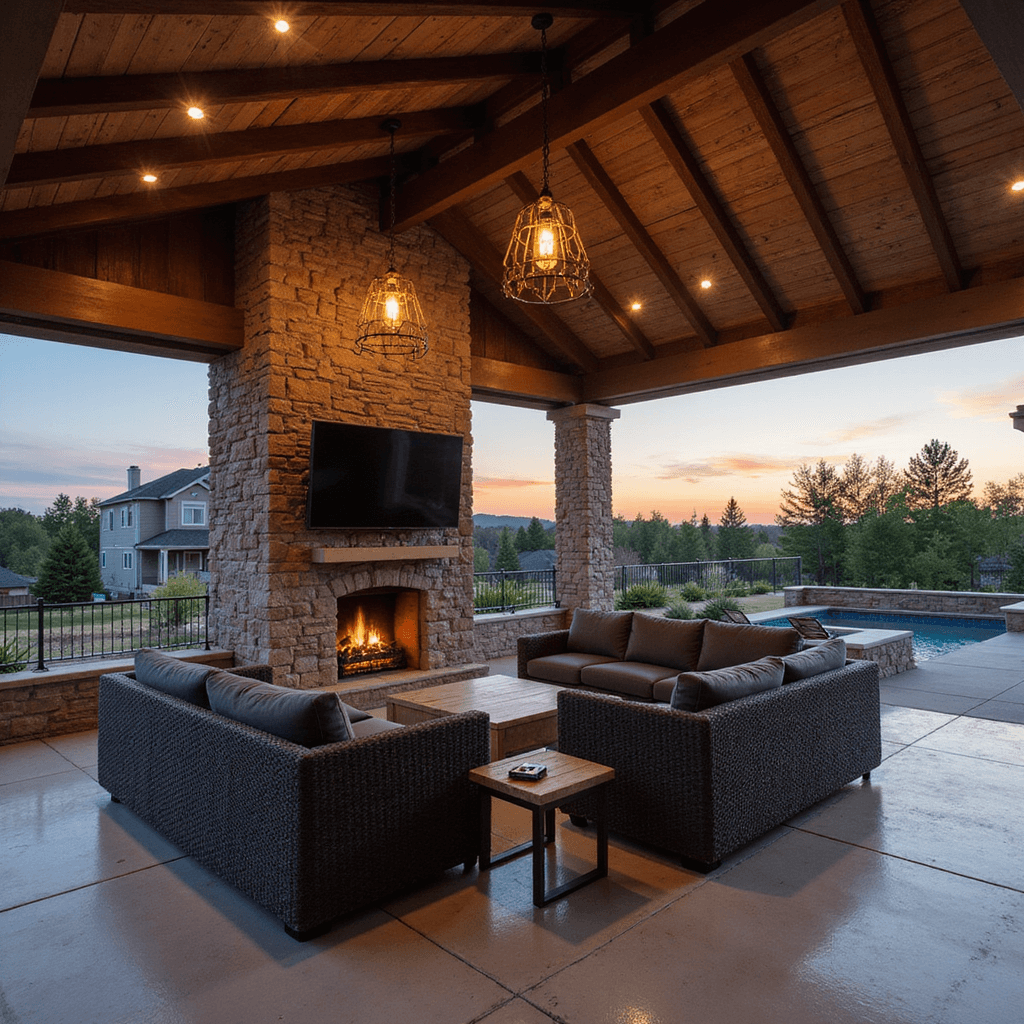
Lighting extends how late you can use the yard.
Lighting tips:
- Layer lighting types
- Use solar and LED options
- Create depth with strategic placement
- Consider dimmable fixtures
Save this article
Enter your email and we'll send it straight to your inbox.
Privacy
Natural Screens
Green Privacy Screens:
- Strategic tree plantings
- Bamboo barriers
- Vertical garden walls
- Climbing plant trellises
Extra Touches
Options:
- Water features
- Wind chimes
- Fragrant plant selections
- Subtle background music systems
By Yard Size
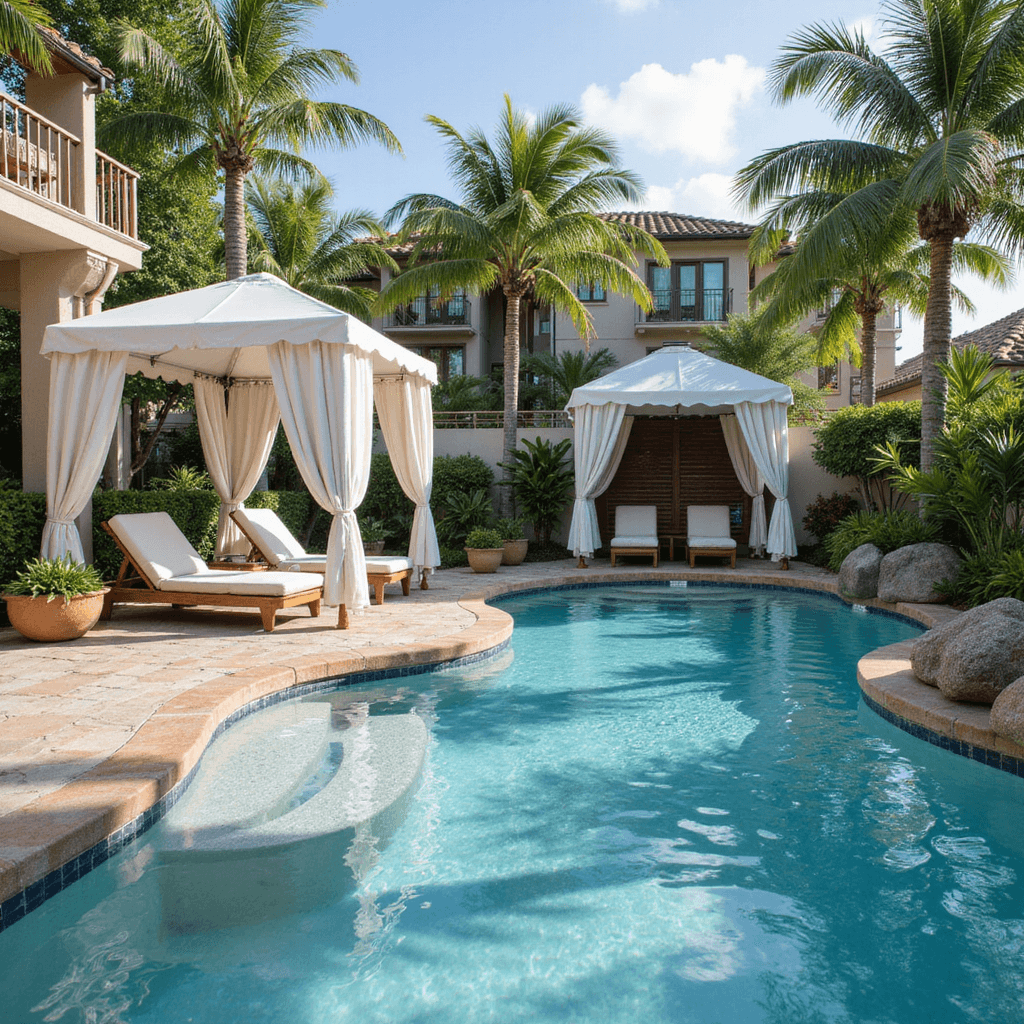
Small Yards
For small yards:
- Vertical gardening
- Multipurpose furniture
- Folding/modular designs
- Light colors to make it feel larger
Large Yards
For large yards:
- Create multiple activity zones
- Use landscaping to define areas
- Install pathway connections
- Add architectural elements
On a Budget
Lower-cost ideas:
- Repurpose existing furniture
- DIY landscape elements
- Shop off-season sales
- Spend where it is most visible
Efficiency
Useful additions:
- Solar-powered lighting
- Smart irrigation systems
- Sustainable materials
- Energy-efficient design
Getting Started
Set your zones first, then add furniture, lighting, and planting in stages.
Tip: start with one zone and build out over a season or two to spread the cost.
This post may contain affiliate links. Please see my disclosure policy for details.
Want to keep this one?
We'll email you the link so you can find it again later.