

What Makes Coastal Decor Actually Elegant (Not Tacky)
Contents
Here’s what I wish someone had told me from the start.
Elegant coastal design walks a tightrope between relaxed beach vibes and polished sophistication. Think five-star beachfront resort, not roadside motel with fishing nets on the walls. The difference comes down to restraint, quality materials, and a color palette that whispers instead of shouts.
I remember standing in my friend Sarah’s coastal-themed living room last summer, feeling like I’d stepped into a Pottery Barn catalog. Nothing was overdone, yet everything felt intentionally beachy. That’s when it clicked for me.
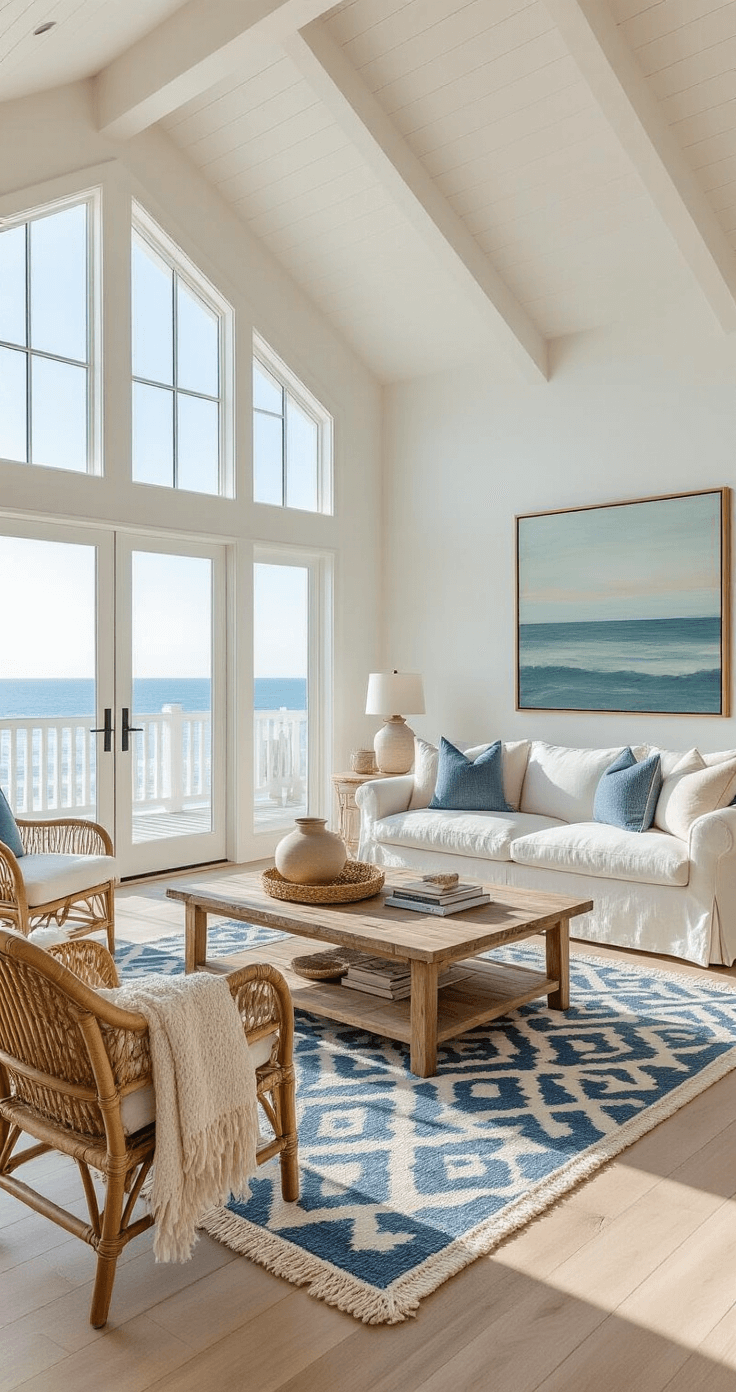
The Color Palette That Changed Everything for Me
Start with neutrals as your foundation:
- Soft whites (not stark, clinical white)
- Warm creams and ivories
- Sandy beiges
- Greige (gray-beige hybrid that’s pure magic)
I painted my living room in a warm white last spring, and it instantly made the space feel twice as large.
Layer in blues strategically:
- Pale sky blue for throw pillows
- Seafoam green for accent pieces
- Deep navy for grounding (I use this sparingly)
- Turquoise for that pop of energy
The trick I learned? Use multiple shades of blue in different intensities instead of just one flat tone. My coastal throw pillow covers range from barely-there blue to rich indigo, creating depth without chaos.
Don’t ignore greens and unexpected accents:
Sage green became my secret weapon. I added sage green linen curtains in my bedroom, and suddenly the whole space felt like a coastal garden. Coral and blush pink work beautifully as small accents—think a single decorative object, not an entire sofa.
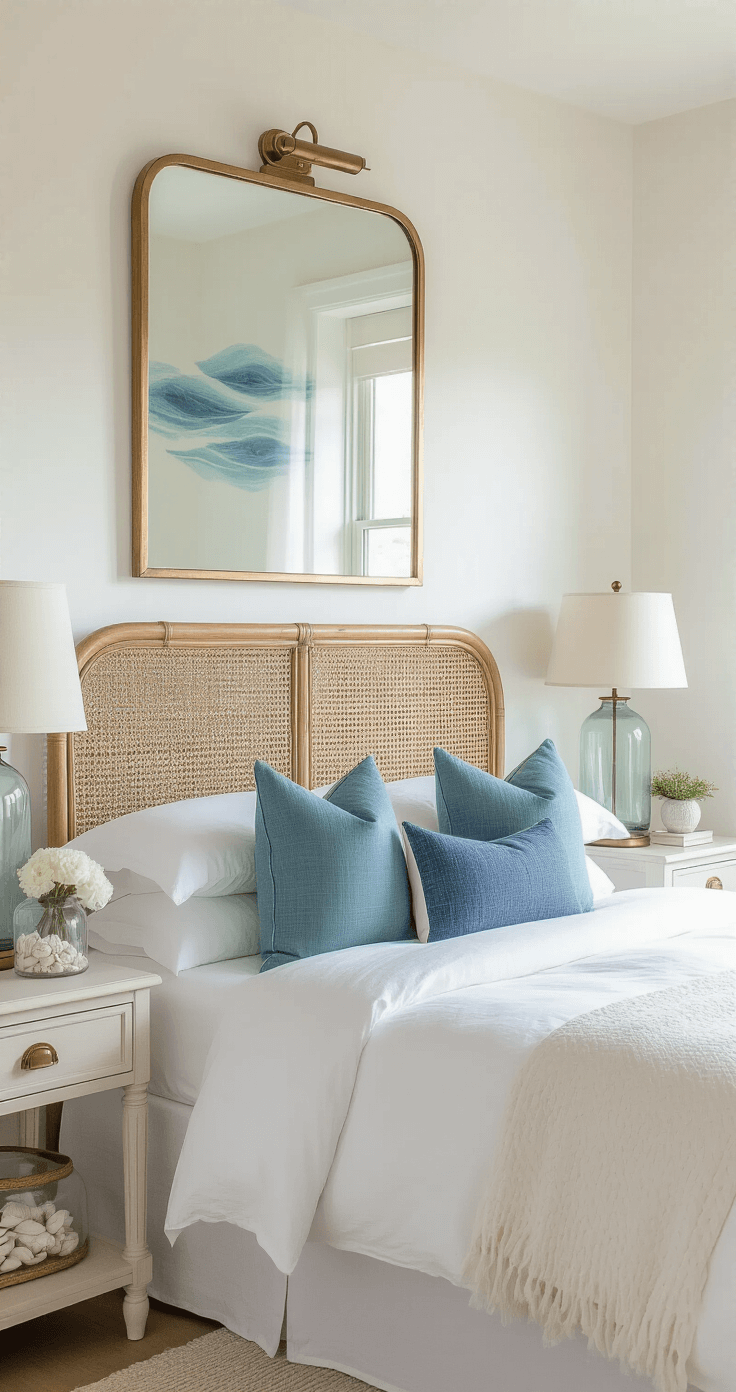
The Natural Materials That Actually Matter
This is where I spent actual money, and I don’t regret a penny.
Rattan and wicker—but make it chic:
Forget the creaky patio furniture your grandmother stored in the garage. Modern rattan pieces are sculptural and beautiful. I invested in a rattan accent chair for my reading nook, and guests always ask where I got it. The key is choosing pieces with clean lines and interesting shapes.
Wood that tells a story:
- Driftwood (real or realistic-looking)
- Whitewashed finishes
- Weathered teak
- Reclaimed wood with visible grain
I found a weathered wood coffee table at an estate sale, gave it a light whitewash, and now it’s the centerpiece of my living room. The imperfections make it interesting.
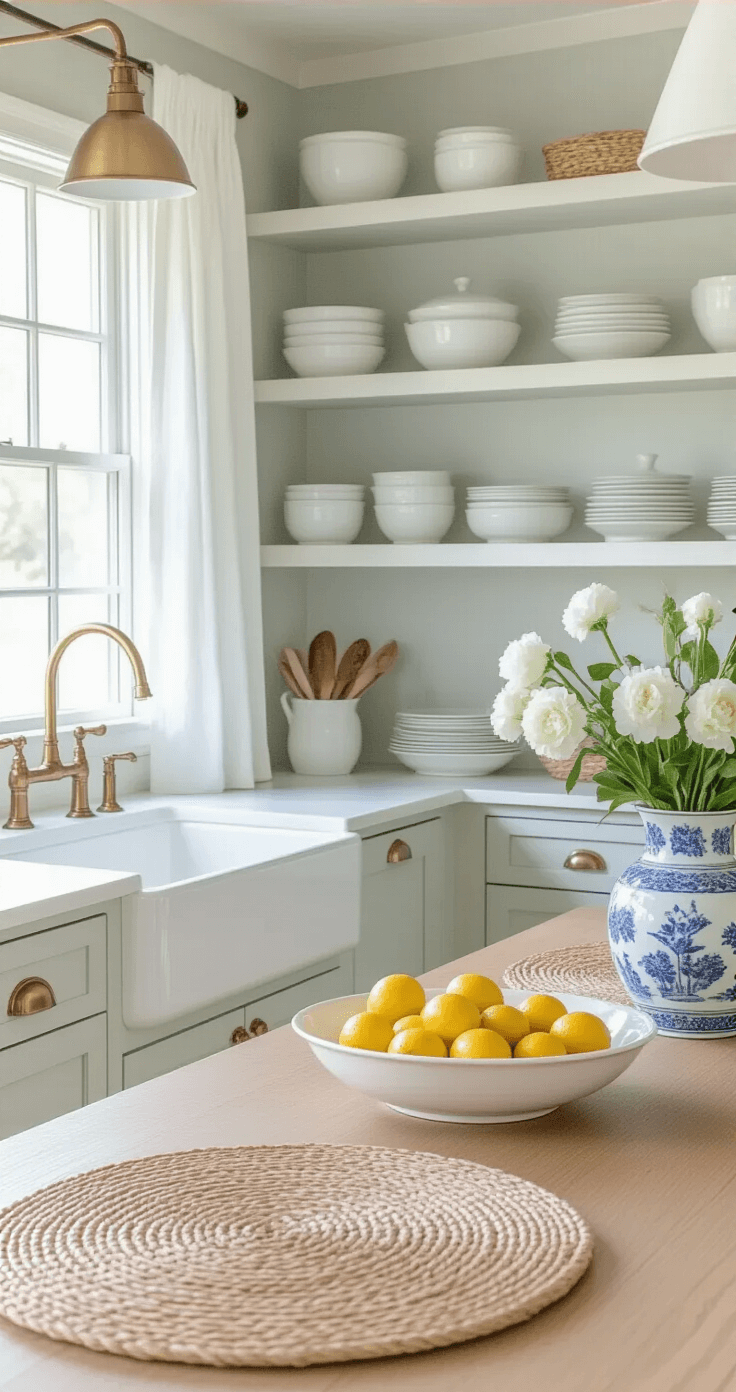
Textiles that beg to be touched:
Natural fiber everything changed my space from “looking nice” to “feeling incredible.”
- Chunky jute rugs (they ground the space)
- Linen everything (curtains, pillows, throws)
- Cotton canvas for durability
- Sisal for texture
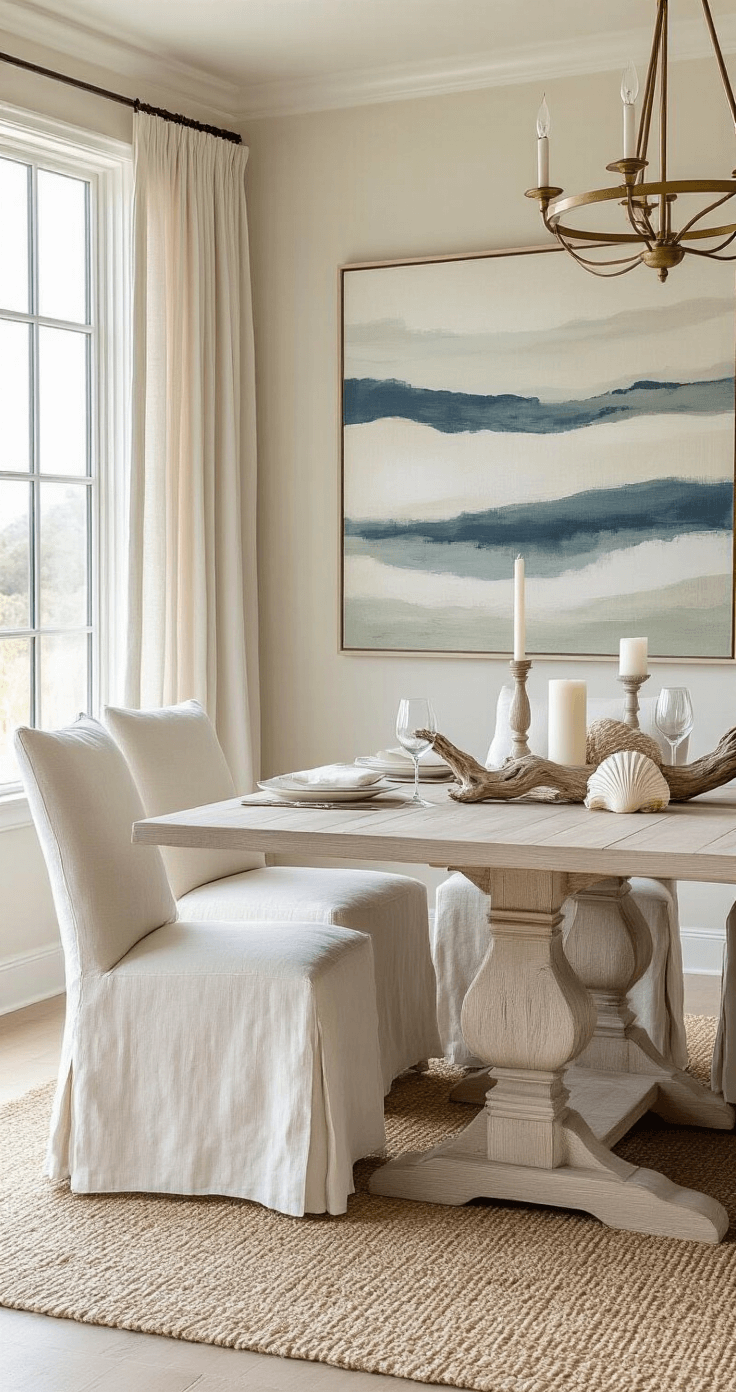
My jute area rug was a game-changer—suddenly my furniture looked intentional instead of random.
The finishing touches:
Glass hurricane lanterns, brass hardware, natural stone coasters—these small details add up to major sophistication. I switched out all my chrome cabinet pulls for brass cabinet hardware, and it was like giving my kitchen a facelift.
Furniture Choices That Won’t Make You Cringe in Two Years
I’ve made enough furniture mistakes to write a horror novel. Let me save you from my pain.
Slipcovered upholstery is your best friend:
I was skeptical about slipcovers until my dog decided to test the washability factor. Twice. Get furniture with removable, washable slipcovers in white, cream, or natural linen. It’s practical AND looks effortlessly elegant.
Light wood tones over dark:
Ditch the heavy mahogany. Coastal elegance means:
- Whitewashed dining tables
- Bleached oak shelving
- Pale maple side tables
- Natural ash furniture
These lighter tones keep spaces feeling airy instead of oppressive.
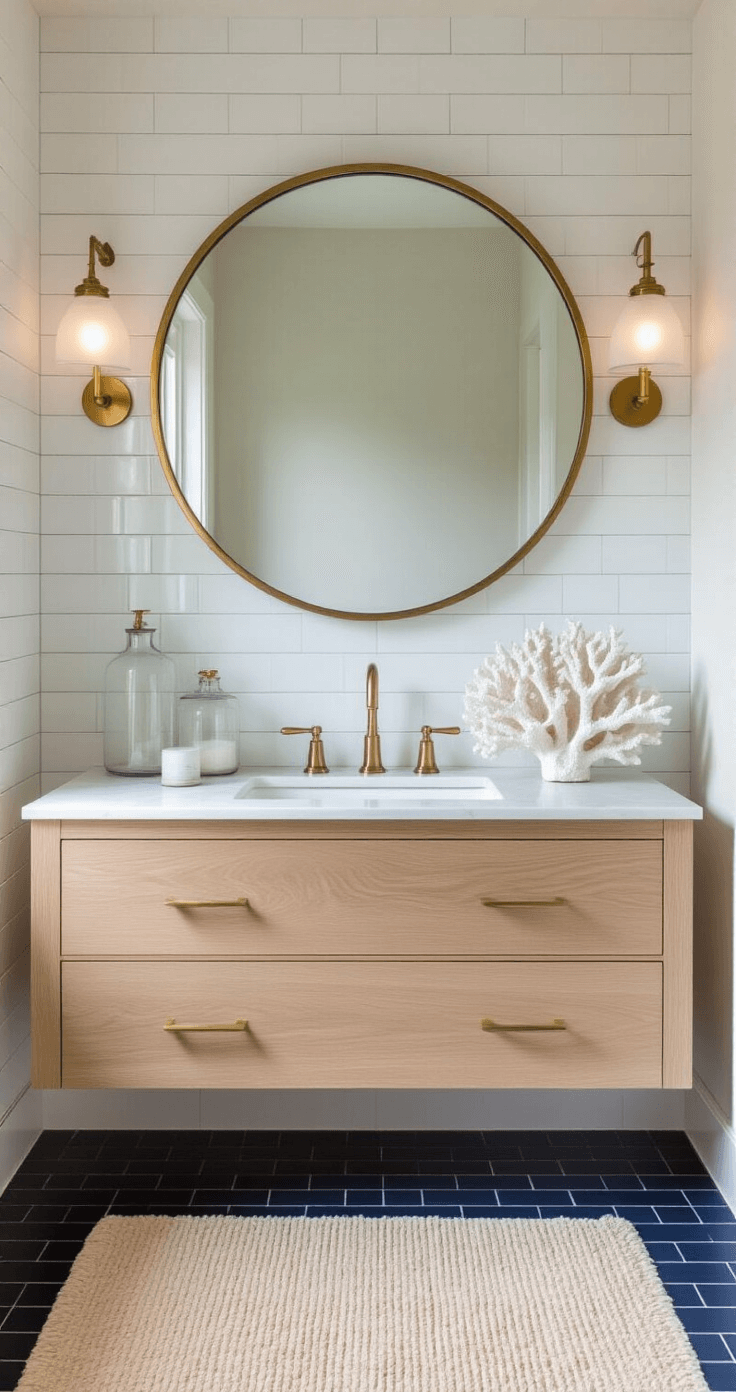
Pieces with visual breathing room:
Furniture that sits on legs (not touching the floor) creates the illusion of more space. This was a revelation for my small apartment. My sofa, chairs, and dresser all have visible legs, and suddenly my 800 square feet feels like 1200.
The distressed finish debate:
Some people think distressed furniture looks cheap. I’m not one of those people. The key is choosing pieces where the distressing looks natural—like time and salt air did it, not a hasty sanding job in someone’s garage.
How to Style Decorative Accents Without Looking Like a Beach Shack
This is where most people completely derail their elegant coastal vibe.
Ditch these immediately:
- Decorative anchors (unless you’re actually a sailor)
- Mass-produced “beach” word art
- Rope wrapped around literally everything
- Starfish collections that look suspiciously identical
- Anything that says “Seas the Day”
I know, I know. But trust me on this.
Book Your Stay in Sarasota
Find the perfect accommodation.
This post may contain affiliate links. Please see my disclosure policy for details.


