

Why Your Northern Landscaping Playbook Won’t Work Here
Contents
- Why Your Northern Landscaping Playbook Won’t Work Here
- The Foundation: Trees That Define Your Space
- Shrubs That Actually Earn Their Space
- Grasses That Move and Shine
- Flowers That Laugh at Summer Heat
- Groundcovers That Replace Thirsty Grass
- Water-Smart Design That Actually Works
- Layering Creates That “Professional Designer” Look
Listen, I moved from Ohio thinking I knew gardens. Three dead hydrangeas and one crispy boxwood hedge later, I accepted the truth: Florida plays by different rules.
The sandy soil drains faster than a bathtub with no plug. Summer storms dump inches in an hour, then disappear for weeks. Humidity turns delicate perennials into mushy disappointments while mosquitoes the size of small birds patrol your yard.
But here’s what changed everything for me:
Native plants evolved here for thousands of years and actually want these conditions. They laugh at drought, shrug off humidity, and feed the butterflies mobbing your yard. Once established, most need zero irrigation, zero fertilizer, and zero pesticides. My water bill dropped by 40% the summer after I converted half my St. Augustine lawn to native groundcovers. That’s money I spent on patio furniture instead of the water company.
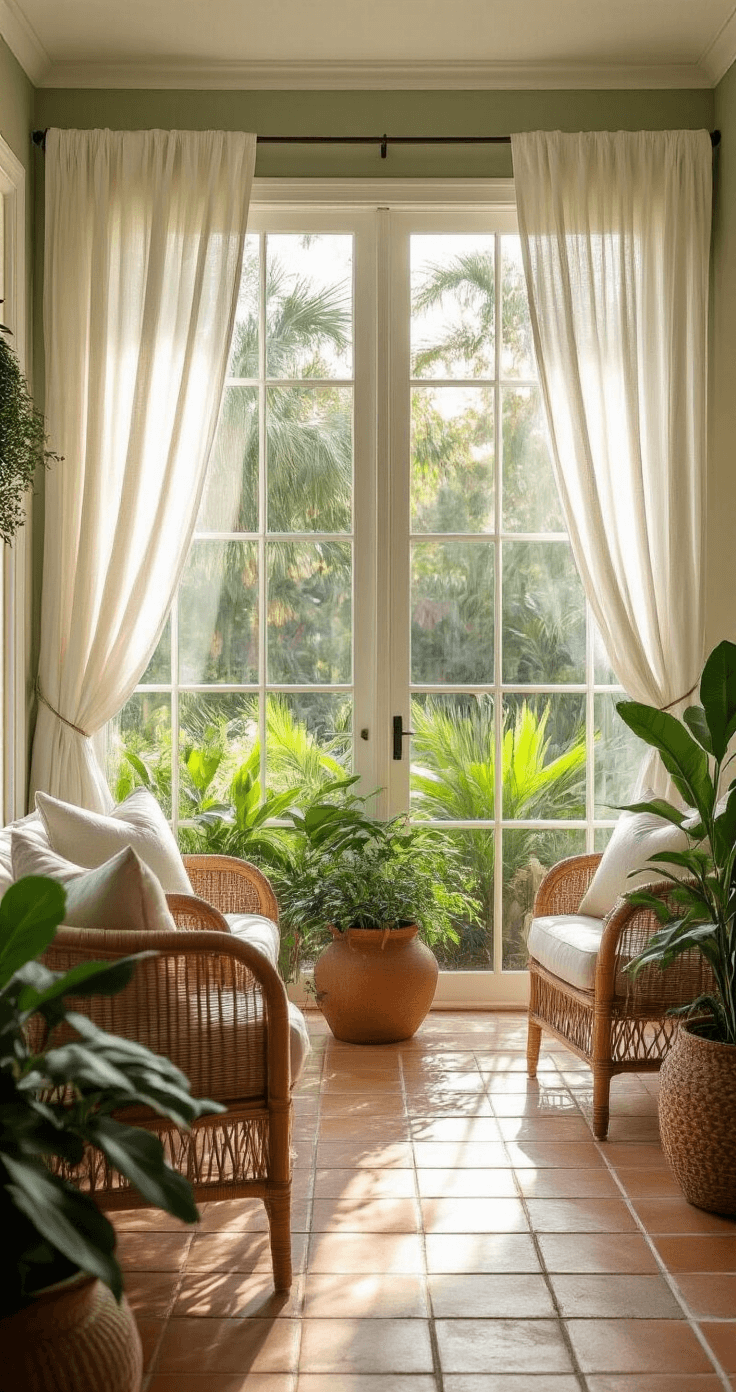
The Foundation: Trees That Define Your Space
Southern Live Oak became my absolute favorite after visiting a 300-year-old specimen dripping with Spanish moss. These spreading giants create cathedral-like canopies that drop temperatures underneath by 10-15 degrees. I planted a young one seven years ago that’s now shading my entire back deck. Cardinals nest there every spring while I drink coffee below.
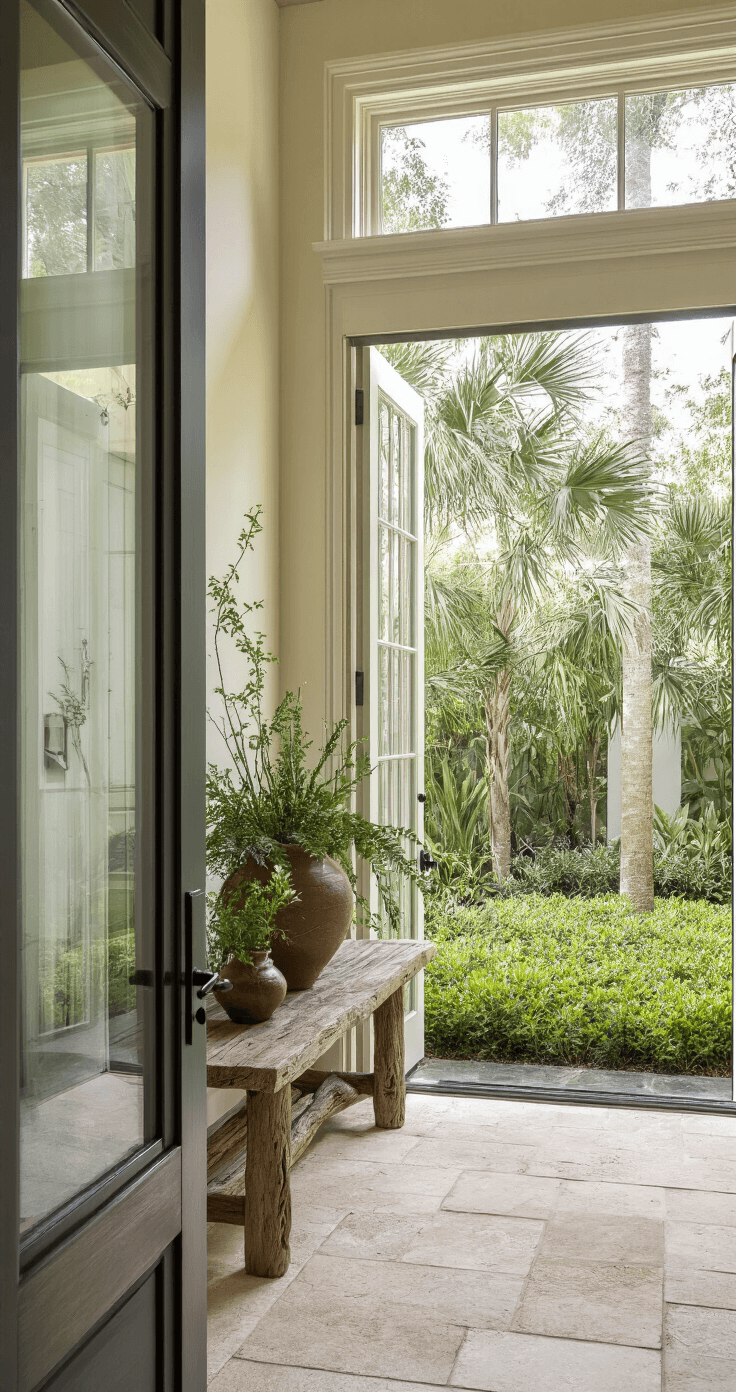
Sabal Palms give you that instant “yes, I live in Florida” vibe. They bend dramatically in hurricanes, then snap right back up. I have three clustering near my driveway entrance, and every single visitor comments on them. Zero maintenance beyond occasionally trimming dead fronds.
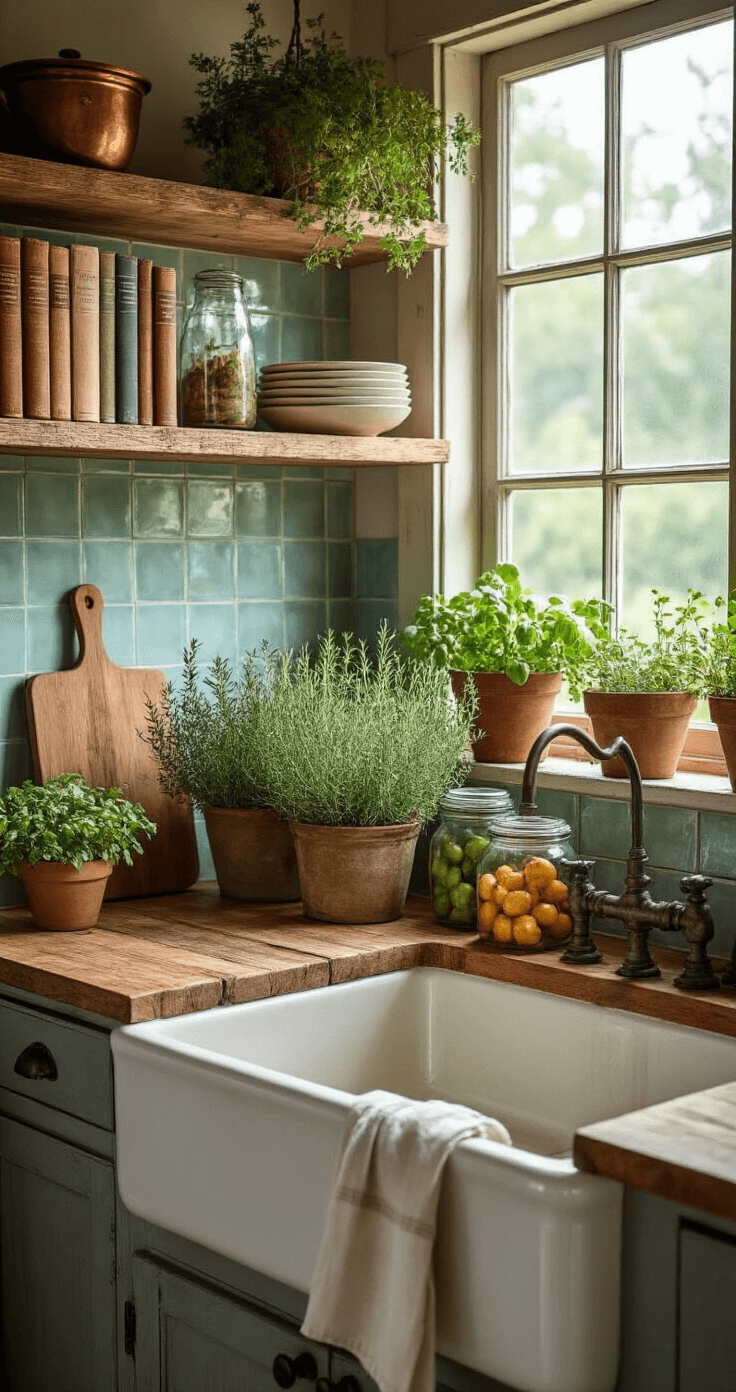
Shrubs That Actually Earn Their Space
I’m ruthless about shrubs now. If they need constant pruning, special fertilizer, or weekly attention, they’re gone.
Simpson’s Stopper creates a dense privacy screen between my patio and the neighbor’s pool equipment. Planted 18 inches apart four years ago, they’ve merged into a solid wall of glossy green leaves. White flowers appear randomly, then transform into red berries that cardinals devour. I’ve pruned them twice total—that’s it.

Grasses That Move and Shine
Muhly Grass creates actual magic in October and November. The fine-textured green clumps explode into clouds of pink-purple seedheads that glow when backlit. I planted seven along my front walkway, and neighbors literally stop their cars to photograph them. They’re completely drought-tolerant once established and require one hard cutback each February. That’s my entire maintenance schedule.
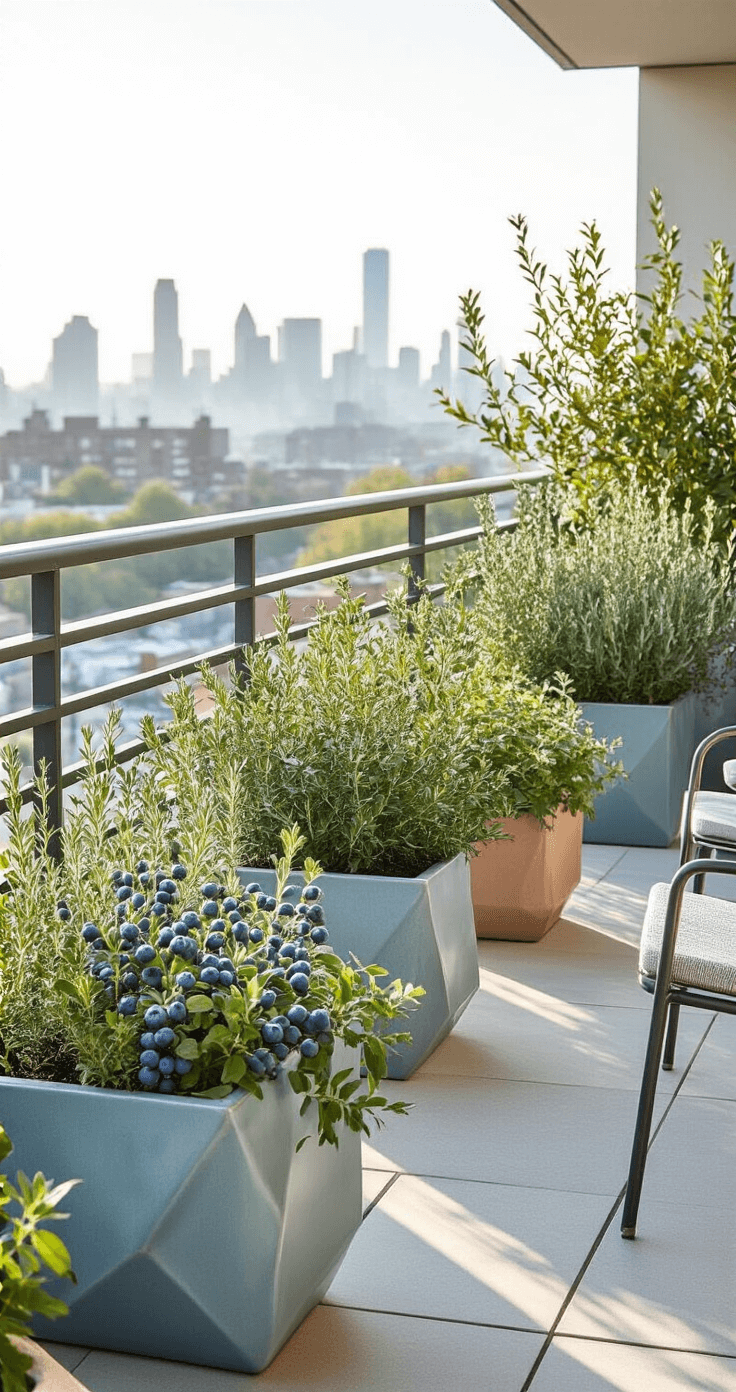
Flowers That Laugh at Summer Heat
Most traditional annuals melt into sad puddles by June. These native bloomers hit their stride when temperatures climb.
Pentas became my go-to “always blooming” plant after killing my third round of impatiens. I have clusters in red, pink, and white scattered throughout my beds. They bloom continuously from March through December without deadheading. Butterflies swarm them so heavily that my five-year-old calls them “butterfly bushes.” Totally inaccurate botanically, but he’s not wrong about the wildlife traffic.
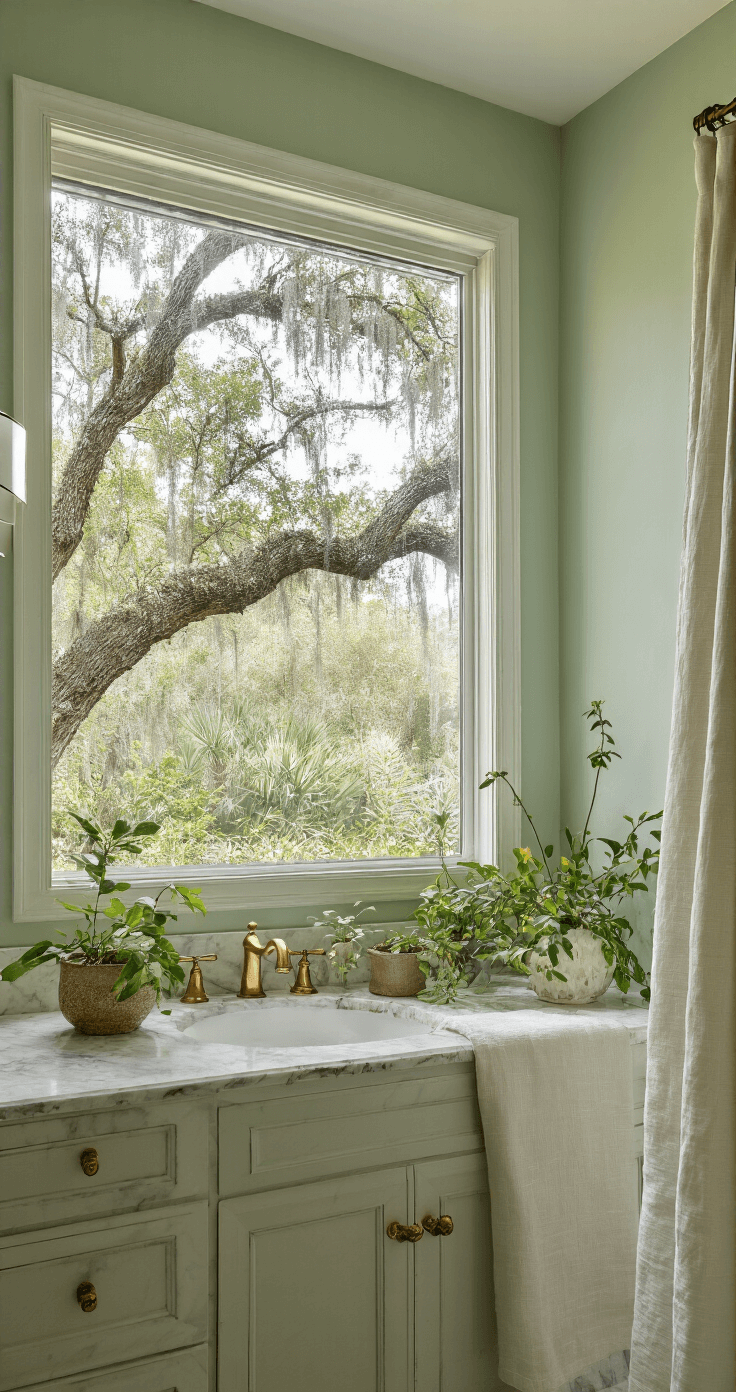
Groundcovers That Replace Thirsty Grass
St. Augustine grass is beautiful but demands constant irrigation, frequent mowing, and regular fertilization. I’ve replaced two-thirds of mine with better options.
Sunshine Mimosa creates a soft, fernlike carpet that stays under 6 inches tall. It spreads steadily without becoming invasive, filling spaces between stepping stones beautifully. The tiny yellow pompom flowers appear sporadically, and the leaves fold closed when touched—endless entertainment for kids. Best part: I mow it monthly instead of weekly, and it greens up on rainfall alone.
Water-Smart Design That Actually Works
Florida’s rainfall pattern makes no sense. We get 54 inches annually—more than Seattle—but it arrives in violent afternoon thunderstorms followed by weeks of nothing.
I installed two 50-gallon rain barrels from my downspouts after one particularly brutal May drought. A single summer storm fills both completely, giving me 100 gallons of free water for my container garden and vegetables. The overflow hose drains into a shallow depression I planted with Louisiana iris and marsh hibiscus. This “accidental rain garden” stays lush even during dry spells while filtering runoff before it hits the street.
Layering Creates That “Professional Designer” Look
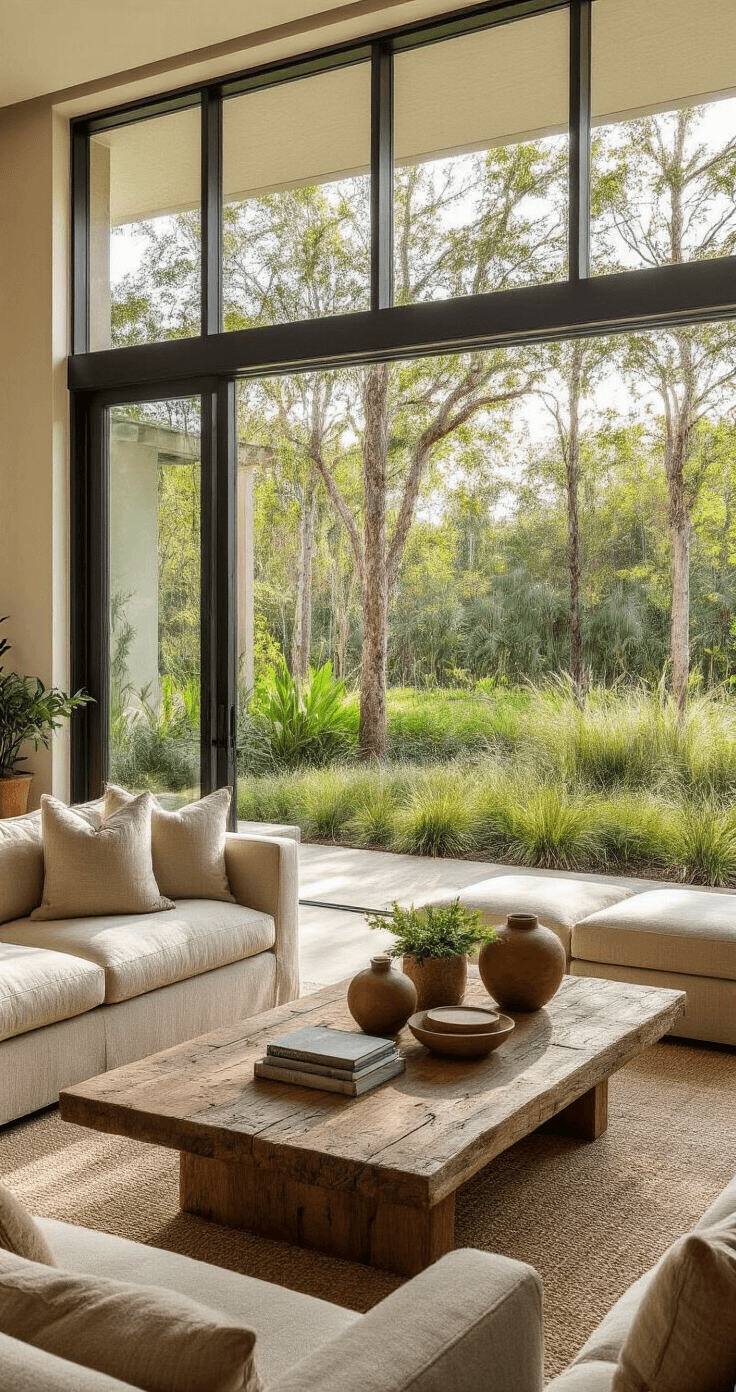
The difference between amateur landscapes and designer landscapes isn’t money. It’s layers.
I start every bed with an evergreen backbone—something with year-round structure. Walter’s viburnum, Simpson’s stopper, or dwarf yaupon holly anchor the back of the bed.
Mid-height shrubs like firebush or beautyberry go in front of those.
Perennials and grasses like black-eyed Susans or muhly grass fill the middle ground.
Groundcovers and edging plants like sunshine mimosa or dwarf pentas finish the front.
This creates four distinct layers that guide your eye through varying heights and textures instead of a flat, one-dimensional planting that reads as “beginner.”
I also learned to mass plants instead of scattering them. One muhly grass looks lost. Seven muhly grasses planted in a sweeping curve create a statement. Large dr
This post may contain affiliate links. Please see my disclosure policy for details.


