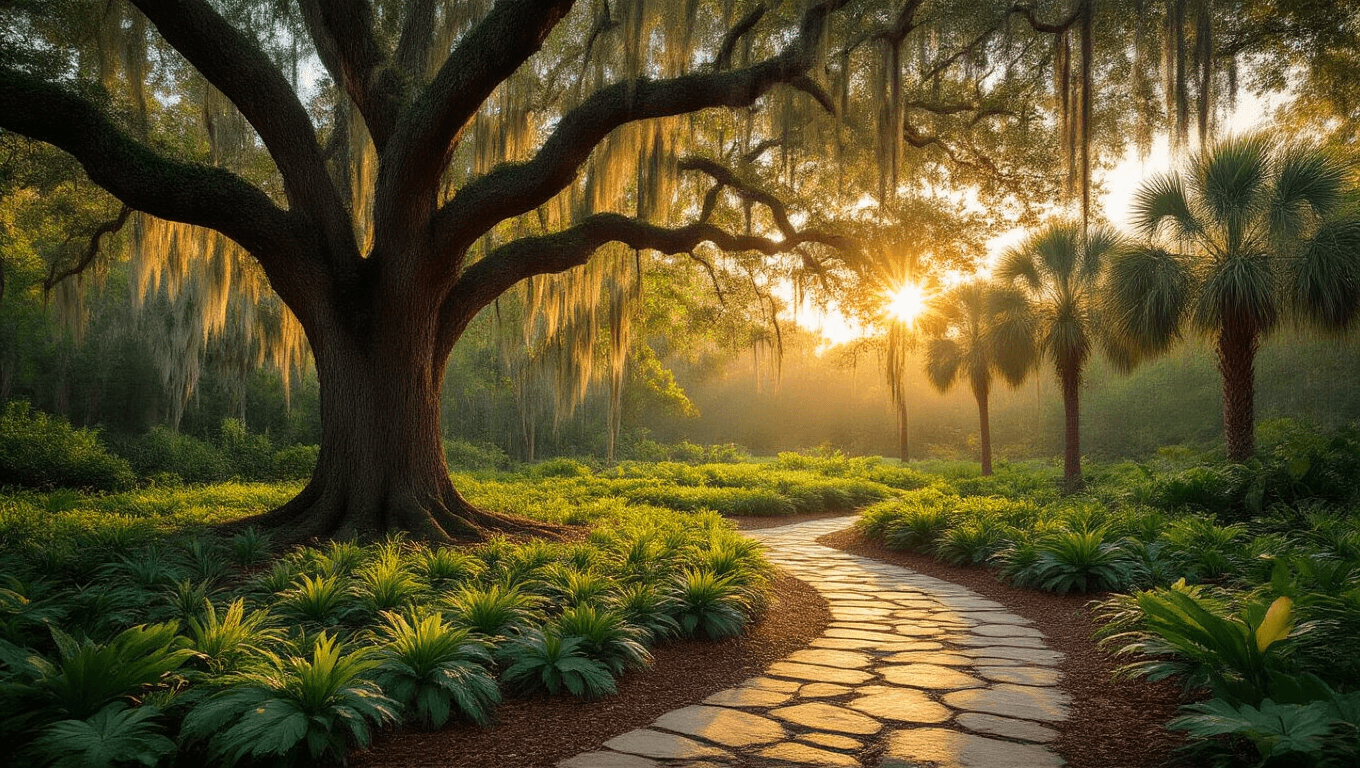
Florida Native Plant Landscaping: Your Guide to a Stunning, Sustainable Yard
Hey there, fellow gardening enthusiast! Ready to transform your outdoor space into a breathtaking Florida paradise that practically takes care of itself? Let’s dive into the world of native plant landscaping that will make your neighbors stop and stare.
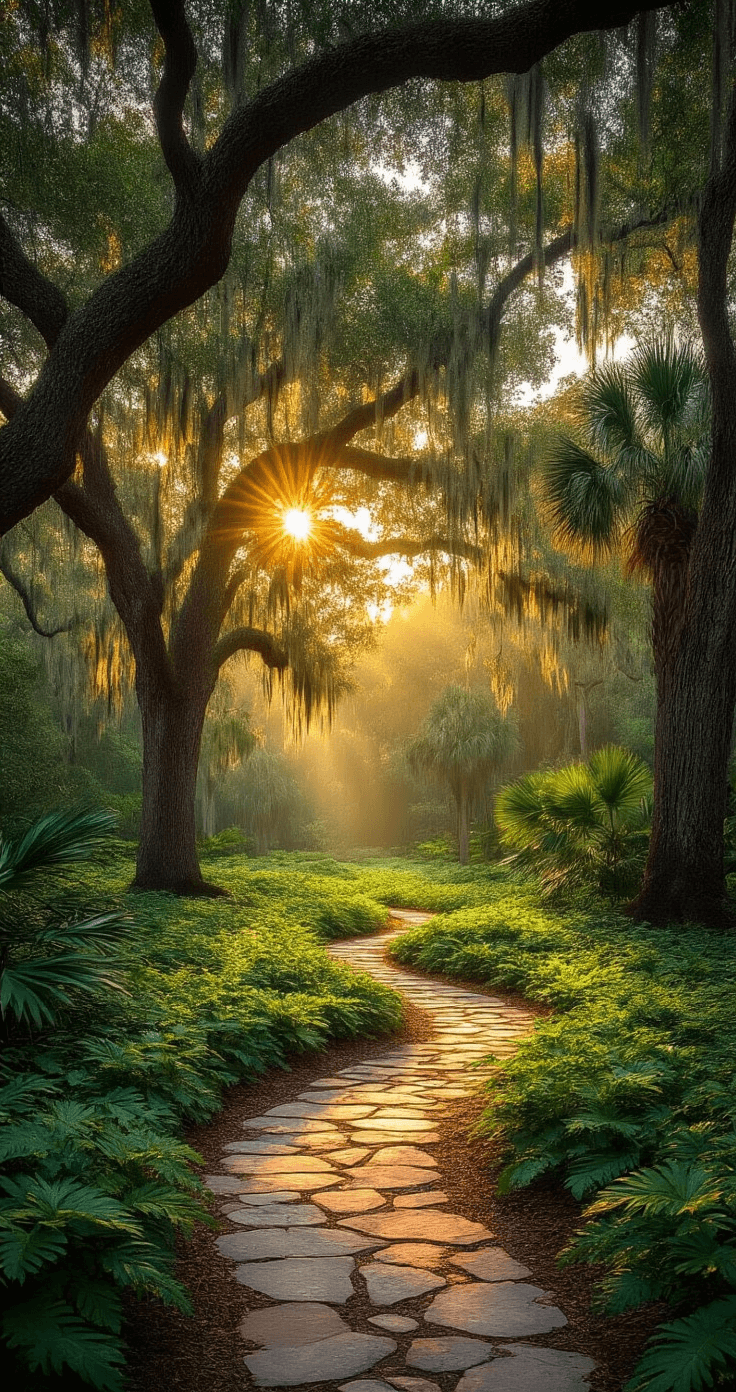
💡 Steal This Look
- Paint Color: Sherwin-Williams Rainwashed SW 6211
- Furniture: weathered teak Adirondack chairs with Sunbrella canvas cushions in terracotta
- Lighting: solar-powered copper path lights with seeded glass shades
- Materials: crushed coquina shell pathways, reclaimed cypress mulch, coral stone pavers, woven seagrass planters
There’s something deeply satisfying about watching your yard become a living extension of the wild Florida you fell in love with—suddenly every butterfly sighting feels earned, not accidental.
Why Native Plants? The Game-Changing Landscape Solution
Imagine a yard that:
- Looks drop-dead gorgeous
- Requires minimal maintenance
- Supports local wildlife
- Saves you money
- Helps the environment
That’s the magic of Florida native plant landscaping!
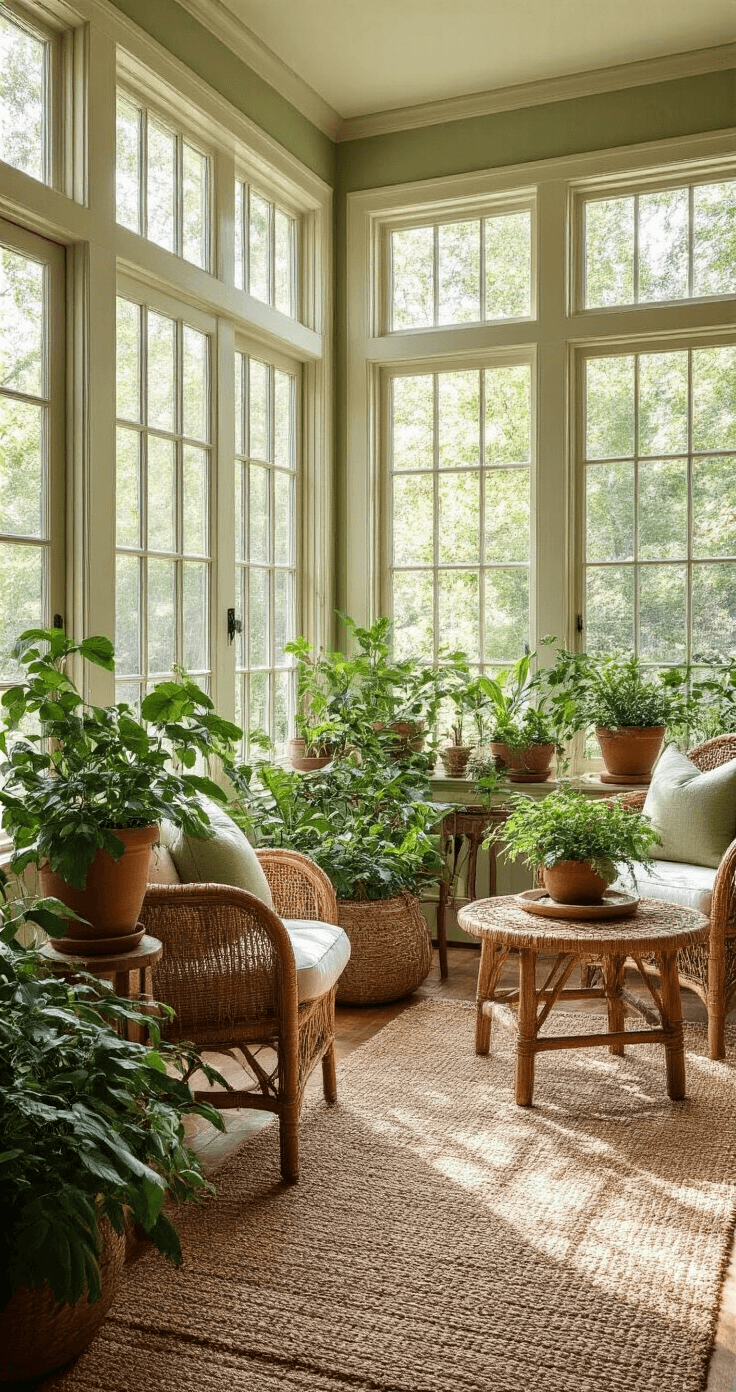
🎨 Steal This Look
- Paint Color: Benjamin Moore Backwoods 469
- Furniture: weathered teak Adirondack chairs with olive green Sunbrella cushions
- Lighting: Hammered copper path lights with warm 2700K LED
- Materials: crushed shell pathways, reclaimed cypress mulch, coral stone edging, drought-tolerant coontie and muhly grass plantings
There’s something deeply satisfying about stepping outside to find zebra longwing butterflies clustering on your native passion vine or hearing the distinctive rustle of palm warblers in your yard—this isn’t just landscaping, it’s reclaiming a piece of Florida’s wild character that concrete subdivisions erased.
The Ultimate Benefits of Going Native
1. Low Maintenance Magic
Native plants are like the superheroes of landscaping. They laugh in the face of:
- Brutal Florida heat
- Crazy humidity
- Drought conditions
- Hurricane-level storms
2. Wildlife Wonderland
Your yard becomes a VIP lounge for:
- Butterflies
- Bees
- Local birds
- Beneficial insects
3. Environmental Superhero
By choosing natives, you’re:
- Conserving water
- Reducing chemical usage
- Preventing soil erosion
- Restoring local biodiversity
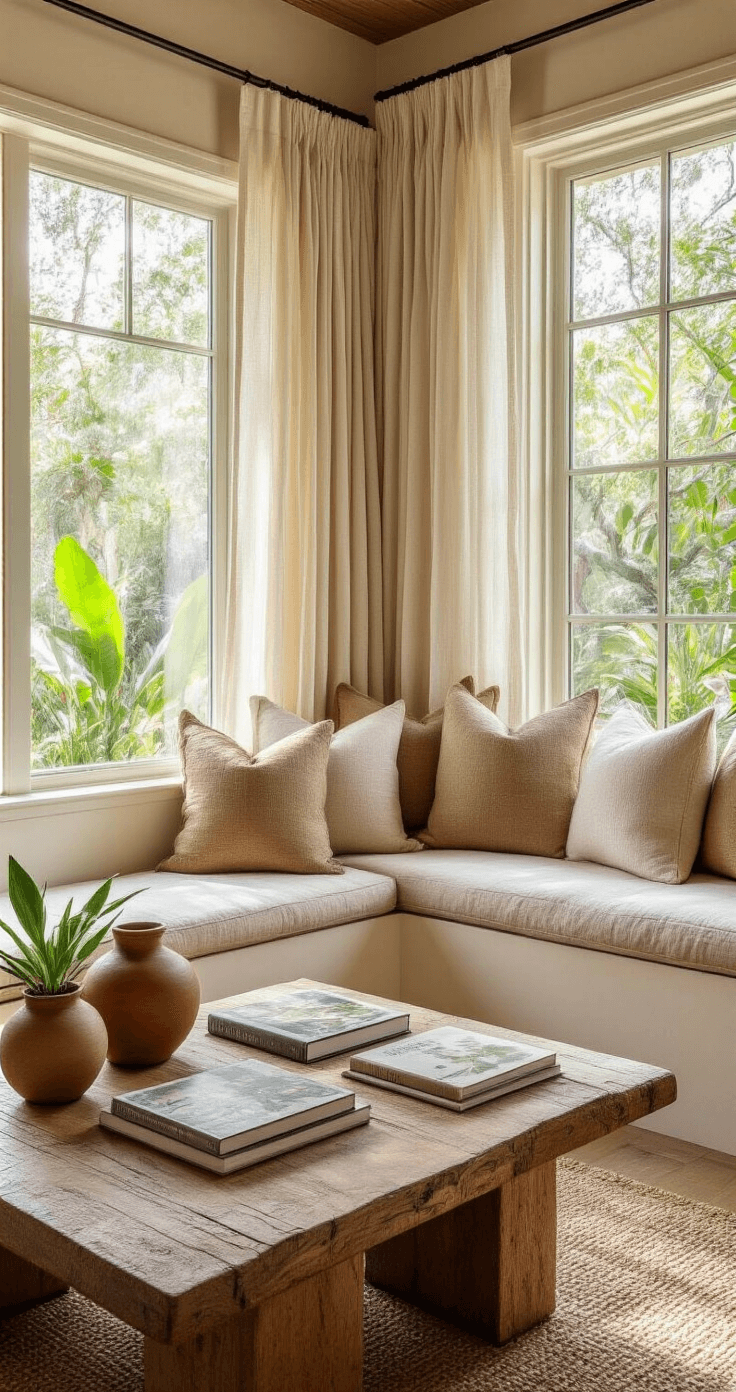
✎ Steal This Look
- Paint Color: Farrow & Ball Green Smoke 47
- Furniture: weathered teak Adirondack chair with slatted back
- Lighting: copper coach lantern with seeded glass
- Materials: crushed coquina shell pathways, reclaimed pine mulch, native saw palmetto fronds
There’s something deeply satisfying about a landscape that thrives while you’re away for the weekend—no irrigation panic, no browning panic, just returning to a yard that looks like it belongs exactly where it is.
Must-Have Native Plants for Your Florida Landscape
Trees & Large Shrubs
- Sabal Palm (Our state tree!)
- Live Oak
- Southern Magnolia
Small Shrubs & Groundcovers
- Coontie
- Beautyberry
- Native Azalea varieties
Flowering Superstars
- Muhly Grass
- Firebush
- Coral Bean
Save this article
Enter your email and we'll send it straight to your inbox.
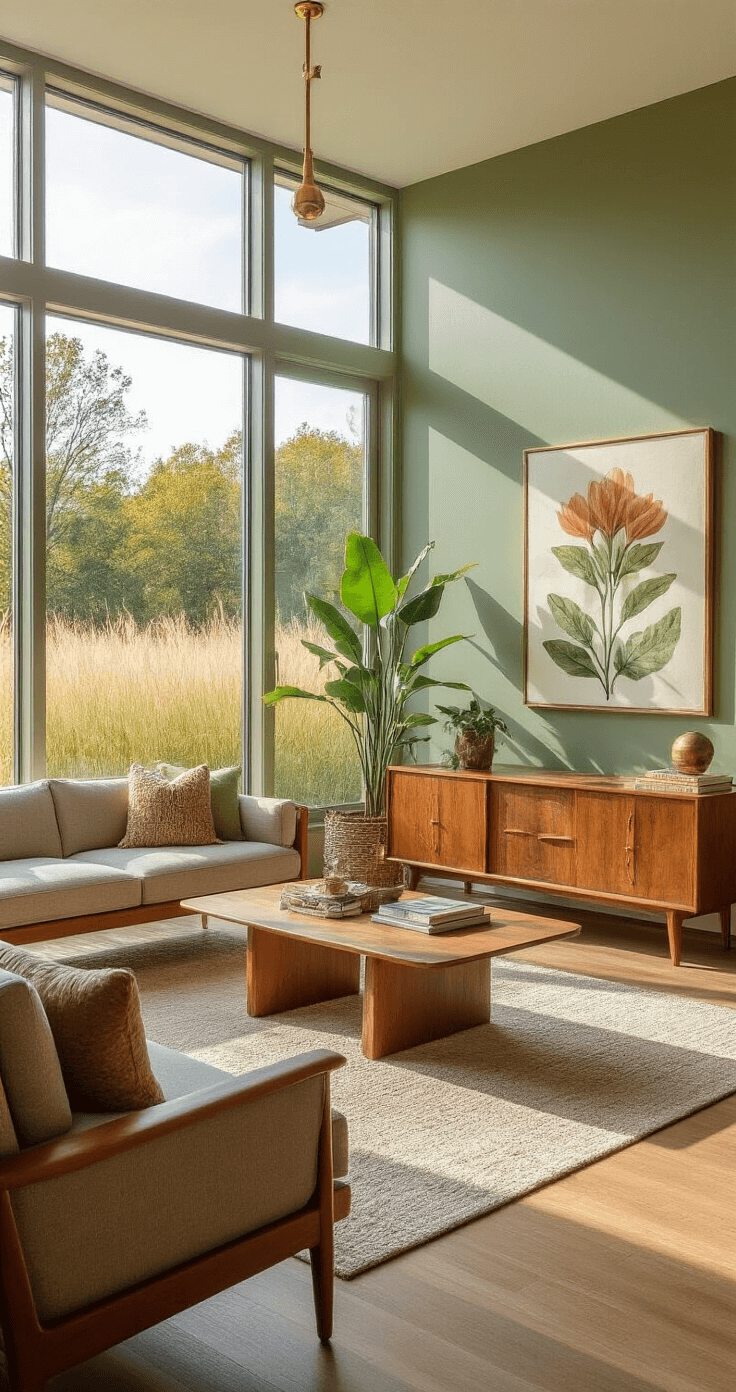
✎ Steal This Look
- Paint Color: Behr Garden Pathway S340-4
- Furniture: weathered teak Adirondack chairs with olive green Sunbrella cushions for the garden seating area
- Lighting: Hammered copper low-voltage landscape path lights with amber LED bulbs
- Materials: natural limestone pavers, untreated cedar mulch, crushed shell pathways, aged corten steel edging
There’s something deeply grounding about walking barefoot on crushed shell paths between Firebush humming with life—this landscape becomes an extension of your living space, not just a view from the window.
Pro Styling Tips for Native Landscapes
Design Like a Pro
- Use mature trees as landscape anchors
- Create natural stone pathways
- Add wildlife-friendly accessories like bird baths
Visual Magic Techniques
- Layer textures for depth
- Balance colors with green foundations
- Group plants in odd numbers
- Create natural focal points
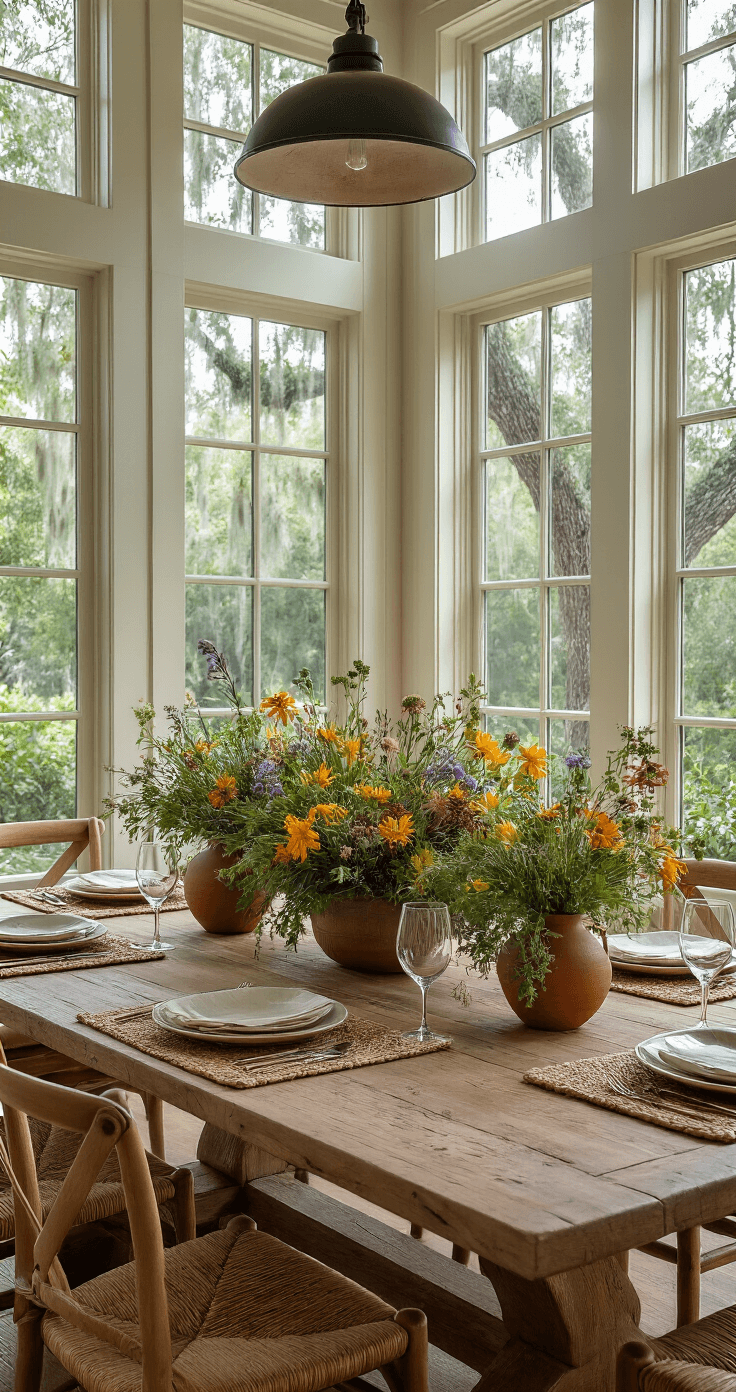
🌟 Steal This Look
- Paint Color: Valspar Natural Linen 3005-6C
- Furniture: weathered teak Adirondack chairs with slatted backs for patio viewing areas, reclaimed cypress potting bench as outdoor console
- Lighting: hammered copper low-voltage path lights with amber LED bulbs, solar-powered hurricane lanterns with seeded glass
- Materials: coquina shell stucco for garden walls, sugar sand aggregate for pathways, untreated cedar for raised beds, recycled glass mulch accents
There’s something deeply grounding about walking a path where every plant belongs here—where the saw palmetto and coontie were growing long before your house existed, and will outlast you too.
Practical Implementation Checklist
- Remove invasive plants
- Prepare soil
- Plant strategically
- Mulch with pine needles
- Add wildlife features
Seasonal Updates: Keep It Fresh
- Rotate wildflowers
- Introduce autumn-color grasses
- Add berry-producing shrubs
- Experiment with container plants
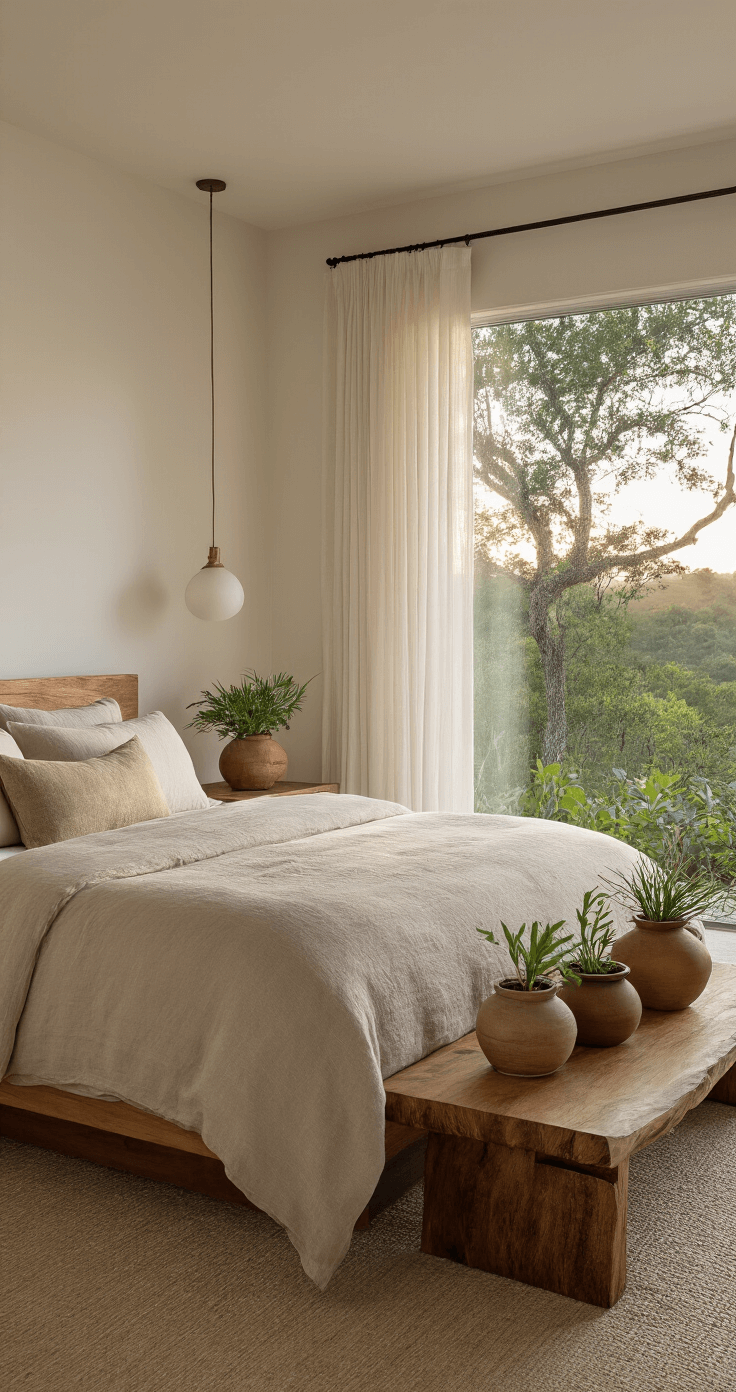
🏠 Steal This Look
- Paint Color: Dunn-Edwards Sage Wisdom DE6196
- Furniture: weathered teak potting bench with galvanized steel top, positioned as a seasonal display station for rotating container arrangements
- Lighting: solar-powered copper path lights with warm 2700K output, staggered along garden walkways to highlight seasonal plantings
- Materials: raw cedar raised beds, crushed shell pathways, unglazed terracotta pots in varied sizes, hand-forged iron plant markers
This rhythm of seasonal change keeps your Florida native landscape feeling alive and intentional—there’s genuine satisfaction in that first autumn flush of muhly grass pink or spotting cedar waxwings on your winterberry holly.
Photography & Sharing Tips
- Shoot during golden hours
- Capture wide landscape shots
- Focus on plant-wildlife interactions
- Use hashtags like #FloridaGarden #NativePlants
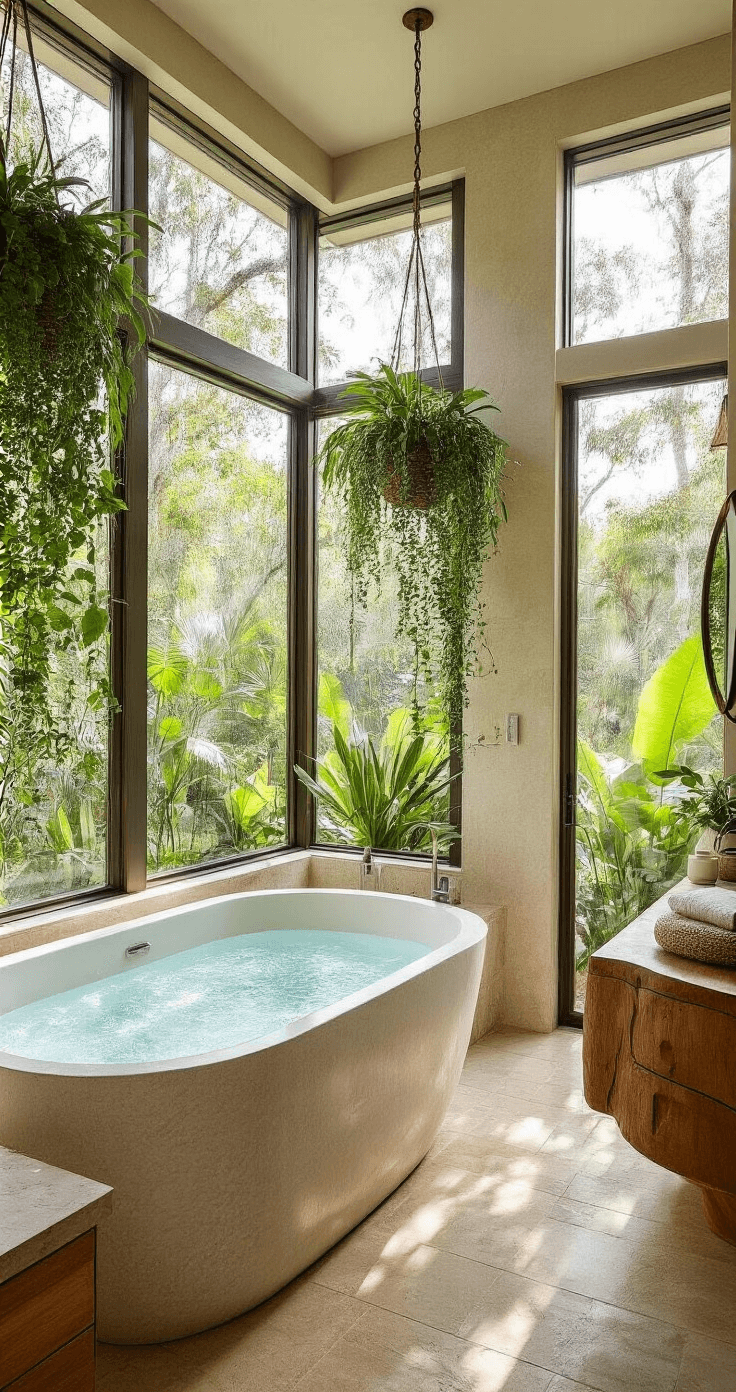
🖼 Steal This Look
- Paint Color: Clare Paint Fresh Kicks CL-01
- Furniture: white-washed teak outdoor console table for staging botanical specimens and camera equipment
- Lighting: BenQ ScreenBar Halo desk lamp with adjustable color temperature for editing station
- Materials: weathered cypress, raw linen backdrop rolls, terracotta tile flooring, matte black powder-coated metal shelving
Your editing nook deserves the same intentional design as the gardens you photograph—this is where raw captures transform into the images that inspire others to plant native, so surround yourself with materials that echo the landscapes you’re documenting.
Budget-Friendly Pro Tips
- Start small
- Mix native plants with existing landscaping
- Look for local plant sales
- Join native plant societies
Pro Recommendation: Invest in a comprehensive native plant guide to master your landscaping journey!
Final Thoughts
Florida native landscaping isn’t just gardening—it’s creating a living, breathing ecosystem right in your backyard. You’re not just planting; you’re restoring, preserving, and celebrating Florida’s incredible natural heritage.
Ready to make your yard the neighborhood showstopper?
This post may contain affiliate links. Please see my disclosure policy for details.
Want to keep this one?
We'll email you the link so you can find it again later.