

What Exactly Is a Florida Sunroom?
Contents
A Florida sunroom is a bright, enclosed room addition that lets in natural light through glass or screened walls while providing protection from weather, pests, and debris.
Think of it as your personal bubble where you can sip coffee during a thunderstorm or read a book while the sun sets, all without getting drenched or eaten alive.
People call these spaces by different names—Florida rooms, patio rooms, or three-season rooms—but they all serve the same purpose: expanding your living space while keeping nature at arm’s length.
My neighbor built one last year and literally uses it every single day. She’s turned it into her morning meditation spot, and I’m not even a little bit jealous. (Okay, I’m extremely jealous.)
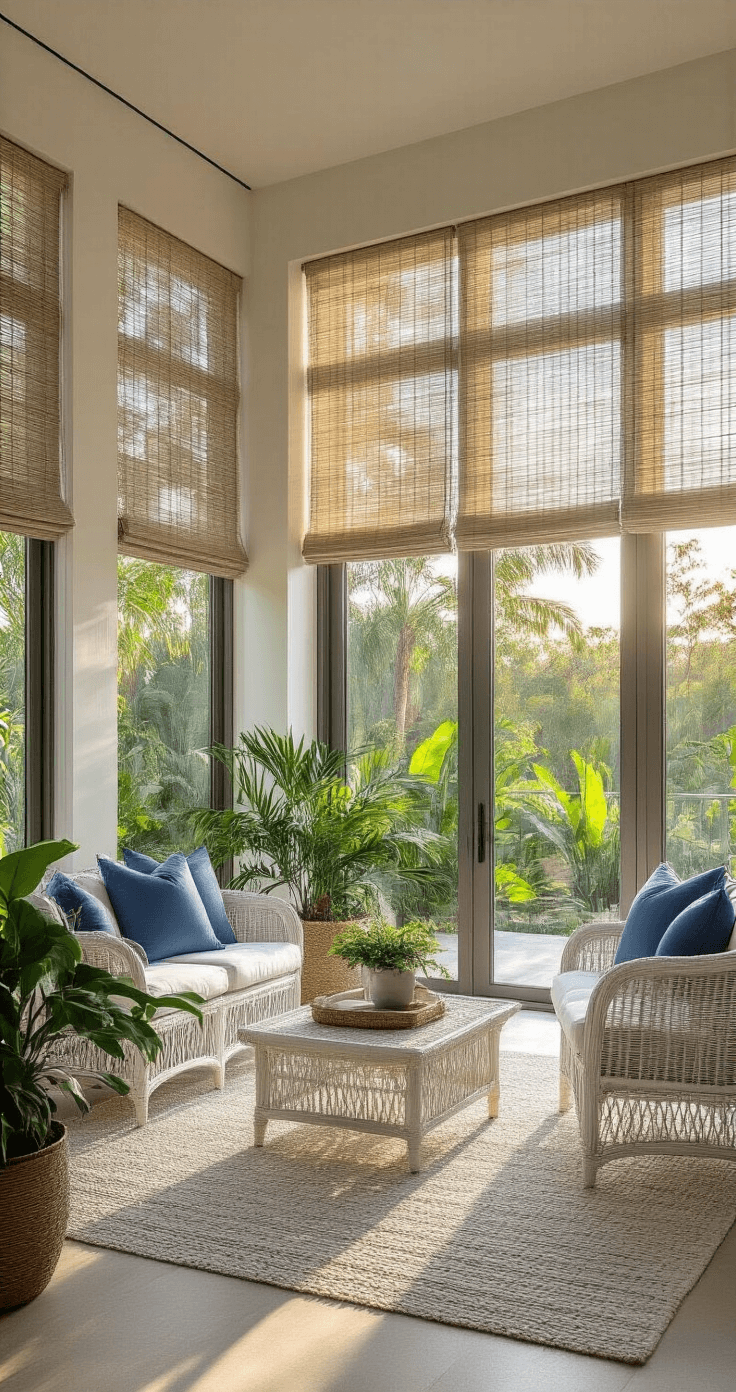
The Bones: How These Rooms Are Built
Here’s where it gets practical.
Florida sunrooms typically use aluminum framing because it holds up against our brutal humidity and salt air.
The windows are usually vinyl or aluminum-framed insulated units, and many modern designs include horizontal stacking window systems that basically disappear when you want maximum views.
When I toured several completed sunrooms, the ones with these stacking windows felt twice as spacious.
Construction Materials That Actually Matter
The quality stuff includes:
- Foam-insulated wall panels covered with aluminum skin
- 4-inch-thick aluminum roof panels with foam insulation (some go traditional with wood-framed roofs)
- Insulated window panels that keep the heat manageable
- Aluminum framing that won’t rust or warp in Florida’s climate
One contractor told me that skimping on insulation is the biggest regret his clients have. Without proper insulation, your beautiful sunroom becomes a greenhouse in July.
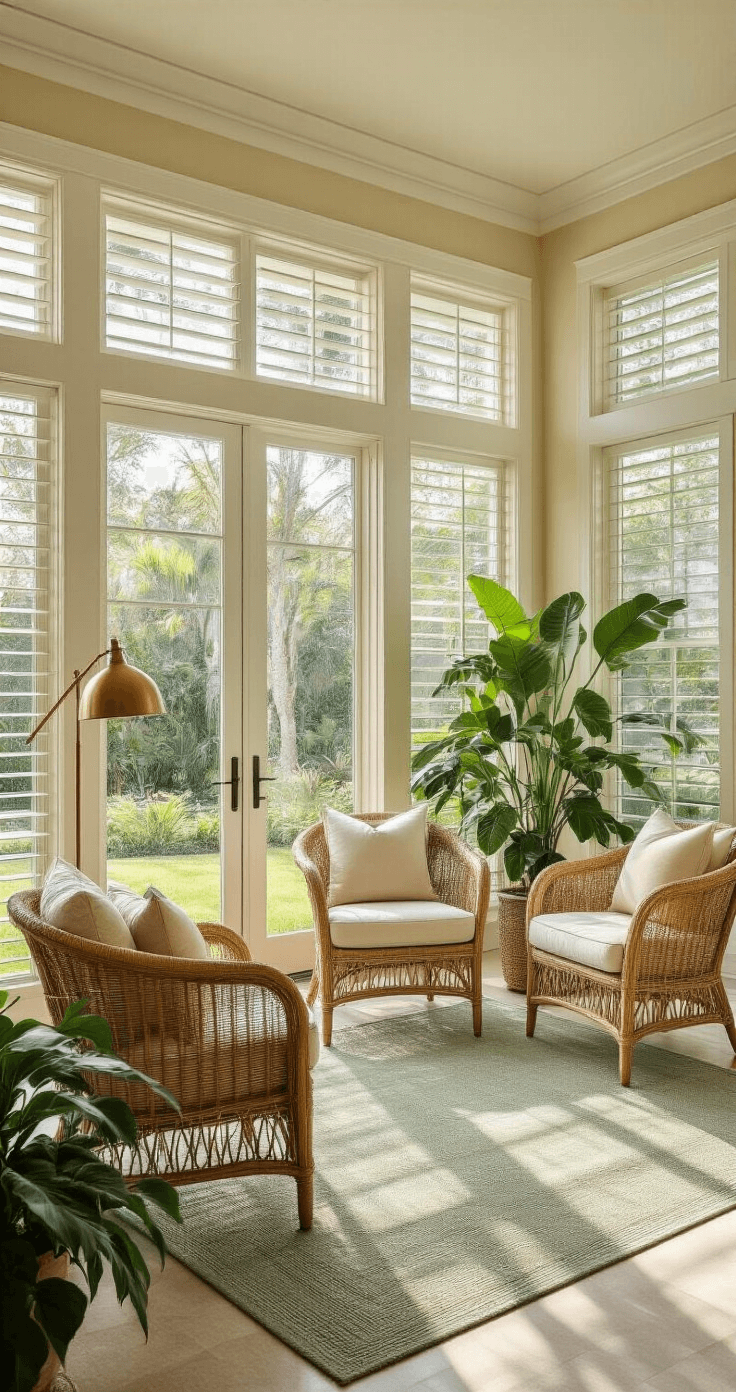
The Money Talk: What You’ll Actually Spend
A midrange sunroom addition typically costs between $10,000 and $40,000, with most people spending around $25,000.
That’s not pocket change, but it’s also not mansion-renovation money.
Your final cost depends on:
- Size of the space (obviously)
- Quality of materials and insulation
- Type of flooring you choose
- Electrical and HVAC additions
- Whether you want fancy features like ceiling fans or built-in lighting
I’ve seen basic screened rooms come in around $12,000, while fully insulated, climate-controlled versions hit $45,000.
How Fast Can You Get This Done?
Here’s something that surprised me: aluminum-framed Florida rooms can be built in just 1-3 weeks.
That’s faster than most kitchen renovations.
Traditional stick-build sunroom additions take longer—about 1-2 months—because they involve multiple construction trades like framers, electricians, and roofers all coordinating their schedules.
When my cousin built hers, the contractor finished in 11 days. She couldn’t believe she’d been putting it off for three years when the actual construction was that quick.
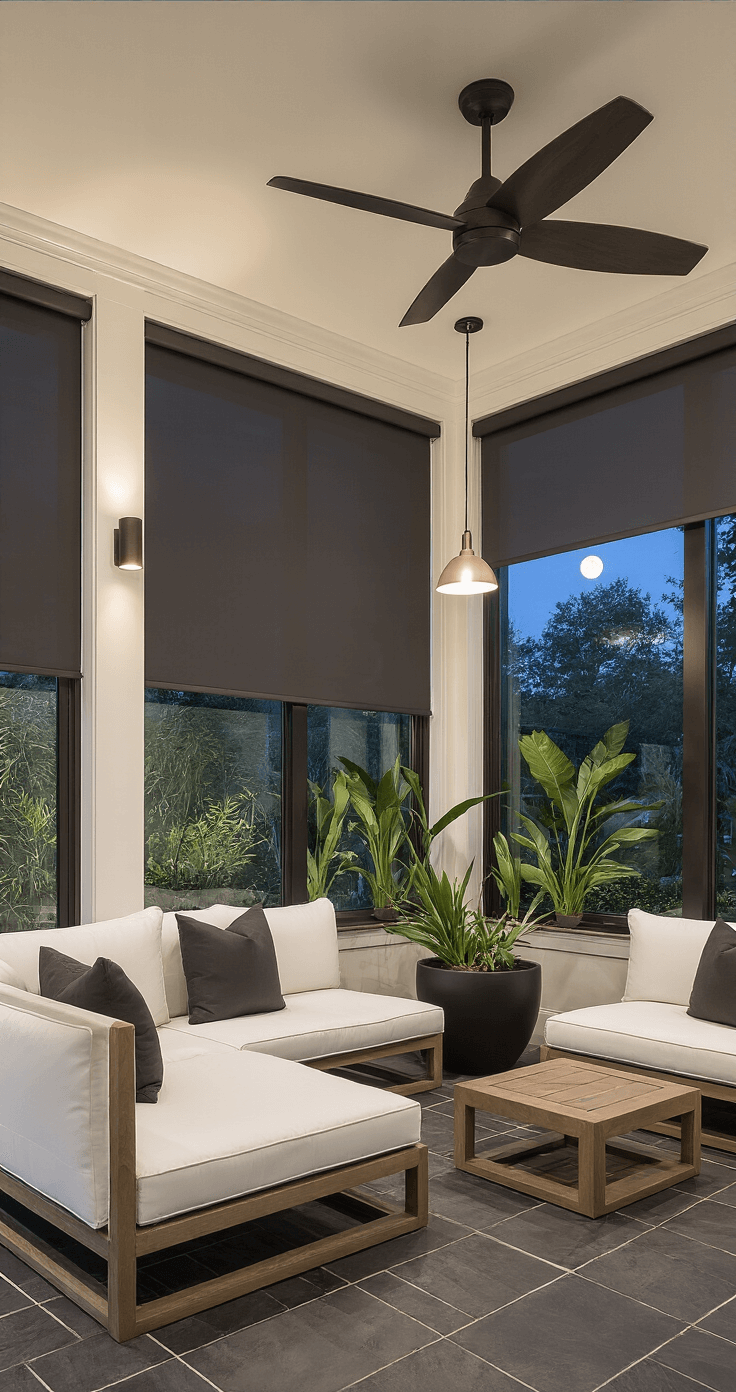
Will This Investment Pay Off?
Let’s be honest about the numbers.
According to a 2020 Cost vs. Value Report, a midrange sunroom addition recoups between 49% and 59% of its resale cost.
That’s not amazing compared to something like a garage door replacement (which recoups nearly 95%), but it’s also not the worst home improvement investment.
Here’s how I think about it: if you’ll use the space constantly and it genuinely improves your quality of life, the return on investment is about more than just resale value.
My realtor friend says sunrooms are huge selling points in Florida, even if the pure financial return isn’t spectacular. Buyers love the idea of extra living space that connects to the outdoors.
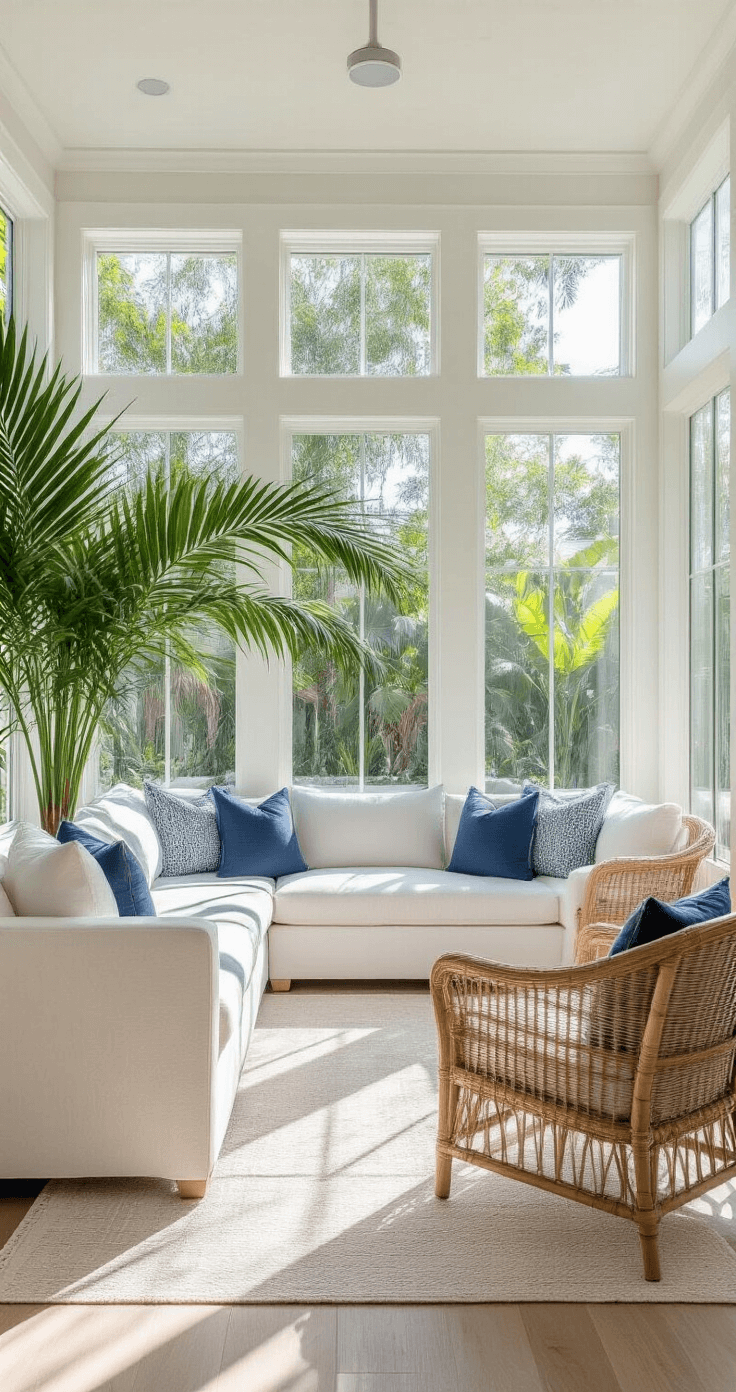
The Permit Maze (Don’t Skip This Section)
Building a sunroom in Florida requires a licensed contractor to pull proper permits—this is literally the law.
I know permits sound boring, but ignoring this step will haunt you when you try to sell your house or file an insurance claim.
What the Permit Process Actually Involves
You’ll need to submit:
- Detailed plans with structural calculations
- Site plans showing your property layout
- Setback compliance documentation (proving you’re not building too close to property lines)
- Proof that your contractor is properly licensed
Sunroom permits vary by county, and some cities pile on additional requirements beyond state building codes.
When I started getting quotes, one contractor told me he could skip permits to save money. I showed him the door immediately.
Verify Your Contractor Before Signing Anything
The Florida Department of Business & Professional Regulation offers free license verification at myfloridalicense.com.
Use it.
I spent ten minutes checking three contractors and discovered one had multiple complaints and a suspended license. That ten minutes potentially saved me thousands in headaches.
Don’t Forget Your HOA
If you live in a community with a homeowners association, getting their approval is vital before you start.
HOAs can be ridiculously particular about exterior modifications. My friend’s HOA rejected his initial design because the roof color didn’t match their approved palette.
Submit your plans to them early, expect some back-and-forth, and build in extra time for their review process.
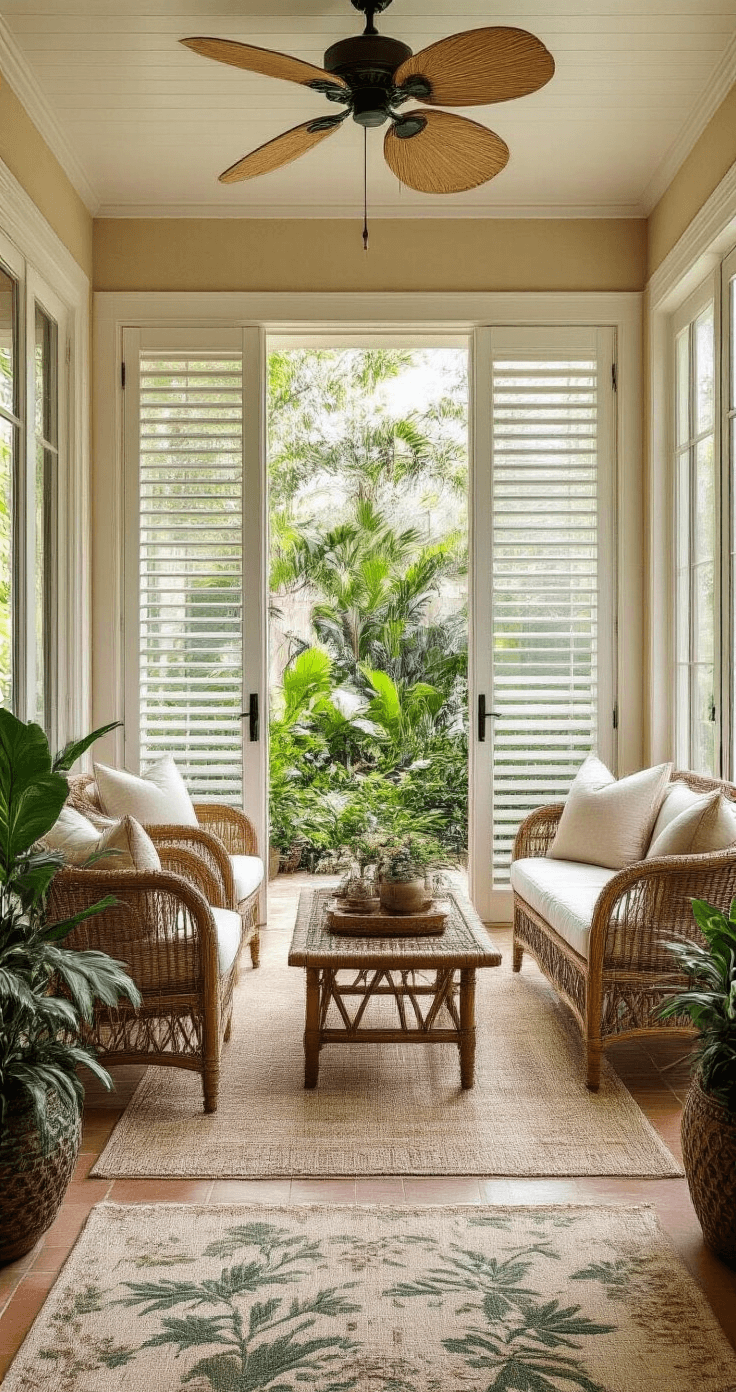
Design Choices That Make or Break the Space
After touring about a dozen sunrooms, I noticed patterns in what worked and what didn’t.
Furniture That Actually Makes Sense
Don’t just toss your old living room leftovers into your new sunroom.
The best sunrooms I saw used:
- Weather-resistant furniture that can handle temperature swings
- Indoor-outdoor rugs that hide
Book Your Stay in Sarasota
Find the perfect accommodation.
This post may contain affiliate links. Please see my disclosure policy for details.


