Garden Borders with Sleepers
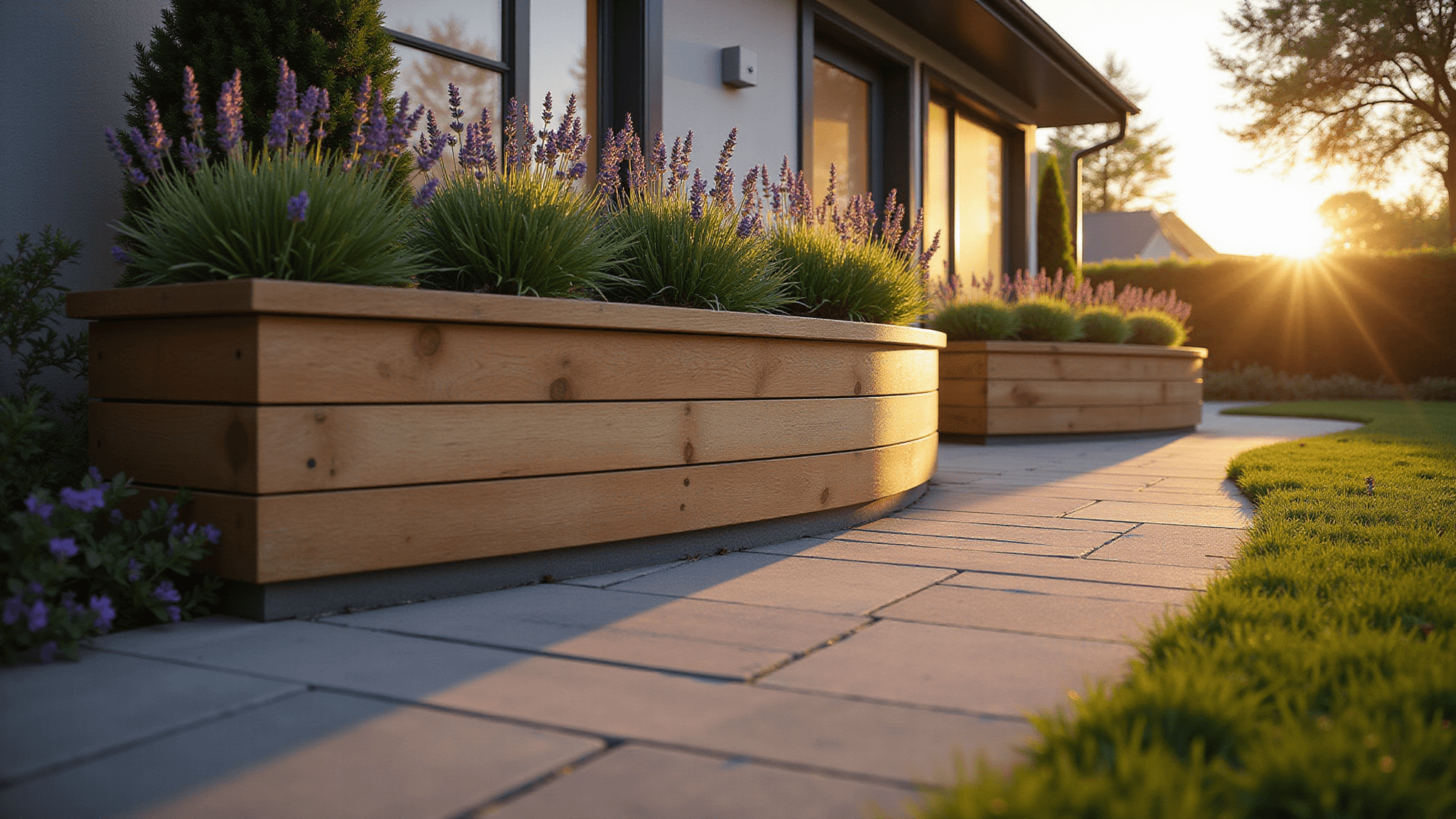
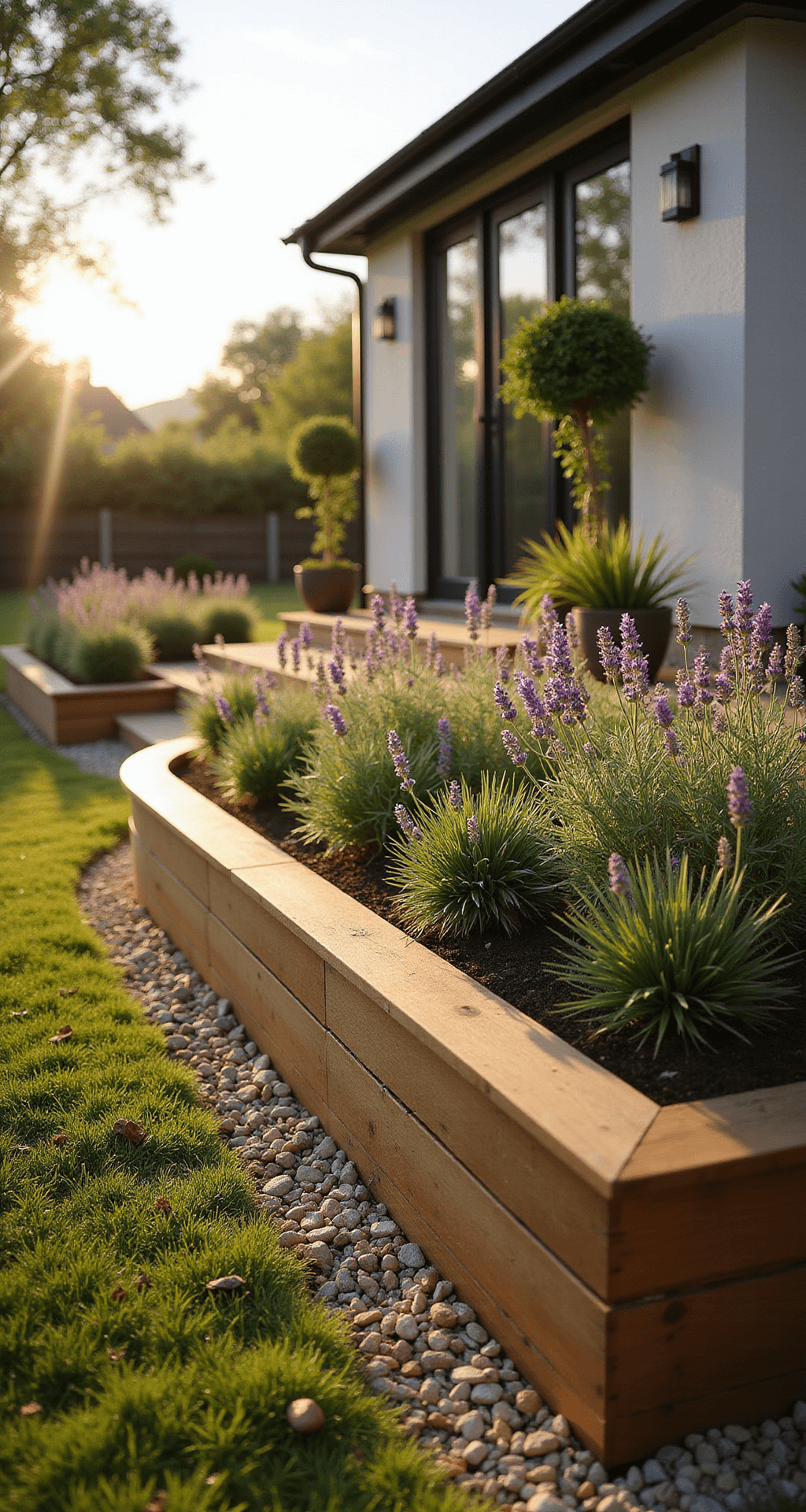
Sleepers are sturdy wooden beams used to edge garden borders and raised beds. They hold soil in place, define planting areas, and last for years when treated.
Why Use Sleepers
Reasons sleepers work well for borders:
Tough as Nails
- Incredibly durable wooden beams that laugh in the face of harsh weather
- Typically made from oak or pine with professional-grade treatments
- Can withstand years of outdoor exposure without falling apart
Design Chameleon
- Fits every garden style imaginable
- Works perfectly in:
- Traditional gardens
- Modern minimalist spaces
- Rustic countryside settings
- Contemporary landscape designs
More Than Just Good Looks
- Prevents soil erosion
- Creates clear garden zones
- Stops pesky weeds in their tracks
- Adds architectural structure to your outdoor space
Installation
Preparation
Before You Start:
- Grab a measuring tape and marking spray
- Measure your garden space meticulously
- Standard sleeper sizes to know:
- 1.2m (4 ft) length
- 2.4m (8 ft) length
- Typical width: 100mm x 200mm (4″ x 8″)
Steps
- Clear the area
- Remove grass, roots, and debris
- Level the ground carefully
- Create a clean, smooth foundation
- Build a stable base
- Pro tip: Use gravel or sand for drainage
- Optional: Pour a thin concrete base for extra stability
- Ensure perfect levelness – no shortcuts!
- Position the sleepers
- Align precisely with your markings
- Use stakes or landscaping screws for secure anchoring
- Check level after each placement
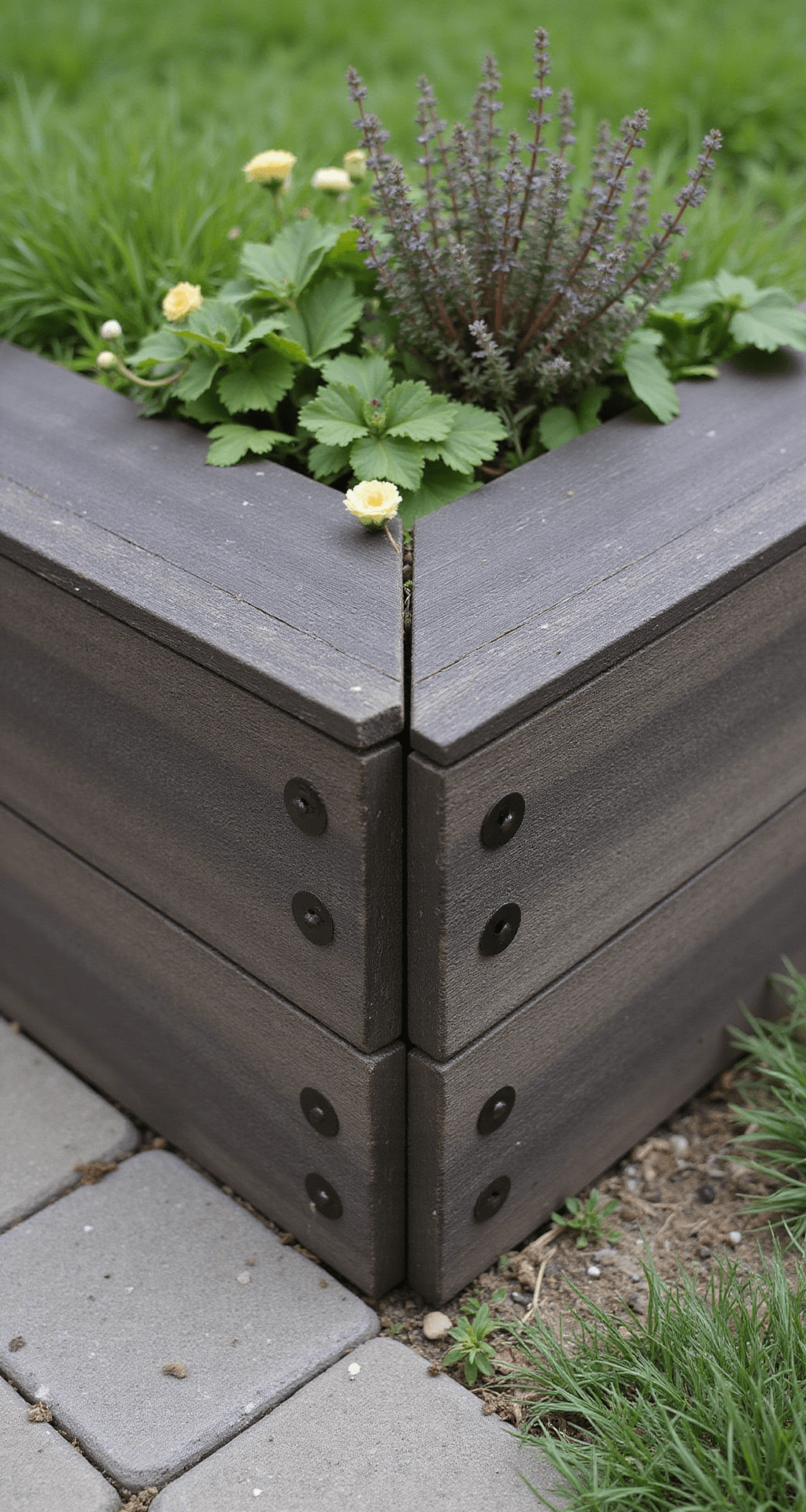
- Connect the pieces
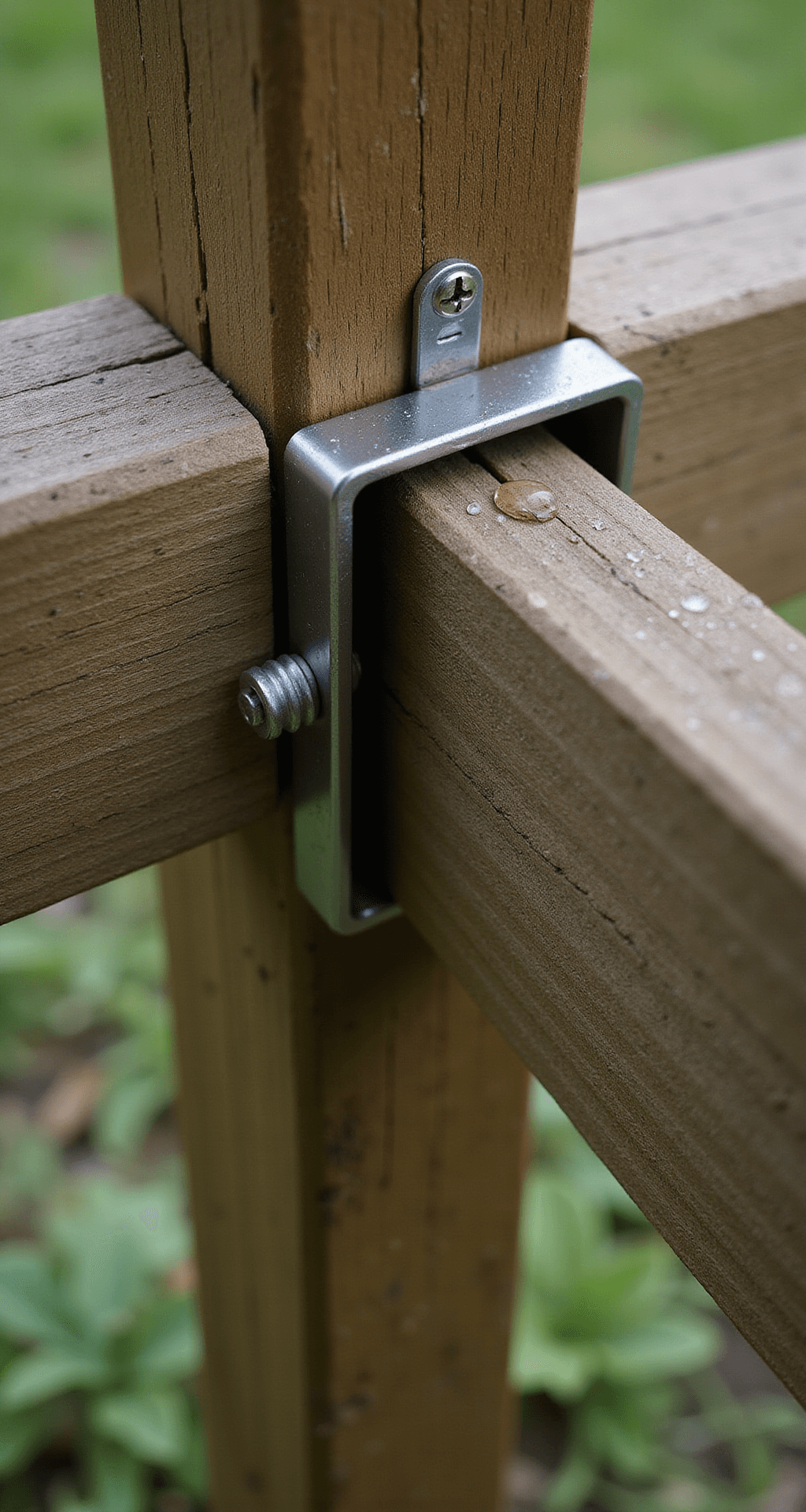
- Use metal brackets for clean joins
- Mitre corners at 45-degree angles
- Secure with heavy-duty landscaping screws
Tips
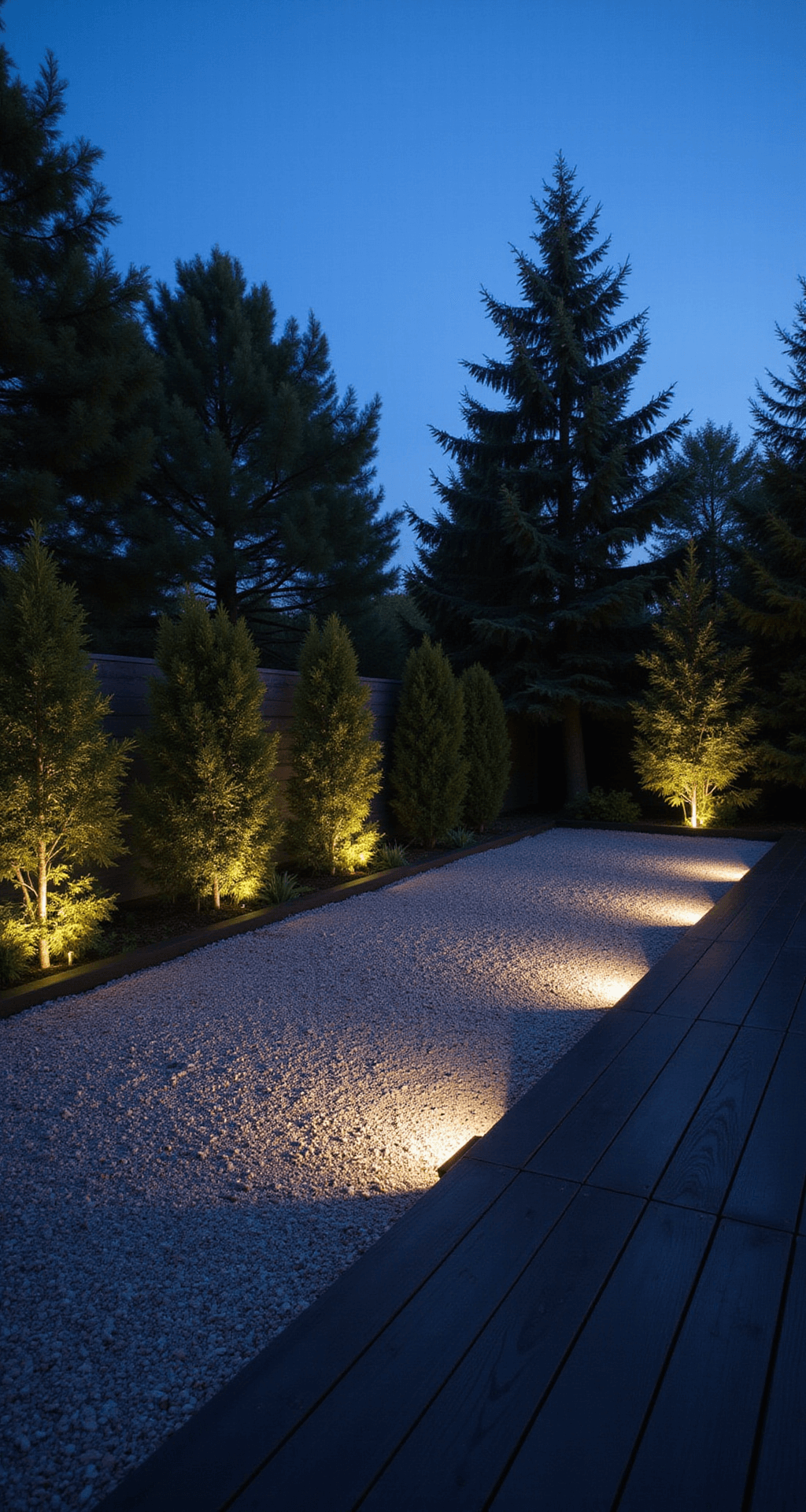
Drainage
- Always create a drainage-friendly base
- Avoid moisture-trapping membranes
- Keep wood dry to prevent rot
Design
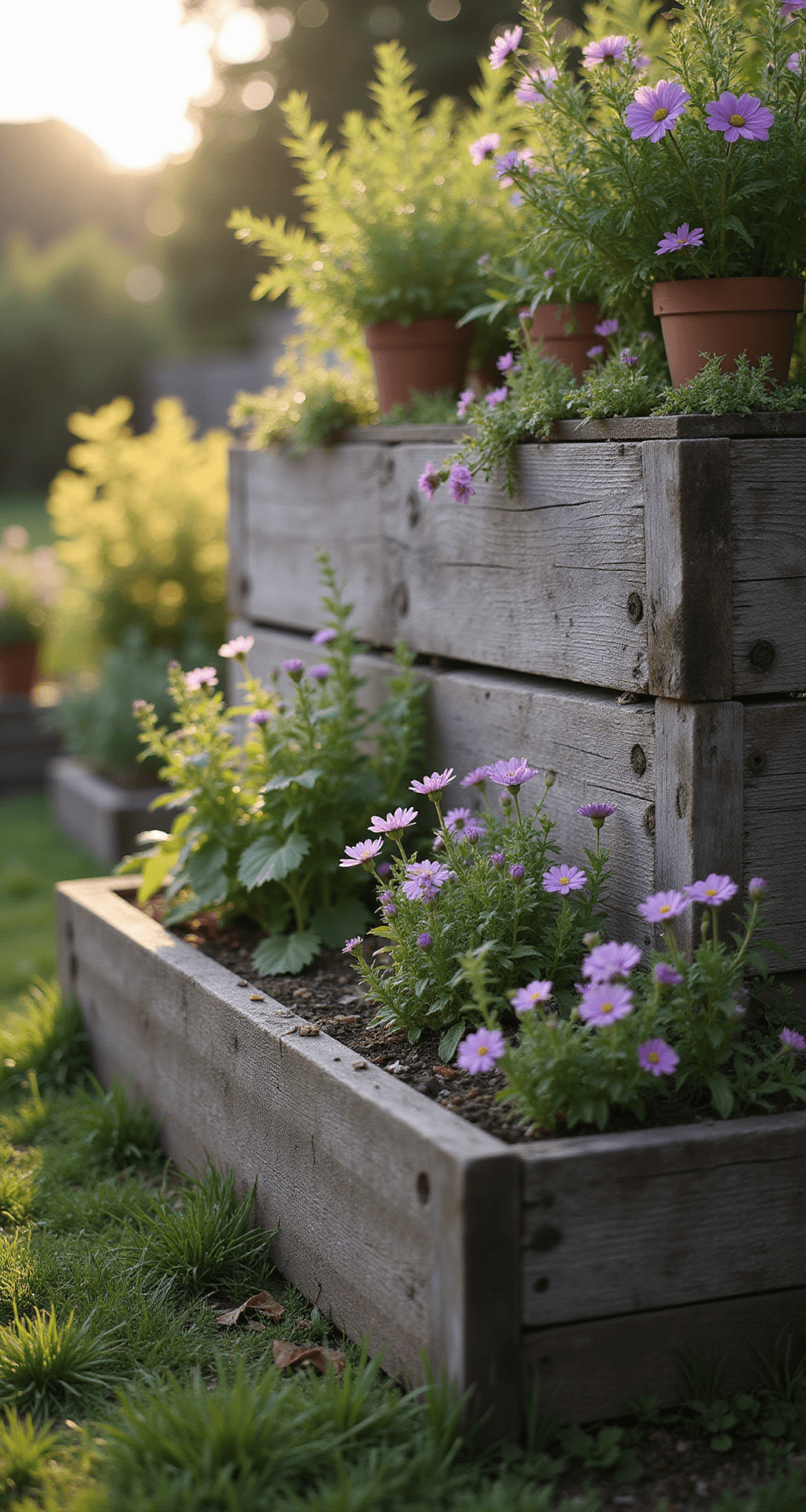
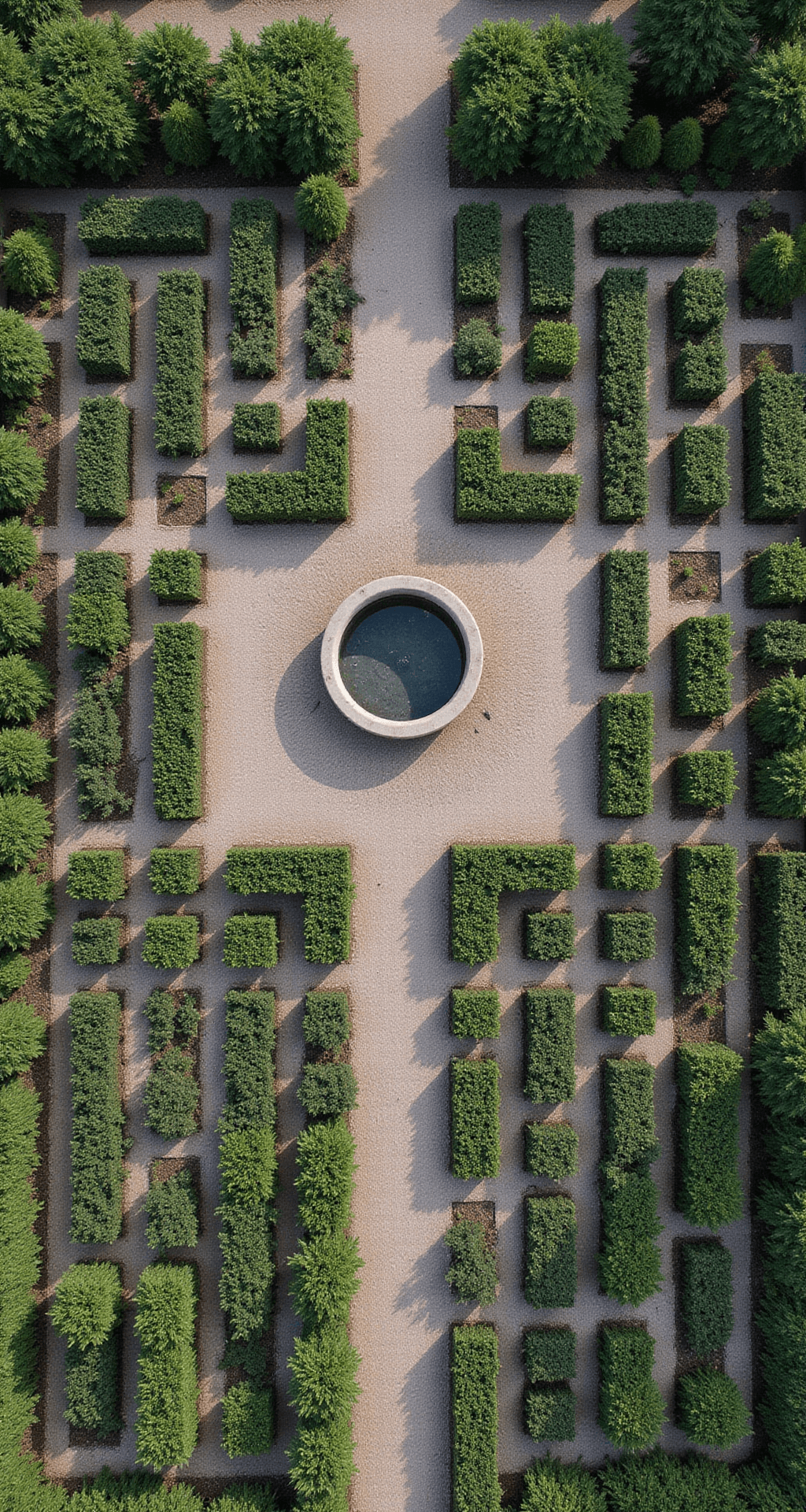
- Create curves or geometric patterns
- Mix vertical and horizontal placements
- Experiment with different wood finishes
Maintenance
Yearly Checklist:
- Inspect for signs of wear
- Retreat cut ends with wood preservative
- Clear surrounding area of debris
- Check anchoring and stability
Common Mistakes to Dodge
❌ Rookie Errors to Avoid:
Save this article
Enter your email and we'll send it straight to your inbox.
- Skipping proper ground preparation
- Neglecting drainage
- Forgetting to treat wood surfaces
- Poor anchoring techniques
Cost and Value
Compared to Other Borders:
- More affordable than stone
- More flexible than brick
- Better longevity than plastic
- Eco-friendly when sourced responsibly
Getting Started
“Sleeper borders are mostly preparation. Take your time, do it right, and the border will last for years.”
— Garden Design Experts
This post may contain affiliate links. Please see my disclosure policy for details.
Want to keep this one?
We'll email you the link so you can find it again later.