Why the Gate Matters
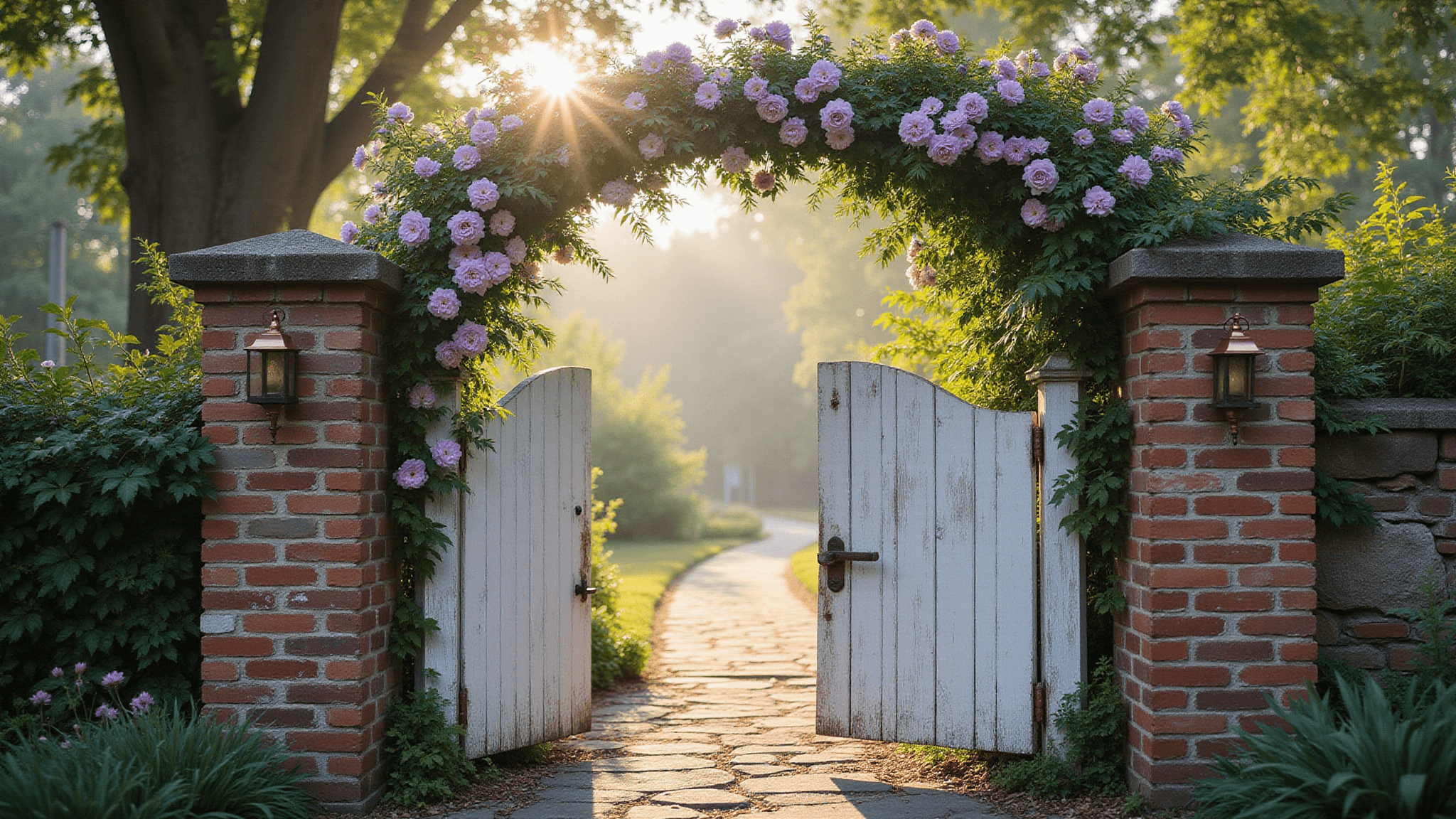
A garden gate sets the tone for the whole yard and controls who comes through. Pick it for the style of the house and the level of privacy you want.
Common Styles
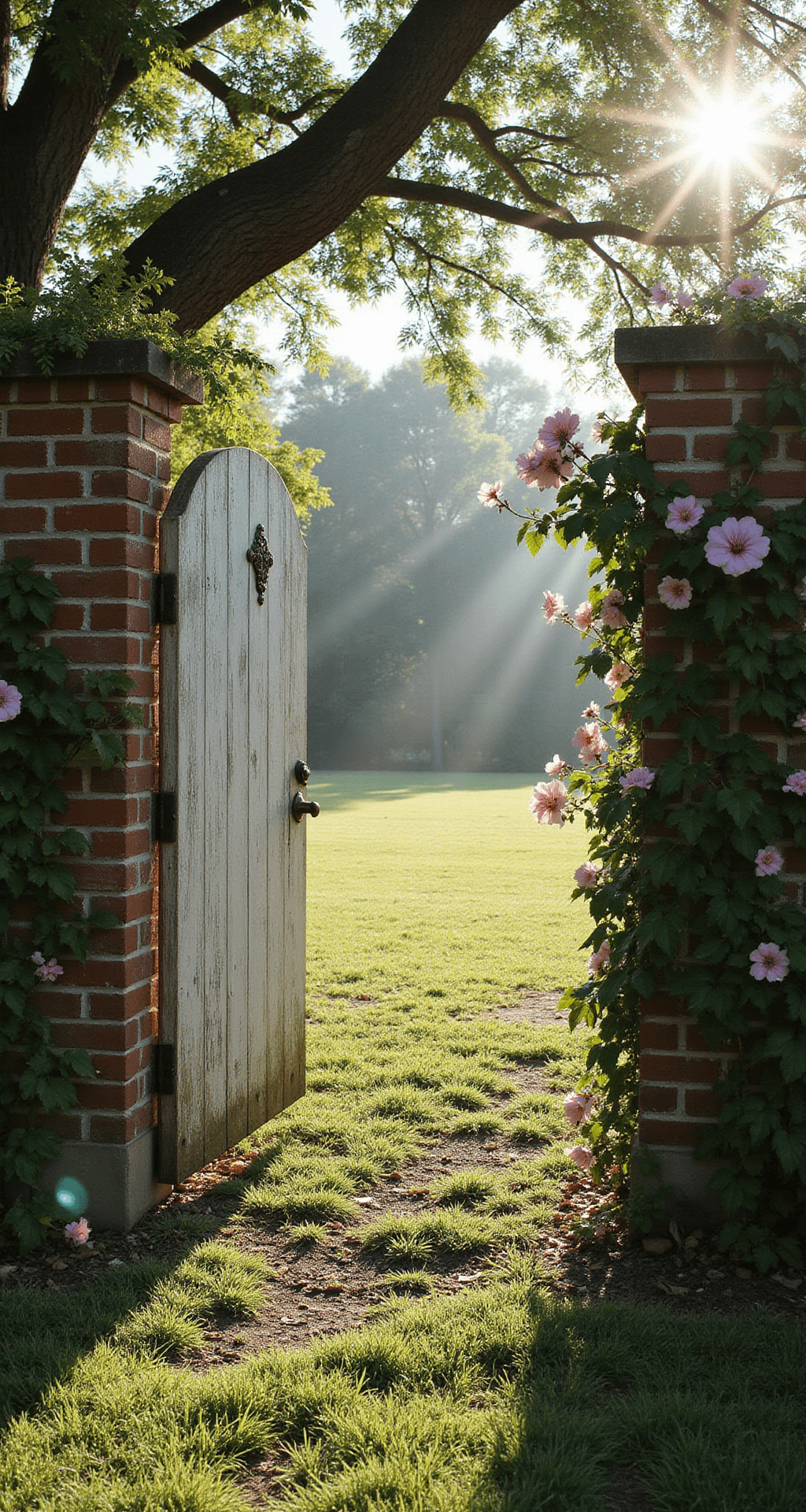
Wooden
• Flat-top designs for clean lines
• Elegant arched “swan neck” profiles
• Customizable with paint or wood stains
• Works in most garden styles
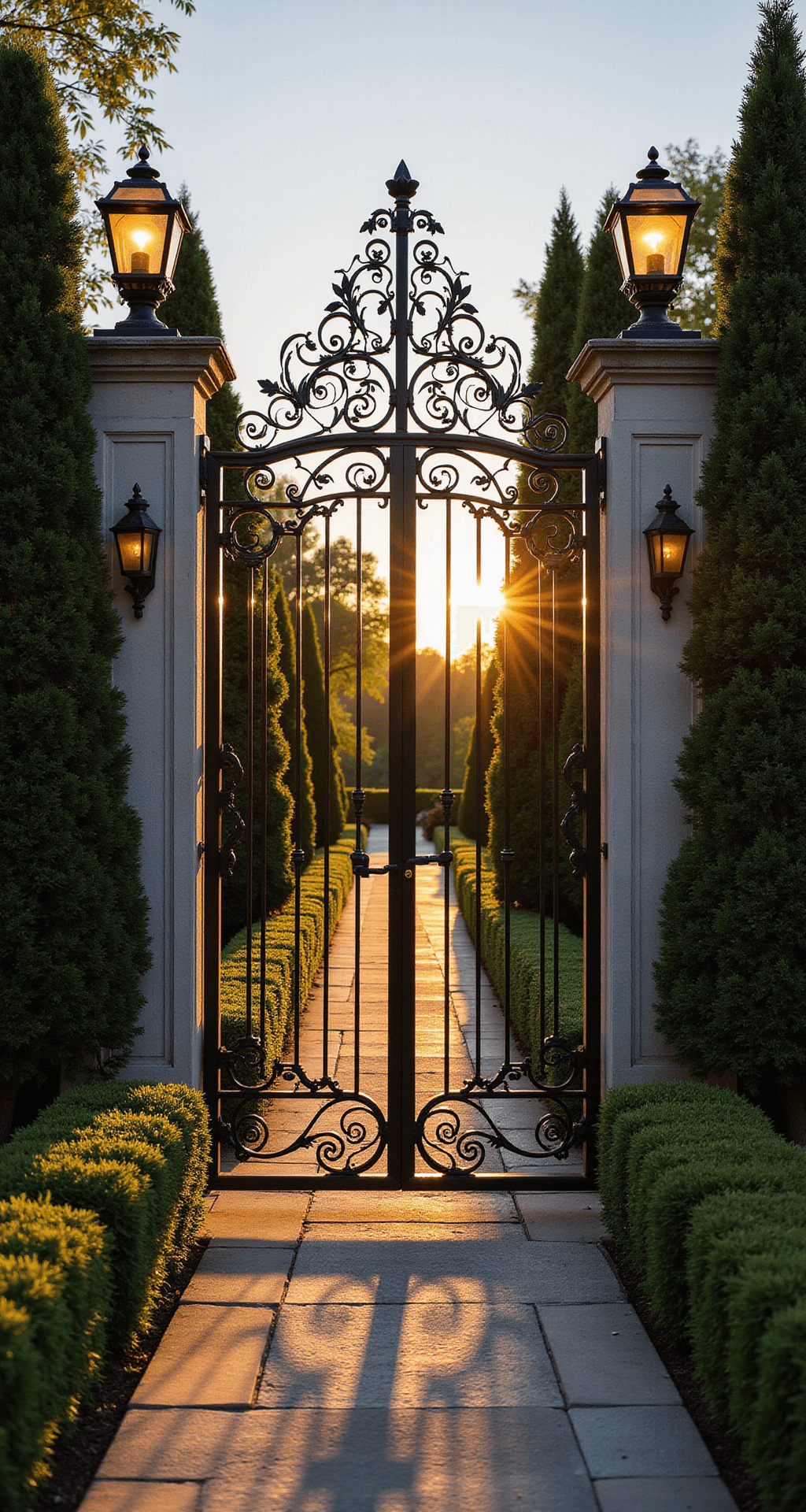
Wrought Iron
• Traditional and ornate
• Formal and detailed
• Ideal for cottage and formal garden designs
• Durable and low-maintenance
Design Ideas
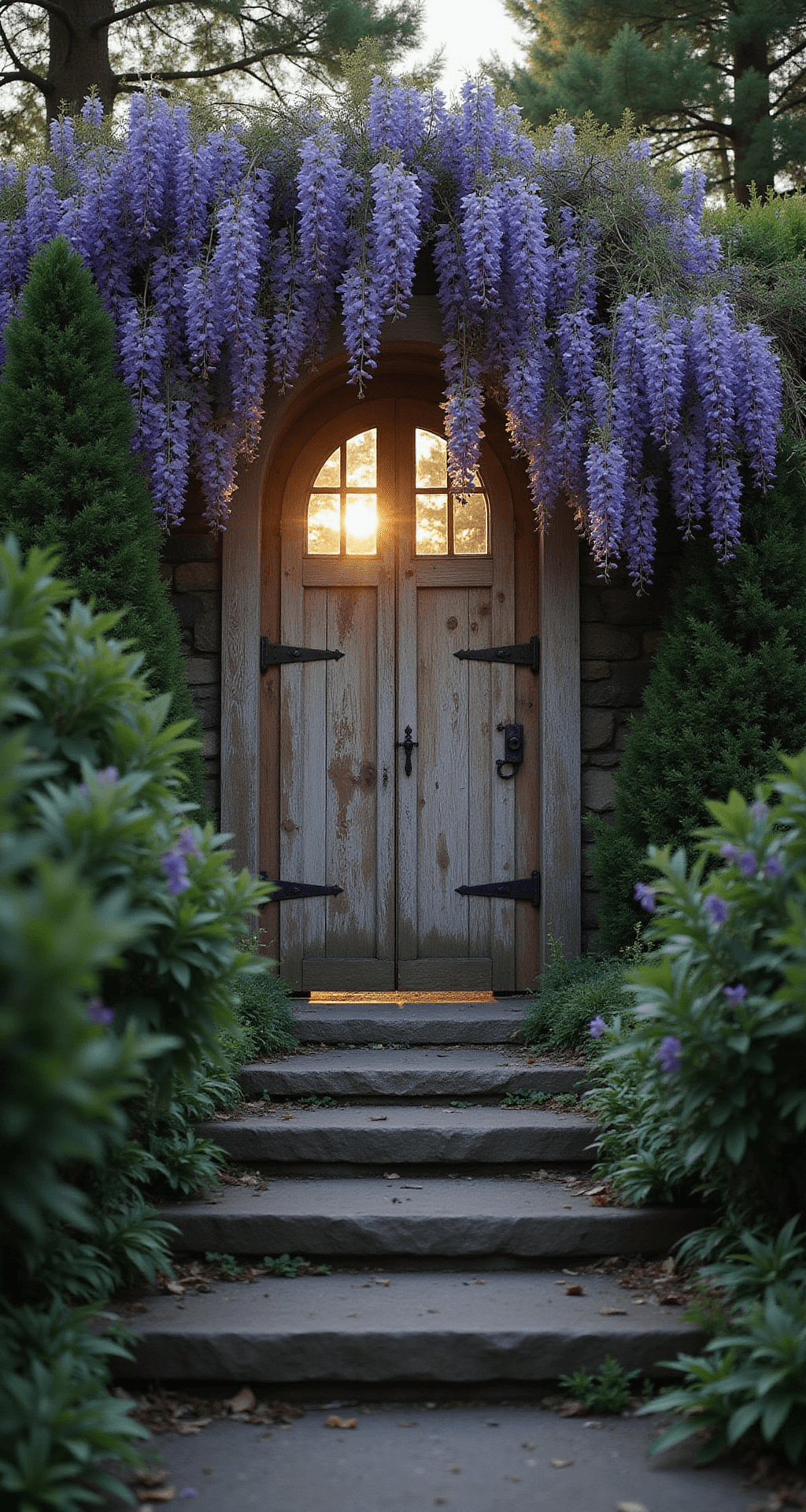
Hidden Gate
A gate set into a hedge reads as a surprise from inside the garden:
• Blend gate into dense hedges
• Hide it in planting for a quieter entrance
• Use camouflage techniques for surprise entrances
Building One
DIY Basics
Materials you’ll need:
• Treated pine
• Weather-resistant hardware
• Basic tools
• A clear plan of the size
Styling
• Pick hardware that suits the style
• Add decorative elements like house numbers
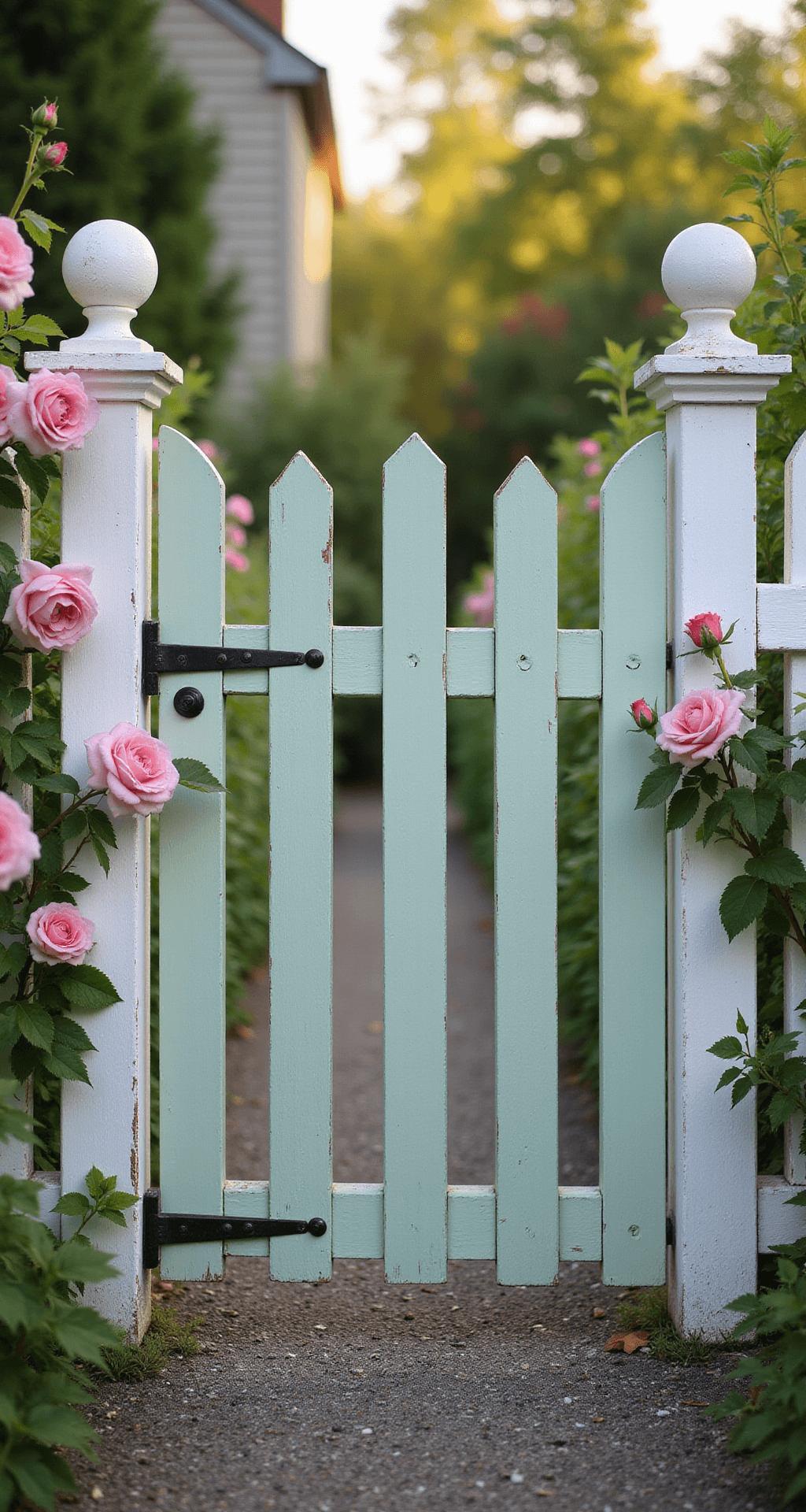
• Use color strategically
• Incorporate climbing plants
Save this article
Enter your email and we'll send it straight to your inbox.
Other Materials
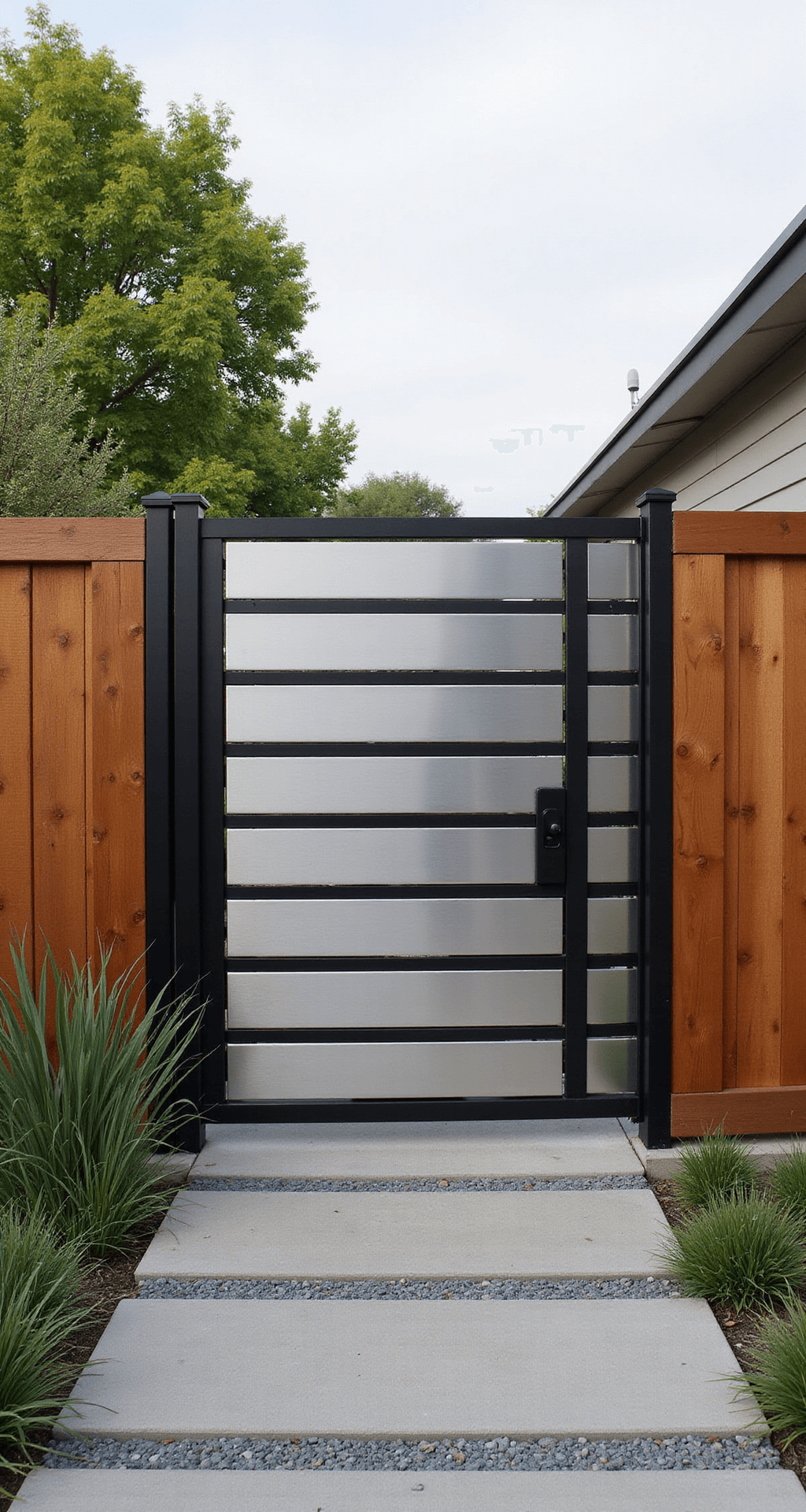
Modern
• Reclaimed wood
• Metal mesh
• Minimalist wire panels
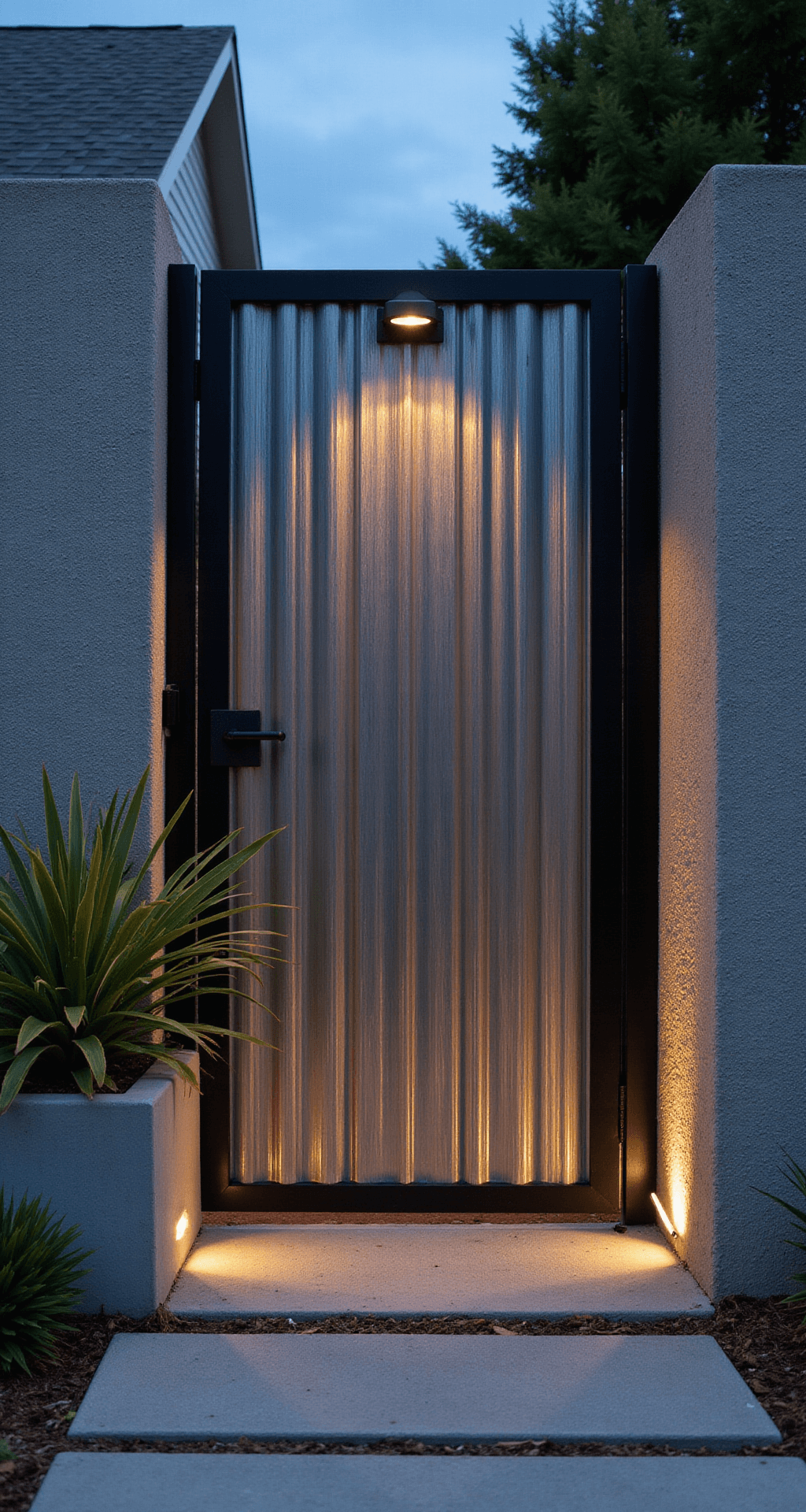
• Corrugated metal accents
On a Budget
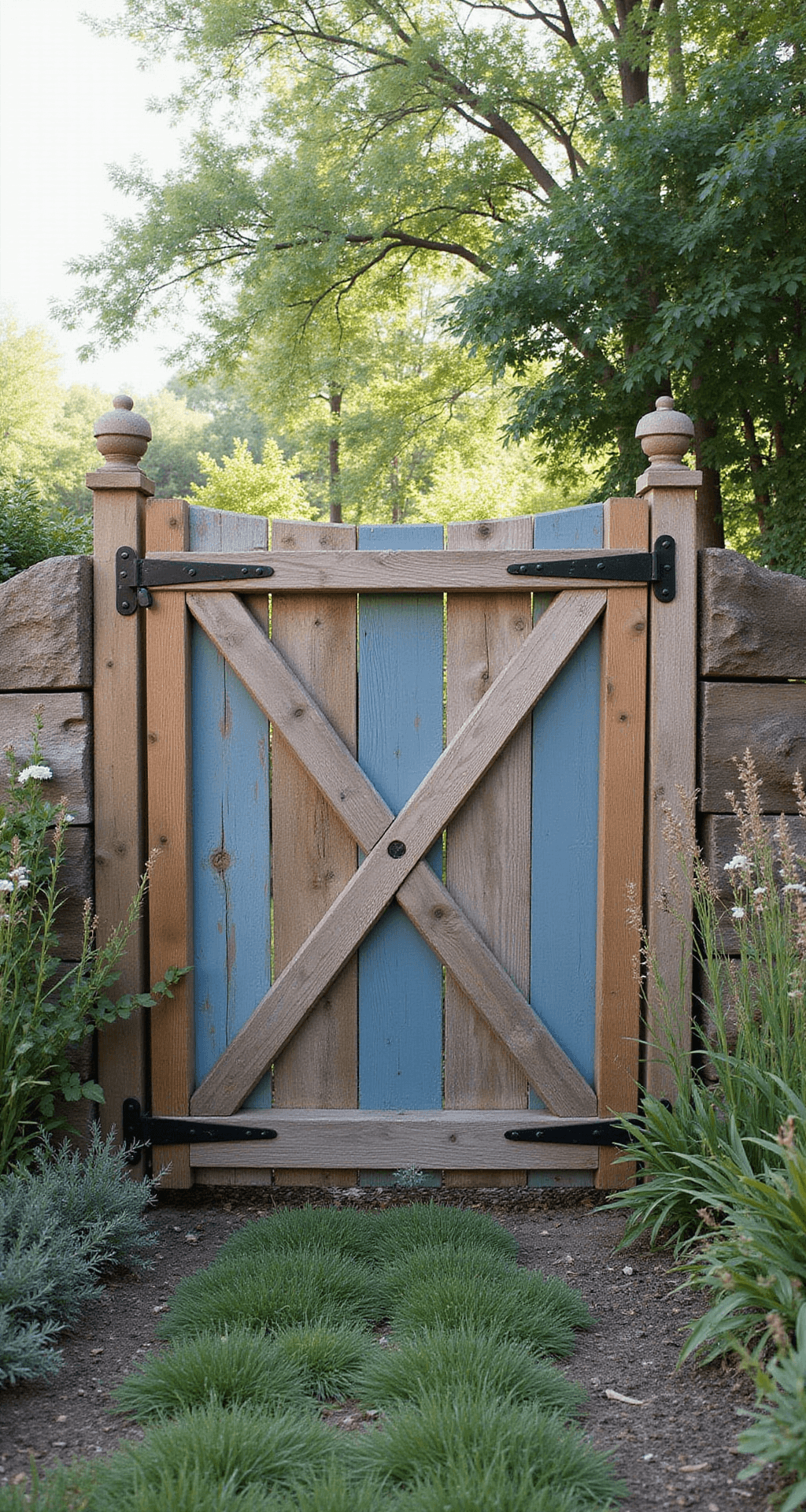
Lower-Cost Options
• Upcycle old doors
• Use standard lumber
• Paint to refresh old wood
• DIY installation
Which Gate
| Gate Style | Best For | Difficulty | Cost |
|---|---|---|---|
| Wooden Picket | Cottage Gardens | Easy | Low |
| Wrought Iron | Formal Spaces | Moderate | High |
| Rustic Reclaimed | Eclectic Yards | Advanced | Medium |
| Modern Minimalist | Contemporary Homes | Easy | Medium |
Color and Texture
Tips
• Bold colors draw the eye
• Neutral tones blend in
• Texture adds interest
• Consider your landscape’s existing palette
Getting Started
Match the gate to the house: wood for cottage and modern, iron for formal. A well-set gate lasts years and needs little upkeep.
Steps
- Measure your entrance
- Determine your style
- Select materials
- Plan installation
- Add personal touches
This post may contain affiliate links. Please see my disclosure policy for details.
Want to keep this one?
We'll email you the link so you can find it again later.