Alliums in the Garden
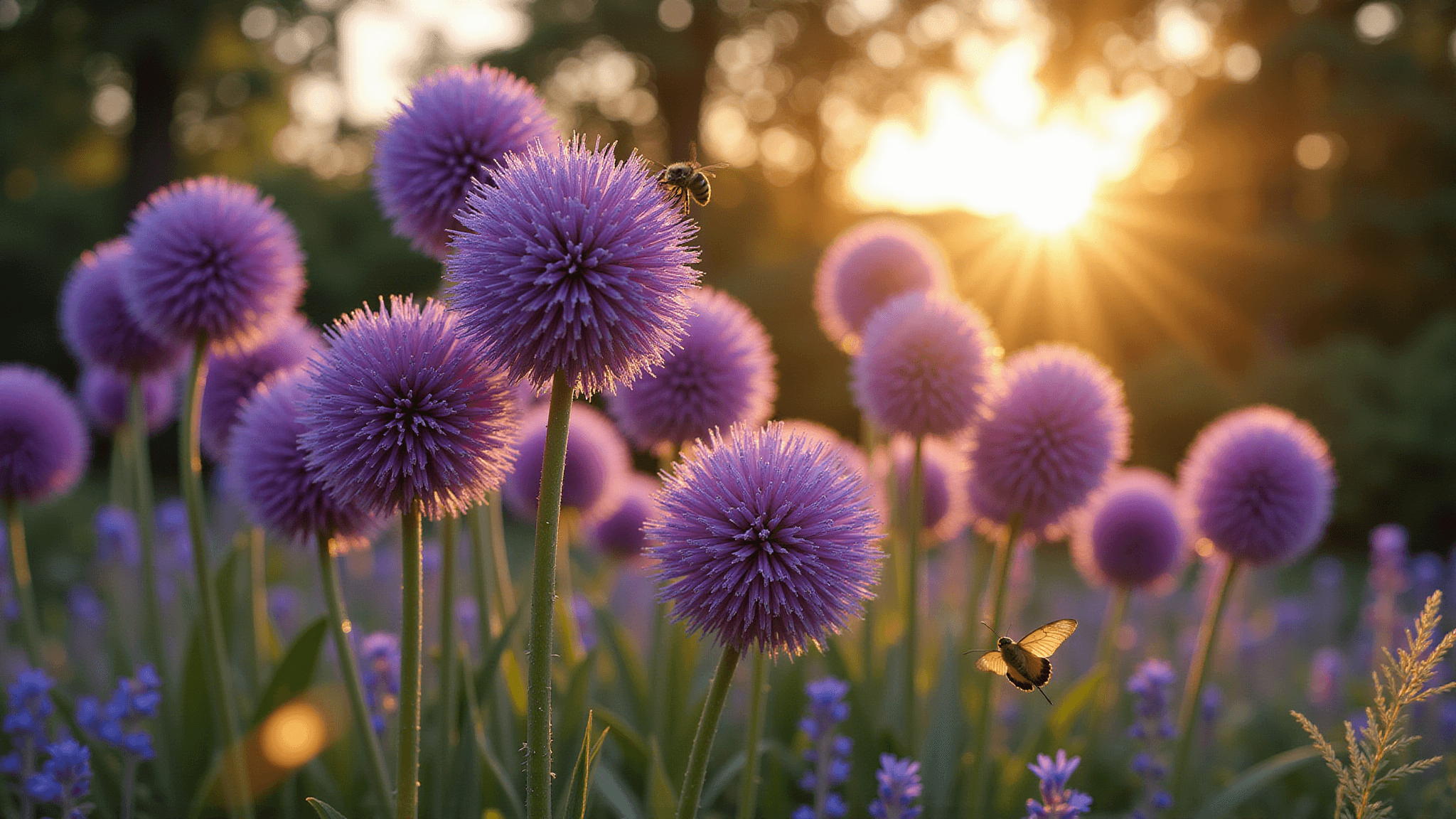
Alliums are globe-shaped flowering bulbs from the onion family. Their round blooms add a strong vertical accent to borders and look good in the ground or cut for vases.
What Alliums Are
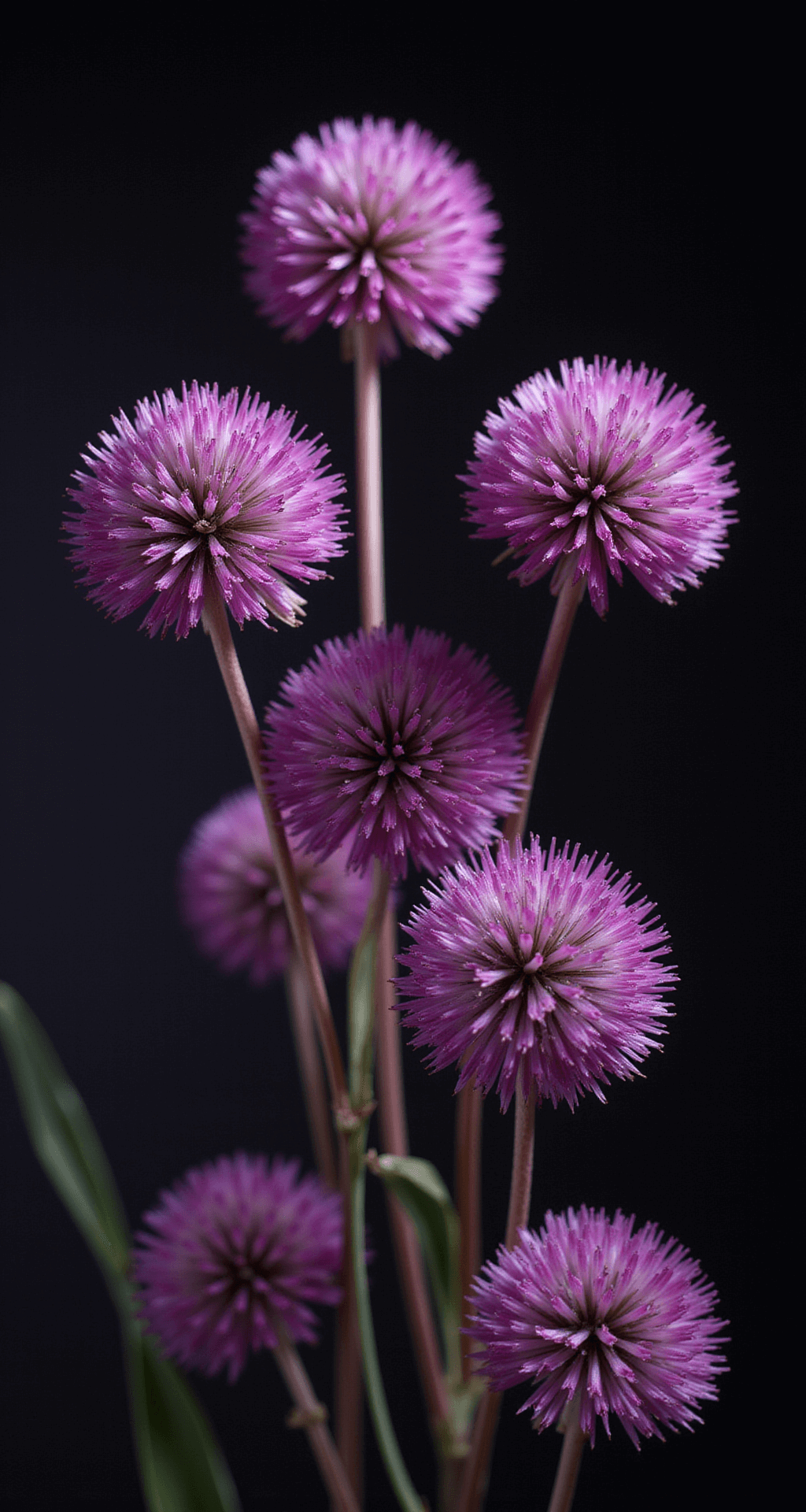
Alliums, also called ornamental onions, form a sphere of small flowers on a straight stem. The shape stands out among lower planting.
Why Alliums Work
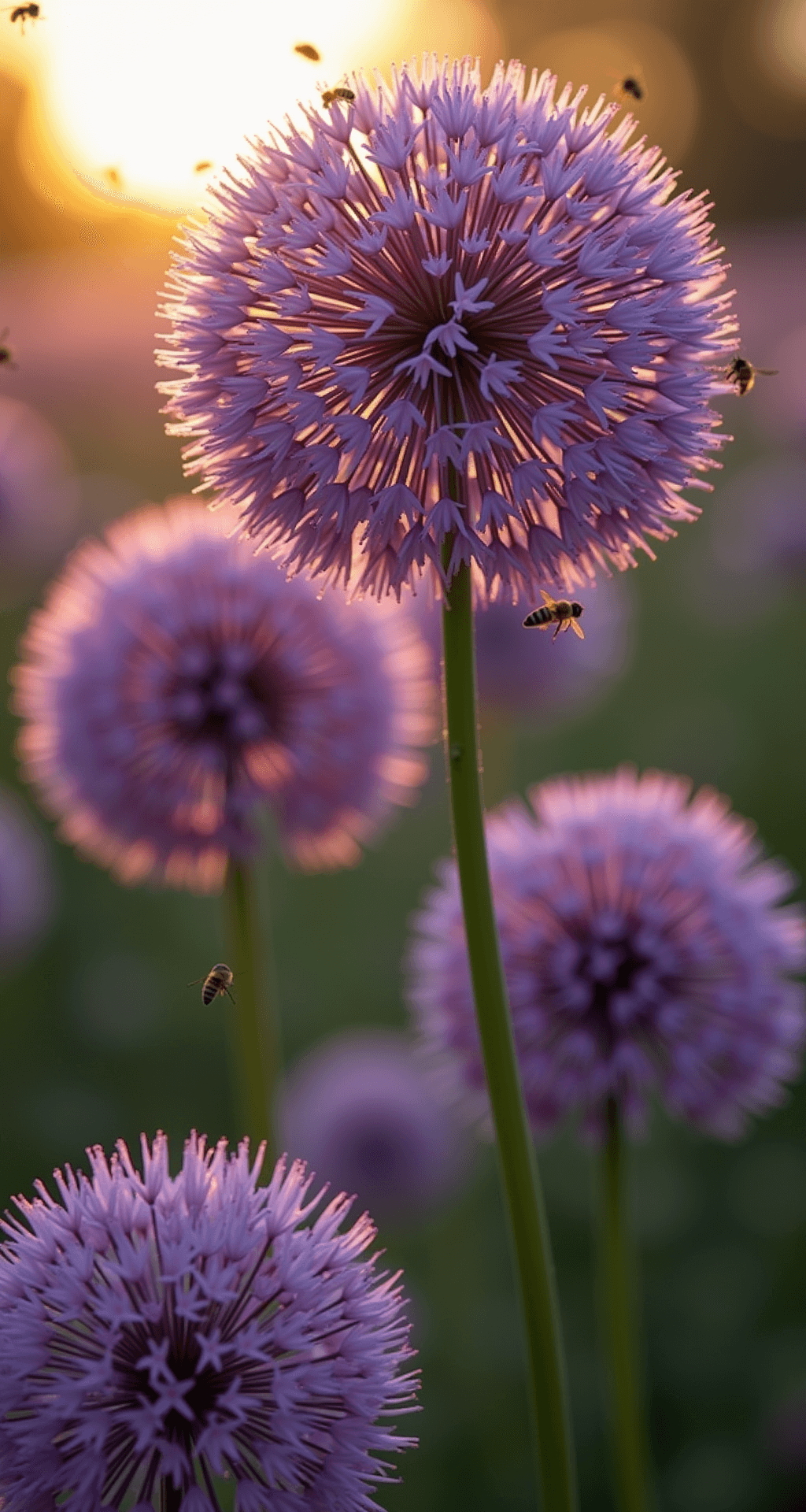
Good for Pollinators
- Bees go crazy for these globe-shaped beauties
- Butterflies can’t resist their charm
- Attracts beneficial insects like a magnet
Low Maintenance
- Plant once, enjoy for years
- Minimal care required
- Basically the lazy gardener’s dream plant
Hardy
- Deer and rabbits? Not interested
- Drought-tolerant
- Survives where other plants wimp out
Choosing Your Allium Varieties
Common Varieties
- Purple Sensation: a strong purple bloom
- Globemaster: Massive flowers that demand attention
- Mount Everest: Pure white elegance
- Drumstick: Unique, elongated flower heads
- Millennium: Perennial powerhouse
Planting
Planting Basics
- Timing: Fall is your friend
- Depth: 6-8 inches underground
- Spacing: Give them room to breathe (10 inches minimum)
- Soil: well-draining
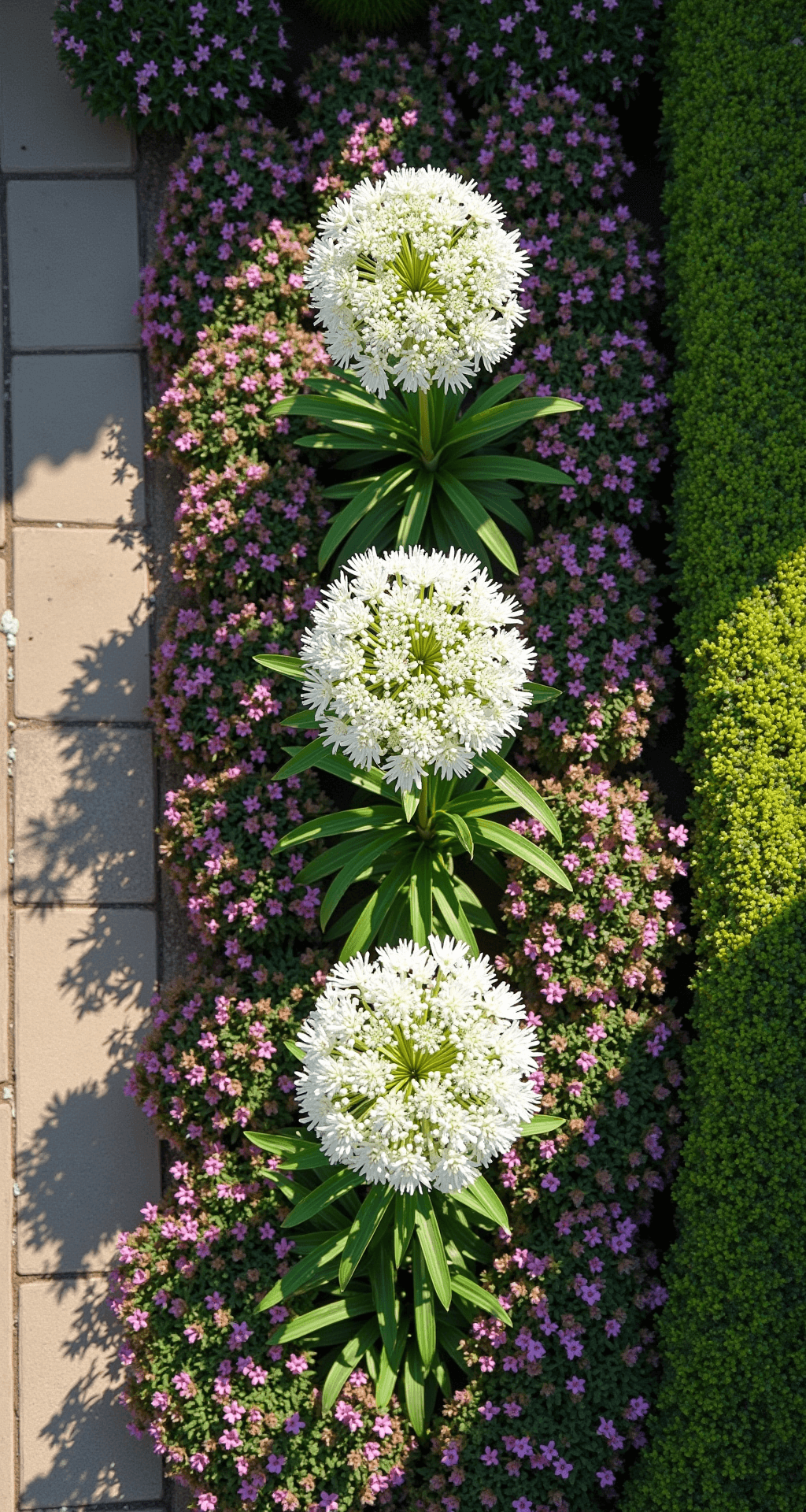
Companion Planting
Pairings
Cottage Garden Dreams
- Pair with salvias
- Mix with geums
- Throw in some campanulas
Prairie Style
Save this article
Enter your email and we'll send it straight to your inbox.
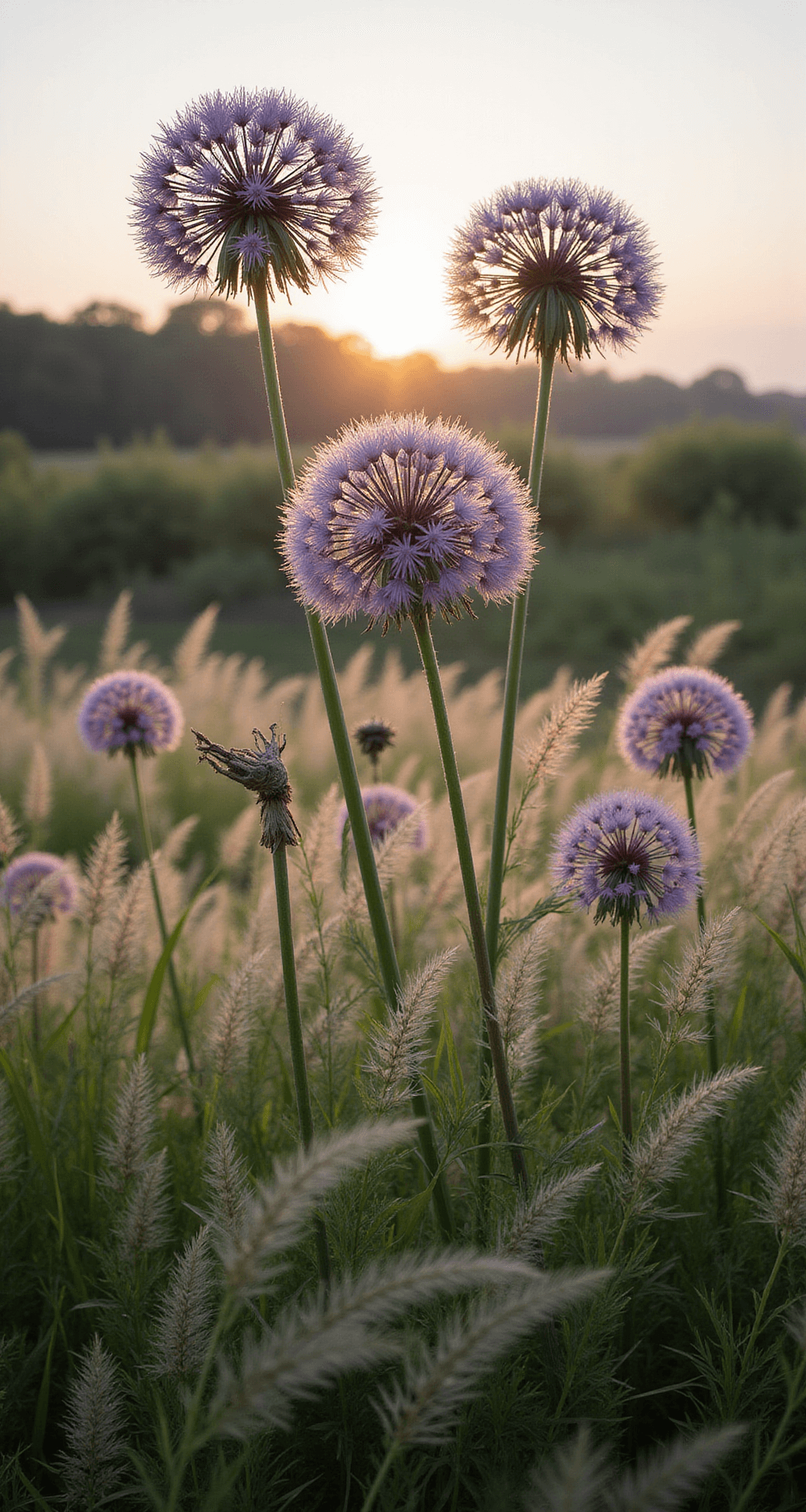
- Ornamental grasses are your bestie
- Create a wild, natural look
Pro Tip: Hide those dying foliage by planting low-growing companions like:
- Calamintha
- Speedwell
- Lavender
Where to Place Them
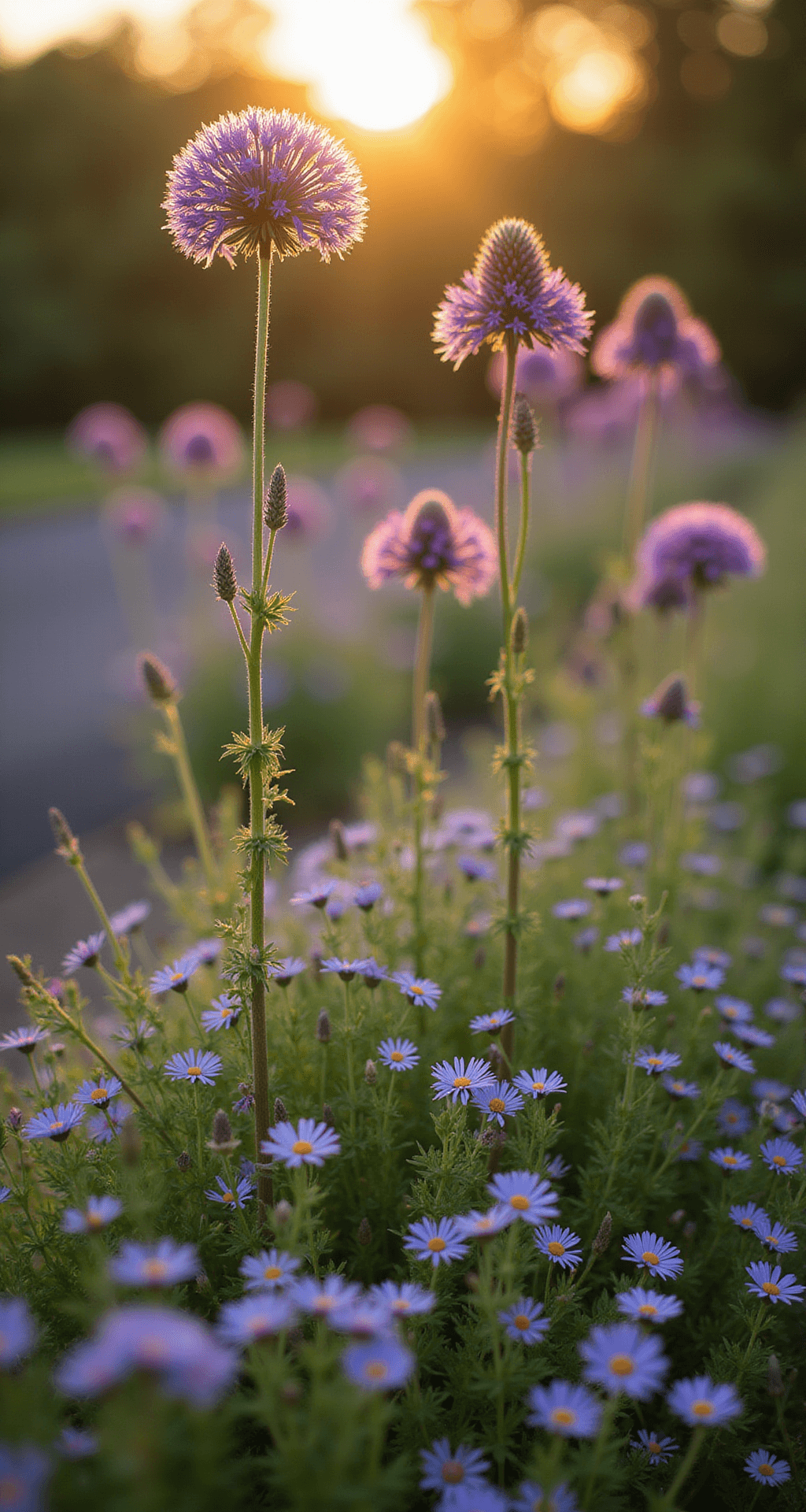
Alliums do best at the back of a border, where their height frames lower plants.
Quick Tips
- Full sun is their happy place
- Zones 4-7 are perfect
- Little water once established
Why Grow Alliums
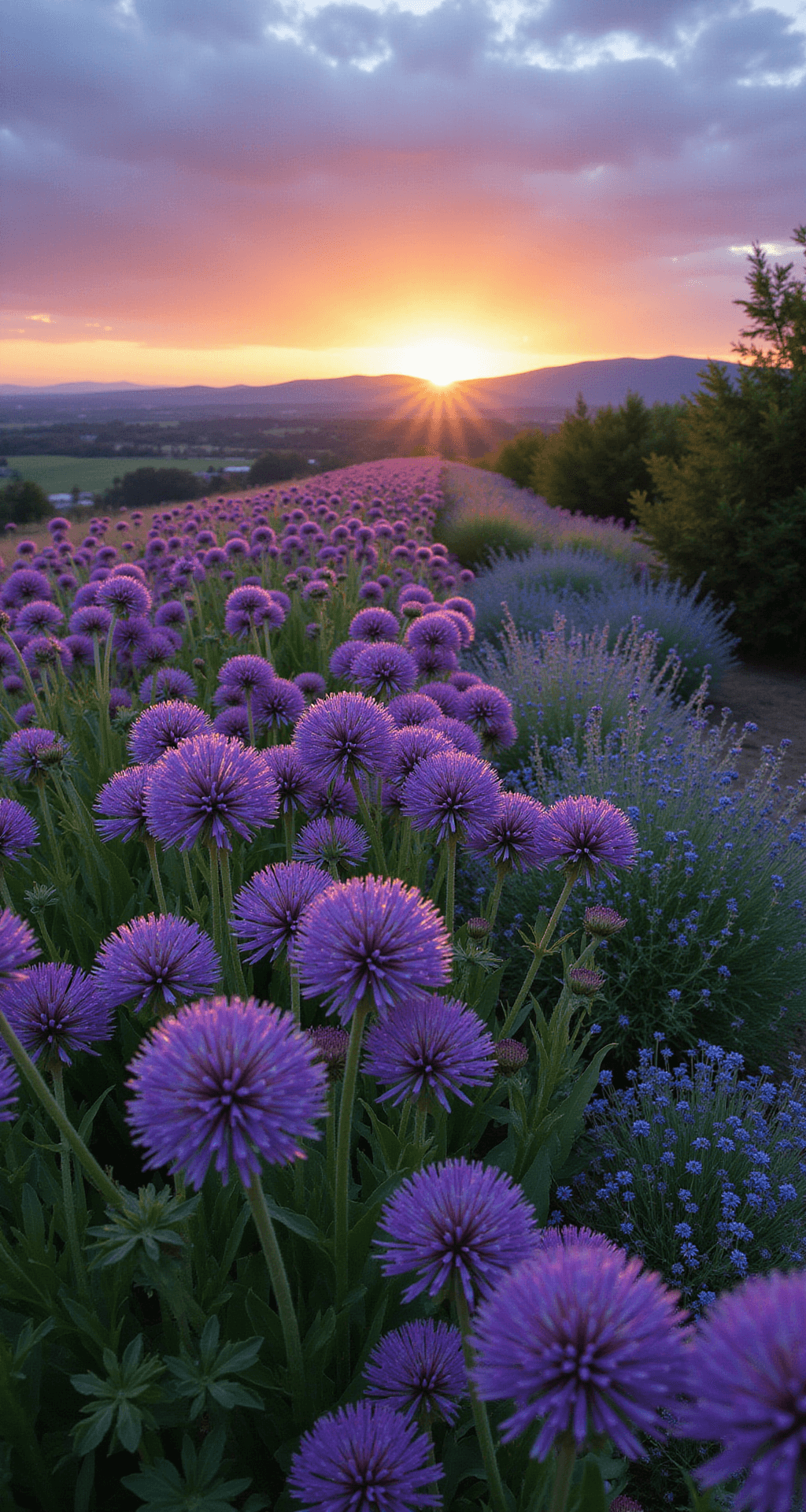
Alliums add height and round forms that most perennials lack. They feed bees and give a border a structured look after spring bulbs fade.
Alliums are a low-effort way to add a strong shape to the garden.
This post may contain affiliate links. Please see my disclosure policy for details.
Want to keep this one?
We'll email you the link so you can find it again later.