Garden Arches
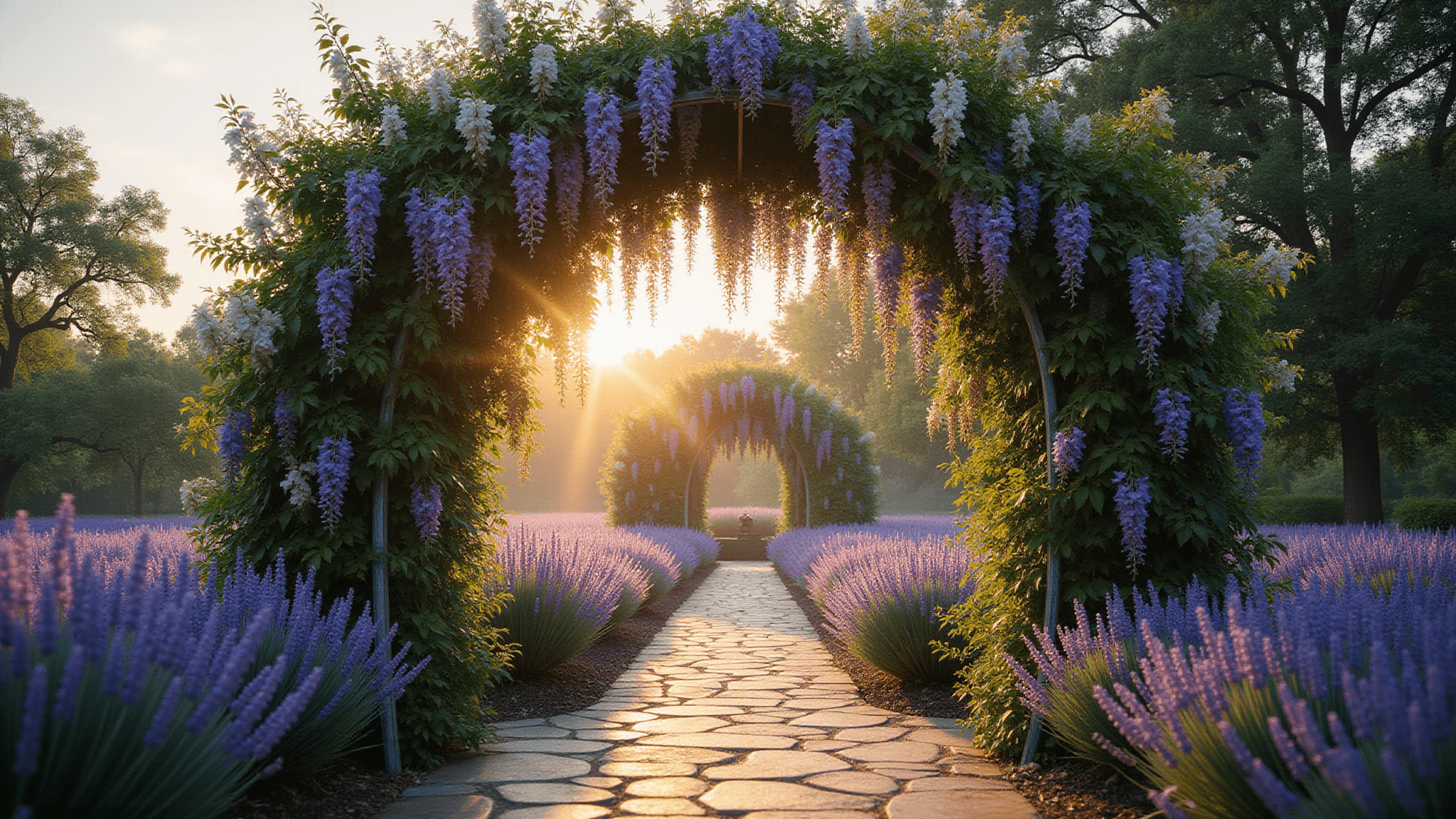
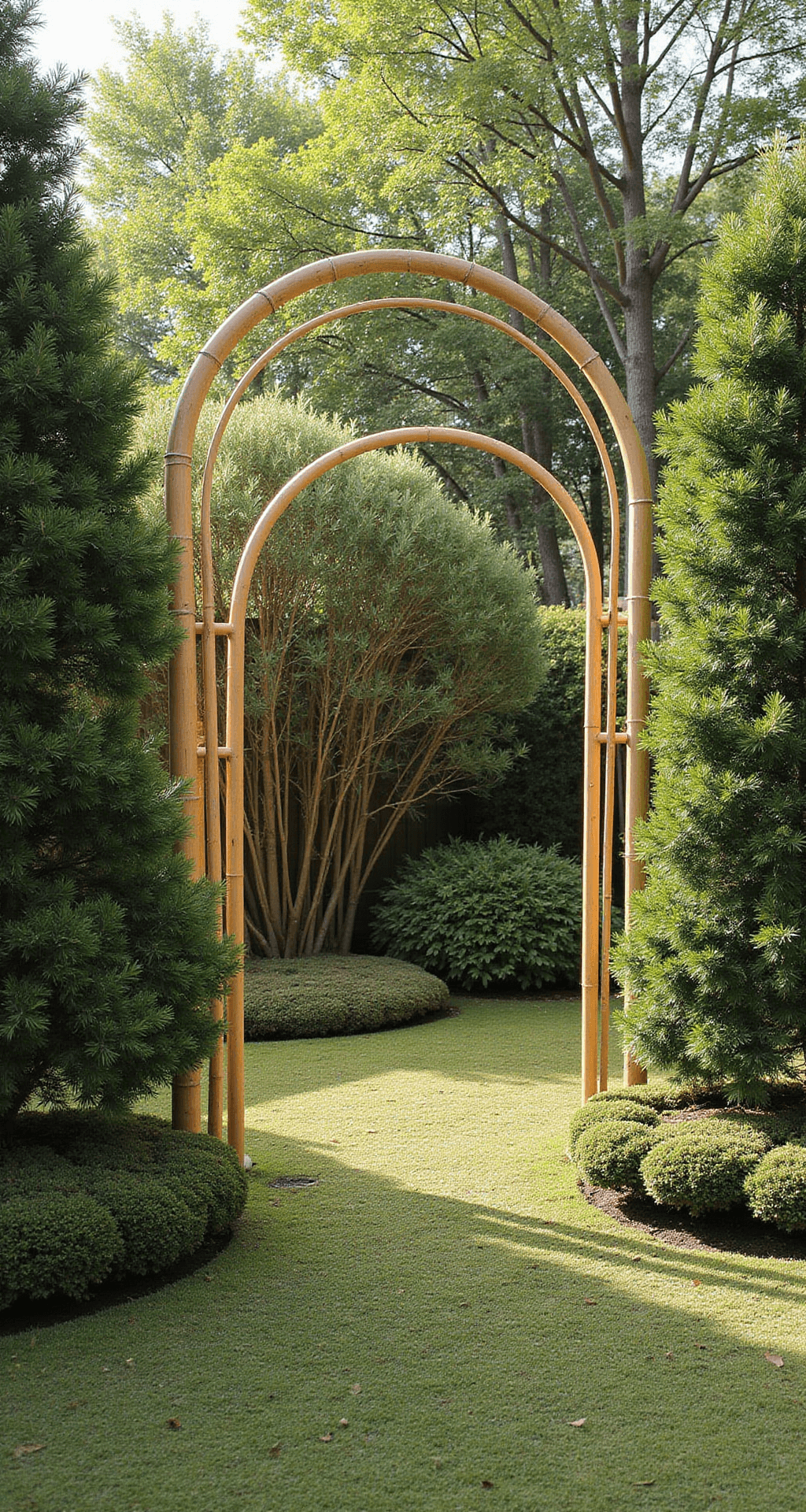
A garden arch marks a spot: over a path, a gate, or a bench. It gives climbing plants a frame and adds height to a flat border. The notes below cover materials, placement, and the climbers that do well on one.
What They Do
An arch earns its place by doing a few jobs:
- Mark a focal point
- Support climbing plants
- Add vertical interest to your landscape
- Turn a plain path into a planted walkway
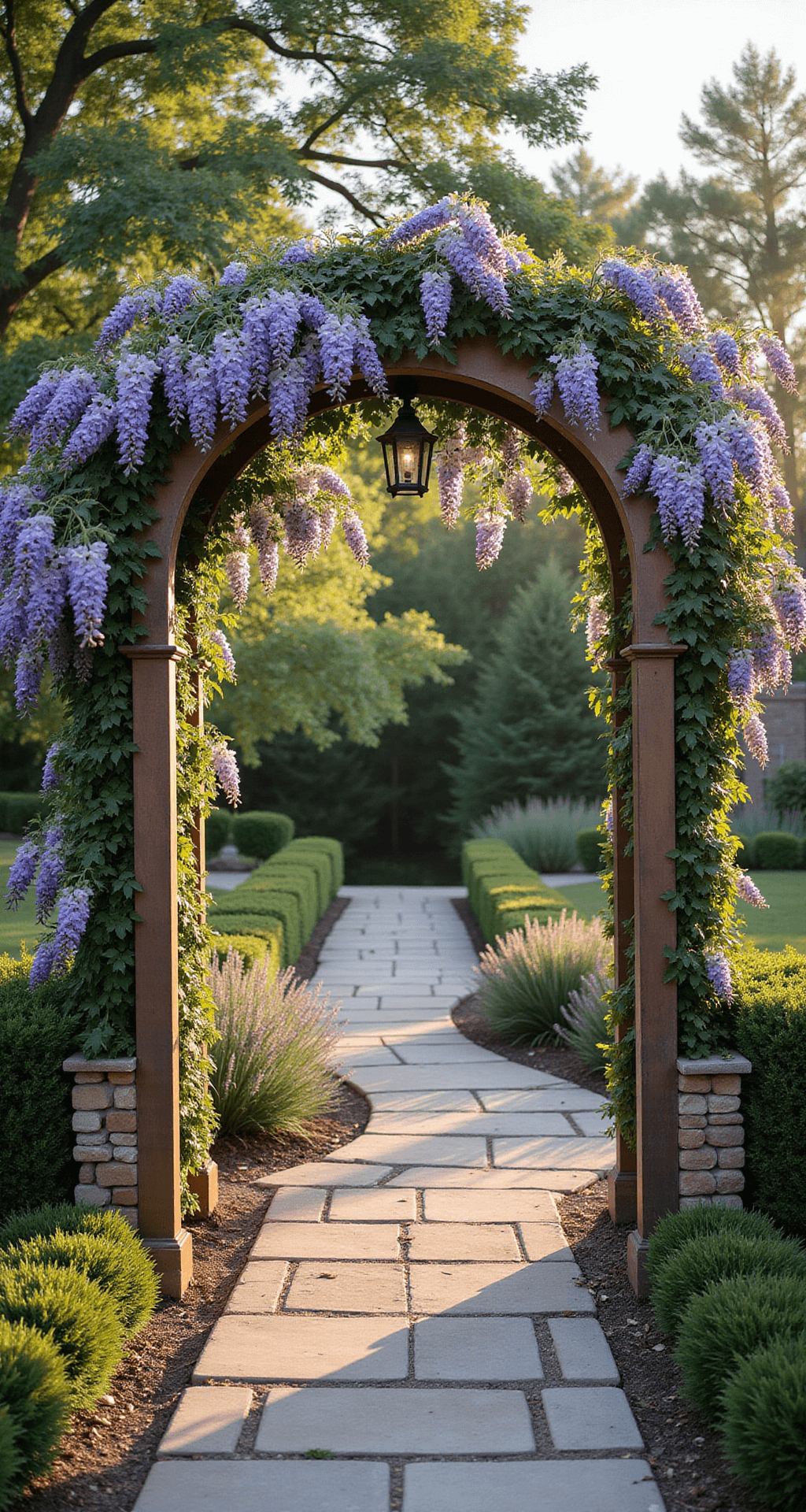
Materials
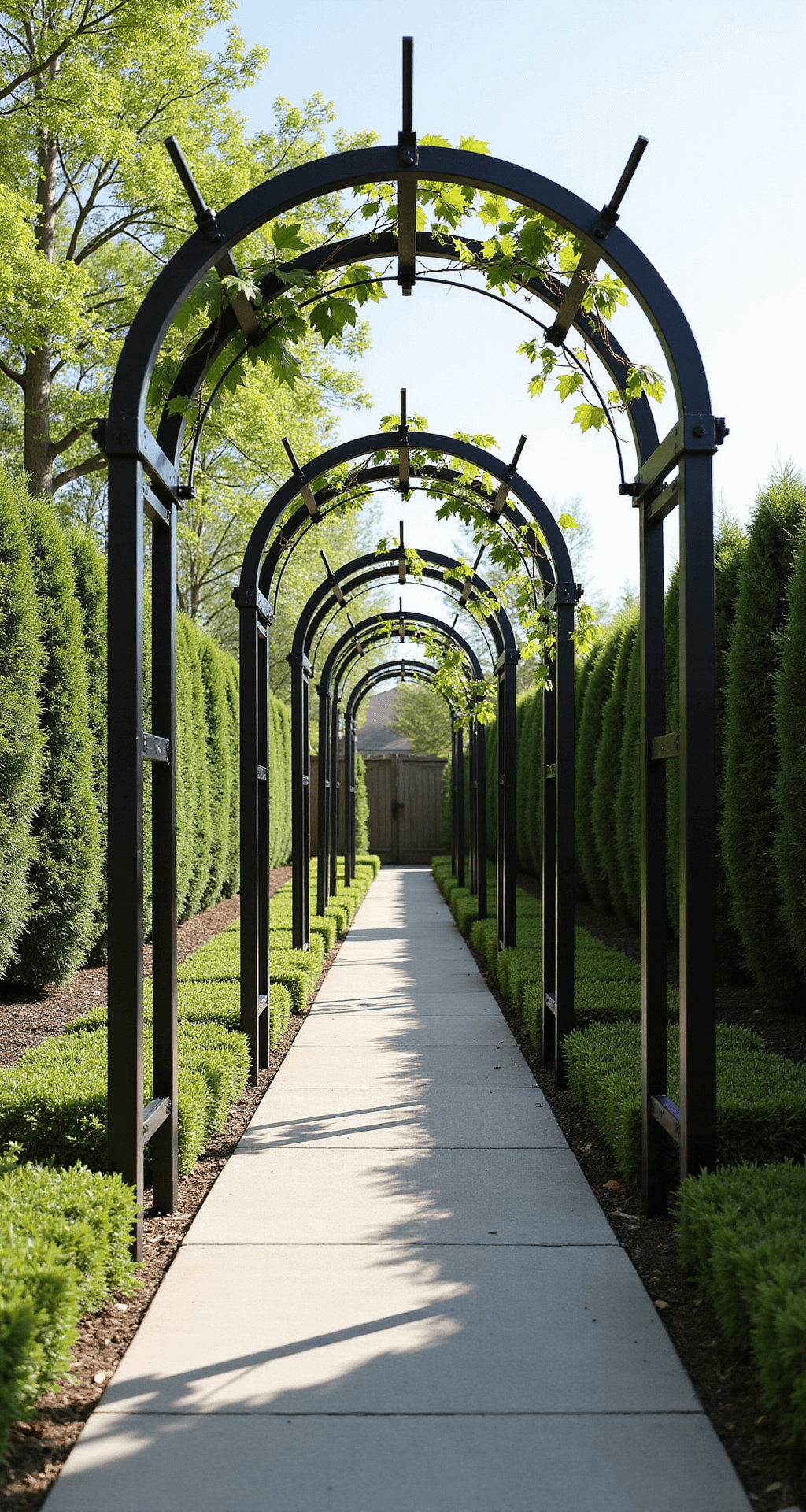
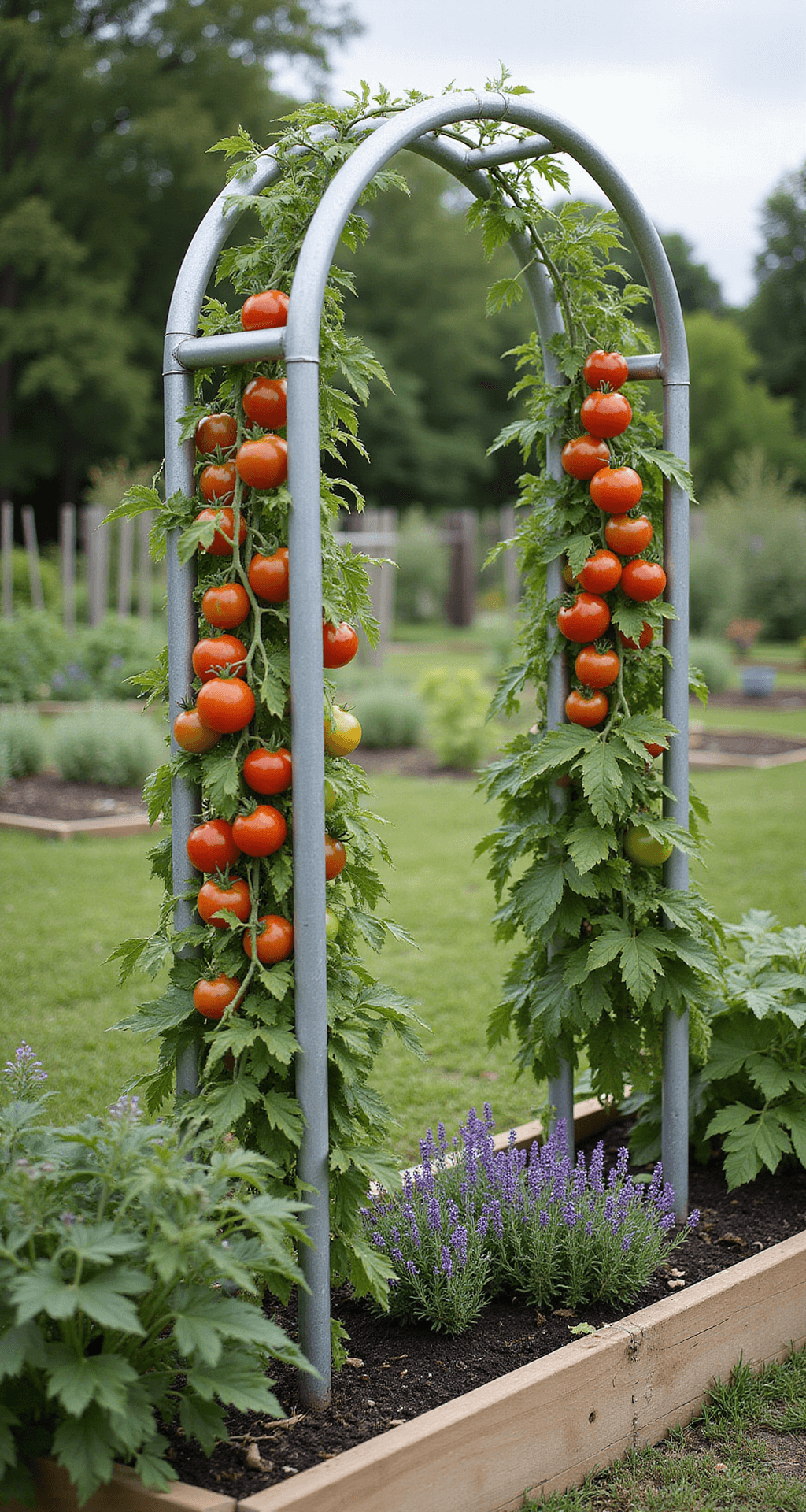
Metal
Pros:
- Galvanized steel resists rust and weathering
- Available in multiple design styles
- Works in modern and traditional gardens
- Minimal maintenance required
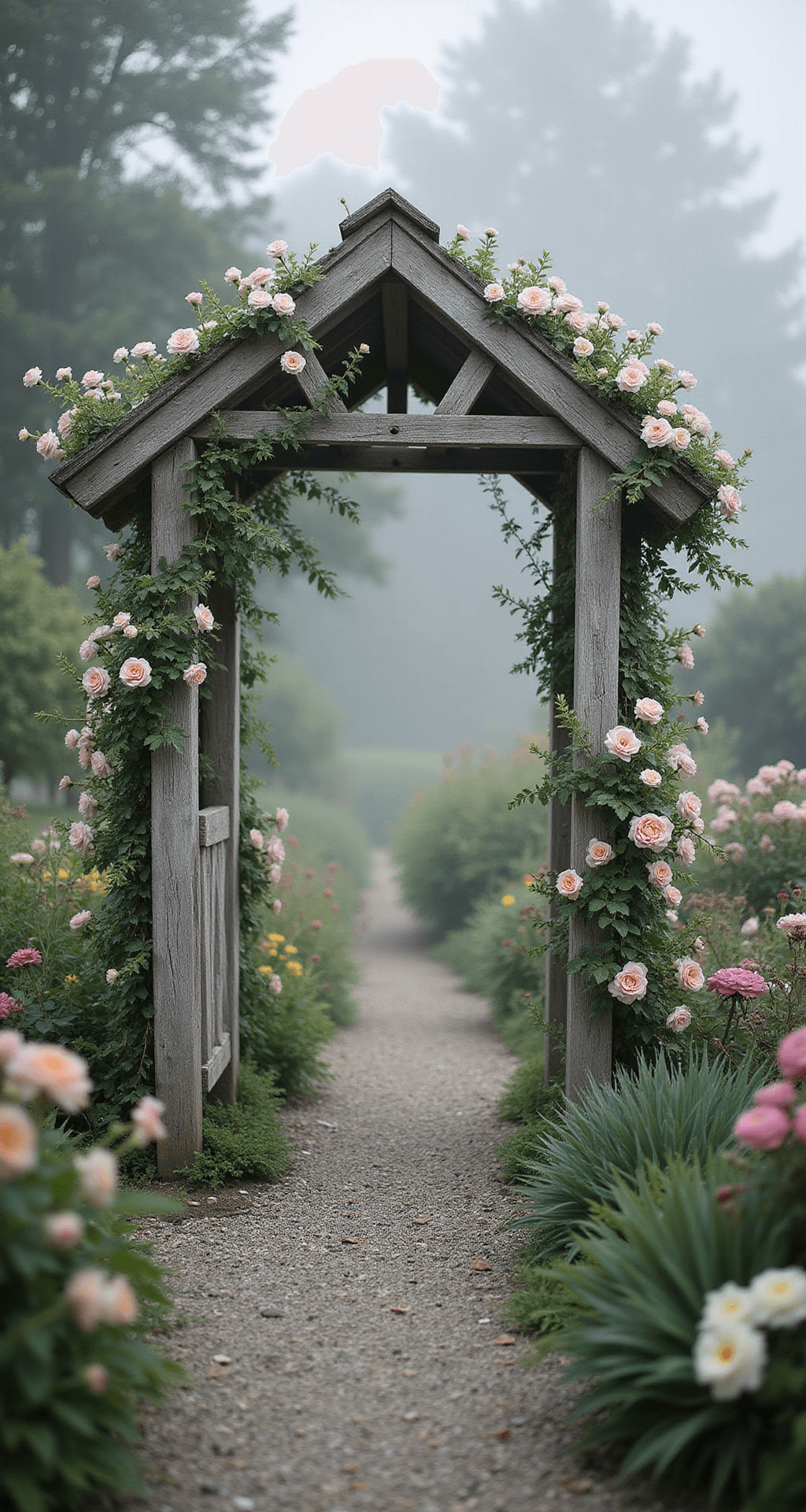
Wood
Pros:
- Blends into the garden
- Warm, natural look
- Can be stained or painted
- Provide a more traditional garden feel
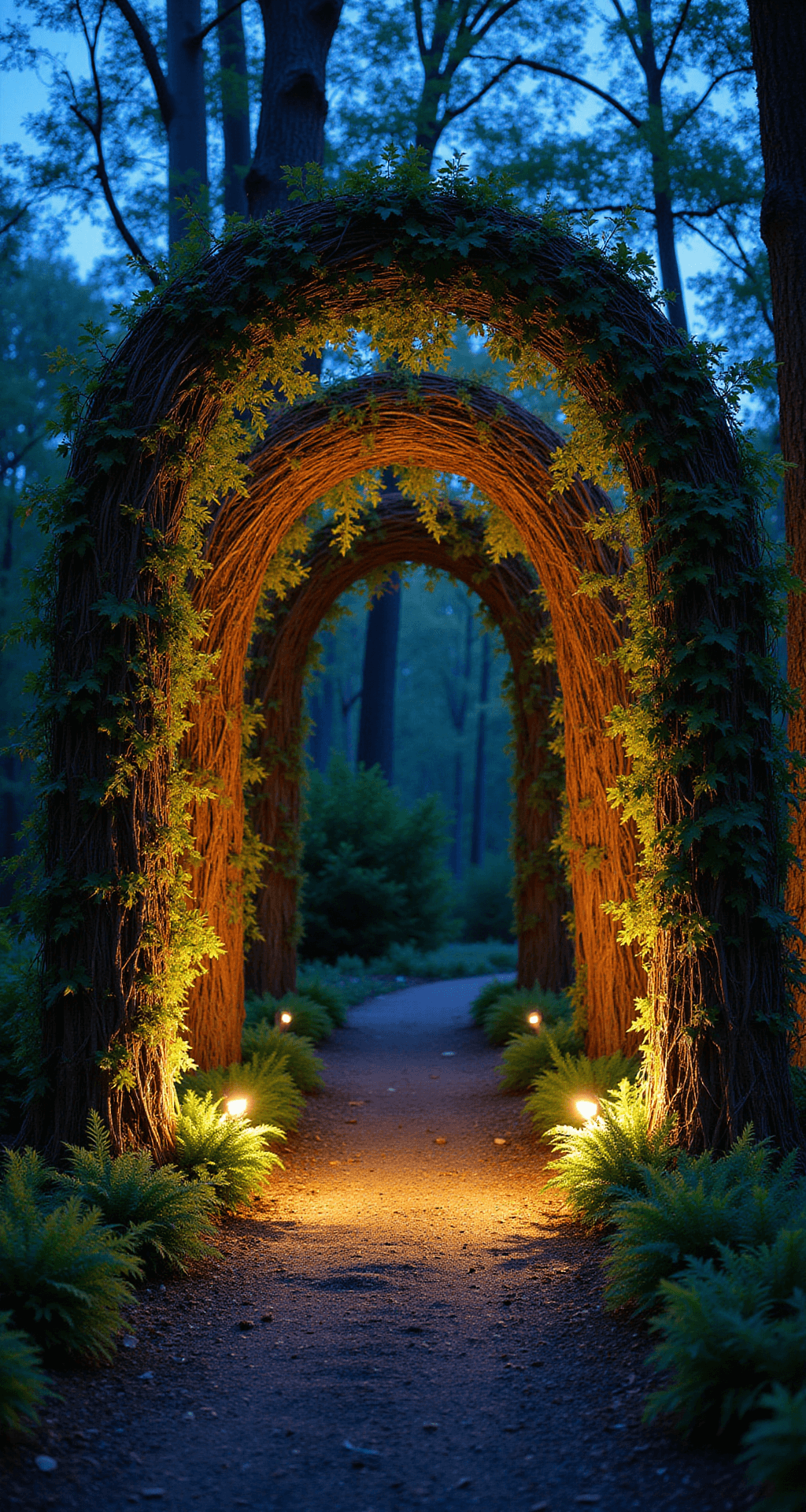
Willow
Pros:
- Lightweight and natural
- Soft, natural look
- Biodegradable material
- Ideal for cottage and woodland-style gardens
Where to Place It
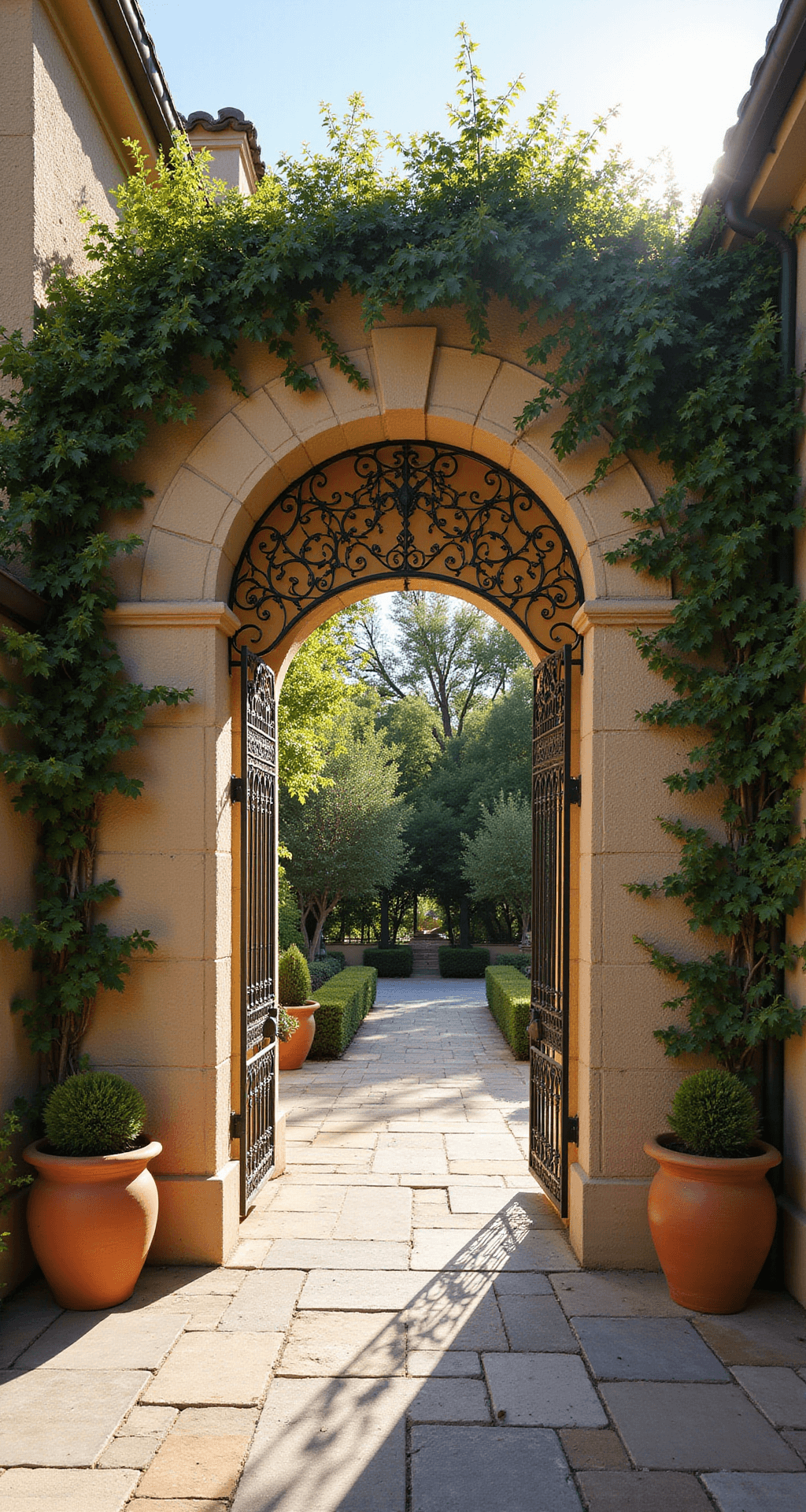
At an Entrance
An arch over a gate or path entrance reads as a clear threshold and gives climbers a frame. Roses or jasmine trained over it make a planted tunnel.
Save this article
Enter your email and we'll send it straight to your inbox.
Along a Path
Tips:
- Space arches evenly along paths
- Use consistent materials
- Consider plant coverage
- Align with garden’s overall design
Climbers for an Arch
Flowering
- Climbing roses
- Passion vine
- Hyacinth bean
- Clematis
- Morning glory
Edible
- Cherry tomatoes
- Pole beans
- Cucumbers
- Tomatillos
Why Bother
More Growing Space
- Vertical growth reduces ground footprint
- Increases overall garden productivity
- Supports more plant types in one spot
Plant Health
- Better air circulation
- Reduced disease risk
- Keeps fruit off the ground
- Enhanced sun exposure
Installation and Care
Installing:
- Choose sturdy, rust-resistant materials
- Ensure proper anchoring
- Consider local climate conditions
- Plan for plant growth and weight
Maintenance:
- Annual paint/seal metal arches
- Prune climbing plants regularly
- Check structural integrity
- Swap climbers if one fails
Getting Started
Pick a material that suits your climate, set it in the ground properly, and train one climber up each side. The arch does the rest.
This post may contain affiliate links. Please see my disclosure policy for details.
Want to keep this one?
We'll email you the link so you can find it again later.