Creating Beautiful Gardens with Trees: Your Ultimate Guide to Woodland Landscaping
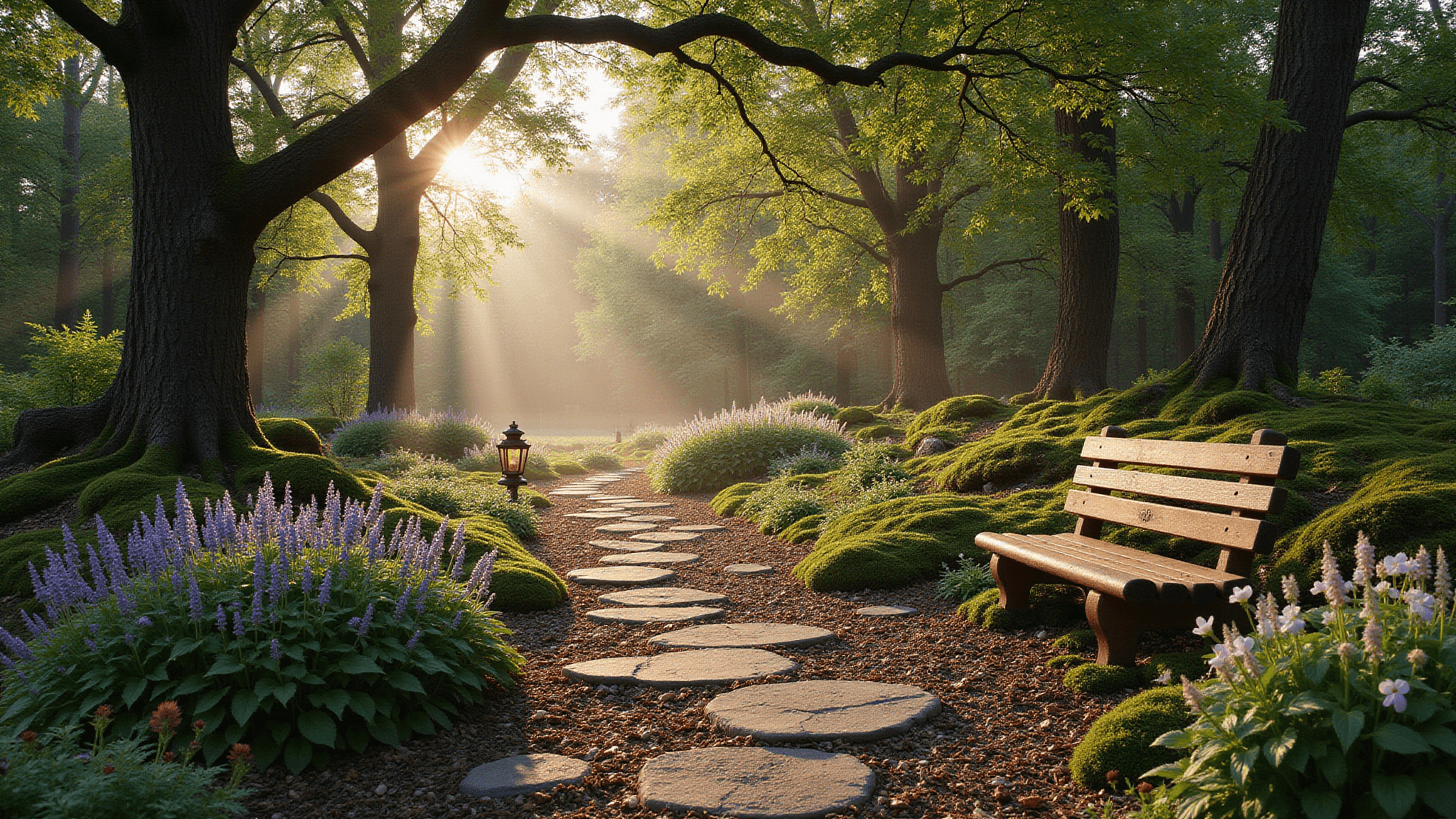
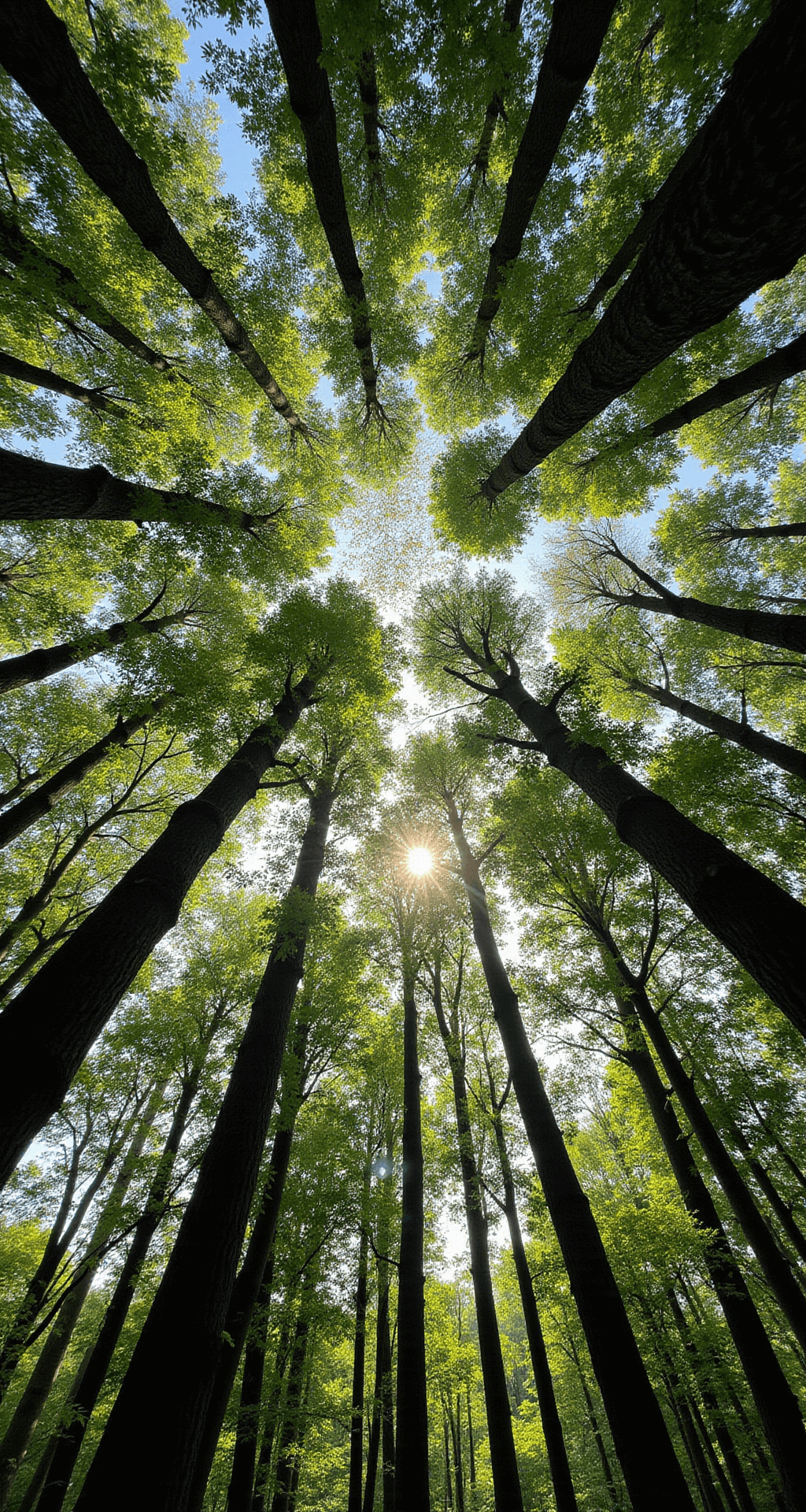
A garden with mature trees works best as a woodland style: layered shade plants, paths, and seating under the canopy rather than open lawn. The main limits are root competition, low light, and drier soil near the trees, so plant choice and placement matter more than in a sunny border. Below are the plants, seasonal timing, and practical care that make it work.
Why Woodland Gardens
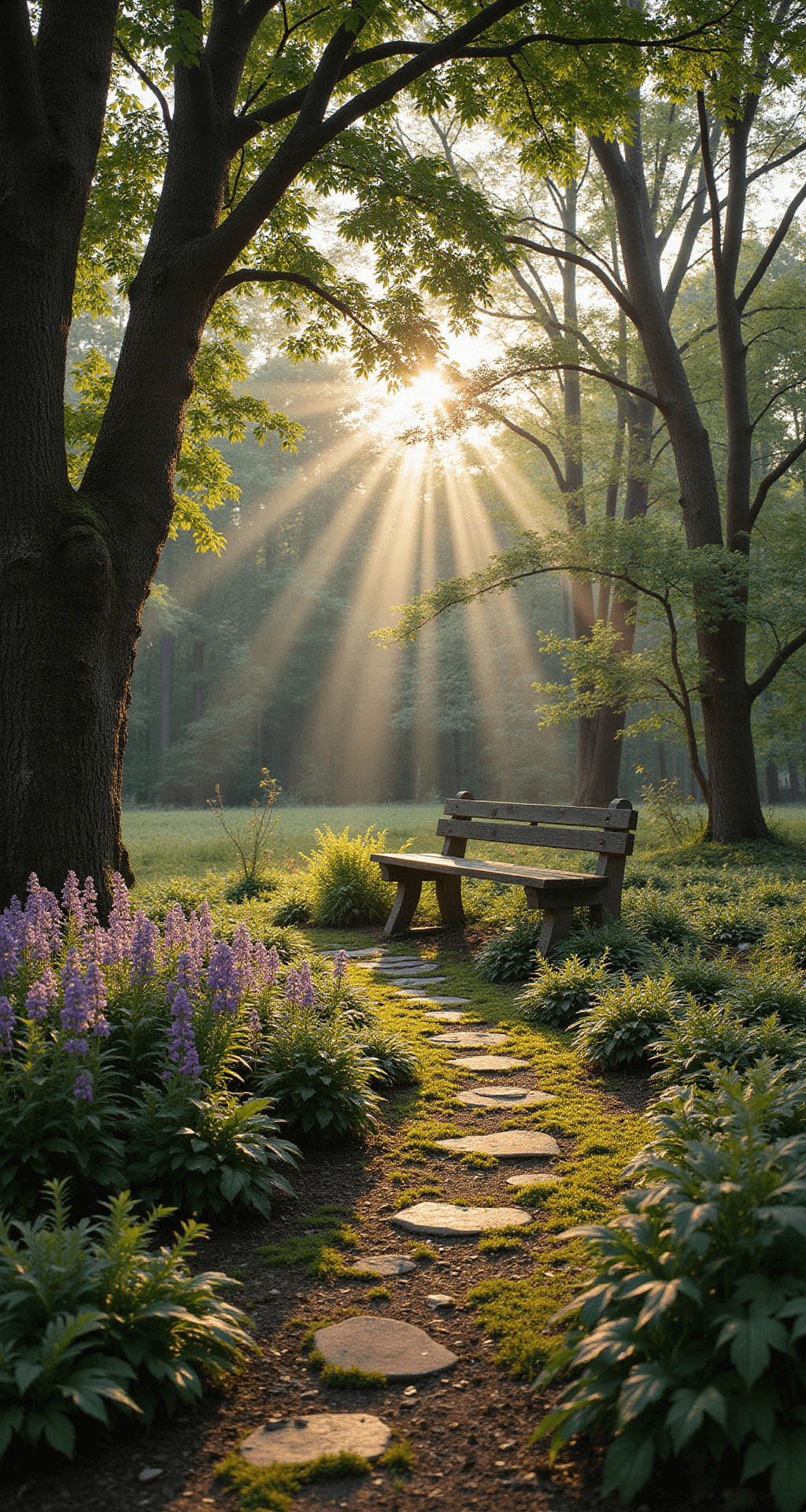
A woodland garden uses the shade and root zone of existing trees as the basis for what grows underneath, which keeps maintenance lower than a full-sun bed once established.
Key Challenges You’ll Navigate:
- Competing root systems
- Limited sunlight
- Complex soil conditions
- Seasonal plant growth variations
The Basics
Understanding Your Green Canvas
Trees are more than just background elements. They’re the architectural backbone of your garden. Their roots, branches, and seasonal changes dictate what can thrive beneath them.
Tree canopies and roots create cooler, shadier pockets (microclimates) where different plants will do better than others.
Strategic Plant Selection
Not all plants are created equal in woodland settings. You need tough, shade-loving performers that can coexist with tree roots.
Top Shade-Loving Plants:
- Hostas – Reliable, broad-leaved shade plants
- Ferns – Elegant and resilient
- Astilbe – Feathery plumes in summer
- Bleeding Hearts – Spring arching flowers
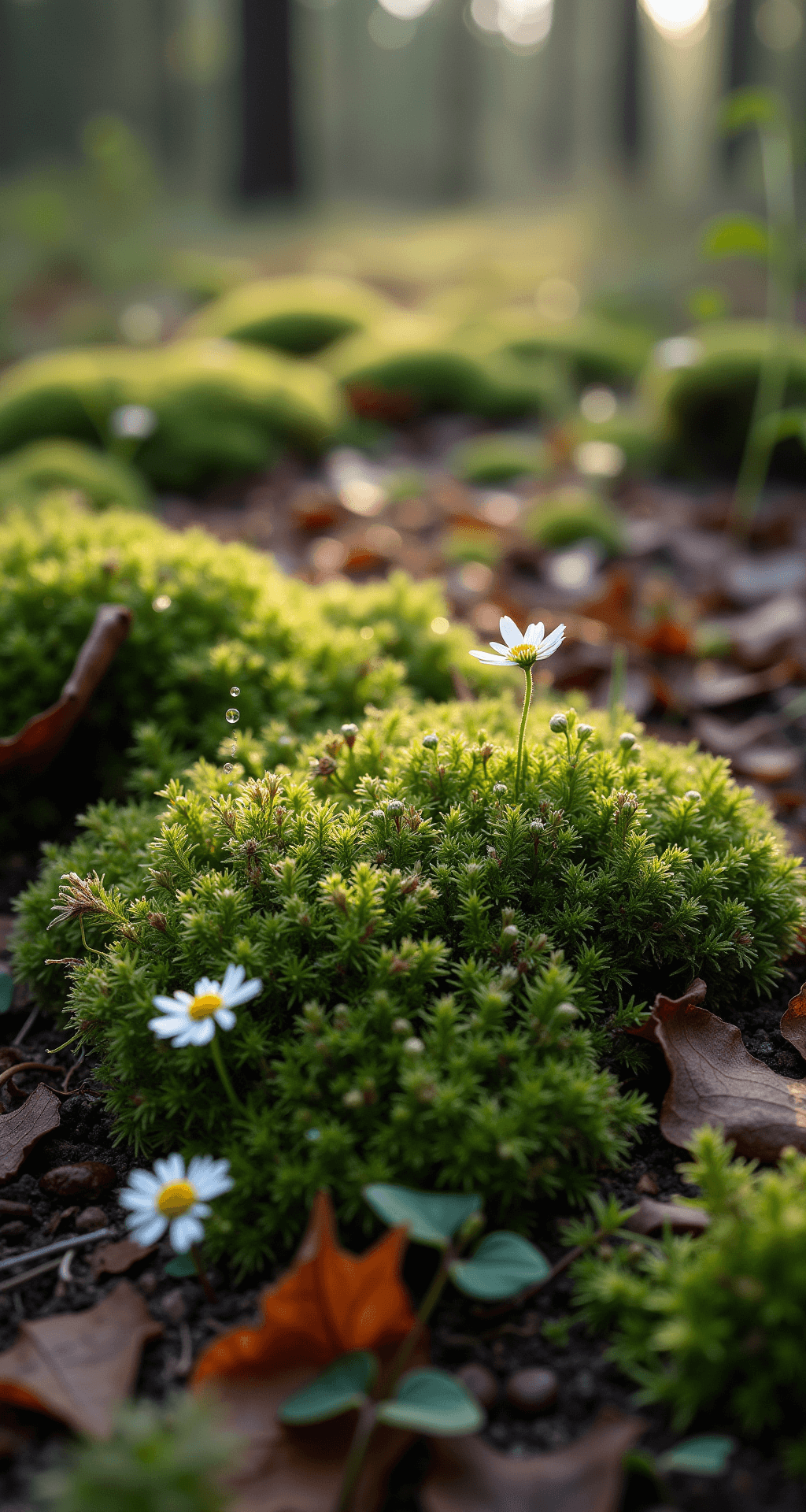
- Moss – Low ground cover for damp shade
Seasonal Design Strategies
Spring Approach:
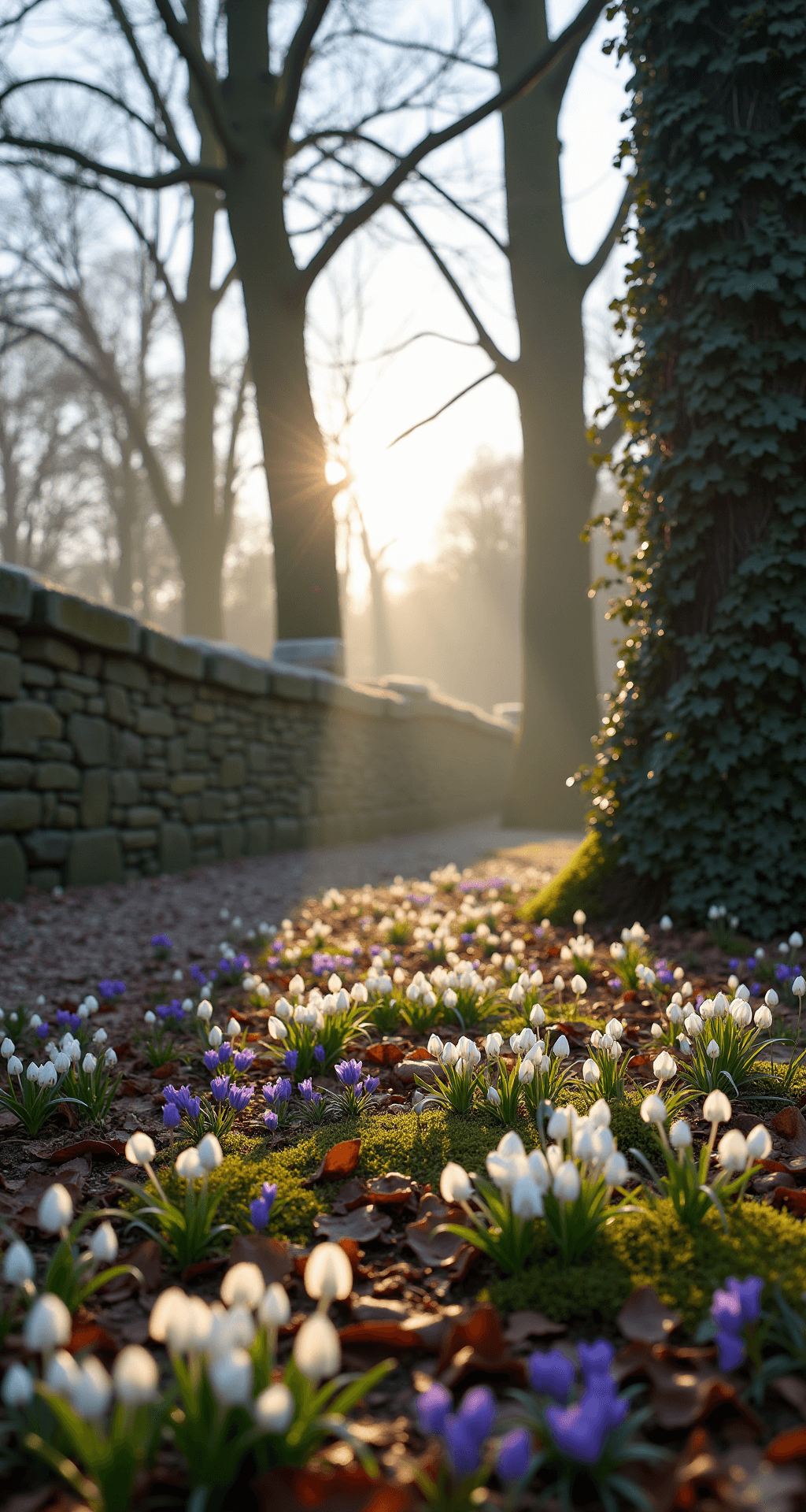
- Plant early-blooming bulbs before tree canopies fully develop
- Choose snowdrops, crocuses, and winter aconites
Summer Strategy:
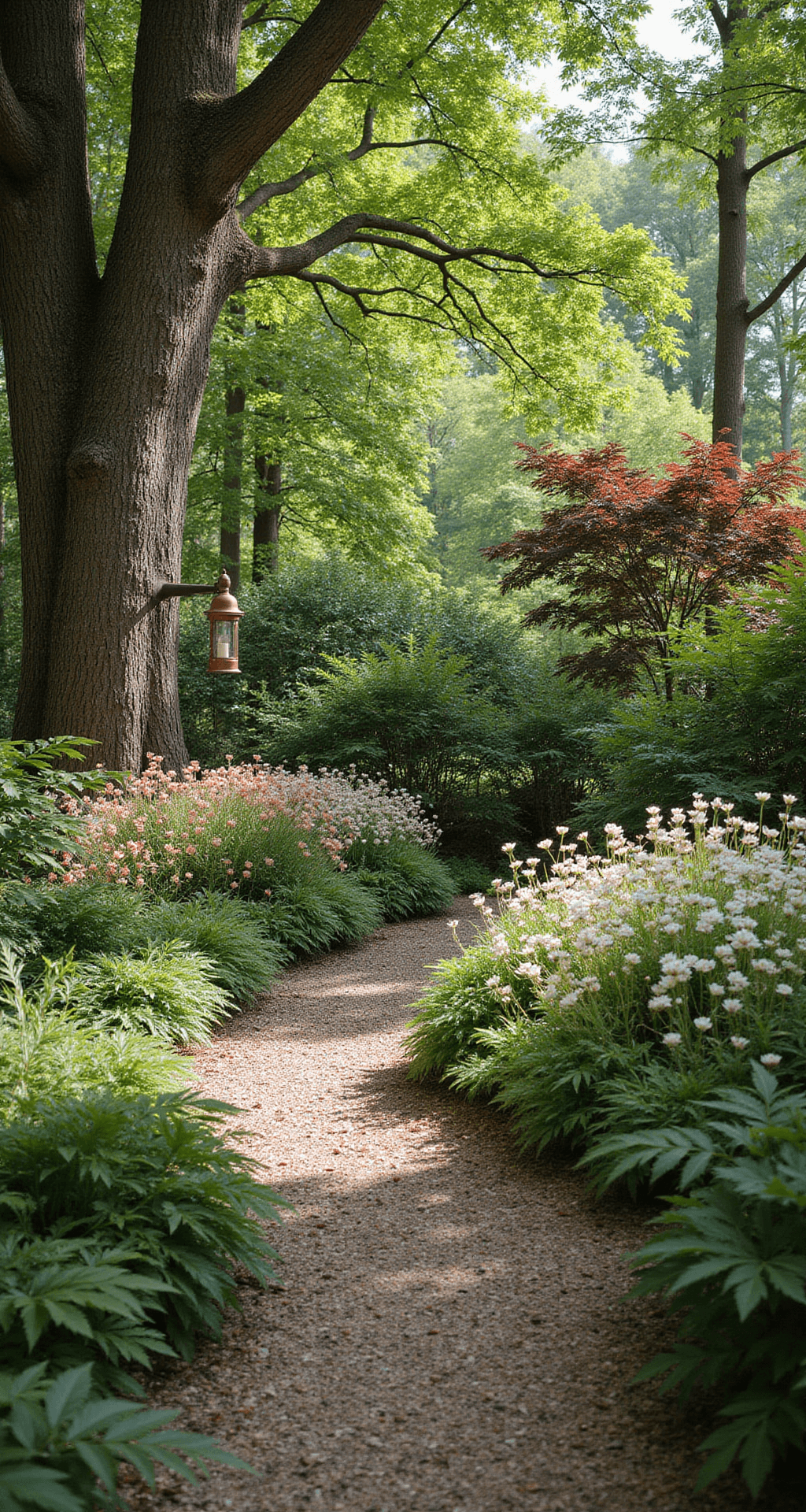
- Focus on plants with interesting foliage
- Use lighter-colored plants to brighten shaded areas
Autumn:
Save this article
Enter your email and we'll send it straight to your inbox.
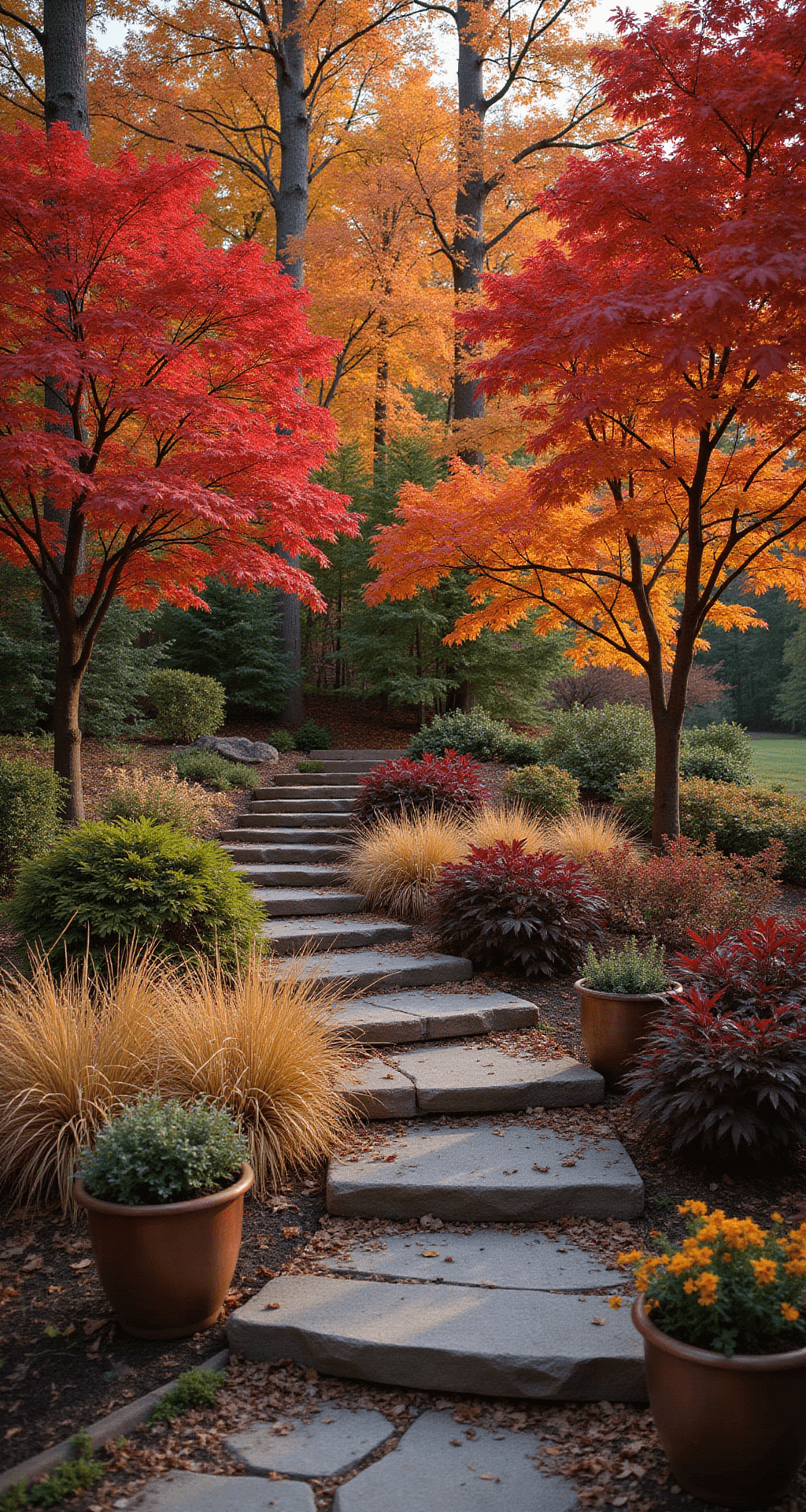
- Embrace tree leaf colors as your primary palette
- Add understory plants with complementary autumn hues
Practical Tips
Root Protection Techniques
- Use organic mulch to create a protective layer
- Avoid deep digging near tree roots
- Plant shade-tolerant species with minimal root disturbance
Water Management Essentials
- Install drip irrigation systems
- Mulch extensively to retain moisture
- Water deeply but infrequently
Legal Considerations
- Check local tree preservation regulations
- Consult arborists before major tree modifications
- Understand your property’s ecological constraints
A Simple Plan
- Assess Your Space
- Map existing trees
- Analyze sunlight patterns
- Identify natural clearings
- Design with Nature
- Create meandering paths
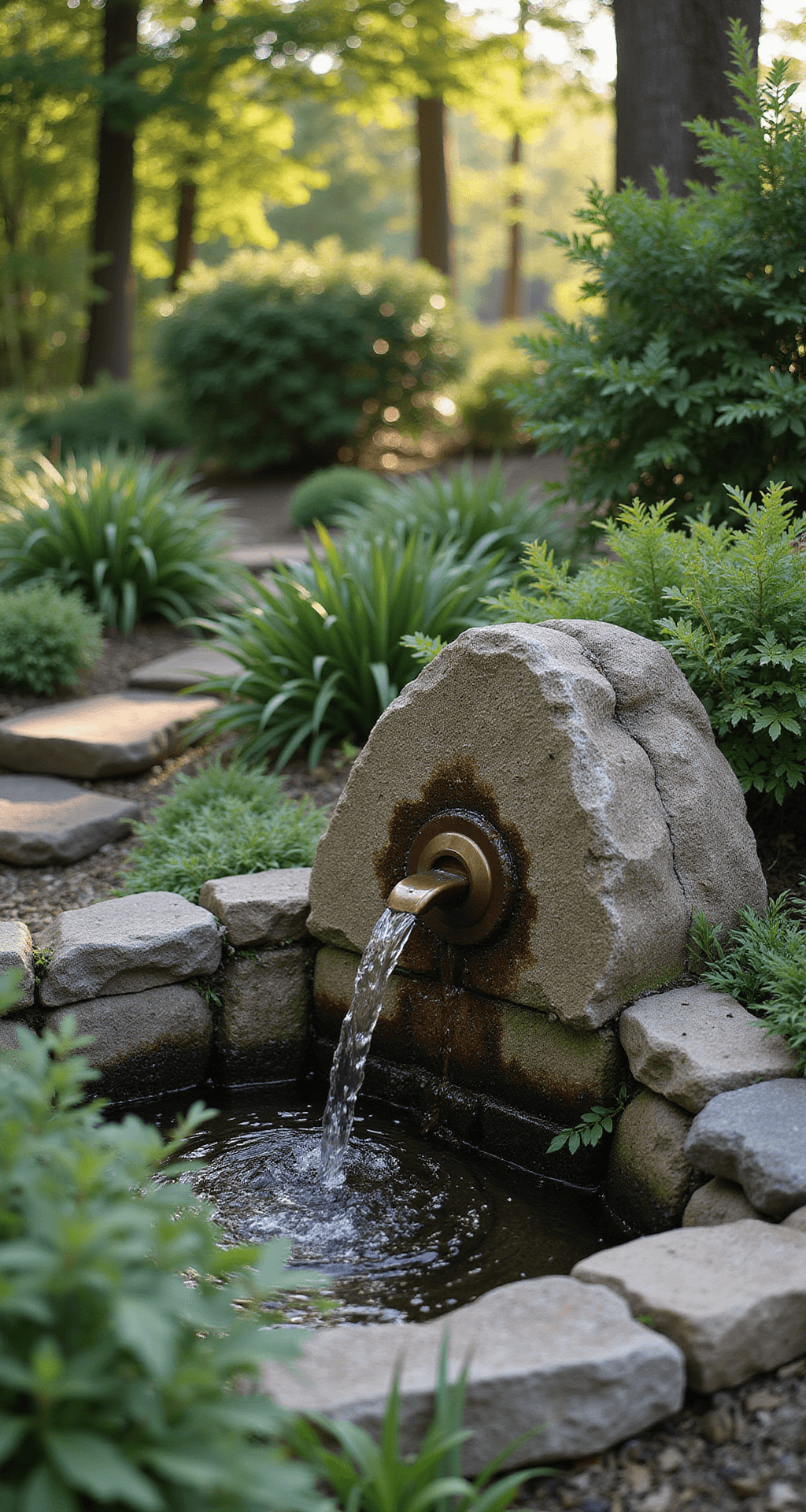
- Establish focal points
- Integrate seating areas
- Plant Strategically
- Layer plants by height
- Mix textures and colors
- Consider year-round interest
Common Mistakes to Avoid
🚫 Don’t:
- Overcrowd tree bases
- Ignore root systems
- Use inappropriate plants
- Forget about maintenance
✅ Do:
- Observe natural growth patterns
- Work with existing landscape
- Be patient
- Experiment and adapt
Getting Started
Woodland gardens take a few seasons to fill in, so plant in layers and accept that some trial and error is normal.
Start with the plants listed above, keep mulch on the beds, and add paths and seating once you see where the light falls.
This post may contain affiliate links. Please see my disclosure policy for details.
Want to keep this one?
We'll email you the link so you can find it again later.