Container Herb Gardens
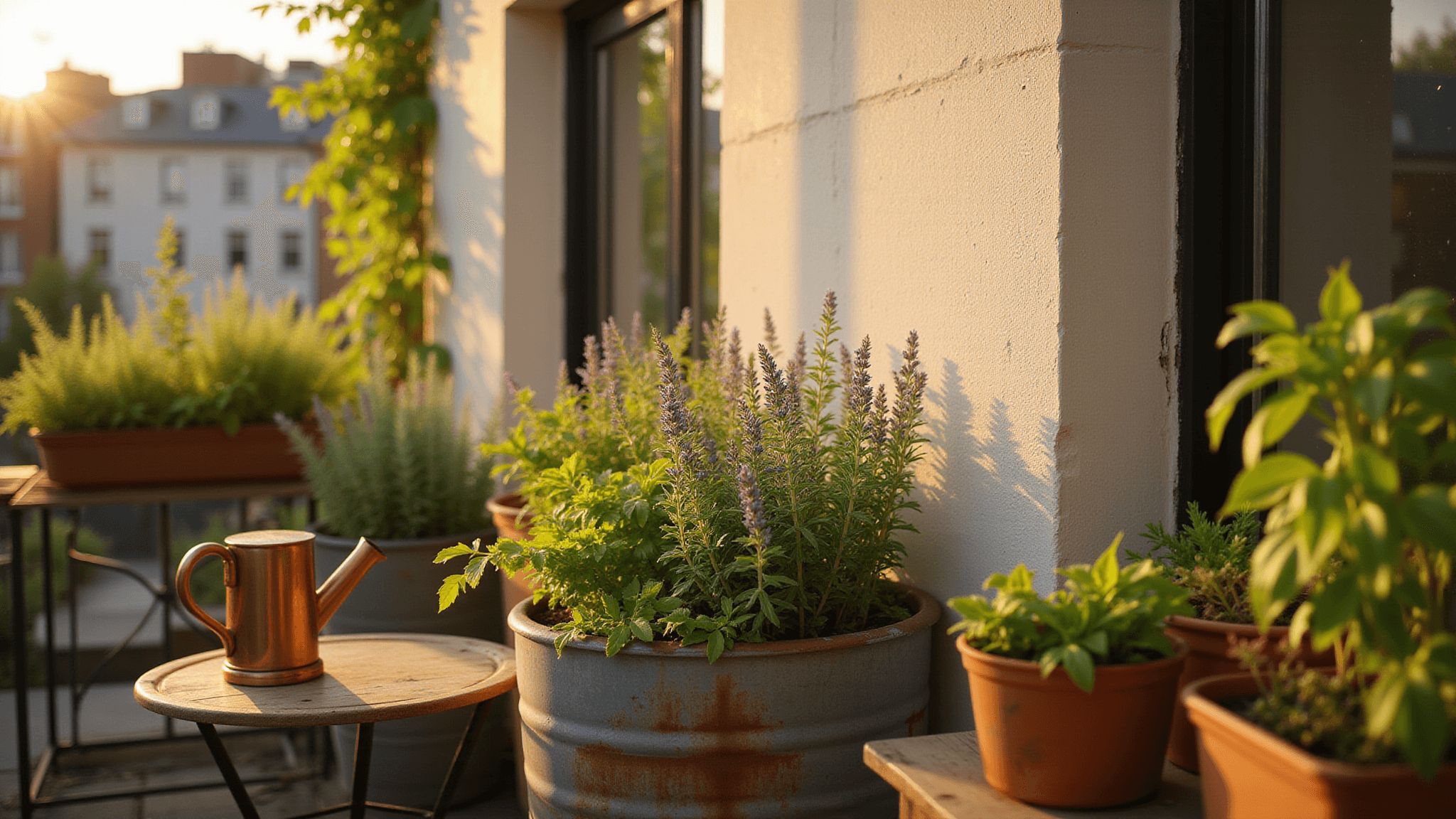
Container herb gardens let you grow useful plants in a small footprint, on a windowsill, balcony, or patio, without a yard. The work is mostly picking the right pot, soil, and a few easy herbs, then watering and harvesting. Below are the choices that keep container herbs alive.
Why Containers
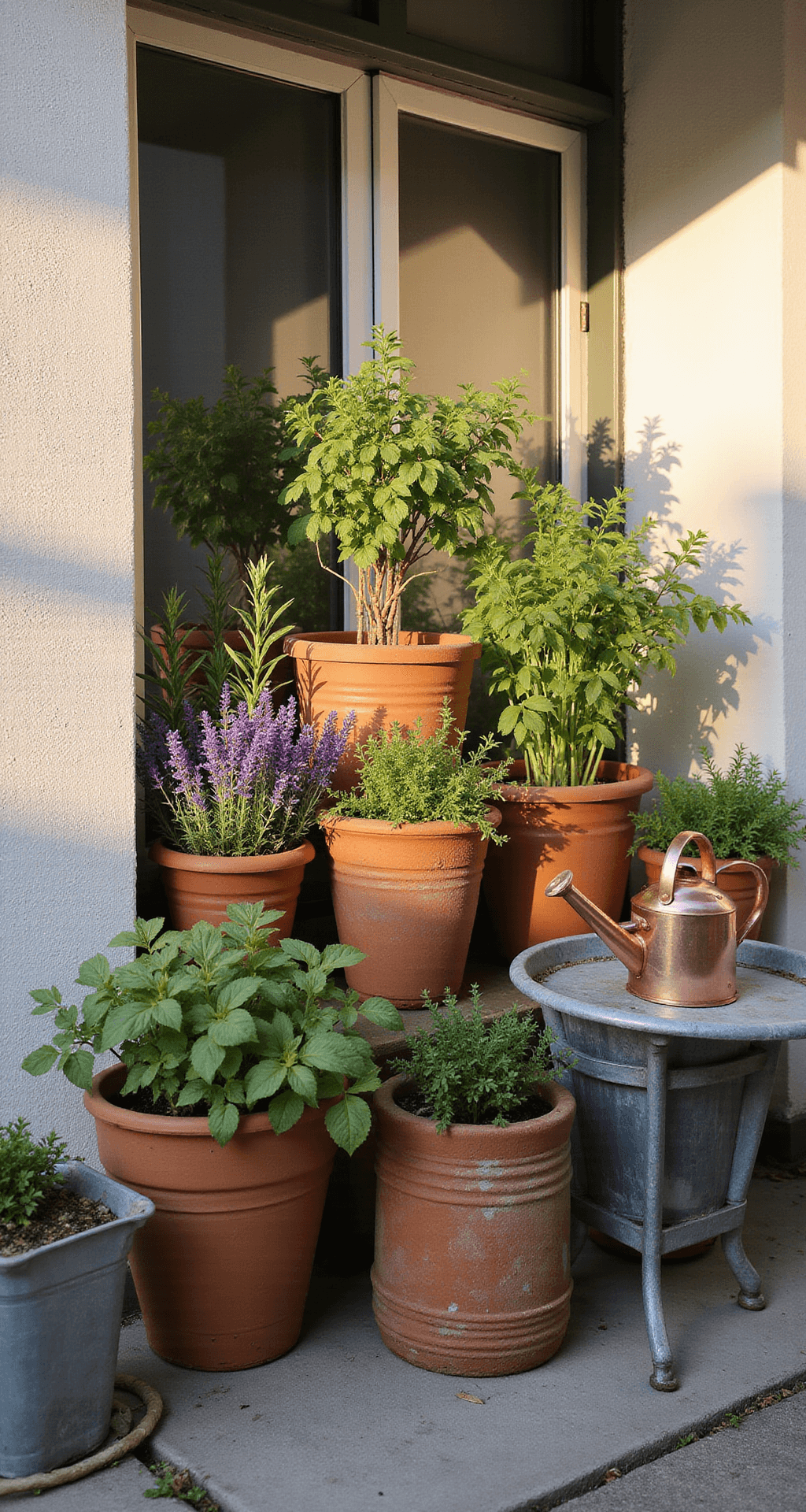
A few pots give you fresh herbs within steps of the kitchen. It suits:
- Urban dwellers with zero yard space
- Cooking lovers who want fresh herbs on demand
- Gardening newbies intimidated by traditional gardening
- Anyone wanting to add some green to their living space
Choosing Containers
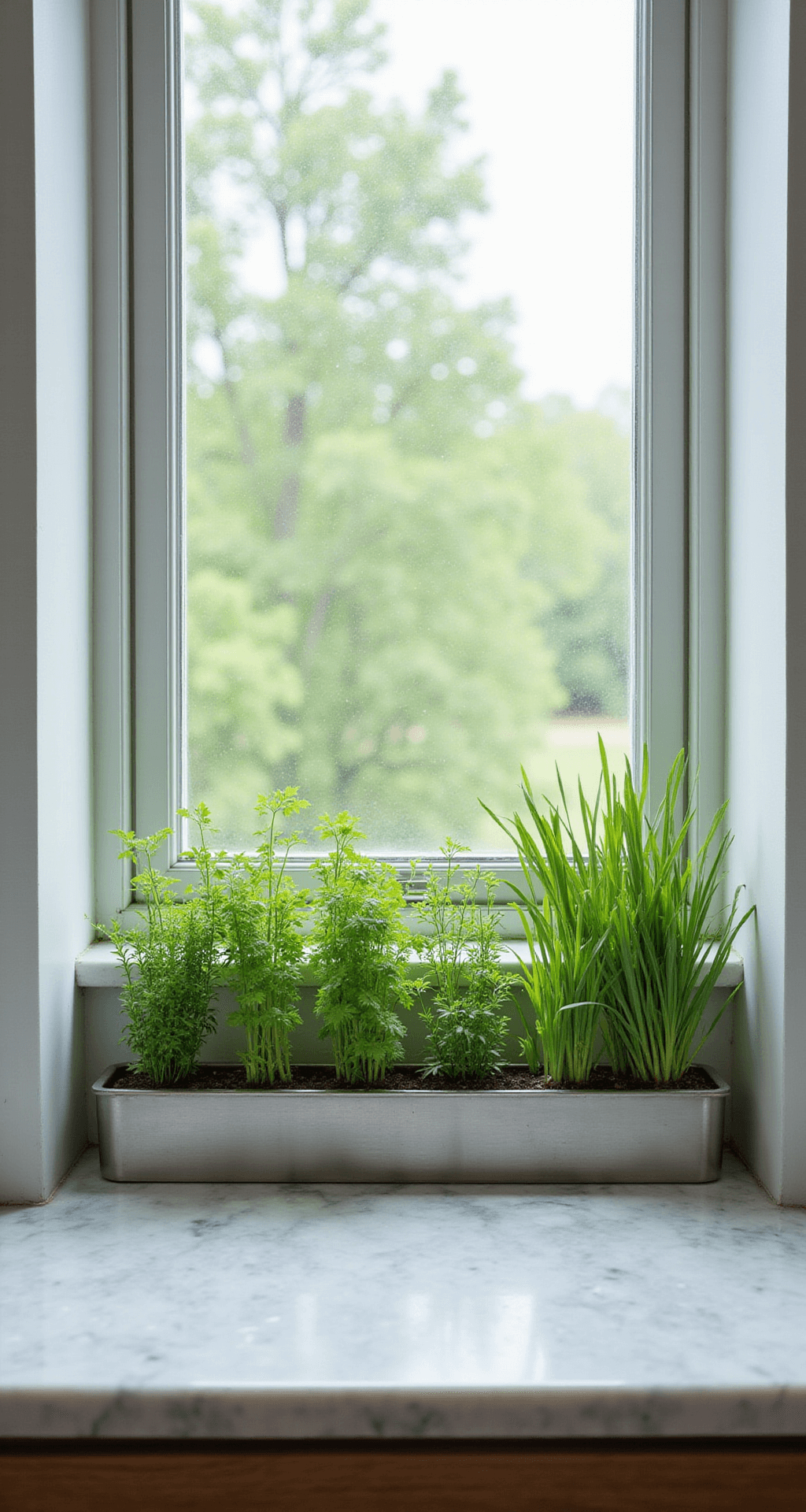
What a Container Needs:
- Drainage holes (essential)
- Minimum 12 inches wide
- Materials that make your herbs happy:
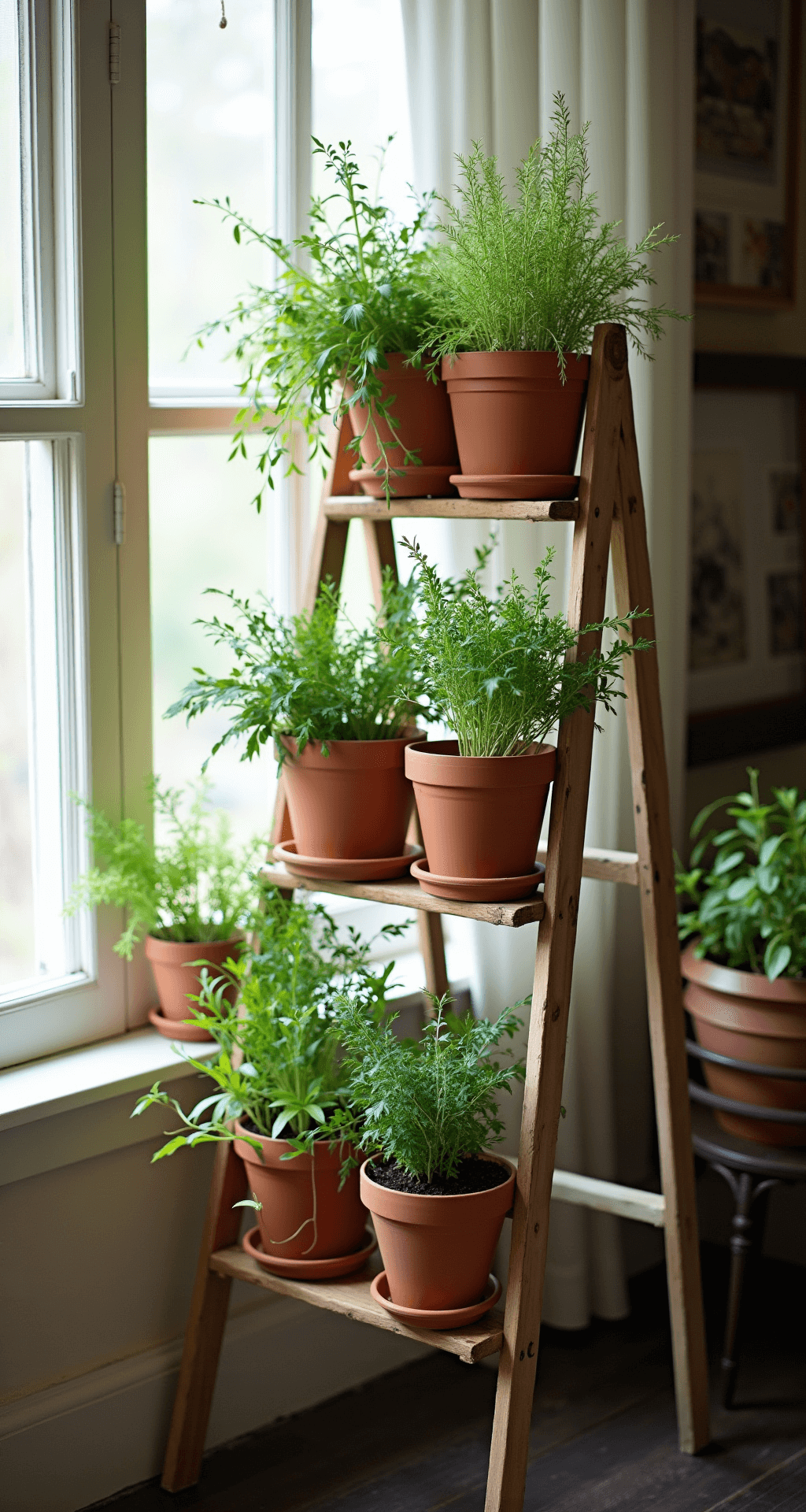
- Terracotta pots
- Galvanized steel tubs
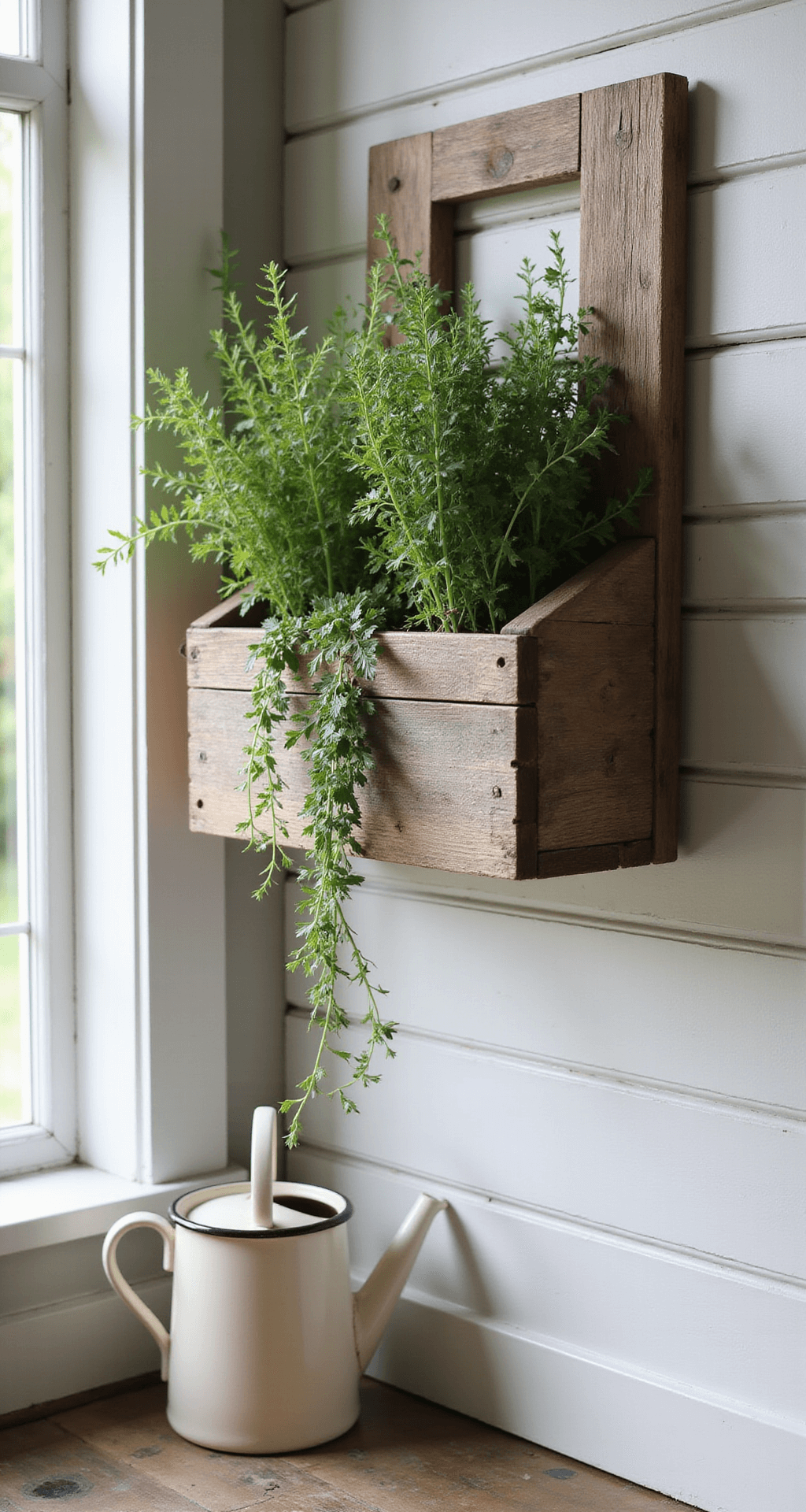
- Wooden containers
- Food-grade stainless steel
Pro Tip: Add a weed barrier at the bottom to prevent soil escape during watering.
Soil
Use a light, free-draining mix. A simple blend:
- 1 part topsoil
- 1 part compost
- 1 part coarse sand
Bonus: Sprinkle some earthworm castings for extra nutrition!
Best Herbs for Pots

Easy Herbs to Start:
- Basil (multiple varieties!)
- Cilantro
- Rosemary
- Thyme
- Sage
- Mint (keep it in its own pot, it spreads)
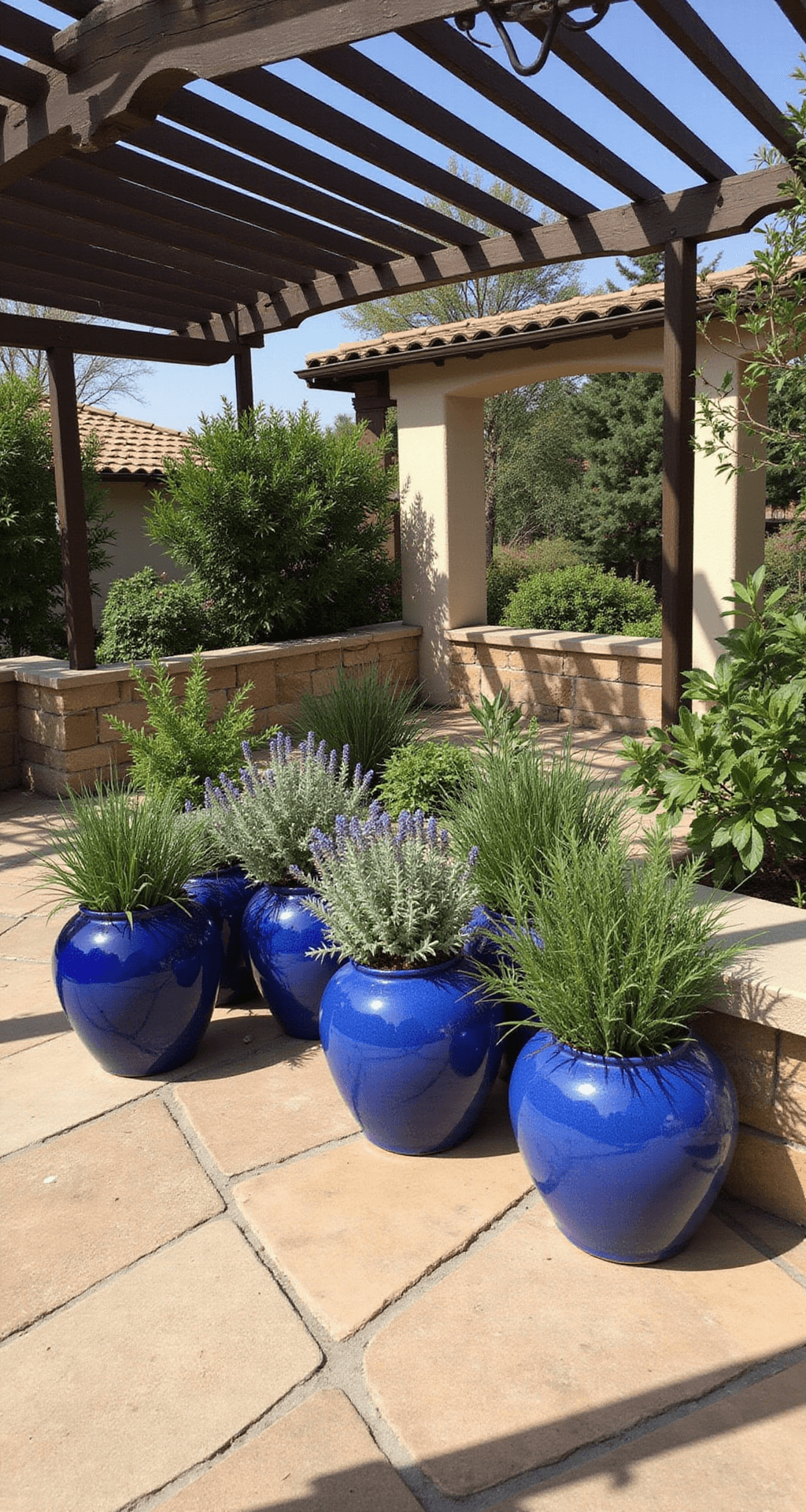
- Lavender
- Lemongrass
Care
Watering
- Soak thoroughly
- Let soil dry slightly between waterings
- Avoid waterlogging the pot
Light
- Most herbs love full sun
- 6-8 hours of direct sunlight is ideal
Routine
- Monthly fertilizing
- Regular harvesting
- Divide plants when they get crowded
Extra Benefits
🌿 Portability: Move your herbs wherever they’re happiest
Save this article
Enter your email and we'll send it straight to your inbox.
🍳 Fresh ingredients at your fingertips
🐞 Easy pest management
❄️ Bring indoors during winter
🏡 Perfect for small spaces
Common Mistakes
- Overwatering (the main cause of failure)
- Forgetting drainage holes
- Mixing herbs with different care needs
- Neglecting regular harvesting
Quick Tips
- Group herbs with similar water needs
- Use sharp scissors for harvesting
- Rotate containers for even growth
- Label herbs so you remember what is what
Winter note: Chives, parsley, and thyme are perennial and can stay alive in containers through winter if sheltered.
Start with two or three herbs you actually cook with, learn their watering and light needs, and add more once those are thriving. Container herbs fail mostly from too much water, not too little.
This post may contain affiliate links. Please see my disclosure policy for details.
Want to keep this one?
We'll email you the link so you can find it again later.