Japandi Patio Ideas
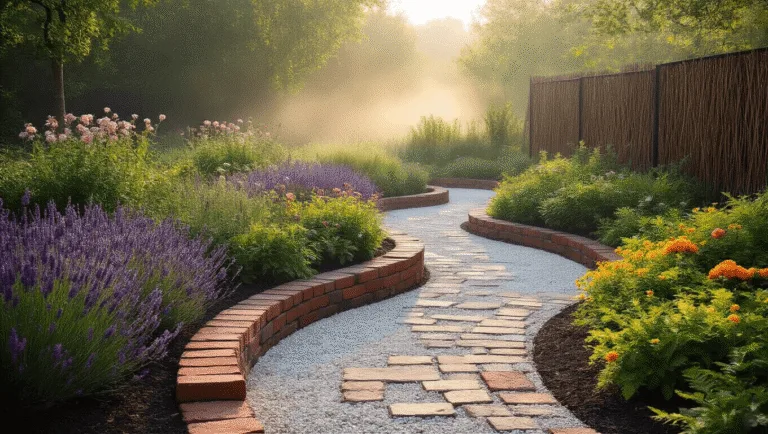
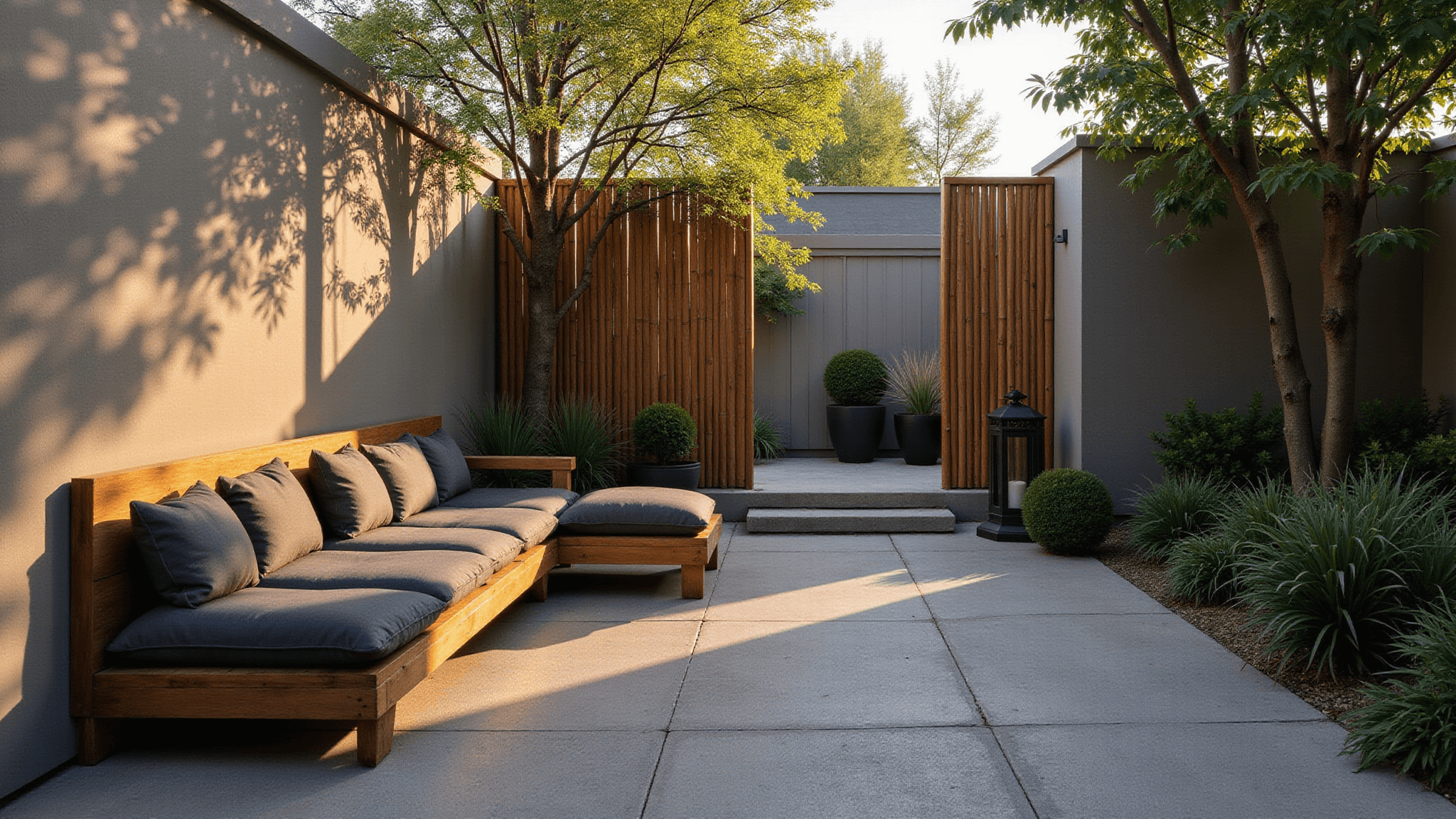
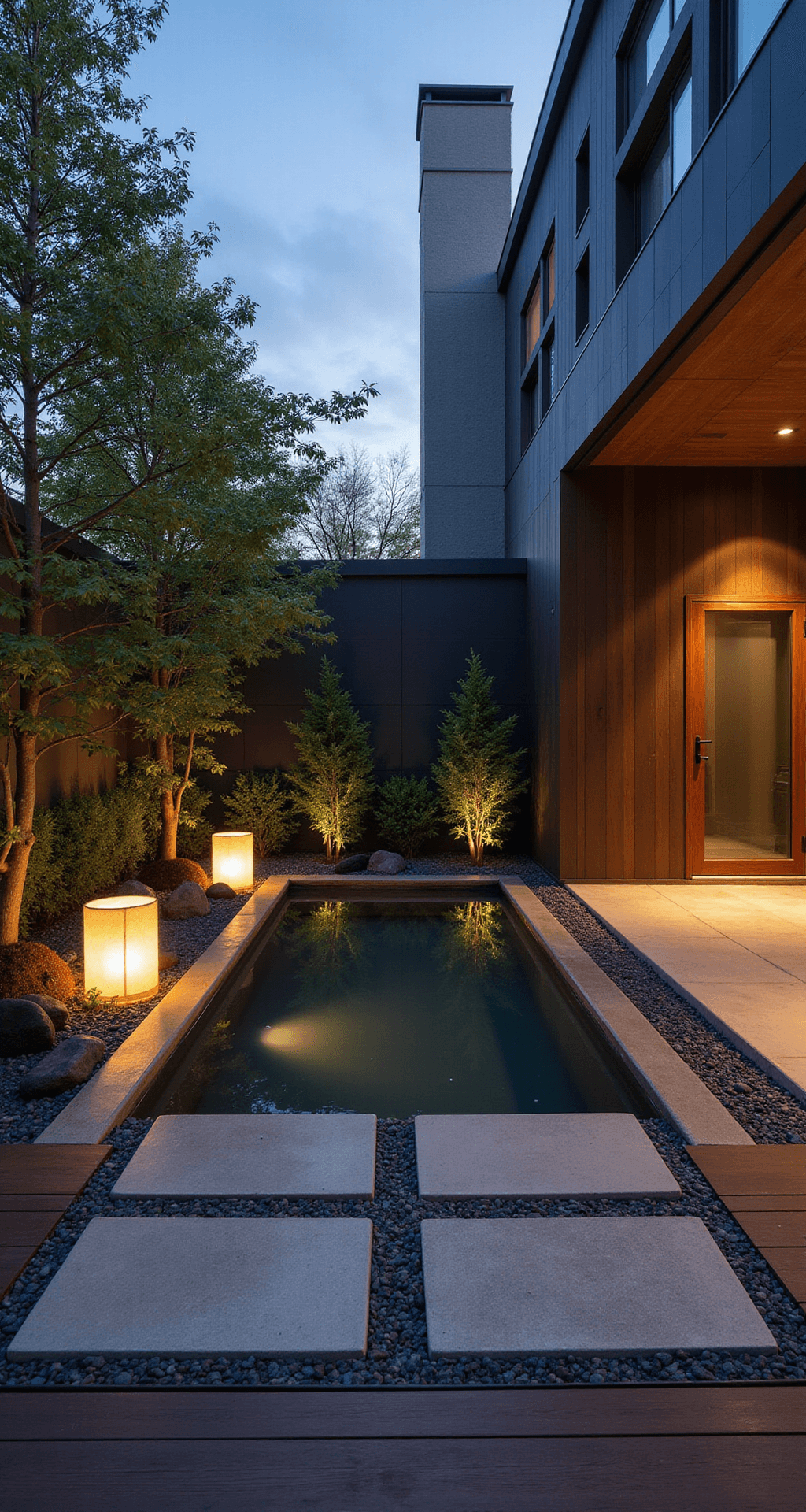
Japandi patio design combines Japanese minimalism with Scandinavian function. The result is a calm, uncluttered outdoor space built around natural materials, muted colors, and only a few well-chosen pieces.
Why Choose Japandi
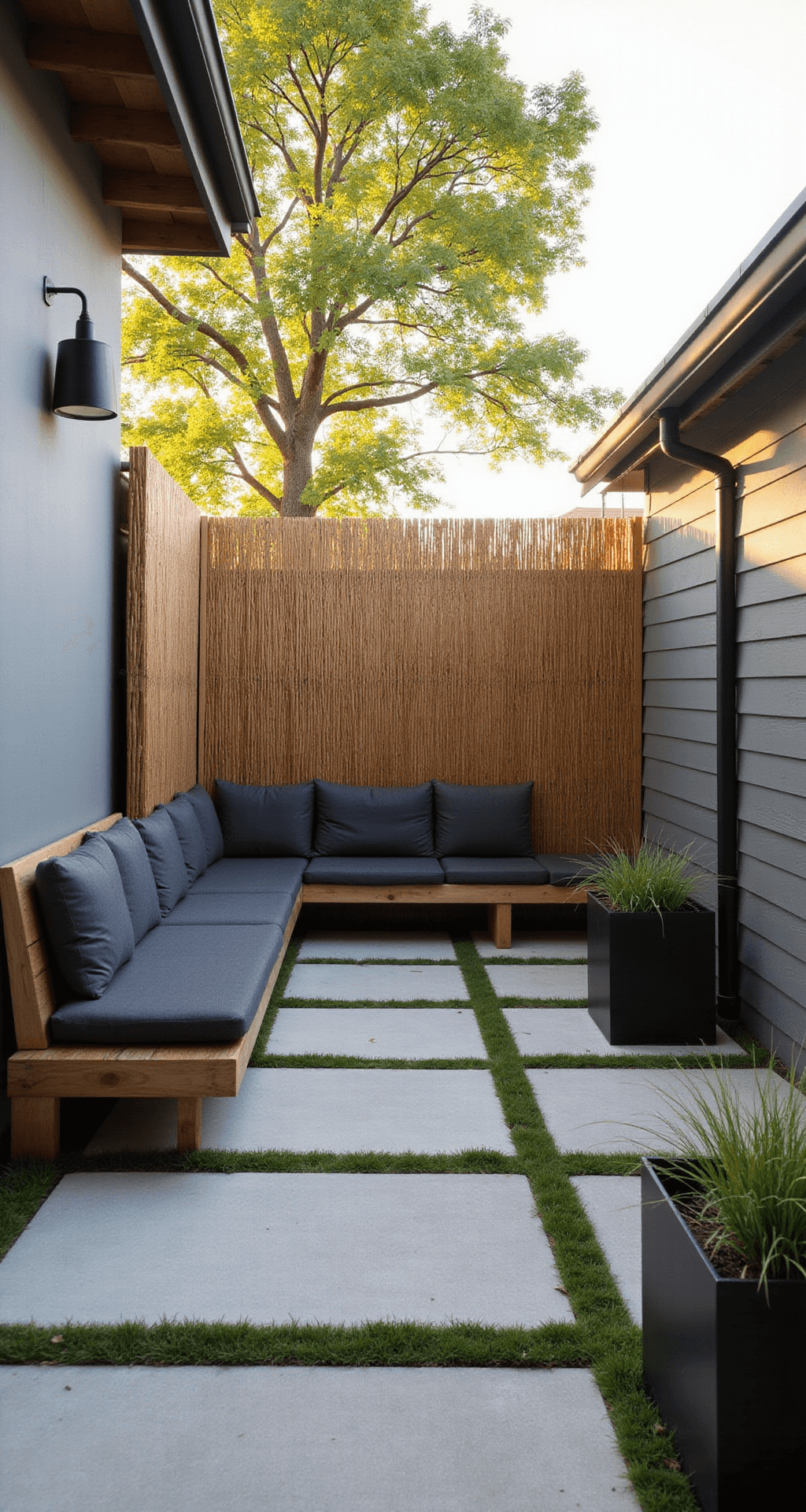
Japandi suits people who want a simple, low-clutter patio. It relies on restraint rather than lots of furniture and decoration.
Key Design Principles
1. Minimalism: Less is Absolutely More
Decluttering Isn’t Just a Trend—It’s an Art Form
- Strip away excess furniture
- Keep only pieces that spark joy or serve a clear purpose
- Leave open space in your patio
2. Natural Materials: The Heart of Japandi Design
Materials That Tell a Story
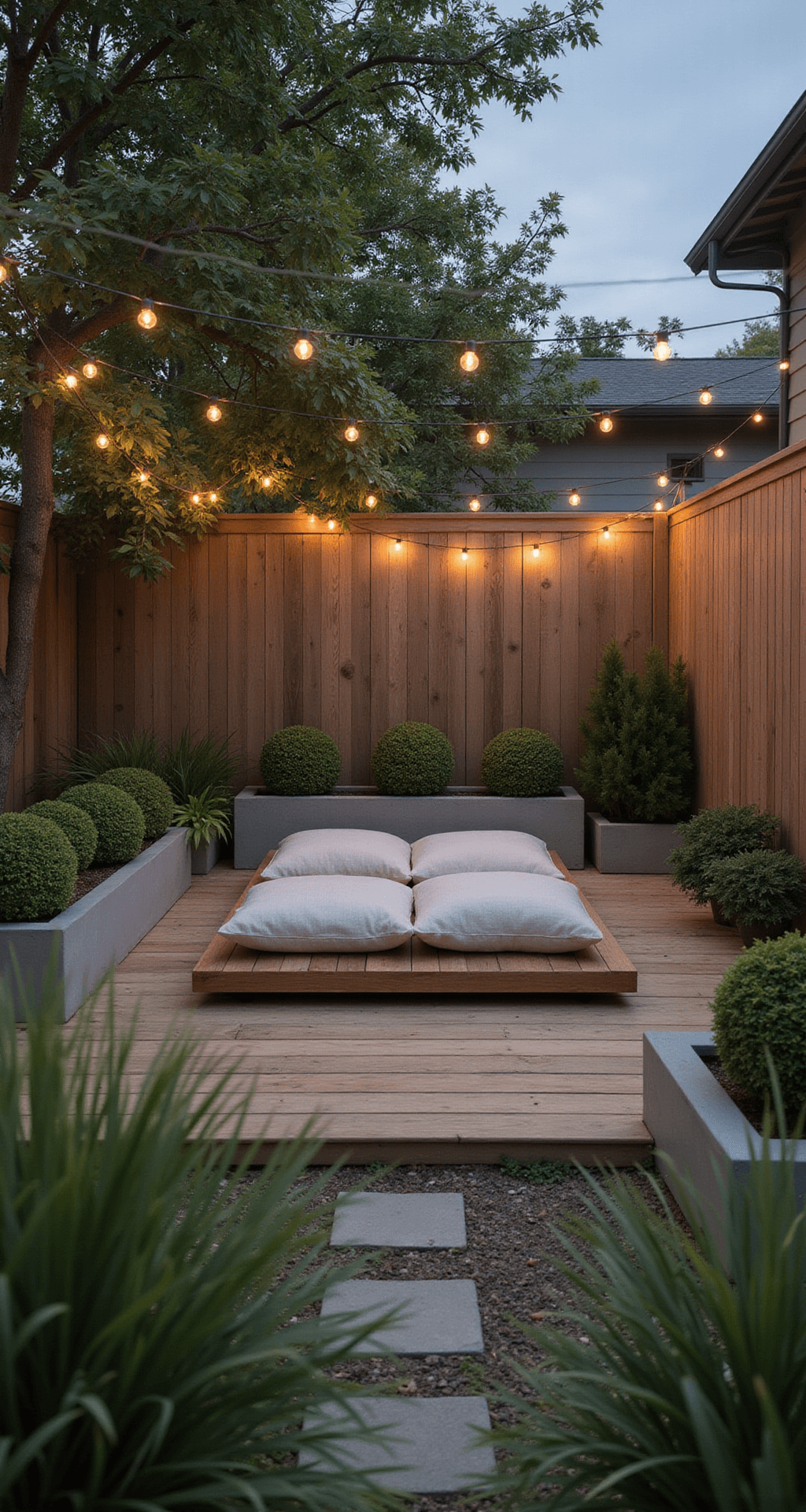
- Prioritize wood (teak, cedar, oak)
- Embrace bamboo and stone elements
- Choose textures that feel organic and understated
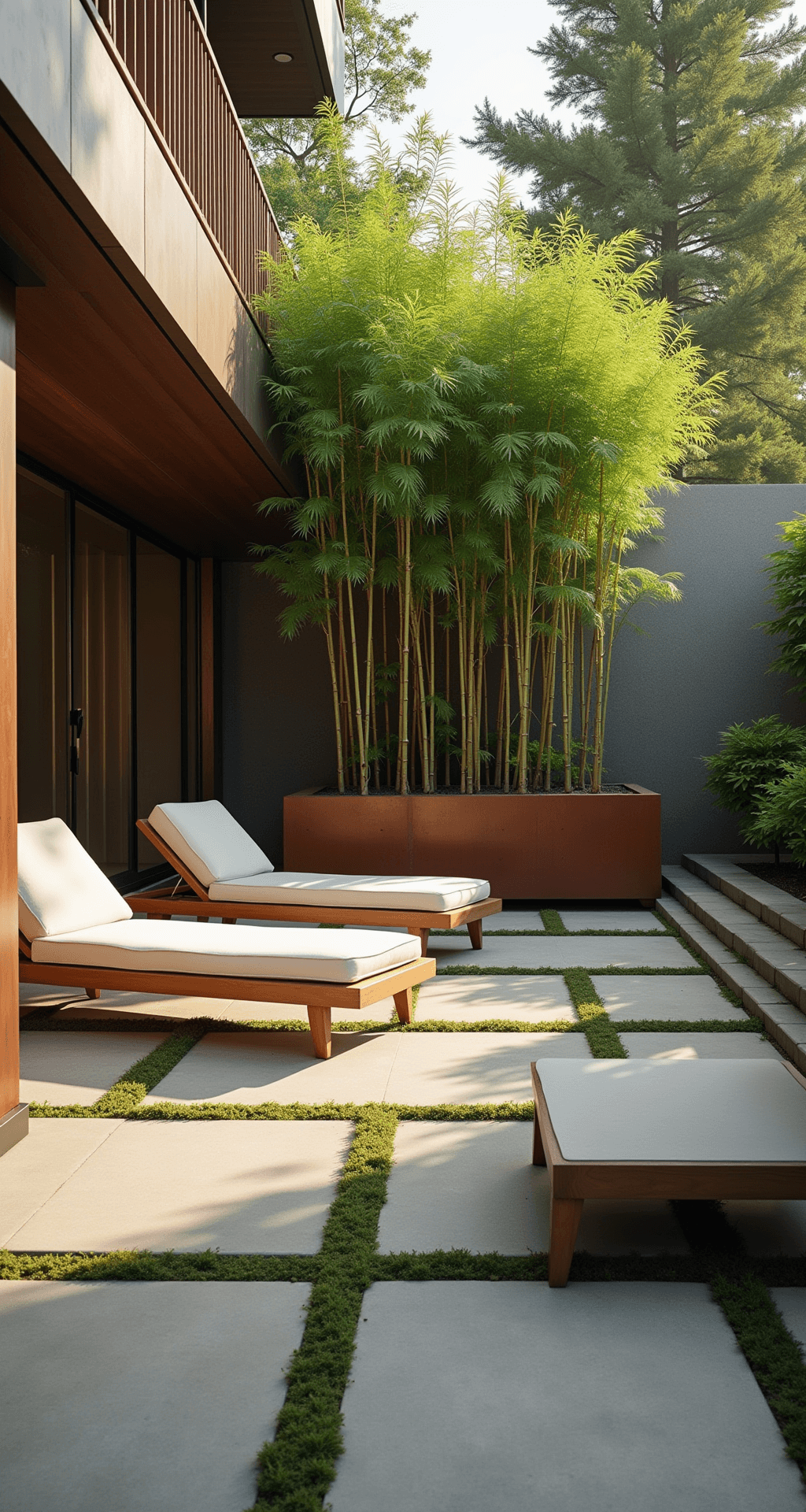
3. Muted Color Palette
Neutral Doesn’t Mean Boring
- Soft beige
- Cool grays
- Warm taupe
- Subtle earthy greens
- Charcoal accents
Practical Japandi Patio Tips
Furniture Selection: Low and Intentional
Seating That Invites Relaxation
- Low-profile wooden benches
- Minimalist lounge chairs
- Japanese floor cushions (zabuton)
- Nesting tables with clean lines
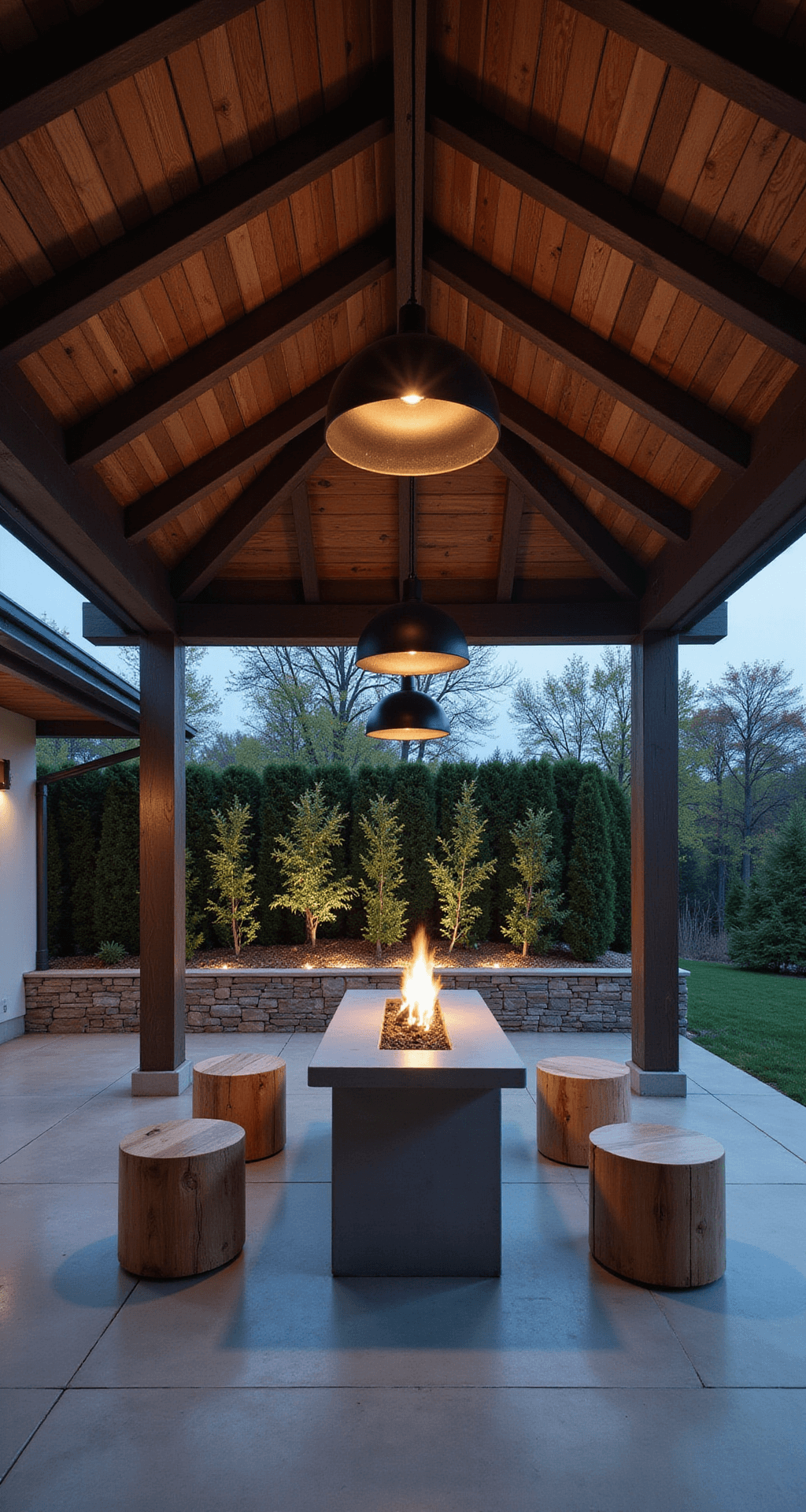
Plant Choices
Plants That Breathe Calm
Save this article
Enter your email and we'll send it straight to your inbox.
- Japanese maples
- Bamboo clusters
- Delicate ferns
- Boxwood shrubs
- Ornamental grasses
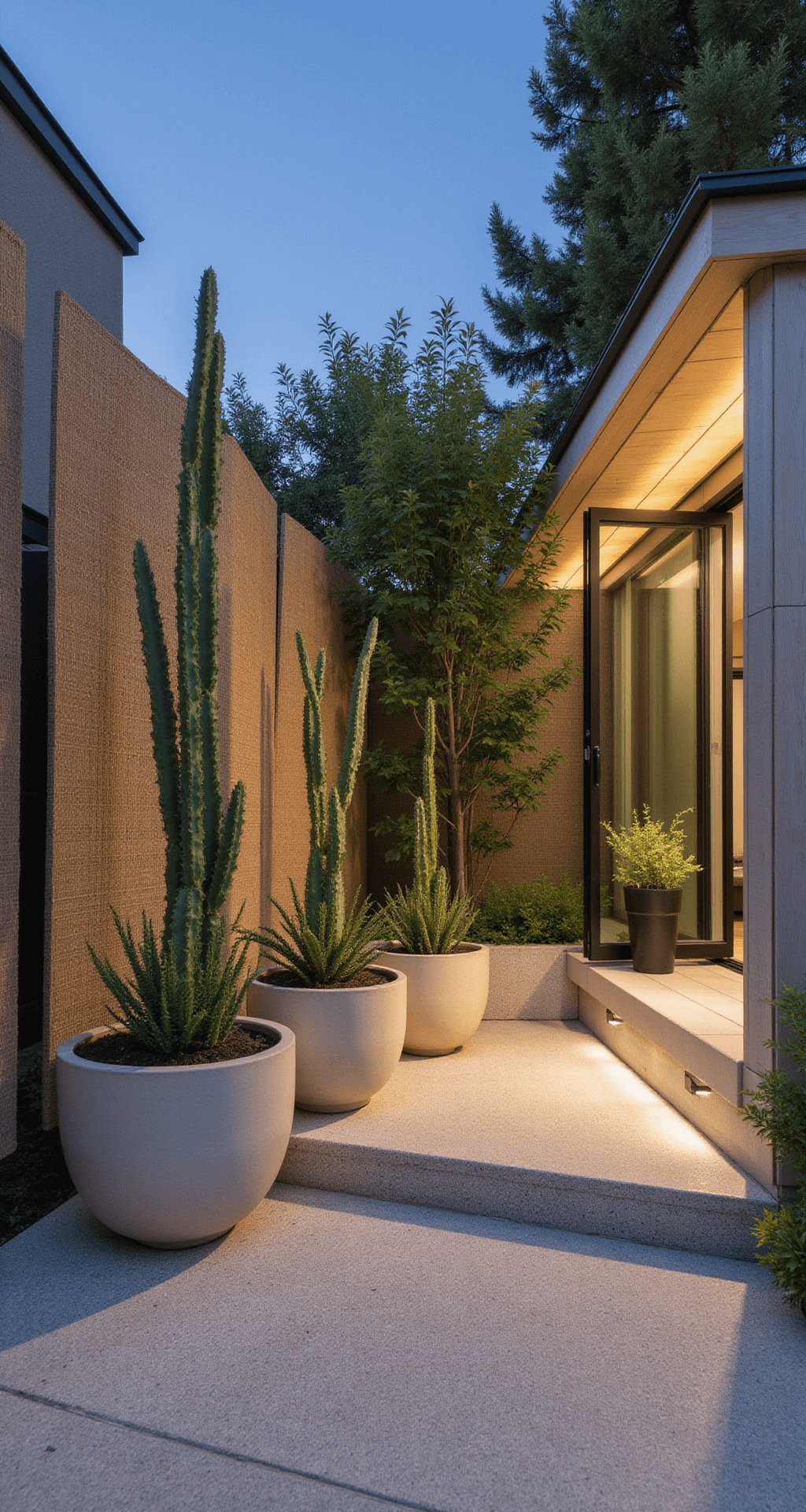
Lighting: Mood, Not Brightness
Subtle Illumination Techniques
- Warm string lights
- Minimalist lanterns
- Solar stake lights
- Under-bench soft lighting
Pro Tips
Avoid These Common Mistakes
- Don’t overcrowd your space
- Steer clear of bold, competing colors
- Balance minimalism with comfort
- Think intentionality over decoration
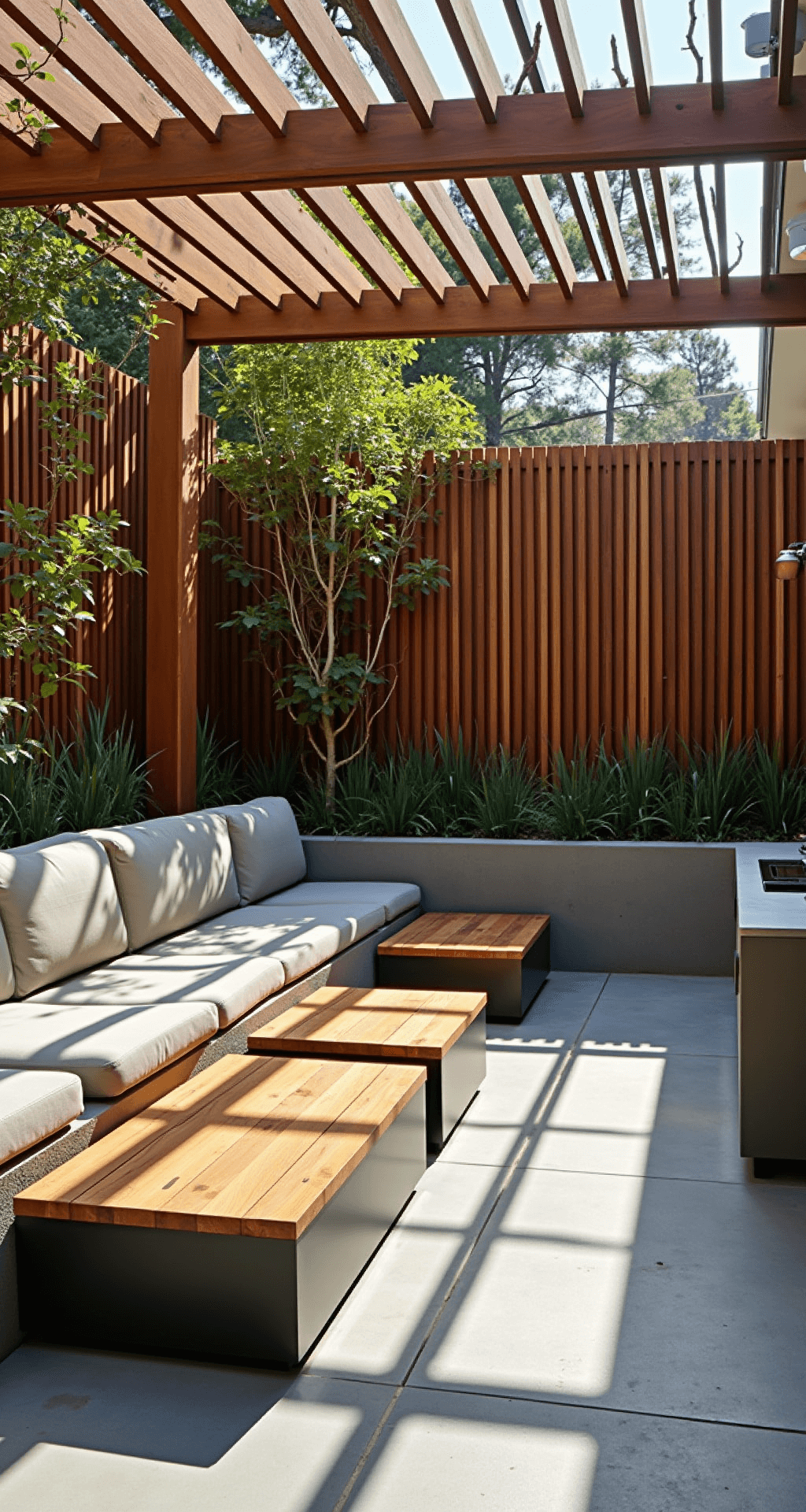
Borrowed Scenery
Create Flow and Connection
- Position seating to capture landscape views
- Use stone pathways
- Integrate external greenery
- Establish a meditative outdoor environment
Your Japandi Patio Checklist
Essential Elements
- ✓ Minimal furniture
- ✓ Natural materials
- ✓ Muted color palette
- ✓ Intentional greenery
- ✓ Soft, warm lighting
- ✓ Negative space
Getting Started
A Japandi patio is about restraint: natural materials, muted colors, and open space. Every piece should earn its place.
Remember: Every piece should have purpose, every view should inspire calm, and every moment should feel intentional.
Start small, keep the palette muted, and add only what you’ll use. The empty space is part of the look.
This post may contain affiliate links. Please see my disclosure policy for details.
Want to keep this one?
We'll email you the link so you can find it again later.