Primitive Kitchen Design
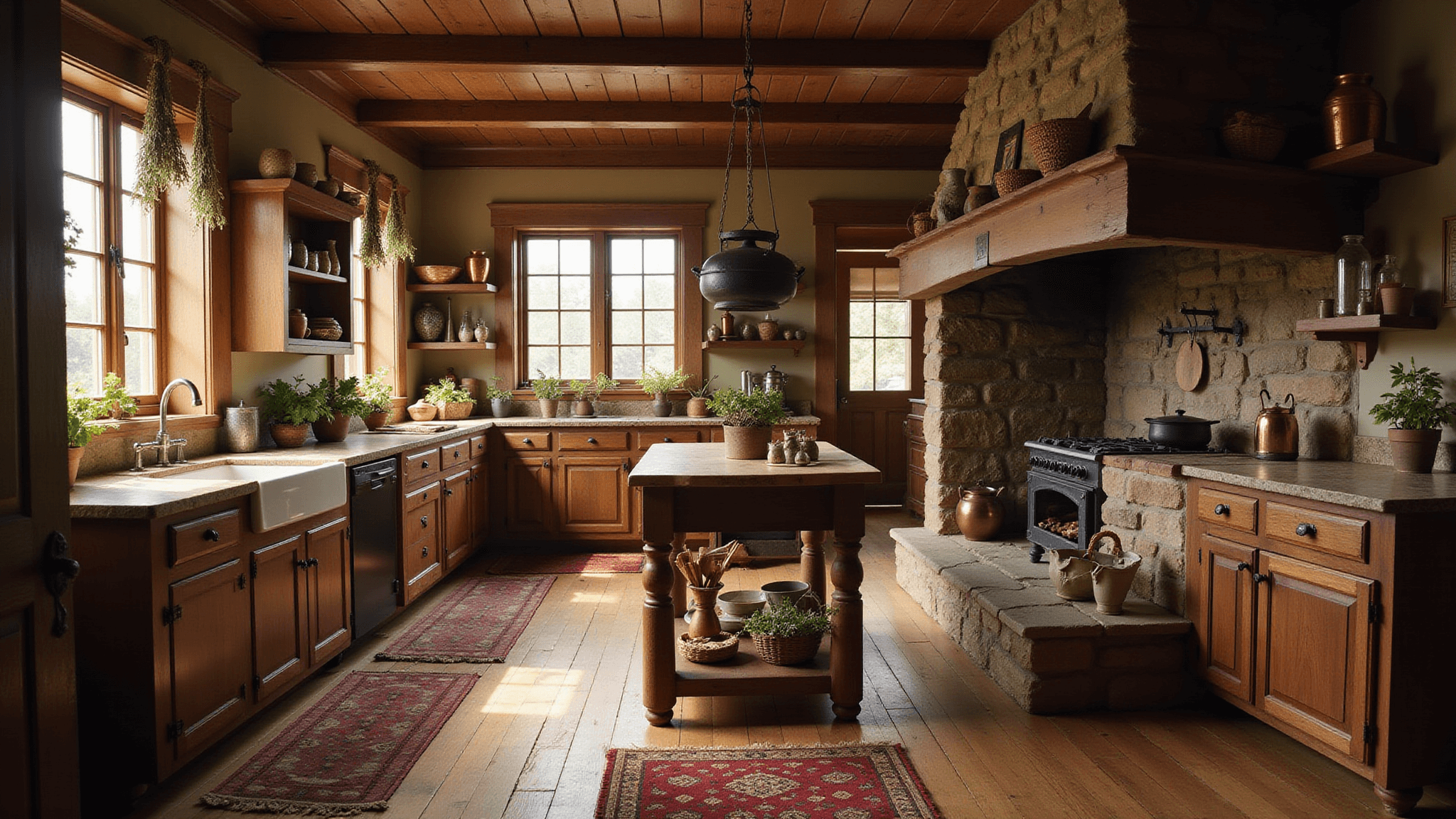
A primitive kitchen draws on early American farmhouse style: distressed wood, hand-forged metal, and vintage tools used as everyday decor. It favors collected, mismatched pieces over a matched fit-out.
What Defines the Style
Primitive style is rooted in America’s rural past. It values handmade, worn pieces and natural materials over polished, modern finishes.
Core Characteristics of Primitive Kitchen Style
Key Design Elements:
- Celebrates handcrafted, imperfect beauty
- Prioritizes natural materials and traditional craftsmanship
- Focuses on functional, no-frills design
- Embraces vintage and antique elements
- Creates a warm, nostalgic atmosphere
The Essential Color Palette: Earthy and Authentic
Colors in a primitive kitchen aren’t just visual – they’re emotional storytellers:
- Warm Browns: Reminiscent of aged wood and leather
- Deep Reds: Capturing the warmth of traditional farmhouses
- Forest Greens: Bringing natural elements indoors
- Mustard Yellows: a cheerful vintage note
- Sage: Introducing a calming, natural touch
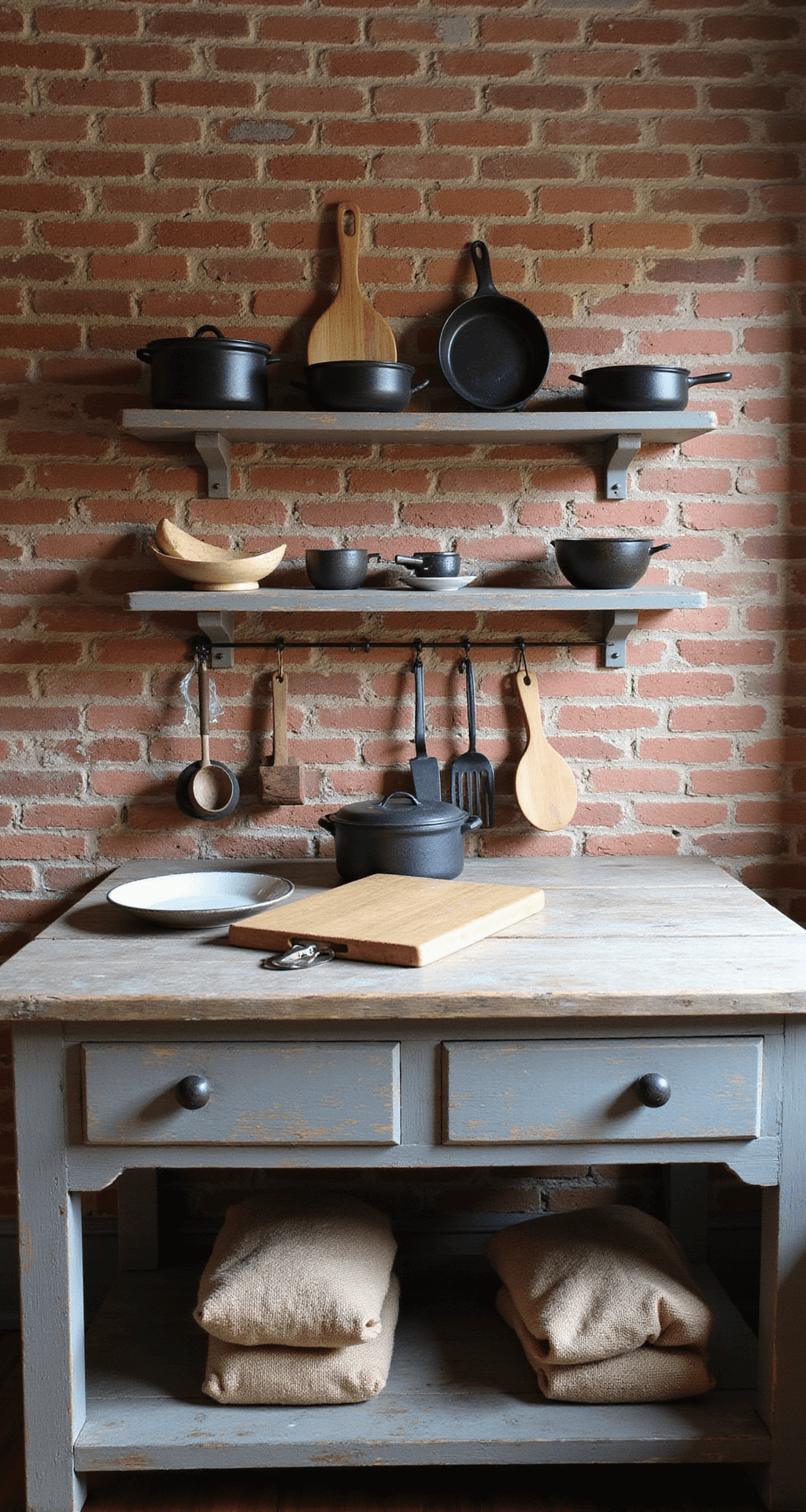
Materials That Define the Primitive Kitchen
Authentic Materials Include:
- Solid, distressed wood
- Hand-forged metals
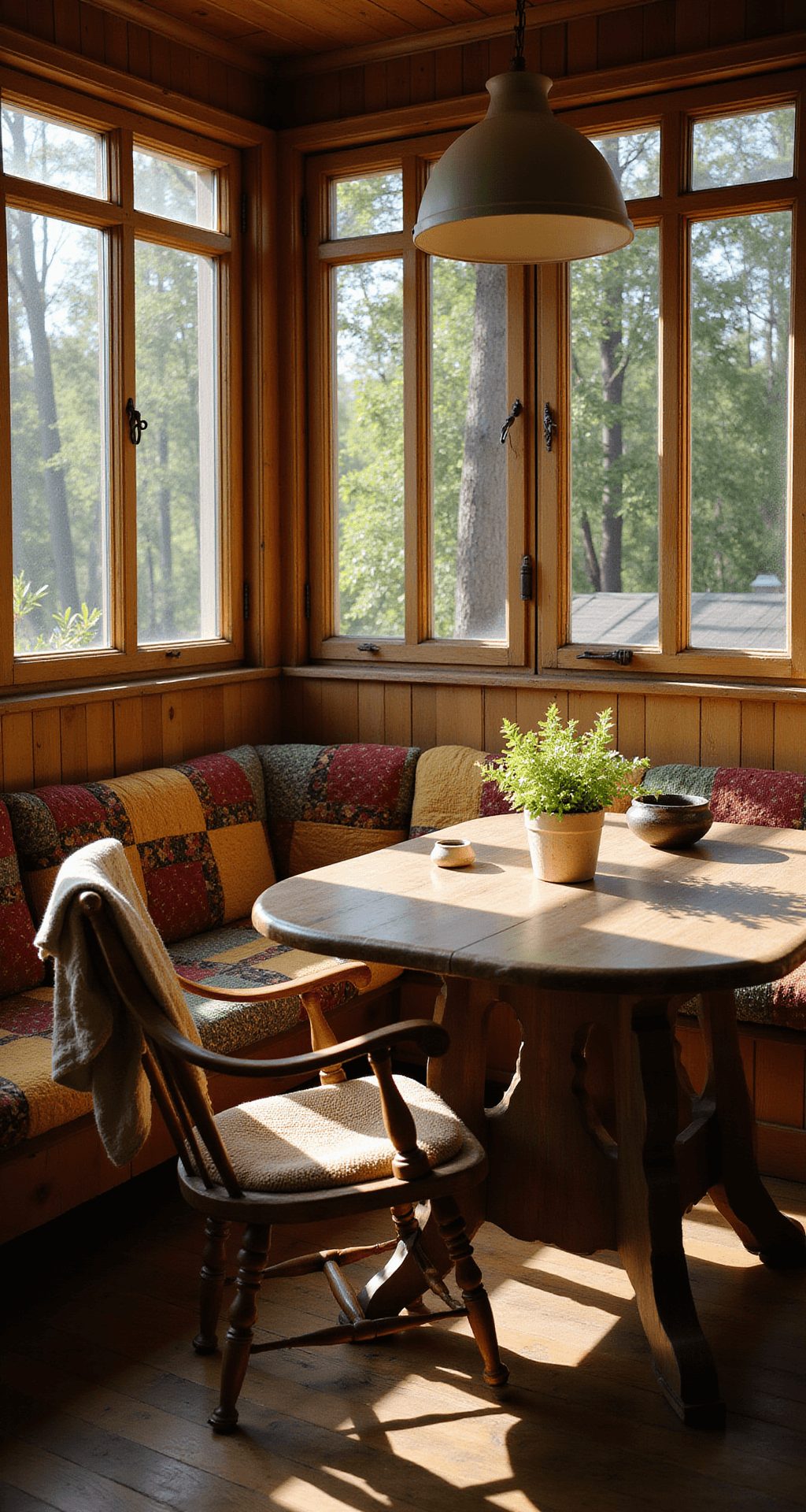
- Natural textiles like:
- Wool
- Jute
- Cotton
- Linen
- Handwoven fabrics with traditional patterns
Save this article
Enter your email and we'll send it straight to your inbox.
Functional Decor: Beauty Meets Utility
Primitive kitchens blur the line between decoration and function. Every item tells a story:
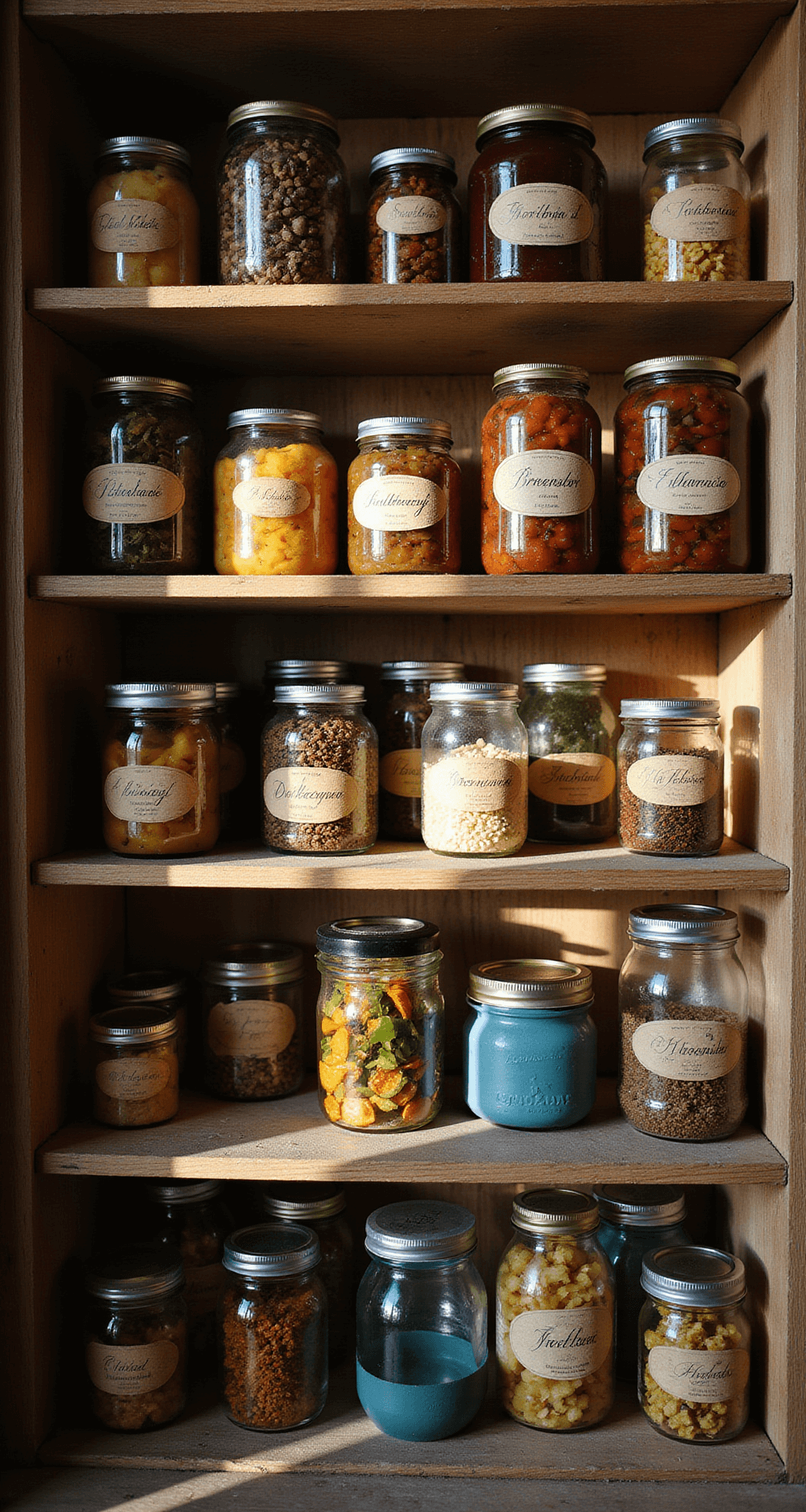
- Vintage mason jars for storage
- Wooden utensils displayed proudly
- Antique metal containers
- Stoneware jars
- Hand-carved wooden bowls
Tip: Collect, Don’t Match
Don’t buy matching sets. Collect pieces that feel like they’ve been gathered over generations.
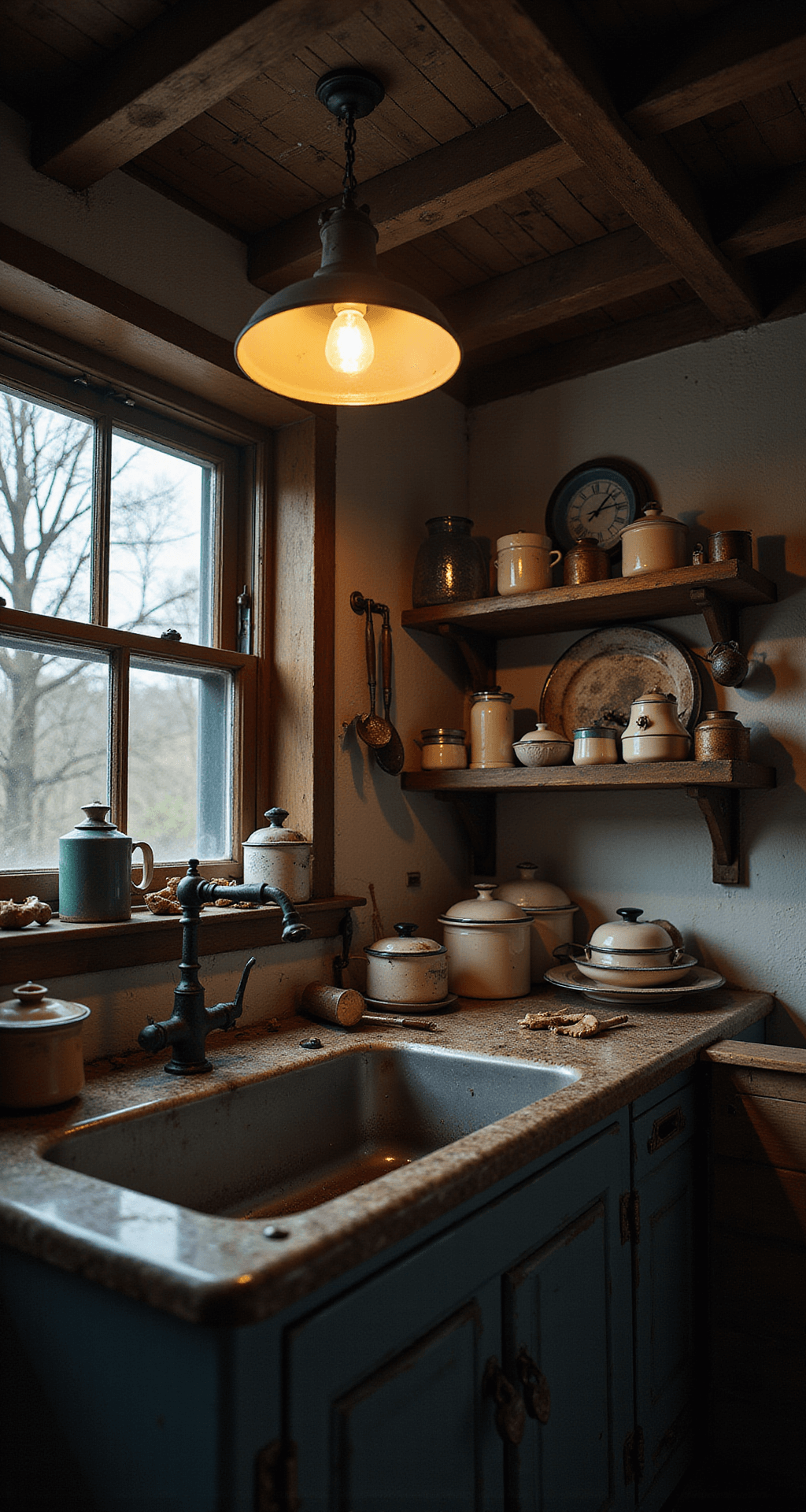
Furniture Selection: Embracing Rustic Simplicity
Key primitive kitchen furniture:
- Distressed wooden cabinets
- Baker’s racks with character
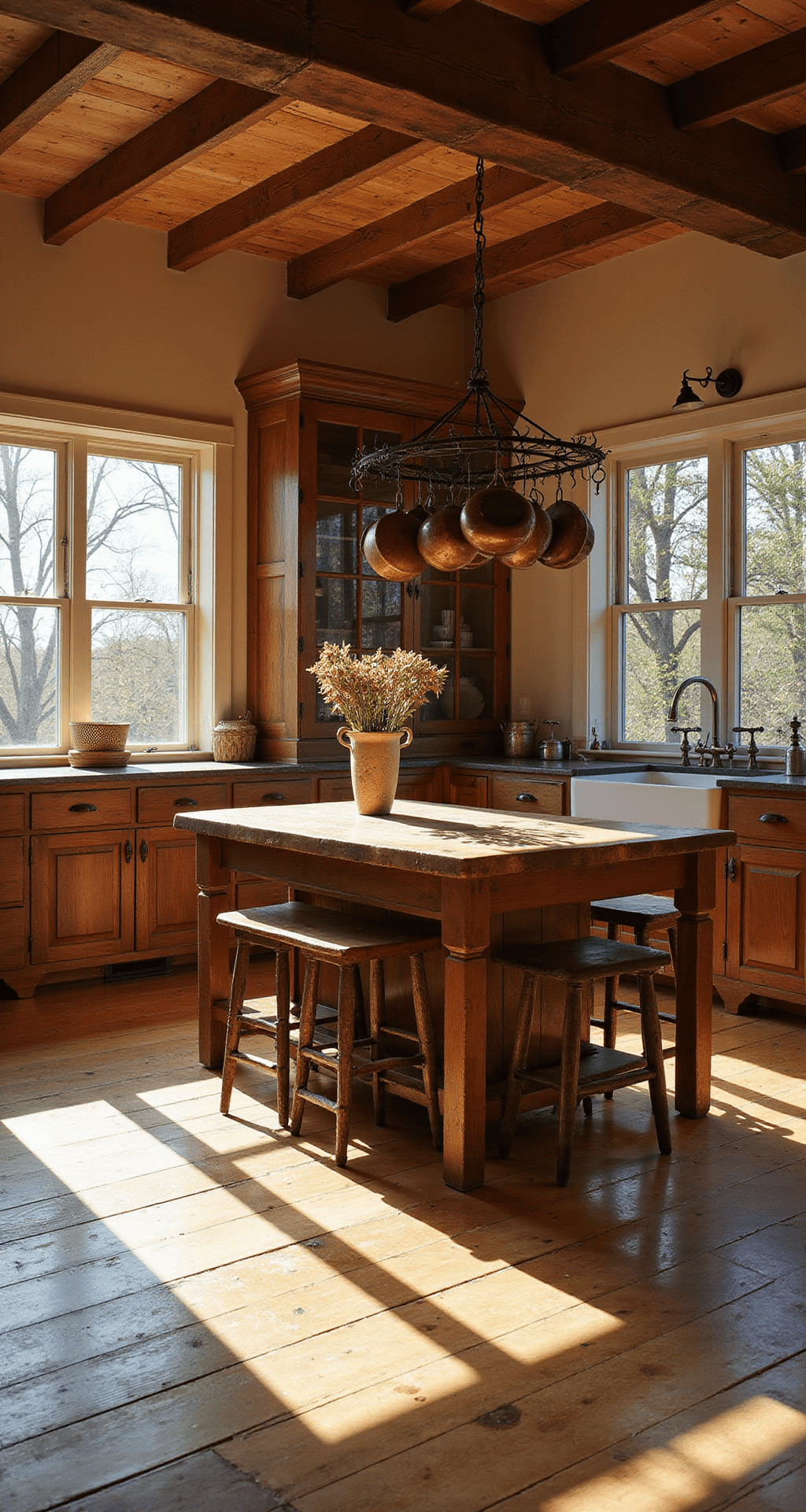
- Wooden islands with simple lines
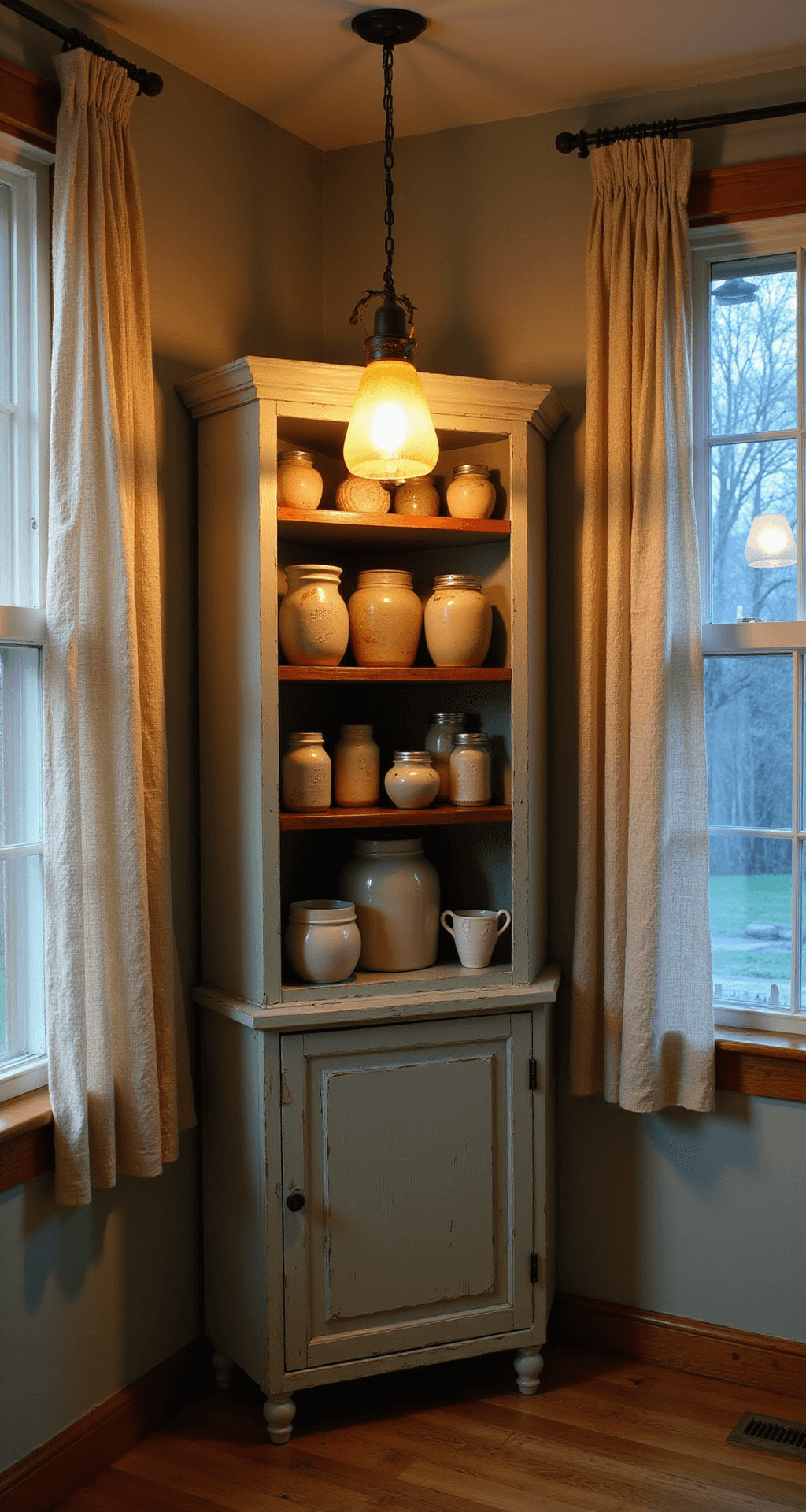
- Corner shelving units
- Vintage metal fixtures
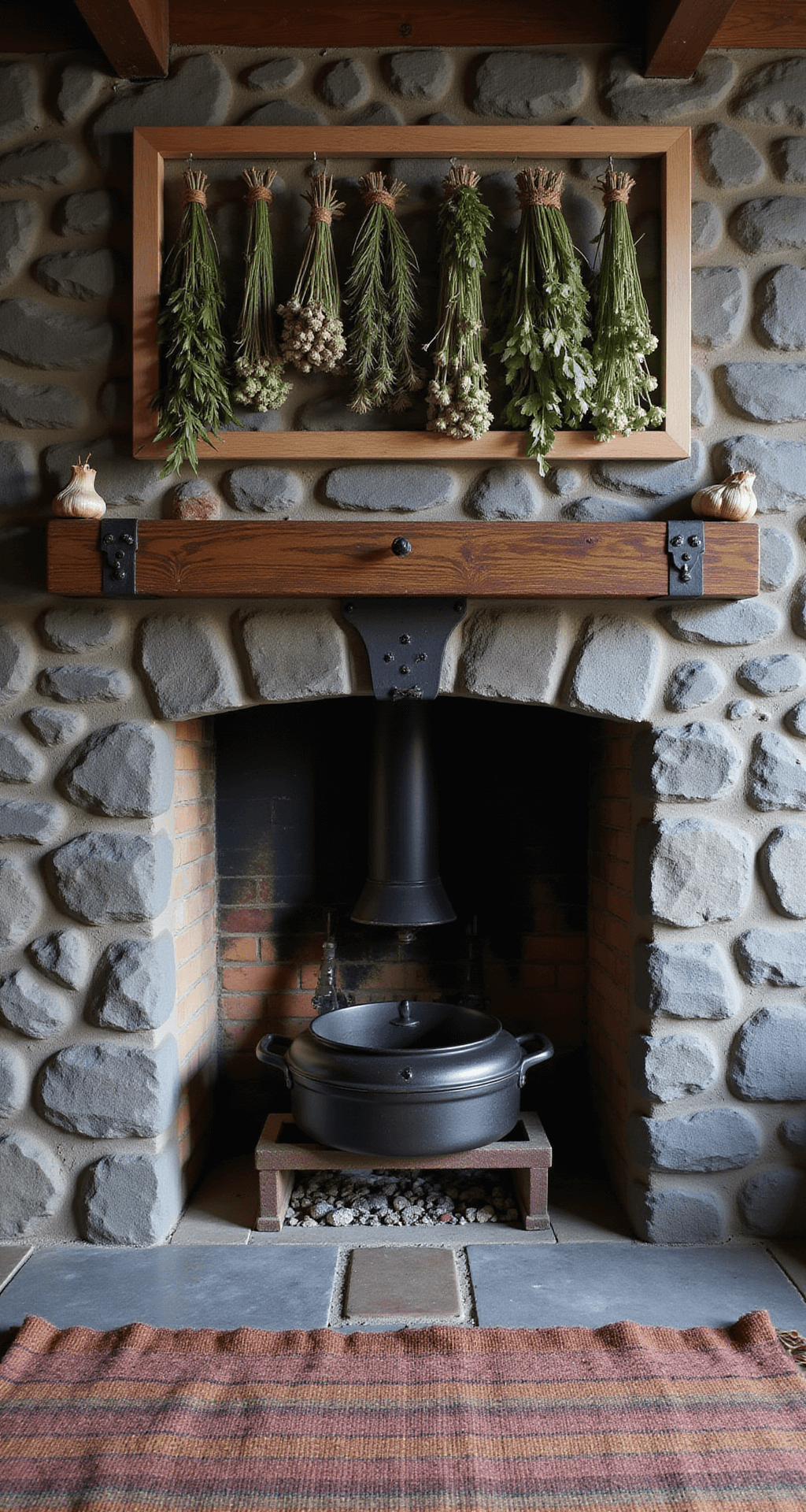
Styling Your Primitive Kitchen: Expert Techniques
- Layer Textures Thoughtfully
- Mix wood grains
- Combine different fabric weights
- Create visual depth
- Accept Wear and Age
- Choose pieces with natural wear
- Value handmade over mass-produced
- Celebrate unique character
- Curate Personal Collections
- Display family heirlooms
- Create meaningful vignettes
- Tell your personal story through design
Common Mistakes to Avoid
- Over-styling and losing authenticity
- Using too many modern elements
- Purchasing everything new
- Ignoring functionality for aesthetics
Budget-Friendly Primitive Kitchen Tips
- Explore antique stores and flea markets
- Refinish existing furniture
- Learn basic restoration techniques
- Shop secondhand platforms
- DIY simple decor elements
Getting Started
A primitive kitchen comes together from collected, worn pieces rather than a single purchase. Buy secondhand where you can and let the room build up over time.
This post may contain affiliate links. Please see my disclosure policy for details.
Want to keep this one?
We'll email you the link so you can find it again later.