

Spring Decor That Actually Works: Real Ideas I’ve Tested in My Own Home
Contents
Spring decor centers on bringing natural textures, fresh florals, and greenery into your home, and I’m going to show you exactly how to do it without spending a fortune or making your space look like a craft store exploded.
I spent years overthinking seasonal decorating until I realized something crucial: spring isn’t about perfection. It’s about freshness, renewal, and making your home feel alive again after the long winter months.

Why Your Spring Decor Probably Falls Flat (And How to Fix It)
Most people make the same mistake I did for years. They buy one spring-themed pillow, plop it on the couch, and call it a day. That doesn’t work. Spring decor needs layers, textures, and intention to actually transform a space. The good news? You don’t need to be an interior designer or have a massive budget to get this right.
Fresh Florals Are Your Secret Weapon
Here’s what changed everything for me: I stopped waiting for special occasions to buy flowers. Real flowers from the grocery store became my weekly habit, and honestly, it’s the single best $10-15 I spend each week. I place fresh flower bouquets on my dining table, coffee table, and kitchen counter. The impact is immediate and undeniable.
My Go-To Flower Strategy
Don’t just stick them in any random container. Here’s what I do:
- Mix heights by using different vase sizes throughout the room
- Group in odd numbers because three small arrangements look better than one large one
- Change the water every two days to make them last longer
- Trim stems at an angle each time you change the water
For those weeks when I can’t get to the store or want something longer-lasting, I’ve invested in high-quality faux flowers. Not the cheap ones that scream “fake” from across the room. The good ones that make guests do a double-take.

Greenery That Doesn’t Die on You
I’ve killed more plants than I care to admit. So I’ve learned to work with both my successes and my limitations. Potted ferns work beautifully if you have decent natural light and remember to water them. I keep small potted ferns on my bookshelf and side tables.
But here’s my real secret: bowls of preserved moss. They look incredibly organic, require zero maintenance, and add that natural texture that makes spring decor feel cohesive rather than scattered.
The Branch Trick Nobody Talks About
Last year, I discovered forcing branches, and it changed my entire approach to spring decorating. You cut branches from flowering trees or bushes (forsythia, cherry, quince, pussy willow), bring them inside, and watch them bloom weeks before they would outdoors. It’s basically magic.
Here’s how I do it:
- Cut branches on a warm day when buds are starting to swell
- Make a fresh cut at an angle when you get home
- Place in room temperature water
- Change water every few days
- Wait for the show
The cost? Free if you have a yard. A few dollars if you buy them at the farmer’s market.

Budget Spring Decor That Doesn’t Look Cheap
I’m not going to pretend I haven’t spent money on spring decor over the years. But the most impactful changes came from projects that cost me under $20.
Projects I’ve Actually Completed (And Loved)
Painted terracotta pots became my obsession last spring. I bought a pack of plain terracotta planters and spent one Sunday afternoon painting them in soft pastels. Some got simple designs. Others just got a solid color wash. They now hold everything from herbs in my kitchen to flowers on my porch.
Mason jar planters are another win, especially with a distressed white finish that makes them look vintage and expensive. I use sandpaper after the paint dries to rough up the edges. Takes an extra five minutes but makes all the difference.
The Tissue Paper Flowers That Fooled My Mother-in-Law
I made tissue paper cherry blossoms two years ago for a spring party. They looked so good that my mother-in-law asked where I bought them. When I told her I made them from tissue paper and wire, she literally didn’t believe me. The best part? I still use them every spring. They fold flat for storage and unfold perfectly each year.
Here’s what you need:
- Pink and white tissue paper
- Floral wire
- Scissors
- About 30 minutes of your time
I found a simple tutorial online and just followed it step by step. No crafting genius required.

The Quick Refresh That Takes 30 Minutes
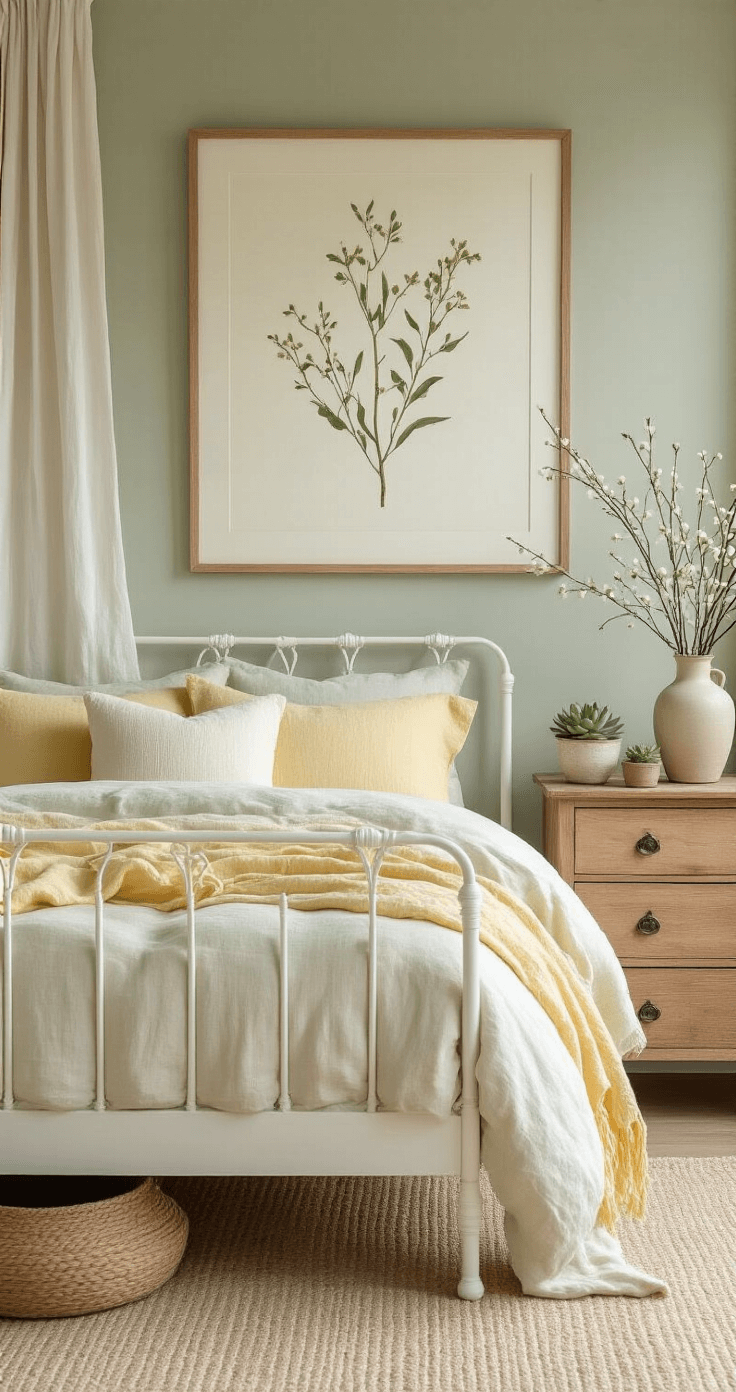
Some days I don’t have energy for projects. On those days, I do what I call the “spring swap.” Throw pillows and blankets come out of storage and replace the heavier winter ones.
I go for:
- Light colors (whites, soft yellows, pale greens)
- Natural fabrics (linen and cotton)
- Floral or botanical patterns
Candle scents change from woodsy winter smells to fresh spring fragrances. My current favorites are anything with citrus, fresh linen, or light floral notes.
Front door wreath gets swapped out because it’s the first thing I see when I come home. That psychological impact matters more than you’d think.
This post may contain affiliate links. Please see my disclosure policy for details.


