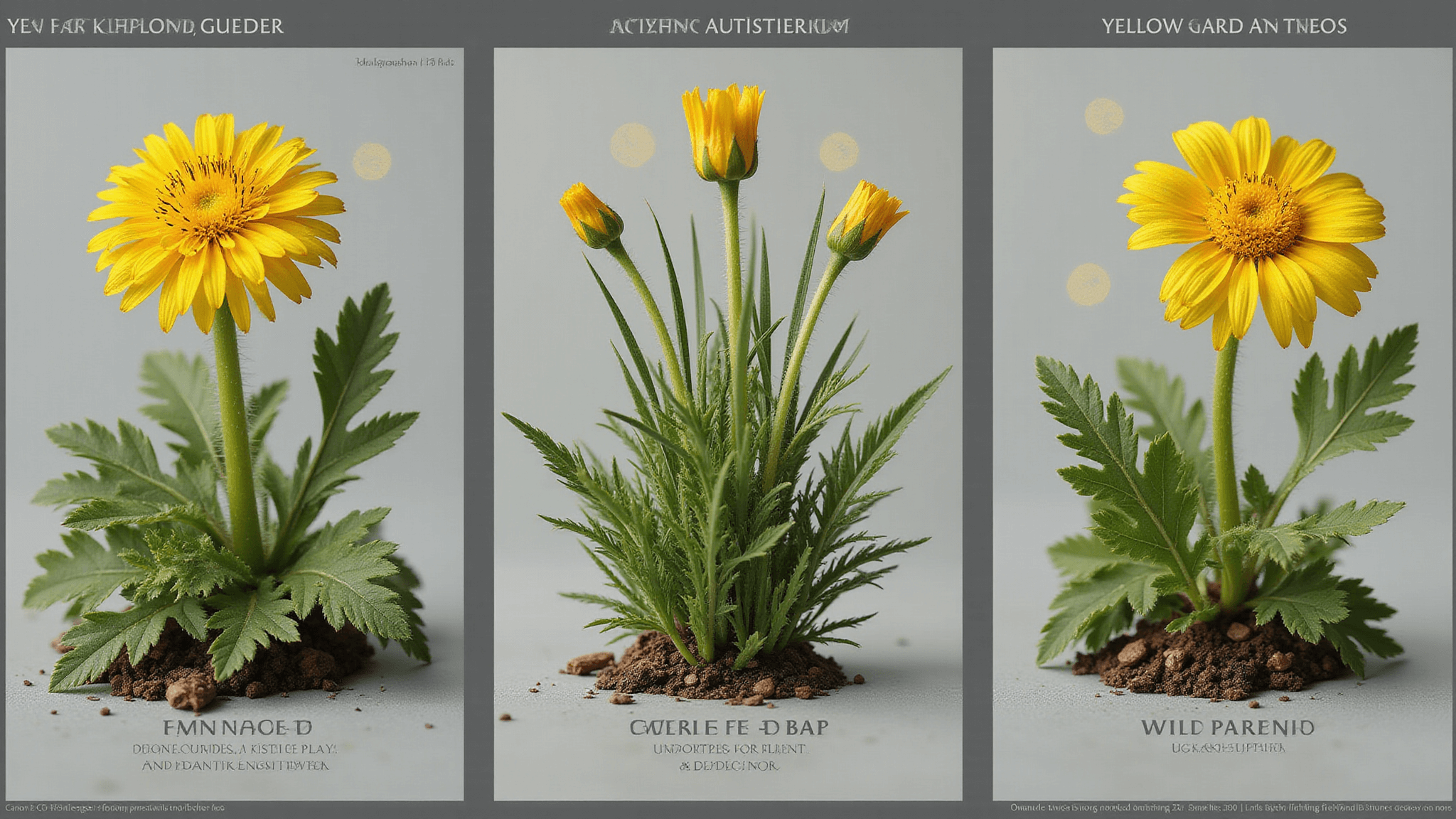
Common Yellow-Flowered Weeds
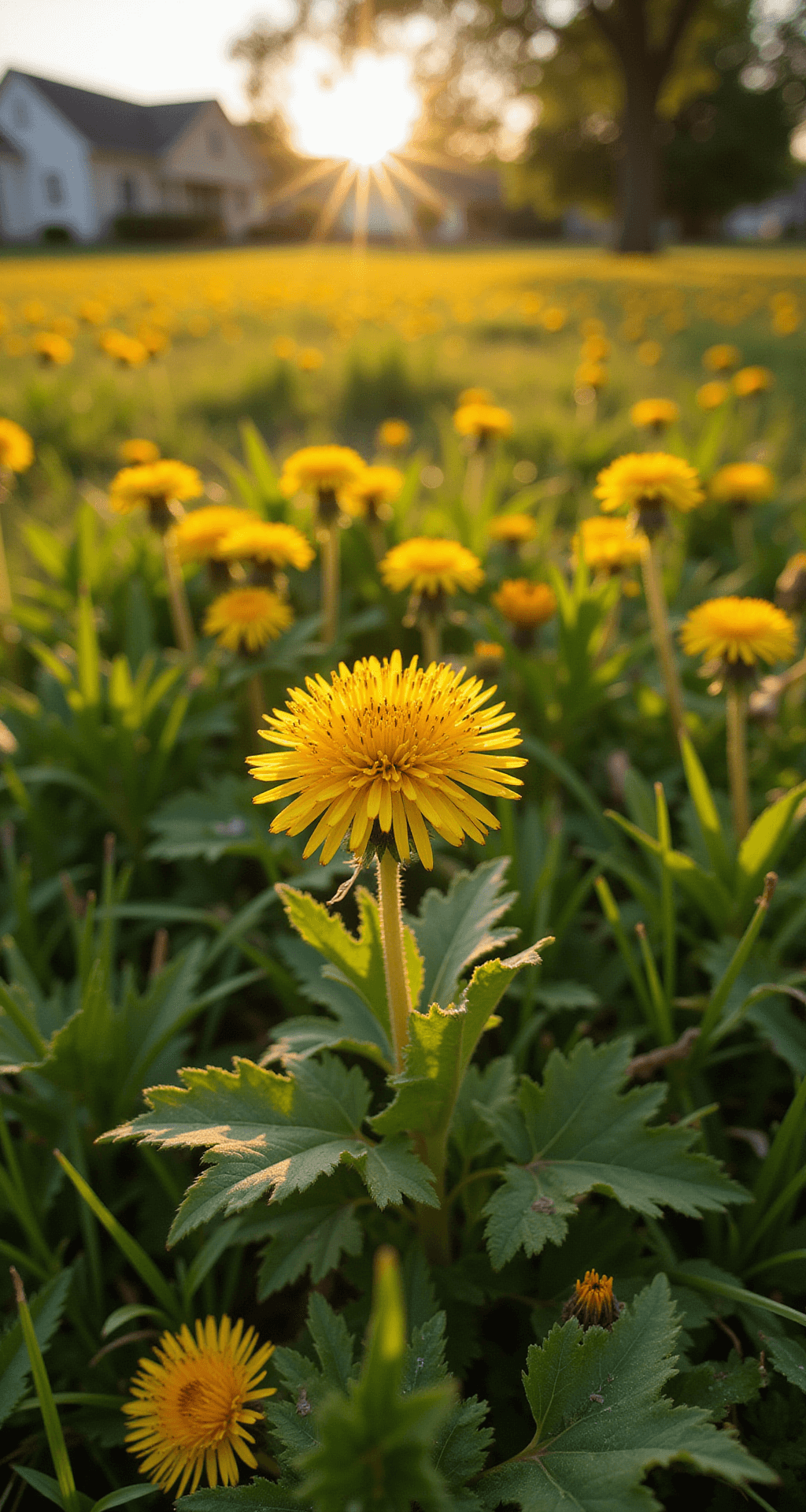
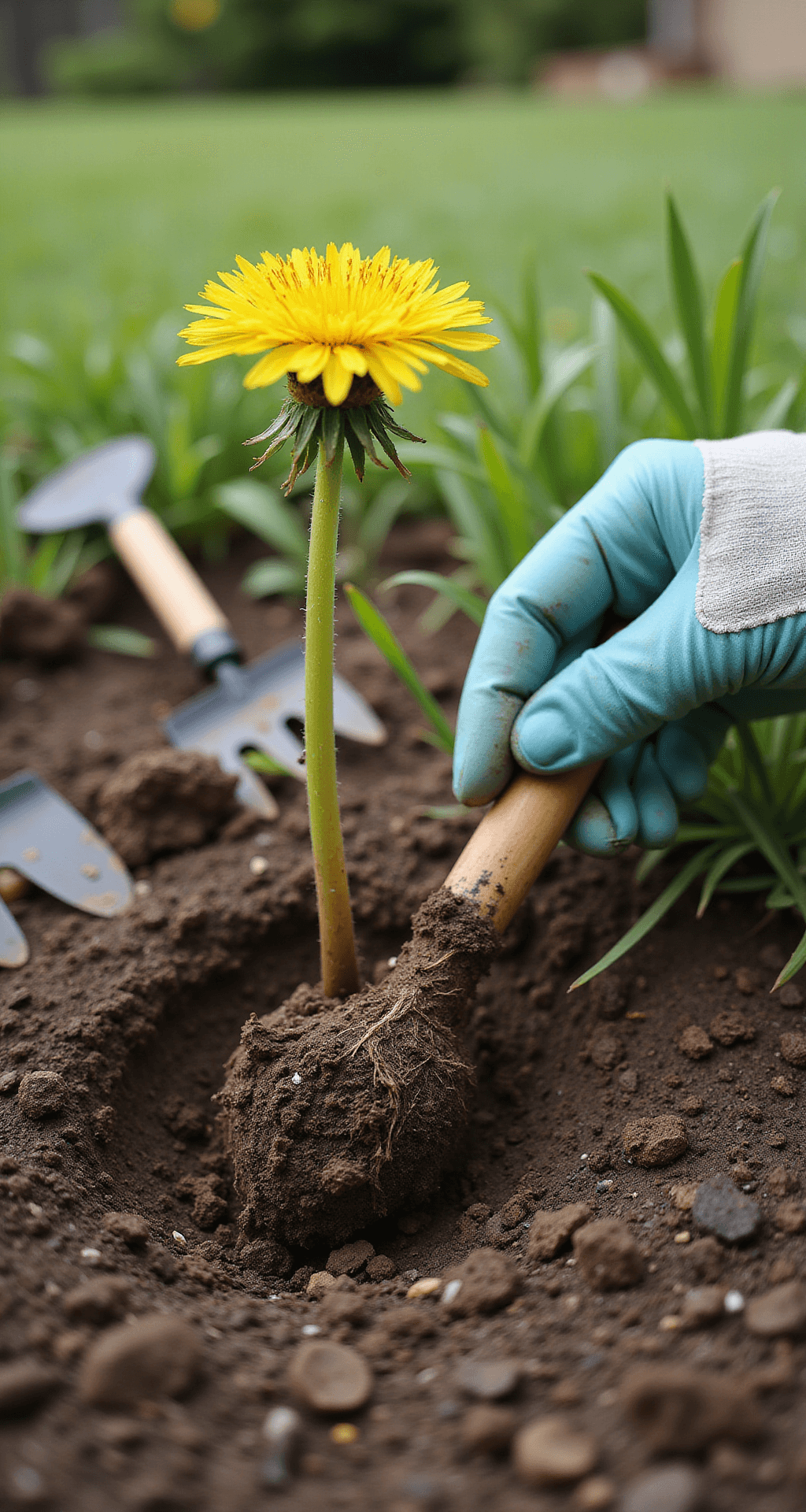
Dandelion
Dandelions are the most common yellow weed in lawns.
Identifying Features:
- Bright yellow flowers
- Fluffy seed heads that travel on the wind
- Jagged leaves arranged in a rosette
- A deep taproot that regrows if it breaks
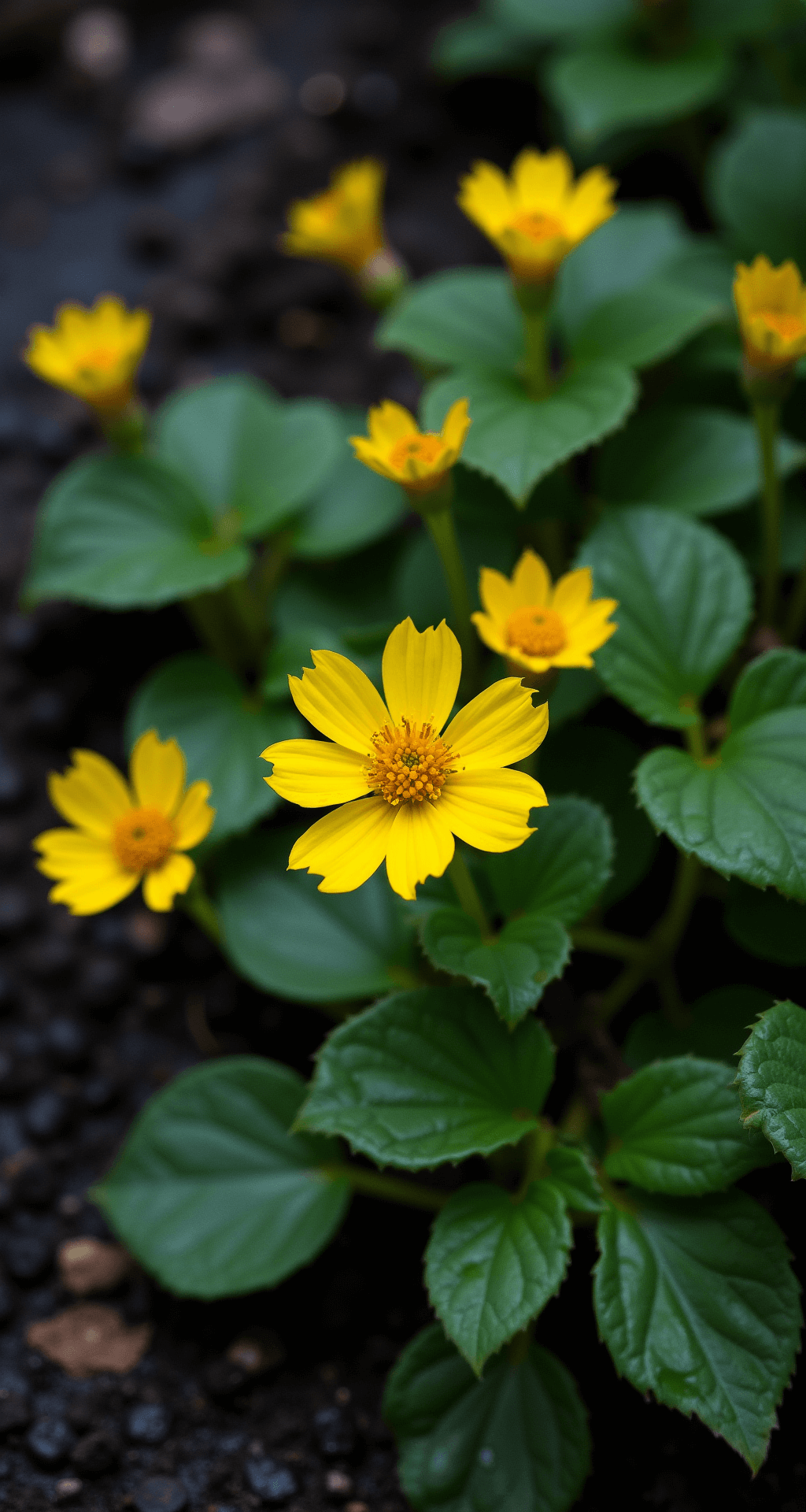
Creeping Buttercup
This low-growing weed likes moist, poorly drained soil.
Watch Out For:
- Shiny, cup-shaped yellow flowers
- Spreads through seeds and underground runners
- Thrives in wet, soggy conditions
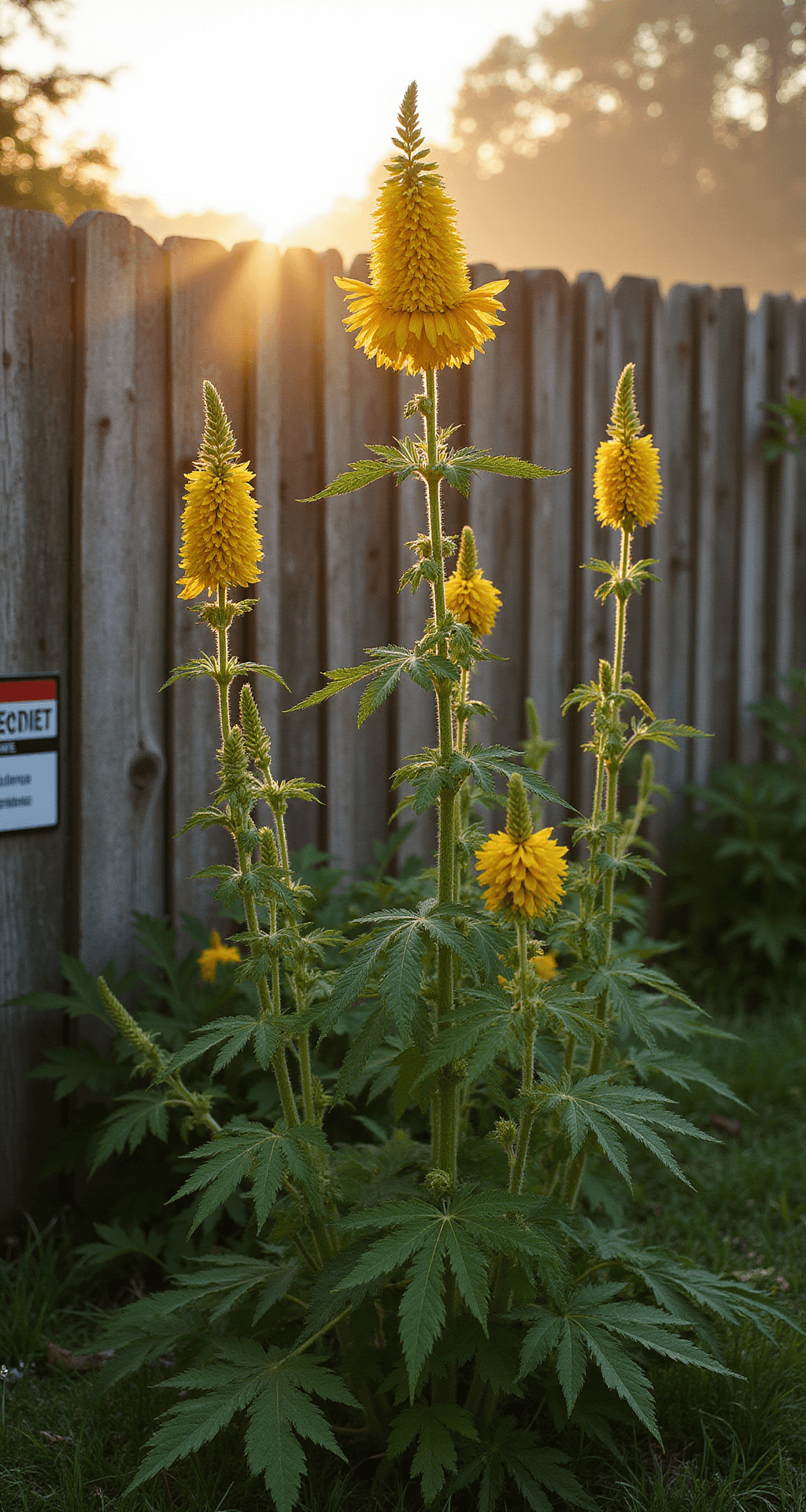
Wild Parsnip
Showy but hazardous, this weed carries a real warning.
Caution:
- Up to 5 feet tall
- Flat-topped yellow flower clusters
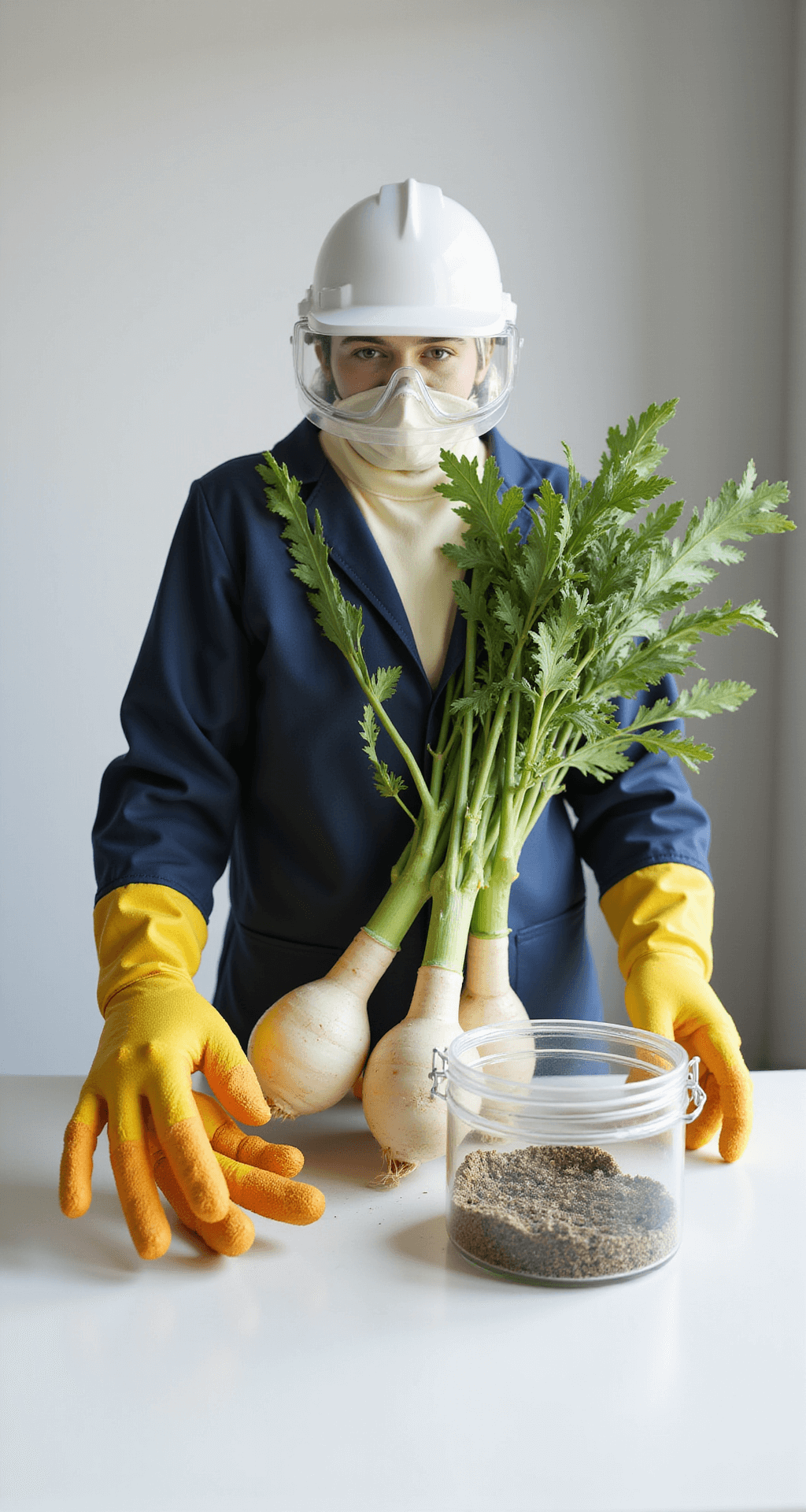
- WARNING: Sap can cause severe skin irritation
- Wear protective gear when removing!
Save this article
Enter your email and we'll send it straight to your inbox.
Weed Control Strategies
Prevention is Your Best Defense
- Maintain a healthy, dense lawn
- Improve soil drainage
- Remove weeds before they seed
- Practice regular lawn maintenance
Removal Techniques
- Hand pulling (for small infestations)
- Targeted herbicide application
- Mulching to prevent seed germination
- Consistent monitoring
Yellow-Flowered Weeds at a Glance
| Weed Name | Height | Spread Method | Danger Level |
|---|---|---|---|
| Dandelion | 20 in | Seeds/Roots | Low |
| Wild Parsnip | 5 ft | Seeds | High |
| Evening Primrose | 5 ft | Self-seeding | Moderate |
| Yellow Rocket | 3 ft | Seeds | Low |
Practical Tips
💡 Quick Wins:
- Identify weeds early
- Act fast before they spread
- Use targeted removal methods
- Maintain lawn health
🚨 Danger Zone:
Some weeds like wild parsnip can cause serious skin reactions. Always:
- Wear long sleeves
- Use protective gloves
- Wash immediately after contact
What to Do
Most yellow-flowered lawn weeds are manageable if you identify them early and remove them before they seed. A dense, healthy lawn is the best long-term defense.
This post may contain affiliate links. Please see my disclosure policy for details.
Want to keep this one?
We'll email you the link so you can find it again later.