The Kennedy Space Center transforms even the most space-sceptical visitors into wide-eyed dreamers within minutes of arrival.
I’ve witnessed hardened cynics tear up whilst standing beneath the massive Saturn V rocket, and watched teenagers put down their phones for hours whilst exploring actual spacecraft that once hurtled through the cosmos.
What Makes Kennedy Space Center Different From Every Other Theme Park
Forget everything you think you know about tourist attractions.
Kennedy Space Center isn’t just another Florida theme park with queues and overpriced snacks (though it has both). This is where humans literally launched themselves to the moon. The spacecraft you’ll touch carried real astronauts into the void of space.
Located 45 minutes from Orlando at Cape Canaveral, NASA’s John F. Kennedy Space Center serves as both an active spaceport and a showcase of humanity’s greatest adventure. The visitor complex spans decades of space exploration, from the early Mercury missions to current Mars exploration plans.
Here’s what sets it apart:
- Real spacecraft – Not replicas, but actual vehicles that flew in space
- Active launch site – You might witness a rocket launch during your visit
- Astronaut encounters – Meet people who’ve literally walked in space
- Mission Zones – Chronologically organised exhibits that tell the complete story
The complex divides into Mission Zones, each representing different eras of space exploration. This organisation prevents the overwhelming feeling you’d get from randomly wandering about.
The Ticket Situation (And Why You Shouldn’t Overthink It)
Most visitors stress about which ticket to buy. Here’s the truth: the basic admission includes almost everything you’ll want to experience.
Ticket options:
- One-day admission
- Two-day admission
- Annual passes
I learned this lesson during my first visit in 2019 when I spent an hour researching add-ons, only to discover that the standard ticket provides access to extraordinary experiences.
Your admission includes:
- Space Shuttle Atlantis with Shuttle Launch Experience
- Gateway: The Deep Space Launch Complex featuring Spaceport KSC
- Kennedy Space Center Bus Tour (including Apollo/Saturn V Center)
- Heroes & Legends with the U.S. Astronaut Hall of Fame
- Astronaut Encounter experiences
- Planet Play (perfect for younger visitors)
- Rocket Garden with daily guided tours
- All Universe Theater shows
- IMAX space films
- Journey To Mars exhibition
- HYPERDECK VR experience (reservations required)
The only experiences requiring separate payment are specialty dining with astronauts and advanced training simulations. For most visitors, the standard admission provides more than enough content for a full day.
Space Shuttle Atlantis: Why This Attraction Breaks Grown Adults
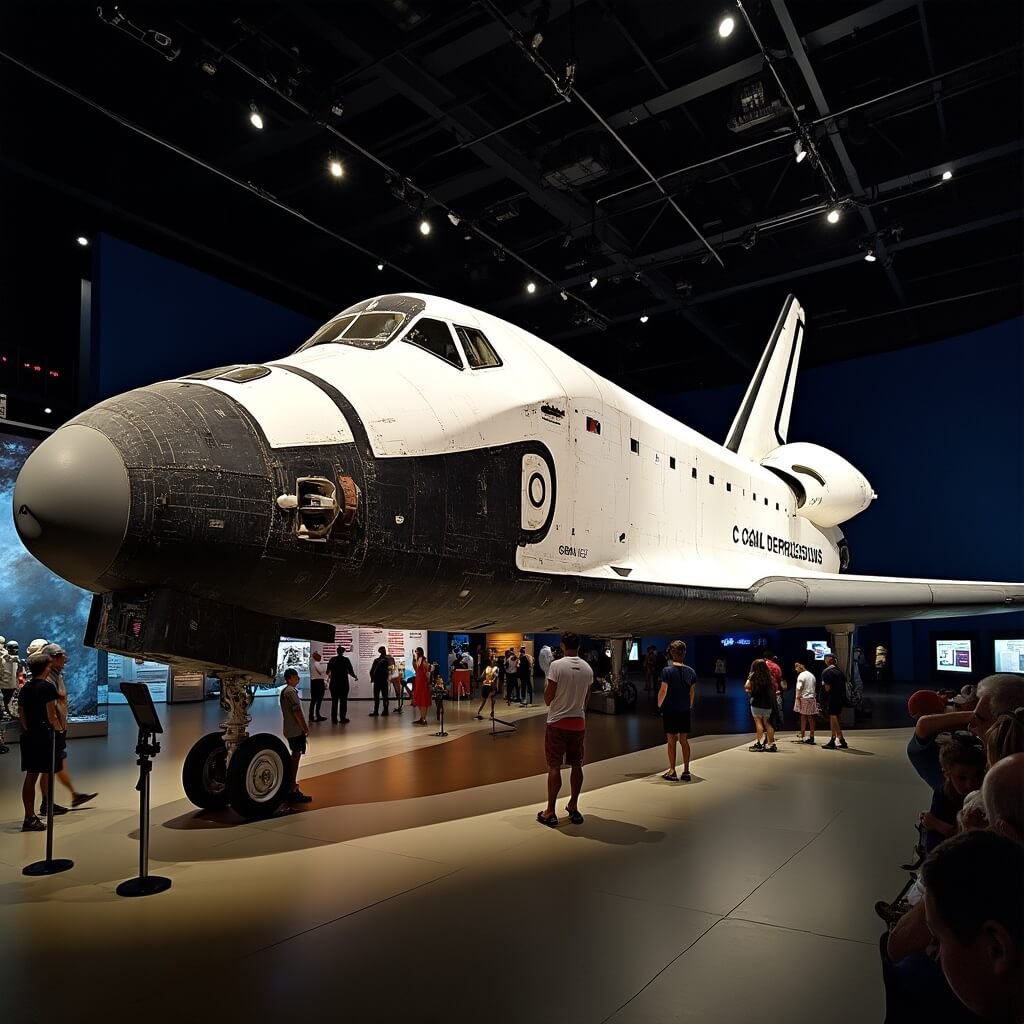
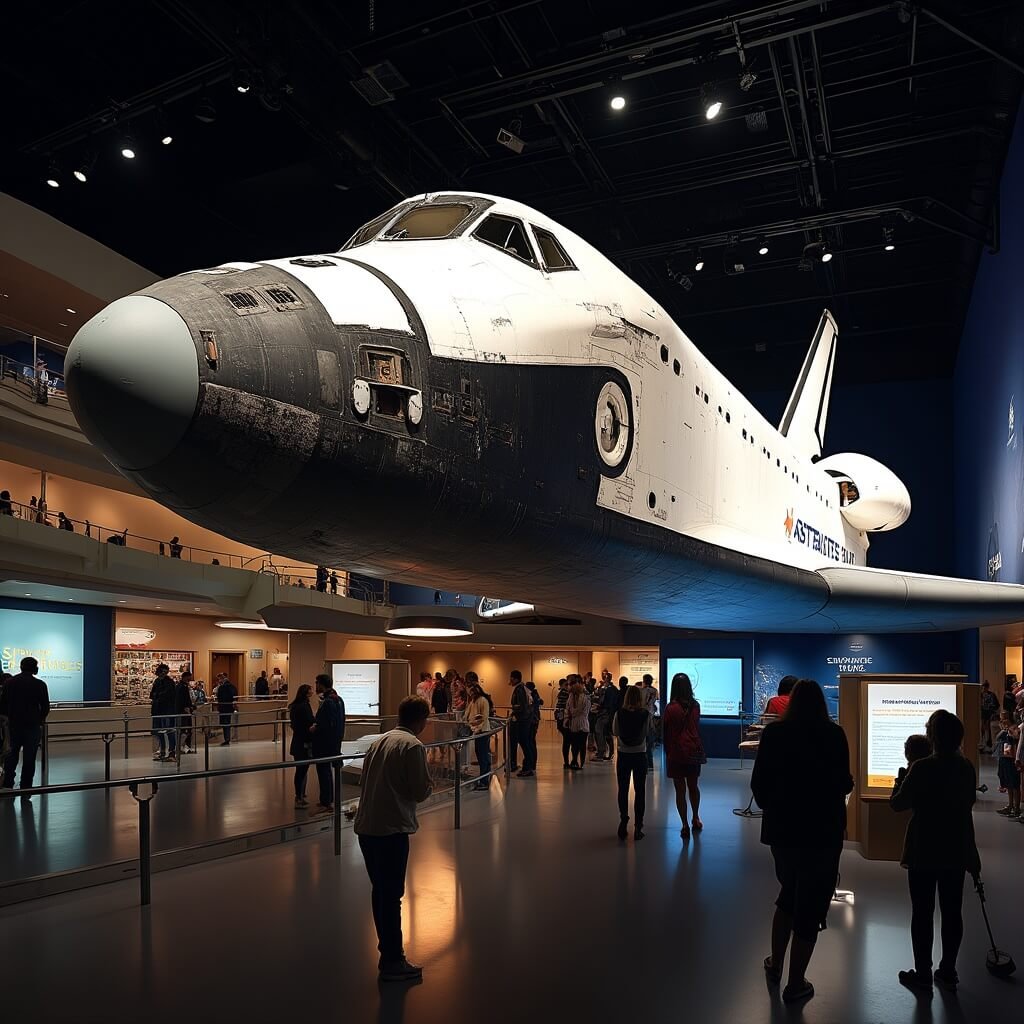
Nothing prepares you for the moment when the viewing screen lifts to reveal Space Shuttle Atlantis.
This isn’t a mockup or replica. Atlantis completed 33 actual space missions, orbiting Earth 4,848 times and travelling over 125 million miles. The shuttle you’ll walk around carried 207 crew members safely to space and back.
The experience includes:
- The reveal moment – Genuinely spine-tingling theater
- Shuttle Launch Experience – A surprisingly realistic launch simulation
- Interactive exhibits – Touch actual shuttle components
- Cargo bay exploration – See where astronauts deployed satellites
Plan 60-90 minutes here, though many visitors stay longer. The Shuttle Launch Experience puts you through a simulated shuttle launch with real G-forces and sensory effects. It’s intense enough that some people skip it, but mild enough for most adults.
The interactive elements let you attempt shuttle landings, experience spacewalk challenges, and explore detailed cutaway sections. You’ll gain genuine appreciation for the complexity of getting humans safely to space.
Gateway to Deep Space: Where Future Meets Present
Gateway represents the newest addition to Kennedy Space Center, focusing on current and future space exploration.
Spaceport KSC highlights:
- Modern spacecraft displays
- Commercial spaceflight exhibits
- Mars mission planning displays
- Interactive mission control experiences
The New Shepard Flight to Space VR Simulator provides a surprisingly convincing spaceflight experience. Note the 44-inch minimum height requirement – this rules out very young children.
Allocate 30-75 minutes depending on your interest level in future space missions. The exhibit balances education with entertainment, avoiding the dry presentation style that kills enthusiasm.
Heroes & Legends: Where Space Dreams Actually Started
Before astronauts became celebrities, they were test pilots willing to strap themselves to experimental rockets.
The U.S. Astronaut Hall of Fame tells their stories without the sanitised Disney treatment. These were real people with real fears who did extraordinary things.
Key exhibits:
- Early space suit evolution – See how protective gear developed
- Mercury Seven displays – America’s first astronaut corps
- Interactive astronaut selection tests – Try the challenges yourself
- Personal artefacts – Letters, photos, and personal items
The space suit progression alone fascinates most visitors. Early suits were barely modified high-altitude flying gear. Modern suits are essentially personal spacecraft.
Budget 30-60 minutes, though space history enthusiasts often spend longer reading personal accounts and watching archival footage.
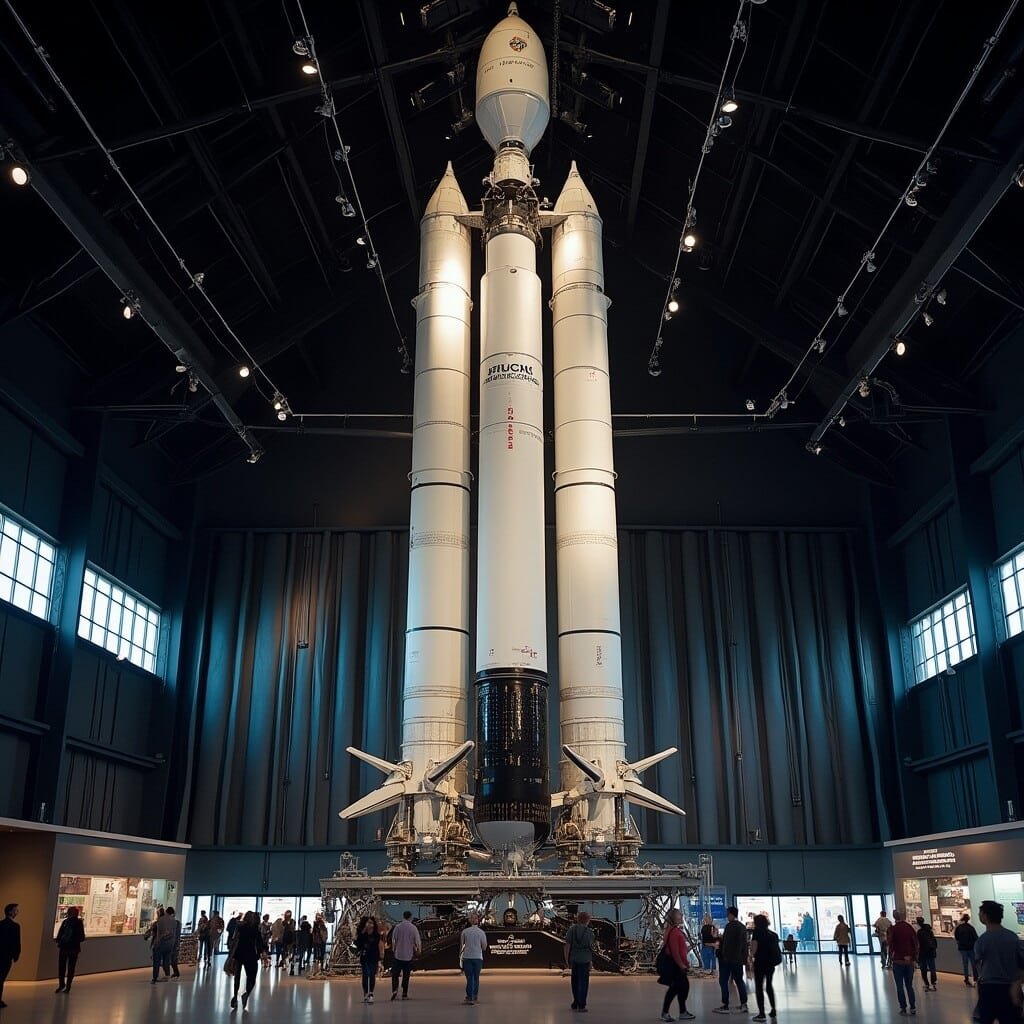
Apollo Saturn V Center: Standing Beneath Giants
The bus tour provides the only public access to restricted areas of Kennedy Space Center. This isn’t optional – it’s your ticket behind the gates of an active spaceport.
What you’ll see:
- Vehicle Assembly Building (from outside)
- Launch pad viewing areas
- Operational space facilities
- Apollo Saturn V Center
The Vehicle Assembly Building remains one of the largest buildings in the world by volume. It’s where NASA assembled the Saturn V rockets that carried astronauts to the moon. The scale defies comprehension until you see it.
At the Apollo Saturn V Center, you’ll stand underneath a complete Saturn V rocket. This 363-foot-tall beast generated 7.6 million pounds of thrust. The rocket on display is flight-qualified hardware that could have gone to the moon.
The bus tour takes 2-2.5 hours including time at the Apollo Saturn V Center. Arrive 15 minutes early – buses run on strict schedules. Don’t attempt multiple bus tours in one day unless you enjoy sitting more than exploring.
With these major attractions covered, you’re already looking at a substantial day of exploration that will fundamentally change how you think about human achievement and our place in the universe.
Looking for more exciting destinations in Florida? Check out our guides on Daytona Beach in September and Cocoa Beach in February.
👇Find The Cheapest Flights To Anywhere Here👇
The Rocket Garden: Where History Stands in Plain Sight
Walking through the Rocket Garden feels like wandering through a graveyard of giants – except these monuments once carried humans beyond Earth’s atmosphere.
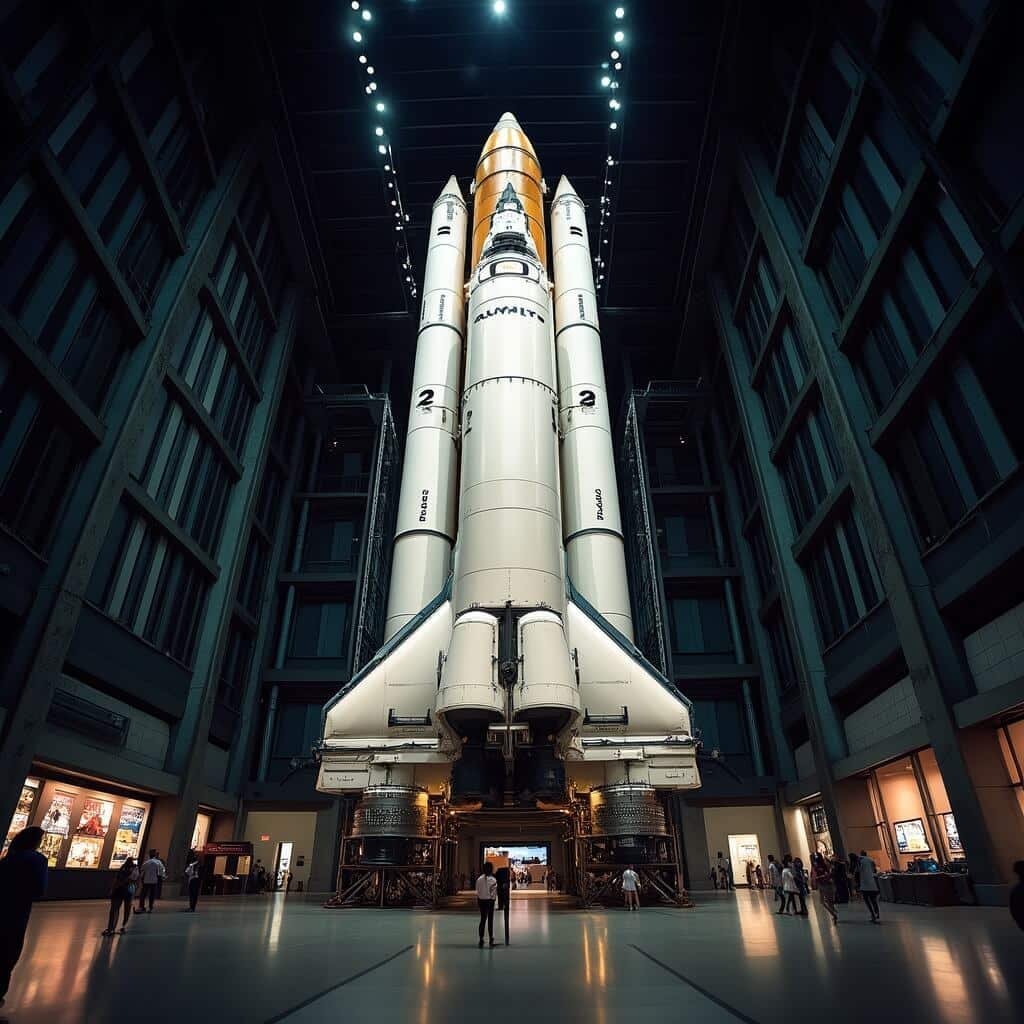
Each rocket represents a different era of space exploration, from the early Redstone rockets that barely reached space to the massive Atlas vehicles that launched astronauts into orbit.
The collection includes:
- Mercury-Redstone – America’s first crewed spaceflight rocket
- Atlas-Mercury – John Glenn’s ride to orbital flight
- Gemini-Titan II – The spacecraft that perfected spacewalking
- Various satellite launch vehicles – The workhorses of space exploration
The guided tours happen daily and last about 15-20 minutes. Tour guides share stories you won’t read on plaques – like how astronauts nicknamed certain rockets or the engineering challenges that nearly ended programs.
Don’t rush through here. These aren’t replicas gathering dust in a museum. Most are actual flight vehicles or flight-ready backups that represent billions of dollars in 1960s engineering.
Meet Real Astronauts (Yes, They’re Actually There)
The Astronaut Encounter experiences provide something no other attraction can match – conversations with people who’ve left the planet.
Available astronaut experiences:
- Daily Astronaut Encounters – 40-minute presentations and Q&A sessions
- Astronaut of the Day autograph sessions – 15-minute meet-and-greets
- Chat With An Astronaut – Extended 60-minute small group sessions
- Dine With An Astronaut – Buffet meals with astronaut presentations
I attended a presentation by Nicole Stott in 2020, where she casually mentioned floating outside the International Space Station while Earth rotated below her. The audience sat in stunned silence. Here was someone describing experiences that fewer than 600 humans have ever had.
The Dine With An Astronaut experience costs extra but offers the most intimate setting. You’ll eat alongside someone who’s experienced weightlessness, seen Earth from space, and returned to tell about it. These aren’t actors or tour guides – they’re genuine space travelers sharing first-hand accounts.
Save this article
Enter your email and we'll send it straight to your inbox.
Current and former astronauts rotate through the center regularly. You might meet someone who flew on the Space Shuttle, lived on the International Space Station, or trained for Mars missions.
Advanced Astronaut Training: When You Want to Feel Like Space Crew
The enhanced training experiences require separate admission but offer unique simulations you’ll find nowhere else.
Advanced training options:
- Astronaut Training Experience – Multi-station space mission simulation
- Microgravity simulation – Experience weightlessness effects
- Space Launch System training – Practice with NASA’s newest rocket systems
- Mars Base 1 – Full-day Mars surface mission simulation
The Mars Base 1 experience deserves special mention. You’ll spend an entire day role-playing as Mars colonists, complete with mission objectives, equipment failures, and problem-solving challenges.
Advance reservations are essential for these experiences. They fill up weeks ahead, especially during busy seasons. The training assumes no prior knowledge but demands genuine participation.
These aren’t gentle theme park rides. Expect physical challenges, mental problem-solving, and realistic mission pressure.
Timing Your Visit: The Strategy That Actually Matters
Most visitors completely mess up their timing strategy.
Here’s what actually works:
For half-day visits (4-4.5 hours):
Take the bus tour immediately upon arrival. This prevents afternoon crowds and gives you Apollo Saturn V Center access when it’s less crowded. Then tackle Atlantis, Gateway, and Heroes & Legends.
For full-day visits (5-8 hours):
Start with major attractions early, then explore supporting exhibits during peak crowd times. Save the bus tour for mid-afternoon when indoor attractions become crowded.
For two-day visits:
Day one focuses on core experiences – Atlantis, Apollo Saturn V Center, and Heroes & Legends. Day two covers Gateway, extended astronaut experiences, and specialized tours.
The complex opens daily at 9:00 a.m. Entry stops one hour before closing. Last bus tours depart 2.5 hours before closure. Closing times vary seasonally, so check current schedules.
Critical timing tip: Arrive 15 minutes early for everything. Tours, shows, films, and astronaut encounters start promptly. Late arrivals get turned away.
What They Don’t Tell You About Planning Your Visit
After visiting Kennedy Space Center four times, I’ve learned tricks that prevent common frustration.
Stop by the Information Center before entering the main complex. The staff creates personalized itineraries based on your interests, time constraints, and crowd levels. They know which attractions are temporarily closed and can suggest alternatives.
Check the Daily Schedule immediately upon entry. Show times, astronaut appearances, and special presentations change constantly. Planning your day around fixed showtimes prevents disappointment.
Don’t attempt multiple bus tours in one day. I made this mistake during my second visit, spending more time sitting on buses than exploring exhibits. One comprehensive bus tour provides sufficient behind-the-gates access.
The Dress Code Reality Check
Florida heat will destroy unprepared visitors, especially during summer months.
Essential items:
- Wide-brimmed hat or cap
- High-SPF sunscreen
- Breathable, lightweight clothing
- Comfortable walking shoes
- Water bottle
The complex enforces clothing guidelines strictly. Inappropriate attire results in refused entry or removal from premises. When in doubt, dress conservatively.
Much of your time will be spent outdoors walking between exhibits. The Rocket Garden, bus tour stops, and various outdoor displays offer minimal shade. Comfortable shoes aren’t optional – you’ll walk several miles during a full day visit.
Special Launch Viewing: When Rockets Actually Fly
If your visit coincides with a rocket launch, you’ve hit the jackpot.
Kennedy Space Center offers the closest public viewing of launches from Cape Canaveral. Launch viewing experiences cost extra but provide unparalleled access to active space operations.
Launch viewing includes:
- Reserved viewing areas closer than public beaches
- Food and beverage service
- Educational presentations about the specific mission
- Commemorative items
Launch schedules change frequently due to weather, technical issues, and range conflicts. Don’t plan your entire trip around a launch date. Weather delays are common, and scrubs happen regularly.
When launches do occur, the experience is transformative. Watching a rocket carry humans or crucial supplies to orbit connects you to the ongoing space program in ways no exhibit can match.
The Hidden Gem Most Visitors Miss
Planet Play specifically targets younger visitors but offers parents valuable respite.
While children explore interactive space-themed play equipment, adults can rest and recharge. The area includes quiet spots for planning your next moves or simply processing everything you’ve experienced.
The IMAX space films also deserve more attention than most visitors give them. These aren’t typical documentary films. Shot in space and on location at NASA facilities, they provide perspectives impossible to capture elsewhere.
Current films rotate, but all focus on real space missions and astronaut experiences. The theater’s massive screen and superior sound system make even familiar space footage feel immediate and personal.
Why Kennedy Space Center Changes How You See Everything
Kennedy Space Center doesn’t just show you space exploration – it demonstrates what humans can accomplish when we commit to seemingly impossible goals.
Standing beneath the Saturn V rocket forces perspective shifts about human capability. This machine carried 24 people to the moon using 1960s technology. The computing power in your pocket exceeds what NASA used for the entire Apollo program.
The astronaut encounters remind you that space travelers aren’t superhuman. They’re ordinary people who underwent extraordinary training and accepted incredible risks to advance human knowledge.
Every exhibit reinforces the same message: humans routinely achieve impossible things when we combine curiosity, determination, and resources.
The lasting impact hits you gradually:
- Problems that seemed insurmountable suddenly feel manageable
- Human achievement gains new meaning
- The future feels more possible than before
- Your perspective on Earth and humanity fundamentally shifts
Most visitors leave Kennedy Space Center with renewed appreciation for human potential and a deeper understanding of our place in the universe. It’s impossible to walk among spacecraft that carried humans to the moon and return unchanged.
Whether you arrive as a space enthusiast or someone who thinks rockets are boring, Kennedy Space Center will transform your understanding of what humans can accomplish and why space exploration matters for everyone on Earth.
👇Ready To Book Your Trip?👇
This post may contain affiliate links. Please see my disclosure policy for details.
Want to keep this one?
We'll email you the link so you can find it again later.