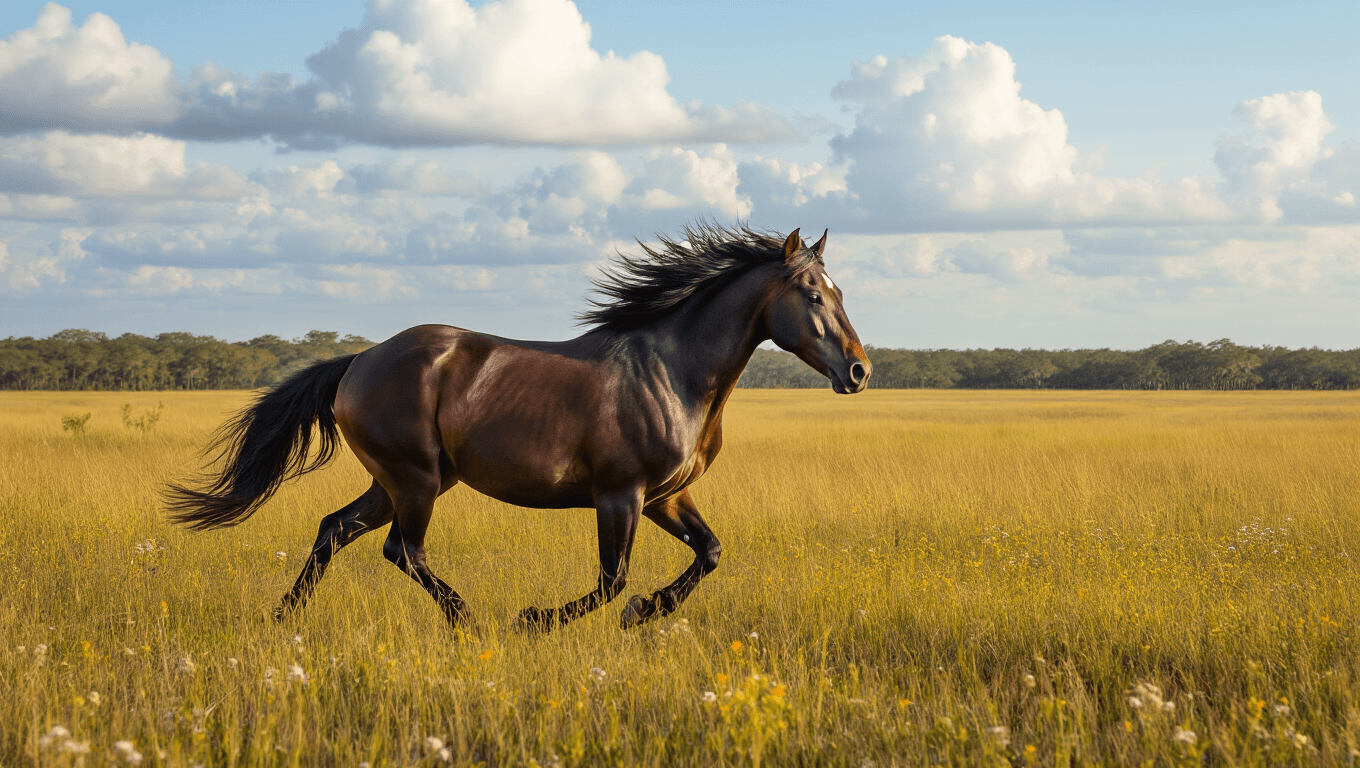
Watching *wild horses* at Paynes Prairie isn’t just another Florida attraction—it’s stepping into a 500-year-old world where Spanish conquistadors once rode across endless grasslands.
Most people think Florida means beaches and theme parks. They’re missing something extraordinary.
Just south of Gainesville, descendants of Spanish horses roam freely across 21,000 acres of untouched prairie, creating scenes that feel more like Montana than the Sunshine State.
The Secret Florida Nobody Talks About
Have you ever wondered what Florida looked like before Disney World?
Paynes Prairie Preserve State Park is your answer.
This National Natural Landmark preserves the last remaining vast prairie ecosystem in Florida. It’s the same landscape Spanish explorers saw centuries ago, complete with wild horses galloping through knee-high grass.
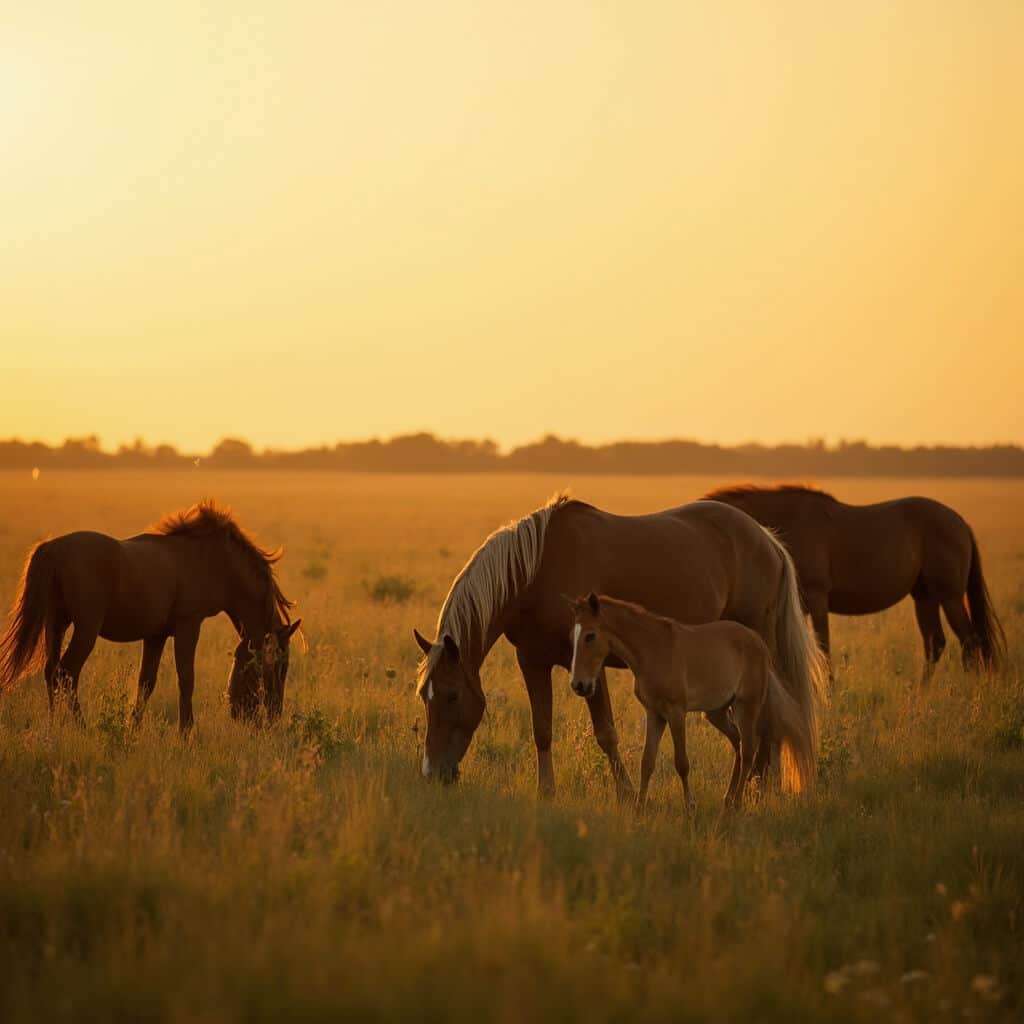
I’ll never forget my first visit three years ago. I expected a quick photo opportunity, maybe spot a horse or two from a distance. Instead, I found myself face-to-face with a small herd on the La Chua Trail—foals playing whilst their mothers grazed just twenty feet away. The silence was profound, broken only by hoofbeats and wind through prairie grass. It felt like discovering a hidden world.
The park spans over 21,000 acres with no roads cutting through the middle. You access it from north and south entrances, each offering completely different experiences. Eight distinct trails wind through 20+ biological communities, from wetlands to oak hammocks.
At £6 per vehicle, it’s possibly Florida’s best-kept wildlife secret.
These Aren’t Your Average Horses
What makes Paynes Prairie horses special?
These aren’t domesticated animals that wandered off. They’re *descendants of Spanish horses* brought to Florida during the exploration era—living links to Florida’s forgotten past.
The horses have adapted perfectly to prairie life over centuries. They’re smaller than typical ranch horses, hardy, and completely comfortable with their wild environment. You’ll see them grazing in small herds, often with foals during certain seasons.
Their behaviour is fascinating to observe:
- They graze methodically through prairie flowers and grasses
- Maintain loose herd structures for protection
- Show natural wariness but tolerate respectful human presence
- Display authentic wild horse social dynamics
The horses share this prairie with an equally impressive cast: 40-70 wild bison roam the southern sections (yes, bison in Florida!), nearly 300 bird species migrate through seasonally, and American alligators patrol the wetlands.
Where else can you see wild horses and bison in the same Florida park?
Getting There Is Half the Adventure
Paynes Prairie sits conveniently off Highway 441, about 90 minutes from Orlando or Jacksonville.
The drive down Gainesville’s outskirts transforms gradually from suburban sprawl to rural countryside, then suddenly opens into vast grassland that seems to stretch forever.
Two entrance points offer different experiences:
Northern Entrance:
The famous La Chua Trail starts here—deservedly so. This trail delivers the highest probability of horse sightings. Limited parking fills quickly on weekends.
Southern Entrance:
Houses the impressive visitor centre with a 50-foot observation tower. Panoramic prairie views stretch to the horizon. Multiple trail options spread crowds out nicely.
The visitor centre deserves special mention. Large observation windows overlook the prairie, equipped with spotting scopes for distant wildlife viewing. Knowledgeable rangers share recent sighting reports and trail conditions. It’s worth starting here regardless of which trail you choose.
**Park Basics:**
- Open daily: 8:00 a.m. to sunset
- Admission: £6 per vehicle
- Phone: 352-545-6000 (call for current conditions)
- Facilities include camping, fishing at Lake Wauburg, and canoeing
Pro tip: Call ahead if travelling from far away—prairie conditions change seasonally and some trails occasionally flood.
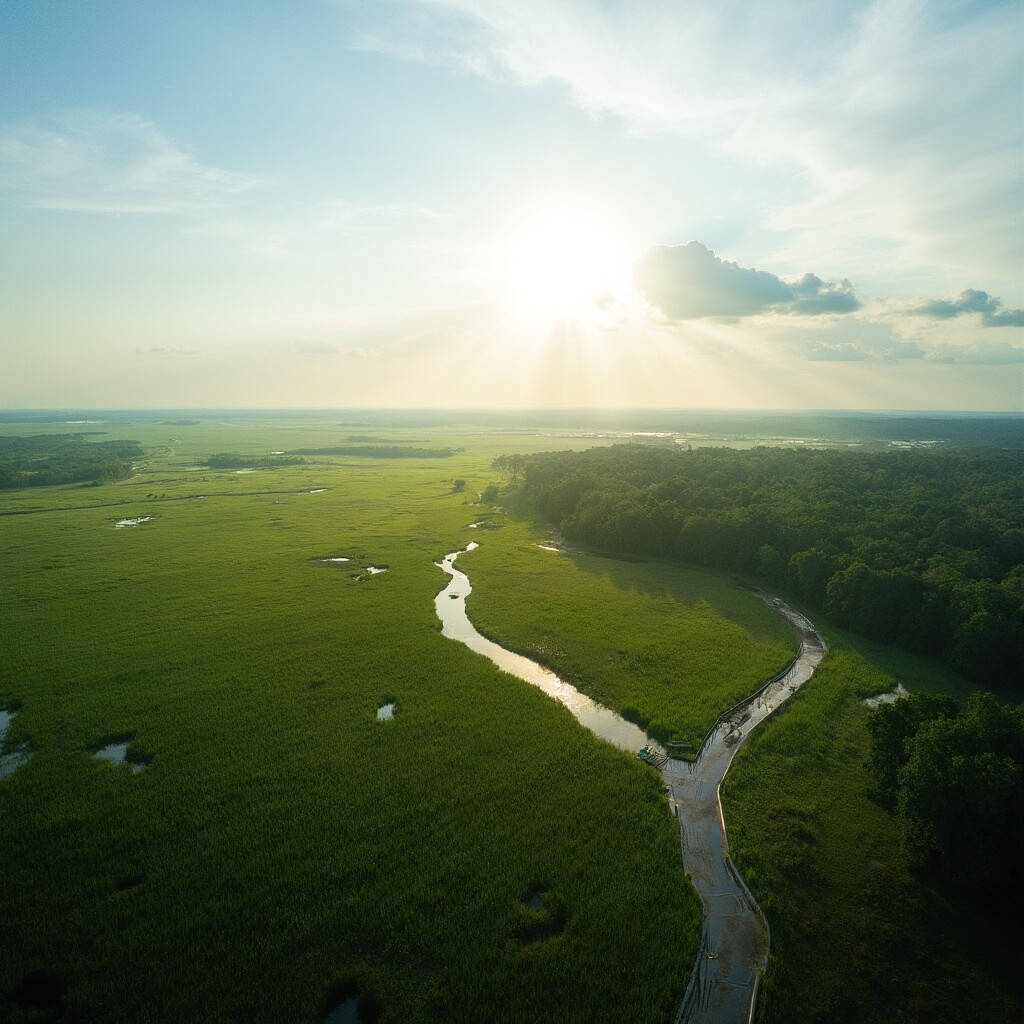
Your Best Shot at Seeing Wild Horses
Want to know the secret to successful horse watching at Paynes Prairie?
La Chua Trail (Northern entrance) offers your highest probability.
This deservedly famous 1.5-mile trail starts with a boardwalk providing panoramic prairie views. The path then transitions to a grassy trail extending deep into horse territory. A wildlife viewing platform at trail’s end offers excellent vantage points.
I’ve seen horses on this trail during probably 70% of my visits. Sometimes individual animals graze near the boardwalk. Other times, small herds appear in the distance across open grassland. The trail’s narrow sections occasionally create close encounters—horses use these same paths.
Summer warning: Zero shade and temperatures approaching 100°F make this trail brutal in hot months. Cooler seasons (November through February) provide optimal viewing conditions.
Cones Dike Trail (Southern entrance) requires more commitment but rewards serious wildlife watchers.
This 8-mile round trip penetrates deep into prairie heart where both horses and bison roam freely. Starting from the 50-foot observation tower, you’ll walk on raised pathways through diverse habitats. Park rangers frequently recommend this trail for dedicated wildlife viewing.
The observation tower itself provides excellent starting point. 360-degree views let you scan vast areas for animal movement. Spotting scopes help identify distant horses. The tower sways slightly in wind—don’t worry, that’s normal.
Early morning visits dramatically increase your chances. Animals are most active during cooler hours. Arrive when gates open at 8:00 a.m. for optimal wildlife activity.
For more unique Florida experiences, be sure to experience a swamp buggy tour in the Everglades. And if you’re inspired to bring some of Florida’s charm into your home, discover Florida home decor inspiration.
👇Find The Cheapest Flights To Anywhere Here👇
The Timing Game: When Wildlife Photography Gets Serious
Overcast days often produce the best wildlife viewing conditions. Animals move more freely without harsh sunlight, and photography lighting becomes ideal.
I learned this lesson during a scorching July visit when I stubbornly hiked La Chua Trail at midday. The horses had completely retreated to shaded areas, bison were nowhere to be seen, and even the alligators had submerged. Two hours of walking produced exactly three distant bird sightings.
Save this article
Enter your email and we'll send it straight to your inbox.
Return visits during November taught me what rangers mean by “seasonal differences.” Cool mornings brought horses within fifty feet of the boardwalk. Migrating sandhill cranes filled the air with their distinctive calls. The same trail felt like a completely different park.
Best viewing seasons:
- November through February: Optimal temperatures and peak bird migration
- March and April: Wildflowers bloom, moderate temperatures
- May through October: Hot and humid, early morning visits essential
Weather considerations matter more than most visitors realize. Summer temperatures approaching 100°F with minimal shade make some trails genuinely dangerous during midday hours. Prairie water levels fluctuate seasonally, affecting both wildlife distribution and trail accessibility. Always call the park (352-545-6000) before traveling long distances.
Daily timing strategy: Arrive when gates open at 8:00 a.m. for peak animal activity. Late afternoon (2-3 hours before sunset) offers secondary optimal viewing. Midday visits during summer months are exercises in frustration and potential heat exhaustion.
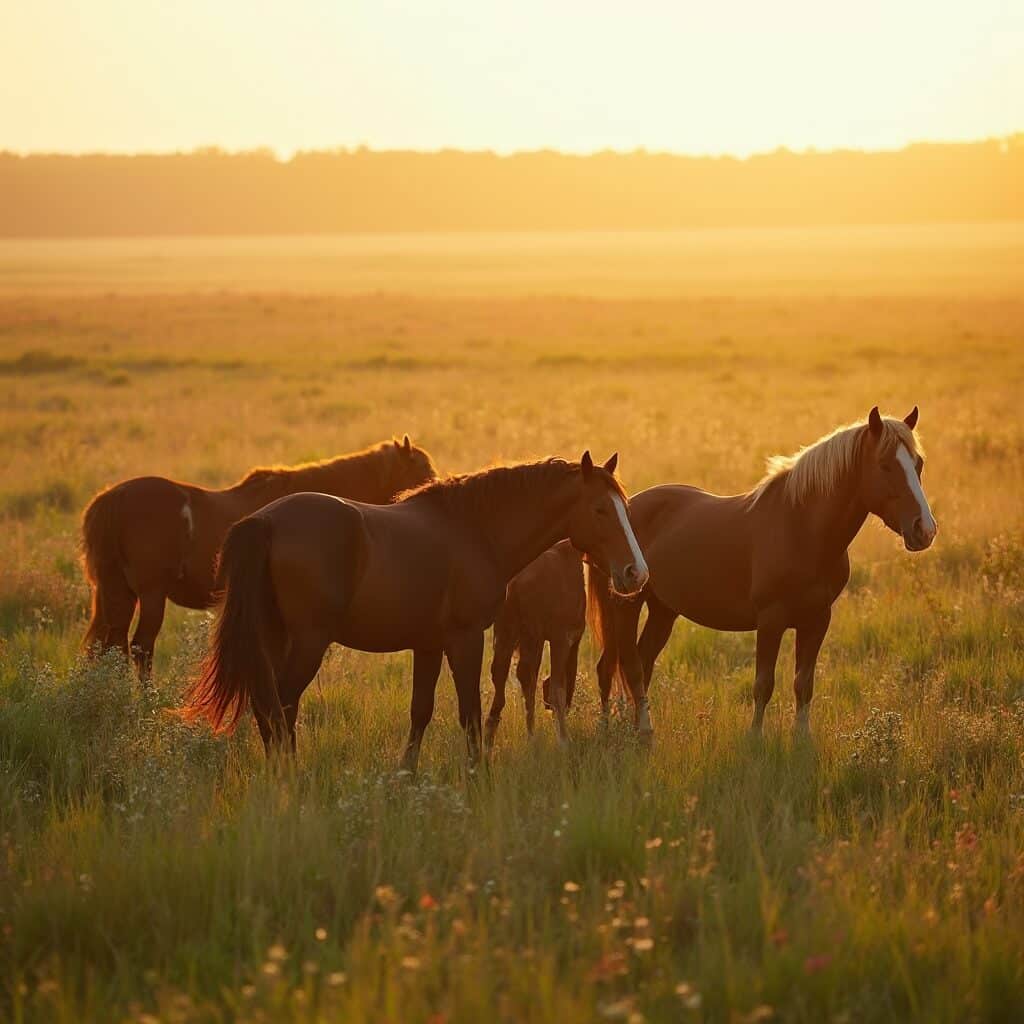
More Than Just Horses: The Supporting Cast
Why do the horses stay at Paynes Prairie?
The ecosystem supports them perfectly. This isn’t just horse habitat—it’s a complete biological community that’s thrived for centuries.
The American Bison herd creates one of Florida’s most unexpected sights. Forty to seventy bison roam the preserve, descendants of ten animals introduced from Oklahoma in 1975. These represent historical restoration—bison once ranged this far south before European settlement. The park removed male bison due to occasional aggression toward neighboring properties, but the herd continues thriving.
Bison typically graze in the southern sections near the visitor center. The Bolen Bluff Trail provides excellent bison viewing opportunities along with beautiful forest scenery. This 2.5-mile loop winds through live oak forests draped with Spanish moss before reaching wildlife viewing platforms.
Bird watching reaches extraordinary levels during migration seasons. Nearly 300 documented species include massive sandhill crane migrations from mid-November through mid-February. The diversity ranges from tiny songbirds to large wading birds that patrol wetland edges.
Alligator populations concentrate around water features, especially visible from the Eco Passage Observation Boardwalk. This 500-foot wooden walkway extends directly into prairie wetlands where dozens of alligators often bask simultaneously. It’s the park’s most reliable wildlife viewing location—just not for horses.
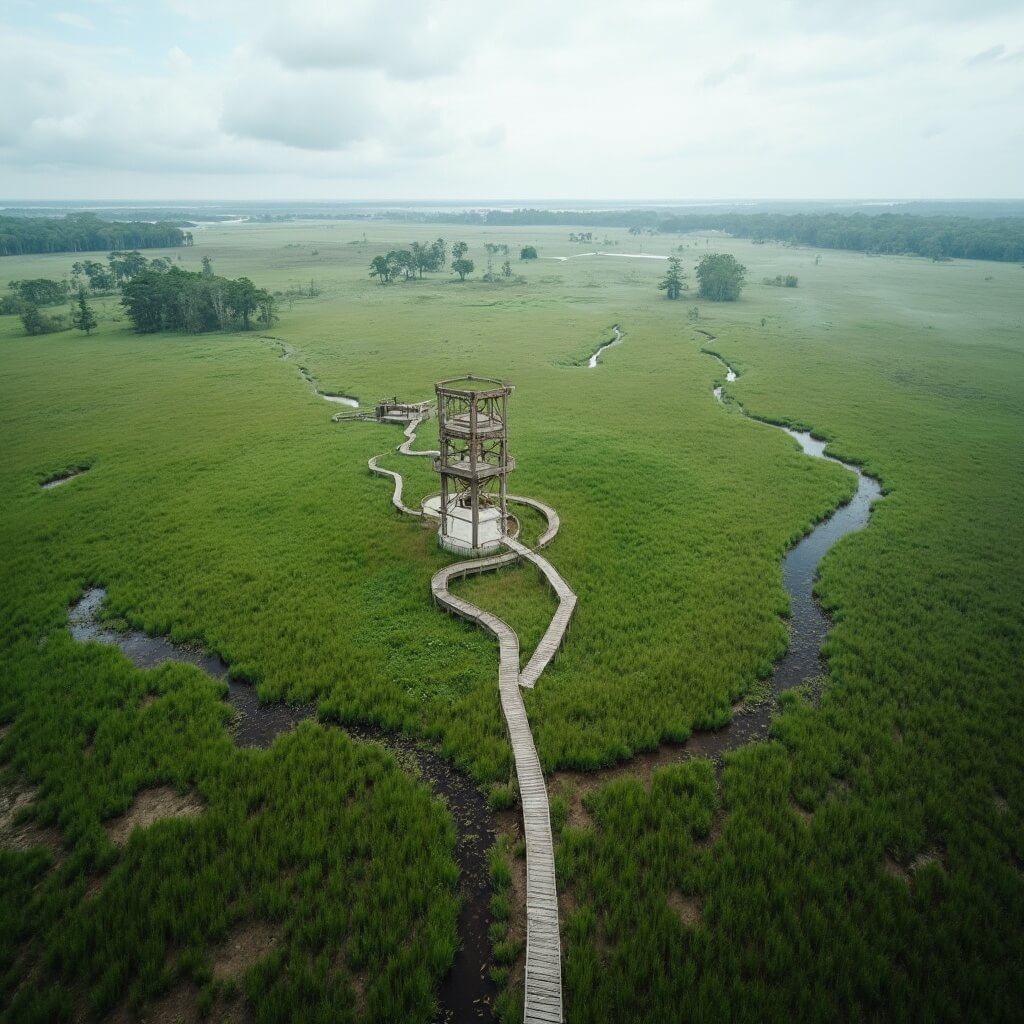
The biological diversity includes 20+ distinct communities within the preserve boundaries. Each supports different species combinations, creating viewing opportunities that change with seasons and water levels.
Eight trails wind through Paynes Prairie, but you don’t need all eight for successful horse watching.
Focus your energy strategically.
For first-time visitors with limited time:
Start at the southern entrance visitor center. Climb the 50-foot observation tower for panoramic orientation. Use provided spotting scopes to scan for distant animals. Then drive to the northern entrance for La Chua Trail.
The Gainesville-Hawthorne State Trail offers a completely different approach. This 16-mile paved trail accommodates both hiking and biking. It passes through park areas while providing easier access for various fitness levels. Less wildlife concentration but excellent for covering more ground.
Trail difficulty breakdown:
- La Chua Trail: Easy, 3 miles round trip, high horse probability
- Cones Dike Trail: Moderate, 8 miles round trip, deep prairie access
- Bolen Bluff Trail: Easy-moderate, 2.5 miles, forest and prairie mix
- Eco Passage Boardwalk: Easy, 1 mile, guaranteed alligator viewing
Water and seasonal considerations affect all trails. Florida’s wet season (June through September) can flood lower sections. Dry seasons expose different areas while concentrating wildlife around permanent water sources. Trail conditions change faster than most websites update.
Safety Isn’t Optional in Wild Territory
Sharing space with large wild animals requires situational awareness.
Horse safety fundamentals:
Never approach horses directly, regardless of how calm they appear. Wild horses are unpredictable and can kick, bite, or charge if threatened. On narrow trails where horses also travel, step aside and let them pass. Keep children close and under control at all times. Maintain minimum 25-foot distances for photography.
Alligator awareness becomes critical near any water features. Paynes Prairie harbors substantial alligator populations throughout wetland areas. Never feed alligators or approach for close photography. Stay on designated boardwalks and observe from safe distances. Alligators can move surprisingly quickly on land when motivated.
I witnessed one visitor attempt to photograph a horse from about ten feet away. The mare pinned her ears back and took two aggressive steps forward. The photographer wisely retreated, but it illustrated how quickly situations can deteriorate. Zoom lenses exist for good reasons.
General trail safety:
- Stay on marked trails always
- Inform others of your hiking plans
- Carry adequate water, especially during warmer months
- Wear appropriate footwear for potentially muddy conditions
- Use trails during daylight hours only
- Check weather forecasts before departing
Heat-related risks during summer months pose serious threats. Limited shade on prairie trails combined with high humidity creates dangerous conditions. Several trails offer no escape from sun exposure once you’re committed. Heat exhaustion symptoms develop quickly in these conditions.
Photography That Captures the Magic
Equipment makes a difference when photographing wild horses.
Essential gear recommendations:
- Camera with zoom lens capability (minimum 200mm)
- Binoculars for spotting distant animals
- Tripod for stable long-distance shots
- Extra batteries (heat drains power quickly)
- Weather protection for equipment
Technical considerations:
Overcast conditions provide optimal lighting for wildlife photography. Harsh Florida sunshine creates challenging contrast issues. Early morning and late afternoon offer golden hour opportunities. Fast shutter speeds capture horse movement effectively.
Ethical photography practices:
- Never disturb animals to create better shots.
- Maintain respectful distances regardless of lens capabilities.
- Avoid using flash photography around wildlife.
- Share images responsibly without revealing specific location details that could increase pressure on animals.
Composition tips from experience:
- Wide shots showing horses in prairie context tell better stories than tight portraits.
- Include environmental elements like distant tree lines or wildflowers.
- Capture behavioral moments: grazing, social interactions, or movement.
- Group shots with foals during appropriate seasons create compelling images.
The observation tower provides unique elevated perspectives for landscape photography. 360-degree views allow documenting the vast prairie ecosystem context. Use this vantage point for orientation shots before focusing on individual animals.
Planning Your Perfect Prairie Adventure
What to bring for optimal experience:
- Comfortable hiking boots suitable for varied terrain
- Sun protection: hat, sunscreen, lightweight long sleeves
- Water bottles (more than you think you’ll need)
- Snacks and energy foods for longer trails
- Insect repellent (essential during summer months)
- Binoculars for enhanced wildlife viewing
- Camera with zoom capabilities
- Weather-appropriate clothing layers
Timing your visit strategically:
Weekend mornings bring larger crowds to La Chua Trail. Weekday visits offer more solitude and potentially better wildlife viewing. School holiday periods increase family visitor numbers significantly. Migration seasons (November-February) provide peak birding alongside horse watching.
Realistic expectations enhance satisfaction. Not every visit guarantees horse sightings, though probability remains high on major trails. Weather, seasonal patterns, and natural animal behavior all influence viewing success. Some days produce amazing close encounters; others require patience and persistence.
Budget considerations beyond park admission:
- Fuel costs for potential long-distance travel.
- Camera equipment purchases or upgrades.
- Possible accommodation if visiting from far away.
- Food and beverages (no concessions available in park).
Accessibility options
accommodate various physical capabilities. The observation tower and visitor center provide excellent viewing for limited-mobility visitors. Boardwalk sections offer easier access than hiking trails. Paved Gainesville-Hawthorne Trail accommodates wheelchairs and bikes.
Why This Experience Matters More Than You Think
Paynes Prairie offers something increasingly rare: authentic connection with Florida’s natural heritage.
Most visitors leave understanding that Florida contains far more than beaches and attractions. The preserve represents landscape essentially unchanged since Spanish exploration. Wildlife populations here demonstrate successful conservation and restoration efforts.
Educational value extends beyond simple tourism. Children experience wildlife behavior impossible to observe in zoos. Adults gain appreciation for ecosystem complexity and conservation challenges. Photography enthusiasts develop skills in challenging natural light conditions.
Conservation impact of visitor support helps maintain this remarkable ecosystem. Entrance fees directly fund park operations and maintenance. Visitor engagement demonstrates public value for preservation efforts. Responsible tourism creates incentives for continued protection.
The horses themselves represent living history. Their ancestors witnessed Spanish conquistadors, Florida Crackers, and centuries of landscape changes. Watching them graze peacefully across vast grasslands connects us to that continuum.
Community benefits extend to the Gainesville region. The park attracts visitors who support local businesses. Educational programs engage schools and universities. Research opportunities advance understanding of prairie ecosystems.
Each visit to watch wild horses at Paynes Prairie provides glimpses into Florida’s authentic natural character—an experience that changes how you view the entire state forever.
👇Ready To Book Your Trip?👇
This post may contain affiliate links. Please see my disclosure policy for details.
Want to keep this one?
We'll email you the link so you can find it again later.