Modern Florida Home Exterior: The Only Design Guide You’ll Ever Need
Modern Florida home exteriors demand more than just good looks—they need to survive hurricanes, humidity that could wilt steel, and sun so intense it laughs at your paint job.
I’ve watched too many homeowners drop serious cash on gorgeous exteriors that crumbled faster than a sandcastle at high tide.
The secret? Blending sleek architectural elements with climate-responsive design that actually works in Florida’s brutal conditions.
These homes typically feature 2-4 exterior cladding details and stick to three exterior colors max—usually one main color with two carefully chosen accents.
Less really is more when you’re fighting Mother Nature.
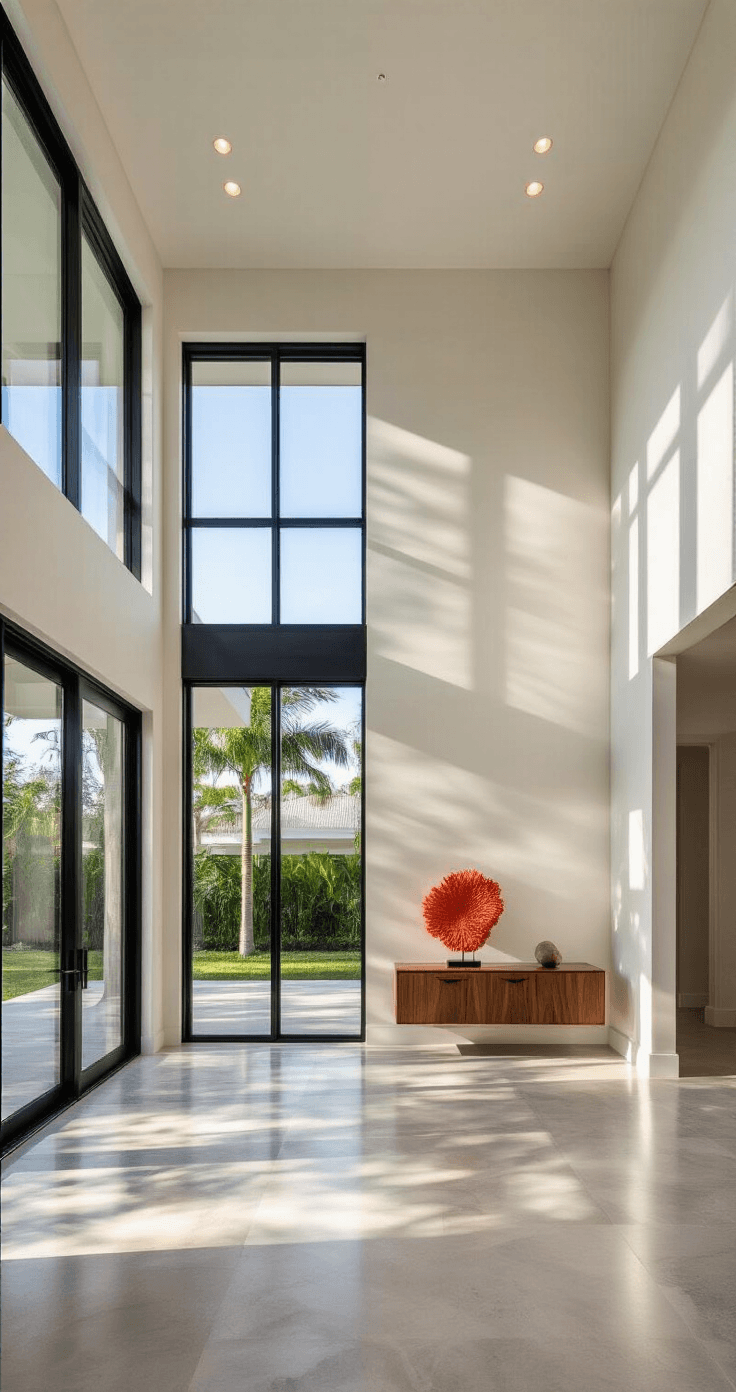
✎ Steal This Look
- Paint Color: Sherwin-Williams Alabaster SW 7008
- Furniture: Weathered teak Adirondack chairs with Sunbrella canvas cushions in navy
- Lighting: Hinkley Lighting Saturn 1-Light Outdoor Wall Sconce in Satin Black
- Materials: HardiePanel fiber cement siding, coral stone veneer accents, powder-coated aluminum soffits, impact-rated glass, marine-grade stainless steel fasteners
Your exterior is your home’s armor against the elements—every choice here protects what matters most inside while telling the world you’ve mastered the art of living beautifully in a challenging climate.
What You’re Getting Into: The Real Numbers
Let me be straight with you about what this project actually takes.
Time needed for setup
Professional installation varies wildly depending on your material choices, but picking the right materials upfront saves you years of headaches later.
Estimated cost range
We’re talking mid-to-luxury tier here, and the gap between fiber cement siding and traditional materials can be massive.
Ideal space size
The beauty of modern design is it scales—works for cozy beach cottages or sprawling estates, though the dramatic impact really shines on larger contemporary homes.
DIY skill level
Intermediate to expert for material selection and color coordination, but honestly? Hire professionals for installation unless you really know what you’re doing.
Seasonal appeal
Year-round in Florida’s climate, which is exactly why your material choices matter so damn much.
The Modern Florida Look: What Actually Defines It
Core style: Contemporary and minimalist with subtle coastal influences that don’t scream “I bought this at a beachside gift shop.”
Key colors: White, gray, soft pastels, and dark blue accents that won’t make your neighbors wince.
Key materials: Stucco, fiber cement siding, expansive glass, and architectural lines so clean they could cut paper.
Perfect for: Florida homeowners who are tired of repainting every three years and want something that looks sharp without constant babysitting.
Works best in: Coastal areas, resort communities, and modern neighborhoods throughout Tampa, Orlando, and beyond—basically anywhere Florida’s climate tries to destroy everything you love.
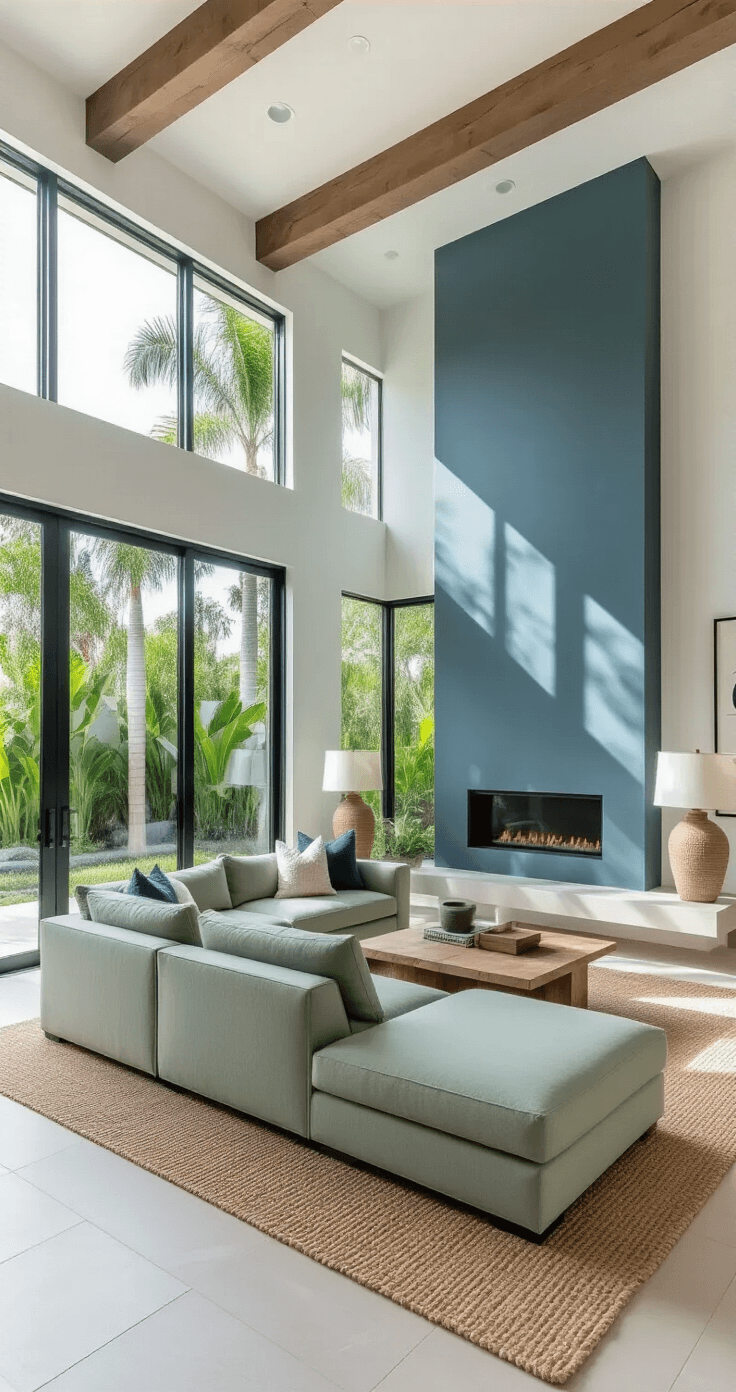
🌟 Steal This Look
- Paint Color: Farrow & Ball All White 2005
- Furniture: weathered teak outdoor lounge set with Sunbrella cushions in Canvas Granite
- Lighting: linear LED wall sconce in matte black aluminum with 3000K warm white output
- Materials: smooth integrally colored stucco, horizontal fiber cement lap siding, impact-rated aluminum window frames, and poured concrete pavers with exposed aggregate finish
This is the exterior you come home to after a long week when you want your house to feel like a quiet exhale rather than a performance—it reads expensive because it is restrained, not because it tries hard.
The Non-Negotiable Elements Every Modern Florida Home Needs
I learned this the hard way after watching a friend’s “modern masterpiece” age about twenty years in two Florida summers.
Large windows and sliding glass doors aren’t just for Instagram—they showcase water views and flood interiors with natural light while making smaller spaces feel massive.
Get yourself some quality sliding glass doors that can actually handle the humidity.
Stucco or fiber cement cladding isn’t optional in Florida’s humid, punishing climate.
Traditional siding materials wave the white flag within a few years.
Clean architectural lines and minimalist facades do the heavy lifting visually.
No gingerbread trim or fussy details that collect moisture and create maintenance nightmares.
Outdoor entertaining spaces like pools and lounge areas aren’t luxury additions—they’re essential to the Florida lifestyle.
If you’re not using your outdoor space, you’re wasting half your property.
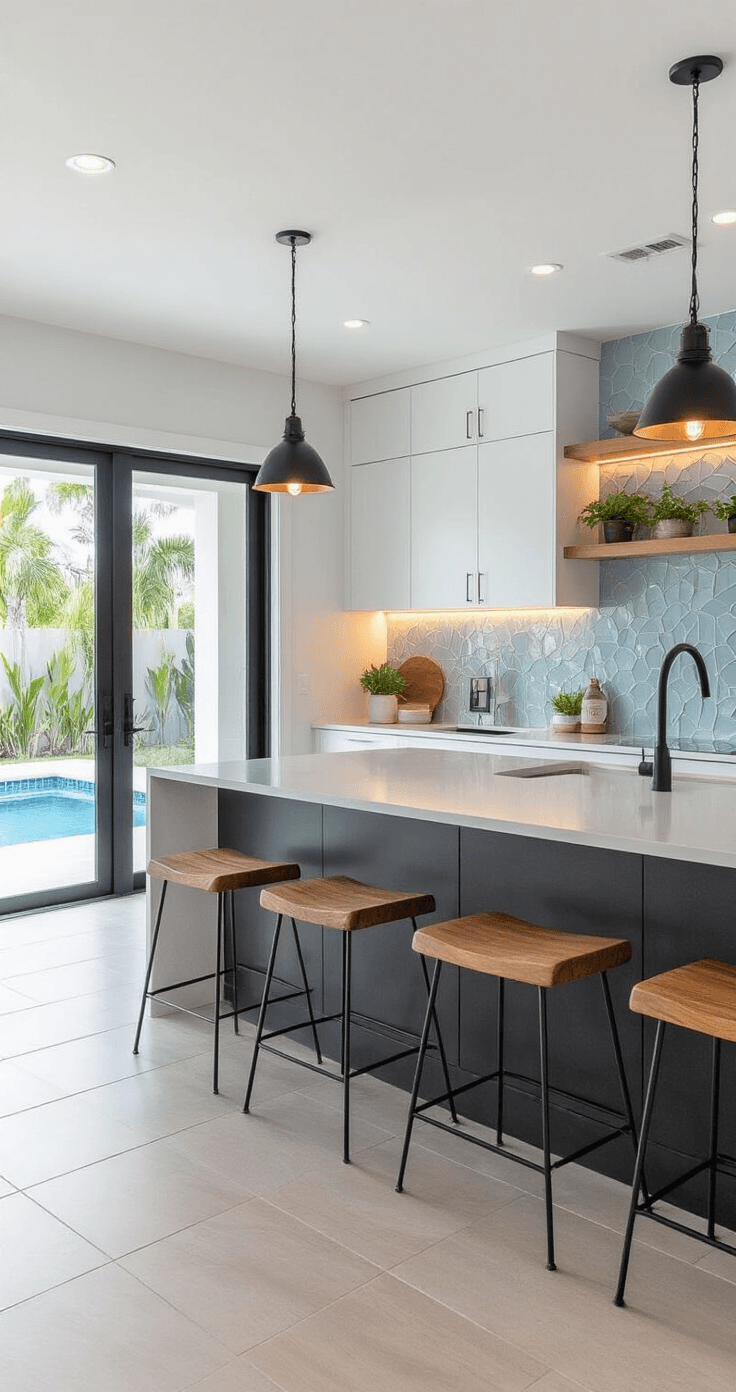
🖼 Steal This Look
- Paint Color: Behr Crisp Linen 73
- Furniture: weathered teak outdoor sectional with Sunbrella canvas cushions in a warm sand tone
- Lighting: linear LED step lights integrated into concrete patio edges and oversized black aluminum pivot sconces flanking the entry
- Materials: smooth integra-color stucco, brushed aluminum window frames, poured concrete pavers with limestone aggregate, marine-grade stainless steel hardware
I still remember standing in my friend’s entryway, watching his mahogany front door swell shut for the third time that month—it’s the moment I understood that Florida modern isn’t a style choice, it’s a climate strategy dressed in beautiful materials.
Save this article
Enter your email and we'll send it straight to your inbox.
Colors That Work (And Won’t Fade By Next Tuesday)
Modern Florida homes live or die by sophisticated, practical color choices.
I’ve seen too many homeowners pick colors that look stunning in the showroom and absolutely tragic after six months of Florida sun.
Your Winning Color Palette
White reflects sunlight like a champ, keeps interiors noticeably cooler, and never goes out of style.
Pair it with dark roofs and colored accents on doors or shutters.
The energy savings alone make this choice smart, not just pretty.
Gray is the workhorse color—doesn’t show dirt or weathering, plays well with everything, and screams modern without trying too hard.
Works beautifully with white trim and virtually any roof color.
Soft pastels like muted greens, light blues, and pale yellows bring that soothing coastal vibe without looking like a Miami Vice episode.
They hold up remarkably well against weathering and pair perfectly with stucco finishes.
Dark blue makes a bold, contemporary statement that’s striking without overwhelming.
Just make sure you’re using high-quality, UV-resistant paint or you’ll be living in a house that looks like faded denim.
White trim and accents keep it from feeling too heavy.
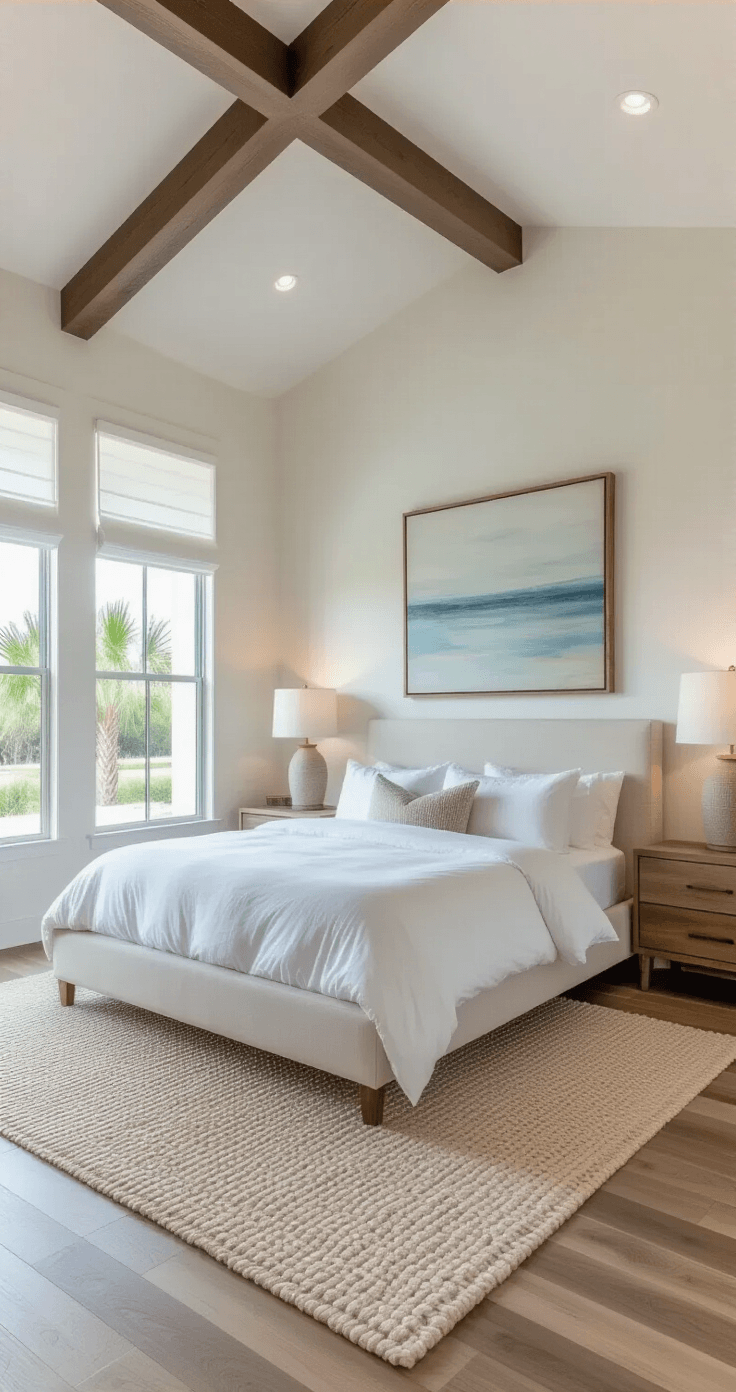
✎ Steal This Look
- Paint Color: use Valspar brand. Match the ACTUAL wall color in the image. Format: Valspar ColorName CODE
- Furniture: specific furniture for this room
- Lighting: specific lighting fixture
- Materials: key textures and materials
Your exterior color choice is the first impression your home makes every single day, and in Florida’s brutal climate, it’s also your first line of defense against energy costs and maintenance headaches.
Material Choices That Won’t Make You Cry Later
Here’s where most people screw up.
They pick materials based on upfront cost or trendy appeal, then spend the next decade paying for that mistake in maintenance and repairs.
Fiber cement is king for Florida exteriors—waterproof, weather-resistant, and built to outlast practically everything else.
Yes, it costs more upfront, but I’ve watched it survive conditions that turned traditional siding into expensive kindling.
Invest in quality fiber cement boards and thank yourself in five years.
Stucco on the ground floor combined with modern siding on upper levels creates visual interest while providing serious protection where moisture and splash-back hit hardest.
This isn’t just aesthetic—it’s strategic defense against Florida’s moisture assault.
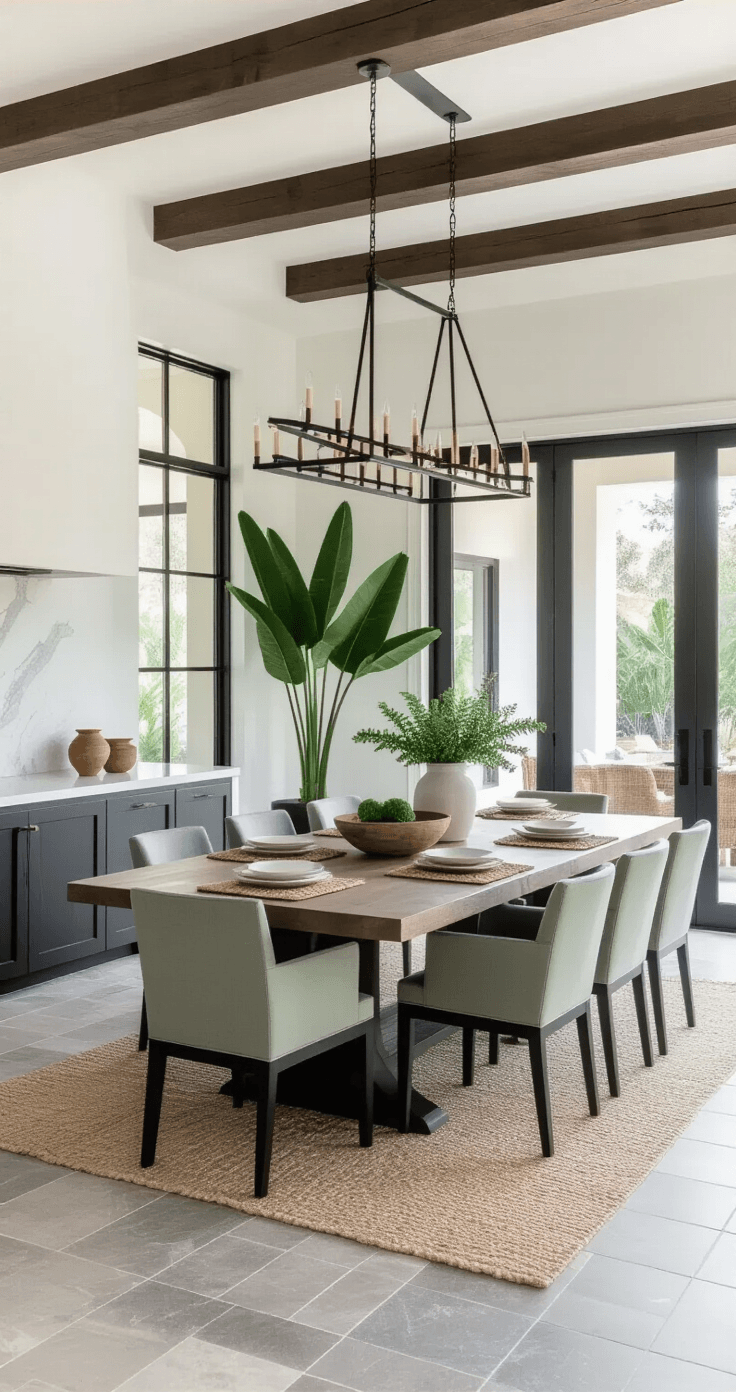
🖼 Steal This Look
- Paint Color: PPG Timeless White PPG14-15
- Furniture: Weather-resistant outdoor sectional with Sunbrella cushions in a neutral sand tone
- Lighting: Coastal-inspired exterior wall sconces with marine-grade brass finish
- Materials: Fiber cement siding, smooth finish stucco, impact-resistant windows, powder-coated aluminum soffits, sealed natural stone veneer accents
I’ve walked too many job sites where homeowners were tearing off five-year-old materials that looked pristine in the showroom, and the regret in their voices is something you never forget.
How To Actually Pull This Off: Design Execution That Works
Minimalist facades with sleek lines and clutter-free appearances aren’t about being boring.
They’re about creating architecture that looks intentional and sophisticated while being ridiculously practical to maintain.
Every decorative element you add is another place for moisture to hide and mildew to grow.
Two-tone or three-tone color schemes with one dominant color and strategic accents create depth without chaos.
Pick your hero color, choose one or two supporting players
This post may contain affiliate links. Please see my disclosure policy for details.
Want to keep this one?
We'll email you the link so you can find it again later.