Anthropologie-Inspired Christmas Decor That Won’t Break the Bank (But Will Break the Internet)
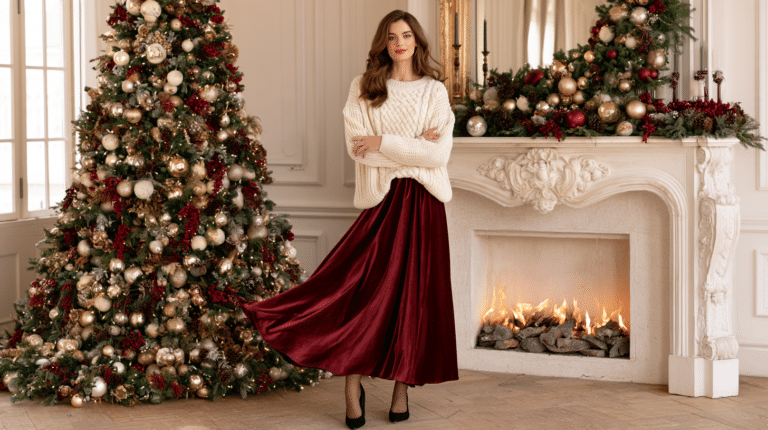
Anthropologie-inspired Christmas decor transforms your home into a whimsical, cozy boutique without the eye-watering price tag that comes with shopping exclusively at Anthropologie.
I discovered this styling approach three years ago when I walked into an Anthropologie store in December and nearly wept at the $68 price tag on a single velvet stocking.
That moment changed everything.
I realized I could recreate that same magical, layered, slightly bohemian holiday vibe using a mix of budget finds, strategic splurges, and a few clever DIY tricks.
Now my home looks like it belongs in their catalog, and I’ve spent less than half what I would have dropping everything into my Anthro cart.
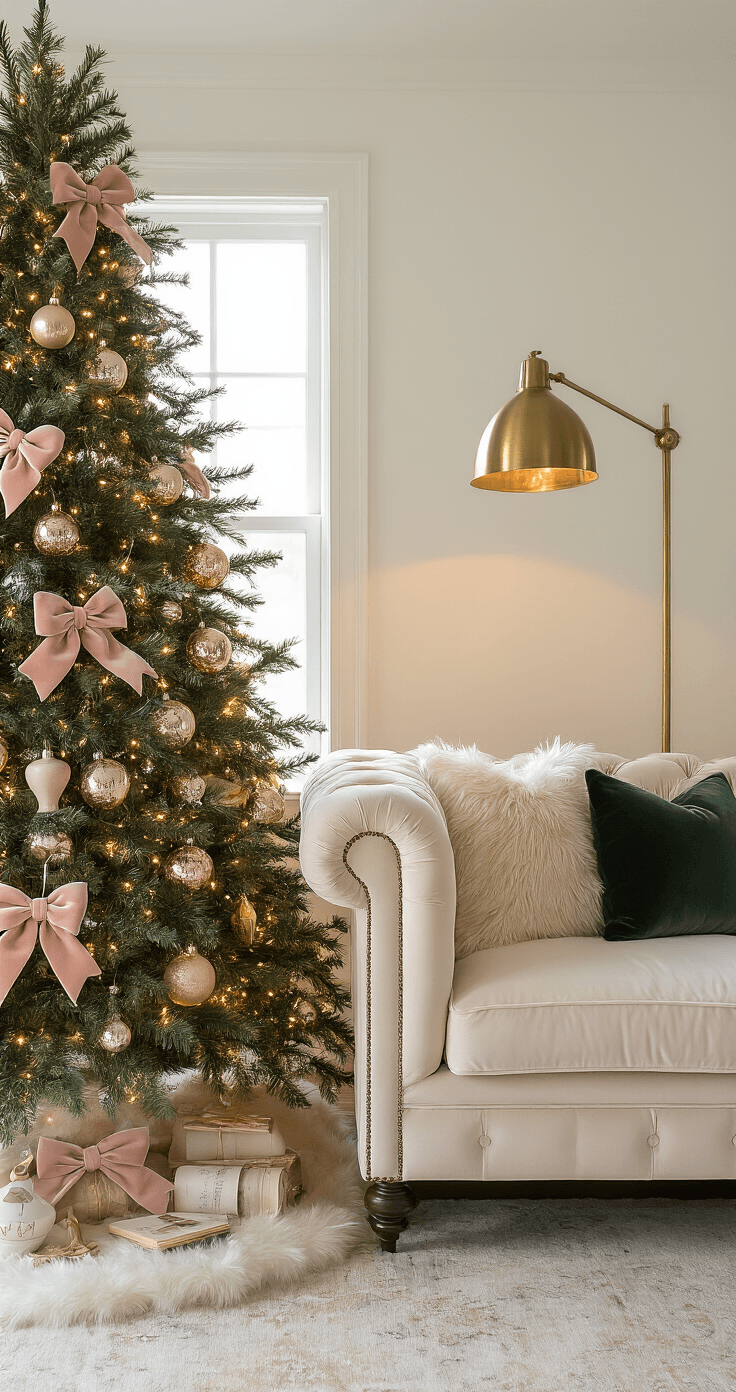
Why Your Christmas Decor Feels Flat (And How to Fix It)
Most of us make the same mistake every holiday season.
We buy matching sets.
Everything coordinates perfectly—same color family, same finish, same predictable holiday aesthetic that’s been done a million times.
The Anthropologie look works because it breaks all those rules.
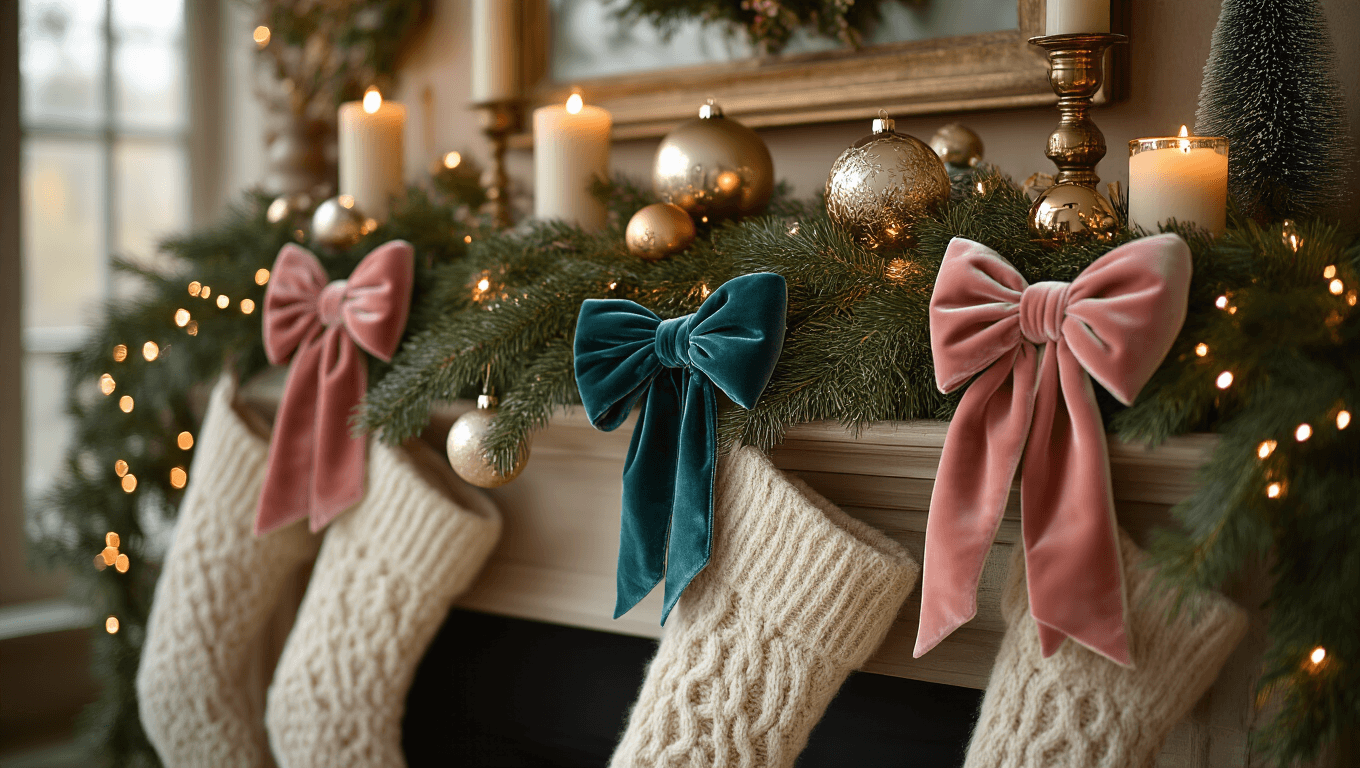
It layers textures that shouldn’t technically go together but somehow create magic: chunky knits next to mercury glass, velvet bows tangled in cedar garland, whimsical food-shaped ornaments hanging beside elegant glass baubles.
The secret is intentional imperfection.
What You’ll Actually Spend (The Real Numbers)
Let me break down what this actually costs because I hate when articles skip this part.
Budget-Friendly Approach: $150–$300
- You’re hitting up Target, HomeGoods, and Amazon for dupes.
- You’re making your own oversized bows from ribbon spools.
- You’re buying faux greenery garland by the yard instead of pre-decorated swags.
- You’re thrifting glass ornaments and candleholders.
Mid-Range Approach: $400–$800
- You’re buying 3-5 key pieces from Anthropologie or Terrain (maybe that incredible light-up house or a set of their quirky ornaments).
- You’re filling in with Target’s Opalhouse line and Studio McGee at Target.
- You’re investing in quality velvet ribbon that you’ll reuse for years.
Luxe Approach: $1,000+
- You’re decorating multiple rooms.
- You’re buying multiple trees (yes, plural—a main tree plus accent trees for bedrooms and entries).
- You’re not skipping any Anthropologie piece you genuinely love.
I typically land somewhere in the mid-range, and my setup takes me about a full weekend to complete.
The Timeline Nobody Talks About
Here’s what “quick holiday decorating” actually means:
Full-Room Transformation: 1–2 Days
- This includes your tree, mantel, table, and accent areas in 1–2 main spaces.
- Don’t try to do this in one frantic afternoon.
- You’ll hate every minute, and it’ll look rushed.
Focused Vignette: 2–4 Hours
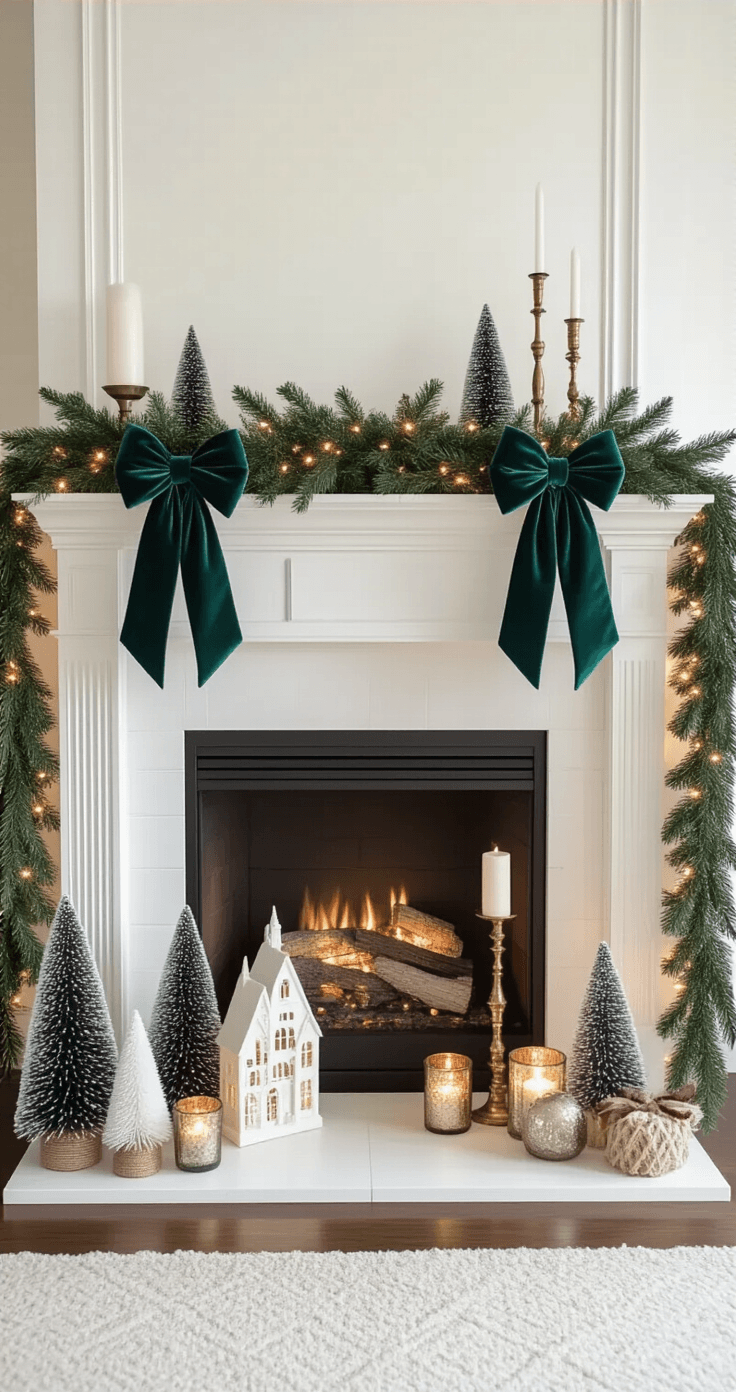
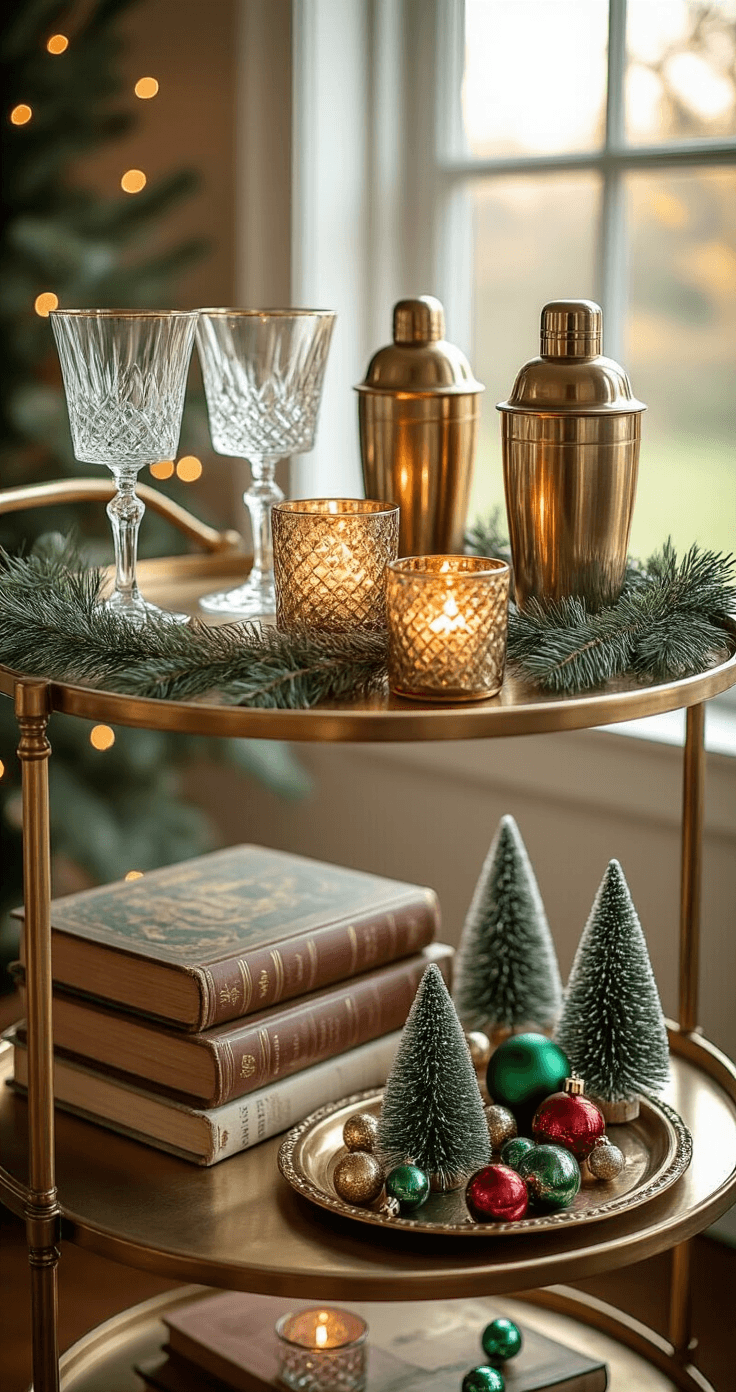
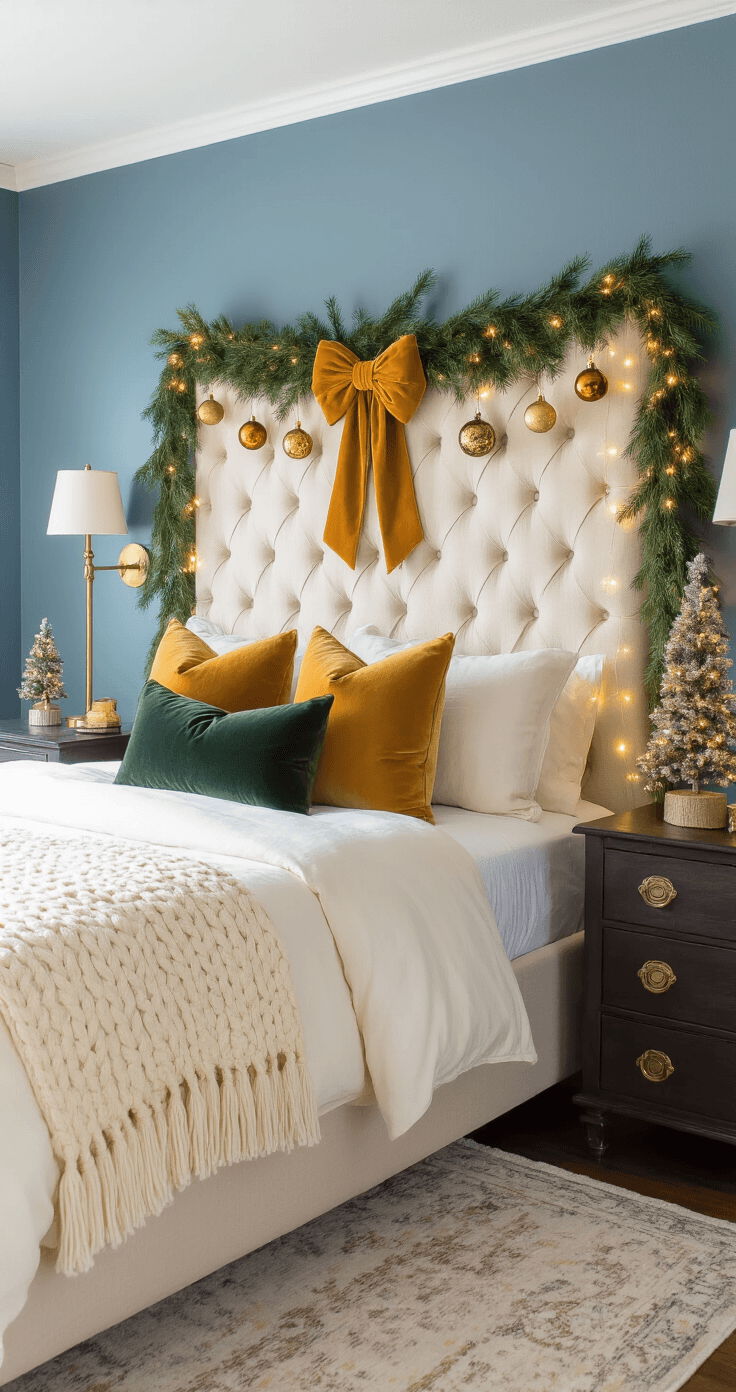
- Pick one hero spot: your mantel, a bar cart, your entry console, or your bedroom headboard.
- Go deep on that one area instead of spreading yourself thin.
I learned this the hard way my first year when I tried to decorate my entire house in one Saturday and ended up crying into a tangled ball of fairy lights at 11 PM.
The Non-Negotiable Hero Pieces
Every Anthropologie-inspired space needs these foundation elements:
A Lush, Slightly Imperfect Tree
Save this article
Enter your email and we'll send it straight to your inbox.
Forget those rigidly symmetrical trees.
You want something that looks a bit more natural, with varying branch lengths and depth.
Real or faux works—I’ve done both—but if you go faux, invest in quality. A good pre-lit Christmas tree with warm white lights saves hours of frustration.
Garland That Does Heavy Lifting
Cedar or pine garland goes on your mantel, stair rail, or headboard.
This is where you layer in everything else: lights, ribbon, ornaments, dried elements.
Buy faux cedar garland in bulk—you’ll need more than you think.
One Statement Furniture Piece
This could be the sofa where you pile seasonal pillows.
Or a bar cart that becomes your festive drink station.
Or a velvet chair that anchors your tree corner.
You need one piece that says “this is where the magic happens.”
The Color Formula That Never Fails
Anthropologie’s holiday palette isn’t your standard red-and-green situation.
Start with this base:
- Cream and warm white (your neutrals)
- Soft gold or brass (your metallic)
- Forest green (your classic anchor)
Then add one or two of these twist colors:
- Dusty pink or mauve
- Deep plum
- Teal or peacock blue
- Moss green
- Coral or terracotta
- Mustard yellow
I typically choose two twist colors and use them sparingly.
Last year I went with plum and dusty pink. This year I’m doing teal and mustard.
The twist colors are what make people stop and ask where you got everything.
Materials That Make It Feel Expensive
Velvet everything. Stockings, bows, tree skirt, pillows. Velvet catches light and adds instant luxury.
Mercury
This post may contain affiliate links. Please see my disclosure policy for details.
Want to keep this one?
We'll email you the link so you can find it again later.