Central Florida Landscaping: A Native Plant Paradise for Low-Maintenance Yards
Hey there, fellow Florida garden enthusiasts! Ready to transform your outdoor space into a stunning, sustainable oasis that practically takes care of itself? Let’s dive into the world of Central Florida landscaping that’s as beautiful as it is easy to maintain.
Why Native Plants are Your Yard’s Best Friends
Central Florida’s scorching sun and unpredictable rainfall can be brutal on traditional landscapes. But native plants? They’re the superheroes of your garden. These tough-as-nails beauties are:
- Adapted to local climate
- Drought-resistant
- Low maintenance
- Attract local wildlife
Top Native Plants That’ll Make Your Neighbors Jealous
💡 Steal This Look
- Paint Color: Sherwin-Williams Rookwood Dark Green SW 2806
- Furniture: weathered teak Adirondack chair with Sunbrella canvas cushions in terracotta
- Lighting: Hinkley Shelter outdoor wall sconce in matte black with seeded glass
- Materials: crushed coquina shell pathways, reclaimed cypress raised beds, Mexican river rock accents, and rusted corten steel edging
There’s something deeply satisfying about watching your yard become a living ecosystem—mine went from a water-guzzling lawn to a butterfly highway in just two growing seasons, and I finally have weekends back.
Showstopper Grasses
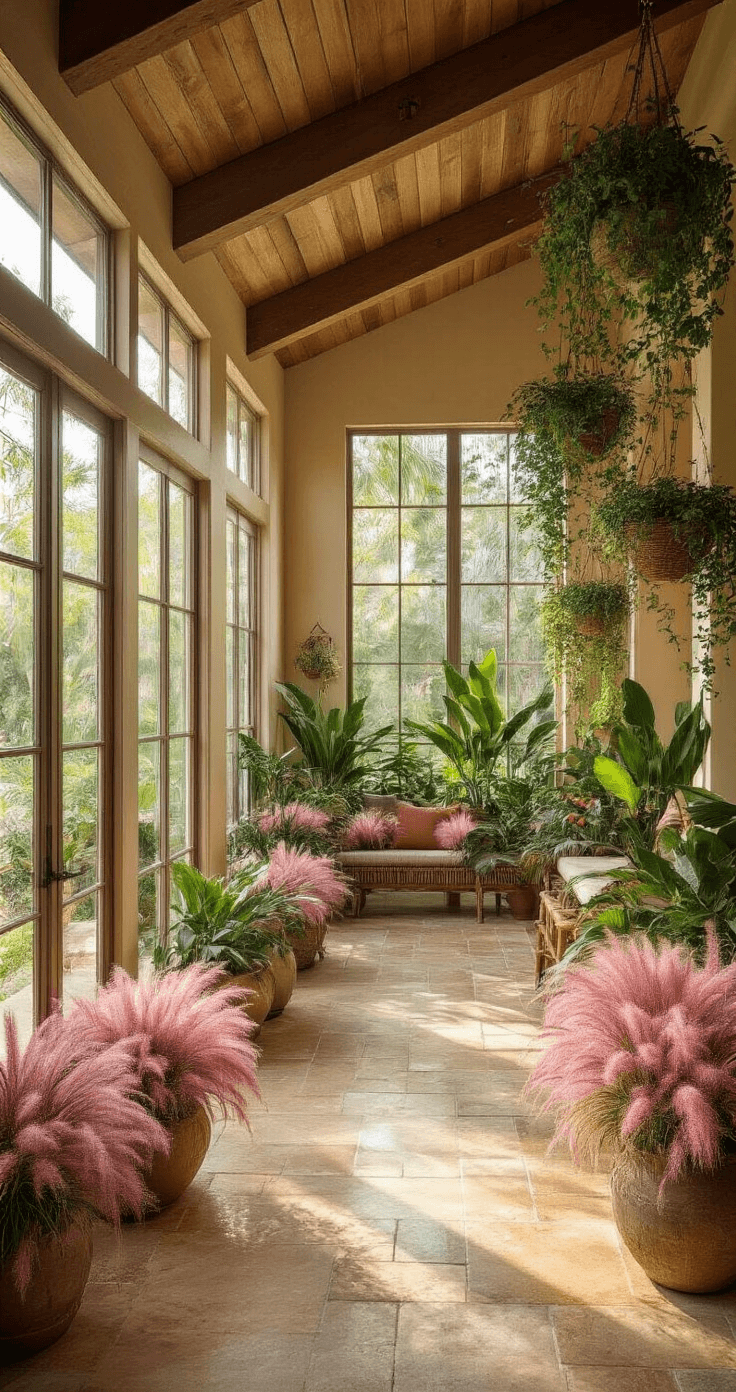
- Pink Muhly Grass: The rockstar of fall landscapes with its cotton candy-like pink plumes. ornamental grass seeds
✎ Steal This Look
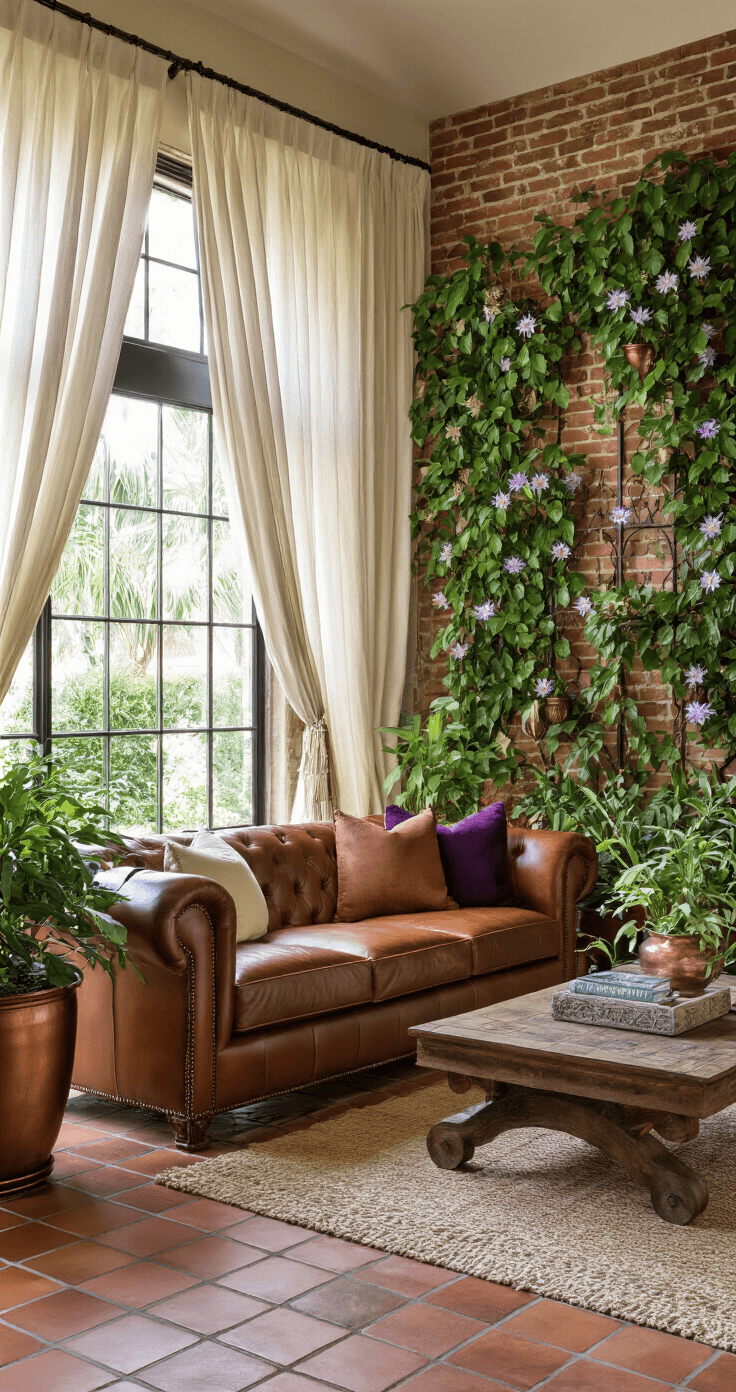
- Paint Color: Benjamin Moore Soft Fern 2144-40
- Furniture: weathered teak Adirondack chair with wide slats
- Lighting: hammered copper path light with amber LED
- Materials: crushed shell pathways, drought-tolerant mulch, limestone boulders
There’s something almost rebellious about watching cotton-candy pink explode across your yard while neighbors settle for tired annuals—this grass rewards the patient gardener who skips the big-box impulse buys and plans for the October show.
Butterfly Magnets
- Milkweed: The VIP lounge for monarch butterflies
- Passion Flower: A vine that’s both gorgeous and wildlife-friendly passion flower plant
Tough-as-Nails Shrubs
- Southern Wax Myrtle: Nature’s privacy screen
- Beautyberry: Produces stunning purple berries that look like edible jewelry beautyberry shrub
Design Strategies That Save Time and Money
💡 Steal This Look
- Paint Color: Behr Sage Garden S360-3
- Furniture: weathered teak Adirondack chair with Sunbrella canvas cushions
- Lighting: low-voltage brass path lights with frosted glass lenses
- Materials: crushed shell mulch, native coquina rock edging, drought-tolerant ornamental grasses
These shrubs forgive the chaotic schedules of real homeowners who can’t baby their landscaping through summer downpours and dry spells alike.
Hardscaping Hacks
- Install gravel paths to reduce lawn area
- Use mulch for weed prevention and moisture retention
- Create rain gardens to manage water naturally
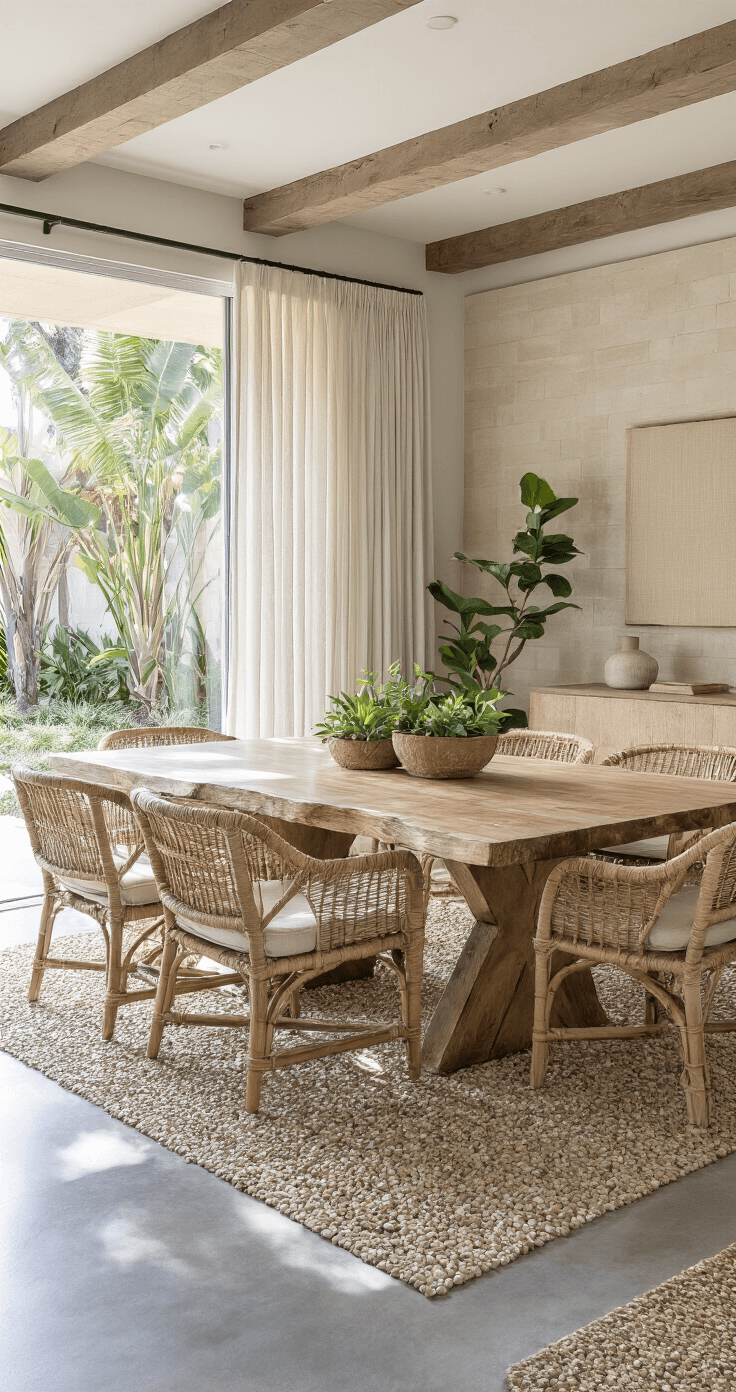
Pro Tips for a Jaw-Dropping Landscape
- Layer your plants: Tall shrubs in back, medium plants in middle, ground covers in front
- Create visual rhythm by repeating plant groups
- Mix textures and heights for maximum interest
- Think beyond green – incorporate plants with interesting berries and fall colors
Wildlife-Friendly Bonus
Your native landscape isn’t just pretty – it’s a sanctuary! Plants like Coral Honeysuckle and Milkweed turn your yard into a haven for:
- Butterflies
- Birds
- Beneficial insects
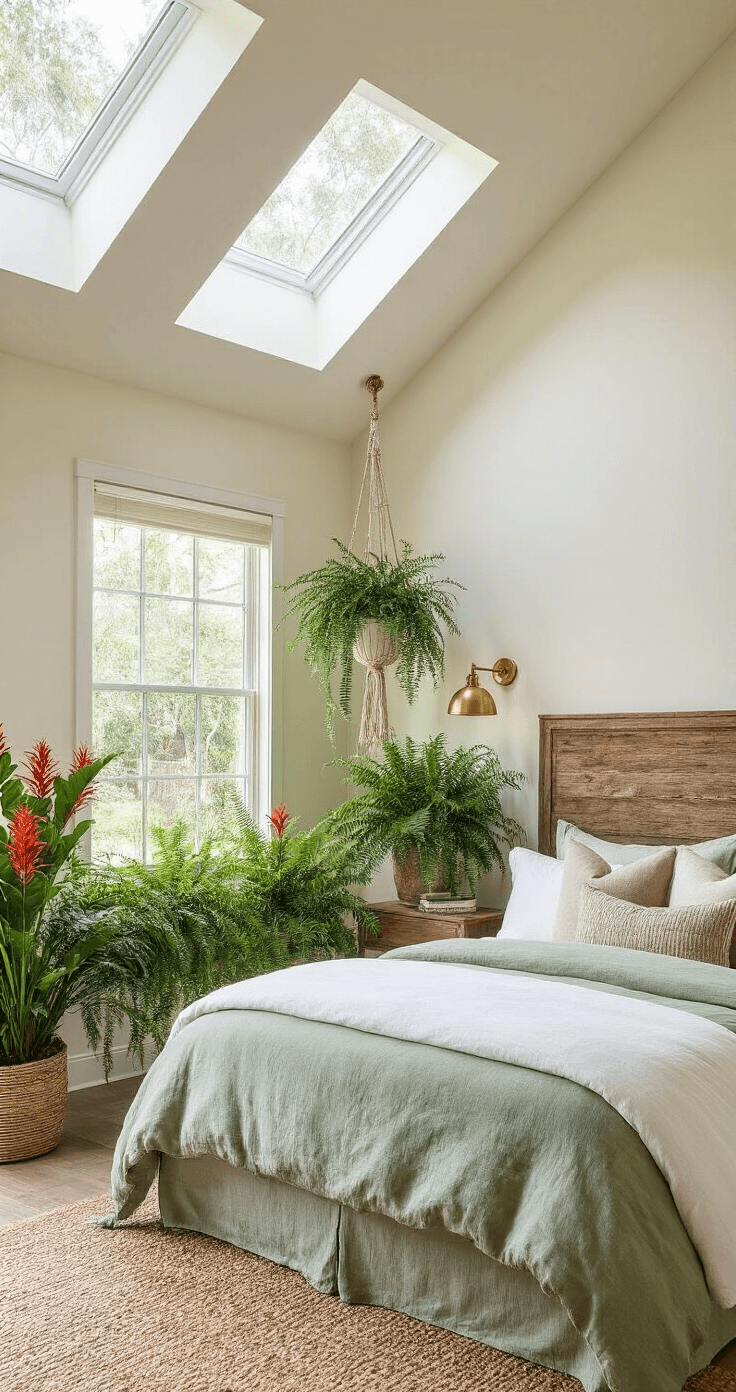
Save this article
Enter your email and we'll send it straight to your inbox.
Maintenance Made Easy
Forget hours of backbreaking yard work. With native plants, you’ll spend more time enjoying your landscape and less time maintaining it.
💡 Steal This Look
- Paint Color: use Valspar brand. Match the ACTUAL wall color in the image. Format: Valspar ColorName CODE
- Furniture: weathered teak Adirondack chairs with rust-resistant aluminum frames for patio lounging
- Lighting: low-voltage LED path lights with hammered bronze finish and frosted glass lenses
- Materials: crushed shell gravel, Florida fieldstone, cedar mulch, and reclaimed brick edging
Your hardscaping choices become the backbone of your outdoor living space—get these foundations right and everything else falls into place with far less effort than you imagined.
Maintenance Cheat Sheet
- Water deeply but infrequently
- Mulch annually
- Prune sparingly
- Embrace a slightly wild look
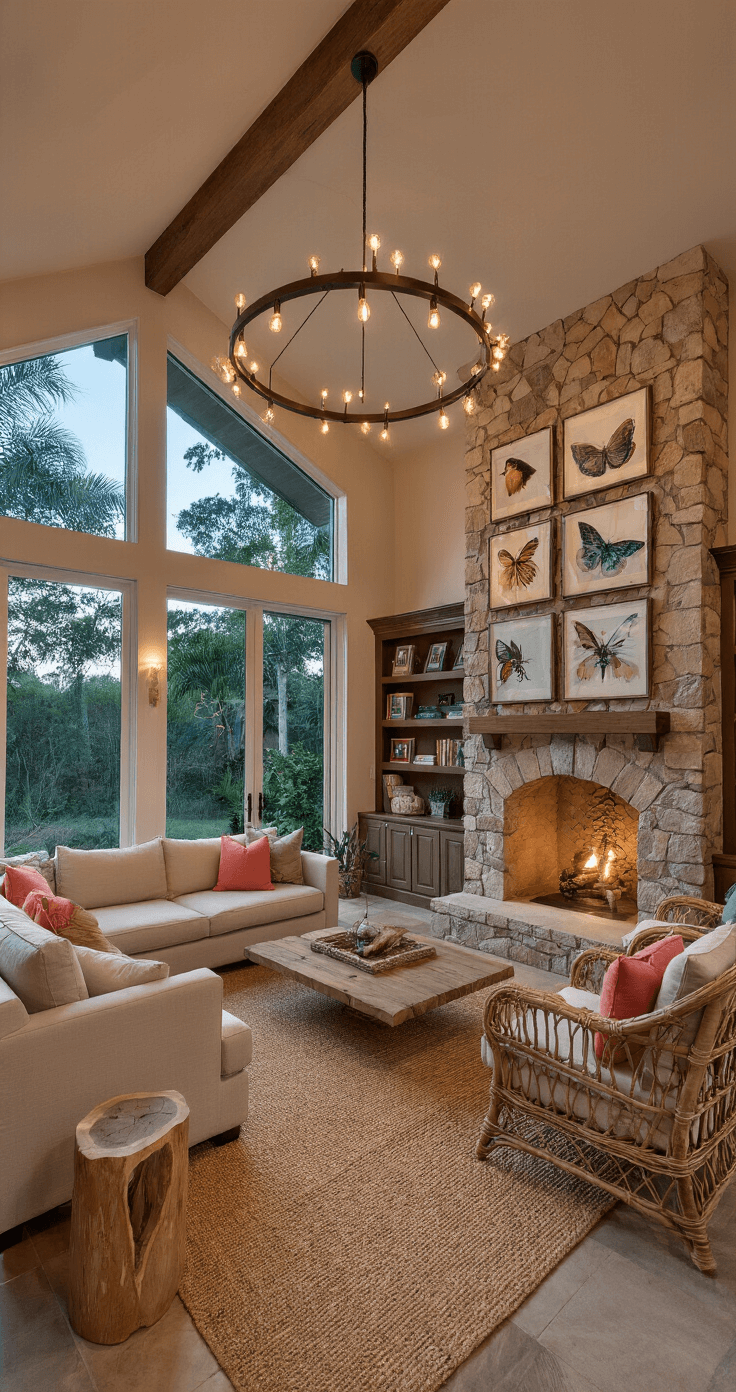
Local Resources
Want more guidance? Check out:
- University of Florida’s Florida-Friendly Landscaping™ Guide
- Florida Native Plant Society
Final Thoughts
Your Central Florida yard can be a low-maintenance, wildlife-supporting, drop-dead gorgeous space. Native plants are the secret weapon you’ve been searching for.
Pro tip: Start small. Pick a corner of your yard and experiment. Before you know it, you’ll have a landscape that’s the envy of the neighborhood!
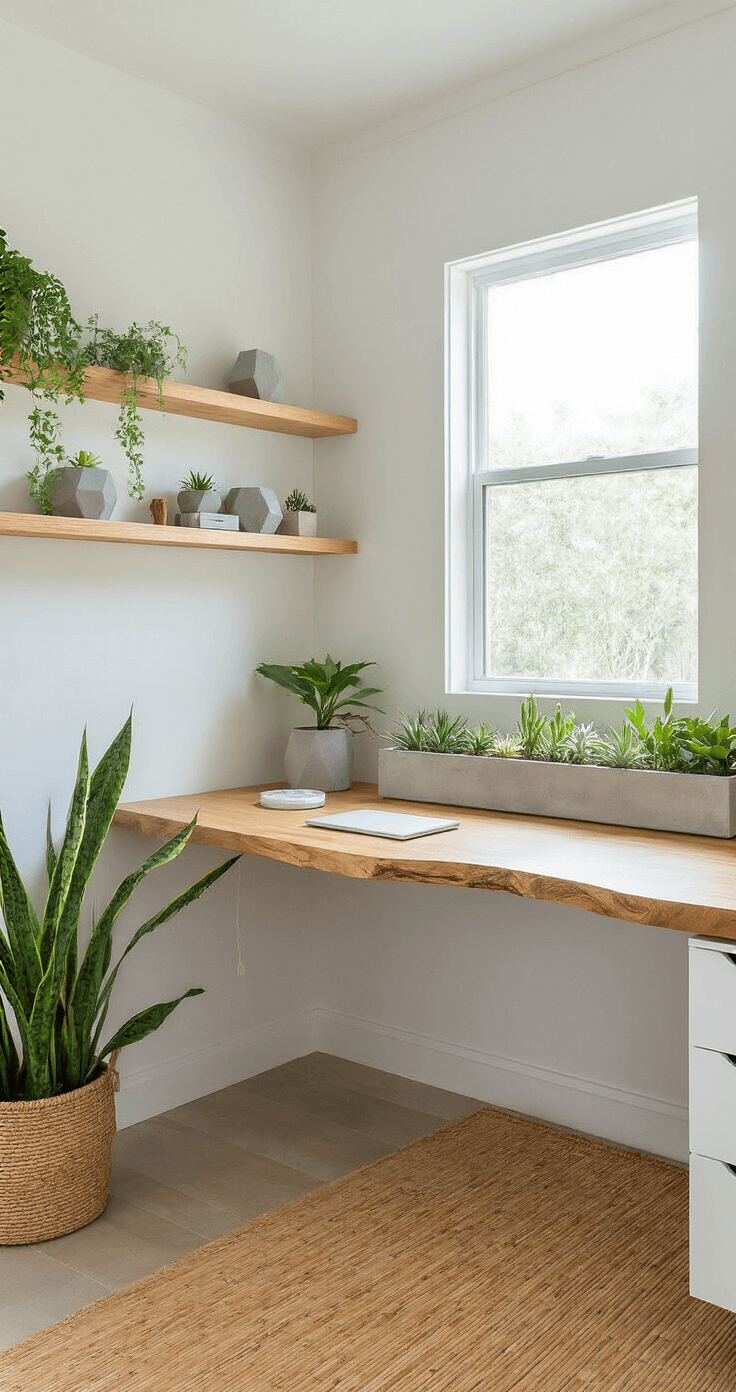
★ Steal This Look
- Paint Color: PPG Olive Lane PPG1121-5
- Furniture: weathered teak potting bench with galvanized steel top
- Lighting: solar-powered LED path lights with hammered bronze finish
- Materials: cypress mulch, crushed shell pathways, reclaimed barn wood edging
This is the unsung hero section—where gorgeous yards actually happen through smart habits, not just pretty plants.
This post may contain affiliate links. Please see my disclosure policy for details.
Want to keep this one?
We'll email you the link so you can find it again later.