What Makes Florida Butterfly Gardens Different
Florida butterfly gardens transform ordinary yards into living sanctuaries where nature does the decorating.
I’ve watched countless homeowners struggle with this exact problem: they plant a few colorful flowers, wait around, and wonder why butterflies never show up.
The issue isn’t your green thumb.
Most people simply don’t understand that butterflies need specific plants to survive—not just pretty flowers to visit.
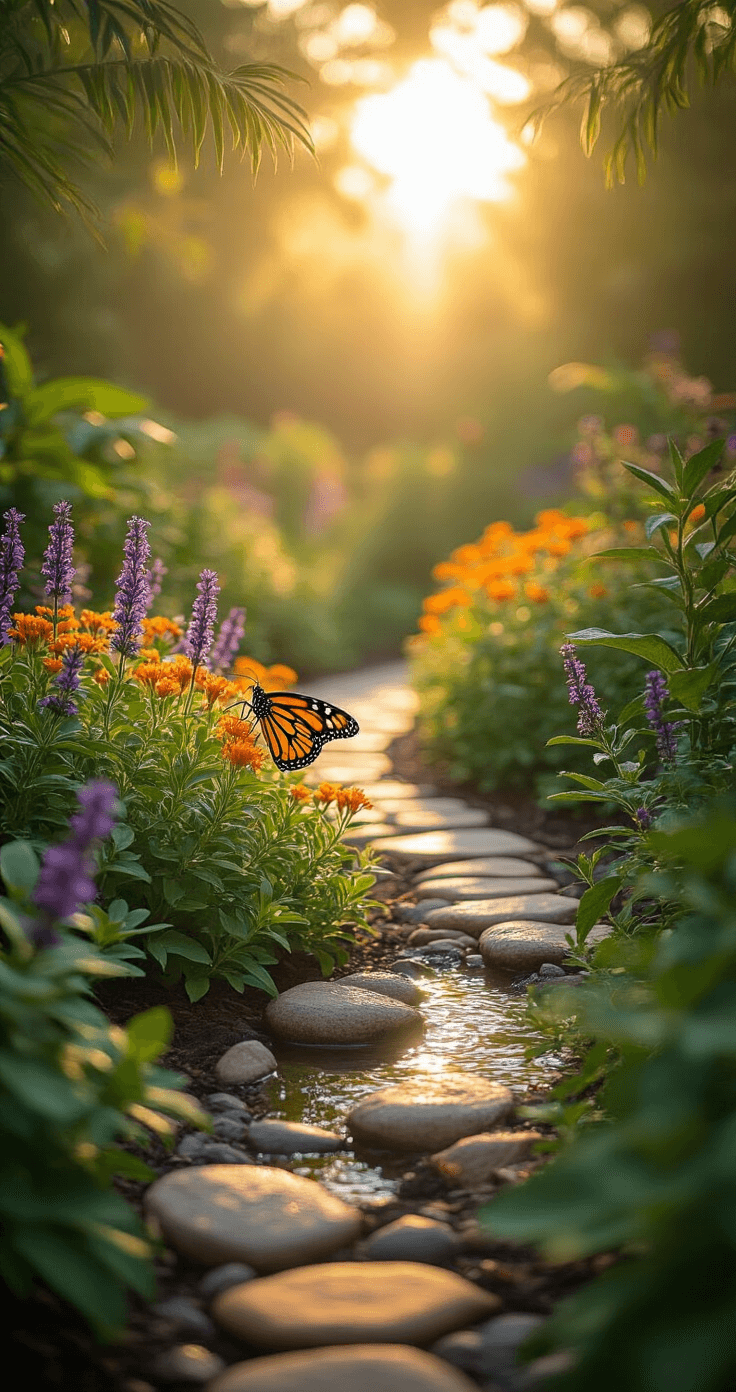
Your Florida location gives you a ridiculous advantage.
Over 200 butterfly species migrate through or live in Florida year-round.
Some of these species exist nowhere else in North America.
That’s not something you can replicate in Minnesota or Oregon.
Here’s what you’re actually creating:
- A breeding ground where butterflies lay eggs
- A cafeteria where caterpillars eat and grow
- A nectar bar where adults fuel up
- A safe space protected from predators and storms
This isn’t about throwing some seeds around and hoping for Instagram-worthy results.
🖼 Steal This Look
- Paint Color: Sherwin-Williams Garden Grove SW 6445
- Furniture: weathered teak potting bench with galvanized steel top
- Lighting: solar-powered copper pathway lights with amber LED
- Materials: crushed shell pathways, reclaimed cypress wood, weathered limestone, native coquina rock
There’s something quietly magical about stepping outside with your morning coffee and watching a zebra longwing—the state butterfly—float past your own porch, knowing you built the exact conditions it needed.
The Two-Plant System Nobody Explains Properly
Every successful butterfly garden needs two completely different types of plants.
Screw this up and you’ll have a pretty garden with zero butterflies.
Nectar Plants feed adult butterflies.
These are the showy, colorful flowers everyone thinks about—the ones that look gorgeous in garden center displays.
Lantana tops my list because it’s basically indestructible in Florida heat and attracts multiple butterfly species plus hummingbirds.
Pentas come in various colors and bloom from spring through fall.
Swallowtails absolutely lose their minds over these.
Salvia plants with their purple or blue spikes draw monarchs like magnets from summer through fall.
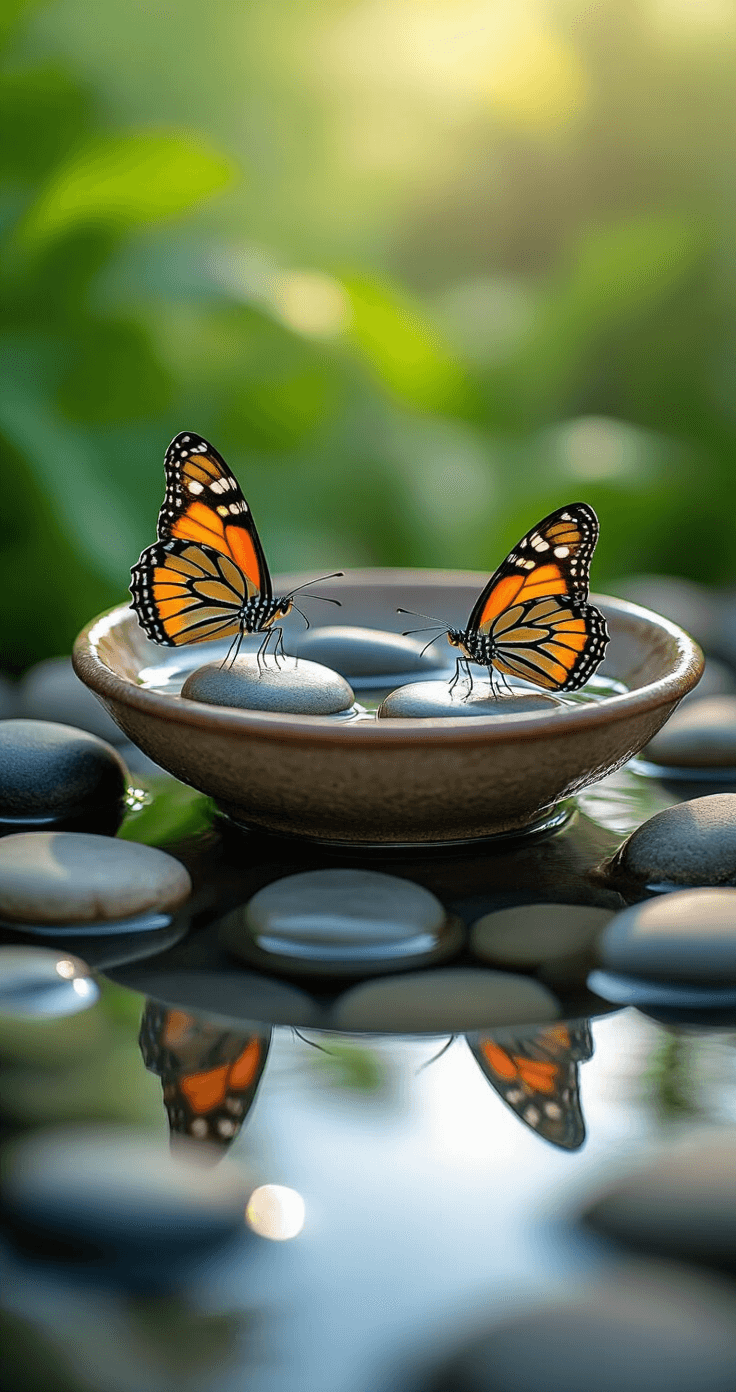
Host Plants are where the magic actually happens.
This is where butterflies lay eggs.
This is what caterpillars eat.
Without host plants, butterflies might visit your garden for a drink, but they won’t stick around or reproduce.
The absolute non-negotiables:
- Milkweed plants: The only thing monarch caterpillars can eat. Not optional if you want monarchs.
- Passion Flower vines: Required for zebra longwings, which happen to be Florida’s state butterfly.
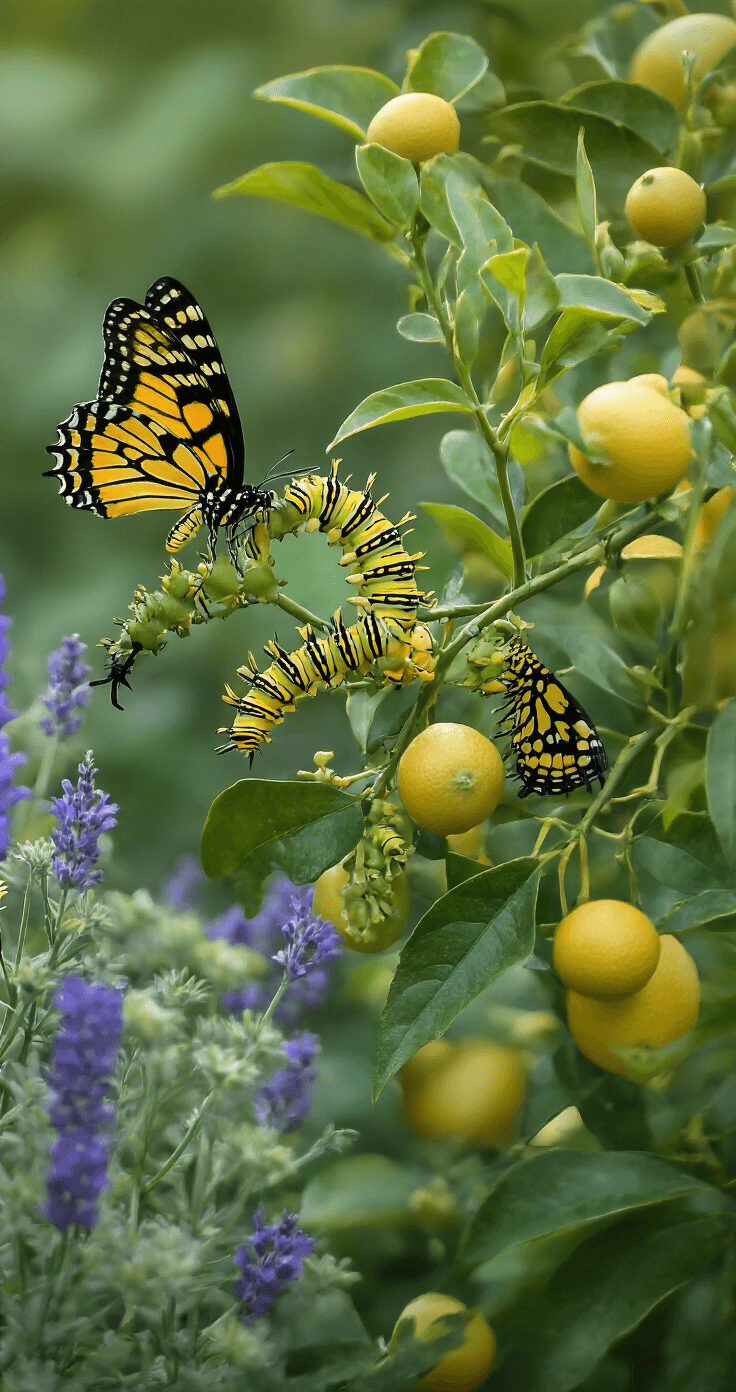
- Citrus trees: Black swallowtails use lemon and lime trees as nurseries.
- Pipevine: Necessary for pipevine swallowtails, though these can be tough to find at nurseries.
Most beginners load up on nectar plants and skip host plants entirely.
Then they complain that butterflies don’t stay.
You need both.
✎ Steal This Look
- Paint Color: Benjamin Moore Guacamole 2149-10
- Furniture: weathered teak potting bench with galvanized steel top for organizing seed trays and hand tools
- Lighting: solar-powered Edison bulb string lights draped between shepherd’s hooks along garden pathways
- Materials: crushed coral rock pathways, untreated cedar raised beds, copper plant markers that develop verdigris patina
This is where your garden transforms from pretty landscaping into a living ecosystem—you’re not just decorating, you’re running a restaurant and maternity ward simultaneously, which feels surprisingly purposeful on quiet mornings with coffee in hand.
Location Makes or Breaks Everything
Butterflies are cold-blooded creatures that need sun to regulate body temperature.
Choose a spot getting at least 4-6 hours of full sun daily.
I’ve seen people create elaborate butterfly gardens in full shade under oak trees, then act shocked when nothing shows up.
Your location checklist:
- Full sun for at least 4-6 hours
- Protection from strong winds (butterflies can’t feed when buffeted around)
- Visible from your house (you actually want to enjoy this)
- Near a water source for easy maintenance
Walk your property at different times during one full day.
Mark where sunlight hits at 9am, noon, and 4pm.
Save this article
Enter your email and we'll send it straight to your inbox.
That’s your potential butterfly real estate.
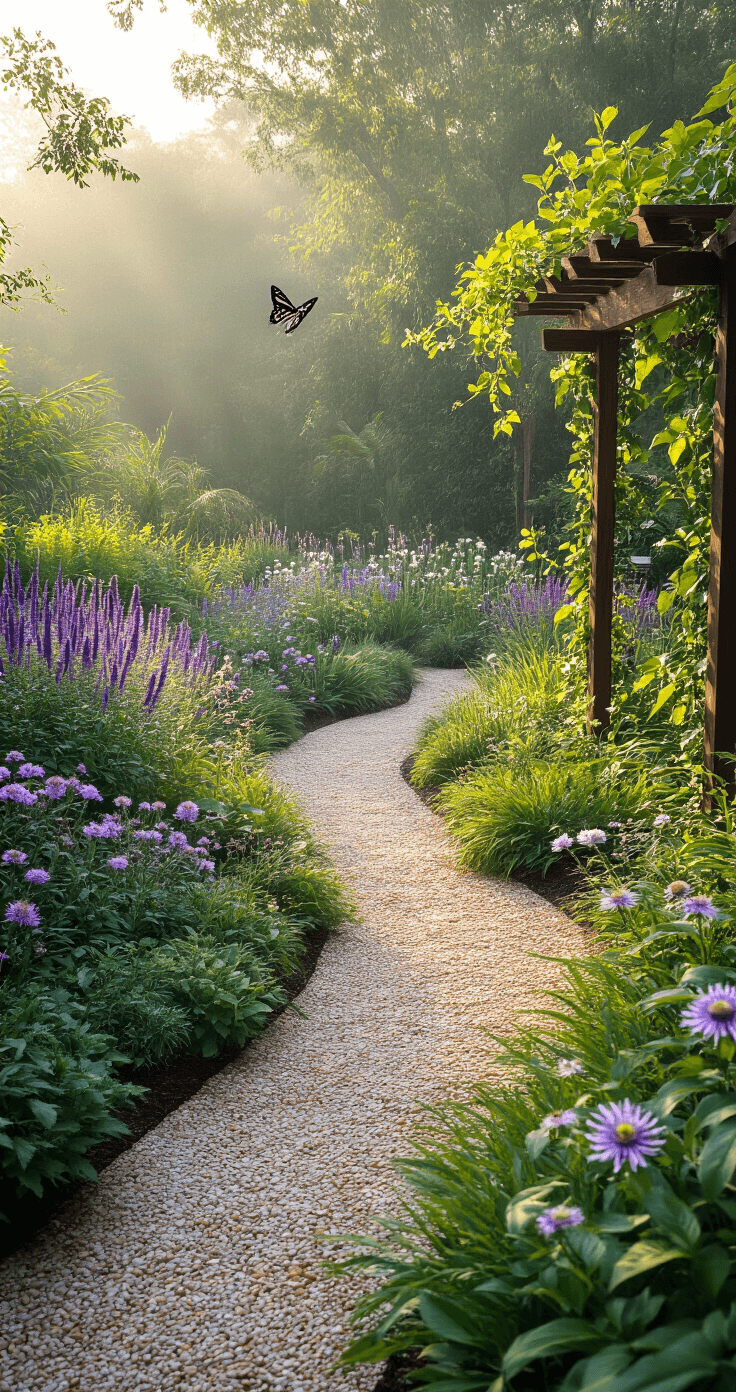
🖼 Steal This Look
- Paint Color: Farrow & Ball Green Smoke 47
- Furniture: weathered teak potting bench with galvanized zinc top
- Lighting: solar-powered LED path lights with butterfly-shaped amber glass shades
- Materials: limestone gravel pathways, untreated cedar raised beds, woven willow windbreak fencing
I learned this the hard way after planting $300 worth of milkweed in a gorgeous but shaded corner of my yard—zero butterflies for two years until I moved everything six feet south into blazing sun.
The Setup Process That Actually Works
Week 1-2: Soil Preparation
Rip out the grass and weeds from your chosen area.
I’m serious—get it all out.
Loosen the soil with a garden fork or rent a tiller for larger spaces.
Work in compost or organic matter to improve drainage.
Florida’s sandy soil needs this badly.
Week 2-3: Structure Installation
Install any permanent features first—garden trellises for climbing host plants, pathway borders, water features.
Put these in place before you start cramming plants everywhere.
Week 3-4: Strategic Planting
Plant in clusters of three or more of each species.
This serves two purposes: visual impact and practical caterpillar navigation.
When a caterpillar strips one plant bare, it needs to find another nearby or it starves.
Height layering matters:
- Back row: Tall plants like salvia and lantana
- Middle row: Medium-height pentas and milkweed
- Front row: Lower-growing groundcovers and border plants
Week 4-6: Water Feature and Finishing
Butterflies need water but can’t land on open water without drowning.
A shallow dish with pebbles or stones gives them safe landing spots.
Position this as a secondary focal point, not front and center.
✎ Steal This Look
- Paint Color: Behr Garden Wall S340-5
- Furniture: weathered teak potting bench with galvanized steel top, positioned as a functional workspace and visual anchor
- Lighting: solar-powered LED path lights with butterfly-attracting warm 2700K output, spaced 6 feet along gravel walkways
- Materials: crushed shell pathway surfacing, untreated cedar for raised borders, corten steel edging strips, natural burlap for root ball protection during planting
This is where your patience gets tested—rushing the soil prep or skipping the hardscaping phase turns a three-week project into three years of frustration, but walking that first finished path makes every blister worth it.
The Three Things That Kill Butterfly Gardens
Pesticides and Fertilizers
Never use these.
Ever.
You’re literally poisoning the creatures you’re trying to attract.
Caterpillars are insects—insecticides kill them.
That includes “organic” options marketed as safe.
If it kills aphids, it kills caterpillars.
Over-Manicuring
Leave some mess.
Dead stems and fallen leaves often contain butterfly eggs or chrysalises.
That “ugly” debris is actually a nursery.
I know it drives neat-freak gardeners crazy, but this isn’t a golf course.
Wrong Plants for Your Zone
Florida spans multiple USDA hardiness zones.
Plants thriving in Miami might struggle in Jacksonville.
🏠 Steal This Look
- Paint Color: use Valspar brand. Match the ACTUAL wall color in the image. Format: Valspar ColorName CODE
- Furniture: weathered teak potting bench with galvanized steel top for garden tool organization and seedling staging
- Lighting: solar-powered LED string lights with warm 2700K temperature draped between native wildflower beds
- Materials: untreated cedar raised beds, crushed shell pathways, raw pine mulch, and unsealed terracotta pots
This is the room where your perfectionism goes to die, and that’s oddly liberating—learning to see beauty in a tangle of spent stems and dried seed heads rewires how you experience your entire outdoor space.
This post may contain affiliate links. Please see my disclosure policy for details.
Want to keep this one?
We'll email you the link so you can find it again later.