Florida Cottage Gardens: A New Approach
Florida cottage gardens are having a moment, and I’m absolutely here for it.
You know that dreamy English cottage garden look with roses tumbling over picket fences and foxgloves standing tall? Yeah, well, that doesn’t exactly work when it’s 95 degrees with 80% humidity in July.
I spent three years killing traditional cottage plants before I figured out the secret: stop fighting Florida and start working with it.
Why Your Pinterest Cottage Garden Dreams Keep Dying (And How to Fix It)
Here’s what nobody tells you when you move to Florida with cottage garden fantasies dancing in your head.
Those delicate delphiniums? Dead by May. The lupines you ordered from that catalog? Melted into the mulch. That adorable lavender you planted? It’s now a crispy lavender-scented memory.
The problem isn’t you—it’s your plant list.
Traditional cottage gardens developed in cool, misty English climates where “hot” means 75 degrees. Florida laughs at 75 degrees while cranking the thermostat to “surface of the sun” and adding bonus humidity.
But here’s the beautiful truth I discovered: you absolutely can have a romantic, overflowing cottage garden in Florida. You just need different plants.
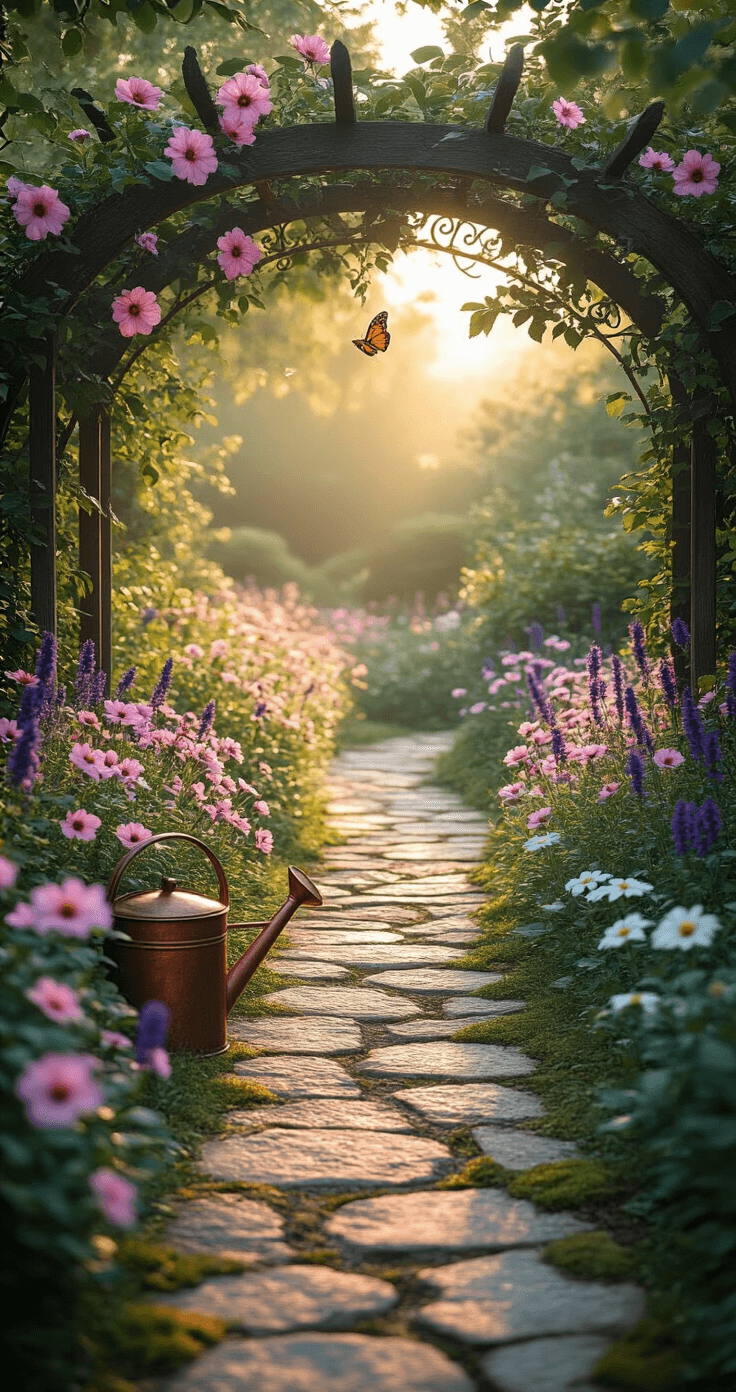
✎ Steal This Look
- Paint Color: Benjamin Moore Wythe Blue HC-143
- Furniture: weathered teak potting bench with zinc top, vintage-style metal bistro set with curved scrollwork
- Lighting: solar-powered vintage-style Edison bulb string lights with black iron posts
- Materials: crushed shell pathways, aged terracotta pots, reclaimed brick edging, galvanized metal watering cans, untreated cedar trellises
I killed three flats of foxgloves before a Naples nursery owner finally took pity and whispered that Florida cottage gardening is really just ‘organized chaos with better survivors’—she was right, and my garden’s never been happier.
The Florida Cottage Garden Framework That Changed Everything
What Makes It Different From English Cottage Gardens
I’m going to be brutally honest with you.
Your Florida cottage garden won’t look identical to the ones in those English gardening books. And that’s actually fantastic news.
Here’s what you’re keeping:
- Dense, layered plantings that look almost wild
- Soft, romantic color palettes
- Self-seeding flowers that create happy surprises
- Rustic garden arbors and vintage accessories
- That “organized chaos” feeling
Here’s what you’re changing:
- Swapping cool-climate classics for heat-loving alternatives
- Ditching the giant tropical leaves (yes, really)
- Choosing smaller, finer textures
- Embracing Florida natives that laugh at summer
The magic happens when you adopt cottage garden philosophy with Florida-appropriate plants.
Think pentas instead of petunias. Salvias instead of delphiniums. Black-eyed Susans instead of… well, actually those work great here too.
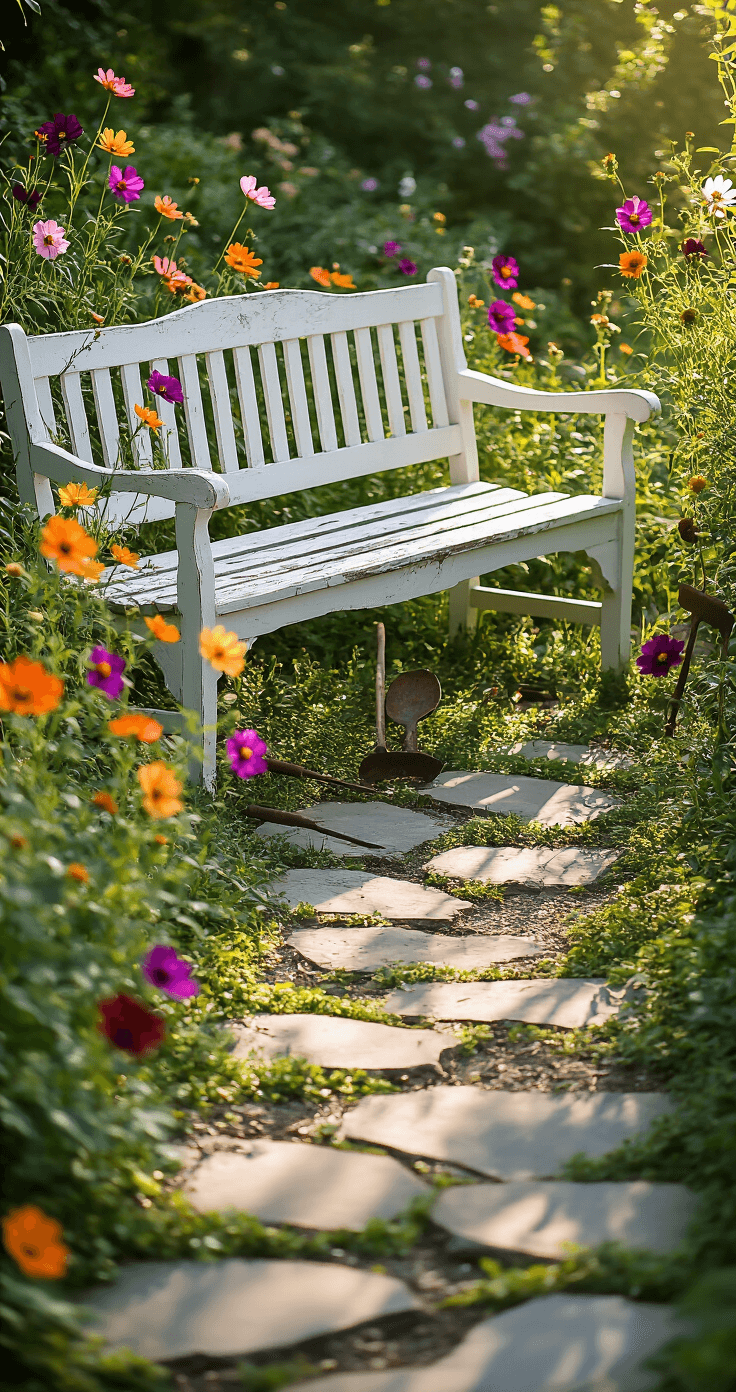
✎ Steal This Look
- Paint Color: Farrow & Ball Green Smoke 47
- Furniture: weathered teak potting bench with zinc top
- Lighting: antique brass gooseneck barn sconce
- Materials: crushed shell paths, reclaimed brick edging, driftwood trellises, aged terracotta pots
This is the garden that finally made sense of my sandy soil and relentless sun—once I stopped fighting Florida and started listening to what actually thrives here, the whole space came alive with butterflies and that effortless old-garden charm I’d been chasing for years.
The Plants That Make Florida Cottage Gardens Actually Work
Your Heat-Proof Cottage Garden Plant List
I keep this list taped inside my garden journal because these are the workhorses that perform all summer long.
Save this article
Enter your email and we'll send it straight to your inbox.
Perennials That Won’t Quit:
- Pentas – Butterflies mob these like teenagers at a concert
- Tropical sage (Salvia coccinea) – Self-seeds everywhere (in a good way)
- Lion’s ears – Architectural and tough as nails
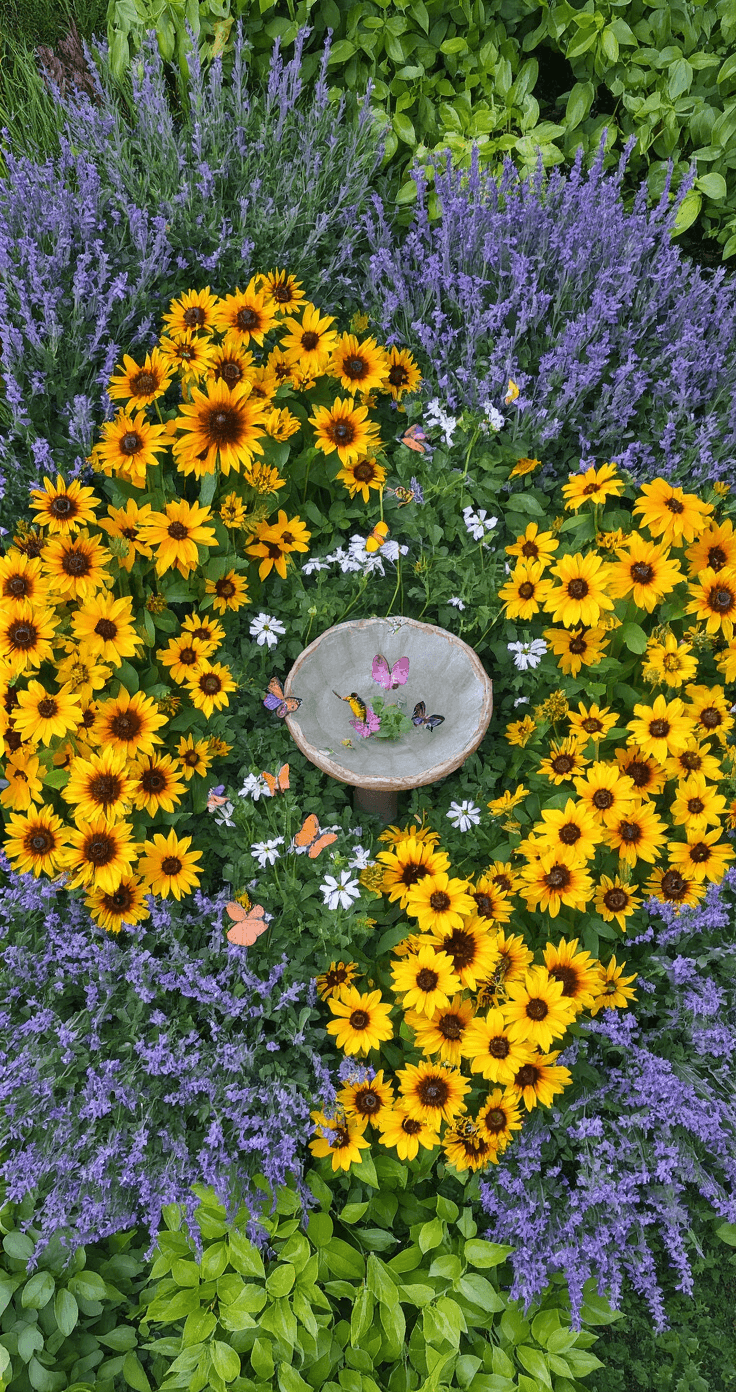
- Rudbeckia (Black-eyed Susans) – Cottage garden classic that actually thrives here
- Coneflowers (Echinacea) – Purple ones are stunning against green backdrops
- Blackberry lily – Unique spotted blooms that spark conversations
The Self-Seeders You’ll Love:
- Four o’clocks – Open late afternoon, smell incredible
- Cosmos – Airy, romantic, fills spaces effortlessly
- Flamingo feather celosia – Soft plumes in amazing colors
Florida Native Superstars:
- Coreopsis – Our state wildflower for good reason
- Aster – Late-season blooms when everything else is tired
- Phlox – Not all varieties survive here, but native ones thrive
I planted my first cottage garden plant collection thinking variety would save me. Wrong. Focus on proven performers first, then experiment.
The Plants You Need to Avoid (Yes, Even Though They’re Pretty)
This hurt my feelings at first, but cottage gardens in Florida work best when you actively exclude certain plant types.
Skip these:
- Large-leafed tropicals (palms, bananas, elephant ears)
- Most traditional roses (except shrub roses and knockouts)
- Lavender (unless you’re in North Florida with perfect drainage)
- Delphiniums (just trust me on this one)
- Foxgloves (they’ll break your heart)
The large tropical leaves destroy the cottage aesthetic. Your garden starts looking more “Jurassic Park” than “cozy English countryside.”
Stick with fine to medium textures. Your eyes will thank you.
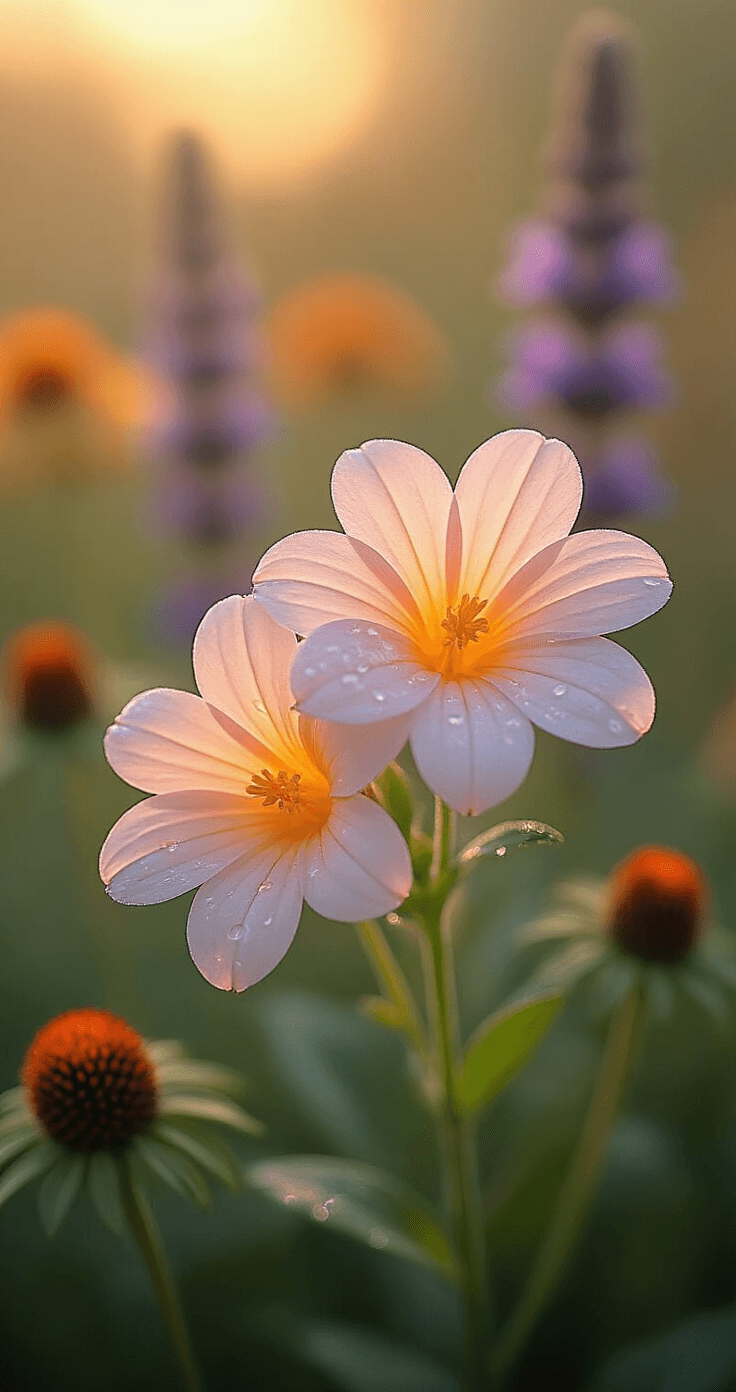
✎ Steal This Look
- Paint Color: Behr Garden Path S340-4
- Furniture: weathered teak potting bench with zinc-top work surface
- Lighting: solar-powered Edison bulb string lights with black iron shepherd’s hooks
- Materials: unsealed terracotta, aged galvanized metal, crushed shell pathways, reclaimed wood raised beds
I learned the hard way that ‘full sun’ in Maine and ‘full sun’ in Tampa are completely different animals—these plants are the ones that didn’t melt on me during that brutal August when the heat index hit 108.
Setting Up Your Florida Cottage Garden (Without Wasting Money on Mistakes)
Start With Your Hardscape (Seriously, Don’t Skip This)
I made the expensive mistake of planting first and adding pathways later.
It cost me six beautiful pentas, one demolished salvia, and my dignity as I crawled through mud trying to install stepping stones around established plants.
Do this first:
- Map out your winding garden pathways with a garden hose
- Install the arbor or trellis before anything else goes in the ground
- Position your garden bench focal point where you’ll actually sit
- Add a birdbath or water feature at a pathway intersection
- Lay down your path material (mulch, stone, or gravel)
Hardscape creates the bones. Plants are the clothing you dress them in.
This post may contain affiliate links. Please see my disclosure policy for details.
Want to keep this one?
We'll email you the link so you can find it again later.