
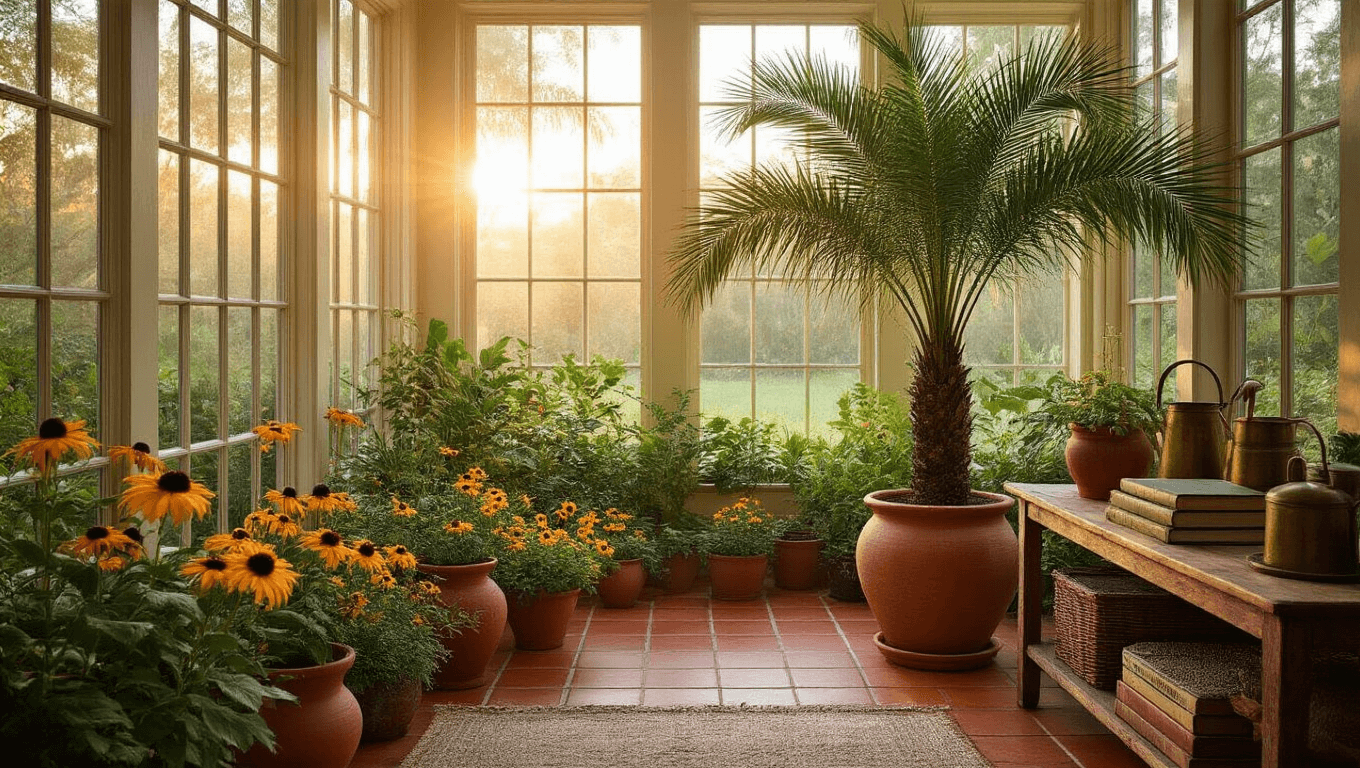
Florida Gardening: Your Ultimate Guide to Thriving Gardens in the Sunshine State
Gardening in Florida isn’t just a hobby—it’s an art form that demands special knowledge and technique. Let me walk you through everything you need to know to create a stunning, resilient garden that laughs in the face of Florida’s challenging climate.
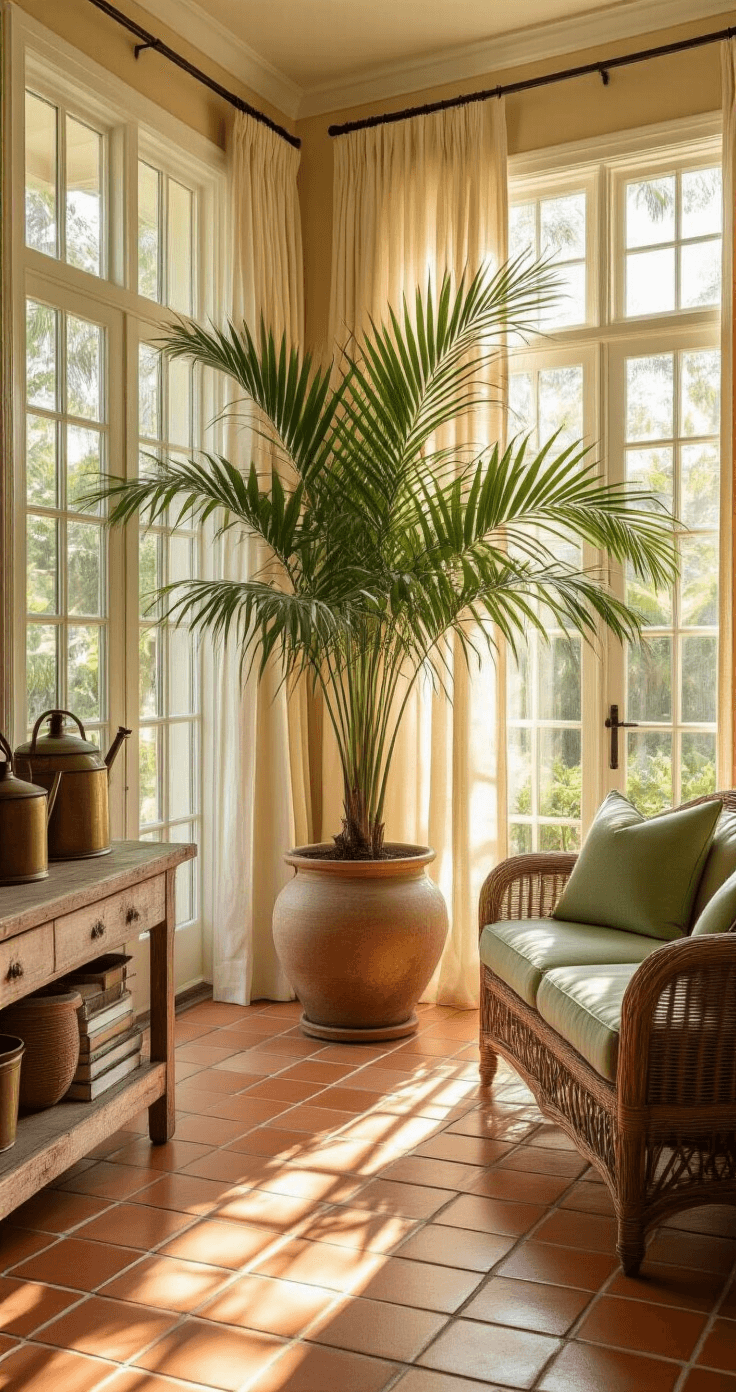
Understanding Florida’s Unique Gardening Landscape
Florida isn’t your average gardening playground. With its wild mix of sunshine, humidity, and diverse growing zones, this state requires a completely different approach to gardening.
Climate Challenges and Opportunities
The key to success? Understanding these critical factors:
- USDA Zones 8 to 11 cover the entire state
- Subtropical conditions mean nearly year-round growing potential
- Sandy soils that drain faster than a tourist’s sunscreen
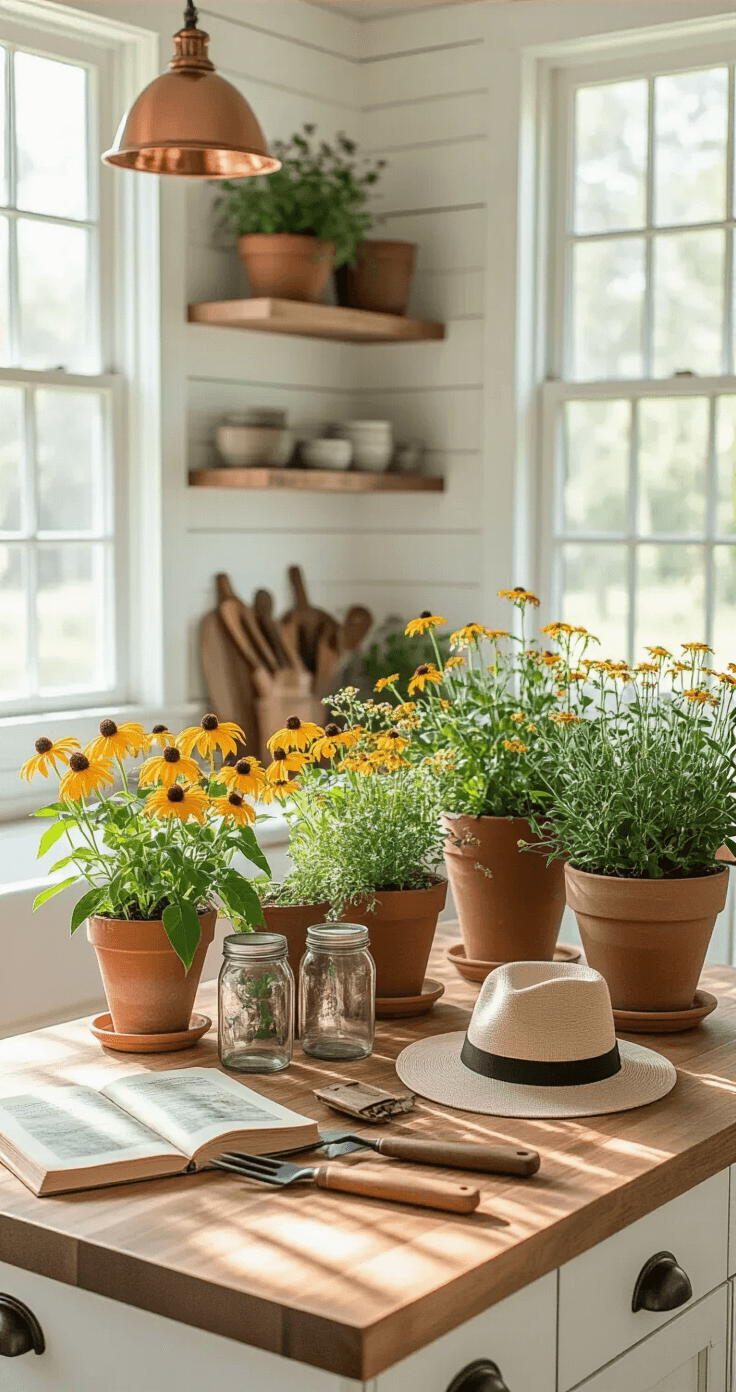
Essential Gear for Florida Gardeners
Before we dive in, you’ll want to stock up on some must-have tools:
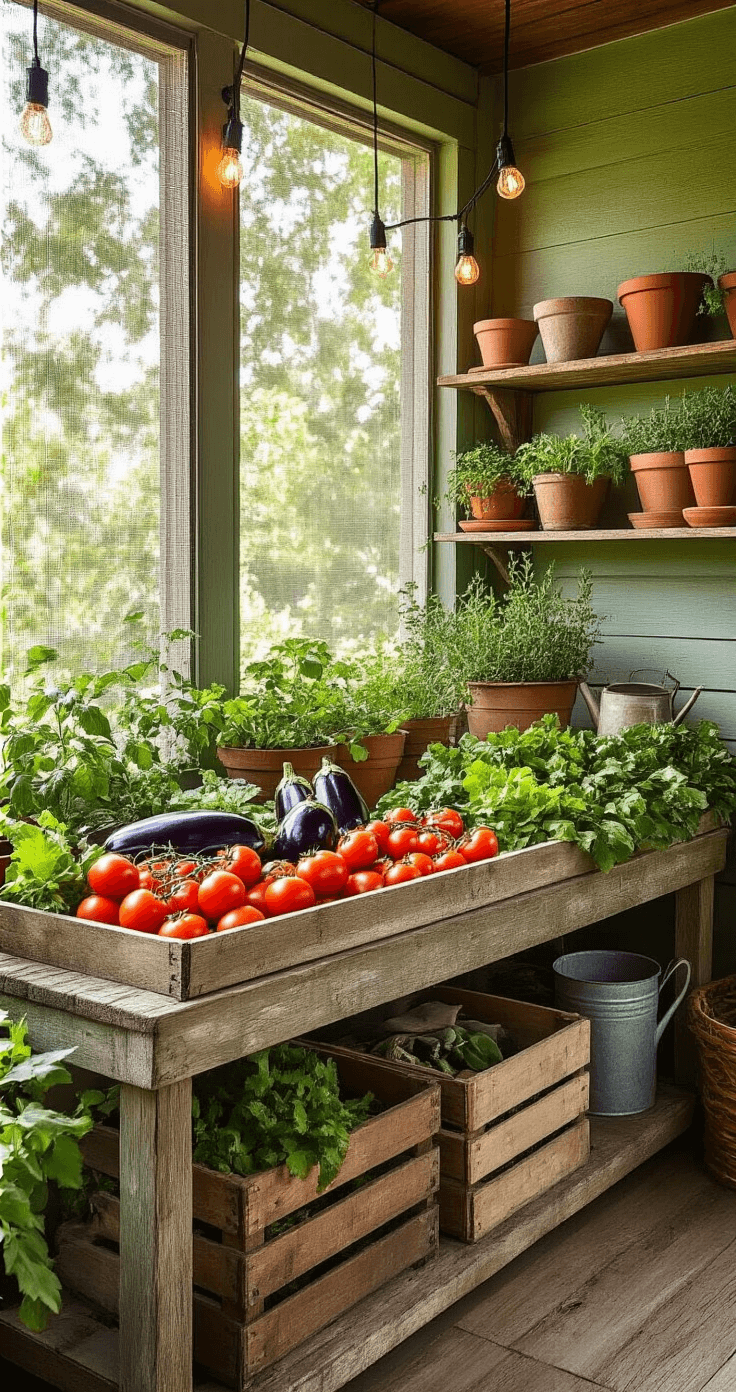
🎨 Steal This Look
- Paint Color: Sherwin-Williams Ripe Olive SW 6209
- Furniture: weathered teak potting bench with galvanized steel top, rustic cedar garden storage armoire with mesh ventilation panels
- Lighting: vintage-inspired gooseneck barn sconce in matte black finish with frosted glass, solar-powered Edison bulb string lights with copper wire
- Materials: rough-hewn cypress, powder-coated aluminum, natural jute, unglazed terracotta, reclaimed barn wood, crushed shell pathways
There’s something deeply satisfying about stepping into your own garden sanctuary at dawn, coffee in hand, before the humidity wraps around you like a wet blanket—this is the Florida gardener’s quiet reward.
Native Plants: Your Florida Garden’s Best Friends
Forget complicated imports. Native plants are the real MVPs of Florida gardening:
Top Native Plants to Transform Your Garden
Trees:
- Sabal palm
- Live oak
- Southern magnolia
Flowering Natives:
- Black-eyed Susan
- Blazing star
- Milkweed
- Coral honeysuckle
💡 Pro Tip: Native plants require minimal maintenance and attract local wildlife like a magnet!
Save this article
Enter your email and we'll send it straight to your inbox.
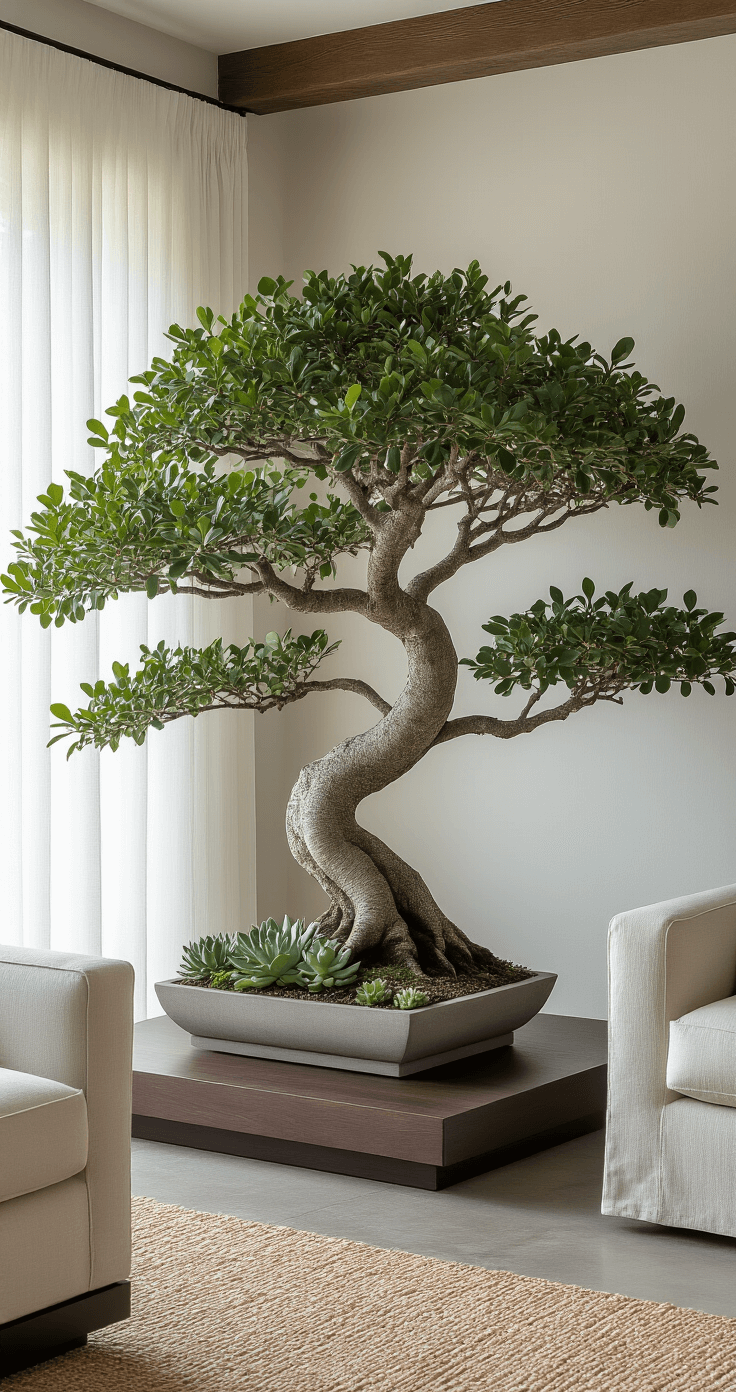
✎ Steal This Look
- Paint Color: Benjamin Moore Guilford Green HC-116
- Furniture: weathered teak potting bench with zinc top
- Lighting: solar-powered rattan pendant cluster for covered lanai
- Materials: coquina shell pathways, reclaimed cypress raised beds, coral stone edging
There’s something deeply satisfying about watching your garden become a living extension of the wild Florida you fell in love with—suddenly every butterfly feels like a personal victory.
👑 Get The Look
Edible Gardening: Grow Your Own Sunshine
Florida’s long growing season means you can grow food almost year-round. Here’s your cheat sheet:
Warm-Season Vegetable Champions
- Sweet potatoes
- Okra
- Eggplant
- Tomatoes
- Tropical pumpkins
Cool-Season Crop Superstars
- Radishes
- Leafy greens
- Carrots
- Broccoli
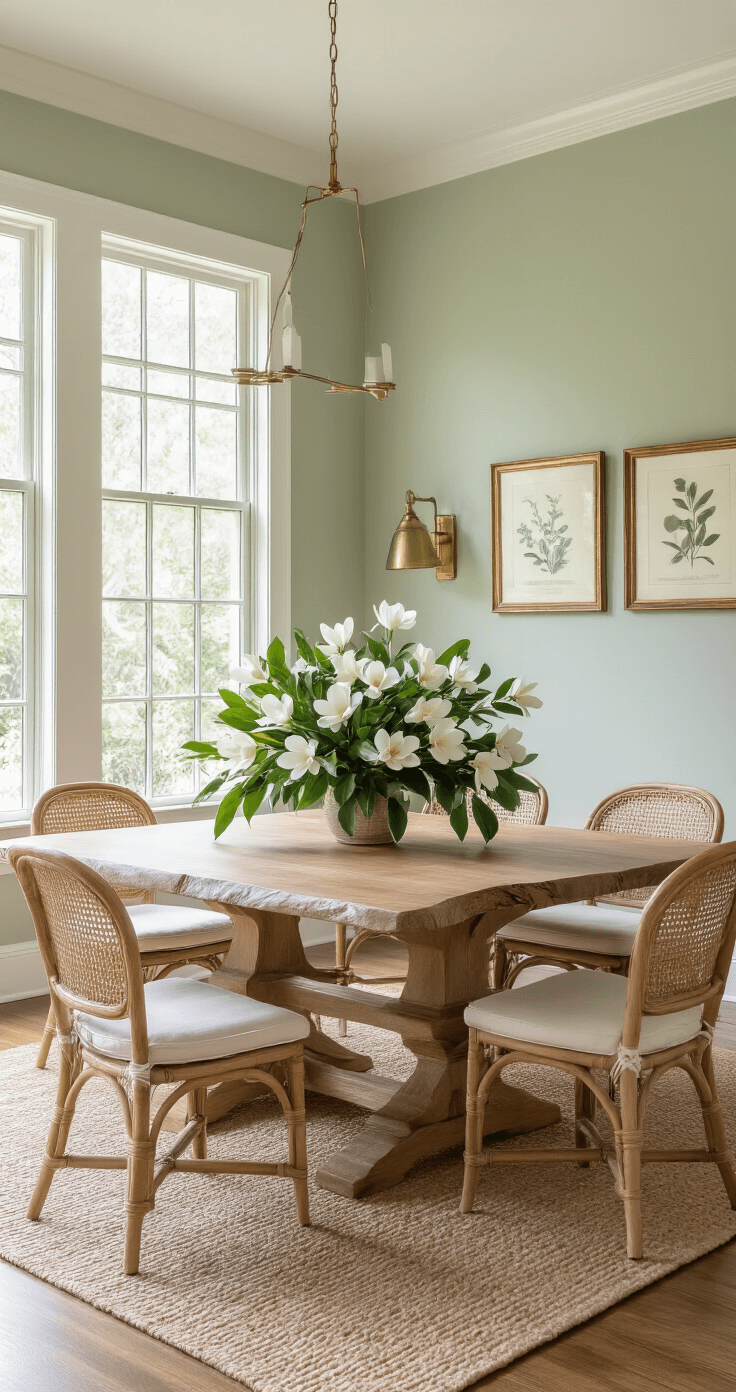
🌟 Steal This Look
- Paint Color: Farrow & Ball Green Smoke 47
- Furniture: weathered cedar potting bench with galvanized steel top
- Lighting: gooseneck barn sconce in matte black with seeded glass shade
- Materials: raw cedar, galvanized steel, crushed shell pathways, terracotta, hemp twine
There’s something deeply satisfying about stepping outside your kitchen door to snip fresh herbs for dinner—this is the room where patience literally bears fruit, and every morning brings a small discovery.
🔔 Get The Look
Monthly Gardening Survival Guide
May-August: Survival Mode
- Monitor pests like a hawk
- Water deeply and consistently
- Plant heat-loving annuals
- Manage soil moisture
June Gardening Hints
- Perfect time to plant palm trees
- Add perennial herbs like rosemary and basil

★ Steal This Look
- Paint Color: Behr Garden Glade MQ4-49
- Furniture: weathered teak potting bench with galvanized steel top
- Lighting: solar-powered LED string lights with Edison bulbs for evening garden tasks
- Materials: terra cotta planters, untreated cedar raised beds, crushed shell mulch, marine-grade outdoor fabric
This is the season that separates committed Florida gardeners from weekend dabblers—your May through August survival hinges on working smarter, not harder, embracing the rhythm of early morning maintenance before the afternoon thunderstorms roll in.
Pro Tips for Gardening Success
- Always amend your sandy soil with compost
- Follow zone-specific planting calendars
- Use mulch to retain moisture
- Embrace native plant varieties
- Learn local watering restrictions
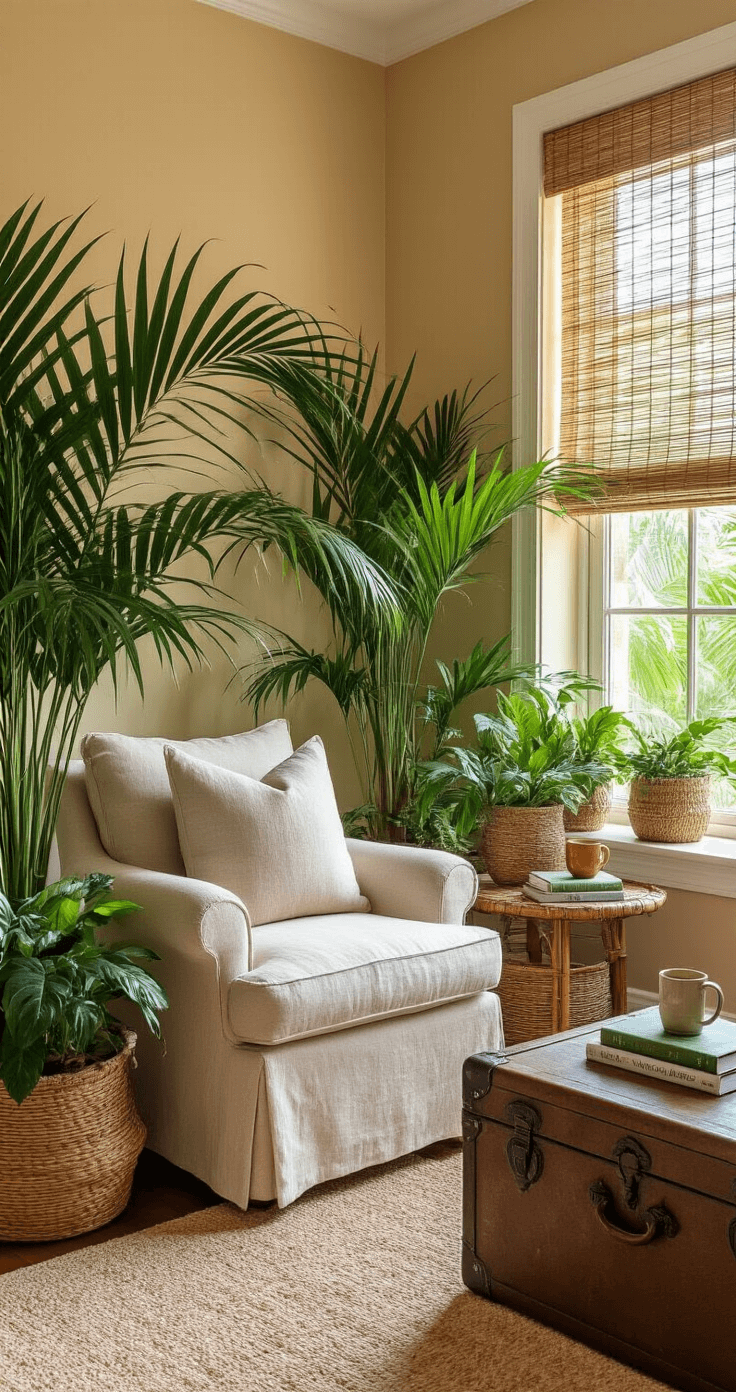
🖼 Steal This Look
- Paint Color: Valspar Garden Party 5008-10B
- Furniture: weathered teak potting bench with galvanized steel top and lower shelving for tool storage
- Lighting: solar-powered LED string lights with Edison-style bulbs draped along fence line or pergola beams
- Materials: crushed shell pathways, reclaimed cedar raised beds, copper irrigation fixtures, and limestone gravel accents
There’s something deeply satisfying about stepping into your own Florida garden at dawn, coffee in hand, watching native bees wake up in your salvias—this is the room where patience pays off in blooms.
Common Rookie Mistakes to Avoid
- Treating Florida like a typical gardening environment
- Overwatering
- Ignoring seasonal variations
- Forgetting about pest management
Your Go-To Resources
- University of Florida IFAS Gardening Solutions
- Local county extension offices
- Florida-Friendly Landscaping™ guidelines
Bonus: Recommended Gardening Tools
- Ergonomic hand trowel
- Pruning shears
- Moisture meter
- Drip irrigation system
Remember, Florida gardening is part science, part art, and 100% adventure. Embrace the challenge, stay curious, and your garden will thank you!
This post may contain affiliate links. Please see my disclosure policy for details.
Want to keep this one?
We'll email you the link so you can find it again later.



[…] Don’t miss the Dwarf Garden, where whimsical statues invite playful exploration, or the Millennium Tree Trail, which showcases native Florida flora that complements the museum’s Mediterranean architecture. Learn more about local plants that thrive in similar climates in our guides to Florida plants and gardening techniques for Floridian yards. […]