Florida Backyard Landscaping Ideas That Actually Work in Our Climate
Florida backyard landscaping starts with understanding one simple truth: what works in other states will fail miserably here.
I learned this the hard way when I moved to Florida and tried planting azaleas like I had up north. They lasted exactly three months before our summer heat turned them into crispy brown sticks.
Your backyard shouldn’t be a constant battle against the weather. It should work with Florida’s unique climate, not against it.
What Makes Florida Landscaping Different (And Why You Should Care)
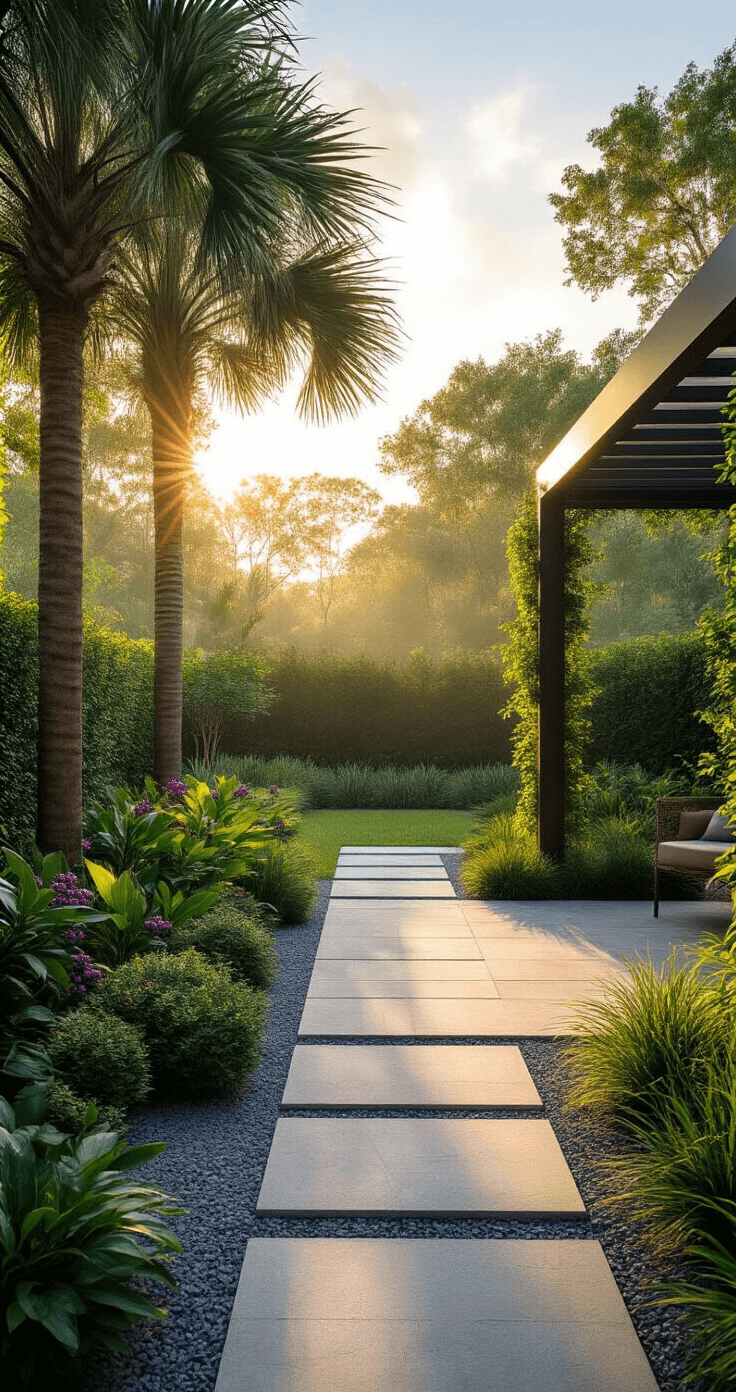
Listen, I’m going to be straight with you. Florida throws everything at your landscape: scorching sun, torrential rain, humidity that feels like you’re breathing soup, and soil that’s basically sand with attitude.
You need plants that laugh in the face of these conditions. Not the delicate specimens that need babysitting.
The best part? Native Florida plants are tougher, prettier, and require about 75% less maintenance than those imported varieties garden centers love to push.
Project Snapshot: What You’re Actually Getting Into
Let me break down what this project really looks like:
Time Investment:
- Initial installation: 2-4 weeks
- Plants reaching maturity: 1-3 seasons
- Weekly maintenance once established: 1-2 hours
Budget Reality Check:
- Small yard basics: $2,000-$4,000
- Medium yard with hardscaping: $4,000-$8,000
- Large yard, full transformation: $8,000-$15,000+
Skill Level: You can absolutely DIY the planting. The hardscaping (pavers, pergolas) might need a pro unless you’re handy.
The Plants That Won’t Let You Down
🎨 Steal This Look
- Paint Color: Sherwin-Williams Rainwashed SW 6211
- Furniture: weathered teak Adirondack chairs with Sunbrella canvas cushions in coral stripe
- Lighting: copper-hammered Low Voltage LED path lights with tropical bronze finish
- Materials: crushed coquina shell pathways, reclaimed Florida cypress decking, coral rock edging
I’ve watched too many neighbors fight their backyards into submission, only to surrender to pavers and artificial turf; the ones who embrace what actually wants to grow here end up with the kind of effortless outdoor rooms that make you linger past sunset.
American Beautyberry: Your New Favorite Plant
I’m obsessed with American beautyberry, and you will be too.
This native shrub produces clusters of brilliant purple berries that look almost fake. Birds go absolutely nuts for them in fall. The broad light green leaves stay gorgeous all summer, and it handles partial shade like a champ.
Get yourself native beautyberry plants and plant them in groups of three for maximum impact.
Why it works:
- Zero fuss watering once established
- Attracts 40+ bird species
- Looks good spring through fall
- Handles both sun and partial shade
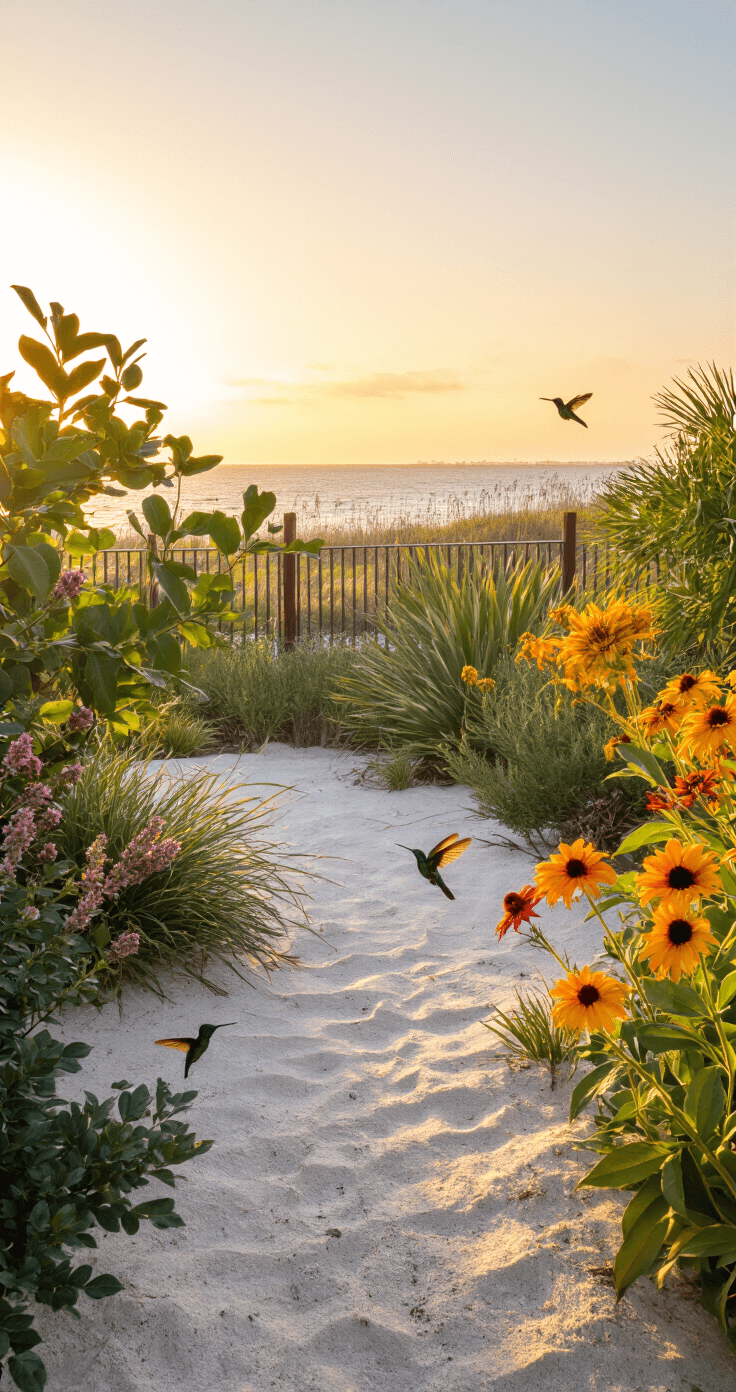
🏠 Steal This Look
- Paint Color: Benjamin Moore Flora AF-470
- Furniture: weathered teak Adirondack chairs with Sunbrella canvas cushions in deep plum
- Lighting: hammered copper solar path lights with warm 2700K output
- Materials: crushed shell mulch pathways, reclaimed barnwood raised beds, raw edge limestone boulders for naturalistic edging
There’s something quietly thrilling about watching a cardinal pair discover your beautyberry patch for the first time—this plant turns your backyard into a living theater you didn’t know you needed.
Fakahatchee Grass: The Indestructible Ornamental
This tall grass is basically bulletproof.
It survives drought. It survives flooding. It looks elegant doing both.
Perfect for rain gardens or anywhere you have drainage issues. The fine texture creates movement in the landscape without looking weedy.
Firebush and Scarlet Sage: Hummingbird Magnets
Want hummingbirds? Plant these.
Save this article
Enter your email and we'll send it straight to your inbox.
Firebush explodes with tubular red-orange flowers summer through fall. Scarlet sage brings lipstick-red blooms that hummingbirds can spot from across the neighborhood.
I planted three firebush shrubs along my back fence two years ago. Now I have hummingbirds visiting daily from March through November.
Grab some hummingbird-attracting plants and watch your backyard come alive.
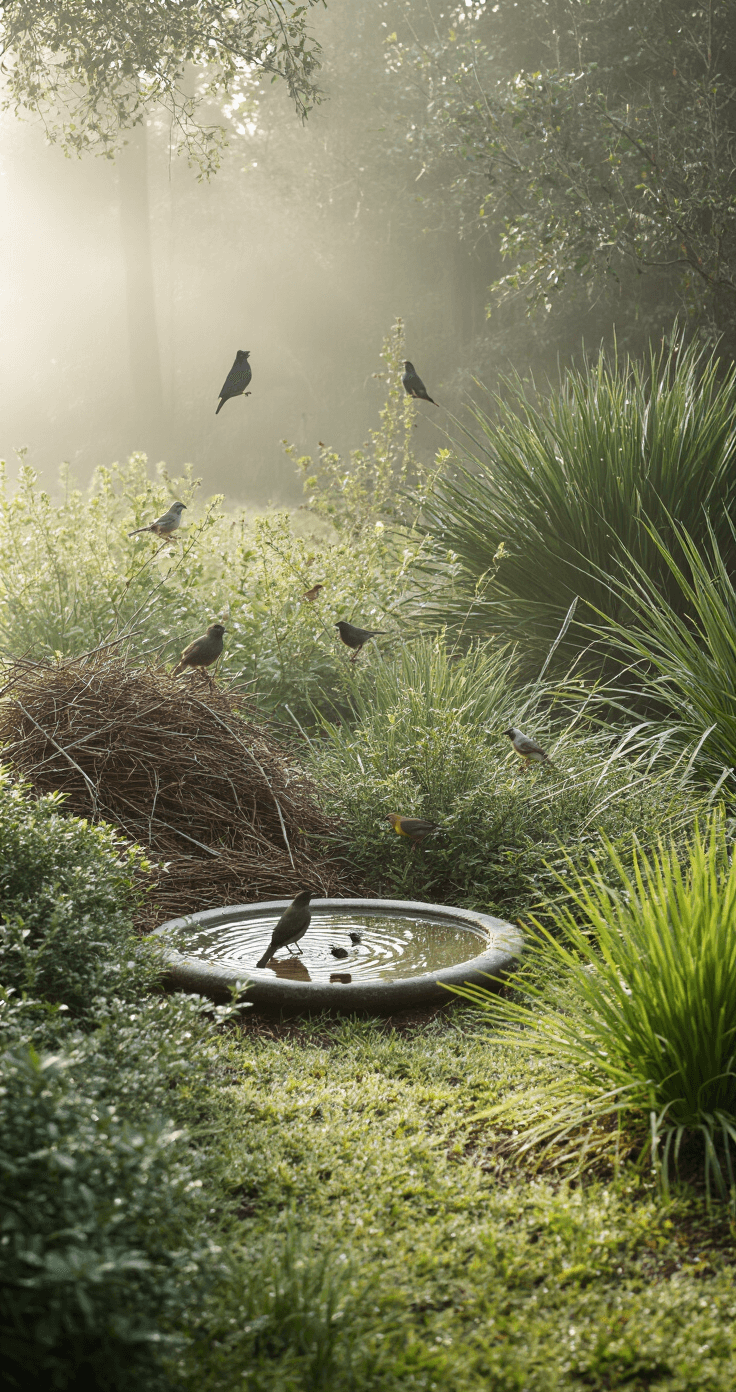
✎ Steal This Look
- Paint Color: Behr Tropical Paradise PPU1-14
- Furniture: weathered teak Adirondack chair with slatted back
- Lighting: solar-powered copper finish path lights with warm 2700K output
- Materials: natural cedar mulch, crushed coral rock pathways, untreated pine birdhouse mounting posts
There’s something deeply satisfying about planting specifically for wildlife and having it actually work—my morning coffee on the patio became a daily nature documentary once these plants matured.
Southern Wax Myrtle: The Privacy Champion
Need screening but tired of boring hedges?
Southern wax myrtle grows 10-15 feet with glossy olive-green leaves. Salt tolerant for coastal properties. Provides year-round privacy. Birds feast on the berries.
Plant spacing: 4-6 feet apart for a solid screen within 2-3 years.
Palm Selection: Stop Making This Mistake
Here’s what nobody tells you about palms: most get WAY too big for residential yards.
Skip these space hogs:
- Queen palms (massive root systems, always dying)
- Coconut palms (unless you have an acre)
- Phoenix palms (trunk width takes over)
Choose these instead:
Cabbage Palm (Sabal palmetto):
- Florida’s state tree for good reason
- Handles salt, drought, and neglect
- Grows up instead of out
- Wildlife magnet
Solitaire Palm:
- Skinny 3-inch trunk
- Grows 30+ feet tall
- Takes minimal ground space
- Modern, clean look
Paurotis Palm:
- Clumping variety
- Creates tropical screening
- Handles wet areas
- Doesn’t seed everywhere like bad palms do
Consider palm tree fertilizer spikes during the growing season to keep them looking their best.
Hardscaping That Makes Sense in Florida Heat
Hardscaping isn’t just decoration. It’s survival strategy in our climate.
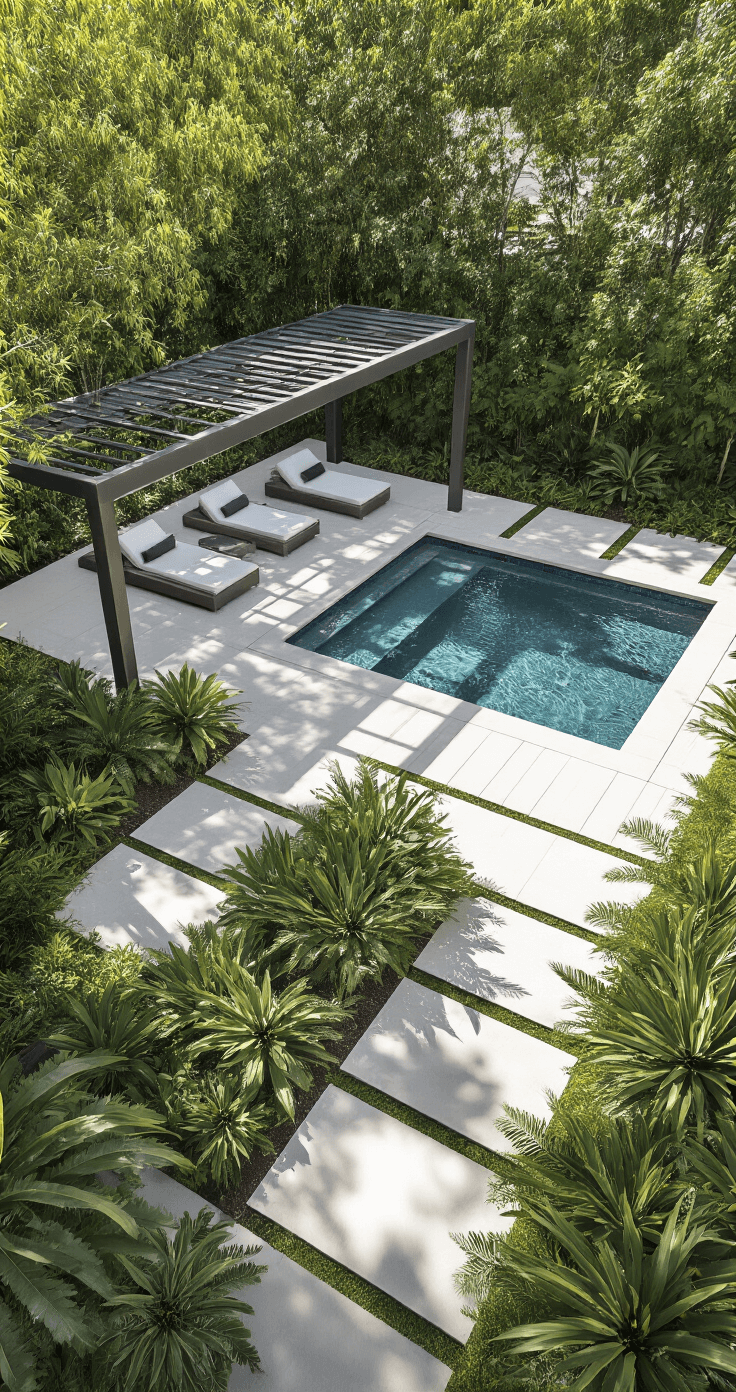
Paver Patios with Breathing Room
Solid concrete traps heat and creates runoff problems.
Instead, install pavers with gaps filled with:
- Fine gravel
- Mondo grass
- Perennial peanut ground cover
This allows water infiltration and keeps
This post may contain affiliate links. Please see my disclosure policy for details.
Want to keep this one?
We'll email you the link so you can find it again later.