Transforming Your Florida Landscape: A Native Plant Paradise
Florida landscaping isn’t just about making your yard look good – it’s about creating a living, breathing ecosystem that thrives in our unique sunshine state. Let me walk you through how to craft a jaw-dropping, low-maintenance landscape that’ll make your neighbors stop and stare.
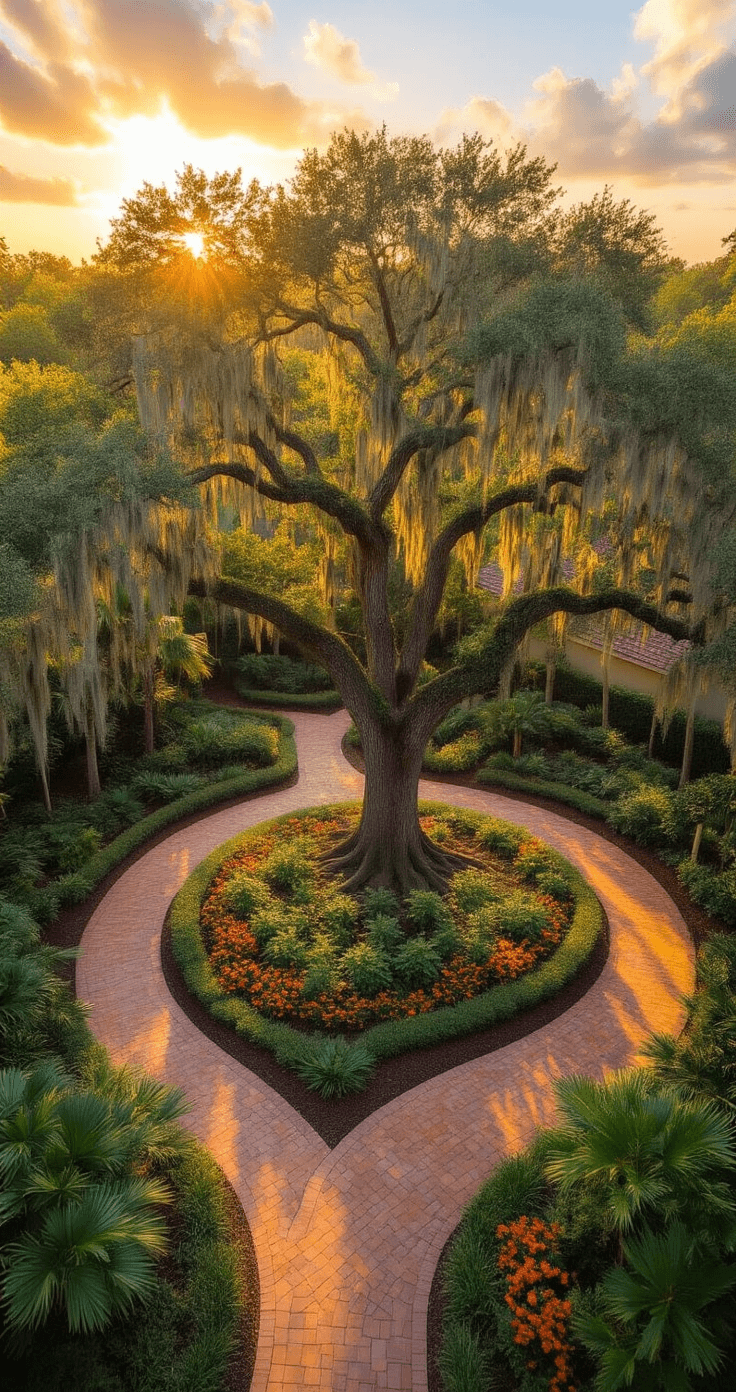
✎ Steal This Look
- Paint Color: Sherwin-Williams Sage SW 2861
- Furniture: weathered teak Adirondack chair with Sunbrella canvas cushions in coral
- Lighting: hammered copper path lights with amber LED bulbs
- Materials: crushed shell pathways, coquina rock borders, reclaimed cypress mulch beds
There’s something deeply satisfying about watching your landscape come alive with butterflies and hummingbirds that actually belong here—this isn’t decoration, it’s restoration.
Why Go Native? The Florida Landscape Revolution
Listen up, homeowners – native landscaping is your secret weapon. We’re talking about:
- Zero-drama plants that laugh in the face of harsh sun
- Water conservation that’ll make your wallet happy
- Wildlife attractions that turn your yard into a natural wonderland
Your Native Landscape Starter Kit
Let’s break down the essentials you’ll need to create a show-stopping Florida yard:
Hero Plants to Anchor Your Design
- Sabal Palm: Our state’s rock star tree
- Live Oak: Majestic and practically indestructible
- Southern Magnolia: Gorgeous blooms that scream “Florida luxury”
Budget-Friendly Tips
- DIY setup: 1-2 weekends
- Cost range: $300 – $2,000
- Skill level: Perfect for beginners to intermediate gardeners
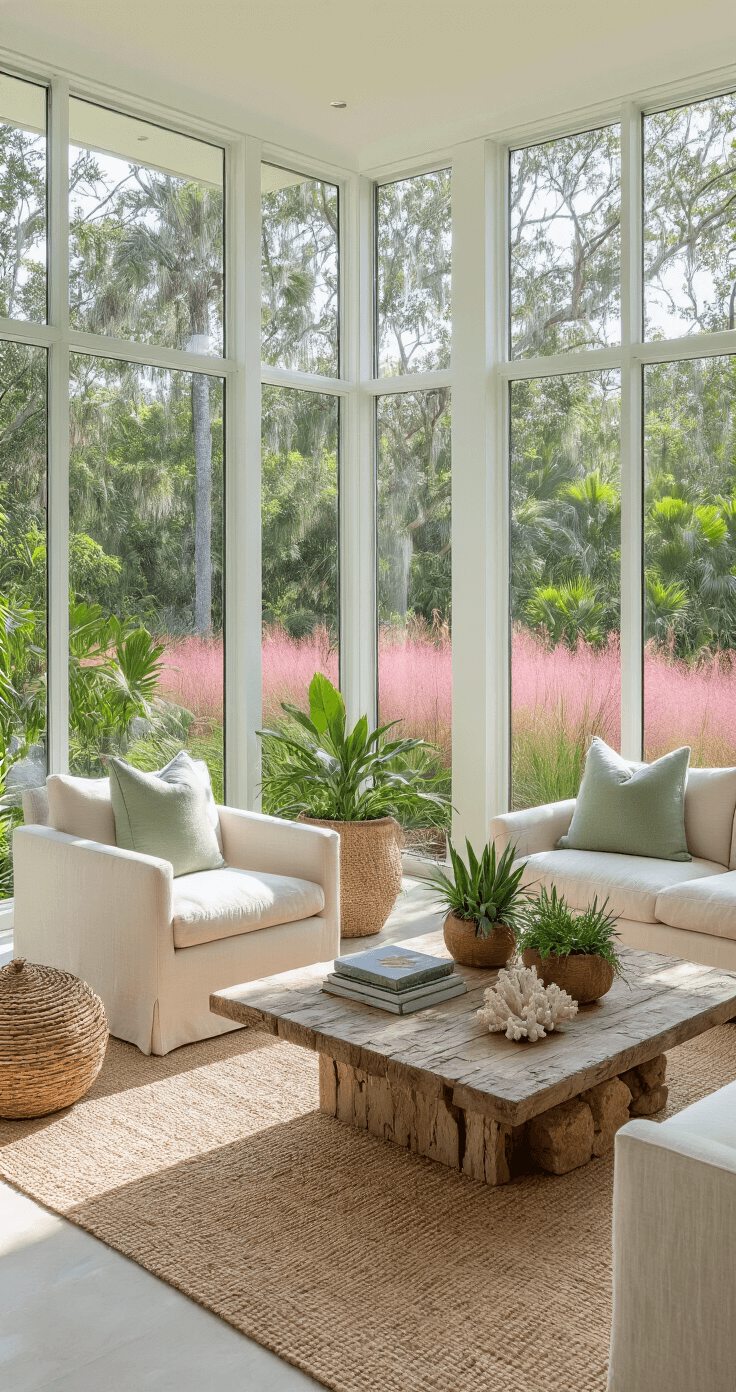
🌟 Steal This Look
- Paint Color: Benjamin Moore Fernwood Green 2145-40
- Furniture: weathered teak Adirondack chairs with Sunbrella canvas cushions in terracotta
- Lighting: solar-powered brass path lights with seeded glass globes
- Materials: crushed shell pathways, reclaimed pine mulch, coral rock borders, drought-tolerant coontie and muhly grass mass plantings
There’s something deeply satisfying about a yard that basically tends itself while the neighbors drag hoses around every evening—you’ll actually use your outdoor space instead of maintaining it.
Design Like a Pro: Native Landscape Styling
Color Palette and Textures
Think natural, think Florida:
- Lush greens from palms and oaks
- Pops of red and orange (hello, Firebush!)
- Pink plumes from Muhly grass
- Evergreen textures that keep your yard looking fresh year-round
Accessorizing Your Native Landscape
Pro tip: Less is more. Stick to natural accessories like:
- Bird baths
- Stone pathways
- Recycled wood planters
- Shell ground covers
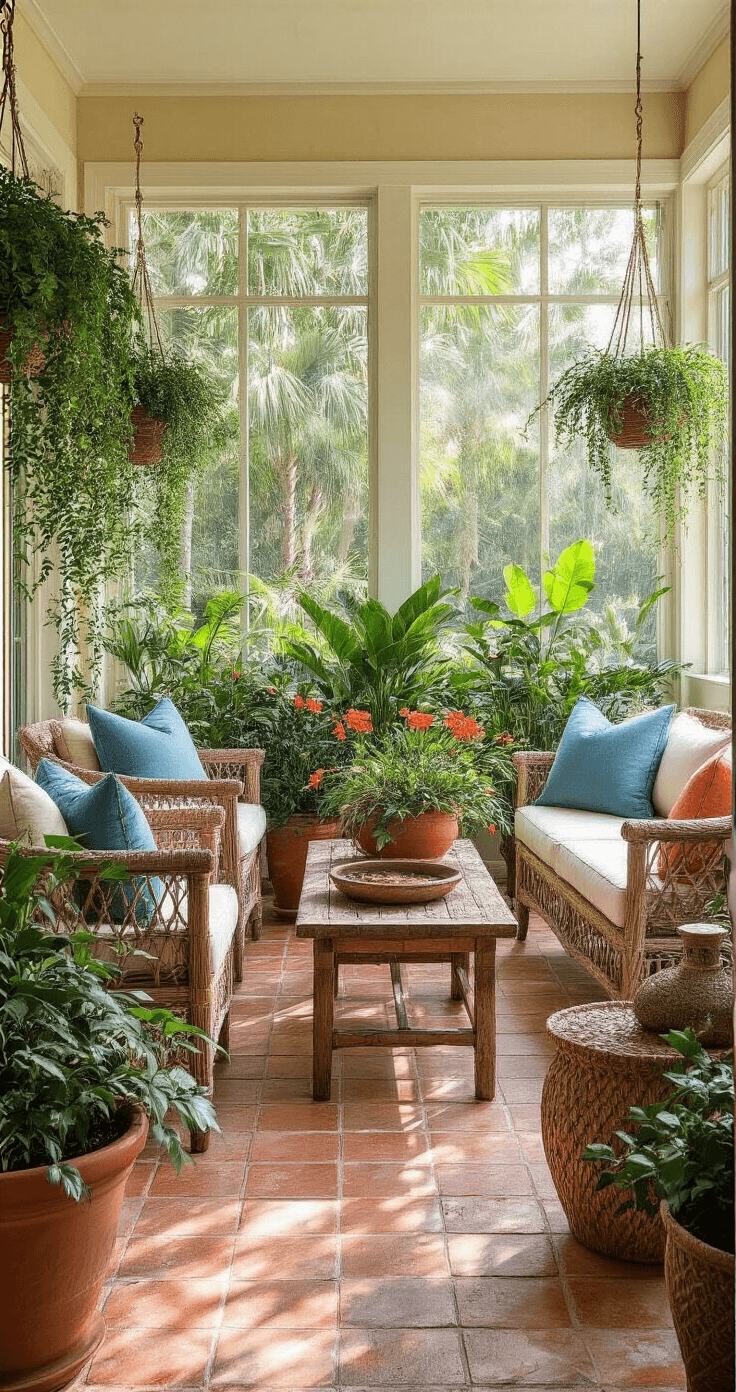
✎ Steal This Look
- Paint Color: Farrow & Ball Green Smoke 47
- Furniture: weathered teak Adirondack chairs with canvas cushions in terracotta
- Lighting: copper path lights with seeded glass shades
- Materials: crushed coquina shell, reclaimed cypress, raw limestone, woven seagrass
This is the yard that finally made sense to me after years of fighting St. Augustine grass—there’s something deeply satisfying about watching native bees discover your Muhly grass plumes for the first time.
Execution: Your Step-by-Step Native Landscape Guide
Prep Work
- Clear out invasive plants
- Amend soil for native species
- Plan your layout strategically
Layering Like a Design Pro
- Start with structural trees
- Add mid-layer shrubs and grasses
- Finish with mulch and subtle accessories
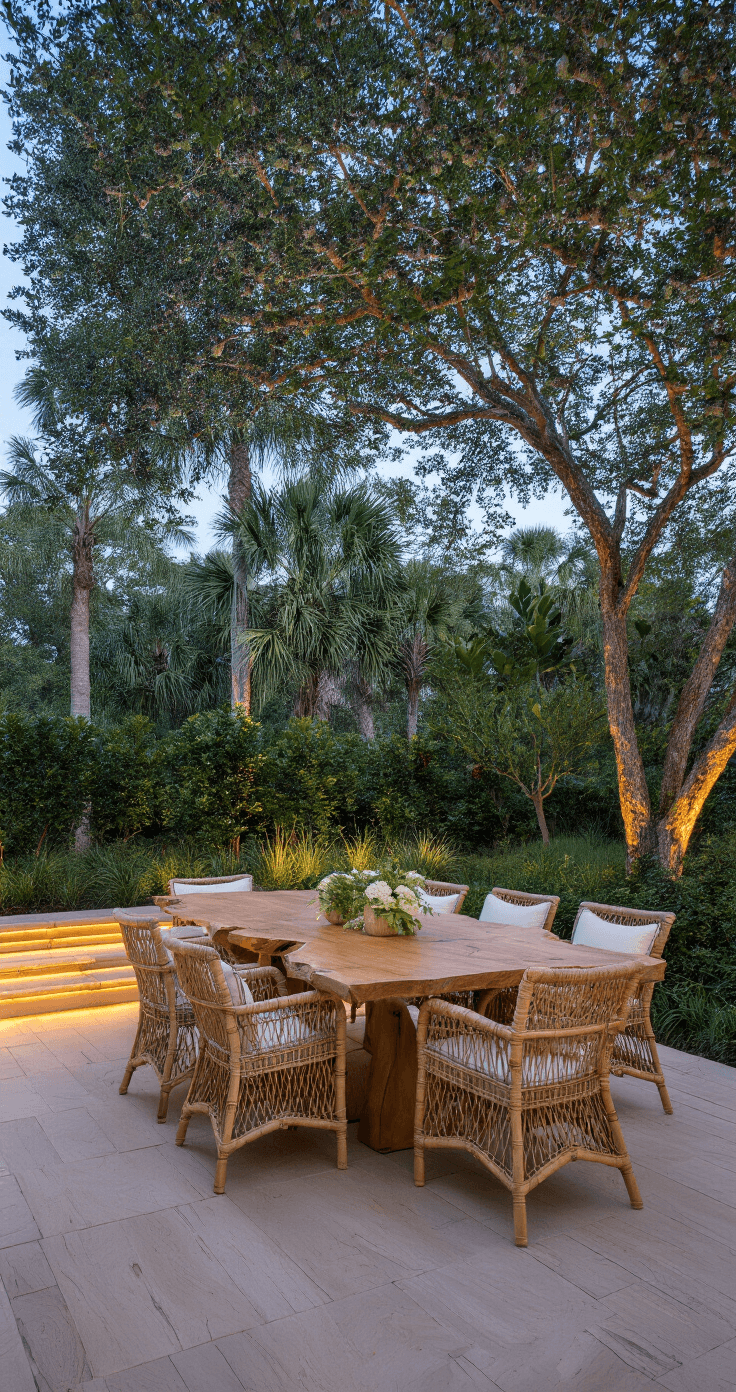
★ Steal This Look
- Paint Color: Behr Garden Wall S360-4
- Furniture: weathered teak Adirondack chair with slatted back for the garden seating nook
- Lighting: solar-powered copper path lights with warm 2700K LED output
- Materials: crushed shell pathways, pine straw mulch, reclaimed Florida cypress edging, coquina stone accents
This is where patience pays off—your first year will look sparse, but by year three you’ll have a self-sustaining ecosystem that asks almost nothing of you while giving back butterflies, birds, and that unmistakable Florida morning light through saw palmetto fronds.
Save this article
Enter your email and we'll send it straight to your inbox.
Maintenance: Keep It Easy and Beautiful
Native plants are the low-maintenance champions of landscaping:
- Minimal watering
- Less fertilizer
- Virtually pest-resistant
- Year-round visual interest
Seasonal Updates
- Swap out seasonal flowering natives
- Propagate perennials
- Refresh mulch for a clean look
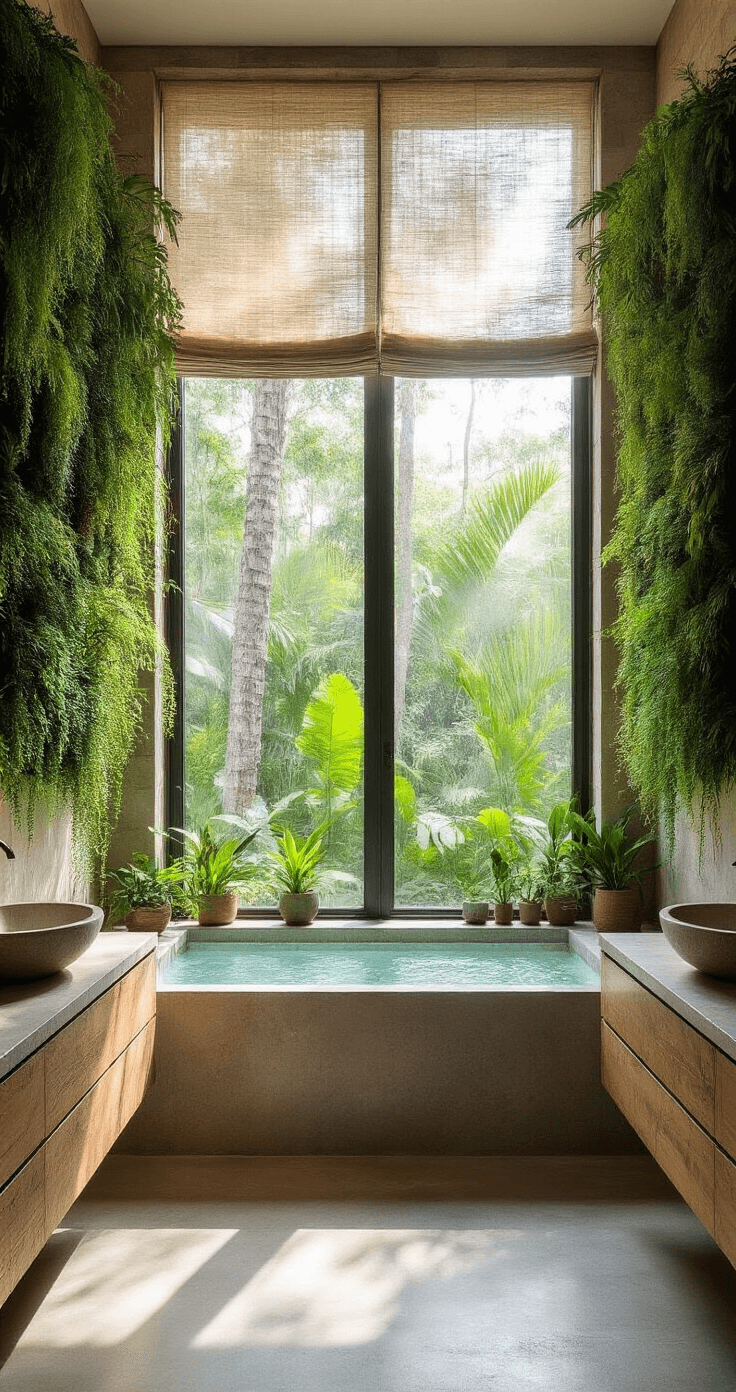
🏠 Steal This Look
- Paint Color: Valspar Garden Glade 6008-9C
- Furniture: weathered teak potting bench with galvanized steel top, positioned as a functional display station for seasonal container swaps
- Lighting: solar-powered LED path lights with warm 2700K output and automatic dusk-to-dawn sensors, spaced 6-8 feet along garden walkways
- Materials: natural pine straw mulch, crushed shell pathways, reclaimed cedar raised bed frames, and corten steel edging for defined, rusted borders
This is the Florida garden that actually respects your weekends—designed to look fuller and more alive the less you fuss with it, because the best landscapes are the ones you live in, not the ones that own you.
Pro Photography Tips
Want to show off your native landscape?
- Shoot in early morning or late afternoon
- Use low angles to capture plant canopies
- Focus on natural textures and colors
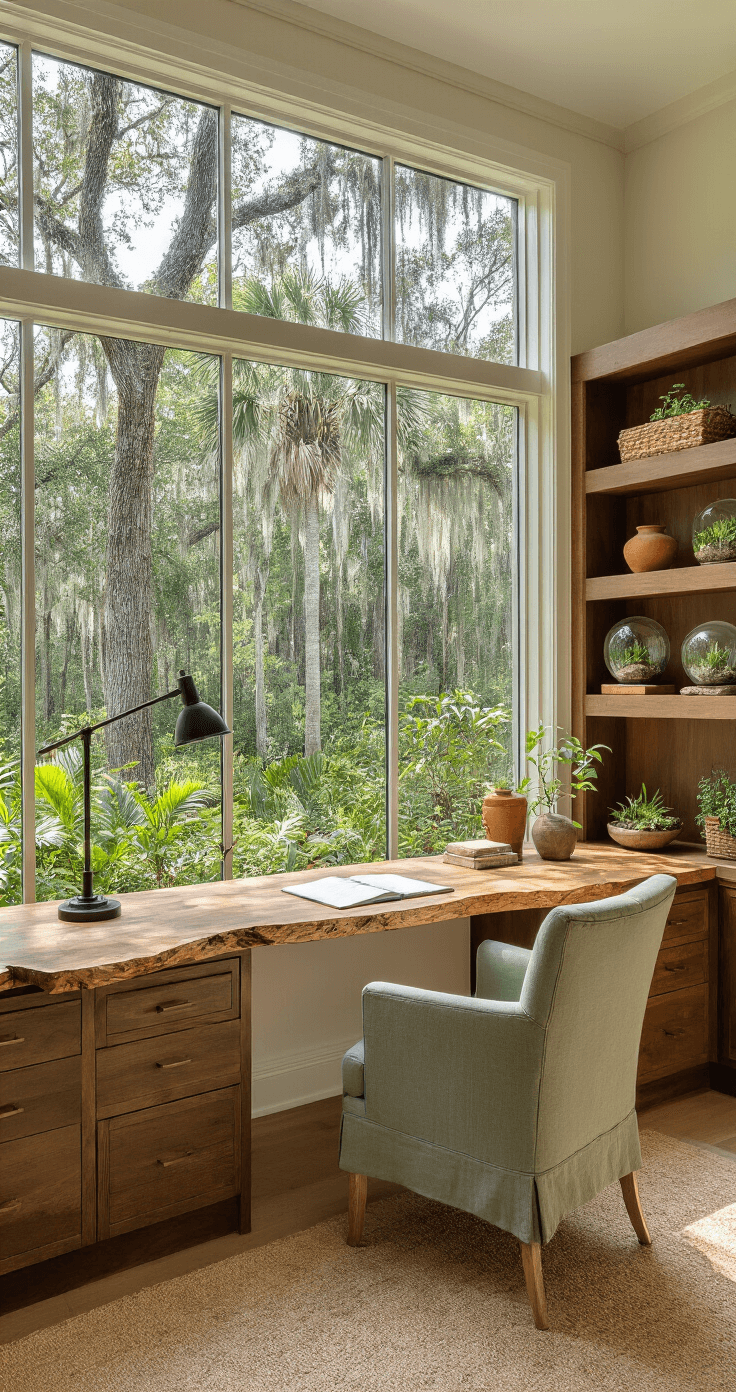
🖼 Steal This Look
- Paint Color: PPG Olive Court PPG1116-6
- Furniture: weathered teak outdoor bench positioned as a viewing perch for garden photography
- Lighting: adjustable solar-powered path lights with warm 2700K output for golden hour extension shots
- Materials: rough-cut coral stone edging, sea grape leaf mulch, crushed shell pathways
Your native landscape deserves better than phone snapshots from the driveway—treating it like a subject worth photographing trains your eye to notice what thrives, what needs editing, and what makes your piece of Florida genuinely yours.
Final Thoughts
Native Florida landscaping isn’t just a trend – it’s a lifestyle. You’re creating a sustainable, beautiful ecosystem that supports local wildlife and looks absolutely stunning.
Pro Tip: Connect with local plant societies for hyper-local guidance and plant recommendations.
Ready to transform your yard? Let’s make Florida landscaping magic happen! 🌴🌞🌿
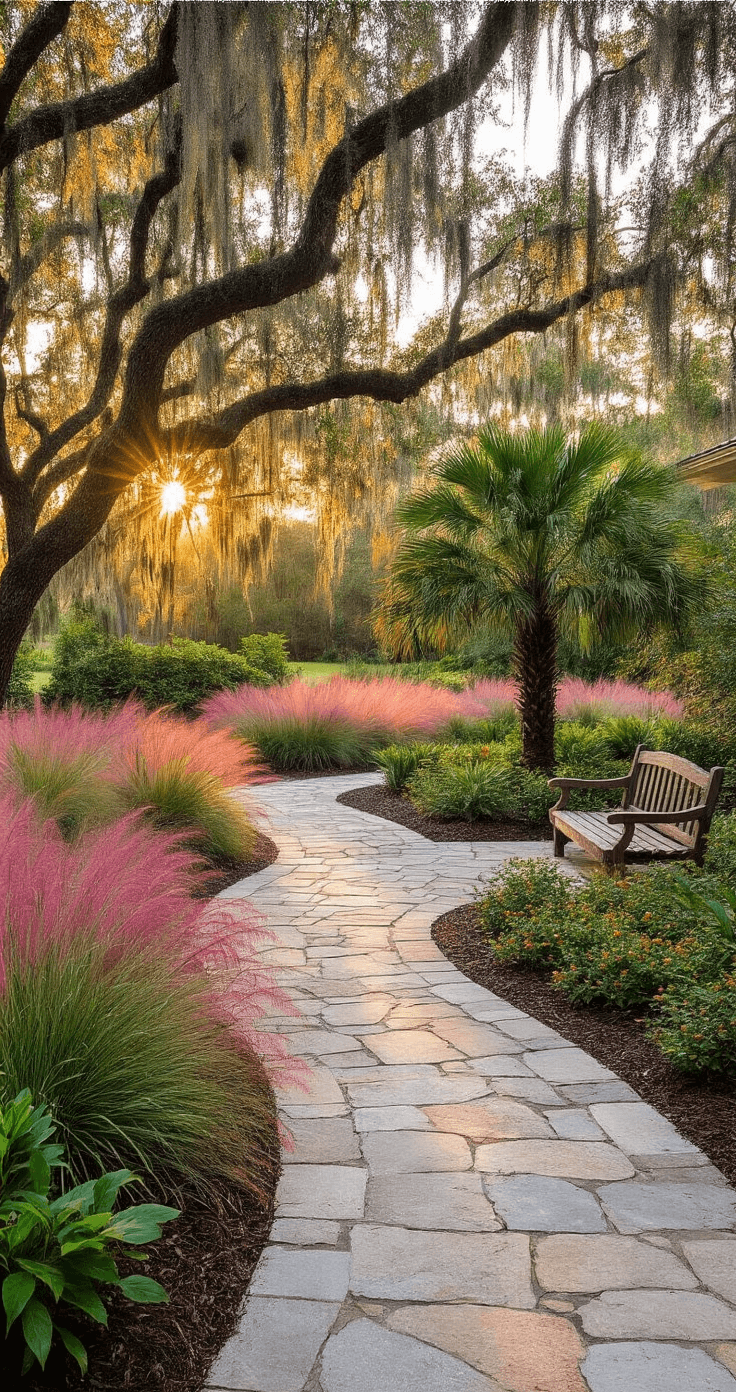
🏠 Steal This Look
- Paint Color: use Dunn-Edwards brand. Match the ACTUAL wall color in the image. Format: Dunn-Edwards ColorName CODE
- Furniture: weathered teak Adirondack chairs with Sunbrella canvas cushions in coral or seafoam
- Lighting: solar-powered copper path lights with amber LED warmth and hammered texture
- Materials: crushed shell pathways, reclaimed coral rock, native coquina, weathered cypress mulch, and salt-tolerant seagrass accents
There’s something deeply satisfying about watching a zebra swallowtail find your native pawpaw or hearing frogs return to a once-silent yard—you’re not just decorating, you’re restoring.
This post may contain affiliate links. Please see my disclosure policy for details.
Want to keep this one?
We'll email you the link so you can find it again later.