Everything You Need to Know About Florida Pools Before You Build or Buy
Florida pools come with strict safety regulations that every homeowner must follow, and ignoring them can cost you $500 in fines or even criminal charges.
I learned this the hard way when I moved to Tampa three years ago.
My neighbor mentioned something about pool fences at a barbecue, and I nodded along like I knew what she was talking about.
Turns out I didn’t know jack.
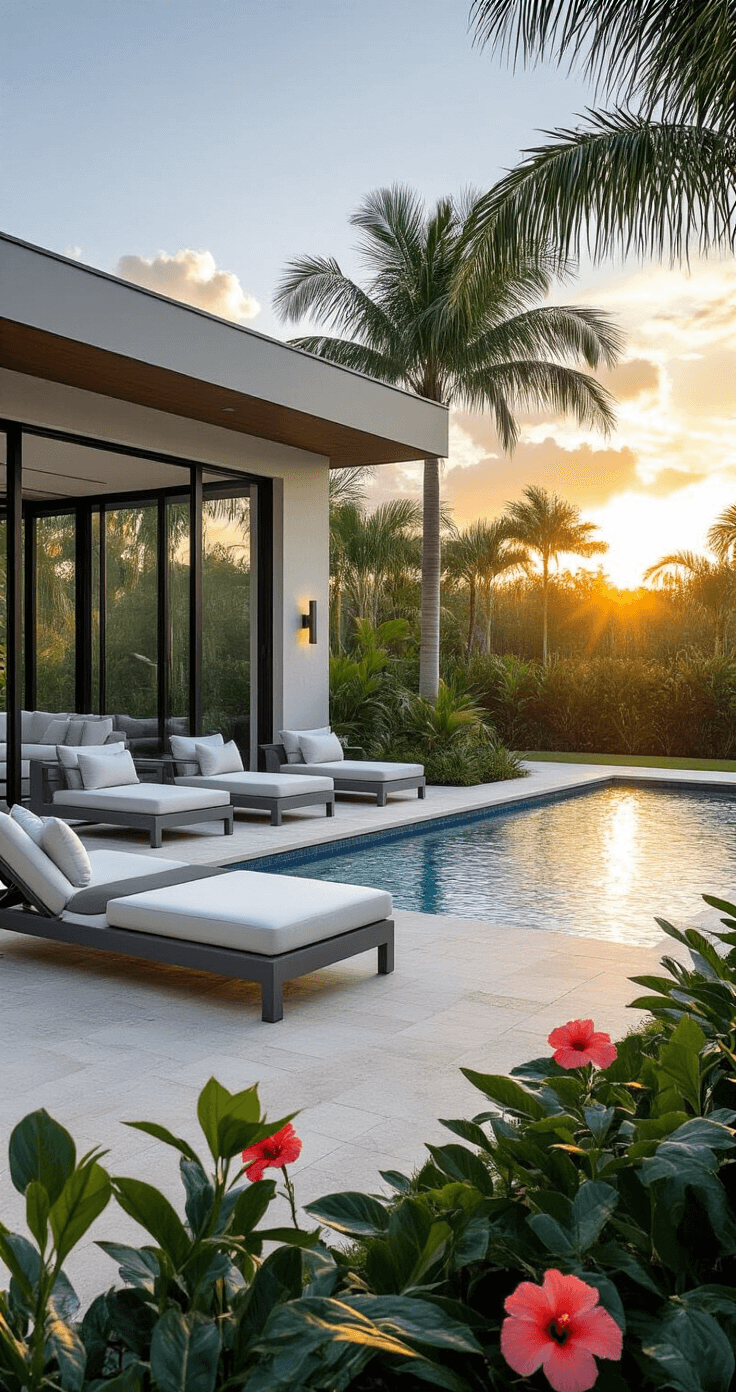
🌟 Steal This Look
- Paint Color: Sherwin-Williams Rainwashed SW 6211
- Furniture: weathered teak lounge chairs with quick-dry Sunbrella cushions in coral or turquoise, plus a powder-coated aluminum bar cart with coastal styling
- Lighting: low-voltage LED path lights with bronze finish and seeded glass shades, plus string lights with commercial-grade bulbs overhead
- Materials: travertine pool decking for cool-to-touch surface, coral stone accents, marine-grade stainless steel hardware, and salt-tolerant native landscaping
There’s something uniquely Floridian about the sound of a pool filter humming at dusk while palm fronds rustle overhead—this room becomes your family’s daily escape from the humidity, so invest in the details that make you actually want to live outside.
Why Florida Takes Pool Safety So Seriously (And You Should Too)
Let me be blunt about this.
Florida has one of the highest rates of childhood drowning in the country.
The state isn’t messing around when it comes to pool safety, and neither should you.
Since October 1, 2000, every single residential pool built in Florida must have at least one approved safety feature before you can legally use it.
No exceptions.
No “I’ll get to it eventually.”
You need it done before that final inspection, or you’re not filling that pool with water.
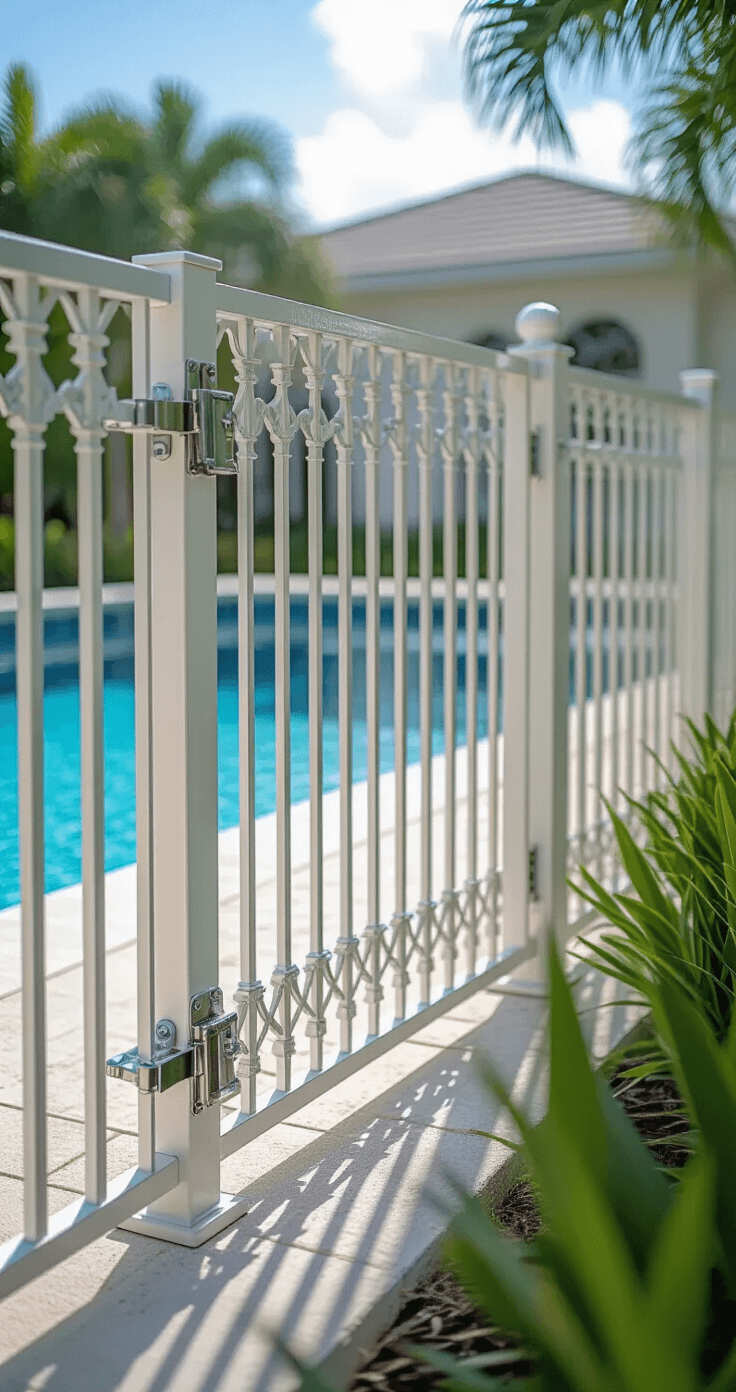
🏠 Steal This Look
- Paint Color: Benjamin Moore Calm OC-22
- Furniture: aluminum-framed outdoor lounge seating with Sunbrella cushions in navy or charcoal, positioned well away from pool edge
- Lighting: low-voltage LED path lighting with motion sensors along pool deck perimeter
- Materials: non-slip travertine pavers, powder-coated aluminum fencing, tempered glass pool barrier panels, marine-grade stainless steel hardware
I’ve walked too many Florida backyards where beautiful pools felt like accidents waiting to happen; the families who sleep soundest are the ones who built safety into their dream from day one.
The Four Safety Features You Can Choose From (Pick At Least One)
Here’s where Florida actually gives you some flexibility.
You don’t have to install all four safety measures, just one that meets their standards.
Your options:
- A proper pool fence or barrier around the entire perimeter
- An approved pool cover that’s professionally installed and prevents anyone from falling through
- Alarms on every door and window that leads to your pool area (and these need to scream at 85 decibels minimum)
- Self-closing, self-latching devices on all doors from your house to the pool, with the latch sitting at least 54 inches off the ground
Most people I know go with the fence.
It’s straightforward, it looks good, and you don’t have to worry about replacing batteries in pool door alarms or wrestling with pool safety covers every time you want to swim.
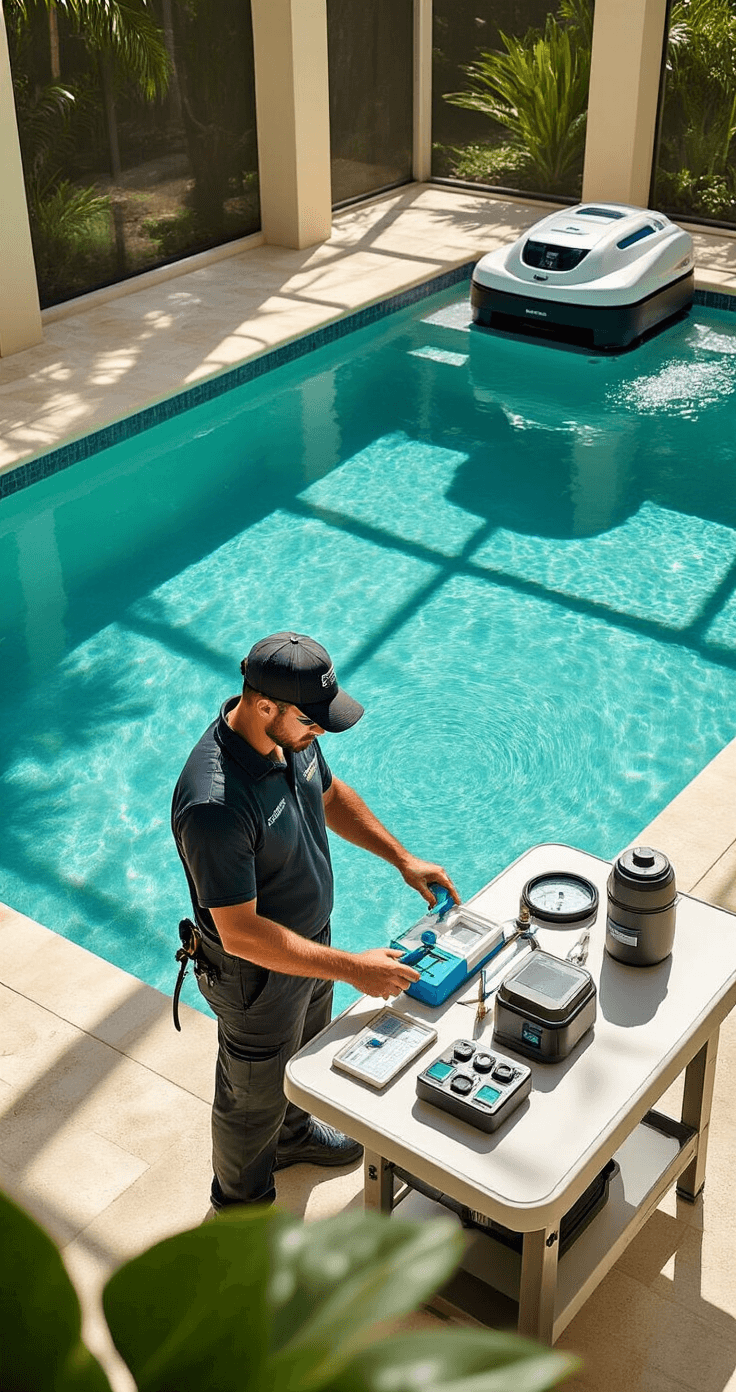
🏠 Steal This Look
- Paint Color: Farrow & Ball De Nimes No.299
- Furniture: weathered teak poolside storage bench with hidden compartment for safety equipment
- Lighting: marine-grade brass bulkhead sconces with frosted glass for perimeter fence posts
- Materials: powder-coated aluminum fencing in matte bronze, coral stone coping, salt-finished concrete decking
I’ve walked dozens of Florida pool inspections, and the families who sleep easiest are the ones who treated their safety feature as a design moment rather than a compliance headache—the fence becomes the room’s architecture.
Building a Pool Fence That Actually Meets Code
This is where people screw up constantly.
They think any old fence will do.
Wrong.
Your pool barrier needs to be:
- At least 4 feet tall measured from the outside
- Built without any gaps, holes, or footholds that a determined toddler could use
- Completely separate from your yard fence (unless your yard fence itself meets every single requirement)
- Equipped with self-closing, self-latching gates
- Designed so kids can’t reach over and unlatch it from the outside
I’ve seen gorgeous ornamental pool fences that looked amazing but failed inspection because the decorative scrollwork gave kids perfect climbing spots.
Don’t make that mistake.
Save this article
Enter your email and we'll send it straight to your inbox.
If you’re going with an above-ground pool, the pool walls can count as your barrier if they’re tall enough and you remove or secure the ladder when you’re not using it.
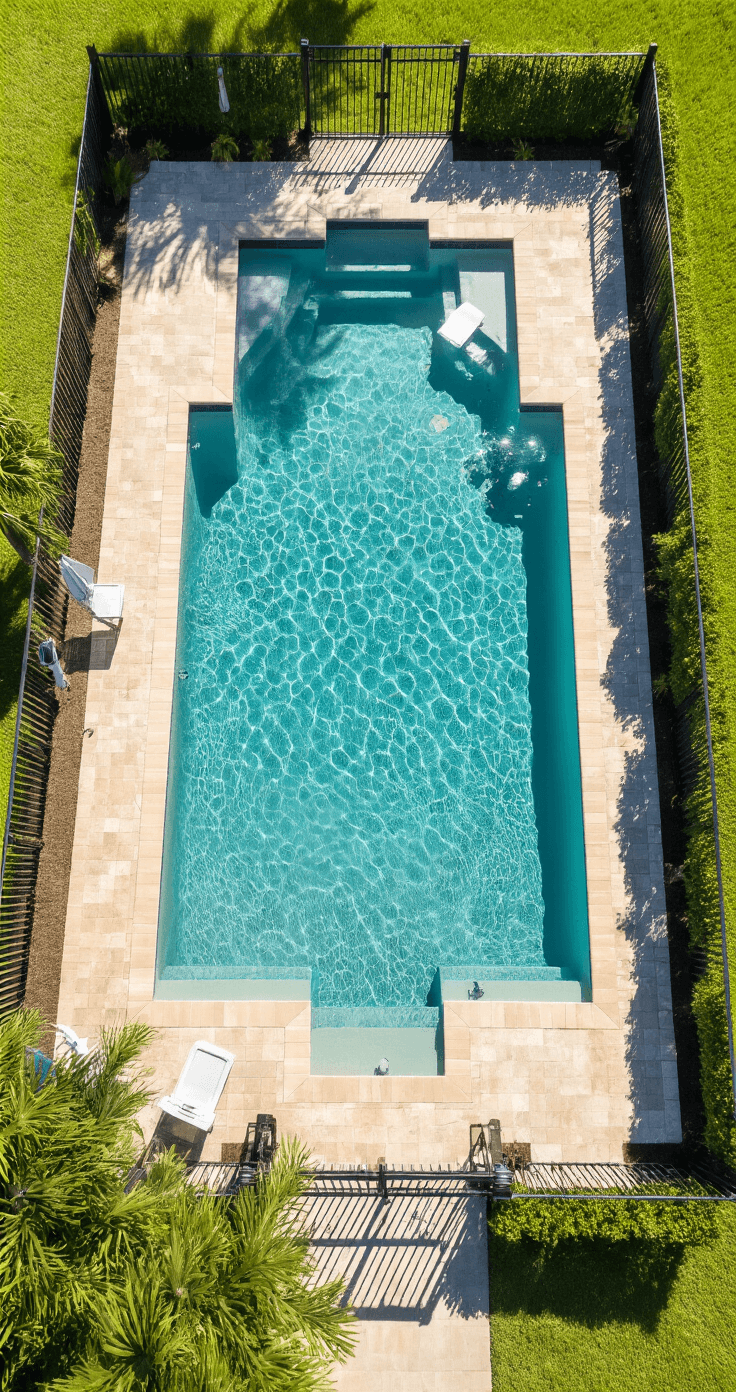
✎ Steal This Look
- Paint Color: Behr Black Mocha N140-7
- Furniture: weathered teak poolside storage bench with hydraulic lift lid for float and chemical storage
- Lighting: low-voltage LED bollard lights with frosted glass diffusers for pathway illumination without glare on water
- Materials: powder-coated aluminum vertical balusters, tempered glass panel inserts, marine-grade stainless steel hardware, composite post sleeves
I’ve walked too many Florida backyards where homeowners had to tear out $8,000 of custom ironwork because the inspector spotted climbable scrollwork—get your fence design pre-approved by your local building department before you spend a dime.
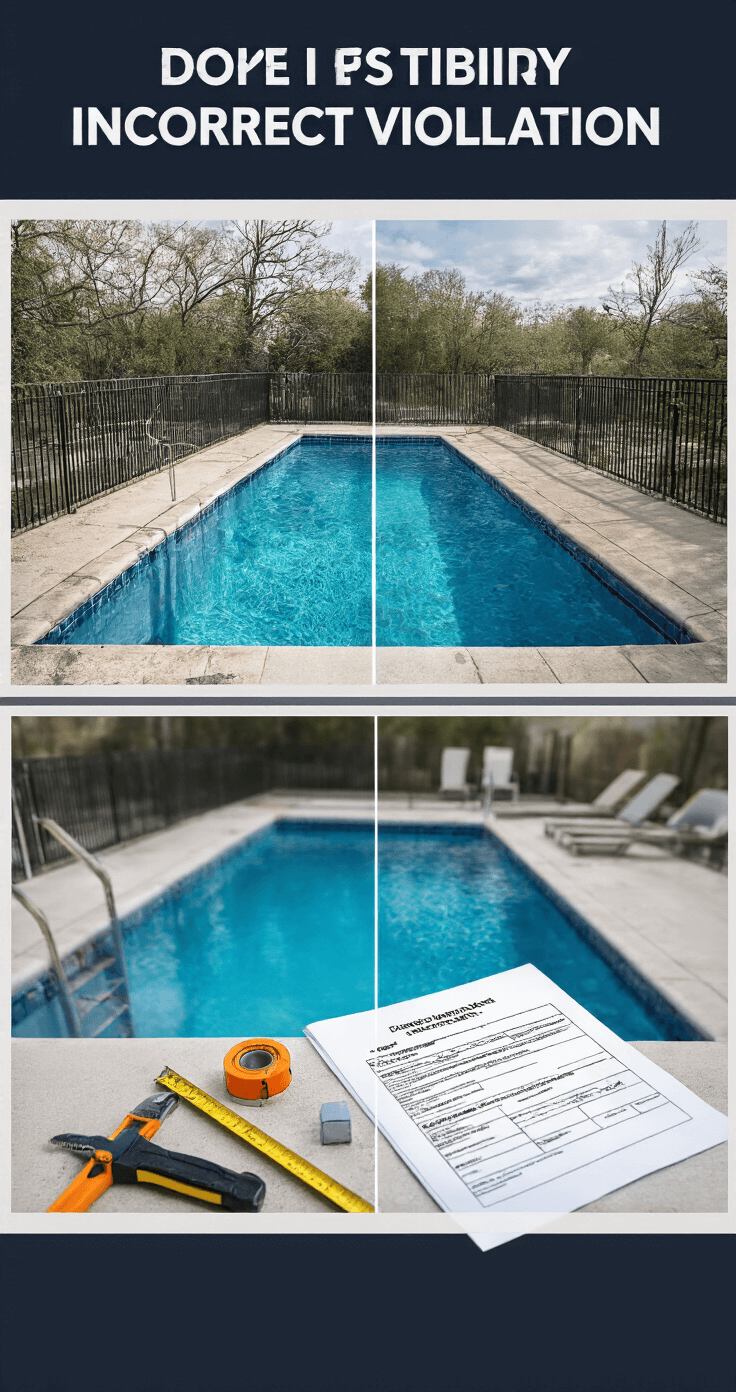
What Happens If You Skip the Safety Features
Florida doesn’t play games with this stuff.
Get caught without proper safety measures and you’re looking at:
- Up to $500 in fines
- A second-degree misdemeanor charge on your record
But here’s something most people don’t know.
Florida gives you a 45-day grace period to fix the problem after you get busted.
Install an approved safety feature and attend a drowning prevention education program within those 45 days, and they’ll dismiss the charges.
It’s still not worth the risk or the stress, but at least you get a second chance.
🏠 Steal This Look
- Paint Color: Valspar Cool Slate 5002-5B
- Furniture: lockable pool equipment storage cabinet in weathered teak finish
- Lighting: motion-activated LED flood lights with dusk-to-dawn sensors
- Materials: powder-coated aluminum fencing, tempered glass pool panels, non-slip porcelain pavers
Nobody plans for the worst-case scenario until it happens to someone they know, and in Florida’s year-round pool culture, that false sense of security can turn tragic fast—treat safety features as non-negotiable infrastructure, not afterthoughts.
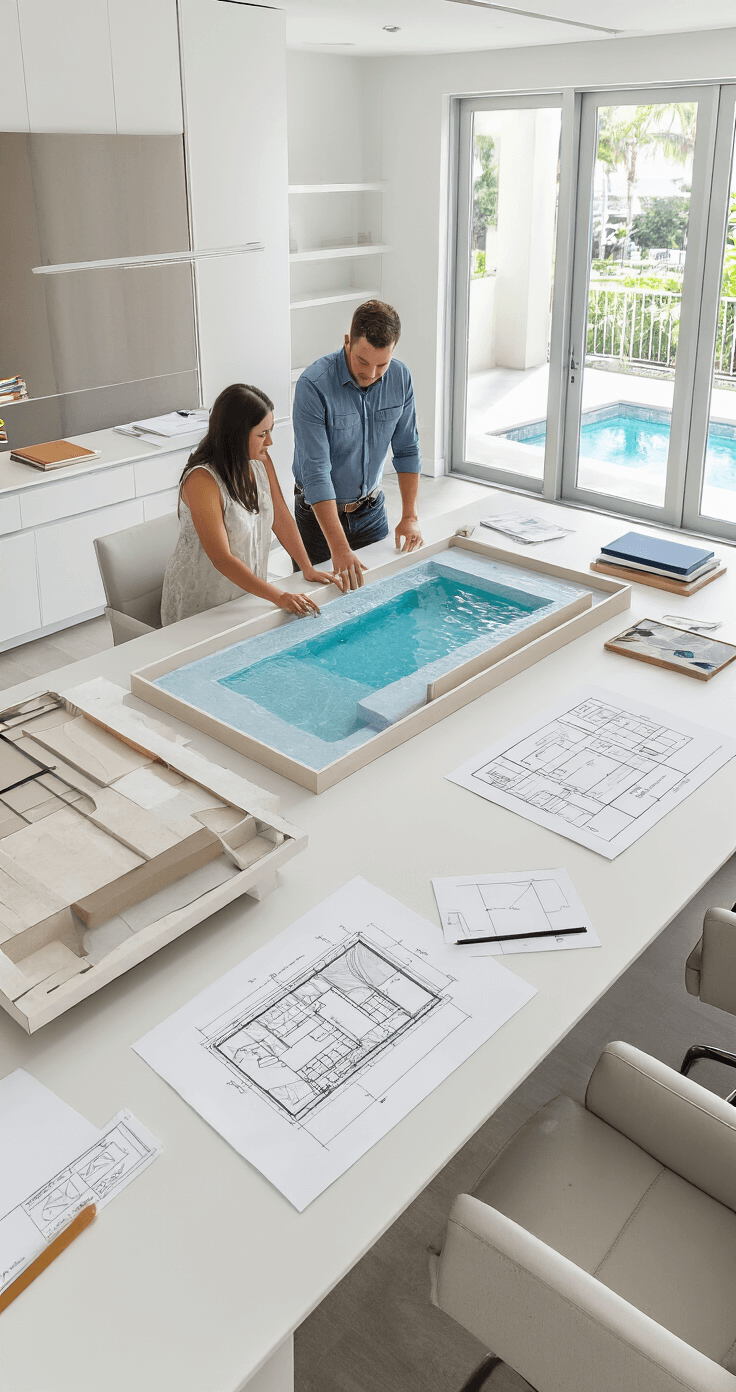
The Reality of Pool Maintenance in Florida’s Climate
Living with a Florida pool means dealing with Florida weather.
And let me tell you, this climate is brutal on pools.
The heat cranks up algae growth like you wouldn’t believe.
Afternoon thunderstorms dump debris into your pool faster than you can fish it out.
You’ll need:
- A quality pool skimmer that you’ll use daily (not weekly, daily)
- Reliable chlorine testing supplies
- A good automatic pool cleaner unless you enjoy spending hours every week on manual cleaning
- A relationship with a pool supply store or a subscription service
I started out thinking I’d save money by doing everything myself.
Three months later, I was spending so much time maintaining the thing that I barely had time to actually swim in it.
✎ Steal This Look
- Paint Color: PPG Cool Splash PPG1230-4
- Furniture: weather-resistant storage bench with built-in chemical storage compartment
- Lighting: solar-powered LED pool house sconces with motion sensors
- Materials: powder-coated aluminum, marine-grade stainless steel, UV-stabilized resin wicker, non-slip travertine pavers
This is the unglamorous truth nobody posts on Instagram: your pool becomes a second job unless you design the maintenance workflow into your space from day one.
If You’re Buying a House With an Existing Pool
Don’t assume the previous owner followed the rules.
Seriously.
During my house hunt, I saw pools that clearly didn’t meet current safety standards.
Before you close on a house with a pool, verify:
- The fence height and construction meet requirements
- Gates are self-closing and self-latching (test them yourself, don’t just look)
- If there’s no fence, what other approved safety feature is installed
- The pool equipment is actually functional
- The deck area is in good condition without major cracks or trip hazards
Your home inspector might catch some issues, but they’re not pool safety experts.
Consider hiring a pool-specific inspector if
This post may contain affiliate links. Please see my disclosure policy for details.
Want to keep this one?
We'll email you the link so you can find it again later.