Florida’s Native Trees: A Comprehensive Guide to the Sunshine State’s Natural Landscape
Living in Florida means being surrounded by an incredible diversity of native trees that tell a story of resilience, beauty, and ecological importance.
🖼 Steal This Look
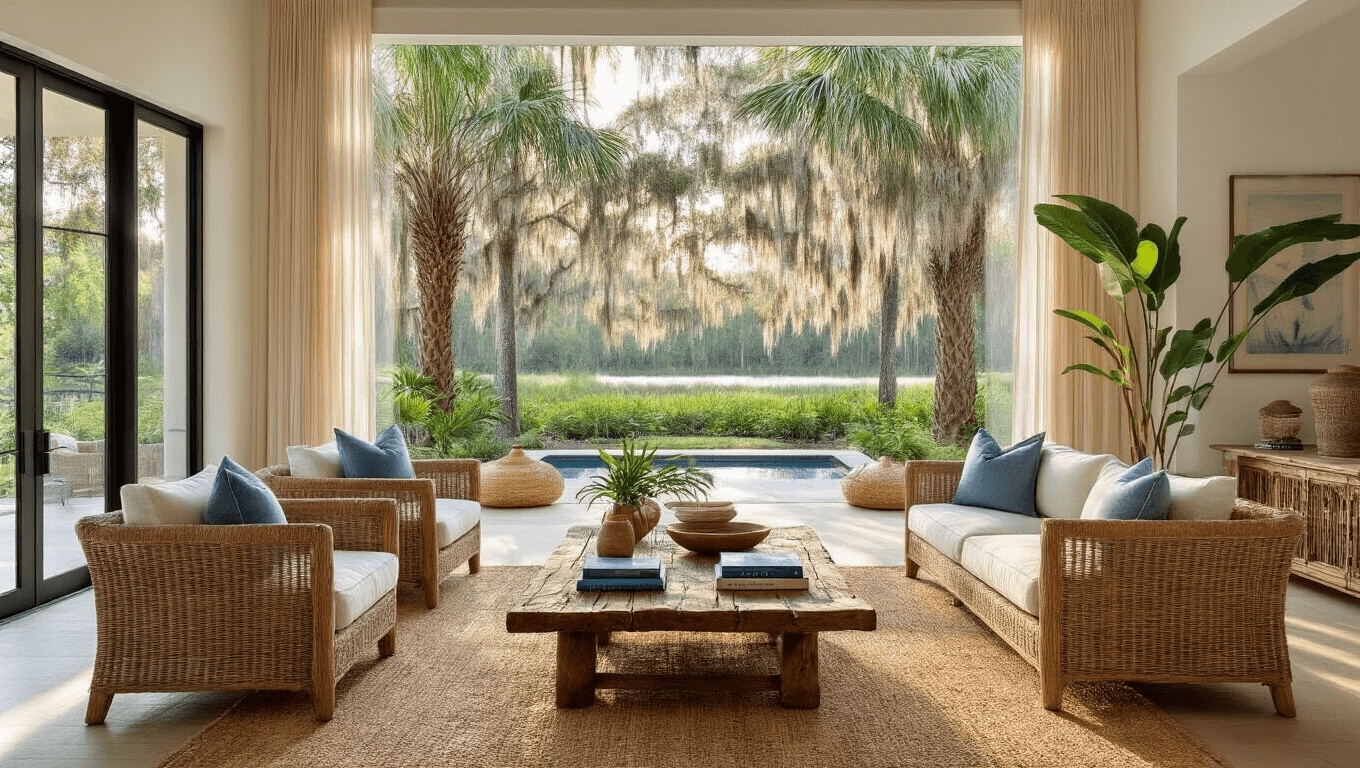
- Paint Color: Sherwin-Williams Palm Leaf SW 7735
- Furniture: weathered teak outdoor sofa with deep olive cushions, live-edge cypress coffee table
- Lighting: oversized rattan pendant with warm LED Edison bulb
- Materials: natural woven seagrass, reclaimed heart pine, unglazed terracotta, raw linen
There’s something grounding about waking up to the same live oak canopy in your living room that you see on your morning walk—it’s not just decor, it’s a daily reminder of where you actually live.
Why Native Trees Matter in Florida
Florida’s landscape isn’t just about sunshine and beaches. It’s a living ecosystem where native trees play a crucial role. These plants aren’t just pretty – they’re survivors.
Key Benefits of Native Trees
- Hurricane Resistance: They’ve evolved to withstand brutal storms
- Wildlife Havens: Provide shelter and food for local animals
- Low Maintenance: Naturally adapted to Florida’s challenging conditions
- Water Conservation: Require minimal irrigation once established
💡 Steal This Look
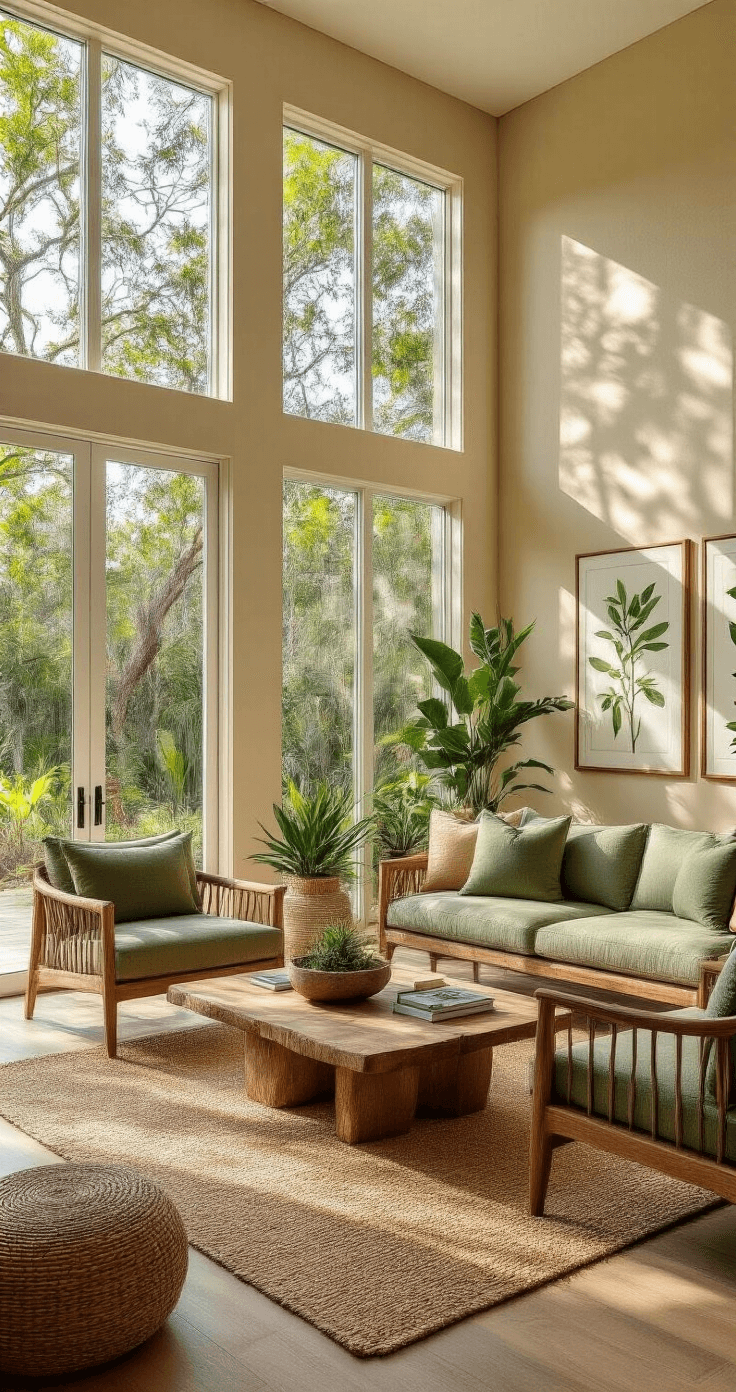
- Paint Color: Benjamin Moore Pale Oak OC-20
- Furniture: reclaimed cypress wood console table with live edge detail
- Lighting: rattan pendant with handwoven abaca fiber shade
- Materials: natural limestone, weathered teak, hand-thrown terracotta, sea grass textiles
There’s something deeply grounding about waking up to greenery that actually belongs here—native trees don’t just survive Florida’s quirks, they celebrate them, and your home should too.
Top Native Trees Every Floridian Should Know
1. Sabal Palm (Cabbage Palmetto)
The rockstar of Florida trees. Our state tree stands tall and proud, laughing in the face of salt spray and hurricane winds.
Pro Tip: Plant a Sabal Palm for instant Florida landscape cred!
2. Live Oak
These majestic trees are the granddaddies of the Florida landscape. Imagine branches draped in Spanish moss, creating natural cathedrals of green.
3. Bald Cypress
Swamp royalty. These trees literally grow knees – weird root structures that poke out of wet ground like nature’s weird sculpture garden.
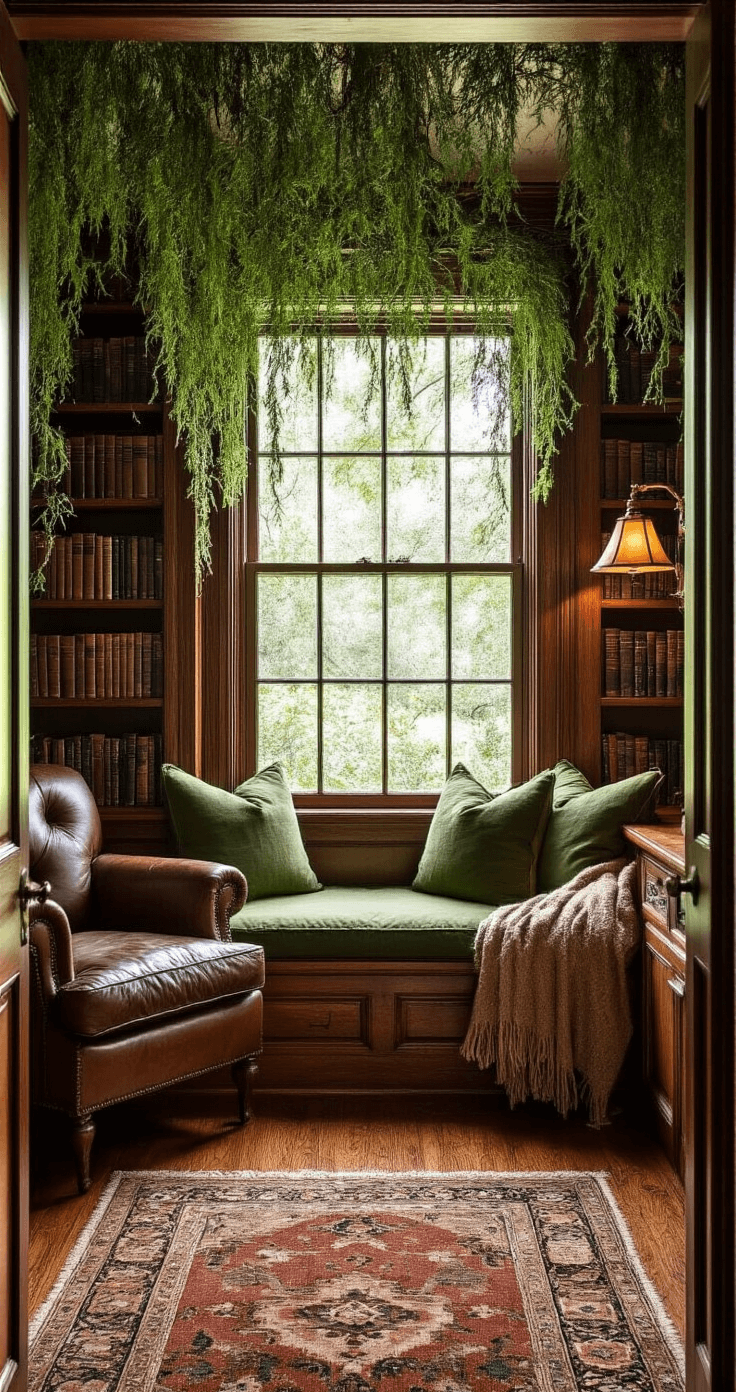
💡 Steal This Look
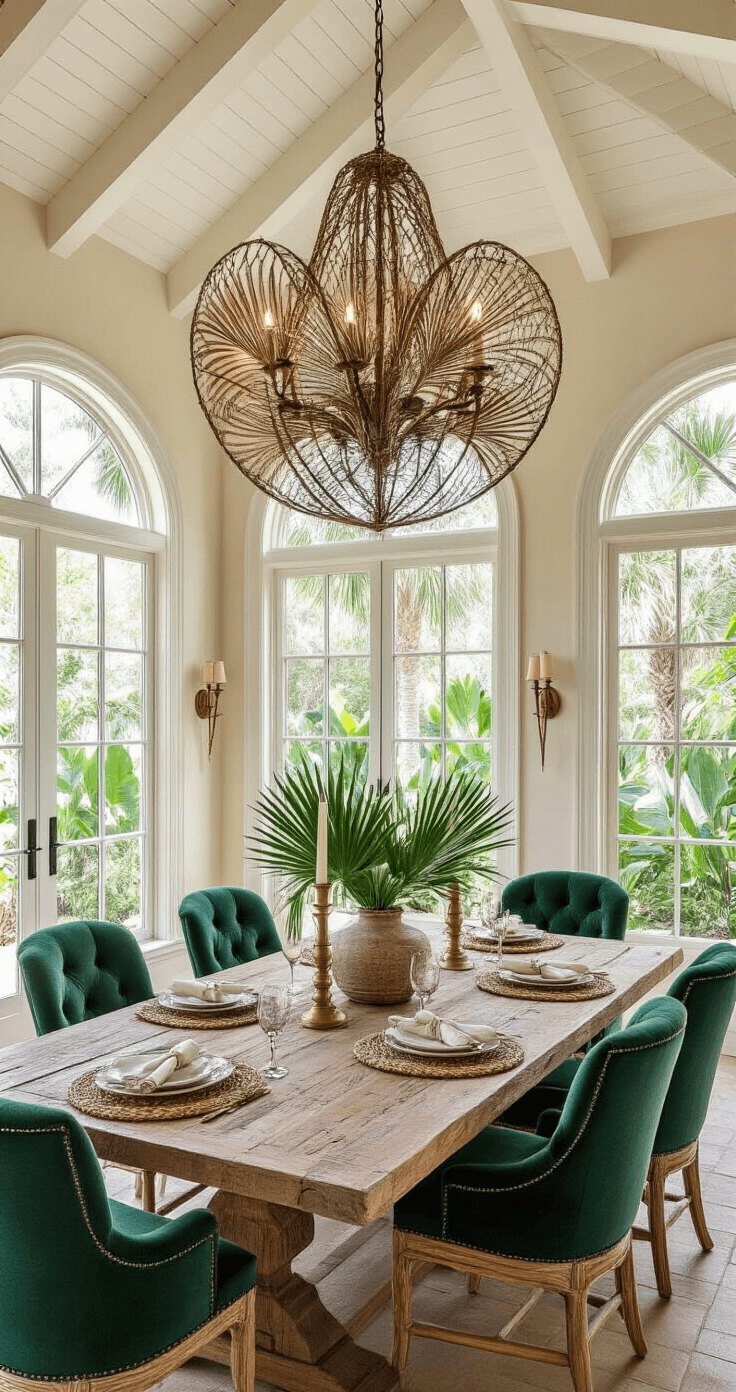
- Paint Color: Farrow & Ball Green Smoke 47
- Furniture: weathered teak Adirondack chair with wide slats
- Lighting: oversized rattan pendant with visible Edison bulb
- Materials: raw edge cypress wood, handwoven sea grass, unglazed terracotta, reclaimed driftwood
There’s something deeply grounding about designing around trees that have weathered centuries of hurricanes; your room should feel like it could survive anything too.
Regional Tree Superstars
North Florida Champions
- Hickory
- Elm
- Maple
- Various Oak Species
South Florida Specials
- Gumbo Limbo (The “Tourist Tree” with red, peeling bark)
- Wild Tamarind
- Firebush
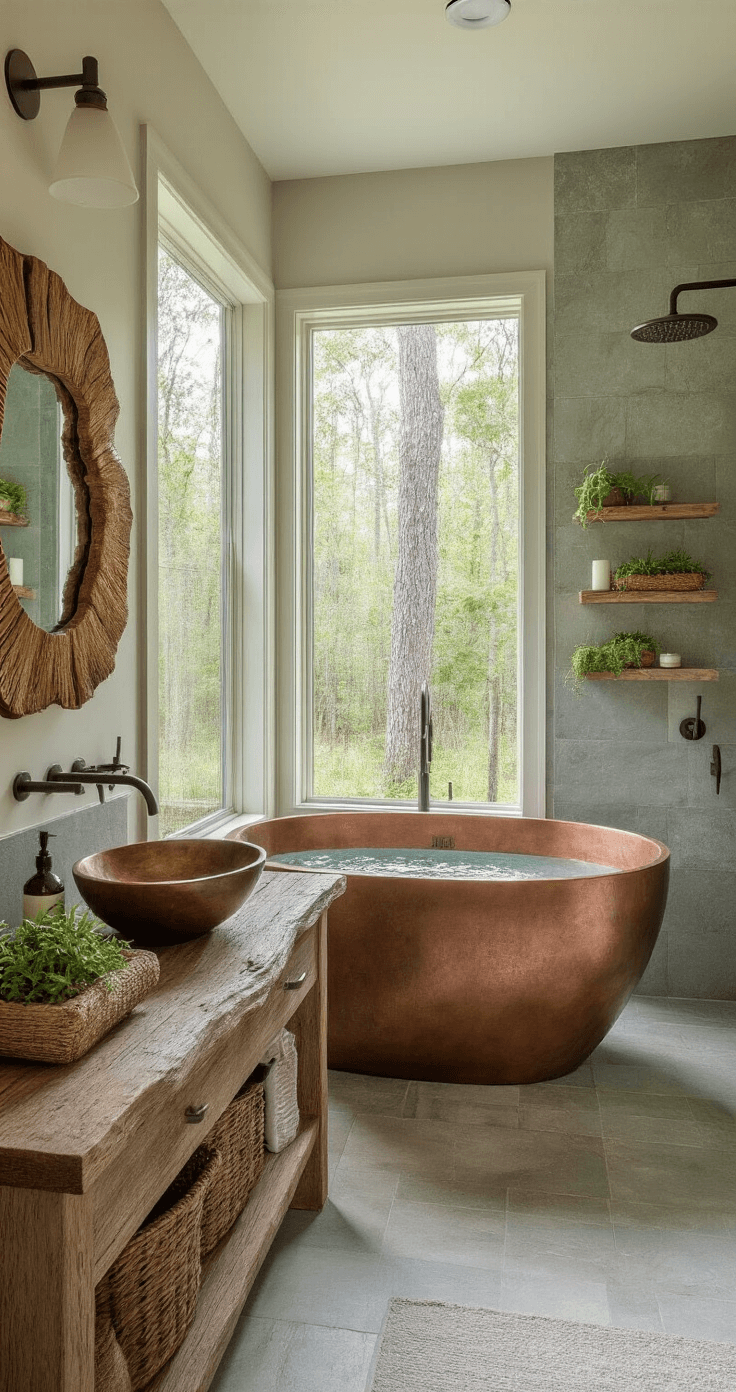
✎ Steal This Look
- Paint Color: Behr Gumbo Green S390-6
- Furniture: live-edge dining table with natural hickory grain, woven rattan bar stools with mango wood frames
- Lighting: oversized woven pendant in natural abaca fiber with warm Edison bulbs
- Materials: peeling bark-inspired textured wallpaper, terracotta clay tiles, unfinished cypress ceiling beams, hammered copper accents
There’s something grounding about walking into a room that whispers of the trees you’ve actually driven past on A1A or shaded under on a Panhandle hike—it turns a house into a rooted, particular place rather than anywhere coastal.
Planting Tips for Success
Consider Your Specific Location
- Coastal Areas: Salt-tolerant species like Eastern Red Cedar
- Wetlands: Bald Cypress and Pond Cypress
- Urban Landscapes: Tough guys like Shumard Oak
Soil and Sunlight Matter
Not all trees are created equal. A tree that thrives in North Florida might struggle in the sandy soils of the Keys.
Save this article
Enter your email and we'll send it straight to your inbox.
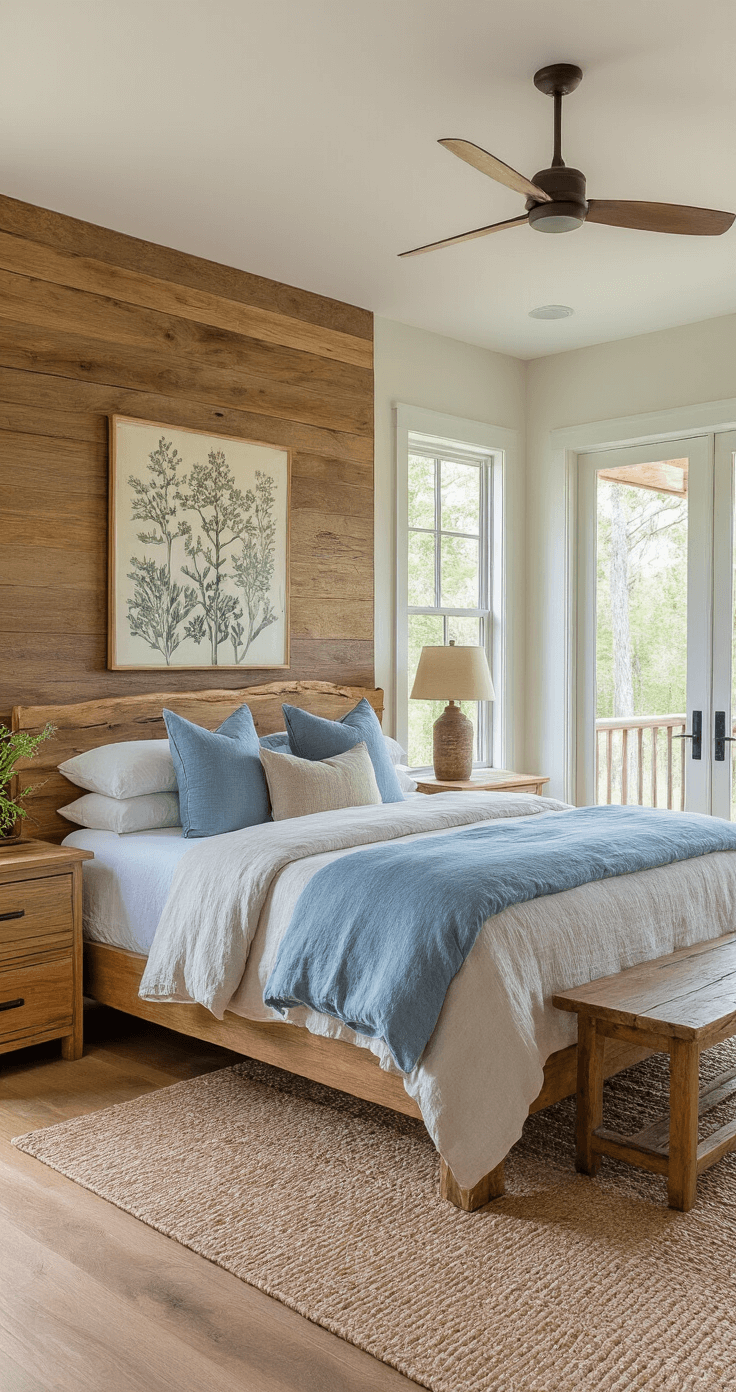
💡 Steal This Look
- Paint Color: Valspar Garden Spot 5006-8B
- Furniture: weathered teak potting bench with galvanized steel top for workspace durability
- Lighting: Galvanized steel gooseneck barn light with motion sensor for dawn and dusk garden sessions
- Materials: raw cedar for raised beds, crushed shell pathways, marine-grade hardware for coastal humidity resistance
There’s something deeply satisfying about watching a tree you planted against all advice become the neighborhood’s favorite shade spot ten years later.
🔔 Get The Look
Endangered and Rare Gems
Florida Torreya
The unicorn of Florida trees. Extremely rare and found only in the Panhandle, this ancient species is like the botanical equivalent of a limited-edition sneaker.
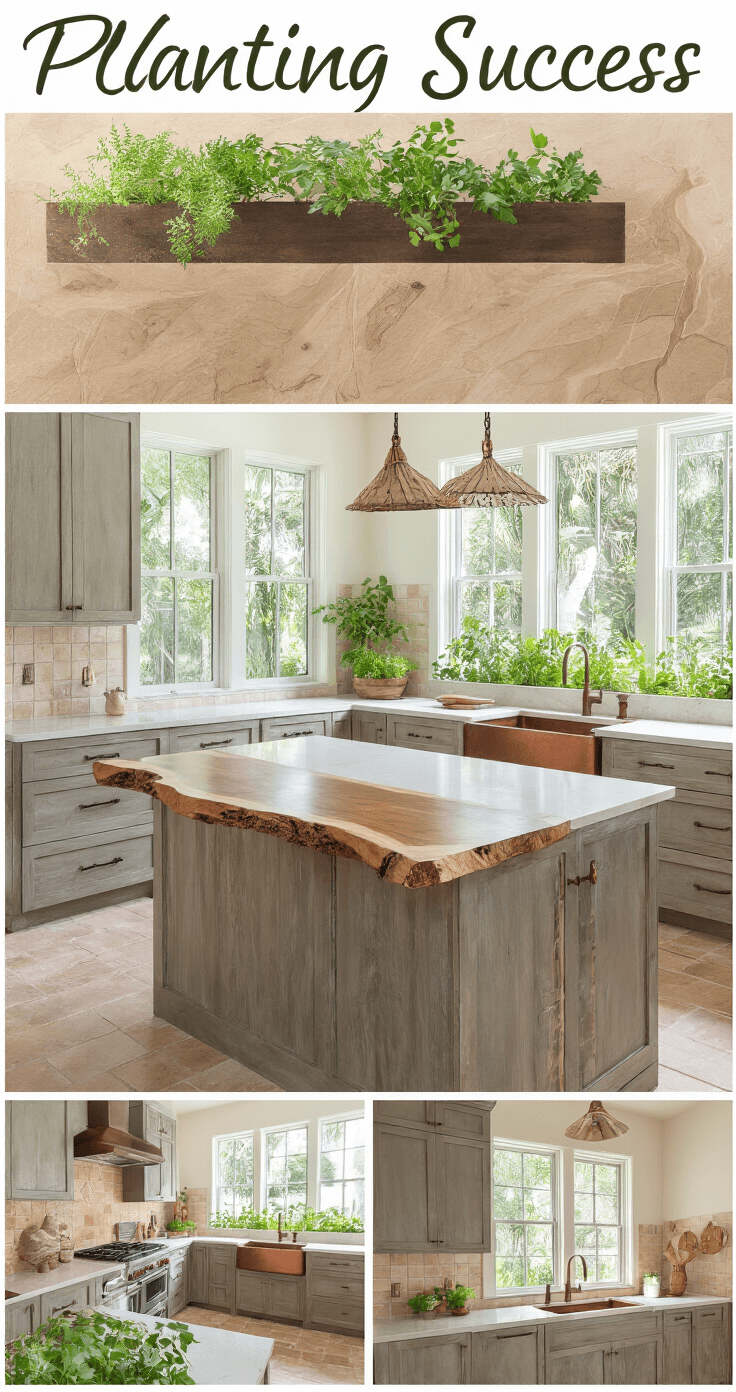
🎨 Steal This Look
- Paint Color: PPG Florida Foliage PPG1130-5
- Furniture: reclaimed cypress console table with live edge
- Lighting: brass arc floor lamp with linen drum shade
- Materials: raw edge wood, aged brass, hand-thrown ceramics, botanical pressings in float frames
This is the room for the collector who found their grandmother’s pressed fern collection and understood immediately—someone who wants their home to whisper stories of survival and scarcity rather than shout abundance.
Ecological Impact
Native trees aren’t just decorative – they’re critical infrastructure for Florida’s ecosystem:
- Provide habitat for wildlife
- Prevent soil erosion
- Support local pollinators
- Maintain biodiversity
Pro Maintenance Tip
Use a quality tree fertilizer specifically designed for native Florida species.
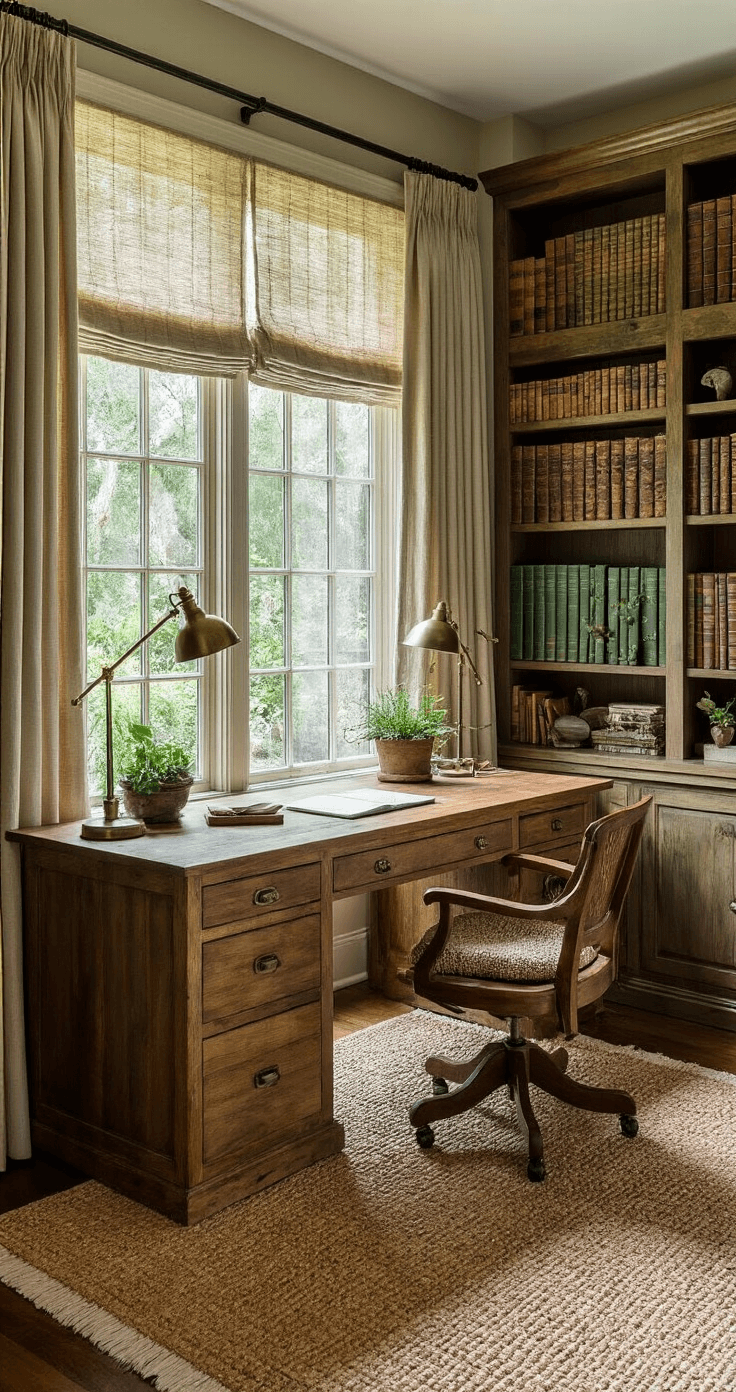
🌟 Steal This Look
- Paint Color: Dunn-Edwards Desert Sage DET 463
- Furniture: live-edge acacia wood console table with natural bark edges
- Lighting: rattan pendant with woven jute cord and warm Edison bulb
- Materials: unfinished teak, raw linen, terracotta, river stone, reclaimed barn wood
There’s something grounding about walking into a room that mirrors the actual trees outside your window—this approach lets your home breathe with the same rhythm as the scrubland or hammock ecosystem you live in.
Recommended Resources
- Florida Native Plant Society
- University of Florida IFAS Extension
- Local County Extension Offices
Final Thoughts
Choosing native trees isn’t just landscaping – it’s an investment in Florida’s natural heritage. Every native tree planting kit is a love letter to this incredible state.
Remember: The right tree in the right place can transform your landscape from basic to breathtaking.
Bonus Tip: Want to go the extra mile? Consider a native tree identification guide to become a true Florida tree expert!
This post may contain affiliate links. Please see my disclosure policy for details.
Want to keep this one?
We'll email you the link so you can find it again later.