

Florida Native Wildflowers: Your Ultimate Guide to Vibrant, Low-Maintenance Gardens
Contents
- Florida Native Wildflowers: Your Ultimate Guide to Vibrant, Low-Maintenance Gardens
- Why Native Wildflowers are a Game-Changer
- Top Native Wildflowers for Every Season
- Pro Styling Tips for Maximum Impact
- Regional Planting Guide
- Maintenance Made Easy
- Budget-Friendly Evolution
- Pollinator Paradise Bonus
- Photography & Sharing Tips
- Final Thoughts
Florida’s native wildflowers are nature’s secret weapon for creating stunning, ecological landscapes that burst with color and life. I’ve spent years cultivating these incredible plants, and I’m excited to share how you can transform your outdoor space into a vibrant, pollinator-friendly paradise.

Why Native Wildflowers are a Game-Changer
Let’s be real – gardening can be tough. But native wildflowers? They’re the superheroes of the plant world. These tough-as-nails beauties:
- Thrive in Florida’s challenging climate
- Attract beneficial pollinators
- Require minimal maintenance
- Provide year-round visual interest
- Support local ecosystems
Top Native Wildflowers for Every Season
Spring Showstoppers
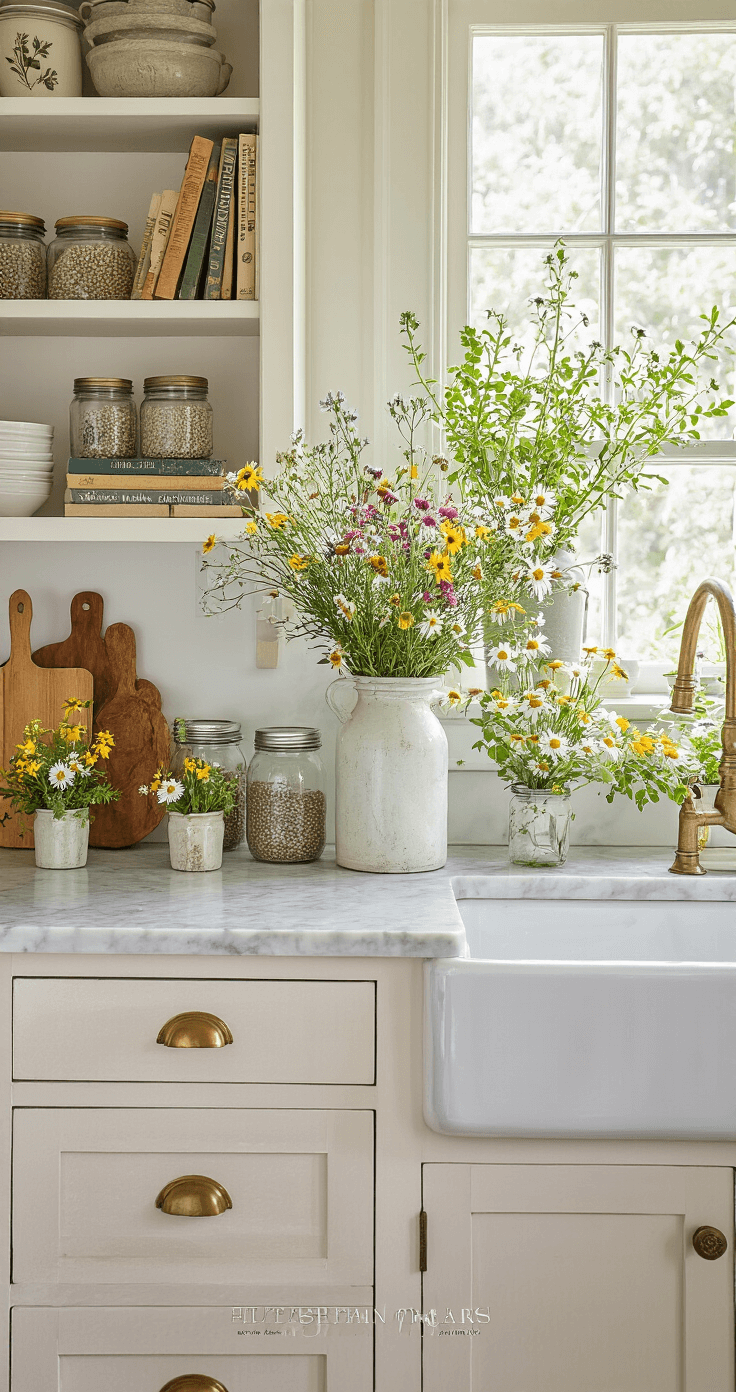
Coreopsis (Tickseed): The rock star of Florida wildflowers! These bright yellow flowers literally paint the landscape with sunshine.
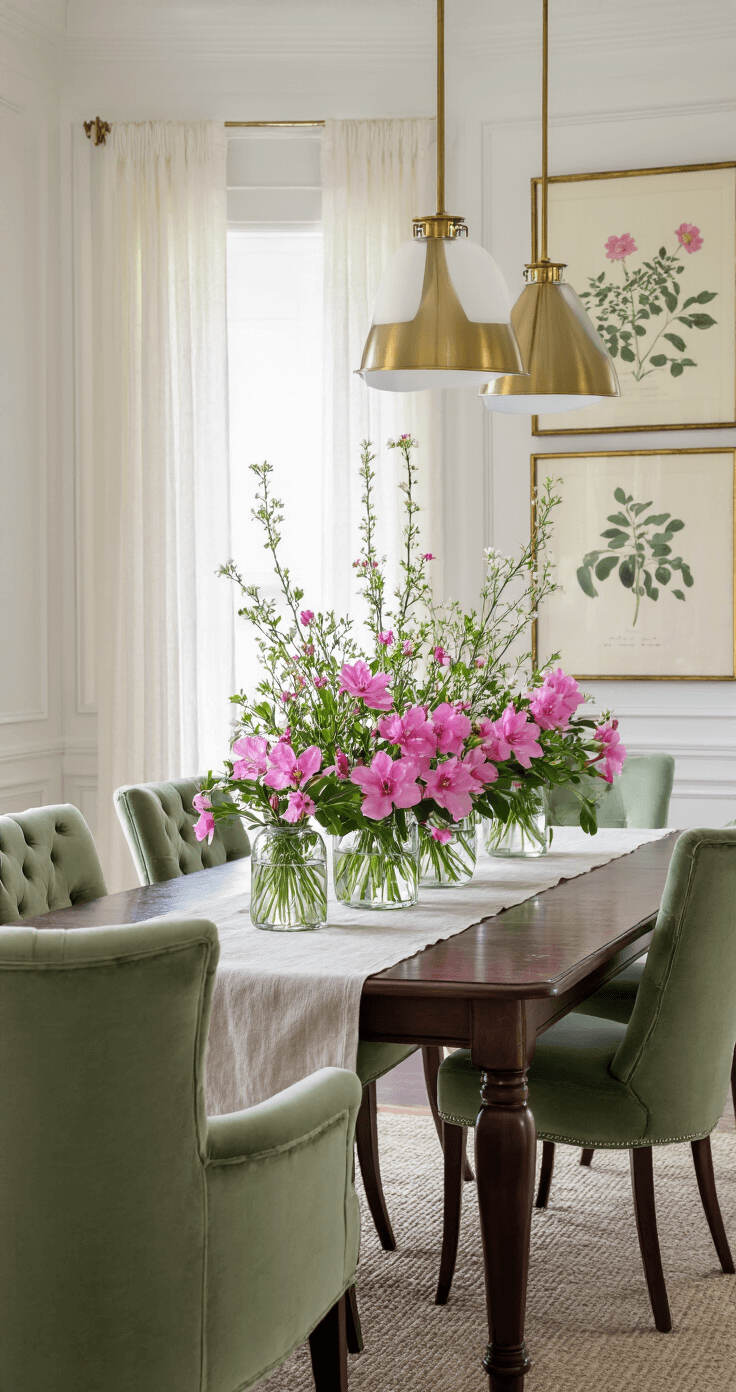
Native Azalea: Imagine soft pink blooms that make hummingbirds do a happy dance. That’s this plant in a nutshell.
Summer Heat Champions
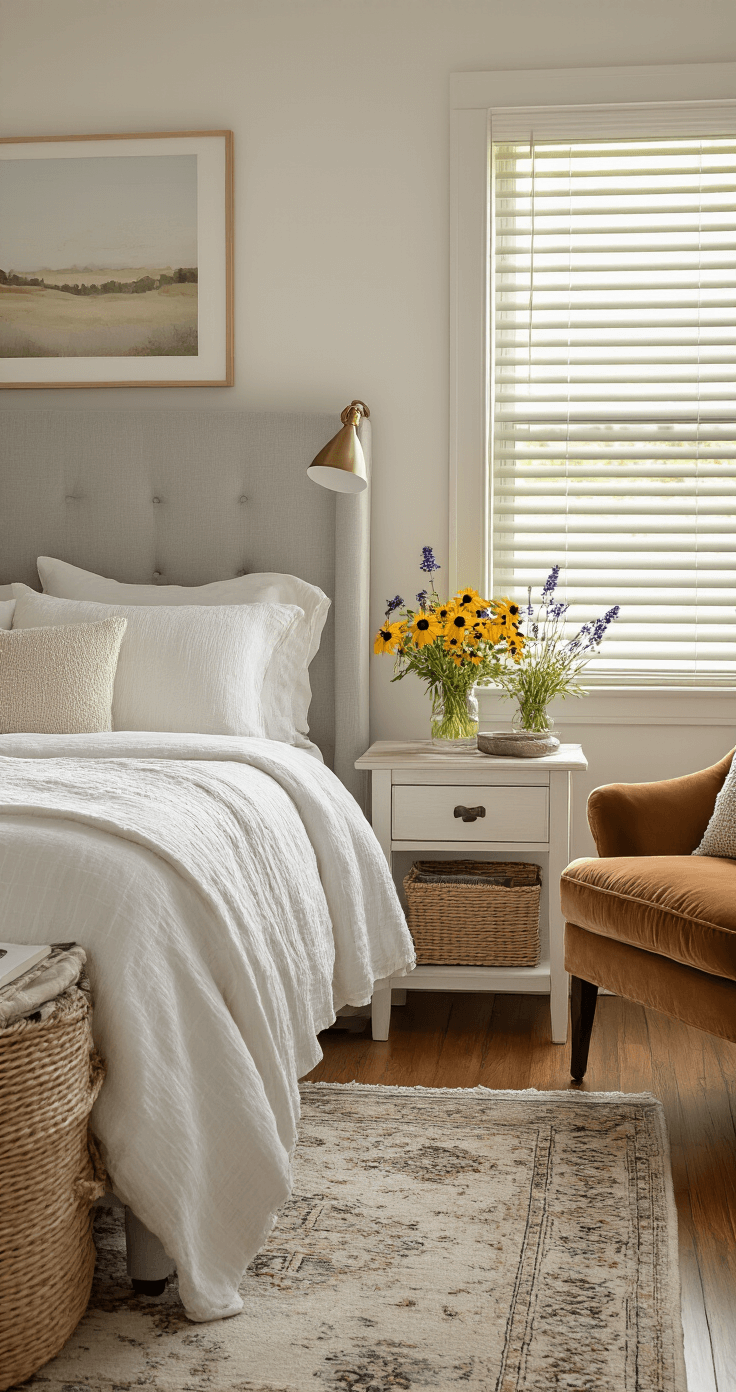
Black-eyed Susan: The ultimate survivor. These drought-tolerant beauties laugh in the face of Florida’s scorching summers.
Salvia coccinea: A pollinator magnet that keeps your garden buzzing with life.
Fall & Winter Gems
Elliott’s Aster: When other plants are calling it quits, this lavender wonder keeps the party going.
Blazing Star: Imagine bottlebrush-shaped flowers that butterflies can’t resist.
Pro Styling Tips for Maximum Impact
Design Like a Pro
- Create layers: Ground covers → Mid-height bloomers → Tall specimens
- Mix textures and heights for visual drama
- Use native mulch to keep things looking natural
Color Coordination Secrets
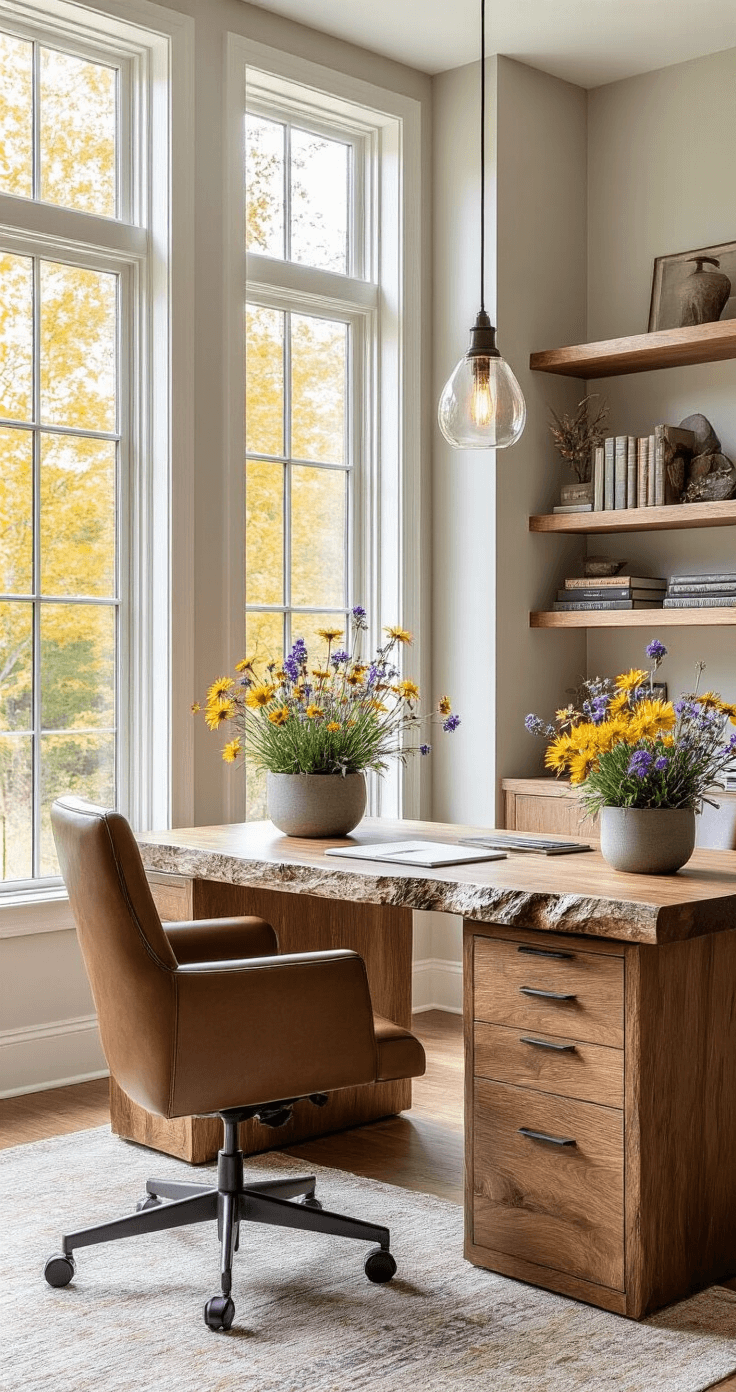
- Pair yellow Coreopsis with purple Elliott’s Aster
- Contrast red Hibiscus with silvery Pityopsis foliage
- Let plants self-seed for that effortless, wild look
Regional Planting Guide
North Florida Favorites
- Columbine
- Purple Coneflower
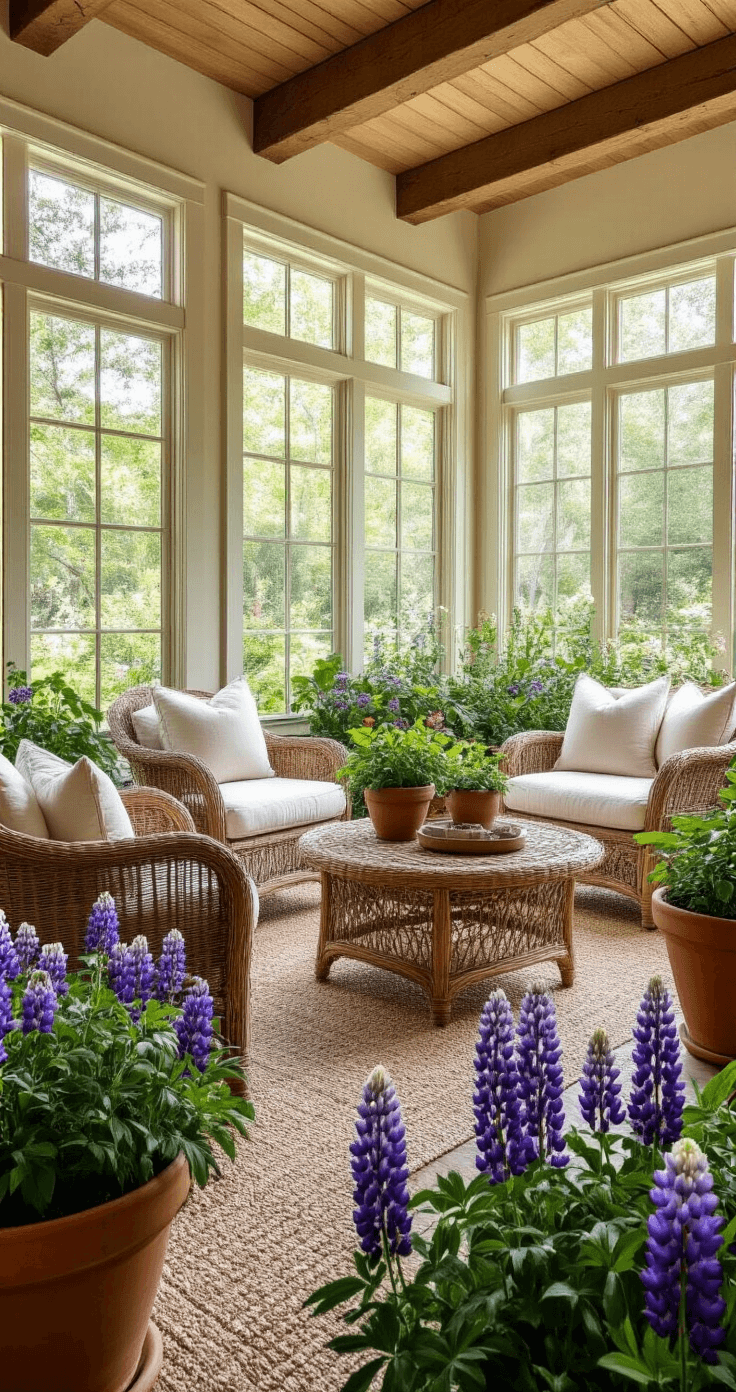
- Lupines
Central & South Florida Champions
- Blue Porterweed
- Joe-Pye Weed
- Coastal species like Borrichia
Maintenance Made Easy
Wildflower Care 101
- Water during establishment
- Minimal fertilization needed
- Deadhead to encourage more blooms
- Leave some seed heads for wildlife
Budget-Friendly Evolution
Start small! Native wildflower seed mixes are your best friend. Pro tip: Swap seeds with fellow gardening enthusiasts to expand your collection without breaking the bank.
Pollinator Paradise Bonus
These flowers aren’t just pretty – they’re ecological superstars. You’ll create a haven for:
- Butterflies
- Hummingbirds
- Bees
- Local bird species
Photography & Sharing Tips
Capture these beauties during:
- Early morning light
- Late afternoon golden hour
- Close-ups with pollinators
Killer Caption Ideas
- “Florida Native Wildflower Magic”
- “Pollinator Paradise in My Backyard”
- “12 Months of Native Color”
Final Thoughts
Native wildflowers aren’t just plants – they’re living art that supports our ecosystem. Whether you have a small balcony or acres of land, there’s a native wildflower waiting to transform your space.
Ready to dive in? Grab some native seed mix and let’s make Florida bloom!
This post may contain affiliate links. Please see my disclosure policy for details.


[…] road trip, the National Key Deer Refuge is a must. Pair it with nearby adventures like exploring Florida’s seasonal wildflowers or styling your beach rental porch with relaxed Florida patio […]