
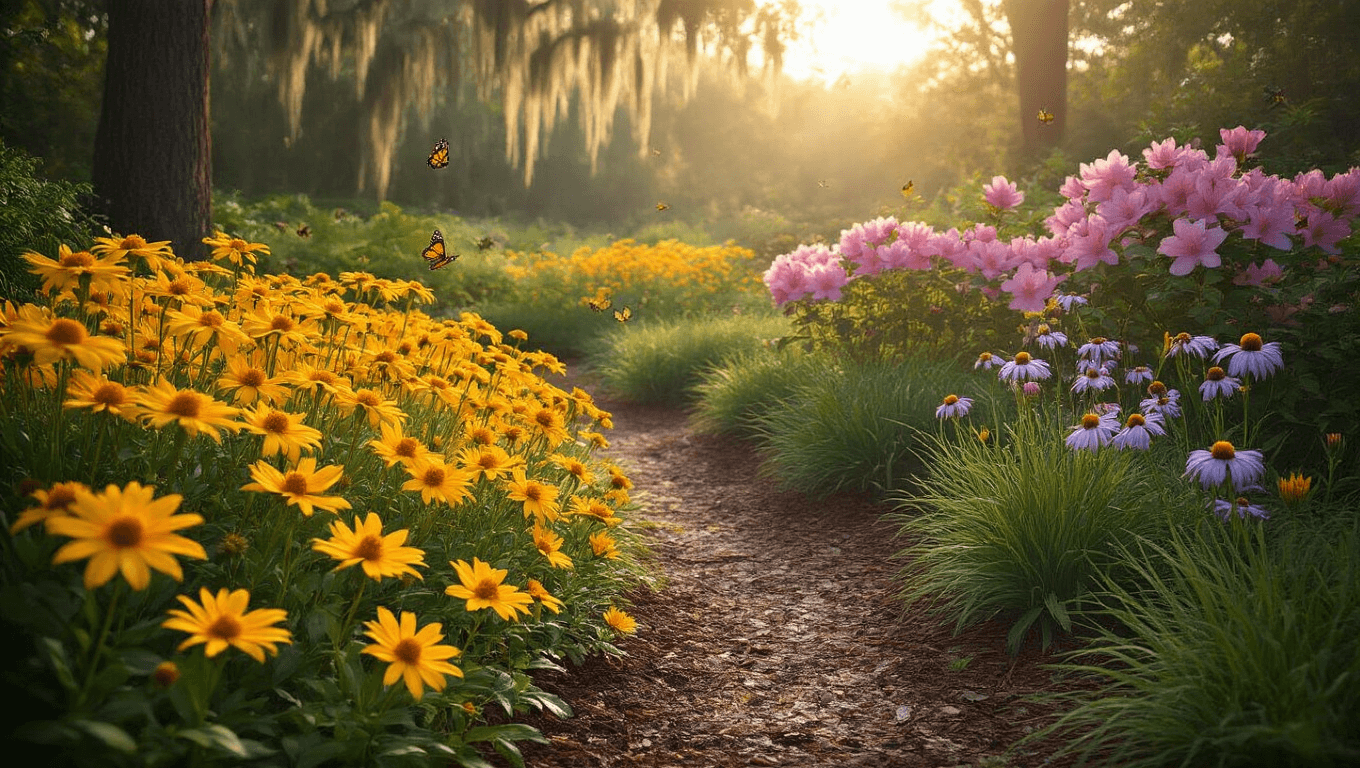
Florida Native Wildflowers: Your Ultimate Guide to Vibrant, Low-Maintenance Gardens
Florida’s native wildflowers are nature’s secret weapon for creating stunning, ecological landscapes that burst with color and life. I’ve spent years cultivating these incredible plants, and I’m excited to share how you can transform your outdoor space into a vibrant, pollinator-friendly paradise.
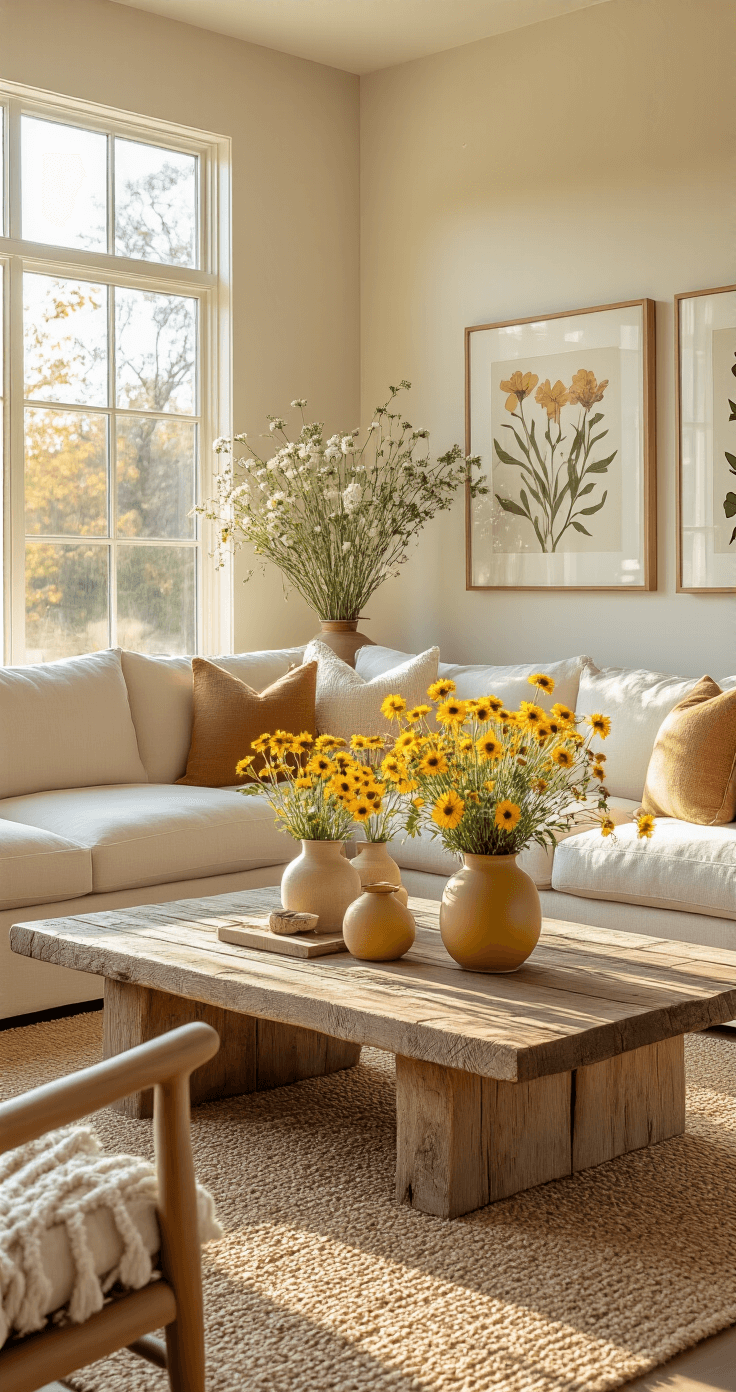
✎ Steal This Look
- Paint Color: Sherwin-Williams Rainwashed SW 6211
- Furniture: weathered teak Adirondack chair with wide slats for garden seating, paired with a reclaimed barnwood potting bench
- Lighting: hammered copper solar path lights with amber LED glow and butterfly cutout patterns
- Materials: crushed limestone pathways, untreated cedar raised beds, raw terracotta pots with aged patina, woven seagrass storage baskets
There’s something deeply satisfying about watching native bees discover your Black-eyed Susans for the first time—this garden becomes a living ecosystem, not just a pretty view.
Why Native Wildflowers are a Game-Changer
Let’s be real – gardening can be tough. But native wildflowers? They’re the superheroes of the plant world. These tough-as-nails beauties:
- Thrive in Florida’s challenging climate
- Attract beneficial pollinators
- Require minimal maintenance
- Provide year-round visual interest
- Support local ecosystems
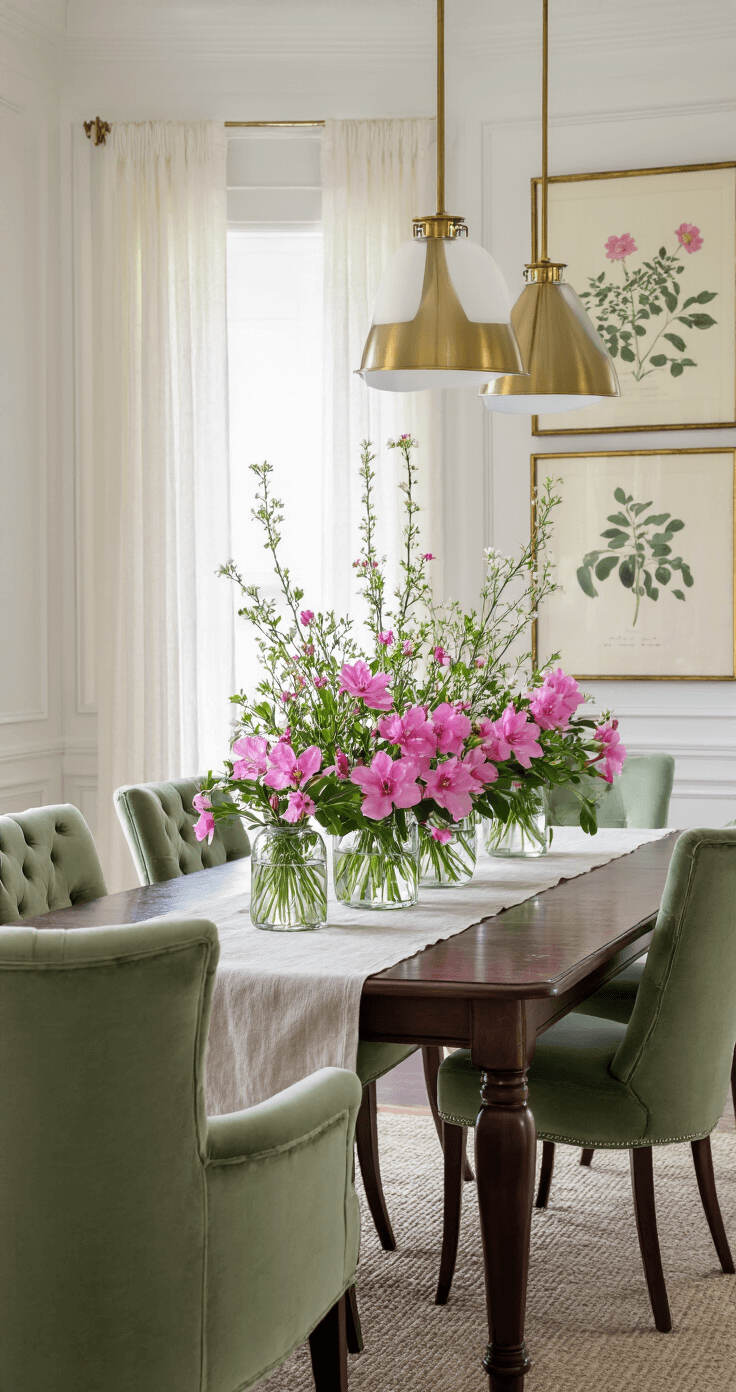
🏠 Steal This Look
- Paint Color: Benjamin Moore Guilford Green HC-116
- Furniture: weathered teak potting bench with galvanized steel top
- Lighting: solar-powered Edison bulb string lights with vintage brass sockets
- Materials: raw terracotta, reclaimed barn wood, hand-forged iron hooks, unglazed ceramic
There’s something quietly radical about choosing plants that belong here—after years of fighting finicky imports, watching natives thrive with barely a glance feels like finally being let in on a secret the land always knew.
✅ Get The Look
Top Native Wildflowers for Every Season
Spring Showstoppers
Coreopsis (Tickseed): The rock star of Florida wildflowers! These bright yellow flowers literally paint the landscape with sunshine.
Native Azalea: Imagine soft pink blooms that make hummingbirds do a happy dance. That’s this plant in a nutshell.
Summer Heat Champions
Black-eyed Susan: The ultimate survivor. These drought-tolerant beauties laugh in the face of Florida’s scorching summers.
Salvia coccinea: A pollinator magnet that keeps your garden buzzing with life.
Fall & Winter Gems
Elliott’s Aster: When other plants are calling it quits, this lavender wonder keeps the party going.
Blazing Star: Imagine bottlebrush-shaped flowers that butterflies can’t resist.
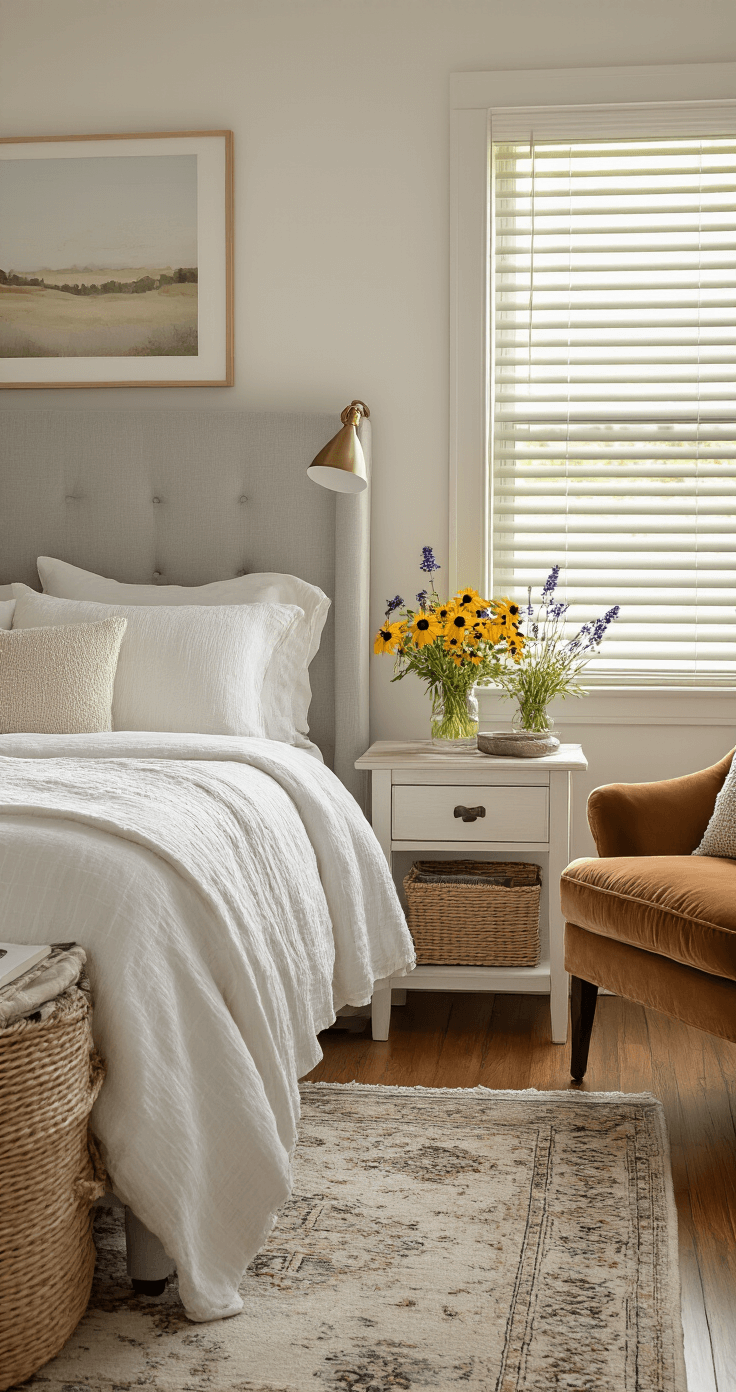
★ Steal This Look
- Paint Color: Farrow & Ball Dayroom Yellow 233
- Furniture: weathered teak potting bench with zinc top for arranging cut wildflowers
- Lighting: antique brass gooseneck wall sconce with seeded glass shade
- Materials: unfired terracotta, reclaimed barn wood, handwoven seagrass baskets, raw linen
This is the room where you finally stop apologizing for tracking in garden soil, because the mud on your boots tells the story of something you grew yourself.
🌊 Get The Look
Pro Styling Tips for Maximum Impact
Design Like a Pro
- Create layers: Ground covers → Mid-height bloomers → Tall specimens
- Mix textures and heights for visual drama
- Use native mulch to keep things looking natural
Save this article
Enter your email and we'll send it straight to your inbox.
Color Coordination Secrets
- Pair yellow Coreopsis with purple Elliott’s Aster
- Contrast red Hibiscus with silvery Pityopsis foliage
- Let plants self-seed for that effortless, wild look
🎨 Steal This Look
- Paint Color: Behr Sage Mist N380-1
- Furniture: weathered teak potting bench with galvanized steel top
- Lighting: hammered copper pathway lights with warm 2700K LED
- Materials: pine straw mulch, reclaimed barn wood edging, crushed shell paths
There’s something deeply satisfying about a wildflower bed that looks like it planted itself—this is the section where you stop micromanaging and start trusting the chaos, which honestly feels more like Florida anyway.
Regional Planting Guide
North Florida Favorites
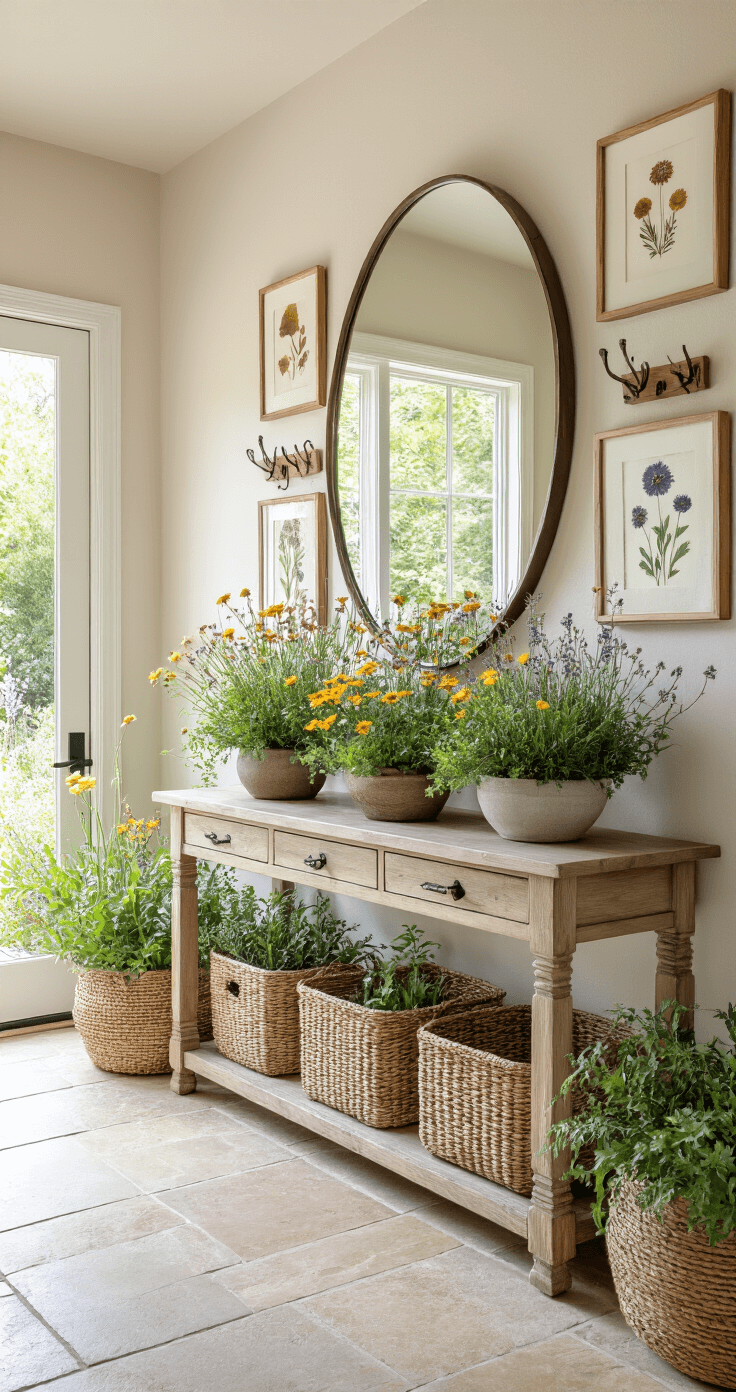
- Columbine
- Purple Coneflower
- Lupines
Central & South Florida Champions
- Blue Porterweed
- Joe-Pye Weed
- Coastal species like Borrichia
★ Steal This Look
- Paint Color: Valspar Soft Duckling 3006-10A
- Furniture: weathered teak potting bench with galvanized steel top
- Lighting: copper gooseneck barn light with seeded glass shade
- Materials: raw cedar raised beds, crushed shell pathways, reclaimed driftwood trellises
This is the room where you finally stop fighting your sandy soil and start celebrating it—there’s something deeply satisfying about stepping outside with your coffee to watch butterflies you’ve actually invited onto your property.
Maintenance Made Easy
Wildflower Care 101
- Water during establishment
- Minimal fertilization needed
- Deadhead to encourage more blooms
- Leave some seed heads for wildlife
🌟 Steal This Look
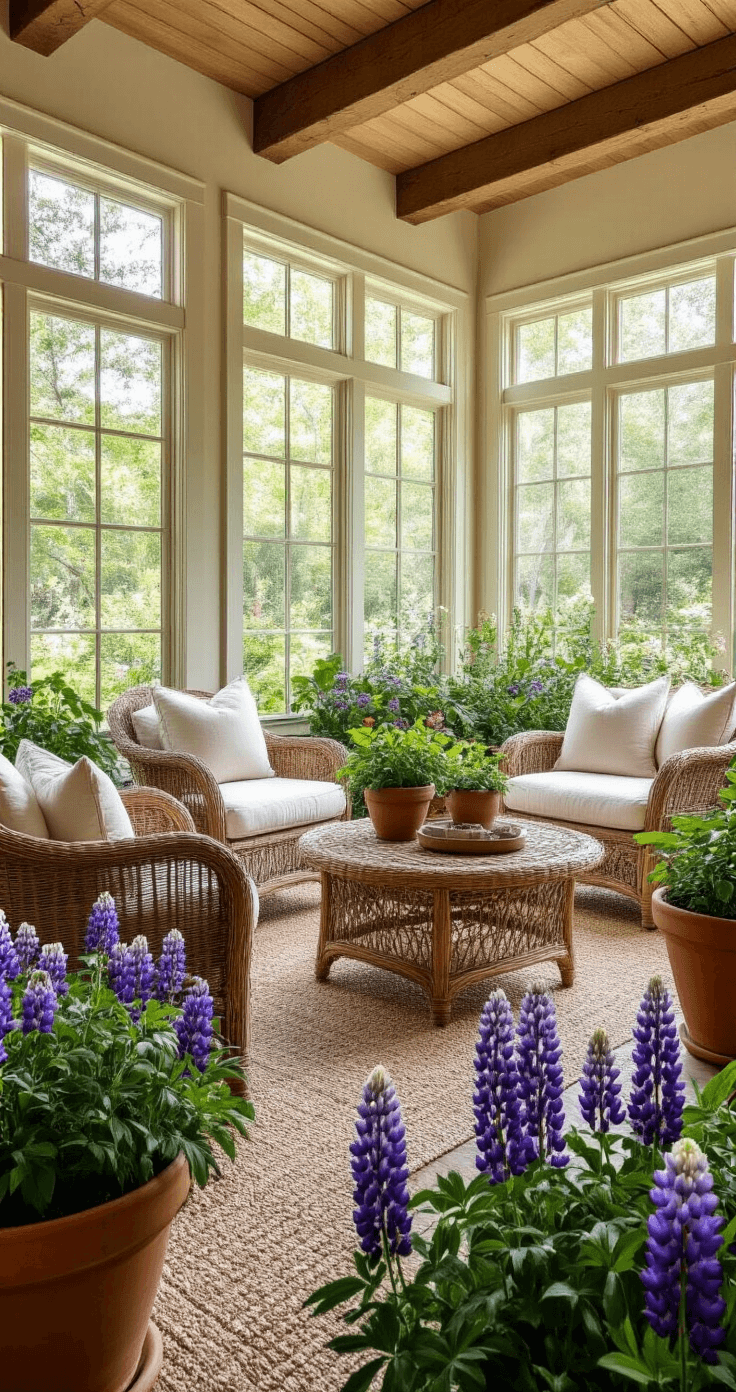
- Paint Color: PPG Nature’s Gift PPG1121-5
- Furniture: weathered teak potting bench with galvanized steel top
- Lighting: solar-powered Edison string lights with warm 2700K bulbs
- Materials: raw terracotta, aged zinc, untreated cedar, crushed shell pathways
This hardworking corner of your home deserves the same thoughtful design as your living room; after all, it’s where you’ll find yourself most mornings with coffee in hand.
Budget-Friendly Evolution
Start small! Native wildflower seed mixes are your best friend. Pro tip: Swap seeds with fellow gardening enthusiasts to expand your collection without breaking the bank.
Pollinator Paradise Bonus
These flowers aren’t just pretty – they’re ecological superstars. You’ll create a haven for:
- Butterflies
- Hummingbirds
- Bees
- Local bird species
Photography & Sharing Tips
Capture these beauties during:
- Early morning light
- Late afternoon golden hour
- Close-ups with pollinators
Killer Caption Ideas
- “Florida Native Wildflower Magic”
- “Pollinator Paradise in My Backyard”
- “12 Months of Native Color”
✎ Steal This Look
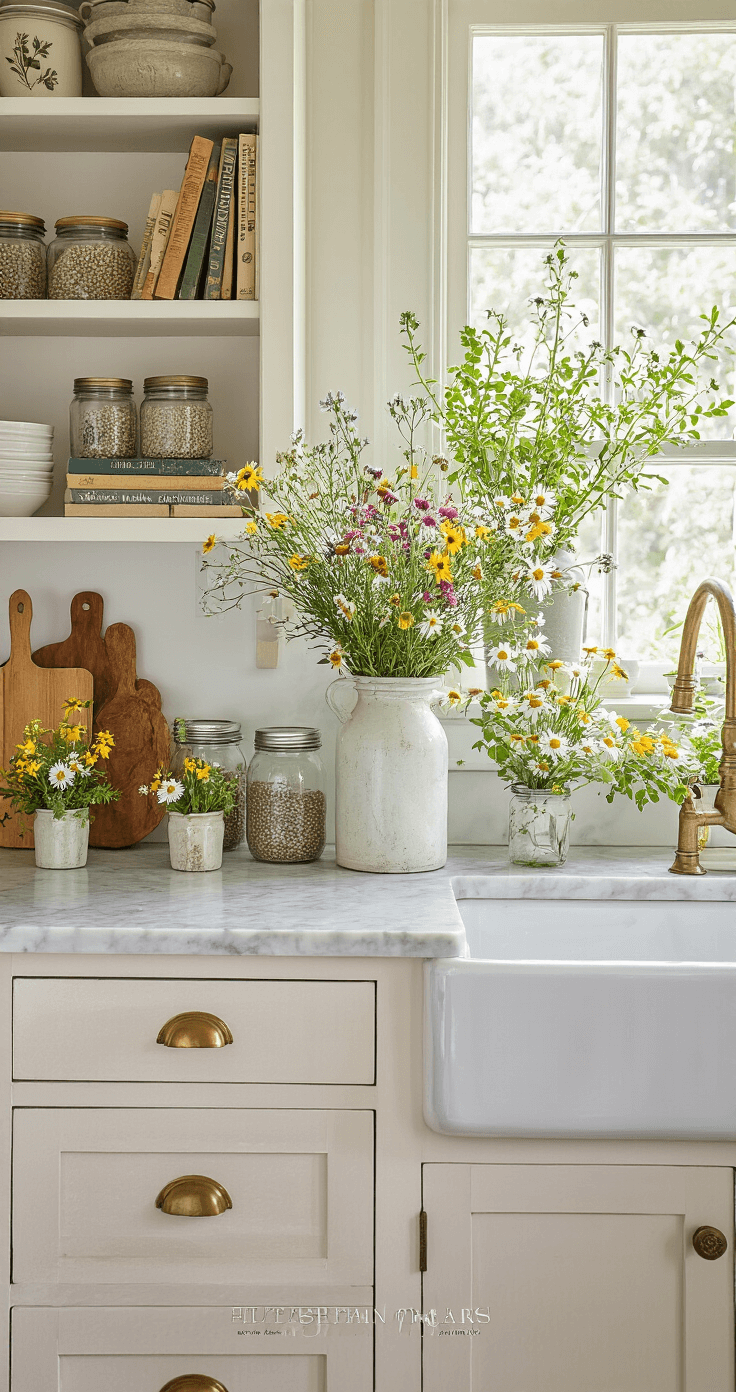
- Paint Color: Fine Paints of Europe Hollandlac Brilliant White W1001
- Furniture: weathered teak potting bench with zinc-top surface for arranging cuttings and staging shots
- Lighting: adjustable-arm brass pharmacy wall sconce with warm 2700K LED for controlled task lighting during overcast shoot days
- Materials: raw linen backdrops, aged terracotta vessels, hand-forged iron plant markers, unbleached cotton muslin diffusers
There’s something quietly obsessive about waking before dawn to catch dew on coreopsis petals, coffee cooling beside you as you wait for that perfect moment when a zebra longwing finally lands.
Final Thoughts
Native wildflowers aren’t just plants – they’re living art that supports our ecosystem. Whether you have a small balcony or acres of land, there’s a native wildflower waiting to transform your space.
Ready to dive in? Grab some native seed mix and let’s make Florida bloom!
This post may contain affiliate links. Please see my disclosure policy for details.
Want to keep this one?
We'll email you the link so you can find it again later.


[…] road trip, the National Key Deer Refuge is a must. Pair it with nearby adventures like exploring Florida’s seasonal wildflowers or styling your beach rental porch with relaxed Florida patio […]