

Gardening in Florida: A Unique Challenge
Contents
Gardening in Florida threw me for a loop when I first moved here. I planted tomatoes in July thinking “summer equals gardening,” only to watch them wither into sad, crispy versions of themselves within weeks. Turns out, Florida plays by completely different rules. The subtropical heat, relentless humidity, and sandy soil that drains faster than a colander means you need to forget everything you learned about traditional gardening. But here’s the good news: once you understand Florida’s rhythm, you can grow food and flowers almost year-round while gardeners up north are staring at frozen ground.

Florida’s Unique Growing Seasons
Florida Doesn’t Have Four Seasons (And That Changes Everything)
Let me be blunt about this. Florida has three growing seasons, not four. Spring, fall, and winter are your golden windows for growing most vegetables and annuals. Summer? That’s survival mode for plants and gardeners alike. I learned this the hard way after my tomato disaster. The state stretches across USDA hardiness zones 8a in the north down to 10b in the south, which means your planting calendar depends entirely on where you live. Your frost dates matter here – they determine when you can safely plant tender crops without them getting nipped by a surprise cold snap. North Florida might see frost in January, while South Florida gardeners rarely worry about it at all.
Winter Through Spring: When Florida Gardens Actually Thrive
December rolled around during my first Florida winter, and I assumed gardening season was over. Wrong again. Winter is actually prime time for vegetables here. From December through February, I plant:
- Collard greens and kale
- Broccoli and Brussels sprouts
- Lettuce and spinach
- Carrots and beets
- Snap peas
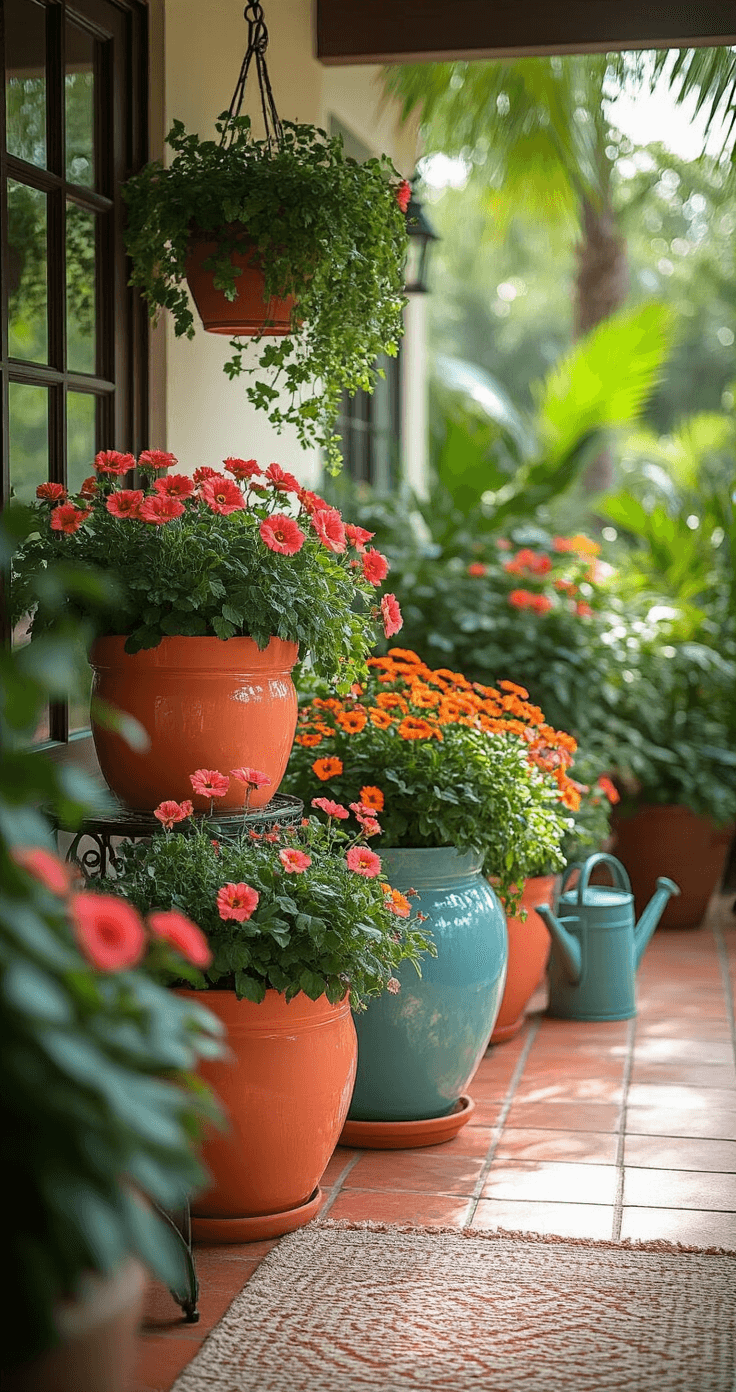
These cool-weather crops that struggle in summer heat absolutely love Florida winters. I also fill containers and beds with pansy plants, violas, and snapdragons that provide gorgeous color while northern gardens sit dormant. As March and April arrive, I transition to warm-weather plants before the brutal heat sets in. This is when tomatoes, peppers, squash, and corn go in the ground. I plant tomato cages at the same time as transplants because these plants grow fast in spring warmth.
Fall: Your Second Chance at a Productive Garden
Late summer feels oppressive. Everything looks tired, stressed, and beaten down by months of relentless heat. But September through November offers redemption. I clear out the sad remains of summer plants in late August and prepare beds for fall crops. The cooling temperatures combined with Florida’s extended growing season mean I get a second vegetable harvest before winter. This seasonal rhythm – plant in fall, harvest through winter, plant again in spring, harvest before summer hell – becomes second nature once you accept that summer isn’t for growing tomatoes and lettuce.
Understanding Florida’s Soil
Florida Soil: Beautiful but Basically Useless
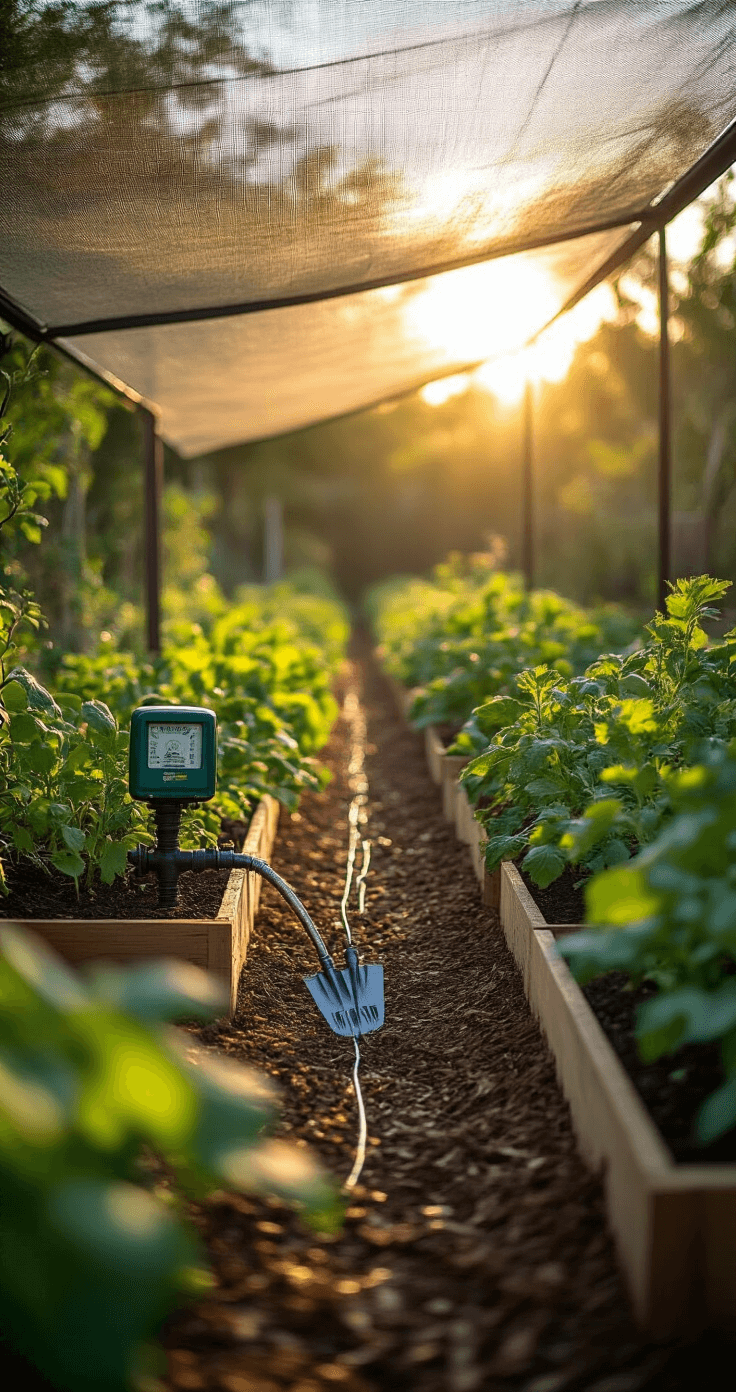
The sandy soil here drains so fast it’s almost comedic. Water it in the morning, and by afternoon it’s bone dry again. Nutrients wash away just as quickly, leaving plants starving in what looks like beach sand. Organic matter is your lifeline. I add compost to every bed, every season, without exception. Not a thin layer – I’m talking several inches of composted cow manure or homemade compost mixed deep into planting areas. This improves water retention and gives plants the nutrients they desperately need. Some people fight against sandy soil, but I’ve learned to work with it too. Plants like gladiolus and cosmos actually prefer fast-draining sandy conditions, so I let those areas stay lean and plant accordingly.
Mulch Like Your Garden’s Life Depends On It (Because It Does)
The first summer I gardened here, I left some bare soil around plants. Big mistake. The exposed ground baked under the intense sun, killing beneficial soil organisms and creating a hostile environment. Mulch is non-negotiable in Florida. I use:
- Shredded leaves from my own trees
- Grass clippings (chemical-free only)
- Straw for vegetable beds
- pine bark mulch for ornamental beds
- Compost as both amendment and mulch
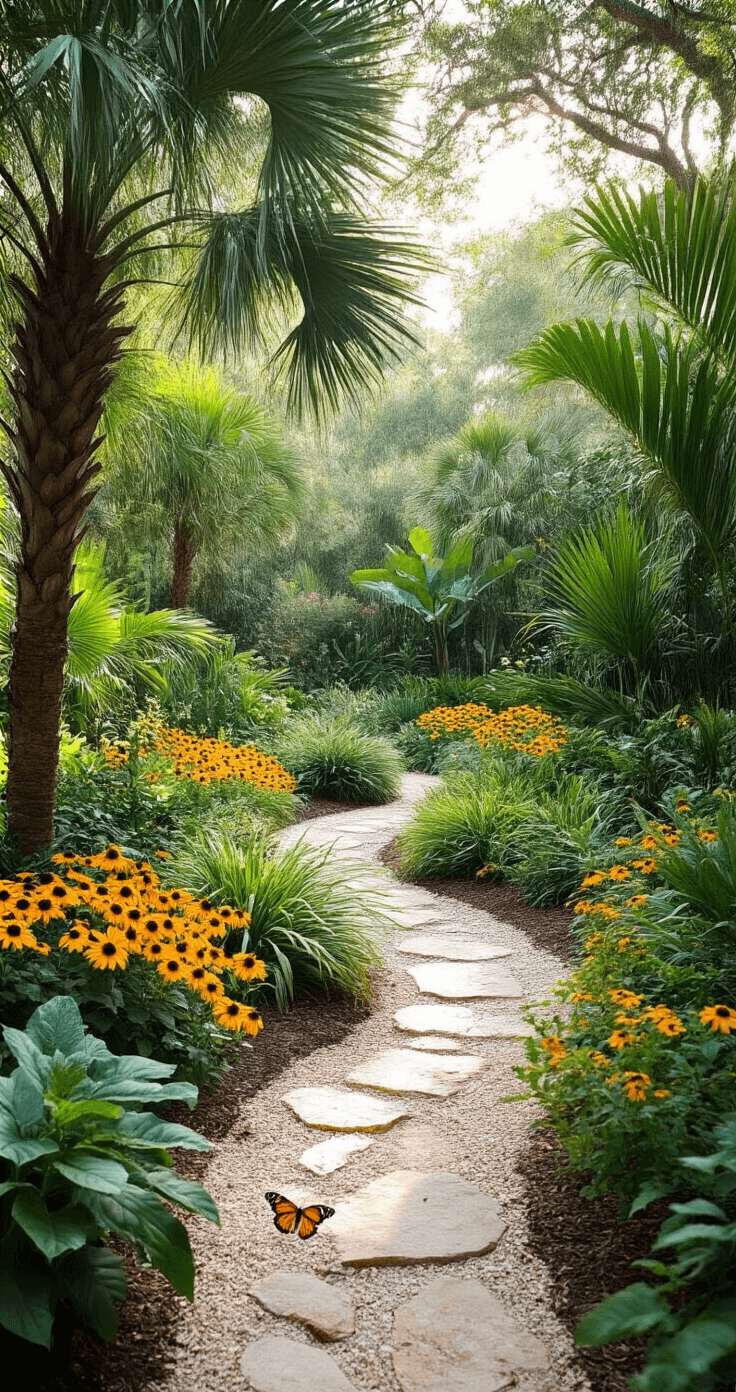
I apply it thick – at least 2 to 3 inches – around all plants and across pathways. This layer retains moisture so I water less frequently, regulates soil temperature so roots don’t cook, blocks weed seeds from germinating, and protects the microscopic life in the soil. When summer temperatures hit 95 degrees for weeks straight, mulch makes the difference between plants that survive and plants that quit.
Dealing with Florida’s Sun and Water
The Sun is Not Your Friend in Summer
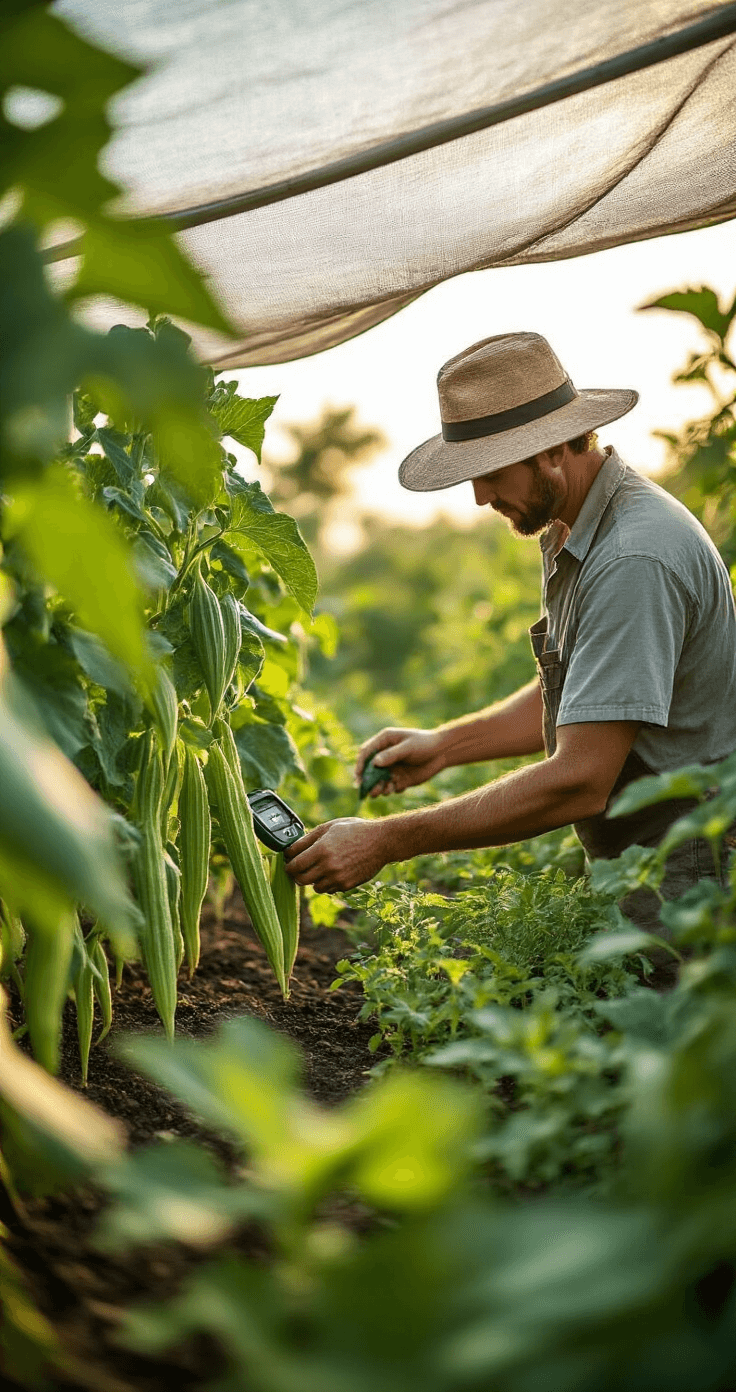
This sounds counterintuitive for a state nicknamed the Sunshine State. But Florida’s summer sun is brutal. Most gardening advice says vegetables need 6 to 8 hours of full sun, and that’s true in temperate climates. Here, afternoon sun when temperatures exceed 90 degrees can actually damage plants that would thrive with morning sun and afternoon shade. I’ve adjusted my garden layout accordingly. My vegetable beds get morning sun but are shaded by a fence or taller plants during the hottest afternoon hours. For areas that can’t avoid full sun, I use:


