Choosing Durable, Moisture-Resistant Materials for Your Florida Lanai
Choosing durable, moisture-resistant materials for your Florida lanai saved me from making a $2,000 mistake last year.
I moved to Tampa three years ago and immediately fell in love with my lanai—that beautiful screened-in space that promised year-round outdoor living.
I furnished it with regular patio furniture from a big box store.
Six months later, I had moldy cushions, rusted frames, and warped wood that looked like it survived a shipwreck.
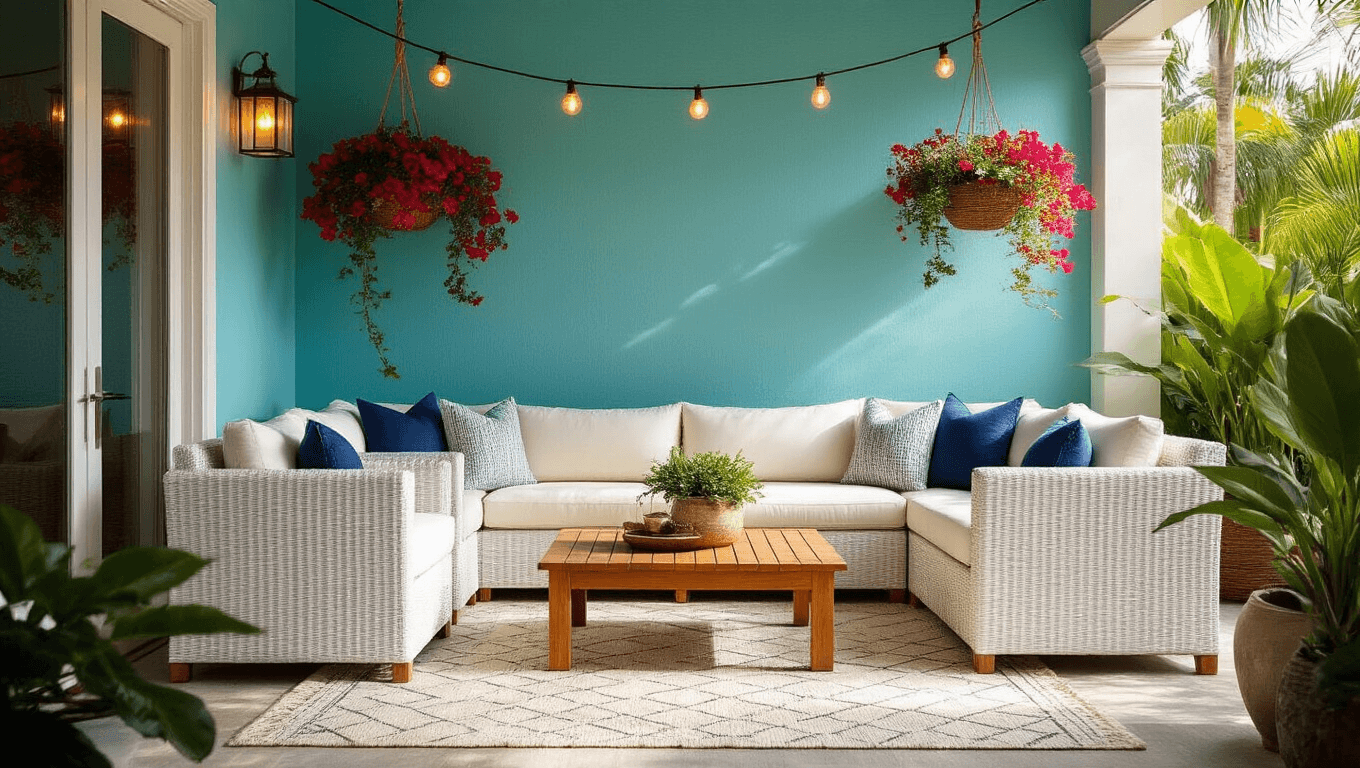
★ Steal This Look
- Paint Color: Sherwin-Williams Rainwashed SW 6211
- Furniture: teak or high-density polyethylene (HDPE) wicker with marine-grade stainless steel frames
- Lighting: wet-rated brass or copper outdoor pendant with seeded glass
- Materials: Sunbrella solution-dyed acrylic fabrics, powder-coated aluminum, composite decking, and natural stone or porcelain tile flooring
Your lanai isn’t a covered patio—it’s a breathing space where Gulf moisture lingers in screens, so every material choice needs to work as hard as your air conditioner.
Why Your Regular Patio Furniture Will Fail You
Florida lanais aren’t patios.
They’re not true outdoor spaces, but they’re definitely not indoor rooms either.
The screening keeps bugs out, but humidity, moisture, and that relentless Florida heat march right through those mesh walls every single day.
I learned this the hard way when my “weather-resistant” furniture developed black mold spots that wouldn’t scrub off.
The cushions stayed damp for days after a storm blew rain through the screens.
Within a year, everything looked like garbage.
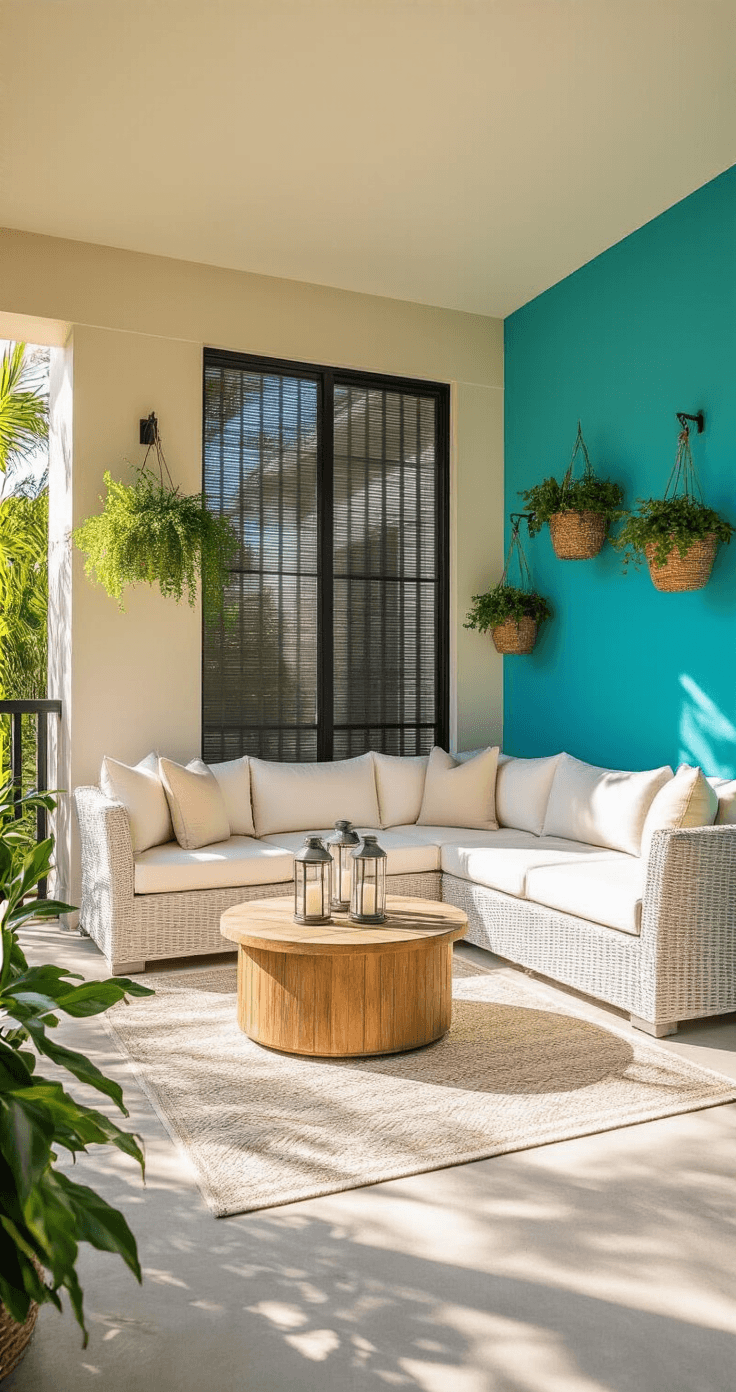
💡 Steal This Look
- Paint Color: Benjamin Moore Palladian Blue HC-144
- Furniture: Grade A teak or marine-grade polymer Adirondack chairs with open slat construction for airflow, paired with aluminum-framed sectionals using reticulated foam cushions
- Lighting: Wet-rated brass or copper ceiling fan with integrated LED and salt-air corrosion resistance
- Materials: Quick-dry reticulated foam, solution-dyed acrylic Sunbrella fabrics, powder-coated marine aluminum, natural teak with periodic oiling, all-weather wicker in HDPE resin
I still remember the smell of that first set of cushions—musty and permanent, no matter how much vinegar I tried. Your lanai deserves furniture built for the specific torture test of Florida humidity, not just a patio set with a marketing label slapped on.
The Materials That Actually Survive Florida’s Assault
After my expensive lesson, I did what I should’ve done from the start—I talked to Floridians who’d lived here for decades.
Here’s what actually works:
Resin Wicker: The Moisture-Proof Champion
Synthetic wicker furniture looks like natural wicker but laughs at humidity.
I bought a resin wicker sectional for my rebuilt lanai setup, and it dries within an hour after getting soaked.
No warping, no mold, no mildew.
The weave stays tight and doesn’t unravel like natural materials do when they expand and contract from moisture changes.
Aluminum: Light as Air, Tough as Nails
My neighbor has aluminum furniture that’s been on his lanai for eight years.
It still looks brand new.
The frames are ridiculously light—I can rearrange my entire seating area by myself, which I couldn’t do with my old iron furniture.
Commercial-grade aluminum meets ASTM International standards, which means it’s built to withstand constant use in harsh conditions.
Zero rust, even when rain blows directly on it.
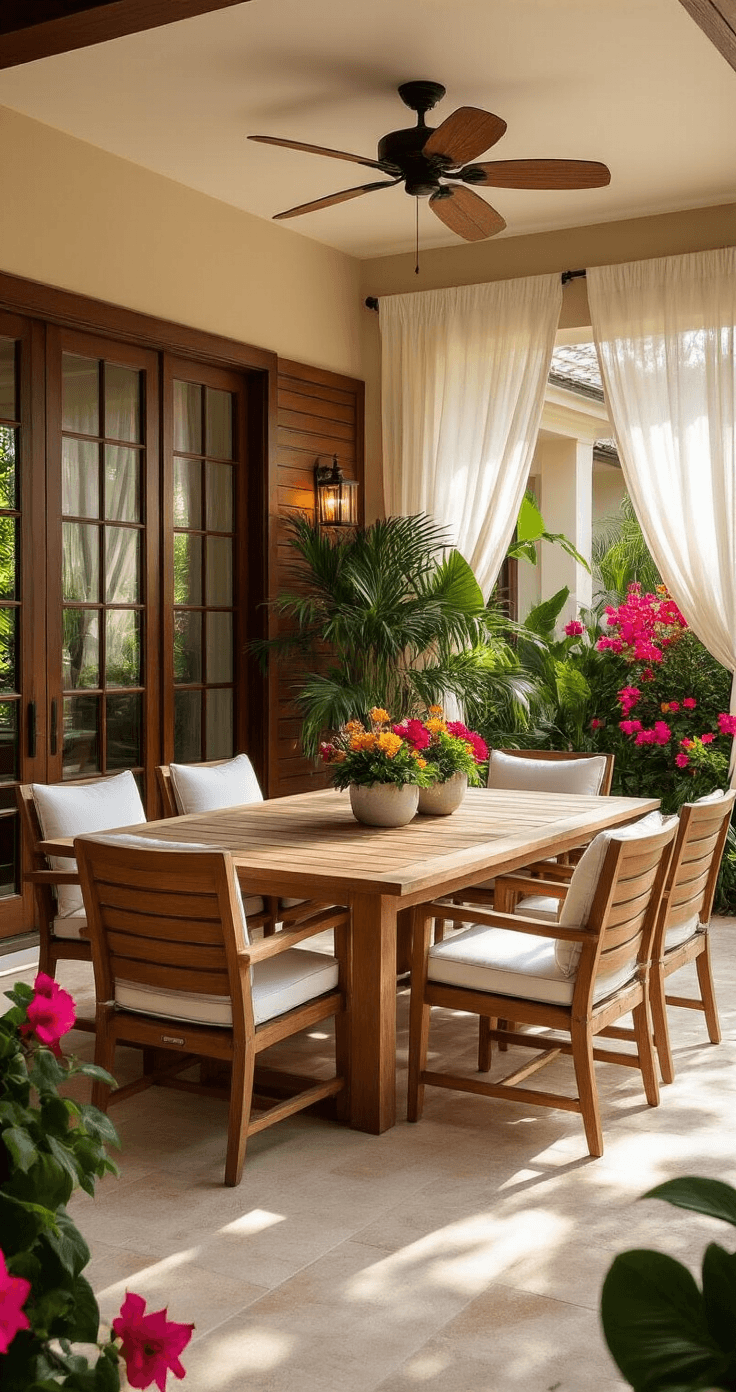
PVC Pipe Furniture: The Budget-Friendly Winner
This surprised me.
PVC furniture sounds cheap, but modern designs look sleek and contemporary.
It’s completely waterproof, dries instantly, and costs a fraction of other options.
I made a PVC pipe coffee table myself for under $50.
Been on my lanai for two years without a single issue.
Save this article
Enter your email and we'll send it straight to your inbox.
Premium Hardwoods That Actually Deserve the Price
If you want that rich, natural wood look, only two materials make sense in Florida:
- Teak: Naturally produces oils that repel moisture and insects
- Brazilian hardwoods: Dense enough that water can’t penetrate
I’ve got a teak side table that developed a beautiful silver patina over time.
Still rock-solid after three years of Florida abuse.
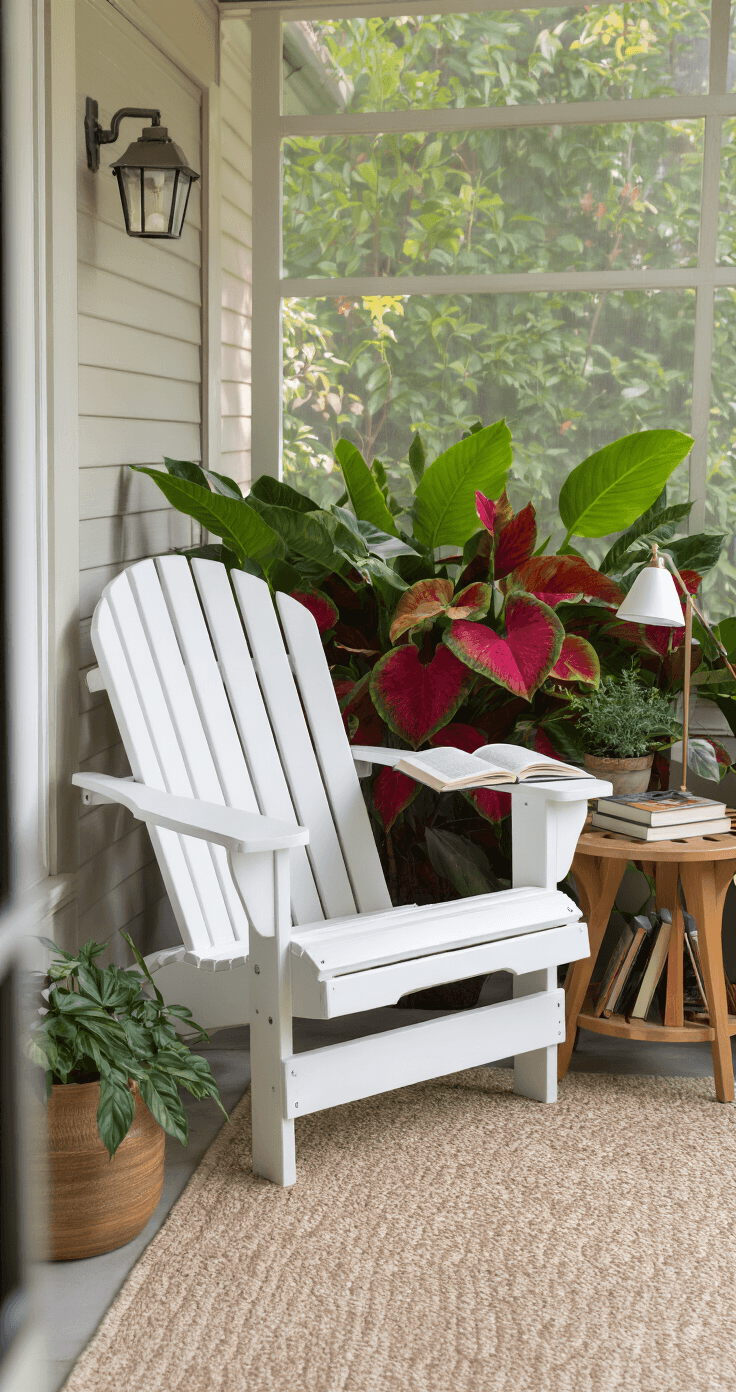
🌟 Steal This Look
- Paint Color: Farrow & Ball Oval Room Blue No. 85
- Furniture: resin wicker sectional with aluminum frame, specifically a 4-piece curved conversation set with deep seating cushions
- Lighting: powder-coated aluminum pendant with frosted glass shade, marine-grade wiring
- Materials: high-density polyethylene resin wicker, powder-coated aluminum frames, Sunbrella performance fabric cushions, tempered glass tabletops with beveled edges
I learned this the hard way when my ‘coastal chic’ seagrass chairs turned into musty, sagging nightmares—now my resin wicker sectional has survived three hurricane seasons looking exactly like the day I unboxed it.
Layouts That Make Your Space Feel Twice as Big
My lanai is about 150 square feet—pretty standard for Florida homes.
I’ve rearranged it seventeen times (yes, I counted).
Here’s what finally worked.
L-Shaped Sectionals: The Space-Saving Powerhouse
For lanais over 120 square feet, L-shaped sectionals are brilliant.
They hug two walls, seat 5-6 people comfortably, and leave the center completely open for traffic flow.
I positioned mine so people walking through don’t have to weave around furniture.
The key: pair it with a compact coffee table, not one of those massive ones that block your view when you’re sitting down.
I made that mistake initially and felt like I was peering over a wall just to talk to someone across from me.
Bistro Sets: Perfect for Skinny Lanais
My friend has a narrow lanai—barely 7 feet wide.
She installed a bar-height bistro set that uses vertical space instead of eating up precious floor space.
Two barstools and a tall table create a breakfast nook that tucks completely against the wall when not in use.
Genius for tight spaces.
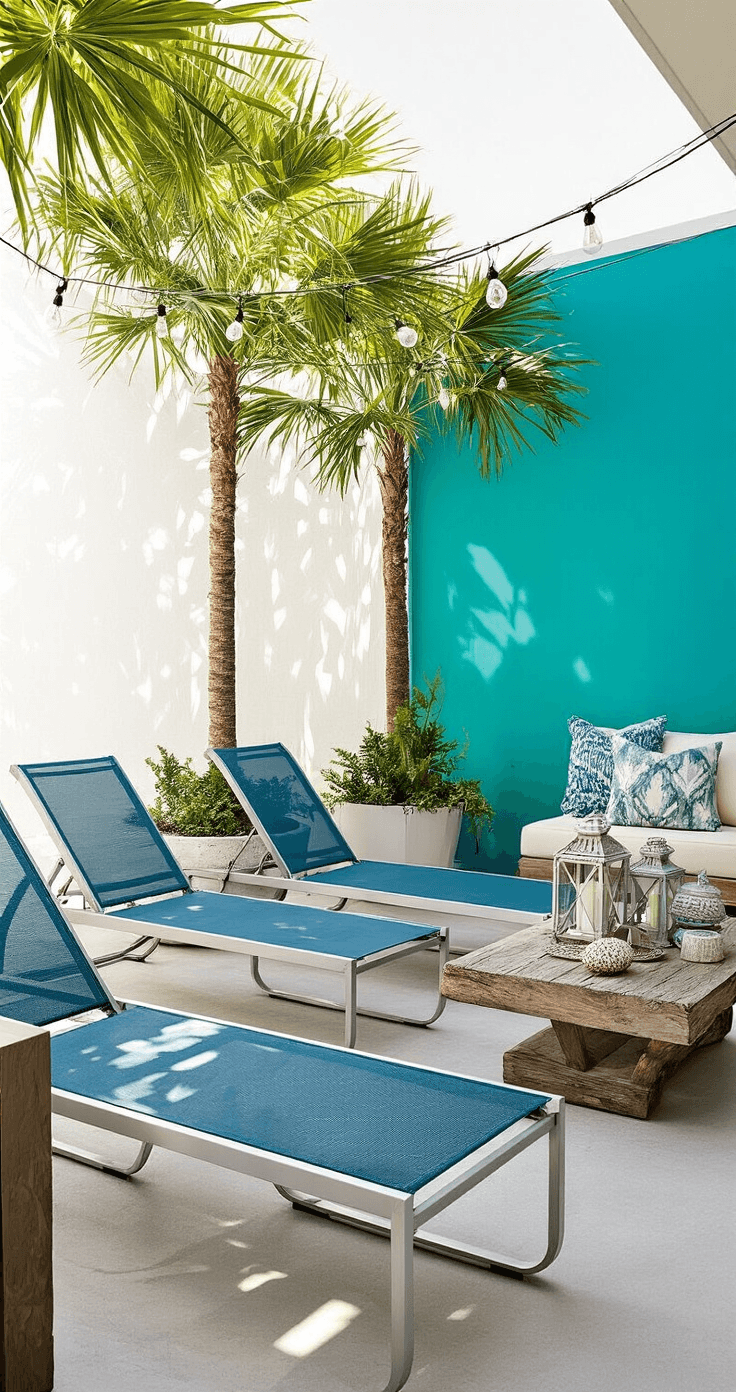
Corner Placement: Stop Wasting Dead Zones
Corners are lanai real estate gold.
I put a single Adirondack chair with a small side table in one corner—instant reading nook that doesn’t interfere with anything else.
That corner was just empty space before, and now it’s my favorite spot for morning coffee.
Standard Sizing That Actually Works
After trying various table sizes, here’s what fits comfortably in most lanais:
- Round tables: 48 inches in diameter seats four with elbow room
- Rectangular tables: 60 by 36 inches gives you seating for four without creating a traffic jam
Anything bigger and you’re constantly squeezing past furniture.
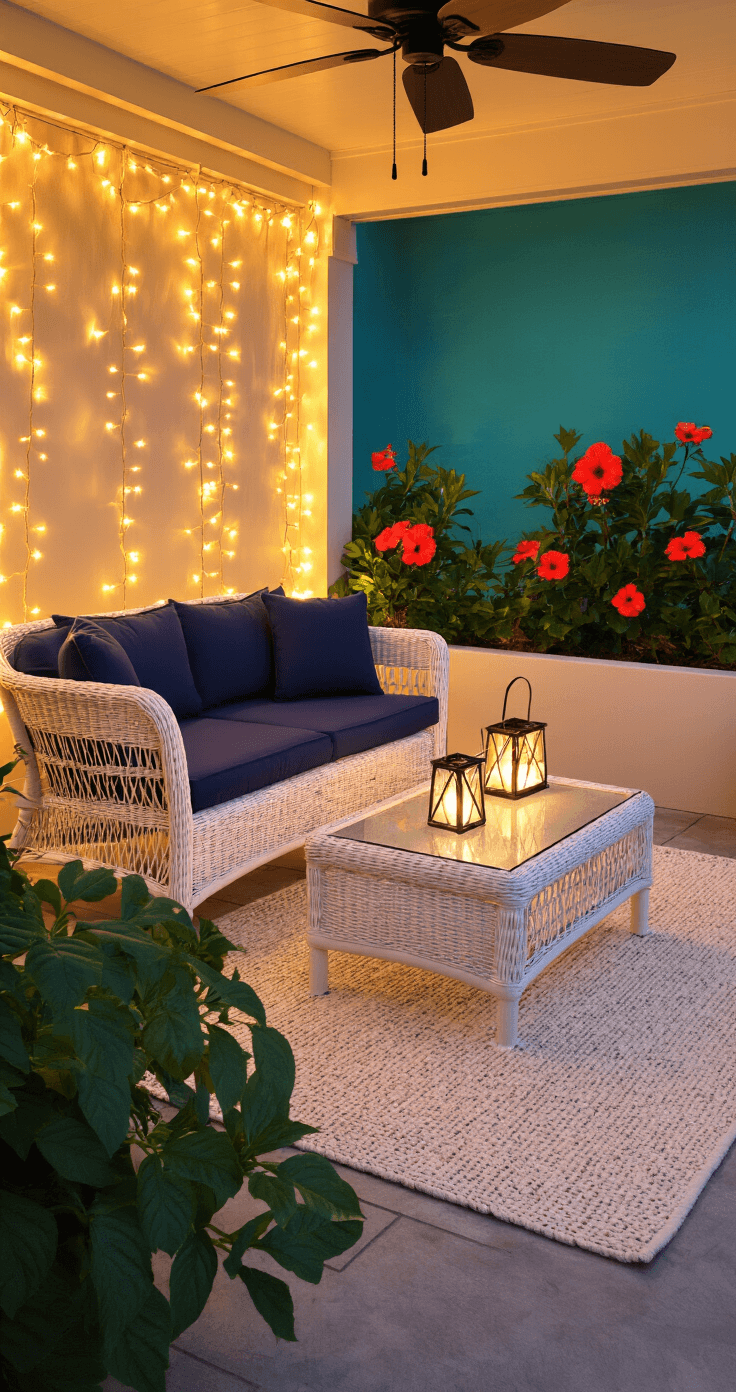
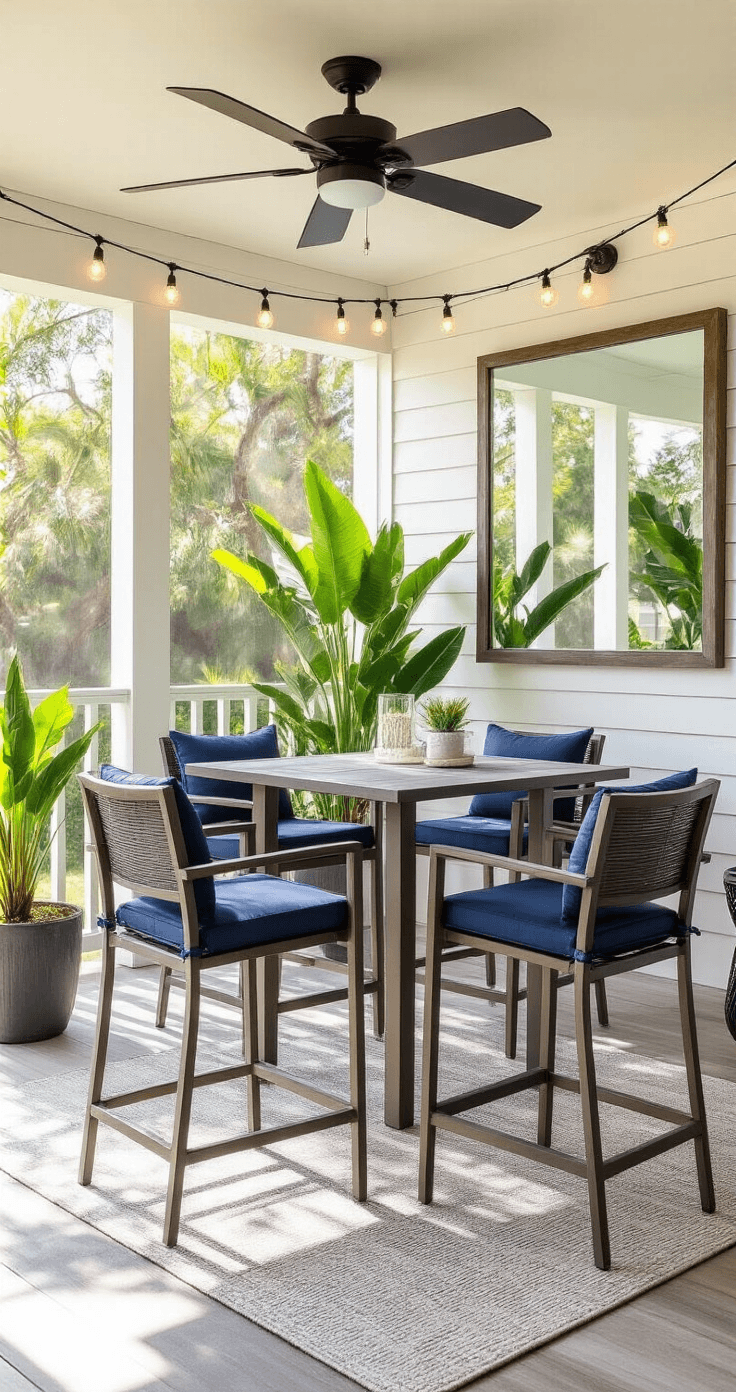
💡 Steal This Look
- Paint Color: Behr Ocean Abyss S470-7
- Furniture: L-shaped outdoor sectional with 102-inch left arm return, paired with 36-inch square aluminum-top coffee table
- Lighting: String of 24 warm white LED cafe lights with black rubber cord, suspended in zigzag pattern
- Materials: Powder-coated aluminum frames, solution-dyed acrylic cushions in heather gray, tempered glass tabletop, woven resin wicker accents
After my seventeenth rearrangement, I finally realized the best layout isn’t the one that fits the most furniture—it’s the one that lets two people walk past each other without the awkward ‘excuse me’ shuffle.
The Essential Pieces Worth Your Money
Don’t try to fill every square inch.
I did that initially and my lanai looked like a furniture showroom threw up.
The Dining Situation
This post may contain affiliate links. Please see my disclosure policy for details.
Want to keep this one?
We'll email you the link so you can find it again later.