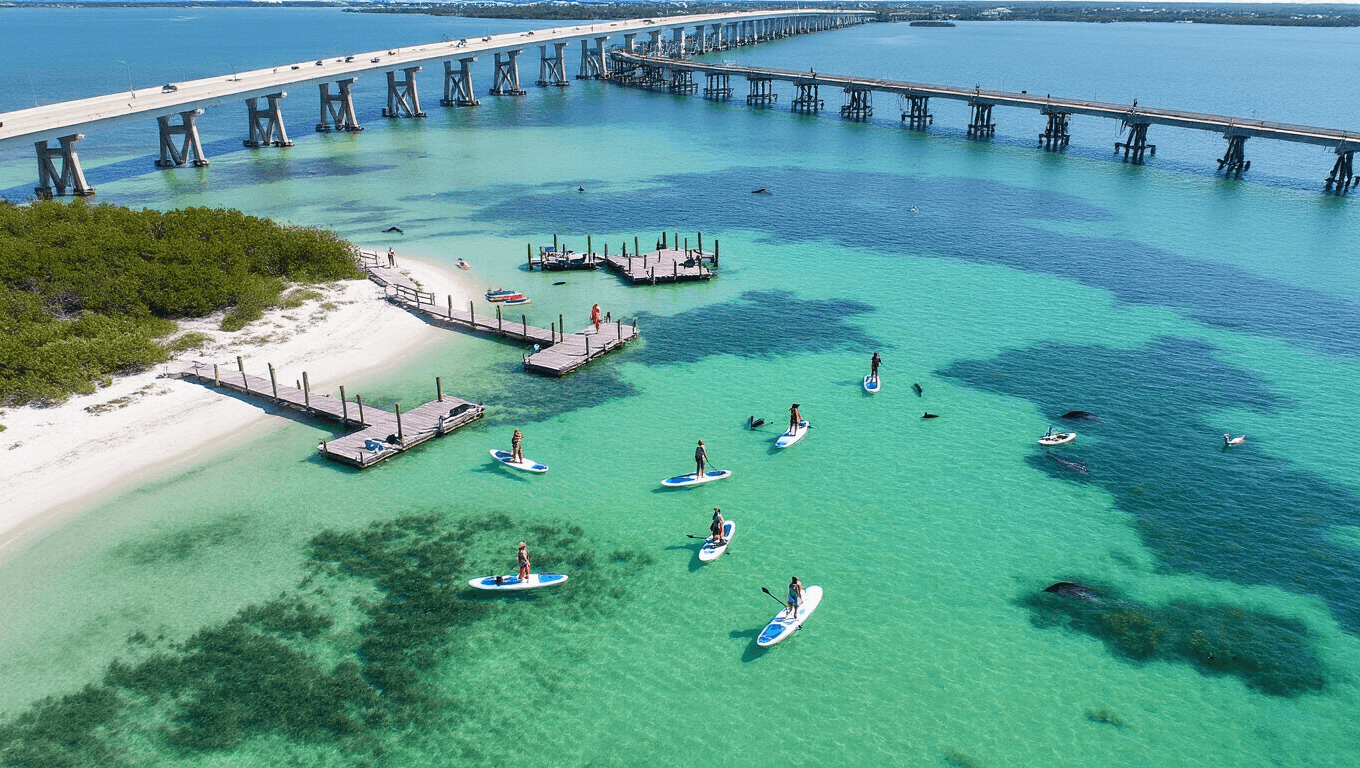
Paddleboard through Fort De Soto Park and you’ll discover something most Florida visitors never experience. Five pristine islands connected by bridges, crystal-clear shallow waters, and marine life encounters that’ll make your Instagram followers think you hired a wildlife photographer. But here’s what the tourism boards won’t tell you: most people completely miss the best parts.
The Hidden Gem Just 5 Minutes From St. Petersburg That Feels Like Another World
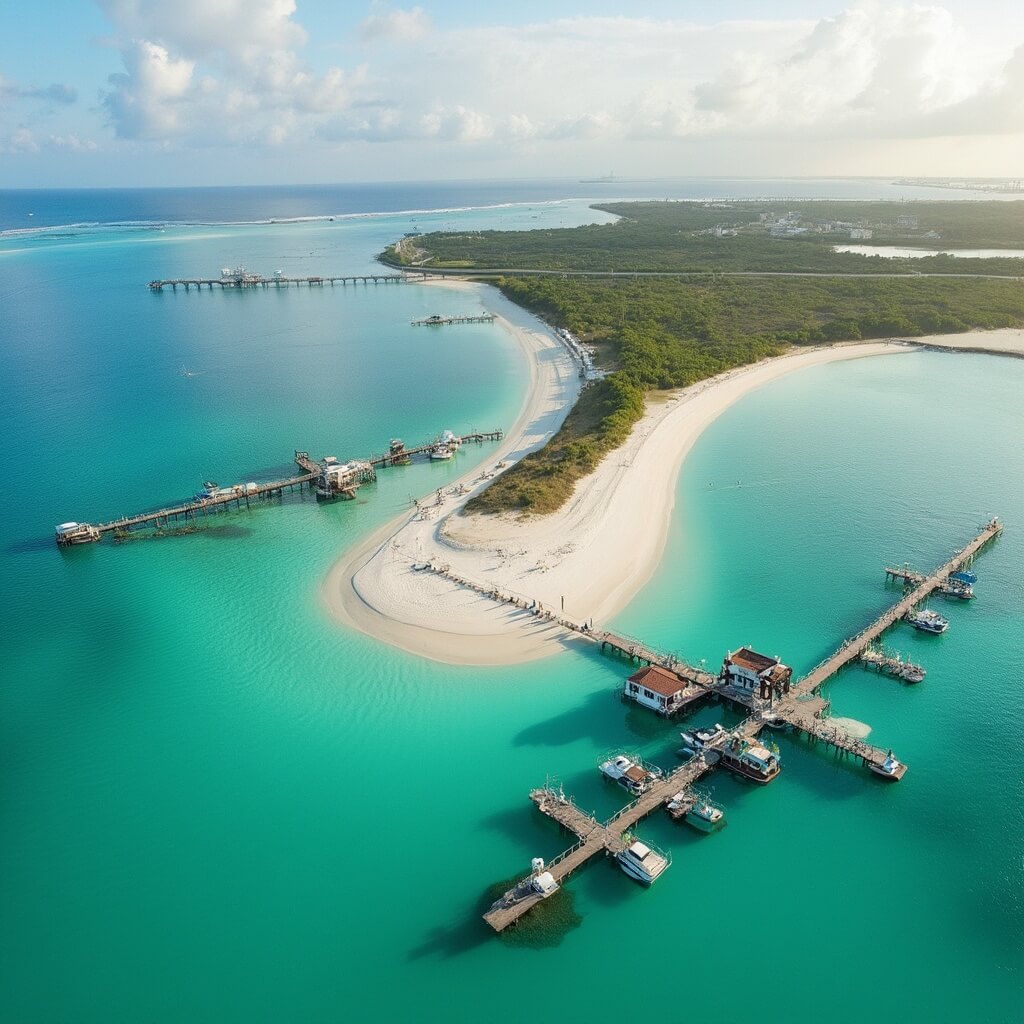
Fort De Soto Park sits on five offshore keys in Pinellas County, barely a stone’s throw south of St. Petersburg.
Don’t let the “county park” designation fool you. This isn’t your typical municipal green space with a playground and some picnic tables.
Location details:
- Address: 3500 Pinellas Bayway S., Tierra Verde, FL 33715
- Access via Pinellas Bayway toll road
- Just 5 minutes from St. Petersburg proper
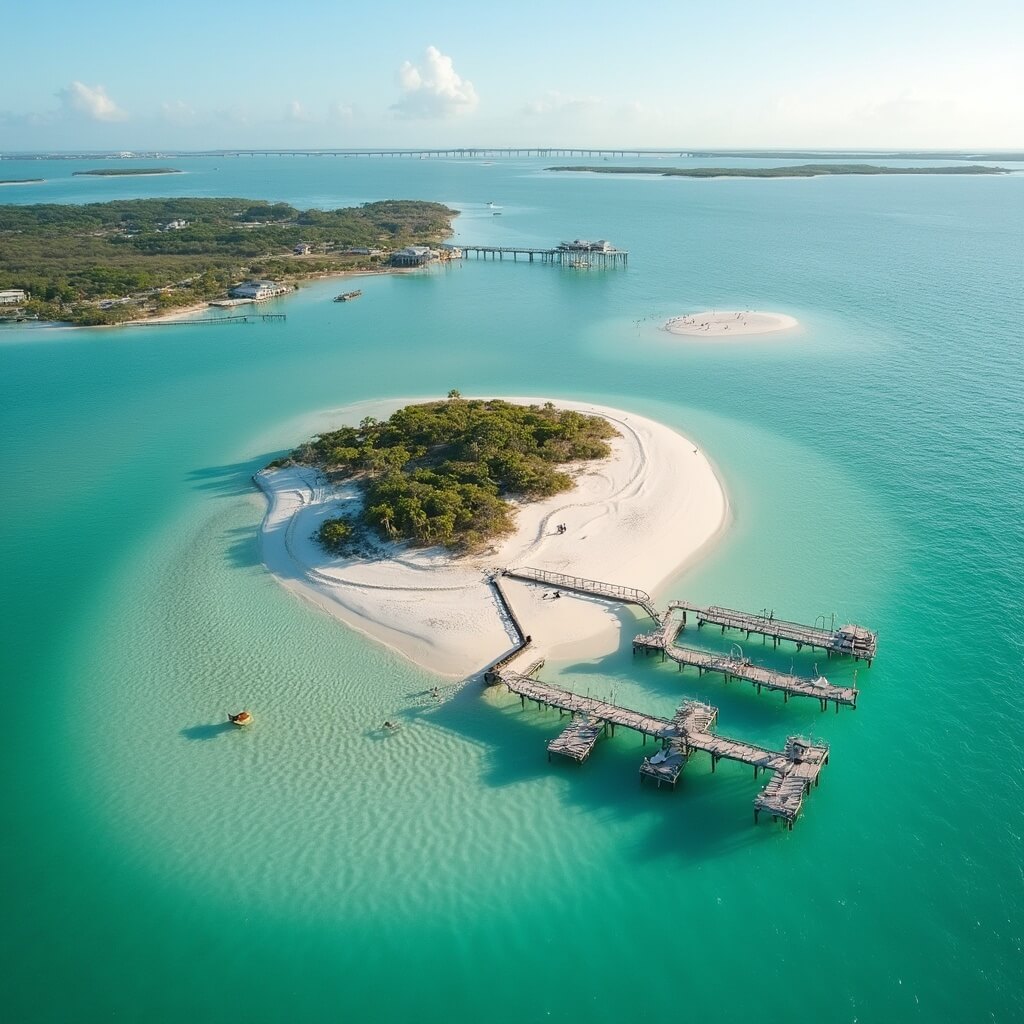
The park sprawls across five interconnected islands:
- Mullet Key (the largest)
- Bonne Fortune Key
- St. Jean Key
- Madeleine Key
- St. Christopher Key
These islands range from a mere 75 feet to several miles long, creating a unique archipelago perfect for paddleboarding exploration.
What makes this spot absolutely magical for paddleboarding? Shallow flats ranging from 1-5 feet deep surround most islands, whilst deeper channels cut through strategic areas for more adventurous paddlers. The geography creates protected lagoons that remain calm even when Tampa Bay gets choppy.
Why Every Paddleboard Launch Point Here Beats Anything Else in Tampa Bay
Most paddleboarding destinations give you one decent launch spot and call it a day. Fort De Soto Park offers multiple world-class entry points, each with distinct advantages.
The floating dock system on Madeleine Key features 11 individual docks – no crowding, no waiting, no awkward paddle-juggling whilst trying to get in the water. I learned this the hard way during my first visit when I tried launching from a random beach access point. Spent 20 minutes fighting through knee-deep sand and seagrass before discovering the floating docks just 200 meters away.
Multiple campsite launch locations mean you can literally roll out of your tent and onto your board. Beach access launch points provide sandy entry for those who prefer the traditional approach. The large boat ramp at the park entrance on Madeleine Key works brilliantly if you’re bringing your own gear and want vehicle access. Two short piers extend into the Gulf from the beach, creating additional staging areas.
Key advantage: Unlike most Florida paddleboarding spots, you’re not competing with boat trailer traffic or fighting for limited space.
The Equipment Rental Game-Changer That Most Visitors Never Discover
Forgot your paddleboard? Don’t fancy strapping gear to your roof for a 3-hour drive? Topwater Kayak Outpost operates directly inside the park, solving the biggest headache most paddleboarders face.
Contact details:
- Phone: (727) 864-1991
- Hours: 9am-4pm weekdays; 9am-5pm weekends
- No reservations required – first-come, first-serve basis
They stock kayaks, paddleboards, canoes, and even bicycles for exploring the land portions. Pro tip: Arrive early, especially on weekends. Their “no reservation” policy means popular gear disappears quickly.
See Through Adventures offers a completely different experience with clear canoes and kayaks. Their specialty? Manatee encounter experiences. Imagine paddling in crystal-clear water aboard a transparent vessel whilst gentle giants swim beneath you.
Coastal Kayak Charters (727) 207-6342 rounds out the rental options with guided tour packages.
Bottom line: You can show up with nothing but sunscreen and leave having experienced some of Florida’s best paddleboarding.
The 3 Essential Paddleboard Routes That Showcase Everything Special About This Place
Route #1: North Beach on Mullet Key (2.1 miles one way)
This route delivers pristine beach paddleboarding without the crowds of more famous destinations. You’ll paddle alongside powdery white sand beaches that look like they belong in the Caribbean.
Route #2: The Island-Hopping Circumnavigation (4.12 miles)
The crown jewel of Fort De Soto paddleboarding. This route circles Madeleine Key, St. Jean Key, and St. Christopher Key, showcasing the park’s incredible diversity.
Route #3: Egmont Key Adventure (1.6 miles to closest point)
Warning: This crosses a major shipping channel and requires advanced planning. The payoff? Historic Egmont Key with its lighthouse and pristine beaches.
Paddling characteristics across all routes:
- Difficulty level: Easy to moderate
- Average speed: 2.1 mph (adjust for wind and conditions)
- Water depth: 1-5 feet depending on tides
- Tidal range: 1 foot to 2.5 feet
The shallow water advantage: Even beginners can touch bottom almost anywhere, eliminating the intimidation factor that keeps many people from trying paddleboarding.
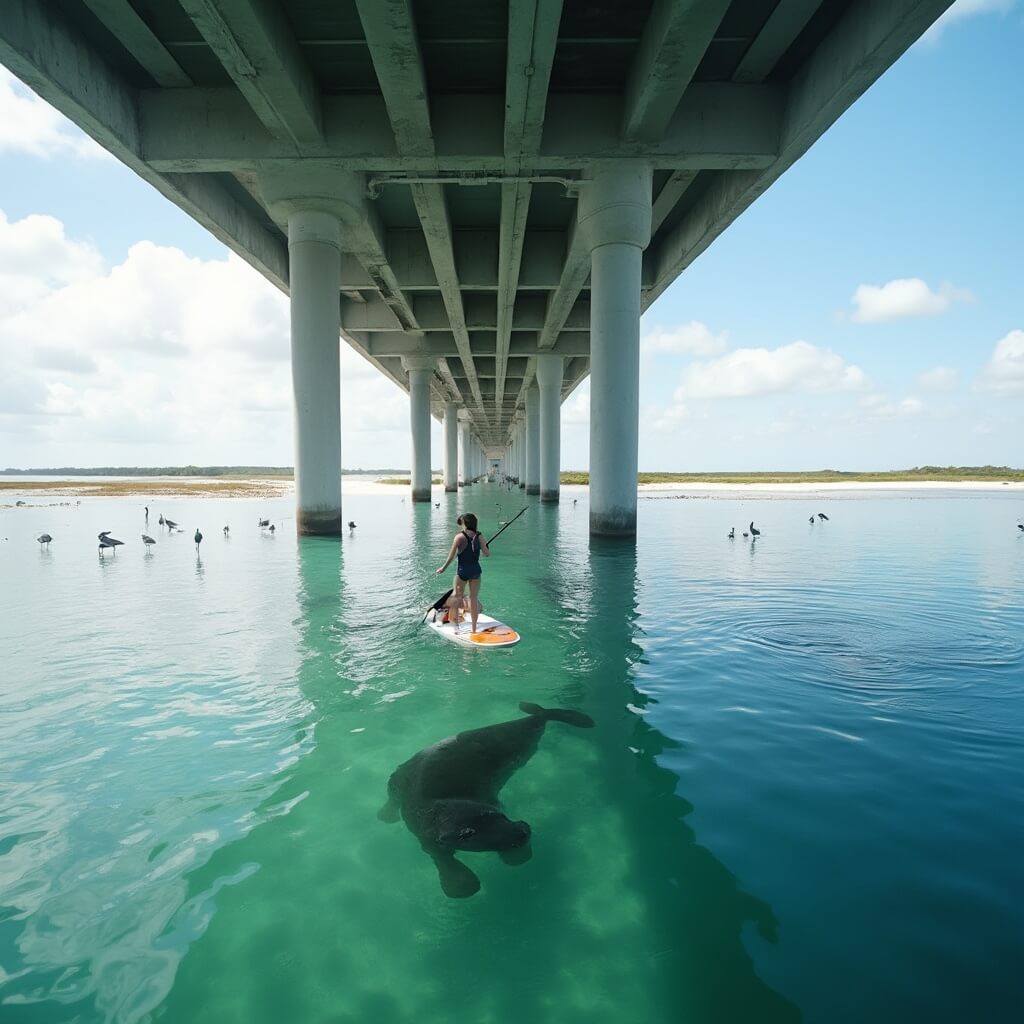
Why the Mullet Key Bayou Route Should Be Your First Choice
Head north from the campground along Madeleine Key’s east side. You’ll pass boat docks where pelicans perch like they’re posing for photos. The route continues under the bridge (mind the clearance) and follows the mangrove shoreline of St. Jean Key.
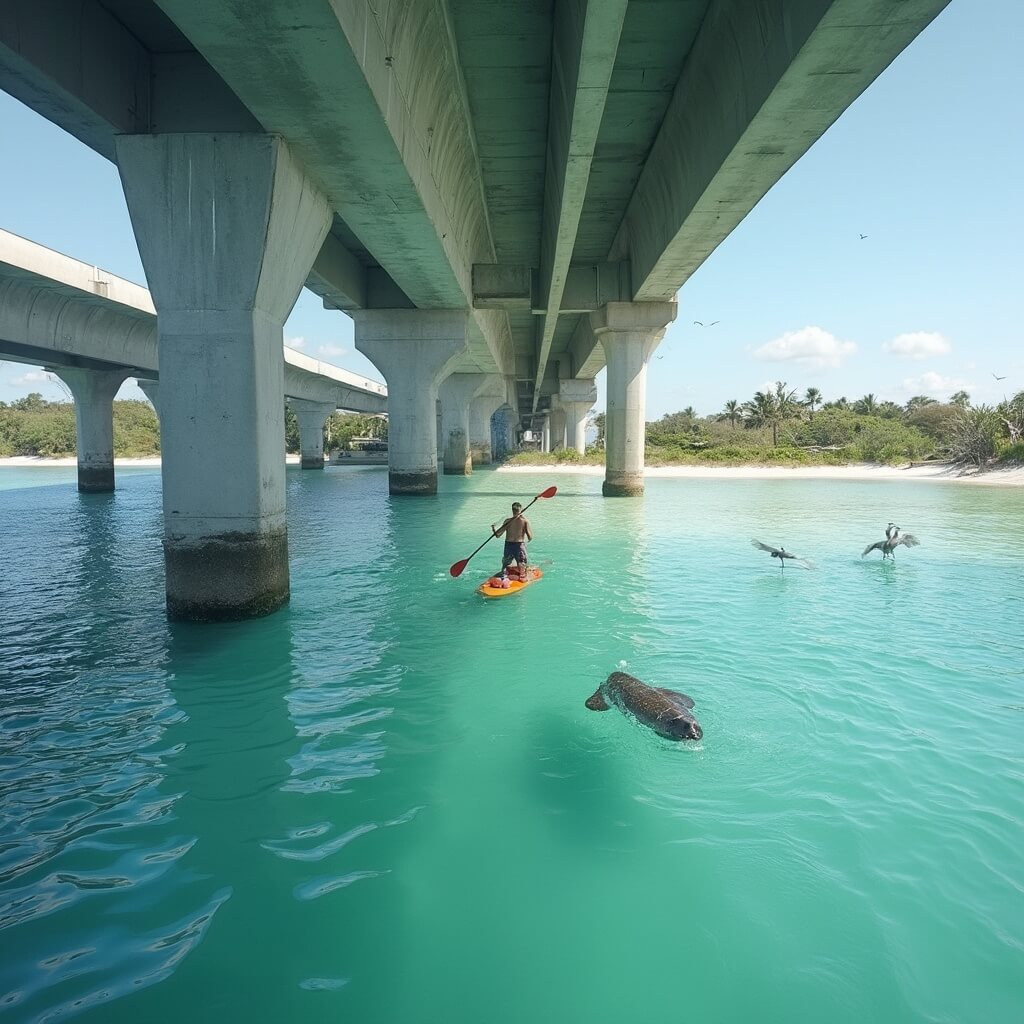
The highlight: Paddling under the Pinellas Bayway South bridge. The scale hits you from water level – massive concrete and steel architecture contrasting with pristine natural surroundings.
Current conditions: Generally mild, but strong tidal currents develop in certain areas during tide changes.
For something completely different, try the Bunces Pass route on the north side. Approximately 30 feet of shallow water leads to an island roughly 100 feet across, sitting 0.5 miles from Bunces Pass. A shallow flat stretches nearly 1 mile long in 2-3 feet of water – perfect for beginners building confidence.
Avoid the Egmont Key Pass route unless you’re experienced with boat traffic and deep water. This south-side pass features very deep water and serves as an active shipping channel.
The Wildlife Encounters That Make Every Paddle Worth It
Fort De Soto’s marine life viewing opportunities rival expensive eco-tours elsewhere in Florida.
Common species you’ll spot:
- Dolphins (almost guaranteed sightings)
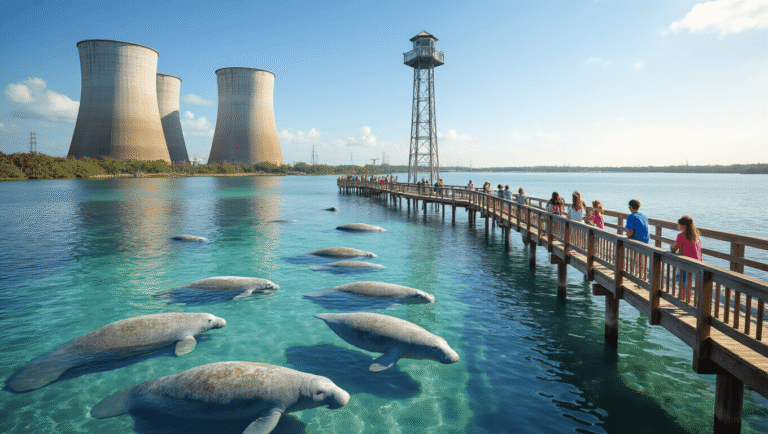
- Manatees (especially in cooler months)
- Manta rays (gliding through deeper channels)
- Stingrays (shuffling through shallows)
- Sea turtles (with patience and quiet approach)
- Horseshoe crabs (fascinating prehistoric creatures)
Birdwatching from your paddleboard adds another dimension entirely. Osprey nests dot the east side of Madeleine Key. Pelicans claim boat docks and bridge pilings as their personal perches. Herons stalk the shallows with prehistoric grace.
The Secret to Manatee Encounters That Actually Work
Most people chase manatees. Big mistake. The proper approach: Float quietly in 7-14 feet of water for 20 minutes. Let curiosity bring them to you.
I spent my entire first paddleboarding session frantically paddling toward every ripple and splash. Saw exactly zero manatees. The next day, I anchored myself in a deeper channel near the mangroves and simply waited. Within 15 minutes, a curious manatee surfaced 10 feet away, clearly checking out this strange floating human.
Legal requirements you must follow:
- Maintain reasonable distance
- Never pursue or chase
- Respect their space if they swim away
- Penalties apply for harassment – this isn’t a suggestion
Sea turtle spotting requires even more patience. They’re incredibly wary and avoid motor boats entirely. The silent approach of a paddleboard gives you the best chance for encounters. Listen for subtle surface sounds – often you’ll hear them before spotting them.
Understanding Fort De Soto’s water conditions and environmental factors becomes crucial for maximising both safety and wildlife viewing opportunities.
Experience other Florida adventures such as paddleboarding through Weeki Wachee springs or get some Florida coastal home decor inspiration for your home.
👇Find The Cheapest Flights To Anywhere Here👇
How Water Clarity Here Makes Every Other Florida Paddleboarding Spot Look Murky
On calm days, Fort De Soto’s water clarity rivals what you’d expect in the Bahamas. You’ll see the bottom in 8-10 feet of water. Seagrass beds wave like underwater meadows. Fish dart between coral formations visible from your board.
The protected lagoons create consistently calm paddling conditions even when Tampa Bay churns with whitecaps. Wind protection comes courtesy of the outlying islands – a natural windbreak system that keeps inner waters manageable for beginners.
I’ve paddled here during 15-20 mph wind days that made other Tampa Bay spots completely unmanageable. The difference? Those outer keys absorb the worst conditions whilst inner waters remain surprisingly calm.
Save this article
Enter your email and we'll send it straight to your inbox.
Weather considerations become critical
Wind can transform easy routes into serious workouts. Check forecasts and plan accordingly. Thunderstorms develop quickly in Florida – always have an exit strategy. Tidal conditions dramatically affect water depth and current strength. That 4-foot deep channel becomes 1.5 feet at low tide. Suddenly you’re dragging your fin instead of gliding.
Tidal range hits 2.5 feet during spring tides. Plan your route based on tide charts, not just what looked good yesterday. Strong tidal currents develop in passes and channels during tide changes. What feels like a gentle drift can become a serious current requiring constant correction.
Essential gear checklist:
- Sunscreen (Florida sun reflects off water with brutal intensity)
- Bug repellent (mangroves harbour mosquitoes)
- Water (more than you think you need)
- Snacks (low blood sugar plus sun equals miserable paddle back)
The Boating Traffic Reality That Could Ruin Your Day (And How to Avoid It)
Fort De Soto sits adjacent to major shipping lanes connecting Tampa Bay to the Gulf of Mexico. Massive cargo ships, cruise vessels, and military craft transit these channels regularly.
The Egmont Key Pass serves as the primary shipping channel. Critical safety rule: Never cross shipping lanes without understanding traffic patterns. These vessels cannot stop or manoeuvre around small watercraft.
The well-marked boating channel connects Tampa Bay to the Gulf and sees constant recreational traffic. Smart paddling strategy: Stay near shorelines, away from main channels. Boats naturally follow deeper water whilst paddleboards thrive in shallows.
During my third visit, I watched a paddleboarder attempt crossing the main channel during busy weekend boat traffic. Multiple close calls, obvious frustration, and what should have been a relaxing paddle became a stress-filled navigation exercise.
Lesson learned: Use the shallow flats and protected lagoons. Leave the main channels to vessels that belong there.
The Civil War History That Makes This More Than Just Another Paddleboarding Spot
Fort De Soto’s historic significance adds cultural depth to your paddling adventure. Built during the Civil War era, this fortification defended Tampa Bay from potential naval attacks. The fort was officially abandoned in 1923 after decades of military use. In 1948, it transitioned to recreational use.
Official dedication as a park occurred May 11, 1963. Pre-European history runs even deeper. The Tocobaga Native Americans inhabited these waters long before Spanish explorers arrived. Panfilo de Narvaez and Hernando De Soto both visited these islands during their expeditions. You’re paddling through waters that witnessed centuries of human history.
Exploring the fort structures on foot provides fascinating contrast to the water-based adventure. Massive concrete fortifications, underground chambers, and strategic gun placements show how seriously military planners took this location’s defensive value.
Visual landmarks visible from your paddleboard:
- The Sunshine Skyway Bridge dominates the northern horizon – one of Florida’s most recognisable landmarks.
- Mangrove shorelines create natural artwork with their intricate root systems.
- Osprey nests perch atop channel markers and dead trees.
- Multiple island formations provide constantly changing scenery as you paddle between keys.
Why the Campground Option Transforms This From Day Trip to Epic Adventure
Fort De Soto Campground requires advance reservations for good reason. This isn’t some afterthought camping area – it’s one of Florida’s premier outdoor destinations.
Waterfront campsites (Sites #165-#204) put you literally steps from paddleboarding launch points. Sites #165-#198 face the protected lagoon on the east side. Sites #200-#204 open onto Mullet Key Bayou on the west side.
Seawall access requires a collapsible ladder due to tidal changes, but imagine rolling out of your tent and onto your board within minutes. Sandy access sites (#1-#36) offer easier water entry without seawalls. Large, grassy staging areas provide plenty of space for gear organisation. Clean, direct water access eliminates the hassle of carrying boards long distances.
The camping advantage extends beyond convenience. Sunrise paddling sessions before crowds arrive. Sunset paddles when most day visitors have departed. Night sky viewing from your campsite after full days on the water.
Reservation reality: Book months ahead, especially for winter months and weekends. This campground’s reputation spreads far beyond Florida.
The Multi-Sport Opportunities That Make Every Family Member Happy
Paddleboarding represents just one option in Fort De Soto’s outdoor recreation lineup.
Bicycle rentals and paved bike paths let you explore the islands from a different perspective.
Fishing opportunities abound throughout the park’s waters:
- Flounder hiding in sandy bottoms
- Speckled Trout cruising grass flats
- Redfish prowling shallow waters
- Spanish Mackerel in deeper channels
- Snook around structure and mangroves
- Pompano in surf zones
Beach activities on Mullet Key rival anything on Florida’s Gulf Coast:
- Swimming in pristine waters
- Shell collecting along miles of shoreline
- Sunbathing on powdery white sand
- Picnicking at designated areas with facilities
I’ve spent entire afternoons alternating between paddleboarding the protected waters and swimming from the Gulf beaches. The variety prevents that “we drove all this way for just one activity” feeling.
The Insider Planning Strategy That Separates Great Visits From Disappointing Ones
Choose calm days for optimal water clarity and safety. Even experienced paddleboarders struggle when wind transforms protected lagoons into challenging conditions.
Plan around tidal conditions for optimal water depth. That Instagram-worthy shallow flat becomes an ankle-deep mud walk at extreme low tide.
Arrive early for self-guided rentals – the first-come, first-serve policy means popular equipment disappears quickly on busy days.
Consider guided tours for wildlife-focused experiences, especially if you’re unfamiliar with local conditions and animal behaviour.
Check weather and wind forecasts using marine weather sources, not general weather apps.
Advanced planning considerations:
- Parking fills up on weekends and holidays – arrive early or consider weekday visits.
- Toll road access means budgeting for round-trip toll costs.
- Food and beverage options within the park are limited – plan accordingly.
- Restroom and shower facilities are available but spacing your water intake helps avoid mid-paddle emergencies.
The Safety Essentials That Keep Adventure From Becoming Emergency
Respect wildlife by maintaining safe distances. That curious manatee or dolphin encounter can quickly turn dangerous if animals feel threatened or cornered.
Wear appropriate sun protection – Florida sun reflects off water with doubled intensity. I learned this lesson during a 4-hour paddle that left me lobster-red despite thinking I’d applied enough sunscreen.
Apply bug repellent before launching, especially near mangrove areas where mosquitoes thrive.
Monitor strong currents in passes and channels during tide changes. What starts as gentle drift can become serious current requiring constant correction.
Avoid crossing major shipping lanes unless you’re experienced with boat traffic and understand right-of-way rules.
Carry emergency communication – cell coverage varies throughout the park.
File a float plan with someone onshore, especially for longer routes or solo paddling.
Know your limits – shallow water doesn’t equal easy conditions when wind and current combine.
The Bottom Line: Why Fort De Soto Should Top Your Florida Paddleboarding List
Fort De Soto Park delivers everything serious paddleboarders want: diverse routes, incredible wildlife, pristine water, convenient facilities, and enough variety to prevent boredom across multiple visits.
The combination of shallow, protected waters perfect for beginners and challenging routes that satisfy experienced paddlers makes this destination uniquely versatile.
Add historical significance, camping options, and proximity to St. Petersburg, and you’ve got Florida’s most complete paddleboarding destination. Most importantly, the experience feels authentic rather than commercialised. You’re exploring a genuine natural ecosystem, not a manufactured tourist attraction.
Whether you’re planning a day trip from Tampa Bay or a multi-day camping adventure, Fort De Soto provides the perfect setting to paddleboard through one of Florida’s last unspoiled coastal wildernesses. The only question remaining: when will you discover why locals have been keeping this paddleboarding secret to themselves, and why every serious paddleboarder needs to experience what it’s truly like to paddleboard through Fort De Soto Park?
For more information, visit the Fort De Soto Mullet Key Bayou Waterways or check out the Fort De Soto Park Paddling Guide.
👇Ready To Book Your Trip?👇
This post may contain affiliate links. Please see my disclosure policy for details.
Want to keep this one?
We'll email you the link so you can find it again later.