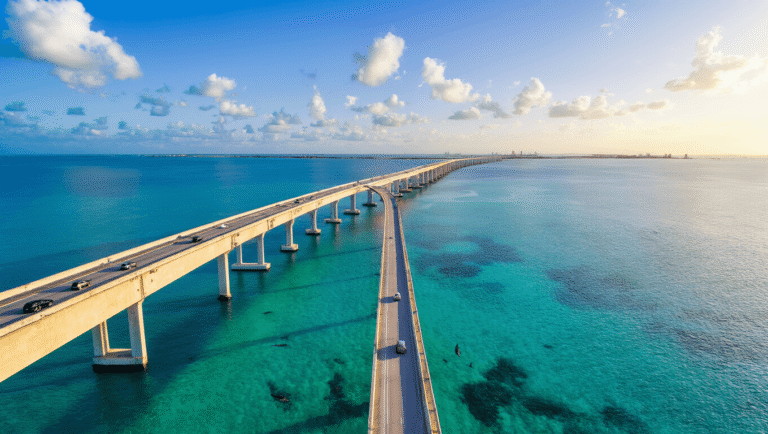
Have you ever wondered where nature puts on its most dramatic water show without charging admission? Blowing Rocks Preserve sits quietly on Jupiter Island, just a short drive from the tourist-packed beaches of Jupiter, Florida. Yet this 73-acre coastal treasure remains one of Florida’s best-kept secrets.
I stumbled across this place three years ago whilst fleeing the crowded chaos of nearby Jupiter Beach on a particularly busy Easter weekend. What I discovered completely changed how I think about Florida’s coastline.

Why This Preserve Makes Geologists Go Mental (In the Best Way)
The Nature Conservancy manages this coastal wonderland, and they’ve got their hands full. With roughly 55,000 visitors each year, Blowing Rocks ranks as one of their most popular preserves in the entire United States. But here’s what makes it special – it’s not just another pretty beach.
The preserve sits on a barrier island wedged between two completely different worlds:
- The Atlantic Ocean crashes against ancient limestone cliffs on the east
- The calm Indian River Lagoon laps against mangrove shores on the west
This unique position creates microclimates and habitats you won’t find anywhere else on Florida’s east coast.
Think of it as nature’s own theme park, but with real educational value and zero queues.
The Rocks That Made Florida Famous (2.5 Million Years Ago)
Here’s where things get properly interesting from a geological standpoint. Blowing Rocks Preserve showcases the largest exposed stretch of Anastasia Formation along Florida’s entire eastern shoreline.
What exactly is Anastasia Formation? Picture this: 2.5 million years ago, during the Pleistocene Epoch, sea levels were much higher than today. Ancient beaches formed from a mixture of quartz sand and countless marine shells. Over millennia, these shells compressed into coquina limestone – a rock that’s basically fossilised beach.
Most of Florida’s east coast has this same geological foundation buried underground. But at Blowing Rocks, erosion has done us a massive favour by exposing these ancient formations right at the surf line.
The result? Dramatic bluffs, ledges, sea caves, and those famous blowholes that give the preserve its name.
When Mother Nature Shows Off: The Blowing Rocks Phenomenon
Ever seen a natural geyser that runs on wave power instead of geothermal energy? That’s exactly what happens here when conditions align perfectly.
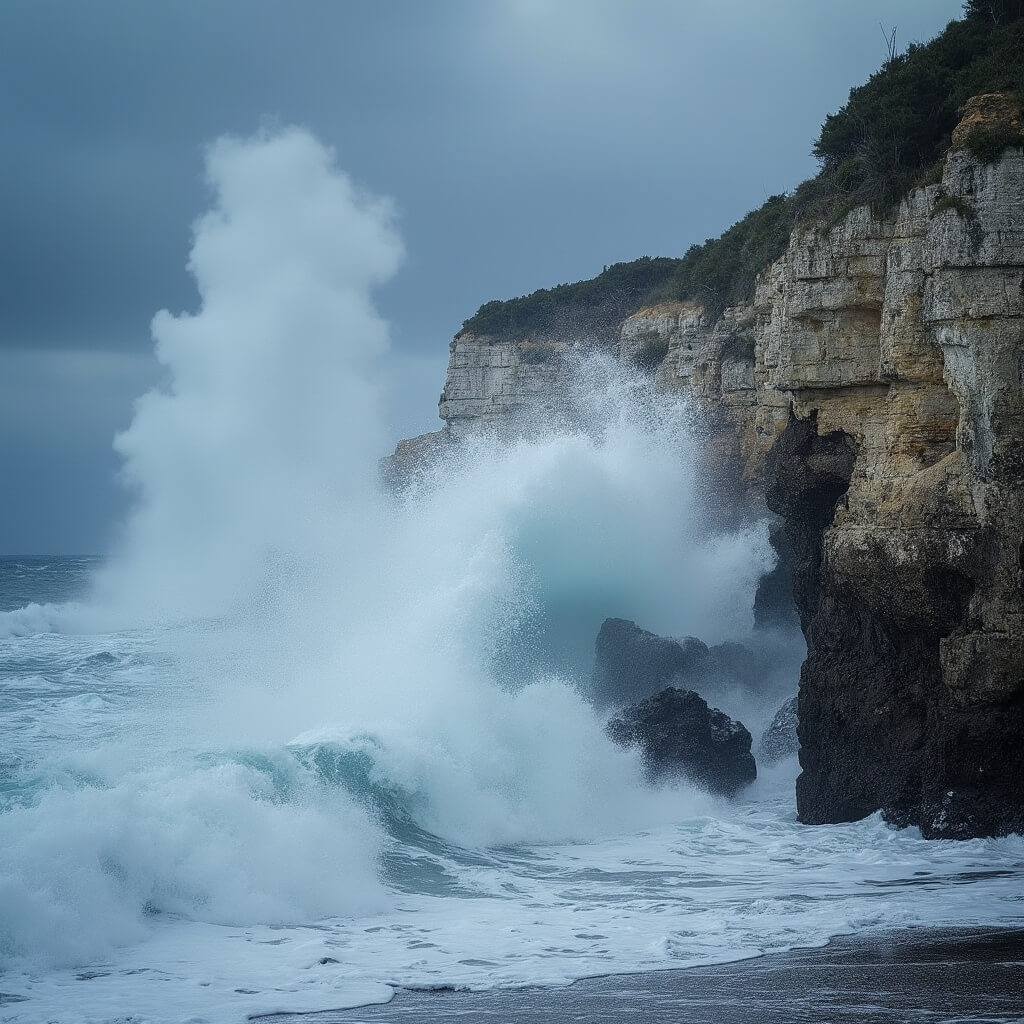
Here’s how the magic works: Wave energy forces seawater through erosion holes and vertical cracks in the ancient limestone. These narrow openings act like natural nozzles. During high tide with strong onshore winds, jets of water shoot vertically up to 50 feet in the air.
I witnessed this spectacle during a winter storm last February, and the sound alone was worth the trip. The thunderous roar of water exploding skyward, combined with the sight of these towering plumes, creates an almost primal connection to the ocean’s raw power.
small ponds with waterfall ideas
When should you visit for the best show?
- High tide combined with choppy surf conditions
- Strong onshore winds (check the weather forecast)
- Winter storms often create the most dramatic displays
During calm periods or low tide, the blowholes go dormant. But this reveals an entirely different experience – you can explore the rock formations, tide pools, and sea caves up close.
The Underground World That Emerges at Low Tide
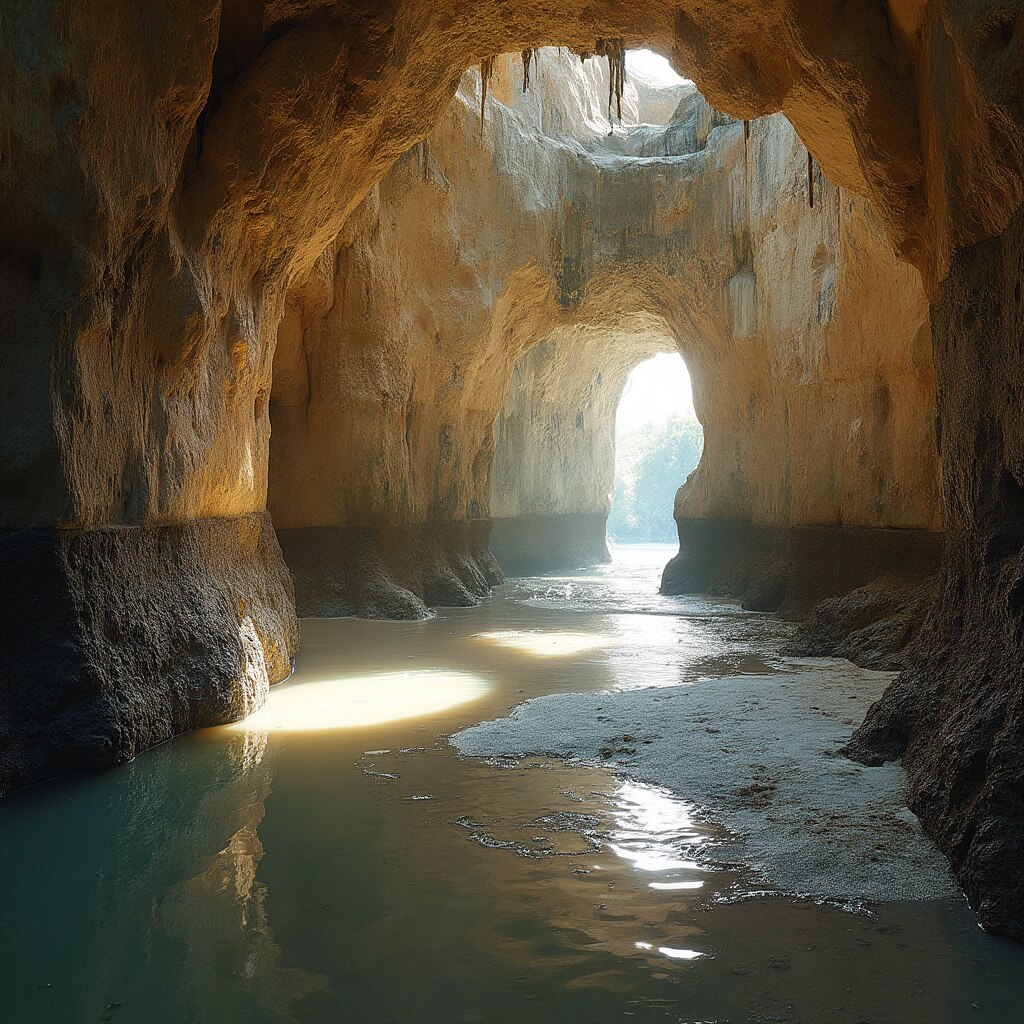
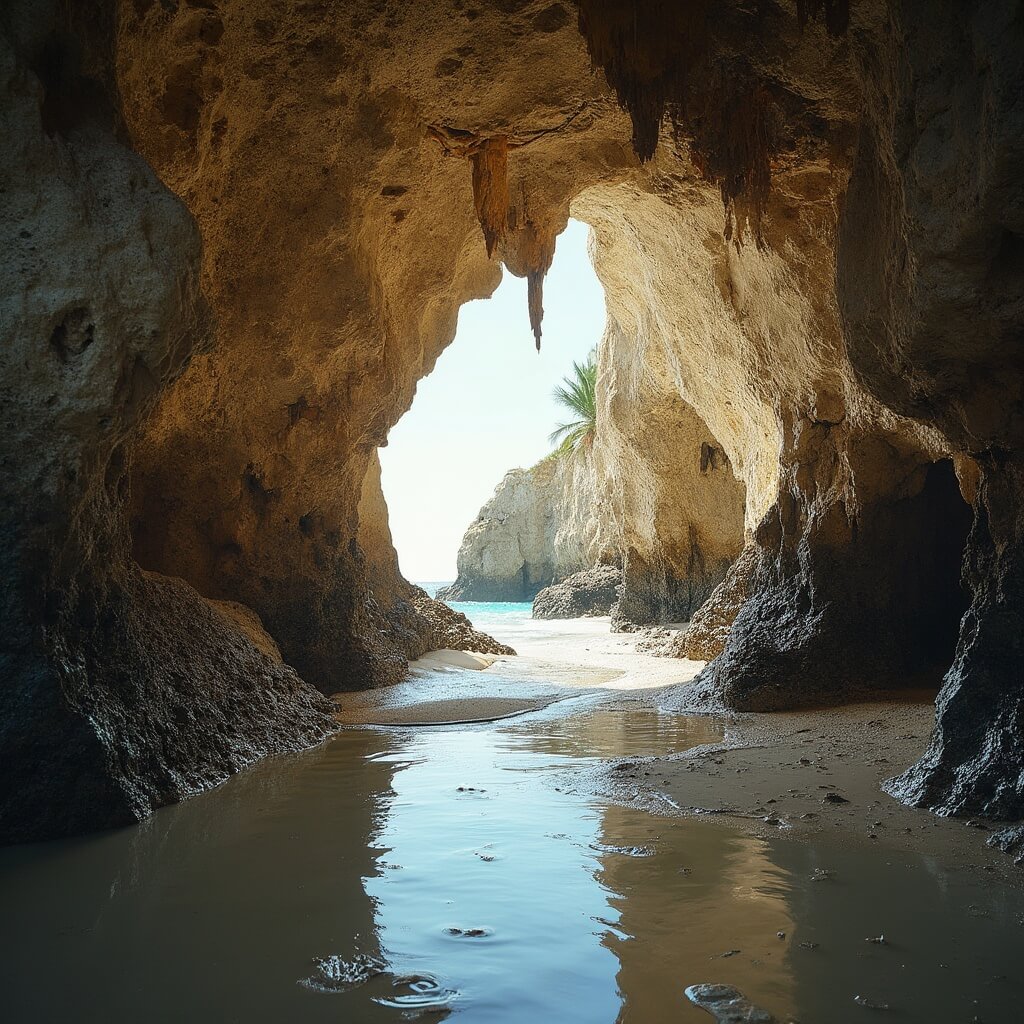
Low tide transforms Blowing Rocks into an explorer’s paradise. The receding water reveals small sea caves carved into the limestone bluffs. Some are tall enough to stand in, creating cathedral-like chambers with natural skylights.
These same “chimneys” that provide enchanting exploration at low tide become the blowholes during high tide. It’s like the preserve has two completely different personalities depending on when you visit.
What you’ll discover in the exposed formations:
- Stalactite-like limestone drips
- Mini columns and naturally pitted surfaces
- Fossils embedded directly in the rock
- Constantly changing shapes due to ongoing erosion
The rock formations never stay the same for long. Each major storm event reshapes the landscape, creating new caves and closing others.
The Reefs Most People Never See
Beneath the waves lies another world entirely. The preserve’s nearshore hardbottom reefs extend offshore, creating underwater landscapes that rival tropical destinations.
These submerged rock outcrops earned federal recognition as Essential Fish Habitat and a Habitat Area of Particular Concern. That’s government speak for “really bloody important to marine life.”
The numbers tell the story:
- At least 257 fish species call these reefs home
- Over 533 invertebrate species thrive here
- Multiple sea turtle species use the area for feeding and nesting
One of the most fascinating residents is the honeycomb worm. These industrious creatures build intricate sand-tube colonies that look like underwater apartment complexes. The scientific name Phragmatopoma lapidosa might be a mouthful, but watching them work is mesmerising.
Where Two Waters Meet: The Indian River Lagoon Connection
Walk across the preserve to its western shore, and you’ll enter a completely different aquatic ecosystem. The Indian River Lagoon represents one of North America’s most biodiverse estuaries.
Here, fresh water from inland sources mingles with salt water from the ocean. This mixing creates salinity gradients that support an incredible variety of plant and animal communities.
Why estuaries matter so much:
- They serve as nurseries for juvenile fish and invertebrates
- Mangrove forests provide natural shoreline protection
- The mixing of waters creates unique chemical conditions that support rare species
The contrast between the wave-battered Atlantic shore and the peaceful lagoon beach perfectly demonstrates how geography shapes ecosystems.
A Conservation Success Story 55 Years in the Making
Blowing Rocks Preserve exists because local residents had the foresight to act in 1969. Jupiter Island residents purchased and donated this land specifically to protect intact beach, dune, and reef habitats. They then transferred stewardship to The Nature Conservancy’s Florida Chapter.
The restoration achievements are impressive:
- Nearly 48 acres restored over 20 years
- Long-term invasive plant removal programmes
- Recognition as a model for large-scale coastal habitat restoration
This wasn’t just about preserving pretty scenery. The preserve protects critical nesting habitat for multiple sea turtle species and serves as a living laboratory for coastal conservation techniques.
The success here proves that determined local action can create lasting environmental benefits. It also demonstrates how conservation and public access can coexist when managed thoughtfully.
Now that you understand what makes Blowing Rocks Preserve so special, you’re probably wondering about the incredible diversity of life that calls this place home.
👇Find The Cheapest Flights To Anywhere Here👇
The Wildlife Paradise That Scientists Can’t Stop Talking About
The biodiversity numbers at Blowing Rocks make even seasoned naturalists do double-takes. Over 250 native plant species thrive within just 73 acres. More than 36 imperiled species call this preserve home.
But raw numbers don’t capture what it feels like to encounter a gopher tortoise ambling across the trail or watch a manatee surface in the lagoon.
The preserve sits at a botanical crossroads where temperate and tropical zones intersect:
- Northern species reach their southern limits here
- Tropical plants find their northernmost footholds
- The result is species diversity that punches well above its geographic weight class
I remember watching a wood stork hunt in the shallow lagoon waters whilst a frigatebird soared overhead. These are species you might expect to see hundreds of miles apart, yet here they share the same small preserve.
Beach Babies: Where Sea Turtles Choose to Nest
Between March and October, Blowing Rocks transforms into one of Florida’s most important sea turtle nurseries. The dark, relatively undeveloped beachfront provides exactly what nesting females need.
Four sea turtle species nest here regularly:
Save this article
Enter your email and we'll send it straight to your inbox.
- Loggerhead turtles (the most common nesters)
- Green turtles (increasingly frequent)
- Leatherback turtles (the giants, occasionally nesting)
- Hawksbill turtles (rare but documented)
The nesting numbers are staggering for such a compact area. More than 600 nests per season along this stretch of beach. Each clutch contains roughly 100 eggs. Do the math – thousands of hatchlings emerge annually from this single location.
Why this beach works so well for sea turtles:
- Minimal artificial lighting (crucial for hatchling orientation)
- Stable sand temperatures for proper egg development
- Protection from beach vehicles and excessive human disturbance
The Nature Conservancy marks and monitors every nest. Their conservation staff patrols regularly during nesting season, collecting data that contributes to statewide sea turtle research.
Witnessing a turtle nest hatching ranks among Florida’s most magical natural experiences. But it requires patience, luck, and following strict observation guidelines.
The Underwater Forest You Can Actually Explore
Strap on a snorkel mask during calm summer conditions, and you’ll discover why marine biologists get excited about nearshore hardbottom reefs.
The limestone ledges extending offshore create three-dimensional underwater landscapes. Sponges, soft corals, and algae colonize every available surface. Small reef fish dart between crevices whilst larger predators patrol the deeper channels.
Common underwater sightings include:
- Nurse sharks (harmless bottom-dwellers)
- Southern stingrays gliding over sandy patches
- Schools of snook and jack crevalle
- Occasional sea turtles grazing on algae
- Countless species of colorful reef fish
The snorkeling here rivals destinations that charge hefty boat fees. You simply wade in from the beach and swim out to the reef structures.
Best conditions for underwater exploration:
- Spring and summer for warmest water temperatures
- Calm wind conditions with minimal wave action
- Morning hours before afternoon sea breezes pick up
- Use reef-safe sunscreen to protect marine life
The preserve’s underwater world changes seasonally as fish populations migrate and breeding cycles fluctuate. Each visit offers different encounters.
How to Experience Blowing Rocks Like a Local
Most visitors make the same mistake – they arrive expecting a typical Florida beach experience. But Blowing Rocks rewards those who come prepared for something completely different.
The trail system reveals different worlds within the preserve:
- Dune Trail creates tunnel-like passages under sea grape canopies
- Beachside circuit covers 1.1 miles including stairs down to rocky shoreline
- Lagoon Trail loops 0.6 miles through mangrove and coastal hammock
- Combined trails create a 1.7-mile experience linking both shorelines
The Hawley Education Center anchors the preserve’s educational mission. Their “Tides of Life” exhibit explains coastal processes, habitat connections, and ongoing conservation work. It’s worth spending time here before hitting the trails.
Timing your visit makes all the difference:
- Early morning offers cooler temperatures and active wildlife
- Low tide reveals rock formations and tide pools
- High tide with rough conditions produces the famous blowholes
- Late afternoon provides excellent photography lighting
I’ve learned to check tide charts before every visit. The preserve essentially offers two different experiences depending on tidal conditions.
The Photography Opportunities That Instagram Dreams Are Made Of
Blowing Rocks serves up some of Florida’s most dramatic coastal photography opportunities. But capturing the preserve’s essence requires more than pointing and shooting.
Sunrise photography here is particularly rewarding:
- Atlantic sunrise framed by ancient limestone formations
- Water plumes backlit by morning sun during rough conditions
- Silhouetted rock formations creating natural leading lines
Low tide reveals intricate textures and patterns in the coquina limestone. Macro photographers find endless subjects in the rock’s fossil-rich surfaces. Reflected pools create natural mirrors for creative compositions.
Wildlife photography requires patience and respect:
- Telephoto lenses for sea turtle and bird photography
- No flash during nesting season or on nocturnal wildlife
- Maintain respectful distances from all wildlife
The preserve prohibits drone usage to protect wildlife and maintain the natural experience for visitors. But honestly, the ground-level photography opportunities more than compensate.
Planning Your Great Escape to Blowing Rocks
Blowing Rocks Preserve operates on a refreshingly simple model – no entrance fees, no reservations required, just show up and explore. The Nature Conservancy requests donations to support ongoing conservation work, but visiting costs nothing.
Essential logistics:
- Address: 574 S. Beach Rd., Hobe Sound, FL 33455
- Hours: Typically 9:00 a.m.–4:30 p.m. (verify current hours)
- Phone: (561) 744-6668 for current conditions and programs
Getting there involves navigating Jupiter Island’s geography:
From I-95 or Florida’s Turnpike, exit at Jupiter (Indiantown Road). Drive east toward the coast, then north on A1A. The preserve entrance sits on the barrier island between the mainland and ocean.
Parking fills quickly during peak season weekends and holidays. Arriving early or visiting on weekdays provides a more peaceful experience.
What to bring for the optimal experience:
- Water shoes or sturdy sandals for rocky shoreline exploration
- Plenty of water (no facilities sell beverages)
- Reef-safe sunscreen
- Binoculars for wildlife watching
- Camera with extra batteries
- Snorkel gear if conditions are calm
The preserve’s compact size makes it perfect for half-day visits. But the variety of habitats and activities can easily fill an entire day for nature enthusiasts.
Why Blowing Rocks Matters Beyond the Instagram Posts
This preserve represents something increasingly rare – successful community-driven conservation that delivers long-term benefits.
The restoration work here provides blueprints for coastal habitat recovery throughout Florida. Research conducted at Blowing Rocks informs sea turtle conservation strategies statewide. The preserve demonstrates how public access and environmental protection can coexist successfully.
The broader conservation impacts include:
- Protecting critical sea turtle nesting beaches
- Maintaining fish nursery habitats essential to commercial and recreational fishing
- Preserving coastal habitat connectivity for wildlife movement
- Providing living laboratories for climate change research
Climate change poses growing threats to coastal ecosystems throughout Florida. Sea level rise, increased storm intensity, and temperature changes all impact the species that depend on places like Blowing Rocks.
The long-term monitoring and adaptive management here contributes valuable data for understanding how coastal ecosystems respond to environmental changes.
The Secret That’s Worth Sharing
After multiple visits spanning different seasons and tidal conditions, I can honestly say Blowing Rocks Preserve offers something unique along Florida’s increasingly developed coastline.
It’s not just another pretty beach or nature walk. This preserve combines geological drama, biodiversity, conservation success, and public access in ways that few places manage.
The fact that it remains relatively unknown despite being so close to major population centers makes it even more special. But perhaps that’s changing as more people discover what scientists and conservationists have known for decades.
Blowing Rocks Preserve proves that Florida’s natural treasures still exist for those willing to venture beyond the obvious tourist destinations. Whether you’re drawn by the geological spectacle, the wildlife diversity, or simply the chance to experience an unspoiled piece of coastline, this hidden gem delivers experiences that typical Florida beaches simply can’t match.
The next time you’re in the Jupiter area and crowds at the main beaches have you reconsidering your beach day plans, remember that one of Florida’s most dramatic natural shows is happening just a few miles away – where ancient rocks meet the Atlantic Ocean at Blowing Rocks Preserve.
👇Ready To Book Your Trip?👇
This post may contain affiliate links. Please see my disclosure policy for details.
Want to keep this one?
We'll email you the link so you can find it again later.